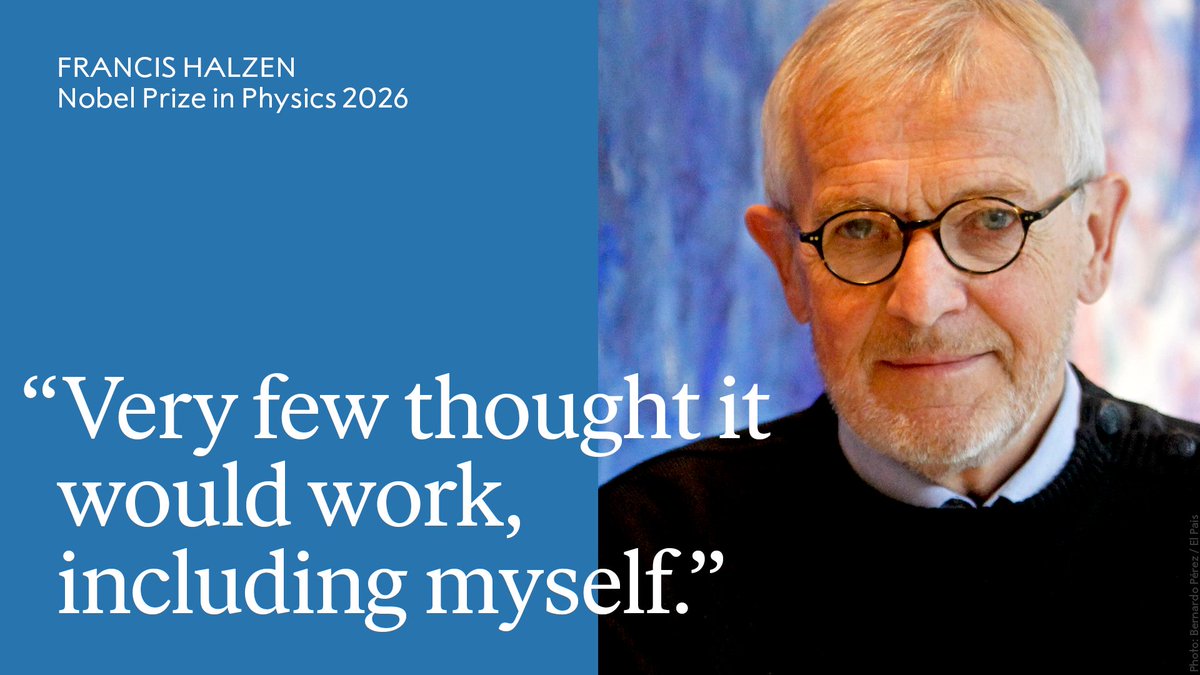
“I have to emphasise how lucky I was because when we staffed this project everybody realised this was maybe a good idea, but very few thought it would work, including myself. So this was kind of an adventure where success was not guaranteed."
Francis Halzen – newly awarded physics laureate – explained that the success of the IceCube Neutrino Observatory was due partially to luck and to the talent of all his collaborators.
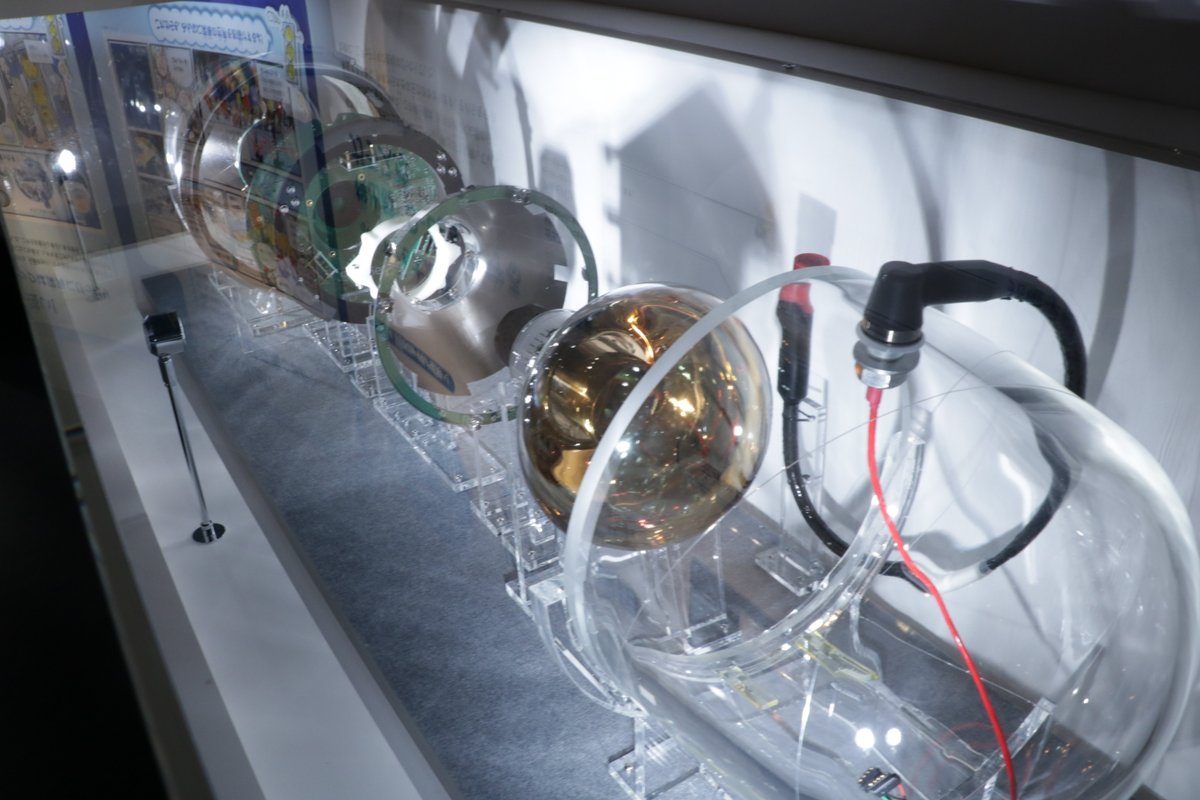
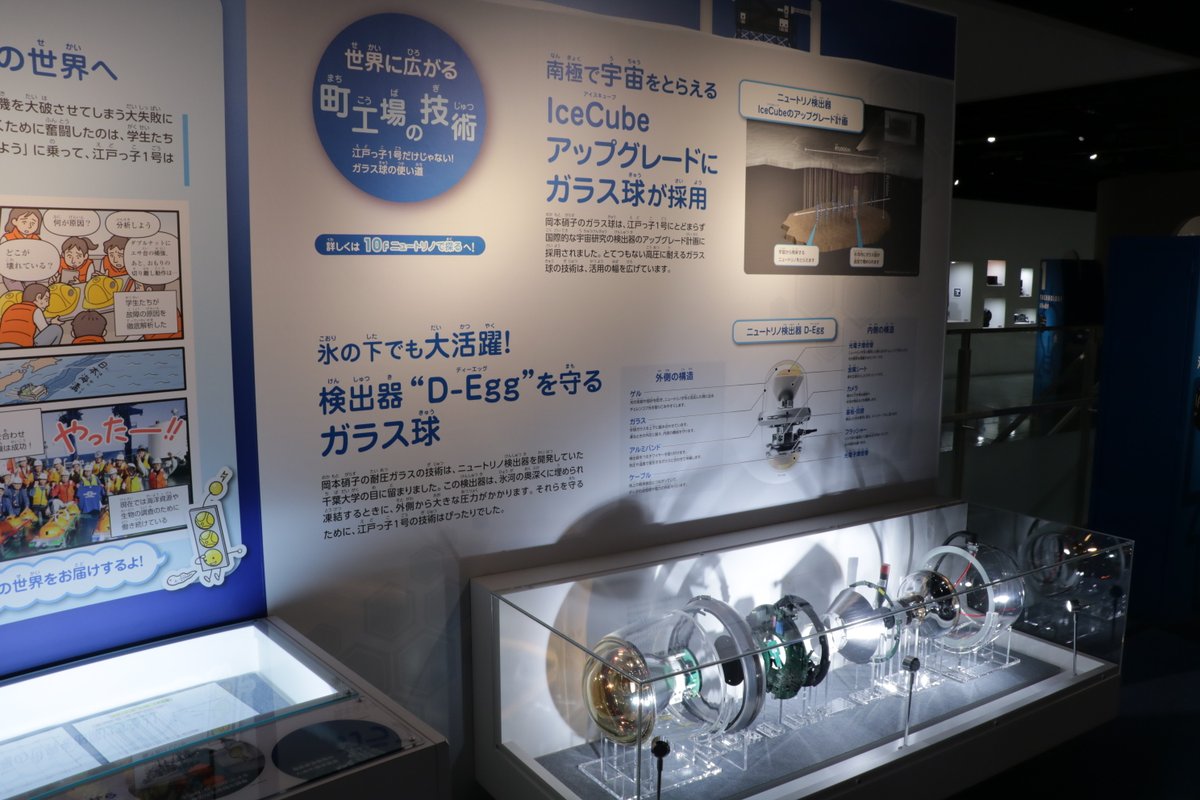
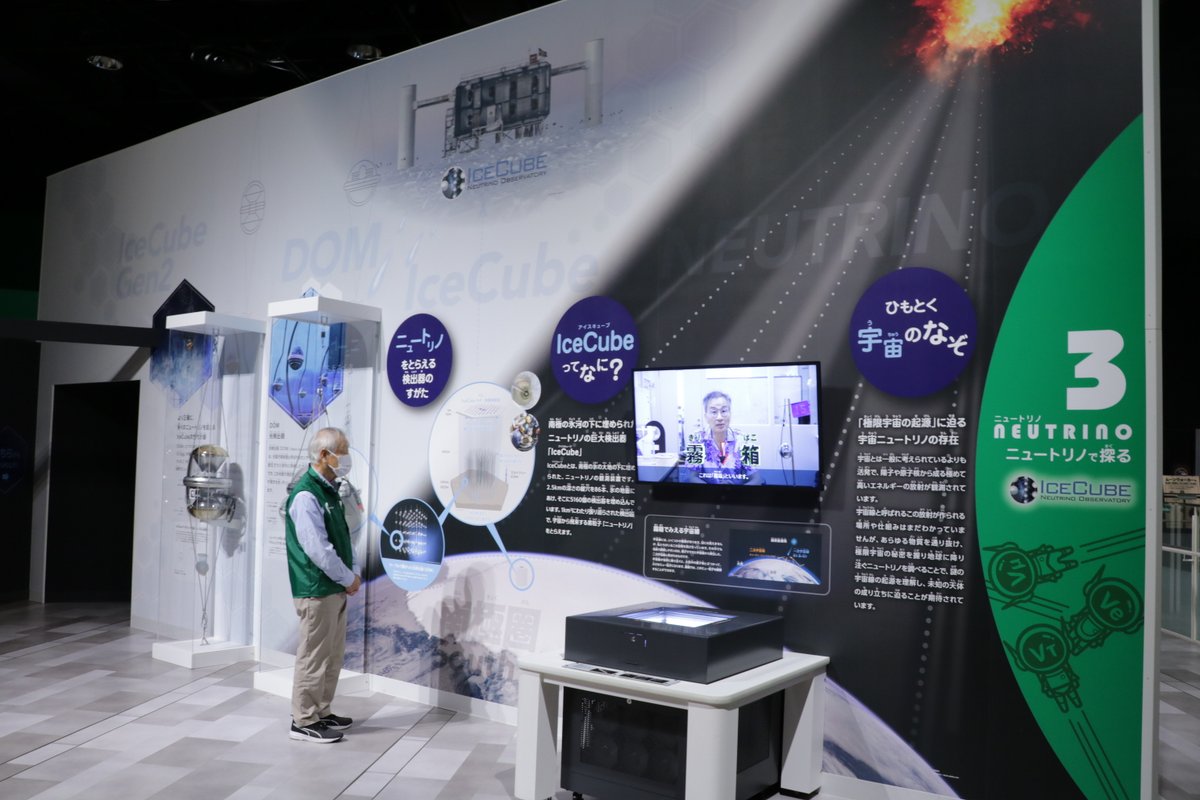
Back in the 1980s, Halzen realised that the Antarctic ice could be ideal for ensnaring enough of these secretive neutrinos that researchers could learn more about their distant origins. He quickly convinced many others of his idea’s potential and, in 1992, a group of tenacious researchers and engineers made the first attempts to lower light sensors into the glacier at the South Pole.
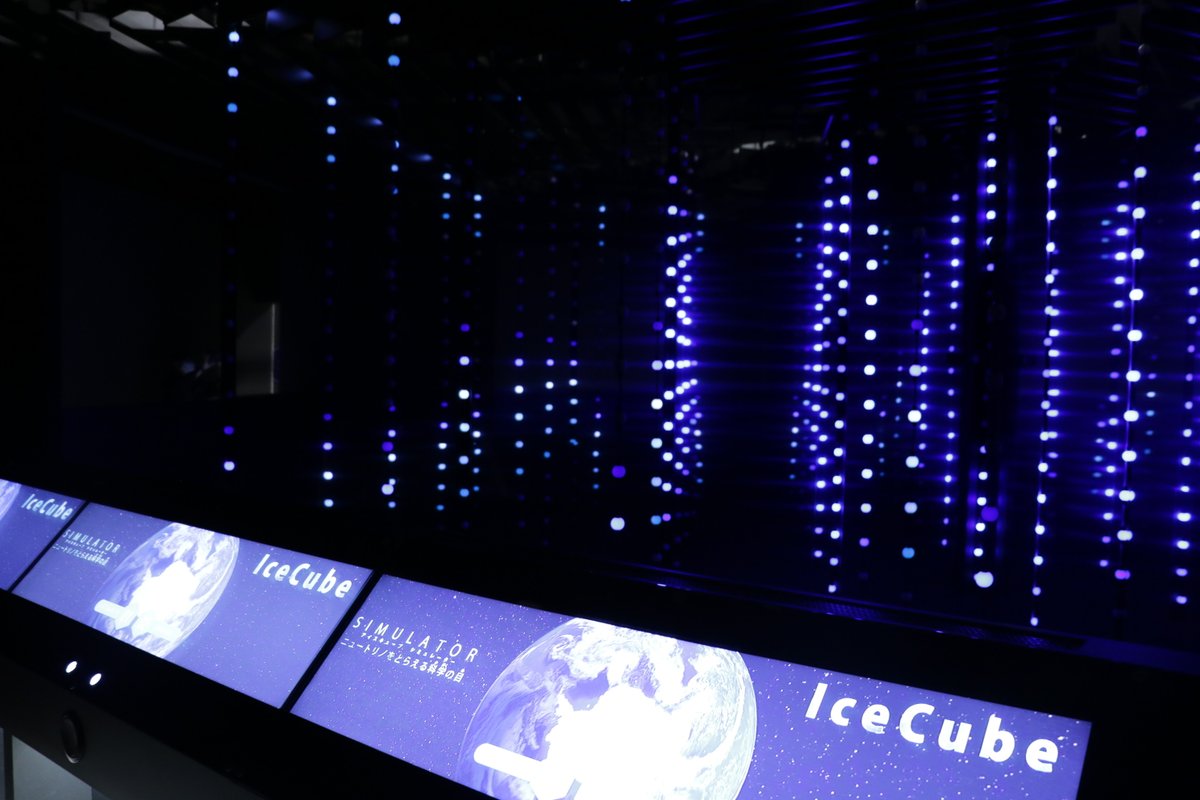
The breakthrough came around twenty years later: the IceCube neutrino telescope registered neutrinos with properties that convinced researchers they originated in distant regions of space. The hunt for the universe’s neutrino sources had begun in earnest.