The details of Hina Javed’s murder are horrifying. There has been outrage, arrests have been made, everyone is unified in the call for justice.
But we’ve been here before.
We must keep attention on the case when the news cycle moves on. Demand a thorough investigation, that every person responsible is held accountable. We have to make sure her family does not have to fight the system for years just to see justice delivered.
Hina’s family has asked us not to let this case fade from public view.
We can’t let it.
سَیّاں بَھئے کوتْوال اَب ڈَر کاہے کا
1991 میں مسلم کمرشل بینک کو حکومت نے ”حسبِ منشا“ نجکاری کے ذریعے نجی شعبے کے حوالے کیا۔ 75 فیصد حصص صرف 2 ارب 42 کروڑ روپے میں نشاط گروپ کو فروخت ہوئے۔ بعد ازاں اس نجکاری پر بے ضابطگیوں کے الزامات لگے، مقدمات نیب سے لاہور ہائیکورٹ اور پھر سپریم کورٹ تک جا پہنچے، مگر وقت گزرنے کے ساتھ سب کچھ معمول بن گیا۔
صورتحال یوں ہے کہ حکومت صنعت کار سیٹھوں کو بینک بھی دے دے، وہی سیٹھ انشورنس کمپنیاں بھی بنا لیں، سرمایہ کاری کے ادارے بھی انہی کے ہوں، اور انہی بینکوں سے سب سے بڑا قرض لینے والا خود حکومت بن جائے، تو پھر ایک عام بینک صارف کس شمار قطار میں آئے گا؟ اس سارے منظرنامے میں تو سیٹھ ہی ”عالم نشاط“ میں رہے گا، جبکہ عام صارف قطار میں کھڑا اپنی ہی جمع پونجی تک رسائی کا منتظر ہوگا۔
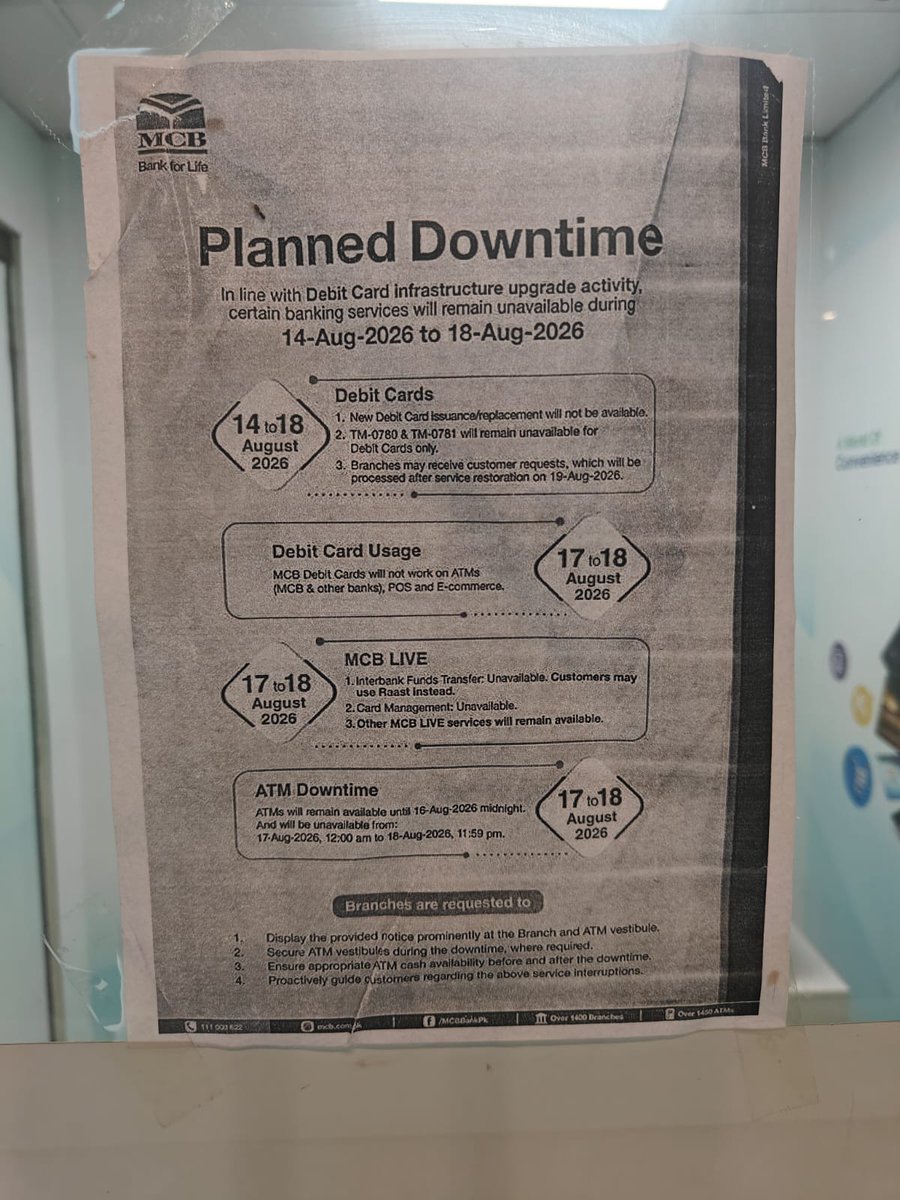
یہ سوال میرے ذہن میں اس لئے آیا کہ گزشتہ چند دنوں سے مسلم کمرشل بینک (MCB) کی ڈیجیٹل اور اے ٹی ایم سروسز انفراسٹرکچر اپ گریڈ کے نام پر معطل ہیں۔ صارفین سے کہا گیا کہ یہ ایک عارضی تکلیف ہے، مگر 5 دن گزرنے کے بعد بھی متعدد صارفین کو مشکلات کا سامنا ہے۔ اگر ایک نجی بینک مسلسل کئی دن اپنی بنیادی ڈٰیجیٹل اور اے ٹی ایم خدمات بند رکھ سکتا ہے تو پھر یہ سوال اٹھنا فطری ہے کہ آخر صارف کے حقوق کا محافظ کون ہے؟
میں خود گزشتہ 17 سال سے MCB کا صارف ہوں۔ ہر سال ڈیبٹ کارڈ کی فیس ادا کی، سروس چارجز بھی دیے، مگر بدلے میں اگر کبھی ہیلپ لائن پر کال کرنی پڑ جائے تو گھنٹ��ں انتظار، پھر کسی نمائندے سے بات، جو مسئلہ حل کرنے کے بجائے گفتگو کو طول دیتا رہتا ہے، اور اکثر کال خود ہی منقطع ہو جاتی ہے۔ برانچ جائیں تو چیک جمع کروانے یا کیش کروانے کے لیے لمبی قطاریں، طویل انتظار، اور اگر مسئلہ ذرا مختلف ہو تو جواب یہی ملتا ہے کہ “اپنی متعلقہ برانچ تشریف لے جائیں۔” سوال یہ ہے کہ اگر ہر مسئلے کا حل آخرکار برانچ کے چکر ہی ہیں تو پھر یہ ڈیجیٹل بینکنگ آخر کس مرض کی دوا ہے؟
آج میری شکایت ایک تلخ ذاتی تجربہ کی بنیاد پر ہے۔ گزشتہ روز میں نے ایک دوسرے بینک کے اے ٹی ایم سے رقم نکالنے کی کوشش کی تھی۔ رقم تو اکاؤنٹ سے کٹ گئی، مگر اے ٹی ایم سے کیش نہیں ملا۔ البتہ چند ہی منٹ بعد ٹرانزیکشن فیس سمیت پوری رقم خودکار طور پر میرے اکاؤنٹ میں واپس آ گئی۔ اس سے کم از کم یہ یقین ضرور ہوا کہ متعلقہ بینک کا نظام ناکام ٹرانزیکشن کی صورت میں صارف کو بلاوجہ پریشان نہیں کرتا۔
لیکن آج MCB کی PWD برانچ، اسلام آباد کے اے ٹی ایم پر میں نے 20 ہزار روپے کی 2 ٹرانزیکشنز کیں۔ دونوں مرتبہ میرے اکاؤنٹ سے رقم کٹ گئی، موبائل پر کامیاب ٹرانزیکشن کا پیغام بھی موصول ہو گیا، مگر اے ٹی ایم نے ایک دھیلا بھی ہاتھ پر نا رکھا۔ یعنی 40 ہزار روپے میرے اکاؤنٹ سے نکل گئے، لیکن میرے ہاتھ میں کچھ نہیں آیا۔ اس واقعے کوساڑھے 4 گھنٹے سے زیادہ وقت گزر چکا ہے، مگر رقم اب تک واپس نہیں ہوئی۔
اس کے بعد معلوم ہوا کہ اگر MCB کارڈ، MCB کے اپنے اے ٹی ایم پر بھی ایسی ناکام ٹرانزیکشن ہو جائے تو صارف کو 3 سے 7 ورکنگ ڈیز انتظار کرنا پڑ سکتا ہے، جبکہ اگر کسی دوسرے بینک کے اے ٹی ایم پر معاملہ پیش آئے تو یہ مدت 7 سے 14 ورکنگ ڈیز تک بھی جا سکتی ہے۔ کیا خوب نظام ہے! رقم کاٹنے کے لیے چند سیکنڈ کافی ہوتے ہیں، مگر وہی رقم واپس کرنے کے لیے 3 سے 7 دن درکار ہوتے ہیں۔ ایسا لگتا ہے جیسے پیسے بینک کے کمپیوٹر میں نہیں بلکہ پیدل سفر پر نکل گئے ہوں۔ منافع کا حساب لمحوں میں ہو جاتا ہے، شیئر ہولڈرز کو منافع دینے میں کوئی تاخیر نہیں ہوتی، مگر جب صارف کی اپنی رقم واپس کرنی ہو تو اچانک پورا نظام “ورکنگ ڈیز” کا محتاج بن جاتا ہے۔
ذرا تصور کیجیے، اگر یہی 40 ہزار روپے کسی مریض کے علاج کے لیے ہوتے، کسی بچے کی فیس جمع کرانی ہوتی، کسی مسافر کے پاس گھر واپس جانے کا آخری ذریعہ ہوتے یا کسی کاروباری کو فوری ادائیگی کرنی ہوتی، تو کیا وہ بھی بینک سے یہی جواب سنتا کہ ”براہِ کرم 3 سے 7 ورکنگ ڈیز انتظار کریں“؟ کیا ہسپتال، سکول، دکاندار یا زندگی کی مجبوریوں کو بھی اب بینک کے انفراسٹرکچر اپ گریڈ اور ورکنگ ڈیز کے مطابق چلنا چاہیے؟
دلچسپ بات یہ ہے کہ یہی MCB سال 2025 میں 58.77 ارب روپے ��ا منافع کمانے کا اعلان کرتا ہے اور اپنے شیئر ہولڈرز کو 9 روپے فی شیئر نقد منافع بھی دیتا ہے۔ سرمایہ کار یقیناً اس کامیابی پر خوش ہوں گے، مگر کیا کبھی کسی سالانہ رپورٹ میں یہ بھی بتایا جاتا ہے کہ کتنے صارفین سسٹم فیل ہونے کی وجہ سے اپنی ہی رقم سے محروم رہے؟ کتنے لوگوں کی ٹرانزیکشنز پھنسیں؟ کتنے صارفین نے گھنٹوں ہیلپ لائن پر انتظار کیا؟ اور کتنے لوگوں کی ضروری ادائیگیاں صرف اس لیے رک گئیں کہ بینک کا نظام بند تھا؟
اس سے بھی بڑا سوال اسٹیٹ بینک آف پاکستان سے ہے۔ اگر ایک کمرشل بینک 5 دن تک اپنی بنیادی خدمات معطل کر دے، صارفین کی رقم پھنس جائے، اے ٹی ایم رقم نہ دے مگر اکاؤنٹ سے پیسے کٹ جائیں، تو کیا کوئی ایسا مؤثر ضابطہ موجود ہے جو صارف کے حقوق کا تحفظ کرے؟ کیا کسی بینک پر یہ ذمہ داری عائد ہوتی ہے کہ وہ اپنی آپریشنل ناکامی سے ہونے والے نقصان پر صارف کو خودکار معاوضہ دے؟ یا پھر تمام قوانین صرف سرمایہ، لیکویڈیٹی اور منافع کے تحفظ کے لیے ہیں جبکہ صارف کو صرف صبر کا مشورہ دیا جاتا ہے؟
ایک طرف حکومت ڈیجیٹل اکانومی، کیش لیس پاکستان اور مالیاتی شمولیت کے خواب دکھا رہی ہے، دوسری طرف حقیقت یہ ہے کہ عام آدمی اپنی ہی جمع پونجی نکالنے کے لیے بے بس کھڑا ہے۔ اگر بینک کئی دن تک خدمات بند رکھیں، رقم کٹ جائے مگر نقدی نہ ملے، اور پھر صارف گھنٹوں ہیلپ لائن اور برانچوں کے چکر لگاتا رہے، تو ایسے میں لوگ ڈیجیٹل بینکنگ پر اعتماد کیوں کریں؟
اعتماد صرف اشتہارات سے نہیں بنتا، اعتماد اس یقین سے پیدا ہوتا ہے کہ ضرورت کے وقت آپ کا بینک آپ کے ساتھ کھڑا ہوگا، آپ کی اپنی رقم آپ کی دسترس میں ہوگی، اور اگر غلطی بینک کی ہوگی تو اس کی قیمت بھی بینک ادا کرے گا، نہ کہ صارف۔
وقت آ گیا ہے کہ بینک صرف ریکارڈ منافع اور شیئر ہولڈرز کو منافع دینے پر فخر نہ کریں بلکہ اپنے صارفین کو بھی وہ عزت، سہولت اور تحفظ دیں جس کے وہ حقدار ہیں۔ اسی طرح اسٹیٹ بینک آف پاکستان کو بھی ایسے واضح اور سخت قواعد نافذ کرنے چاہئیں جن کے تحت طویل سروس بندش، غلط ڈیبٹ، تاخیر سے رقم کی واپسی اور آپریشنل ناکامی کی صورت میں صارف کو فوری ریلیف، لازمی معاوضہ اور مؤثر ریگولیٹری کارروائی یقینی بنائی جائے۔
کیونکہ اگر اس مالیاتی نظام میں سب سے کمزور کردار عام صارف ہی رہے گا، تو پھر حسبِ منشا فیصلوں، سیٹھوں کے عالمِ نشاط، اربوں روپے کے منافع اور ڈیجیٹل بینکنگ کے بلند بانگ دعووں کے درمیان اصل قیمت ہمیشہ وہی عام شہری ادا کرے گا، جس کی جمع پونجی سے یہ پورا نظام چلتا ہے۔
آج میرے چالیس ہزار روپے کسی ڈاکو نے نہیں لوٹے، کوئی ہیکر بھی میرے اکاؤنٹ میں داخل نہیں ہو��۔ یہ سب کچھ ایک باقاعدہ بینکاری نظام کے اندر ہوا۔ سوال جہاں چالیس ہزار روپے کی بروقت رسائی کا ہے وہیں اس نظام پر بھی سوال اٹھتا ہے جو دہائیوں کی نجکاری، اربوں کے منافع اور جدید ٹیکنالوجی کے باوجود اپنے ہی صارف کو فوری انصاف نہیں دے سکتا۔ اگر اپنے ہی پیسے واپس لینے کے لیے شہری کو اتنا بے بس ہونا پڑے، تو پھر واقعی یہی کہنا پڑتا ہے:”سَیّاں بَھئے کوتْوال، اب ڈر کاہے کا۔“
نوٹ: سیاں، کوتوال اور سیٹھ کون ہیں یہ آپ جانتے ہی ہیں۔
#McbPakistan @MManshaOfficial #Pakistan #Bank #MCB
@MCBBankPk
@SECPakistan
@pakstockexgltd
@StateBank_Pak
@AmirMateen2 @MalickViews @Riazhaq @QuatrinaHosain
@AUKhanOfficial1
Two economists mathematically proved that AI will destroy the economy.
Researchers from Wharton and Boston University published a terryfiying paper called "The AI Layoff Trap."
They mapped out the economic end-game of the AI transition, and it exposes a fatal flaw in competitive capitalism.
When a company replaces a worker with AI, it captures 100% of the wage savings.
But that displaced worker is also a consumer. When they lose their job, they stop buying things.
The company gets all the savings, but the loss of consumer demand is spread across the entire economy.
If there are 20 competitors in a market, a CEO only absorbs 1/20th of the economic damage their layoffs just created.
So every single rational CEO has a mathematical incentive to automate as fast as possible.
They can literally see the cliff approaching, and they still step on the gas.
It triggers an unavoidable Prisoner’s Dilemma. If you don't automate, your competitors will, and they will crush you on price.
It doesn't just hurt workers. It destroys the businesses, too.
The economy gets trapped in an automation arms race. Companies fire their workforce to stay competitive, until the entire consumer base is completely hollowed out.
At the limit, the paper concludes: “Firms automate their way to boundless productivity and zero demand.”
And the scariest part?
The researchers mathematically tested every popular fix.
Universal Basic Income? Fails. It raises the living standard but doesn't change the corporate incentive to cut jobs. Retraining? Fails. Worker equity? Fails.
The paper proves that more competition actually makes the collapse happen faster. And "better" AI makes the damage worse.
The only thing that mathematically stops the collapse is a targeted automation tax, forcing companies to pay for the purchasing power they destroy before they automate the job.
I know nobody cares about us Except a few, I know we're just a post and it's going to end but I'm really tired, I'm saying we're tired.
If you’re scrolling, PLEASE leave a dot . it's just a dot.
https://t.co/2joFUxl0rv
A 22-year-old student teacher in Illinois sent a private Snapchat message to her boyfriend and two roommates.
A student had walked up to her laptop and deleted her lesson plan mid-class. frustrated, she typed something like "should I shoot him" with a gun emoji. venting. four people. private group chat.
An hour later, police walked into her school and arrested her.
here's what happened in between.
Snapchat's AI scanned the private message. flagged it as a potential threat. automatically reported it to the FBI. the FBI forwarded it to local law enforcement. deputies arrived at the school within the hour.
she cooperated immediately. handed over her phone. when shown the message she said: "oh yes. okay. yeah. i'm realizing that was a bad joke. i did not mean it at all serious at all."
police determined she was not a threat. school officials determined she was not a threat. prosecutors reviewed and issued a disorderly conduct charge. she was released the next morning. she lost her student teaching placement.
This means:
Snapchat scans private messages.
Not just public posts or stories. private group chats between you and your closest contacts. automated AI. no human reviewed it first, got flagged and reported.
Snapchat AI → FBI → local police → school → arrest.
in under an hour.
Snapchat's privacy policy says it may share your information with law enforcement when it believes there is a risk of harm. the definition of "risk of harm" is determined by an algorithm.
you are not told when a message is flagged.
you are not told when a report is filed.
you find out when the police arrive.
the message was private.
it wasn't.
“Bu babamla ilgili son çağrım: Onu kurtarın!”
📣 Gazzeli kahraman Doktor Hussam Abu Safiya’nın oğlundan babası için SON çağrı!
▪️Babam artık nefes almakta zorlanıyor.
Konuşamıyor
.
▪️Yüzü, gördüğü işkence yüzünden tanınmaz halde.
▪️Ne acı ki, büyük bir yalnızlığa terk edildik.
İki milyardan fazla Müslümana, yirmi ikiden fazla Arap ve İslam ülkesine seslendik. Ama siz duymazdan geldiniz.
▪️Size bir kez daha yalvarıyor, çağrıda bulunuyor, yardım istiyoruz. Çok geç olmadan babamın hayatını kurtarın.
▪️Belki de bu, son yardım çığlığımız olacak. Belki bir daha babamdan haber alamayacağız.
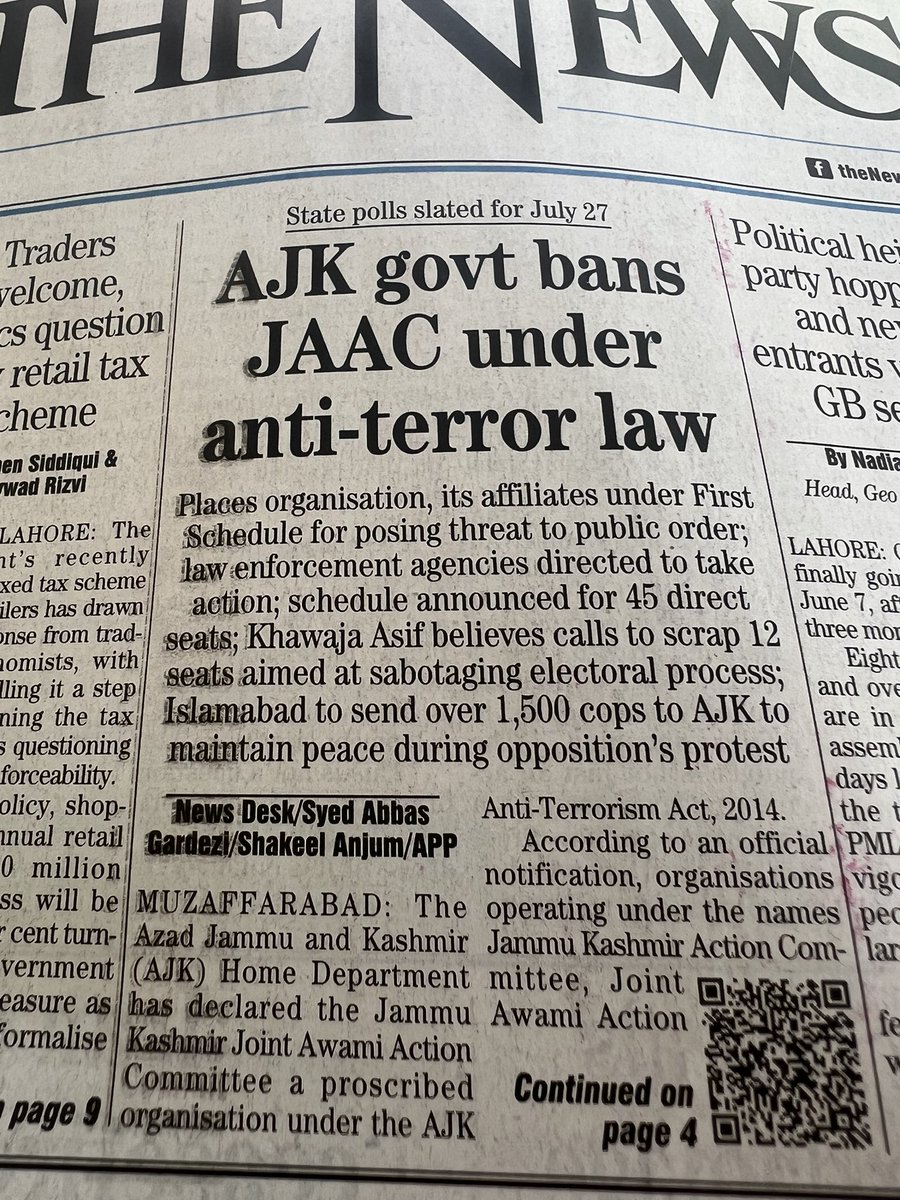
Wrong decision at wrong time, repeating past mistakes of mishandling dissent: at a time when India is totally on the run in the region, isolated diplomatically because of their failed & flawed policies on Pakistan & Indian Occupied Kashmir, Pakistan’s Officialdom creates new crisis in sensitive Azad Kashmir imposing this silly, shortsighted ban, even invoking anti-terror laws against political dissenters!
“If everybody always lies to you, the consequence is not that you believe the lies, but rather that nobody believes anything any longer. This is because lies, by their very nature, have to be changed, and a lying government has constantly to rewrite its own history. On the receiving end you get not only one lie—a lie which you could go on for the rest of your days—but you get a great number of lies, depending on how the political wind blows. And a people that no longer can believe anything cannot make up its mind. It is deprived not only of its capacity to act but also of its capacity to think and to judge. And with such a people you can then do what you please.”
— Hannah Arendt, Interview with Roger Errera
This is just one incident that saw @ImaanZHazir seeking justice because she was nearby. This is Islamabad.
In police stations, the country over children , women, and men abused .
This is all I could feed my family. This evening I got some bread from the soup kitchen, fried it in oil, added cheese, and fed it to my children. Please don't ignore this tweet; stay with me for a little while.
Hace unas horas Israel asesinó a Imad Miqdad. Su crimen fue tener una estación solar de centro de carga de teléfonos celulares para ayudar a los gazaties a tener algo de contacto con el mundo. Enviaron drones a asesinarlo y destruir todo. Hace tres años les cortaron la electricidad, hoy quieren quitarles todo.
Israel es la auténtica personificación del mal.
Malditos.