RALDH1-inh presents a potential strategy for #HCC#immunotherapy. We demonstrate that RALDH1-KO tumors have hindered growth and enhanced infiltration of activated T cells. We also see that RALDH1-KO mice develop normally and do not show toxicity.
Exciting news! We have demonstrated the efficacy of RALDH1-selective inhibitors in restraining tumor growth in models of #HCC. See our paper in @AACR's #CancerImmunologyResearch.
https://t.co/a5zYBVTjyp
RALDH1-inh treatment reduces tumor burden in mouse models of #HCC. The suppression of tumor-derived RA and its effect on the #TME drives this phenotype, as proliferation and viability in vitro are unaffected. Depletion of macrophages renders tumors insensitive to RALDH1-inh.
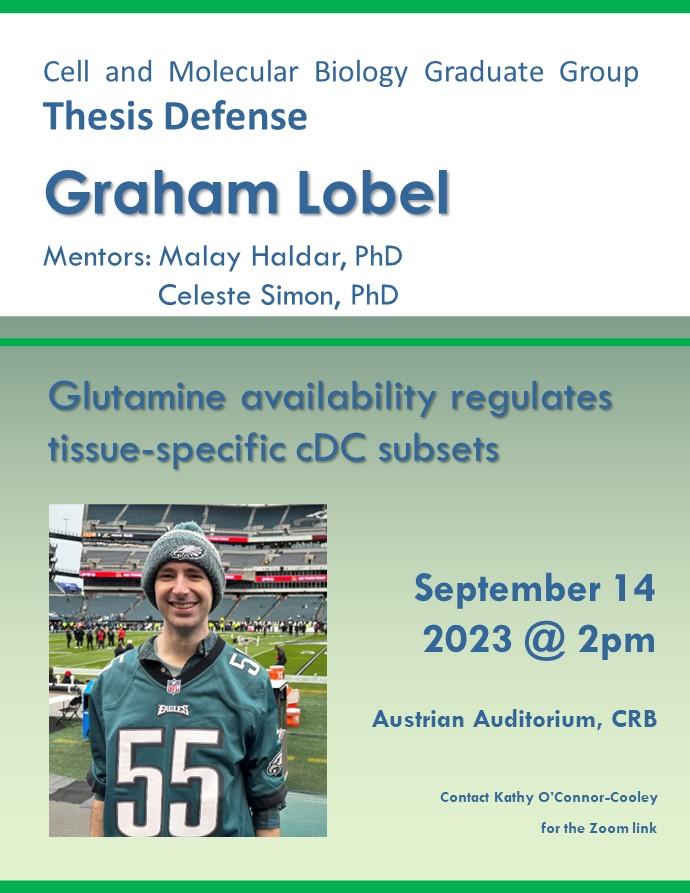
@CAMBUpenn Follow up: congratulations, Dr. Lobel! We wish Graham all the best as he returns to medical school, and we’re already missing him around BRB!
@CAMBUpenn Follow up: congratulations, Dr. Lobel! We wish Graham all the best as he returns to medical school, and we’re already missing him around BRB!
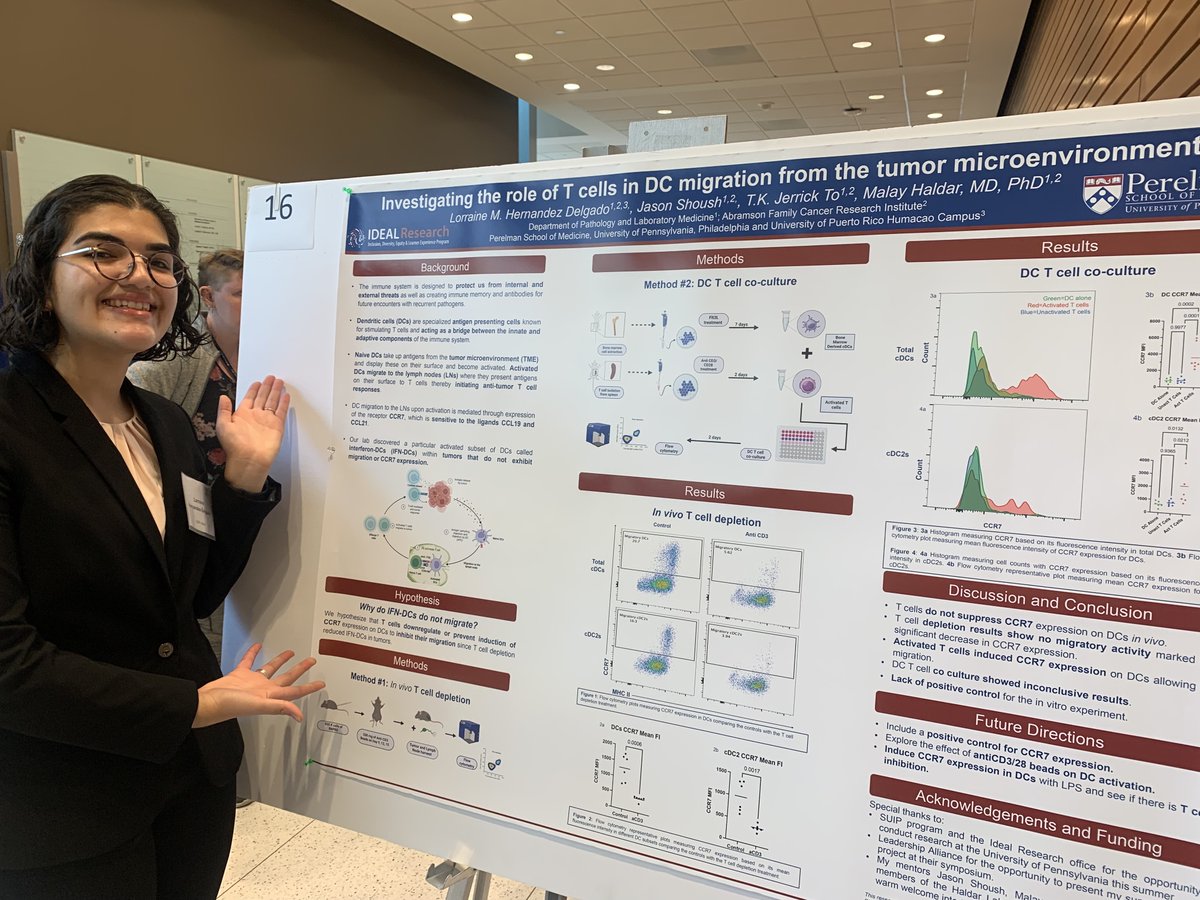
Very proud of our SUIP student Lorraine for her work this summer! Lorraine worked with Shoush investigating dendritic cell migration from the tumor microenvironment. We wish you the best and hope you keep in touch, Lorraine!