Atlassian's revenue: $1.79 billion last quarter
Atlassian's move: fire the engineer who built their infrastructure
his move: post a 38-minute breakdown of every system he built, free for anyone to copy
what he revealed:
> Envoy proxy instead of enterprise load balancers
> sidecar architecture for auth, logging, rate limits
> DynamoDB + SQS for async provisioning
> Packer + SaltStack for automated VM deployments at scale
Atlassian charges per employee across 350,000 customers
this guy just handed you the enterprise playbook for free
save this
if your saas uses magic link signup, check this right now:
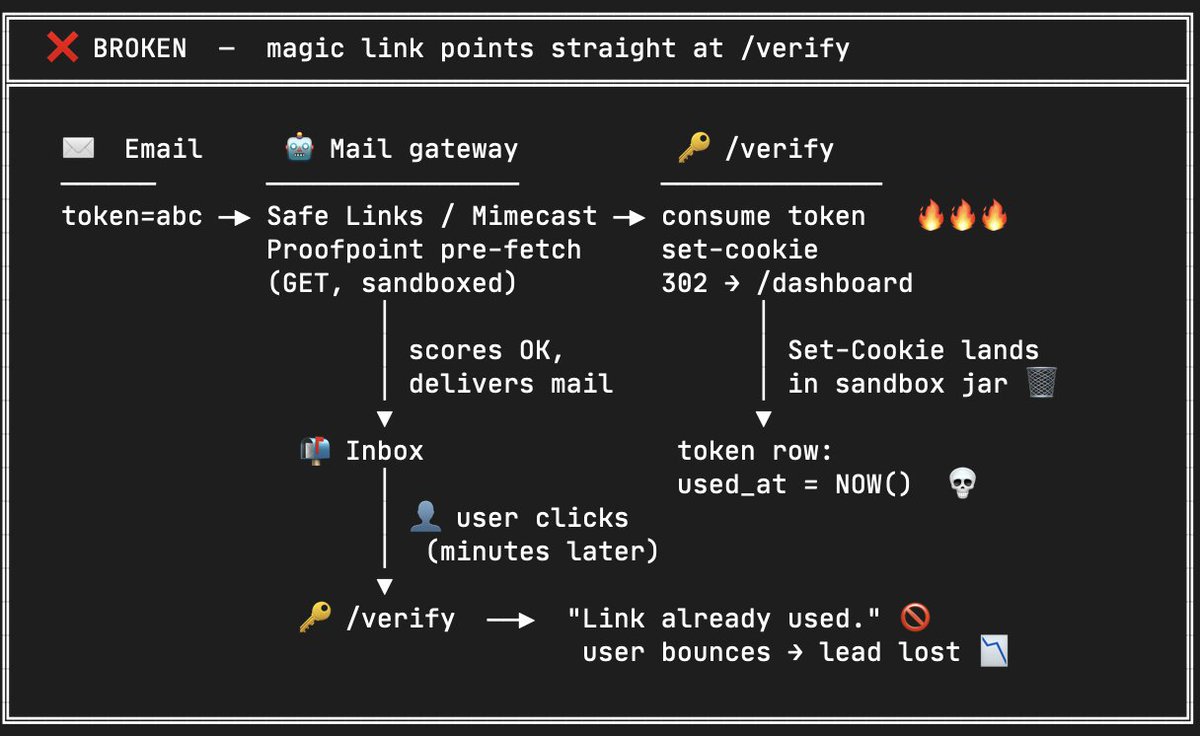
your link in the email shouldn't call the verify api directly.
there should be an interstitial confirm page instead.
here's why:
corporate email scanners (microsoft safe links, mimecast, etc) pre-fetch every url in incoming mail. they burn your single-use token before the user even clicks.
then user opens the email, sees "token invalid", retry 2 times, gives up.
cost us two F500 leads before we caught it.
fix: email points to a page with a "sign me in" button → POST from that button hits your verify api.
If taxes were fair:
You earn $100,000 per year and pay $30,000 in tax.
Your neighbor earns $1,000,000 and pays $300,000 in tax.
Your neighbor is paying 10X more than you.
If taxes were fair, you should both pay $30,000, since you both receive the same government services.
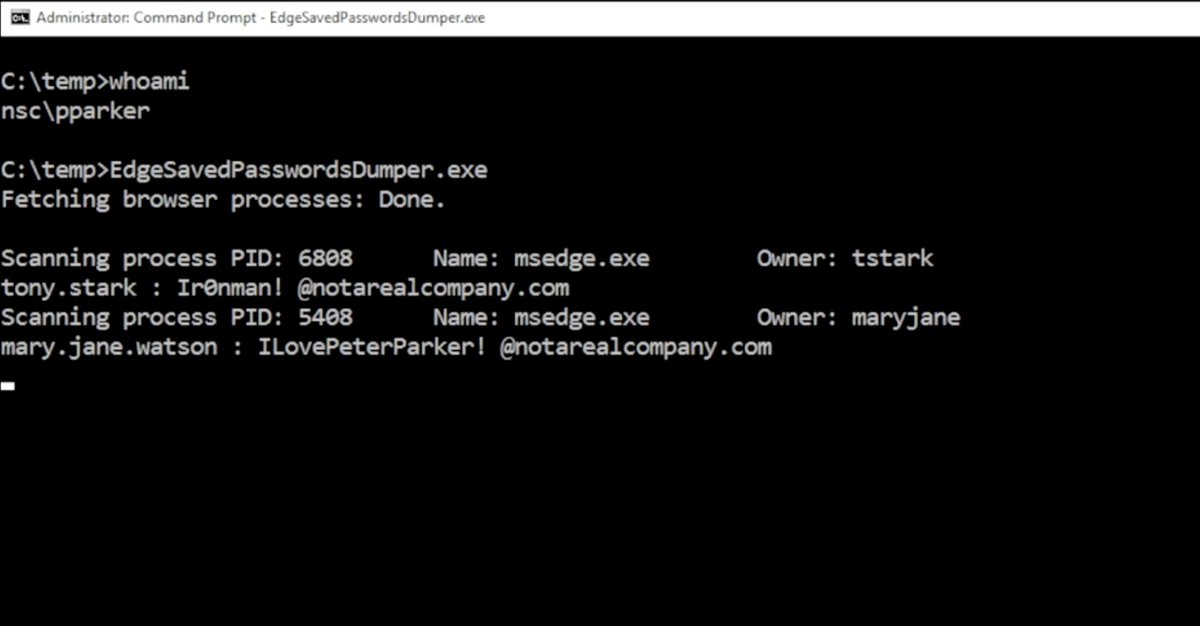
❗️🚨 Microsoft Edge keeps every saved password in process memory as cleartext from the moment it launches. Microsoft's responsed when reported: "by design."
All of them. Including credentials for sites you won't open this session.
Researcher @L1v1ng0ffTh3L4N tested every major Chromium browser. Edge is the only one that behaves this way.
Chrome decrypts credentials on demand, and App-Bound Encryption locks the keys to an authenticated Chrome process so other processes can't reuse them.
In Chrome, plaintext surfaces only during autofill or when a password is viewed, making memory scraping far less useful.
What makes this extra weird is that Edge still demands re-authentication before revealing those passwords in its Password Manager UI, while the same browser process already holds every one of them in plaintext.
In shared environments, this turns into a credential harvest. On a terminal server, an attacker with admin rights can read the memory of every logged-on user process. In the published PoC video, a compromised admin account lifts stored credentials from two other logged-on (and even disconnected) users with Edge running.
Microsoft's official response when notified: "by design."
The finding was disclosed April 29 at BigBiteOfTech by PaloAltoNtwks Norway, alongside a small educational tool that lets anyone verify the cleartext storage for themselves.