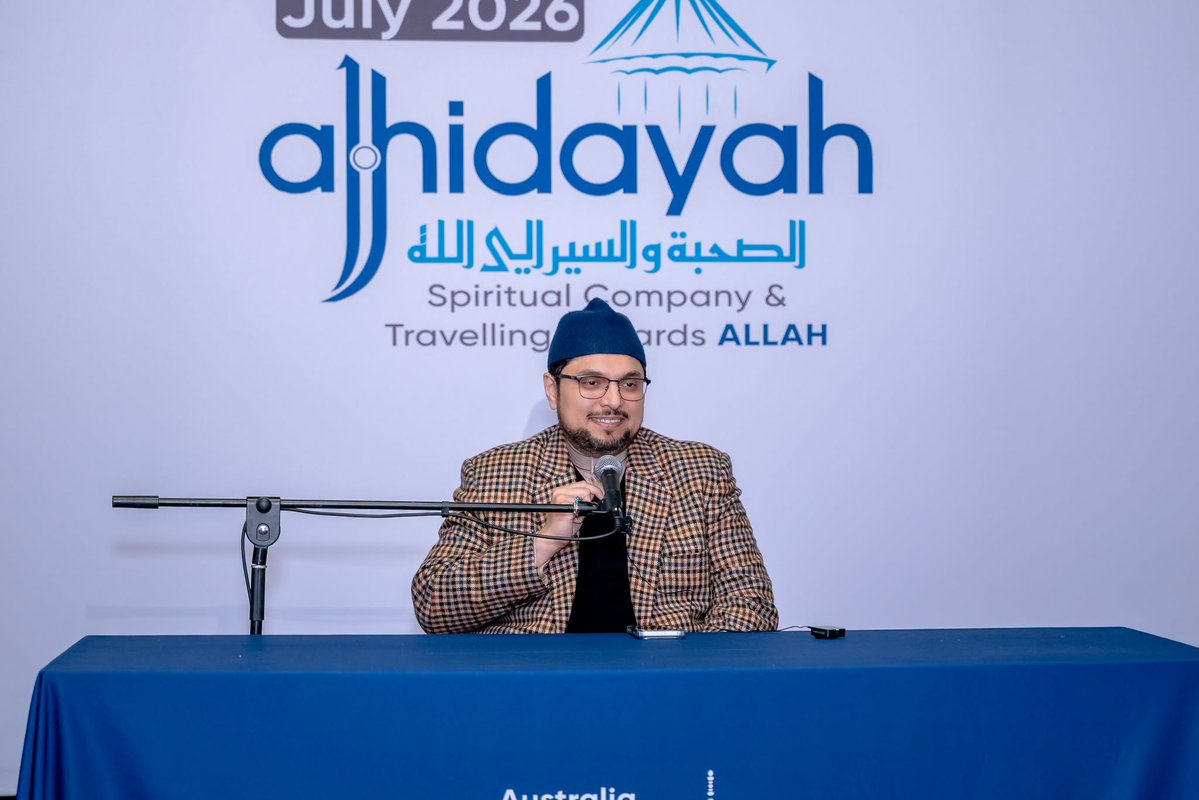
Young Muslims should pursue knowledge, engage deeply with the Qur'an and the Sunnah, and seek authentic scholarship capable of addressing the intellectual and spiritual challenges of the modern world. Strong faith is cultivated through reflection, learning, and righteous action, enabling believers to become confident ambassadors of Islam, guided by wisdom, compassion, and unwavering conviction.
#Islam #Quran #Sunnah #IslamicKnowledge #Faith #MuslimYouth #SeekKnowledge #Deen #AlHidayah2026 #Australia
Canada: His Eminence Shaykh-ul-Islam Dr Muhammad Tahir-ul-Qadri held a meeting with Dr Kaiser Rafiq, CEO of Discover Pakistan.
The meeting focused on Minhaj-ul-Quran International's extensive global efforts to nurture the faith, character, and intellectual development of the younger generation across more than 90 countries. Both sides also exchanged views on Pakistan's current social and economic challenges, discussing practical and forward-looking strategies to promote national unity, stability, and sustainable progress.
As a mark of respect and appreciation, Dr Kaiser Rafiq presented the "Pride of Pakistan" Shield of Honour to Shaykh-ul-Islam Dr Muhammad Tahir-ul-Qadri in recognition of his lifelong services to Islamic scholarship, peacebuilding, education, interfaith harmony, and the intellectual revival of the Muslim Ummah.
#ShaykhulIslam #DrTahirulQadri #MinhajulQuran #DiscoverPakistan #Pakistan #NationBuilding #Peace #Education #GlobalImpact
Faith (Īmān) is far more than a verbal declaration or an intellectual belief. It is a living consciousness that shapes a believer's worldview, character, priorities, and actions. When a person places complete trust in Allah Almighty, life gains purpose, hope replaces despair, confidence overcomes fear, and seeking Allah's pleasure becomes the ultimate goal of life.
#FaithInAllah #Iman #Islam #AlHidayah2026
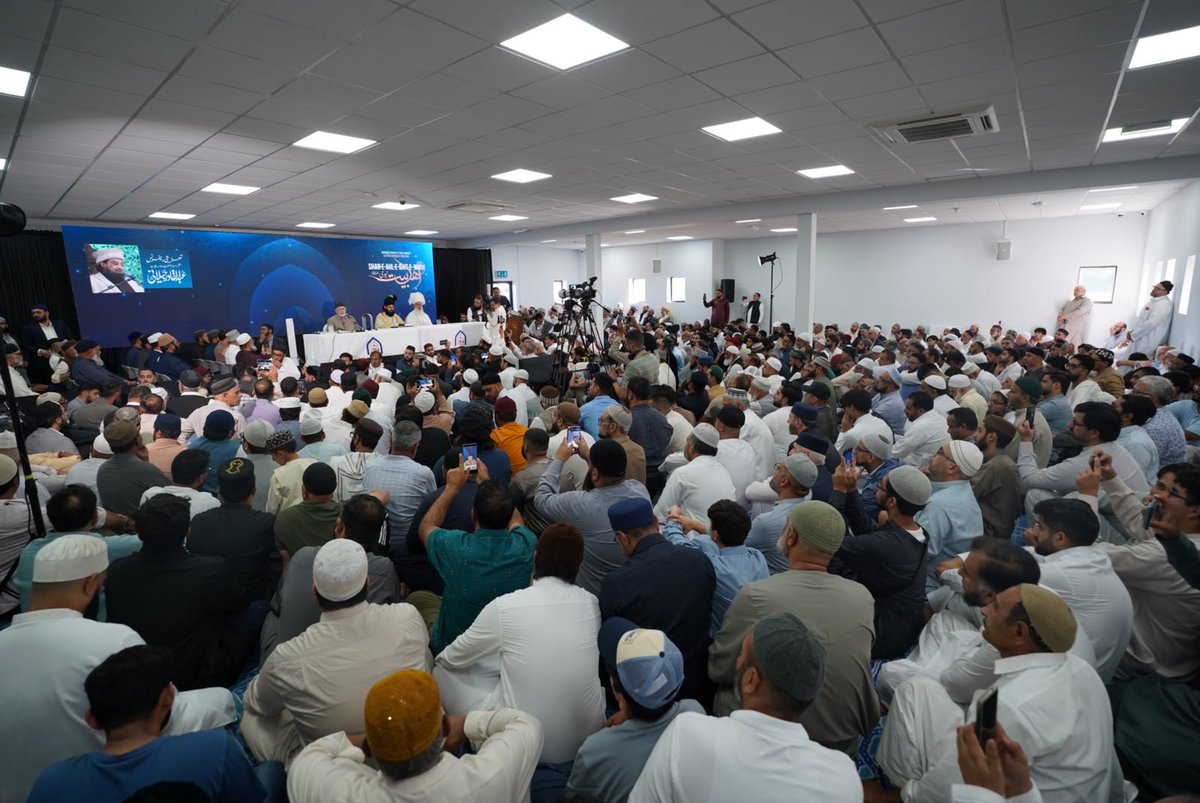
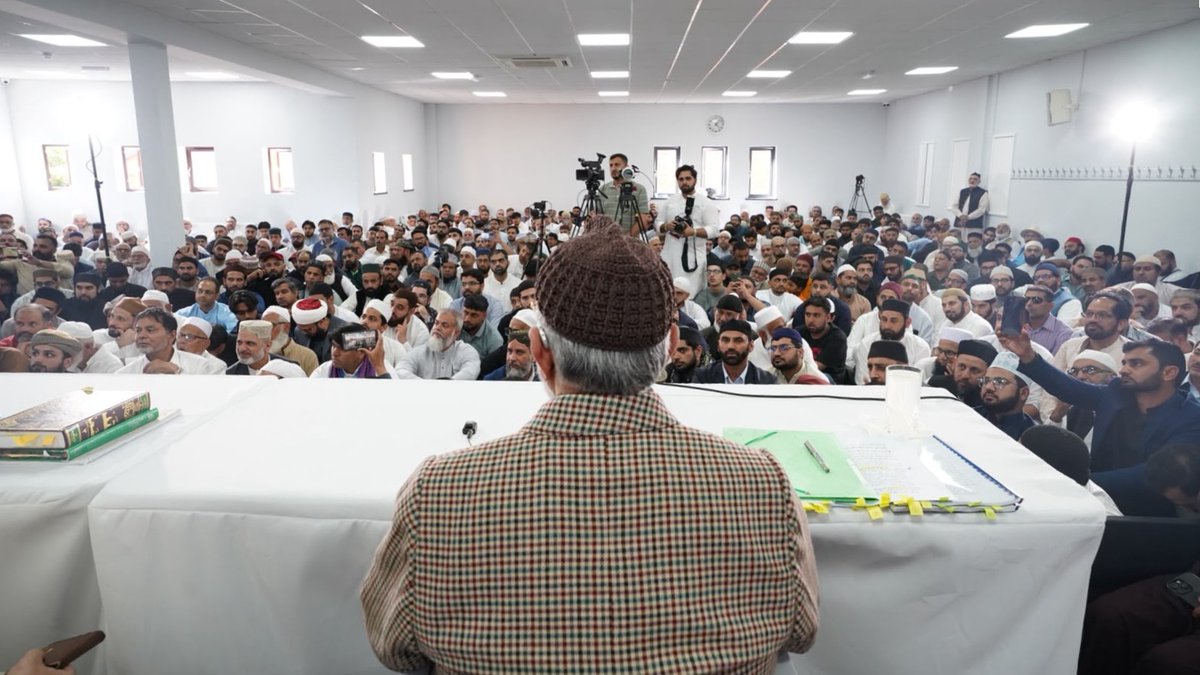
Luton, UK: Shaykh-ul-Islam Dr Muhammad Tahir-ul-Qadri Delivers Keynote Address at "Shan-e-Ahl-e-Bait-e-Nabvi ﷺ Conference"
His Eminence Shaykh-ul-Islam Dr Muhammad Tahir-ul-Qadri, founding leader of Minhaj-ul-Quran International, delivered the keynote address at the "Shan-e-Ahl-e-Bait-e-Nabviﷺ Conference", organised on the occasion of the "Ta'ziyati Reference of Pir Syed Abdul Qadir Shah Jillani (R.A)" under the auspices of Markazi Jama'at-e-Ahle Sunnat (UK & Overseas) at Jamia Islamia Ghousia Trust, Luton.
Addressing a large gathering of scholars, community leaders and students of knowledge, Shaykh-ul-Islam delivered a profound Qur’anic exposition of Ayat al-Tatheer (The Verse of Purification) from Surah al-Ahzab (33:33):
اِنَّمَا یُرِیْدُ اللهُ لِیُذْهِبَ عَنْکُمُ الرِّجْسَ اَهْلَ الْبَیْتِ وَیُطَہِّرَکُمْ تَطْہِیْرًا
“Stay in your homes and do not display your charm, like the displaying of the former (days of) ignorance. Establish the prayer, pay the alms due and keep obeying Allah and His Messenger (ﷺ). Indeed, Allah only desires to keep all (forms and causes of) impurity away from you, O Members of the (Prophet’s) Family, and purify you with a thorough purifying.”
Shaykh-ul-Islam explained that this blessed verse is a clear and unequivocal declaration of the unique rank, spiritual excellence and divinely bestowed purity of the blessed Ahl al-Bayt (ʿalayhim al-salām). He stated that Almighty Allah Himself has declared His exclusive will to remove every form of rijs—including every impurity, spiritual defect, doubt, moral corruption and anything contrary to goodness—and to grant them complete and perfect taṭhīr.
Explaining the Qur’anic language, Shaykh-ul-Islam emphasised that the verse is not merely a command for the Ahl al-Bayt to attain purity through their own efforts. Rather, it is a decisive declaration that Allah ﷻ Himself undertook their complete purification. This divine act establishes their honour, purity and spiritual rank through the Qur’an itself.
He further explained that the emphatic expression “وَيُطَهِّرَكُمْ تَطْهِيرًا” signifies not an ordinary form of purification but a complete, perfect and divinely bestowed purification encompassing every aspect of their belief, intentions, character, conduct, sacrifice and spiritual excellence. He stressed that the sacrifices of the Ahl al-Bayt, particularly the events of Karbala, must be understood through this Qur’anic declaration rather than through political or worldly interpretations.
Elaborating on the unparalleled virtues and elevated status of the Ahl al-Bayt in the light of the Holy Qur’an and authentic Prophetic traditions, Shaykh-ul-Islam affirmed that love, reverence and loyalty to the Ahl al-Bayt are fundamental to the creed of Ahl al-Sunnah. He urged believers to return to the Qur’an and Sunnah when understanding their status and warned against allowing polemics or distorted historical narratives to shape their perception. He described the blessed Household of the Holy Prophet ﷺ as the purest embodiment of his guidance, character and spiritual legacy, whose lives continue to illuminate the path of faith, knowledge, piety and moral excellence.
The conference was attended by Pir Syed Mazhar Hussain Gillani, President of Markazi Jama’at-e-Ahle Sunnat (UK & Overseas); Pir Syed Munawar Hussain Shah Jamati; Syed Ali Abbas Bukhari, President of Minhaj-ul-Quran International UK; Allama Qazi Abdul Aziz Chishti MBE, Secretary General of Markazi Jama’at-e-Ahle Sunnat (UK & Overseas); alongside distinguished scholars, community leaders and members of the Muslim community from across the United Kingdom.
The gathering concluded with collective prayers for the unity of the Muslim Ummah and for peace, stability and prosperity throughout the world.
#AhlulBayt #ProphetMuhammad #ShaykhUlIslam #DrTahirulQadri #Luton #IslamicEvent #UKMuslims #MarkaziJamaatEAhleSunnat #LoveForAhlulBayt #MQIUK
Prof. Dr. Hussain Mohi-ud-Din Qadri, President of Minhaj-ul-Quran International, delivered the spiritually uplifting welcome address at the commencement of Al-Hidayah Australia 2026.
Prof. Dr. Hussain Mohi-ud-Din Qadri, called upon the participants to dedicate the next three nights and two days to spiritual renewal by setting aside worldly distractions and immersing themselves in the remembrance of Allah and His Beloved Messenger ﷺ.
He encouraged the attendees to strengthen their relationship with Allah, deepen their love for the Holy Prophet ﷺ, cultivate noble character, and reflect on the areas of their lives that require spiritual growth and self-reformation.
Al-Hidayah is a journey of faith, character, and transformation, inspiring hearts to reconnect with their Creator and embrace the timeless teachings of Islam.
#AlHidayah2026 #MinhajulQuran #YouthDevelopment #Australia #MQI #DrHussainQadri #Dhikr #LoveOfTheProphet
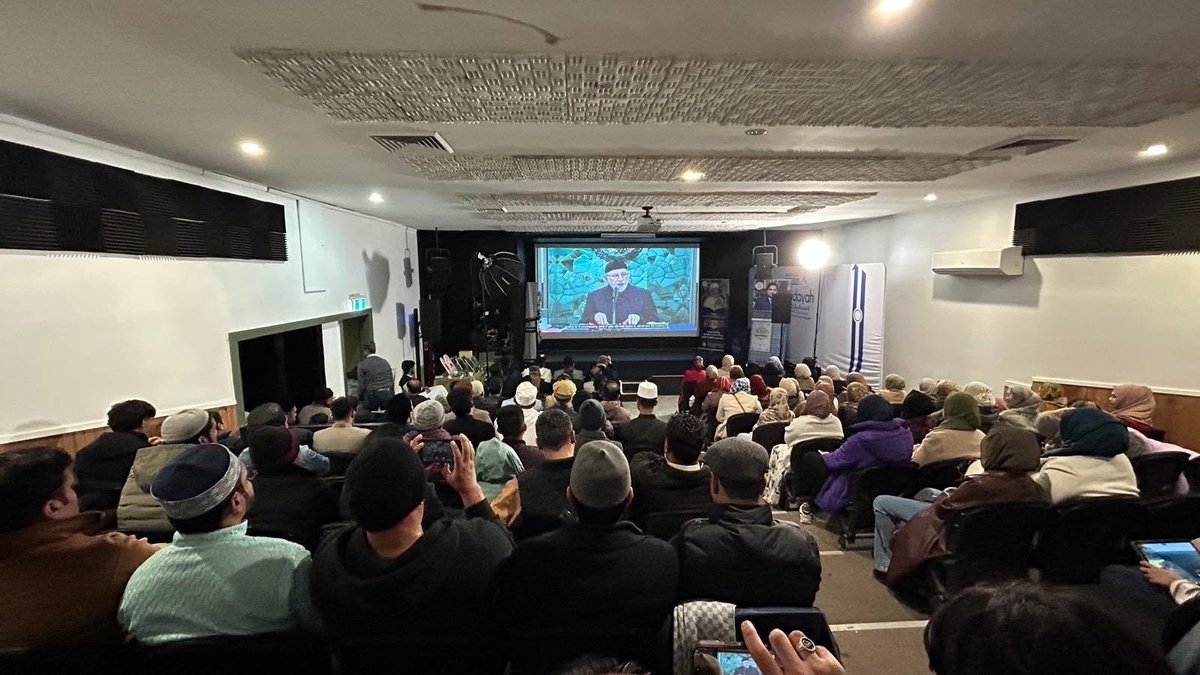
al-Hidayah Australia 2026 📷 | Day 2: Shaykh-ul-Islam Dr Muhammad Tahir-ul-Qadri Delivers Landmark Keynote Address on Language, Identity and the Future of Faith
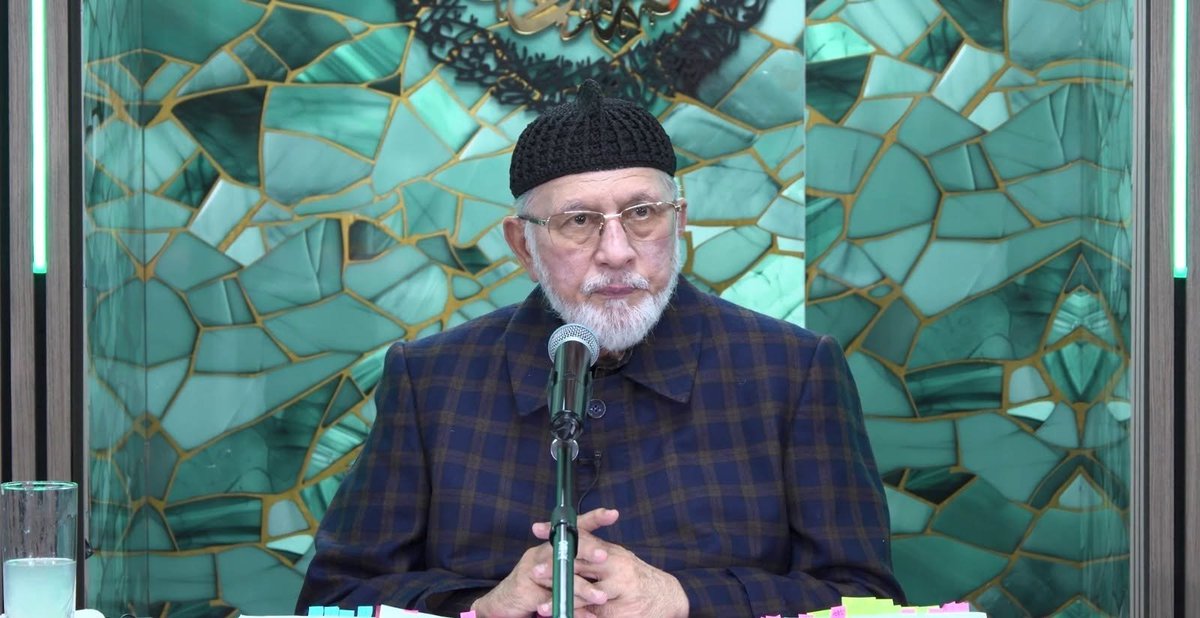
Australia: On the second day of Al-Hidayah Australia 2026, His Eminence Shaykh-ul-Islam Dr Muhammad Tahir-ul-Qadri delivered a landmark keynote address exploring the profound relationship between language, faith, identity, and the preservation of Islam among future generations living in the English-speaking world.
The lecture formed the third and concluding instalment of his international series addressing the challenges confronting Muslim families raising children in Western societies. Drawing upon theology, sociology, history, linguistics, and contemporary academic research, Shaykh-ul-Islam examined what he described as one of the most pressing issues facing the Ummah today: the growing phenomenon of "English-only dependence" and its implications for the transmission of faith.
At the outset of his address, Shaykh-ul-Islam congratulated the organisers, volunteers, speakers, and participants of Al-Hidayah Australia 2026, appreciating the collective efforts of Minhaj-ul-Quran Australia, Minhaj Welfare Foundation Australia, Minhaj Women League Australia, Eagles Australia, Minhaj Youth League, and all those who contributed to making the educational retreat a success. He also announced that the next phase of this important series would continue at Al-Hidayah Canada 2026 at McMaster University later this year.
English is Not the Problem
A central theme of the keynote address was Shaykh-ul-Islam's clarification that the English language itself is not a threat to Islam or Muslim identity.
He explained that English has become indispensable in today's world, serving as the language of education, professional advancement, public engagement, communication, and intellectual discourse. Muslim youth, he stressed, must master English in order to excel academically, contribute positively to society, and confidently articulate Islamic perspectives in response to modern ideological challenges such as atheism, secularism, and liberalism.
However, he warned that the real challenge arises when English becomes the only language through which Muslim children understand religion, identity, and meaning.
According to Shaykh-ul-Islam, when religious understanding becomes confined solely to English, future generations gradually lose access to the vast inherited reservoirs of Islamic scholarship, spirituality, and civilisation that have sustained Muslim communities for centuries.
The Three-Language Model
Presenting what he described as the "Three-Language Ideal Model" for Muslim families living in the West, Shaykh-ul-Islam proposed a balanced framework for preserving both faith and identity.
He explained that English should remain the language of education, communication, and engagement with the modern world; the heritage language—whether Urdu, Turkish, Persian, or another inherited Muslim language—should serve as the bridge to religious, spiritual, and cultural inheritance; while Arabic remains the gateway to the original sources of Islam, including the Holy Qur'an, Hadith, Sunnah, and classical Islamic scholarship.
He emphasised that the solution is not to replace one language with another, but to ensure that each language fulfils its unique role.
Summarising this model, Shaykh-ul-Islam stated:
"Keep English strong, keep the heritage language alive, and connect with Arabic."
Language Shapes Thought and Identity
Shaykh-ul-Islam explained that language is far more than a means of communication—it shapes thought, perception, worldview, and moral understanding.
Children, he said, do not merely speak through language; they think through it, interpret reality through it, and develop their intellectual and ethical frameworks through it.
He warned that when Muslim children become exclusively dependent upon English, they often begin to understand religion through the assumptions and categories of the secular environment in which English predominantly functions. As a result, their understanding of Islam can gradually become detached from the civilisational, spiritual, and intellectual traditions that originally nurtured the faith, contributing to the growing identity crisis experienced by many Muslim youth in Western societies.
Heritage Languages Preserve Islamic Civilisation
Highlighting the importance of heritage languages, Shaykh-ul-Islam described them as vital carriers of Islamic civilisation and religious knowledge.
Using Urdu as an example, he explained how it developed through centuries of interaction between Arabic, Persian, and Turkish traditions, becoming a powerful vehicle for Islamic scholarship, spirituality, and culture.
He noted that heritage languages preserve not only knowledge but also emotional memory, inherited values, manners, etiquette, and essential religious vocabulary. Expressions such as Insha'Allah, Masha'Allah, SubhanAllah, Tawakkul, Sabr, and Shukr carry profound spiritual meanings that become deeply rooted within a child's subconscious understanding of faith.
When such expressions disappear from daily life, he observed, the concepts they represent gradually disappear as well.
Access to Authentic Islamic Scholarship
A significant portion of the keynote focused on the relationship between language and access to authentic Islamic knowledge.
Shaykh-ul-Islam explained that the original sources of Islam—including the Holy Qur'an, Hadith, Islamic jurisprudence, theology, spirituality, and classical scholarship—are preserved in the Arabic language. He further noted that vast portions of Islamic intellectual heritage have also been transmitted through Turkish and Persian scholarly traditions, with Urdu serving as an important bridge connecting later generations to this rich legacy.
Without access to these linguistic traditions, he cautioned, Muslim youth become increasingly dependent upon translations and secondary interpretations, limiting their ability to engage deeply with the richness and depth of Islamic scholarship.
The Rise of "Algorithmic Religion"
One of the most significant themes of the address was Shaykh-ul-Islam's warning against what he termed "algorithmic religion."
He observed that many young Muslims today no longer acquire religious understanding primarily through scholars, books, families, or established institutions. Instead, they increasingly receive religious information through platforms such as TikTok, YouTube, Reddit, podcasts, social media influencers, AI-generated responses, and algorithm-driven digital feeds.
In such an environment, young people encounter atheist critiques, secular liberal perspectives, hyper-literalist interpretations, ultra-modern ideologies, influencer-based religion, and countless conflicting viewpoints simultaneously.
Without grounding in authentic scholarship and inherited religious traditions, Shaykh-ul-Islam warned, many lack the ability to distinguish between sound Islamic knowledge and misinformation.
He described this phenomenon as "algorithmic religion"—a personalised version of faith assembled from random digital fragments selected by algorithms rather than guided by authentic scholarship, tradition, or religious authority.
According to Shaykh-ul-Islam, this trend contributes to religious confusion, weakening family transmission of faith, inconsistent religious practice, identity instability, and spiritual uncertainty.
Faith is Transmitted Through the Heart
Throughout the lecture, Shaykh-ul-Islam repeatedly emphasised that faith is not transmitted through intellectual reasoning alone.
While rational understanding remains essential, religion is also conveyed through love, belonging, emotional attachment, memory, spiritual experience, family traditions, and inherited religious culture.
He explained that many dimensions of Islamic life continue through sentimental and spiritual connections that exist beyond intellectual explanations. These connections are preserved through language, family practices, and cultural expressions that ultimately connect believers to the Prophetic tradition itself.
Without these channels of transmission, future generations may retain information about Islam while gradually losing their emotional and spiritual attachment to it.
Culture as a System of Meaning
Shaykh-ul-Islam challenged the common misconception that culture is merely a collection of local customs or ethnic traditions.
Instead, he defined culture as a comprehensive system of meaning, consisting of values, beliefs, concepts, norms, manners, habits, and traditions rooted in faith.
Islamic culture, he explained, transcends geography and ethnicity. It is formed through the shared meanings transmitted by the Holy Qur'an, the Sunnah, Islamic scholarship, and the rich spiritual heritage of Islam.
Language, he stressed, plays a central role in preserving and transmitting this system of meaning across generations.
Research Supporting Faith Transmission
Supporting his arguments with contemporary academic research, Shaykh-ul-Islam referred to studies demonstrating that retention of heritage languages strengthens religious continuity, reinforces family bonds, and contributes significantly to preserving faith among immigrant Muslim communities living in Western societies.
These findings, he observed, confirm what religious communities have understood for generations—that faith is sustained not only through doctrine but also through family, language, culture, and emotional belonging.
A Powerful Call to Muslim Families
Concluding his keynote address, Shaykh-ul-Islam delivered a heartfelt appeal to Muslim parents, educators, and community leaders.
He urged families not to see language as a choice between modern success and religious commitment. Instead, they should equip future generations with all three essential dimensions:
Strong English for success in the contemporary world.
Strong heritage language for preserving identity and religious continuity.
Strong Arabic connection for direct access to the original sources of Islam.
Shaykh-ul-Islam warned that neglecting heritage transmission risks disconnecting future generations from the religious, moral, and spiritual foundations that sustain faith.
Bringing his address to a close, he reminded participants that preserving Islam is not merely an intellectual exercise but a holistic process encompassing knowledge, identity, family, language, culture, spirituality, and the heart. For Muslim communities living in the English-speaking world, he concluded, the challenge is not English itself—but ensuring that English does not become the only lens through which future generations encounter their faith.
#AlHidayah2026 #ShaykhulIslam #TahirulQadri #Australia #MinhajulQuran
Today, many people suffer less from a lack of resources and more from inner restlessness, anxiety, and a persistent sense of inadequacy.
It is often assumed that depression and anxiety are caused primarily by financial hardship. While economic challenges can certainly play a significant role, many people today are equally burdened by constant comparison with others, the relentless pursuit of socially defined success, and the desire for instant achievement.
When we begin measuring our happiness by the wealth, fame, and lifestyles of others instead of appreciating the countless blessings Allah has bestowed upon us, we gradually lose the priceless virtues of contentment (qanā'ah), patience (ṣabr), and gratitude (shukr). The loss of these virtues can deepen feelings of dissatisfaction, anxiety, and spiritual emptiness.
True peace is not found in having more than others. It is found in recognizing Allah's blessings, trusting His wisdom, and nurturing a heart filled with gratitude, contentment, and faith.
#DrHussainQadri #MentalHealth #InnerPeace #Gratitude #IslamicWisdom #Jummah
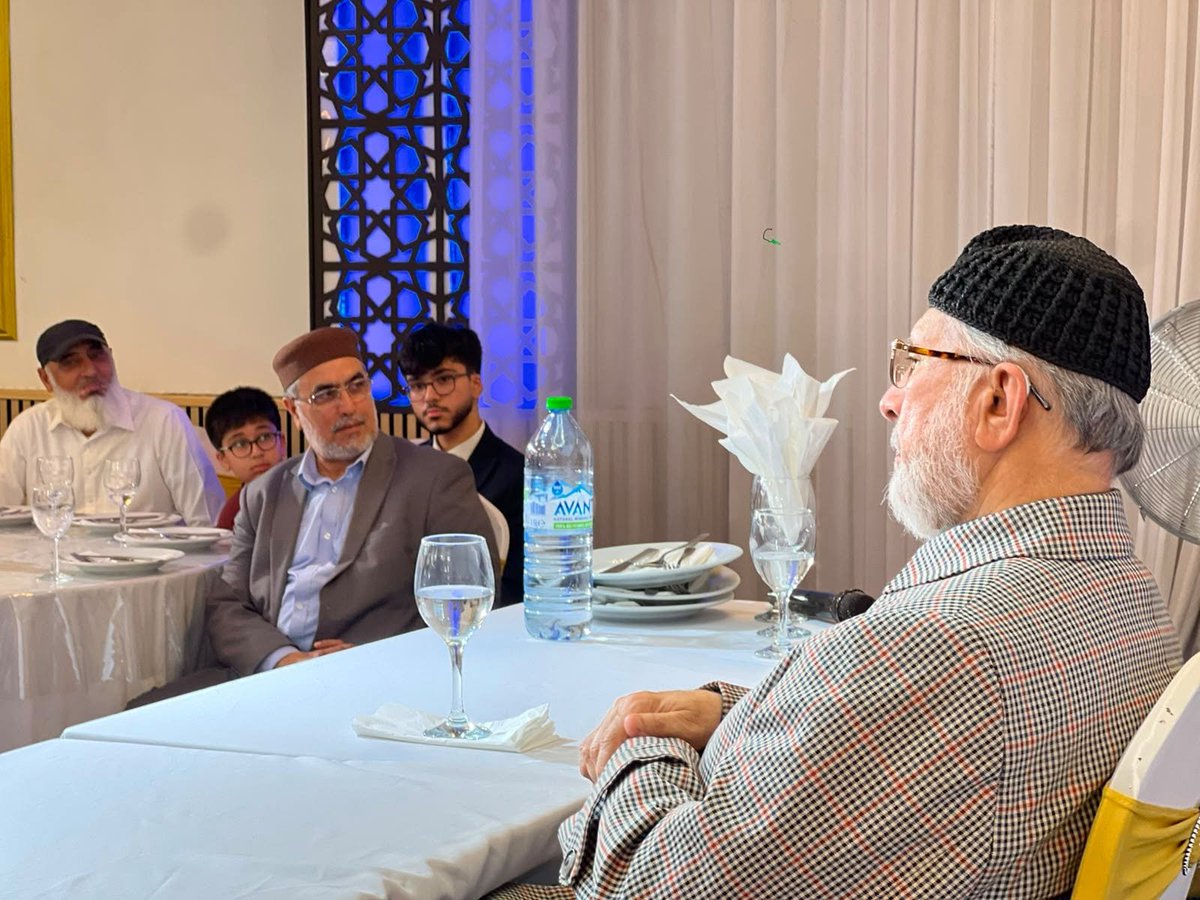
Manchester, UK: His Eminence Shaykh ul Islam Dr Muhammad Tahir-ul-Qadri graced a dinner hosted by Dr Masroor Diwan.
The gathering brought together politicians, lawyers, business leaders, medical specialists, academics and other respected professionals from across their respective fields. Guests had the valuable opportunity to benefit from the company and guidance of Shaykh-ul-Islam through an open and engaging question-and-answer session.
Those in attendance included cardiologists, nephrologists, general practitioners, surgeons, psychiatrists, oncologists, gastroenterologists, educators and business professionals.
The dinner provided an intimate setting for meaningful discussion, reflection and personal guidance.
#ShaykhulIslam #DrMuhammadTahirulQadri #MQIUK #Manchester #PrivateDinner #ScholarsAndProfessionals #Leadership #Guidance #CommunityEngagement
The Sīrah & Modern Times (South Jersey)
Topic: The Prophetic Sīrah and Excellence Towards
Women, Children and All of Society.
📅 Releasing: 1st July 2026
🕗 20:00 PKT | 16:00 BST | 11:00 EDT | 10:00 CDT
Watch on Shaykh Hammad Mustafa al-Madani al-Qadri's YouTube and Facebook Channel.
#SouthJerseyEvents #MQI #TheSirahAndModernTimes #IslamicReminder #HMQ #ShaykhHammadQadri
ہمارے بعد ہمیں ڈھونڈتے پھریں گـے لوگ
ہمارے بعد کہیں گـے بڑے خسارے ہوئـے
Allah Ta'ala Shaykh-ul-Islam Dr. Tahir-ul-Qadri Sahib ko sehat, afiyat, imaan aur barkat wali lambi zindagi ata farmaye.Ameen Ya Rabb-ul-'Alameen.
@TahirulQadri#muhrram#Muharremayı
پانی زندگی کی علامت ہے، مگر پاکستان میں آج بھی لاکھوں لوگ صاف پانی سے محروم ہیں۔
آئیے مل کر ضرورت مند خاندانوں کے لیے صاف پینے کے پانی کا بندوبست کریں۔
🔗 https://t.co/HnYR5rWsWS
#MWF#WaterForAll#Charity#Muharram#CleanWater
اپیل احکامِ بالا!سے پرزور اپیل ہے پٹرول سستا ہو گیا، اب عوام کو حقیقی ریلیف فراہم کیا جائے یہ حکومتی اداروں کی ذمہ داری ہے حکام بالا اس کافل فور نوٹس لیں۔
#سب_سےپہلےعوام_پاکستان
A father is not merely the provider of a household; he is the first and most fundamental institution of character building, moral upbringing, and spiritual guidance. His silent sacrifices shape the values and character of generations.
The rights of a father extend beyond respect alone. They include serving him with love, remembering him in our prayers, and embodying the principles and upbringing he has imparted in our daily lives.
May Allah Almighty bless every father with good health, honour, dignity, and His special mercy and protection.
#FathersDay #Fatherhood #FamilyValues #RespectParents #IslamicValues
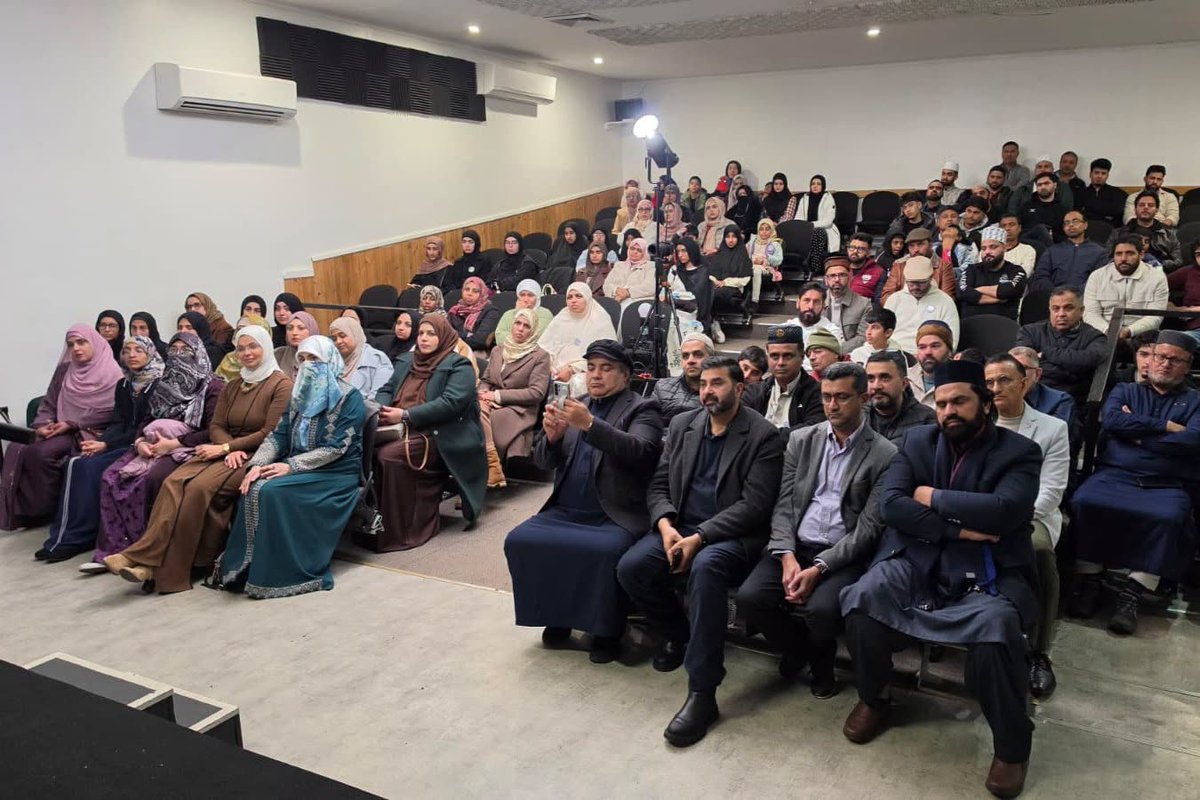
Melbourne, Australia: Minhaj-ul-Quran International Victoria hosted the “Zikr-e-Imam Hussain (A.S.) Conference 2026” at Melton Community Hall, where Prof. Dr Hussain Mohi-ud-Din Qadri delivered a keynote on the eternal message of Karbala, sacrifice, truth, and resilience.
#ZikrEHussain #DrHussainQadri #ImamHussain #Karbala #Melbourne









![Al__Quraan's tweet photo. “My Lord, I am in need of whatever good you send down to me.”
— Al Qur’aan [28 : 24] https://t.co/BBlbgBNdBv](https://pbs.twimg.com/media/HNMstc1agAAcwkA.jpg)