⚠️注意喚起⚠️拡散希望⚠️
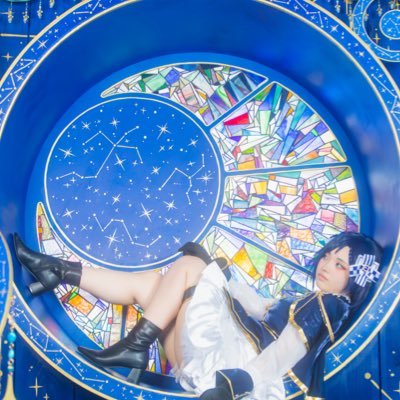
私の写真を使いリプ欄にてGrokに卑猥な写真生成を行うアカウントが続出しています。他の元々露出の少ないコスプレイヤーさん達も被害にあっています。
日本では、AI生成画像が特定の人物の肖像を無断で使用し、公開された場合、以下の権利侵害として法的責任を問える可能性があります。
- 肖像権侵害: 自分の肖像(顔や姿)が同意なく使用され、社会生活に支障をきたす場合、侵害とみなされることがあります。AI生成であっても、特定個人を識別可能であれば該当し得ます。
-不法行為責任: 民法709条に基づき、侵害行為により精神的損害を受けた場合、損害賠償を請求できる可能性があります。生成を指示したアカウントが、意図的に不快な画像を作成・公開させた場合、責任を負う余地があります
- 名誉毀損やプライバシー権侵害: 画像が性的な文脈で公開され、名誉を傷つけた場合、刑法230条(名誉毀損)やプライバシー権侵害として扱われるケースもあります。特にディープフェイクのような技術悪用は、民事・刑事の両面で扱われます。
また、カメラマンにも著作権がありますので無断でこのような事をする場合は、コスプレイヤーとカメラマン双方から訴えることも可能です。
軽い気持ちでしているのかもしれませんが、とても悪質なことをしていると自覚して下さい。今後、あまりにも酷い場合は開示請求を行い法的措置を行います。
以下英文
In Japan, if an AI-generated image uses a specific person's likeness without permission and is published, it may be possible to hold them legally accountable for the following rights violations:
- Portrait rights infringement: If one's likeness (face or appearance) is used without consent and causes hindrance to one's social life, it may be considered an infringement. Even if AI-generated, it could apply if a specific individual can be identified.
- Tort liability: Based on Article 709 of the Civil Code, if mental damage is suffered due to the infringing act, it may be possible to claim damages. If the account that instructed the generation intentionally created and published unpleasant images, there is room for holding them responsible.
- Defamation or privacy rights infringement: If the image is published in a sexual context and damages one's reputation, it may be treated as defamation under Article 230 of the Penal Code or as a privacy rights infringement. In particular, misuse of technology like deepfakes is handled from both civil and criminal perspectives.
Additionally, photographers also hold copyrights, so if such actions are taken without permission, it is possible to sue from both the cosplayer and the photographer.
In the future, if it becomes excessively severe, we will proceed with disclosure requests and take legal action.