PiVerify is a KYC identity verification service available to third-party companies, making Pi’s real-human verification capabilities available outside the Pi ecosystem.
With PiVerify, external platforms can verify their users, reduce fake or duplicate accounts, and support compliance-related identity workflows.
For businesses and platforms, the need is straightforward: many digital services need to know whether users are real people. Verified identities are needed for any meaningful transactions, especially in real-world economies.
PiVerify services are also paid for in Pi, which increases Pi utility.
By making this infrastructure available to third parties, the Pi2Day 2026 PiVerify release extends the utility of Pi’s verified identity technology and resources beyond Pi’s own apps and services.
Learn more at https://t.co/azUeoeGENF
Does anyone else feel that running AI models and agents locally, on your own computer, should be much easier?
The privacy benefits are clear: your data stays with you. But while there are many open-source models and projects out there, turning them into a usable local AI agent is still far too hard for non-engineers.
Reminder for all Pi Mainnet Node operators: The majority of Mainnet node operators have already successfully upgraded to Protocol v25. If you have not yet upgraded your node, please do so at your earliest convenience to remain connected to the network.
As with previous upgrades, the process is straightforward and should take only a few minutes to complete.
Details: https://t.co/ENIm1nuEHz
Ecosystem Directory Staking just got a new look and improved user experience!
Originally launched on Pi2Day 2025, staking through this feature increases an app’s exposure to the Pi community, resulting in more impressions and potentially more user traffic. By staking Pi, Pioneers can collectively support apps and services while developers and creators can promote their apps and tap into Pi’s 60M+ engaged community to acquire users.
The update prepares the feature for further utilization by developers, creators, vibe coders and Pioneers as more apps onboard to the ecosystem.
Note there are no rewards at the protocol level for staking, and the original staked amount will be returned once the staked duration has ended.
Go to the Pi home screen to learn more about Ecosystem Directory Staking and check out the recent design updates to the Ecosystem Interface.
In the Pi ecosystem, vibe coders building web apps with AI can make their app accessible to 60M+ engaged users, and run their app on built-in payments, identity and ads infrastructure, by simply plugging their service or product into Pi Network.
Help bring more AI-created apps to the Pi ecosystem and enter a raffle to win Pi Network merch!
Pioneers are invited to introduce Pi App Studio to vibe coders and AI-builder communities around the world.
Why?
Because as AI makes building apps easier, competition for human attention and user acquisition becomes more intense.
Pi App Studio helps creators connect AI-built apps to:
60M+ engaged Pioneers
Built-in payments
Identity infrastructure
Pi Ad Network
And more!
Find a relevant builder community, share how Pi can help creators reach real users, then submit your post through the Pi App to enter the raffle.
By helping more creators discover Pi, Pioneers can help expand the range of apps, tools, and services available in the Pi ecosystem. A stronger app ecosystem gives Pioneers more ways to use Pi, support useful products, and participate in real utility.
Go to the Pi mining app to learn more.
The Pi Mainnet is upgrading to Protocol 24 – Deadline: June 2.
The Pi Mainnet has successfully upgraded to Protocol 23. All Mainnet nodes are required to complete this step before the deadline to remain connected to the network.
Details here: https://t.co/9VehO7hhj1
Vibe coders and creators can now tap into Pi Network’s massive user base of over 60 million Engaged Pioneers by easily bringing their external AI-created apps to Pi’s real distribution network and utility ecosystem through Pi App Studio!
Creators, who may be technical developers or non-technical product people, can build apps using platforms such as Codex, Claude Code, Replit, Cursor, Lovable or other AI-assisted coding tools, and then use Pi App Studio to convert those apps into Pi Apps.
That changes the equation for creators.
AI can already help people generate apps quickly; the harder part is distribution and turning those apps into products people actually use.
Pi helps close that gap.
Instead of rebuilding infrastructure from scratch, creators can connect their apps to an existing ecosystem with users, payment capabilities, identity verification, decentralized human infrastructure and platform-level tools already in place.
This feature makes Idea → App → Users that much faster.
Because your ideas are too good not to be seen.
Try the Pi App Studio Now! If you’re a vibe coder or know someone building apps with AI who needs distribution, head to Pi App Studio today to convert AI-created apps into Pi Apps and access the Pi ecosystem’s users, infrastructure, and monetization opportunities.
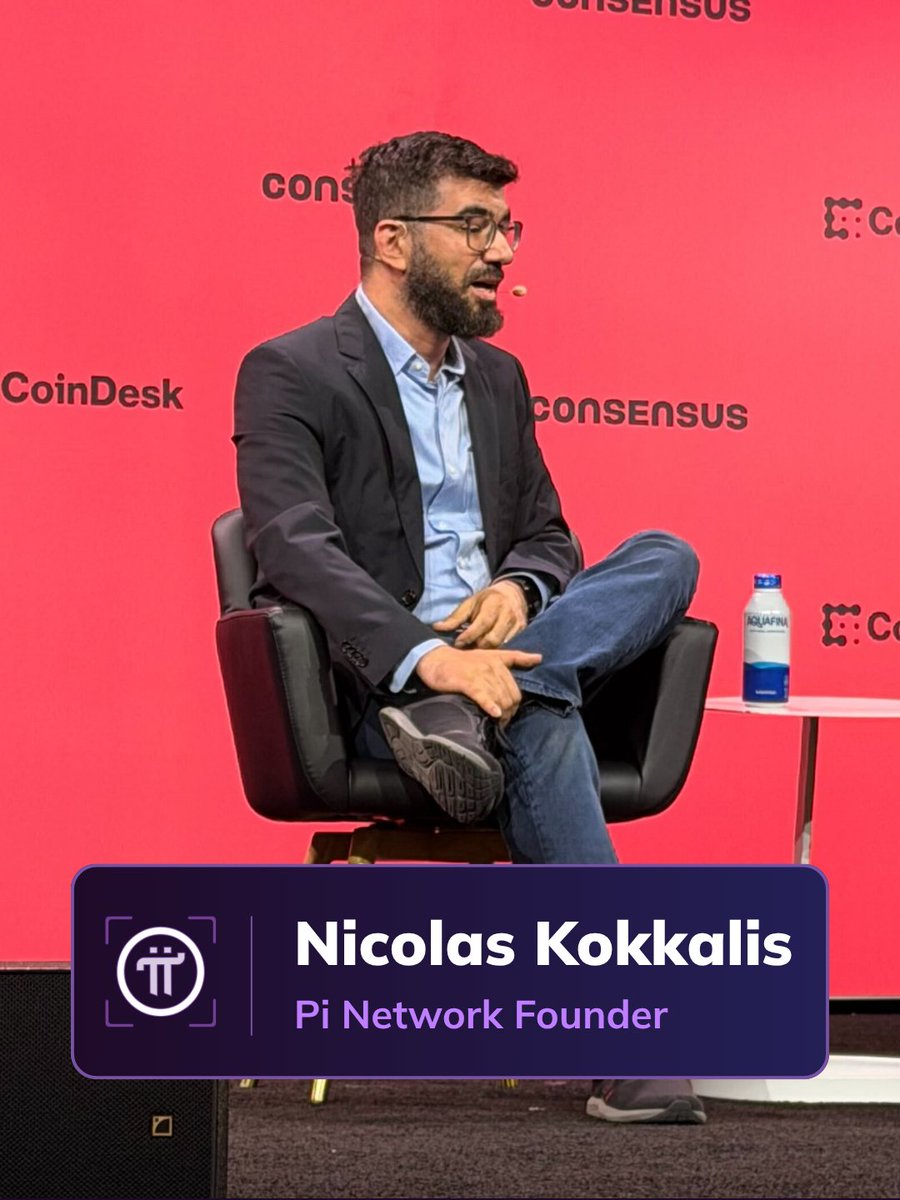
Pi Founder Nicolas Kokkalis spoke today at Consensus 2026 Miami on the panel, “How to Prove You’re Human in an AI World (Without Doxing Yourself).”
The discussion focused on one of the most urgent challenges in the AI era: how to maintain trust and verify real human identity as AI systems become capable of generating convincing bots, profiles, and interactions at scale.
Stay tuned for the full video!