In a meeting at the Vatican with the members of the Vienna Philharmonic Orchestra, Pope Leo XIV highlights how music brings people together and can help transform hearts by directing us towards the divine.
https://t.co/RRg8oloGwZ
He told her he wasn't accustomed to dealing with women.
She apologized, saying she had forgotten to bring her husband—so he would just have to deal with her.
Adolf Eichmann looked across his desk in Vienna at the 42-year-old Dutch housewife and decided to play a cruel joke.
He told her she could take 600 Jewish children out of Austria.
There was just one catch: she had to do it by Saturday. Five days away.
He expected her to drown in paperwork and fail. As she walked out, he muttered, "So purely Aryan and then so crazy."
Five days later, on December 10, 1938, a *New York Times* headline read: **"630 Children Quit Vienna."**
Her name was Geertruida Wijsmuller—known to everyone as Truus.
She wasn't Jewish. She wasn't a diplomat. She held no official title.
She and her husband, Joop, couldn't have children of their own, so she poured her life into social work. And as one historian noted, she had a rare gift: she didn't find powerful men frightening, and she treated impossible obstacles like simple logistics problems.
Just one month before walking into Eichmann's office, she had traveled to the German border after Kristallnacht and smuggled a Polish boy to safety in Amsterdam—hidden underneath her skirts.
So when Jewish and British organizations needed someone to negotiate in Vienna in December 1938, they sent Truus.
The Gestapo arrested her the moment she arrived, holding her for hours before letting her go. She walked straight to Eichmann's headquarters anyway.
He tried to humiliate her. He inspected her hands and ordered her to remove her coat and shoes. When he told her to pull up her skirt and walk around the room, she stopped him cold.
"Enough," she said. "Now let's talk business."
When Eichmann laughed and handed her the five-day deadline, he thought he was rid of her. Instead, Truus walked out and started making phone calls.
She reserved trains. She found 600 children.
At the station, desperate parents handed their sons and daughters over to a Dutch stranger they had met only days earlier—pressing small suitcases into small hands, knowing they might never see their children again.
Truus got every single one of them onto the train. Thirty hours later, she arrived at the Dutch coast. Five hundred children sailed immediately to England; a hundred stayed in the Netherlands.
The British official waiting at the port stared at the hundreds of children in shock.
"But you were only sent to talk?" he asked.
Truus didn't stop there. She went back.
For the next 18 months, she ran a relentless rescue operation. She traveled into Nazi territory multiple times a week, organizing 49 separate transports by train and plane. Whenever a rescue mission seemed impossible, European aid groups had one answer: *"Ask Mrs. Wijsmuller."*
The children called her *Tante Truus*—Auntie Truus. She brought them to her home for Shabbat dinners and arranged swimming lessons so they could feel like kids again.
In May 1940, Germany invaded the Netherlands. With just one hour to spare before the Dutch surrendered, Truus stood at the port of IJmuiden, loading the final group of refugee children onto a cargo ship.
Her own coat and bag were already on board.
At ten minutes to eight, the ship pulled away from the pier. From the deck, the children looked around for Auntie Truus.
She wasn't there. She was standing on the dock, waving goodbye. At the last second, she had realized she couldn't leave her husband behind.
She stayed in occupied Amsterdam, surviving a Gestapo arrest in 1942 without giving up a single name, smuggling food to camps, and helping refugees escape to Spain and France until the war ended.
Truus Wijsmuller died in 1978. A monument in her hometown calls her the "Mother of 1,001 children."
In truth, she helped save 10,000.
All because an ordinary housewife walked into one of history's darkest offices, refused to blink, and told a monster she had forgotten to bring her husband.
Had you ever heard of Tante Truus before today?
Het @cdavandaag olv @HenriBontenbal wordt door kiezers gezien als de meest constructieve partij in de onderhandelingen over het Belastingplan. Een mooie waardering voor de inzet van het CDA voor een politieke cultuur van samenwerking en verantwoordelijkheid.
Michel Tirabosco is a world-renowned Swiss pan flute virtuoso.
Born with a severe congenital malformation that left him with very short arms and no hands, he overcame immense physical barriers.
Here's one of his phenomenal performances.
[🪈 mtirabosco]
At the EU-UK Summit, an agreement was reached on food and drink regulations, emissions trading and youth mobility. This will benefit our people, especially young adults, and businesses. It will also strengthen our partnership – the UK is a key ally for a strong and secure Europe.
Een jaarsalaris als bonus krijgen omdat je je werk goed gedaan hebt? Dat willen we allemaal wel. Maar voor bedrijven waar de overheid grootaandeelhouder in is vind ik dat ongepast. Lang geleden studeerde ik aan de Vrije Universiteit af op het onderwerp 'bonussen in het bedrijfsleven bezien vanuit het denken van Johannes Calvijn'. Eén van de punten die ik daarin naar voren bracht was de individuele verantwoordelijkheid van de mensen die vinden dat ze een extreme bonus nodig hebben. Ookal krijg je juridisch gezien volgens alle regels een bonus, je bent er altijd zelf bij om te zeggen 'ja ik neem hem aan' of 'nee doe er wat goeds mee'. Je zou die bonus ook kunnen steken in de gebiedsonwikkeling rondom de RAI, bijvoorbeeld. Als je voor de publieke zaak werkt moet je accepteren dat je niet de hoofdprijs verdient - al verdienen de RAI bestuurders al ruim boven de Wet Normering Topinkomens.
🎙️Nieuwe aflevering van Bontenbal’s Boekenclub!
Ik ga in gesprek met Wim Voermans, hoogleraar staats- en bestuursrecht, over zijn boek ‘Actieve Herinnering’. (1/2)
Deze middag is een projectiel ingeslagen achter de Nederlandse ambassade in Kyiv. Onze collega’s zijn gelukkig ongedeerd, er is wel lichte schade aan het gebouw. We onderzoeken wat er exact is gebeurd. Onze prioriteit ligt nu bij het welzijn van onze medewerkers.
Van ambitie naar actie: vandaag ondertekenen we tijdens de NIDV Exhibition Defence & Security (NEDS) 15 contracten, intentieverklaringen en overeenkomsten.
Een belangrijke stap richting een sterke defensie-industrie!
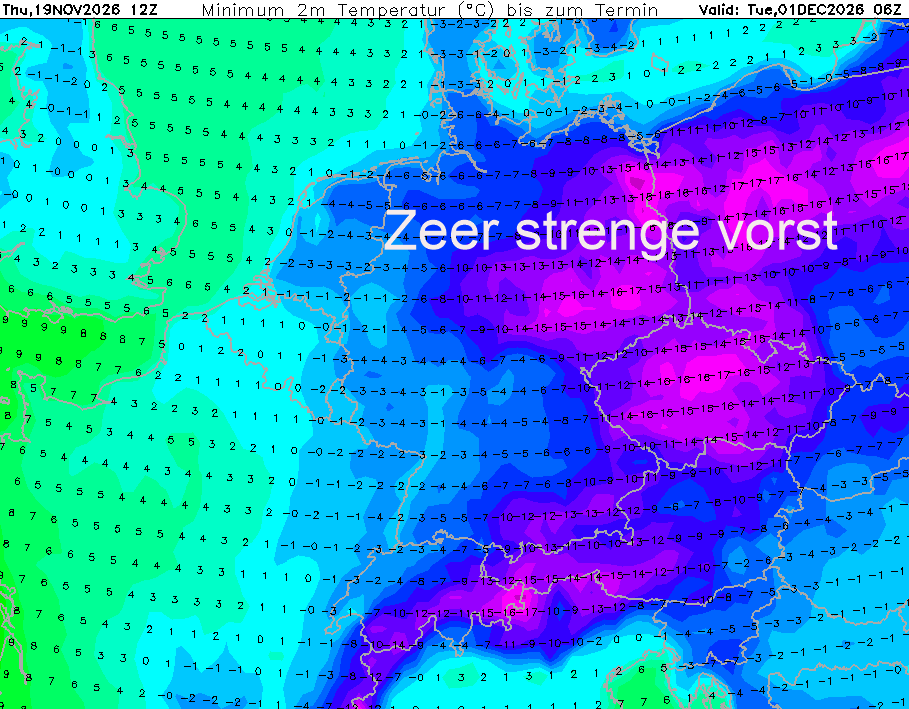
Koude volgende week met ZWARE NACHTVORSTEN in groot deel NL.
Lichte tot dik matige vorst op ooghoogte.
In den Duinen van Noord-Holland minima tot benee minus 10 graden, dus lokale STRENGE VORST.
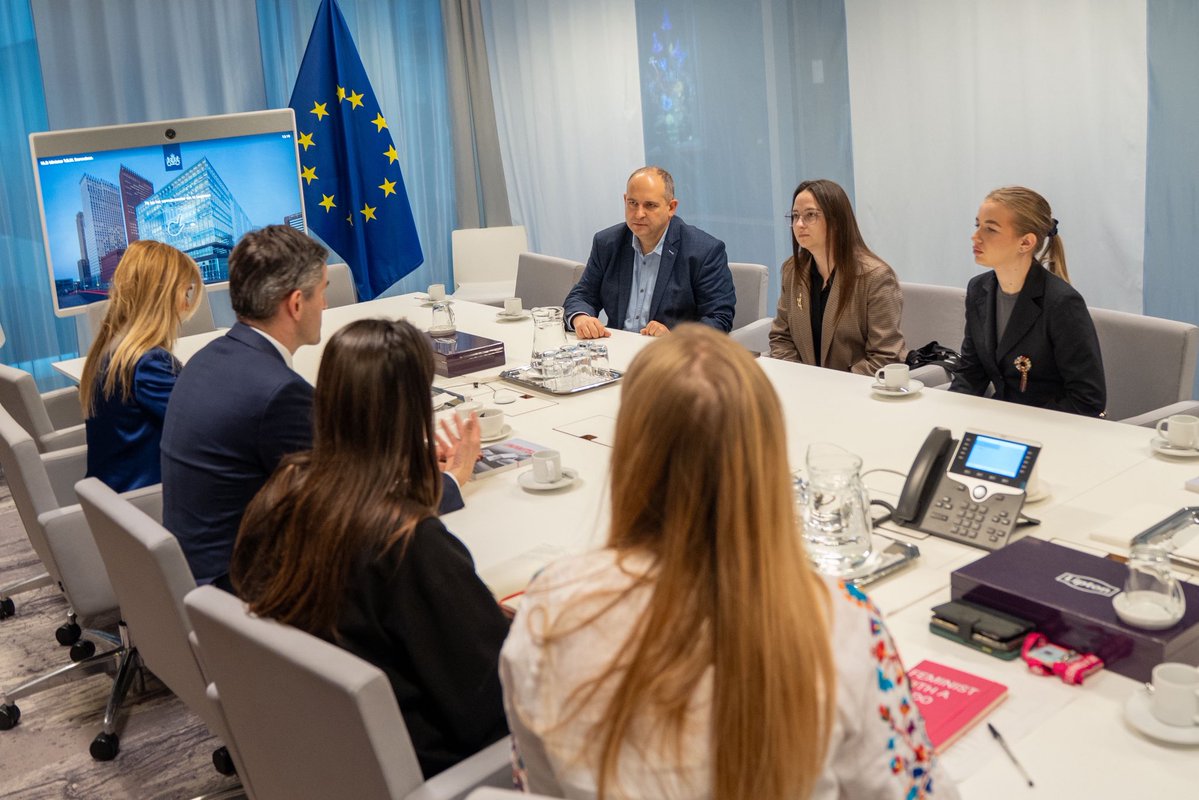
Vandaag op bezoek bij het @WIvoorhetCDA: Michiel Scheltema. O.a. vader van de Algemene wet bestuursrecht en voormalig staatssecretaris in de kabinetten-Van Agt II en III. Gesproken over het toewerken naar een responsieve rechtsstaat, waarbij de burger centraal staat.
Het CDA wil een succes van dit kabinet maken. Daarvoor is het wel nodig dat de samenwerking tussen het kabinet en het parlement goed is. Daar zullen wij met volle inzet aan verder werken, want dat is wat Nederland van ons vraagt.
The stories Ukrainians share about life under occupation are deeply moving and vital in keeping attention on the terrible situation in the temporarily occupied territories. We continue to #StandWithUkraine and support NGOs like the Eastern Ukrainian Center for Civic Initiatives.
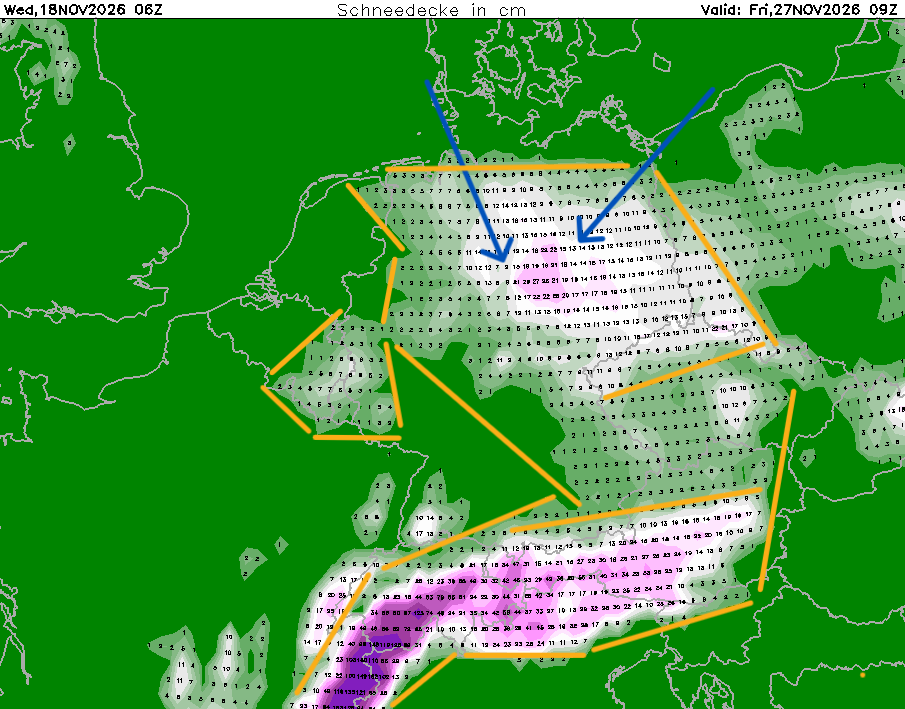
Volgende week komt er #sneeuw!
Zuidelijke penetratie kleine depressie en drukstijgingen Scandiland.
Rond woensdag de invasie van het neerslagareaal. Synoptisch apert interessant.
Voor meer info & ook wat betreft het weer tot Sinterklaas is er een consult via de weerprimeurlijn
Er komt een coöperatie voor ondernemers in Amsterdam, zodat MKB bedrijven een voor een lage huur terecht kunnen in de stad. Dat klinkt als een goed idee met potentie! Alleen zou het ook al helpen als de gemeente vaker in de bres springt voor Amsterdamse (MKB-) bedrijven. Zo hebben de fietsenmakers in de stad al jaren last van het deelmobiliteit in de gemeente, waar aanbieders van deelfietsen aantrekkelijke locaties en voorwaarden krijgen om fietsen te verhuren, die in de praktijk vaak door toeristen gebruikt worden. Recent besloot de gemeente dat er deel (=huur) bakfietsen in de openbare ruimte komen, waarbij een partij minimaal 50 bakfietsen op straat moet zetten. Kleine ondernemers kunnen daar niet tegen op boksen.