@MF_engil56 Chinese never ban hanfu, the emperor banned Horsetail bustle which is made of horsetail.What's more, the word "hanfu" was recorded in your history book. Go to watch this video
https://t.co/g6gL8LOZSq
@kira_hikari_ However, there are 7 kinds of Hanfu Aoqun relics in Ming dynasty. Some ignorant netizens can not tell the difference between Chinese Jiaoling Aoqun(交领袄裙) and Korean hanbok. So we made a video to compare their difference.
https://t.co/2CTbgCw0bB
@hakun233@delfoass 'The King of Korea Yi Bang-won(이방원) beg for Mianfu(冕服, the most formal cloth of emperor and king) and book from China in 1402. The Yongle Emperor of China is happy that Korean king admire Chinese cloth and etiquette and send Jiuzhang Mianfu(九章冕服) and 五經四書 to Korea'
@hakun233@delfoass 辛未朝鮮國王李芳遠遣陪臣石璘李原等奉表謝賜藥并貢馬及方物且請冕服書籍 上嘉其能慕中國禮文悉從之命禮部具九章冕服五經四書并鈔及綵幣表禮"——摘自明实录(Veritable Records of the Ming)
Let me translate the sentence to you
@hakun233@delfoass What's more, all the literature shows that the clothes of Korean King and other nobles were gift from Chinese government. If you want more, I can provide to you as much as possible.
@hakun233@delfoass However, people all around the world admit that Bijia was invented by Mongols, not Korean.
If you want to debate, please point out specifically which kind of hanfu copied hanbok and provide evidence. Let's translate these literature into English and find out who is right.
@hakun233@delfoass the word Goryeo(高丽样) came from Chinese poem”宫中新尚高丽样,方领过腰半臂载”,which means “the Goryeo(高丽样) is newly popular in the court, which is rectangular collar and short sleeves”. The cloth which is rectangular collar and short sleeves is definitely Bijia(比甲).
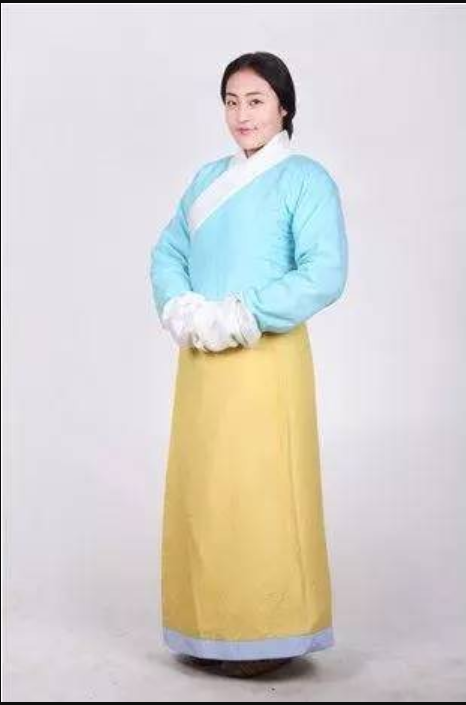
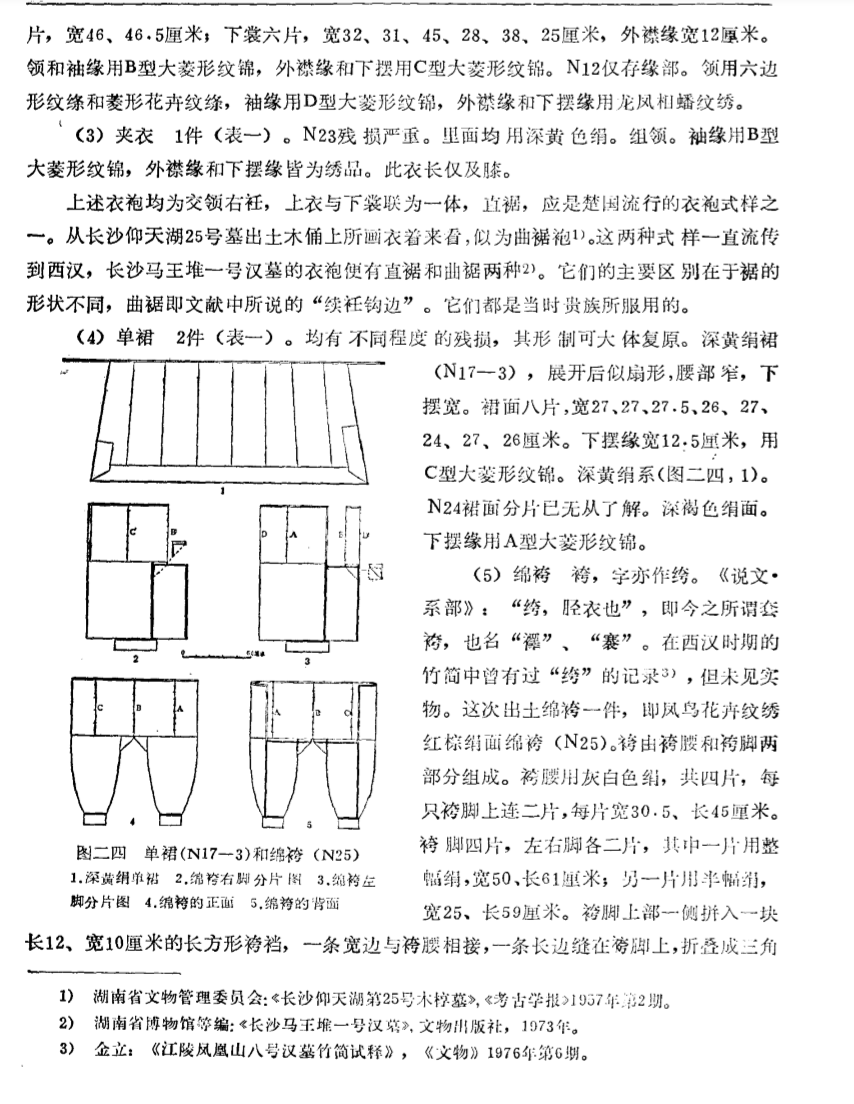
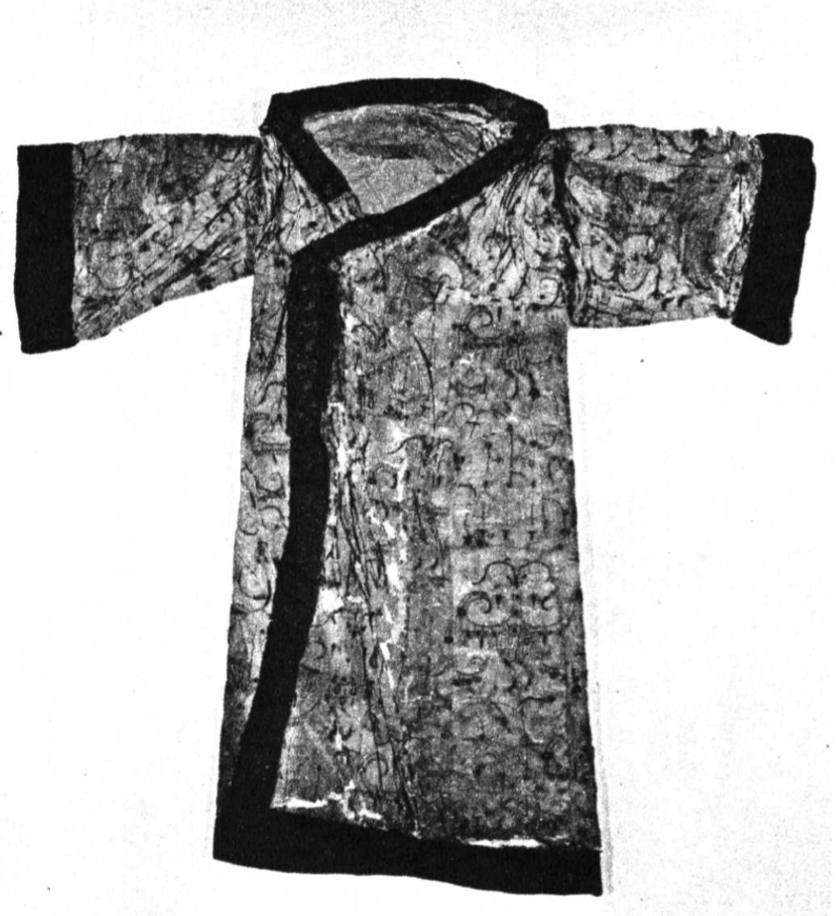
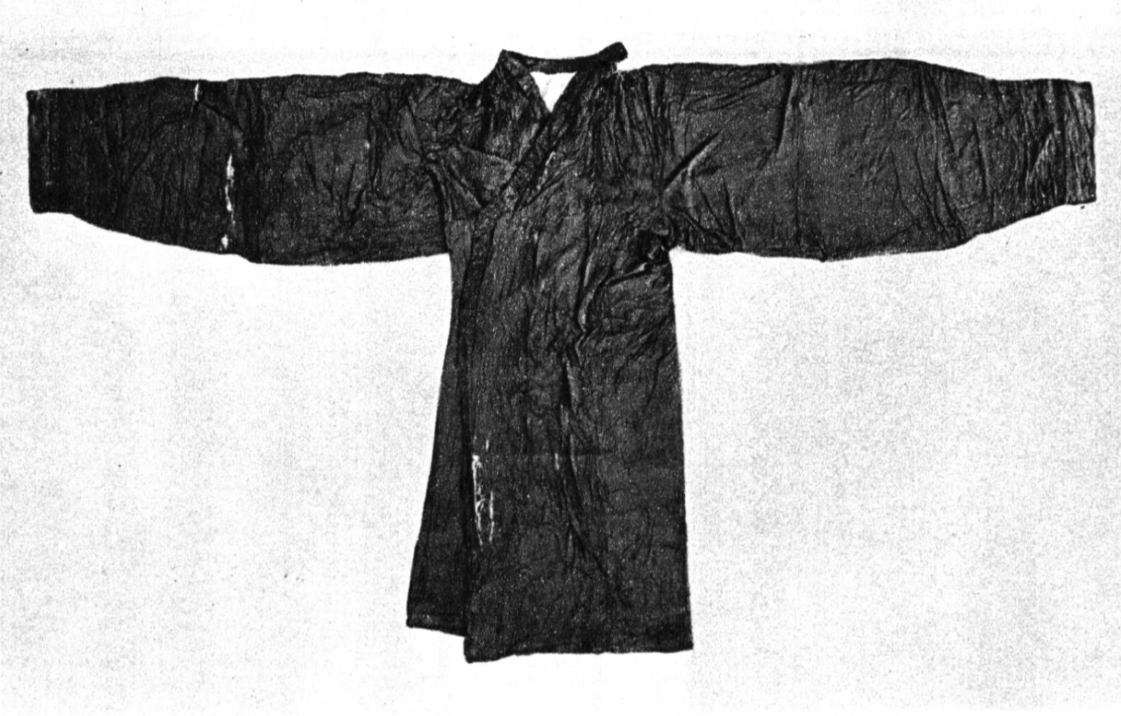
@dndudwp99 The earliest relics of Ruqun(襦裙) you can found in China are clothes evacuated from Mashan No. 1 Chu tomb. During Chu(704–223 BCE)period, you Koreans are uncultured persons. The pictures below shows you the screenshot of the essay about Ruqun in the tomb and its replication
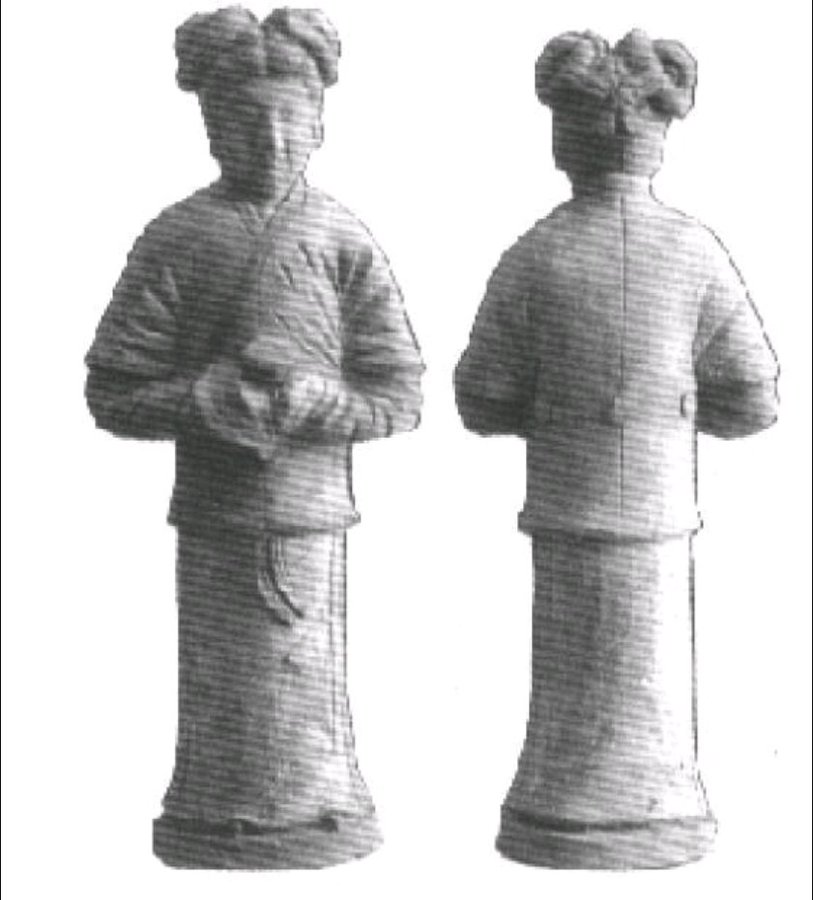
@dndudwp99 Aoqun developed from Ruqun(襦裙) which was poluplar in Tang dynasty, northern and southern dynasty, Jin dynasty and Eastern Han dynasty. As a matter of fact, Aoqun(袄裙) was a simplified version of Ruqun(襦裙)
@dndudwp99 Some Koreans always like to rumor that Chinese hanfu Aoqun(袄裙) in Ming dynasty was influenced by Korean Hanbok. However, you can find Aoqun(袄裙) was also polupar in Song dynasty.
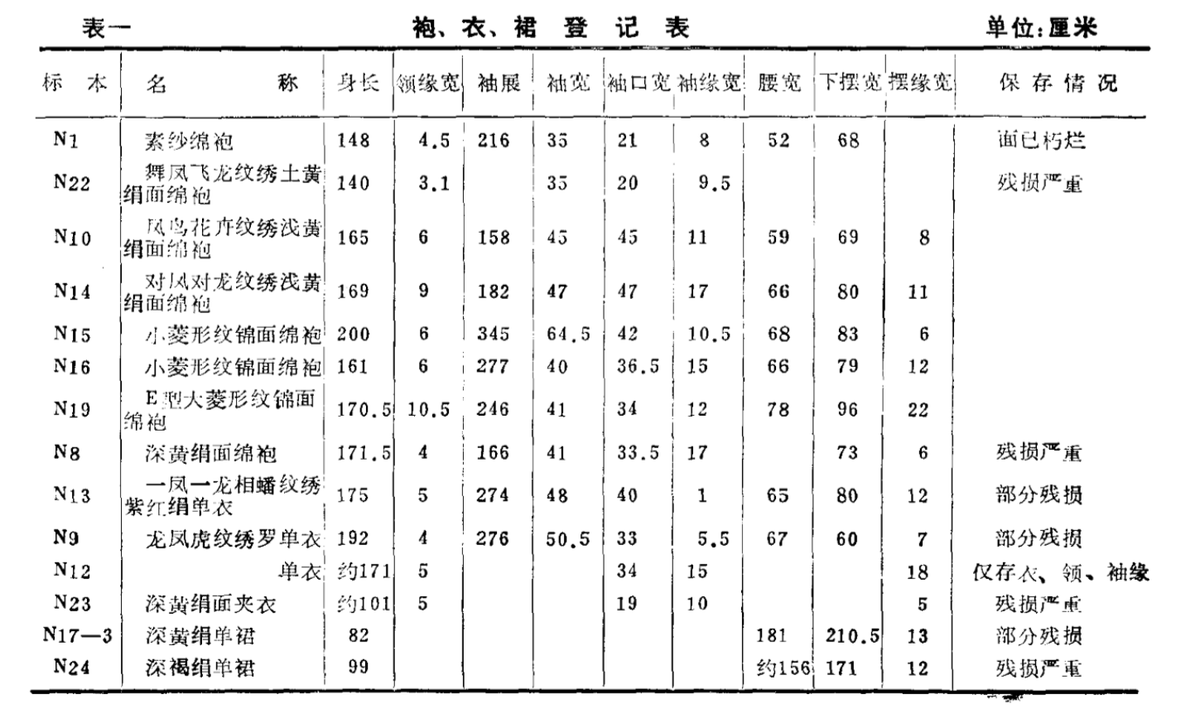
#hanfu#汉服 Clothes evacuated from Mashan No. 1 Chu tomb are classified into 3 types: N1, N10 and N15. N1, whose body length is relatively short is considered to be underclothes by researchers and N10 and N15 are considered to be outer clothing. pic1~3:N1,N10,N15 pic4:statistics