Harvard's 75-year study on what makes children successful found it wasn't grades, test scores, or extracurriculars.
It was one specific thing most parents stopped making their kids do by age 10:
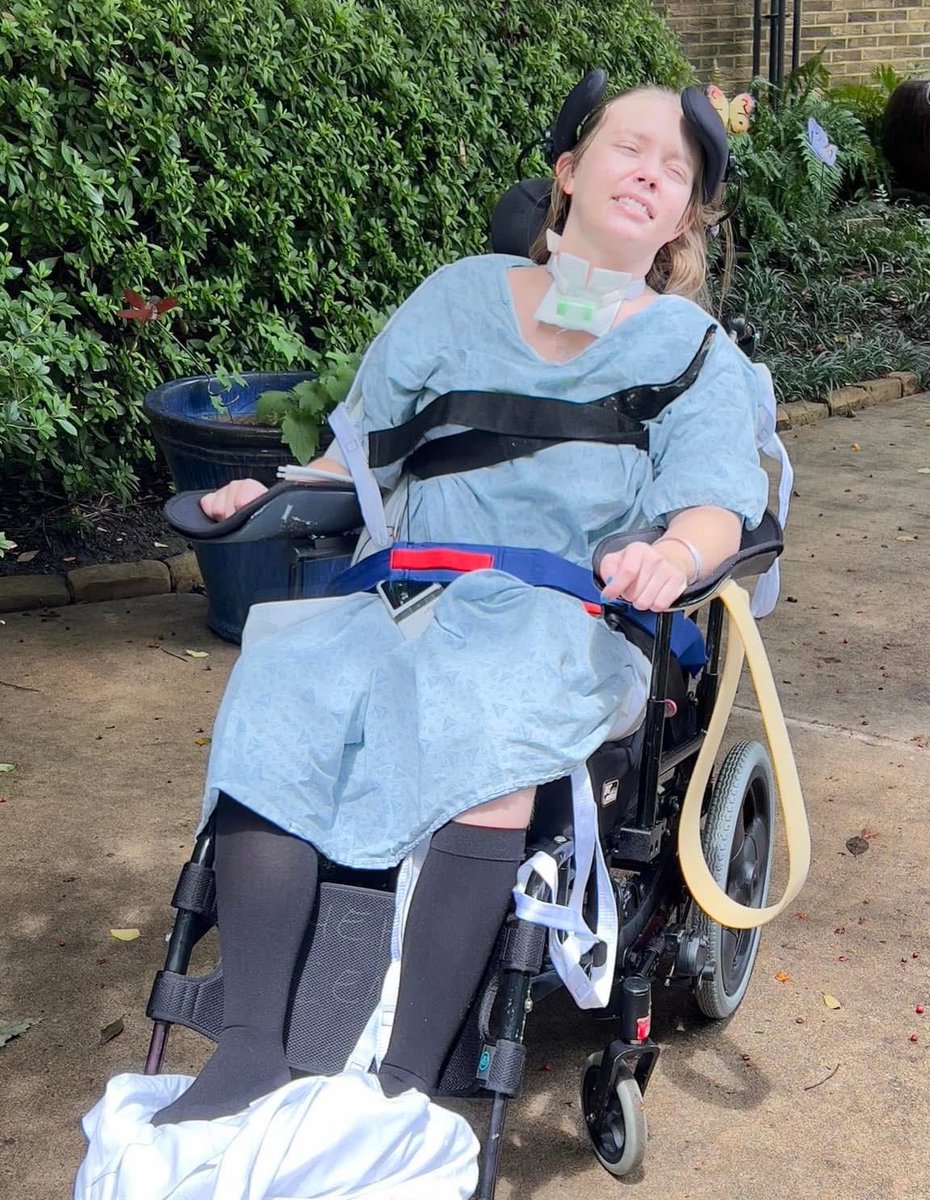
In June 2022, 28-year-old Caitlin Jensen went to a Georgia chiropractor for a routine neck adjustment.
Shortly after the procedure, she became seriously ill and was rushed to the hospital, where doctors found four dissected arteries in her neck.
The injuries triggered a stroke, cardiac arrest, and a traumatic brain injury. Caitlin lost her pulse for about 10 minutes before doctors were able to revive her.
She survived, but the damage changed everything. She was left paralyzed, with limited movement, and can no longer speak.
A group of UC Berkeley students did a 9-week digital detox… and the results were striking.
Cognitive neuroscientist Dr. Sahar Yousef (UC Berkeley Haas) found that participants experienced less anxiety, less depression, and more mindfulness. Some students said they suddenly started noticing all the positive things in their real life once the constant scrolling stopped.
Dr. Yousef also raised a concern, noting that heavy daily tech habits may be linked to brain changes: “We’re actually seeing brain atrophy… degradation of certain brain areas related to self-awareness [and] cognitive control.” (Note: This is an emerging area of research — more long-term studies are needed.)
This feels very relatable. The longer I step away from endless scrolling, the clearer and calmer my mind seems to get.
Our digital habits have become so automatic that we rarely stop to consider their impact on mental health and focus.
Have you ever tried even a short digital detox? What difference (if any) did you notice?
A private Ayurveda company made a majorly serious attempt to issue summons followed by arrest warrant against me for speaking against dangers of Ayurvedic herbal drugs and supplements which also included their product. The honorable High Court of Kerala has stayed the matter after my lawyers intervened urgently. This is the price a doctor-educator and public health activist has to pay for protecting people from avoidable dangers.