Slightly annoyed that I missed nature's great light show last night. On the plus side, it's very quiet this morning and there's some nice new plants arrived in the garden.
As you watch the Aurora this evening, it’s worth reflecting that you’re getting a rare direct glimpse of the power of Nature. Those charged particles causing the atmosphere to glow came from a sunspot complex 17 times the diameter of Earth and traveled across 90 million miles at a million miles an hour. Without our magnetic field to protect us, our atmosphere would have been lost to space long ago. Those colours in the sky are Nature reminding us that we’re very lucky to be here amidst the violence. And perhaps therefore also reminding us not to shite it all up :-)
The rat with the big balls and the enormous penis – how Frontiers published a paper with botched AI-generated images
@FrontiersIn
https://t.co/BZoujMhQvM
Before all you hipsters throw out your cds, we have sold more cds in the past week than anytime in the past year, and more cds than vinyl for the first time in years!
There's an interesting PhD opportunity in Aberystwyth University looking at Clavaria (fairy clubs) in old grassland. I would recommend the supervisor Gareth Griffith [email protected] as I used to work for him. Interesting and fun.
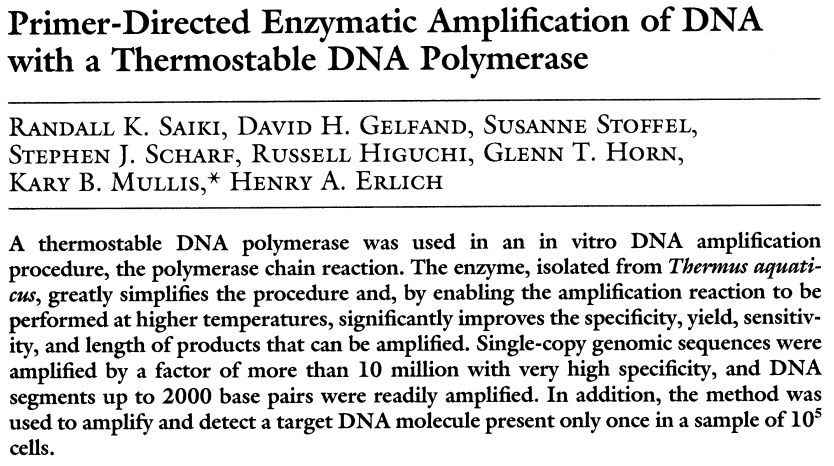
Day 10 of great papers in biology. The story of PCR.
"Primer-directed enzymatic amplification of DNA with a thermostable DNA polymerase," by Saiki R.K. et al.
***
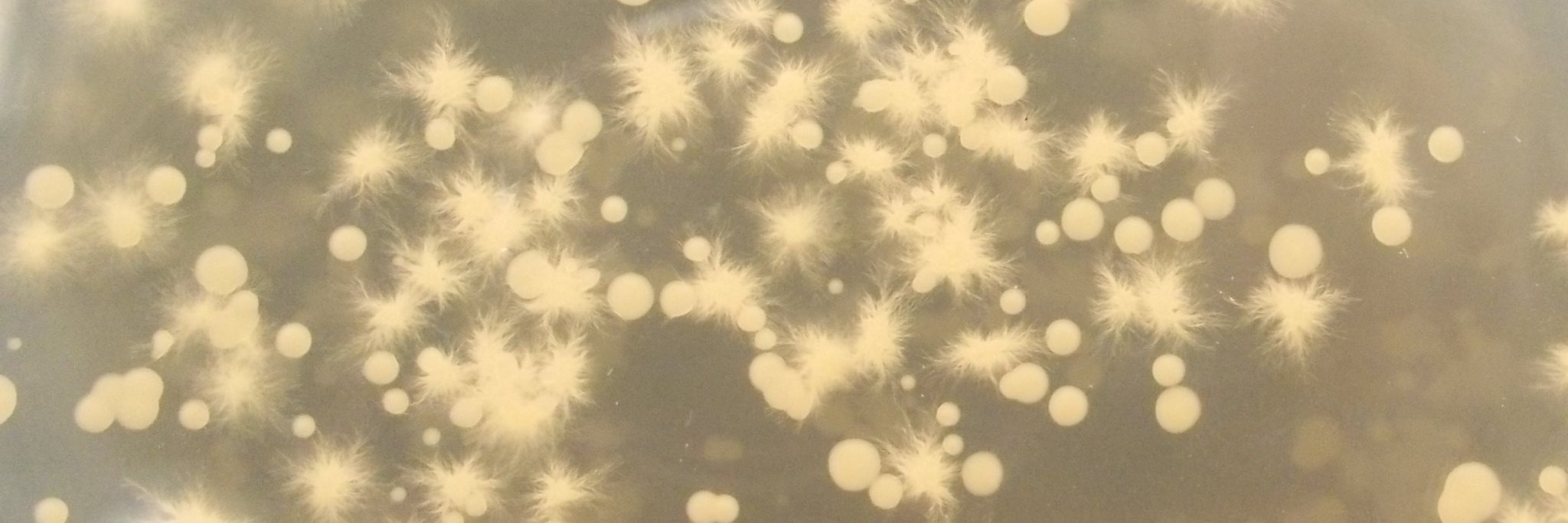
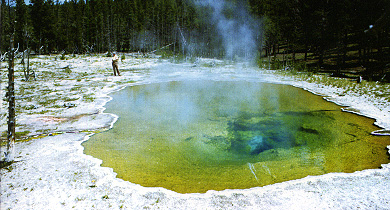
In 1969, Brock & Freeze discovered a bacterium, Thermus aquaticus, in two separate thermal springs: One in Yellowstone National Park and a second in California. (https://t.co/Yzd5xMbIqa)
(This article discusses the actual hot spring where it was discovered: https://t.co/cu6VvVrLVw)
In 1976, Chien, Edgar & Trela discovered that T. aquaticus expressed a DNA polymerase that could withstand very high temperatures. Its optimal performance was at 80 degrees C, far higher than the ~31 degrees C for DNA synthesis in human cells. (https://t.co/UOnsh9BqI4)
And then, in 1988, came the famous Kary B. Mullis paper (for which he'd later share a Nobel Prize). Saiki, Mullis, and others at the Cetus Corporation showed that the thermostable DNA polymerase from T. aquaticus could be used to massively simplify PCR. Prior to discovering the thermostable enzyme, PCR required that fresh enzyme be added during each cycle of DNA amplification.
"Because of the heat denaturation step required to separate the newly synthesized strands of DNA," the authors wrote, "fresh enzyme must be added during each cycle-a tedious and error-prone process if several
samples are amplified simultaneously. We now describe the replacement of the E. coli DNA polymerase with a thermostable DNA polymerase purified from the thermophilic bacterium, Thermus aquaticus (Taq), that
can survive extended incubation at 95C."
The paper made it possible to accomplish "cell-free molecular cloning" in about 3- to 4-hours, as opposed to "what might otherwise take days or weeks of biological growth and biochemical purification."
Brilliant paper, and a must-read for biology students.
https://t.co/TgyyZSlUXk
(Full text available here: https://t.co/fP8VAIN6Nl)
*BREAKING NEWS* My Dad has been reunited with his Euphonium!! The criminal that stole it tried to sell it on FB Marketplace this wk and within minutes it was spotted by our brilliant musical community. A HUGE thanks to you all for keeping your 👀 peeled! Colin is so grateful 🙏🎺
20 Years ago today Sumday was released. @jasonlytle says, “After many years of hammering away at writing and recording as Grandaddy, Sumdayseems to be the center of it and where it all peaked. (1/4)