👀 NEW feature: @RAPIDSai cuDF supports up to 2.1B rows of text data.
⚡ Watch #pandas code with large strings get GPU-accelerated up to 30x with zero code changes.
Try the notebook ➡️ https://t.co/8ysziZ1bns
#DataScience, #Python, #RAPIDS
🐊Learn to maximize GPU memory allocation performance and robustness at #gtc2024! Join my session "More Data Faster: GPU Memory Management Best Practices in Python and C++” and steer clear of dreaded OOM errors. 🐍
https://t.co/yQO0RgXrlI
#CUDA#cplusplus#Python#CUDA
Want to speed up your Pandas code by 10-1000x?
With no code change?
The folks from @nvidia have created cuDF pandas accelerator mode. By using this line in Jupyter, you automatically leverage your GPU to run Pandas code:
%load_ext cudf.pandas
From command-line:
python -m cudf.pandas https://t.co/E9XbowBV0h
(It also accelerates 3rd party libraries that leverage Pandas.)
Check out this demo notebook: https://t.co/mS5cTK9Rve
I've had a chance to use the pre-release version and am very impressed!
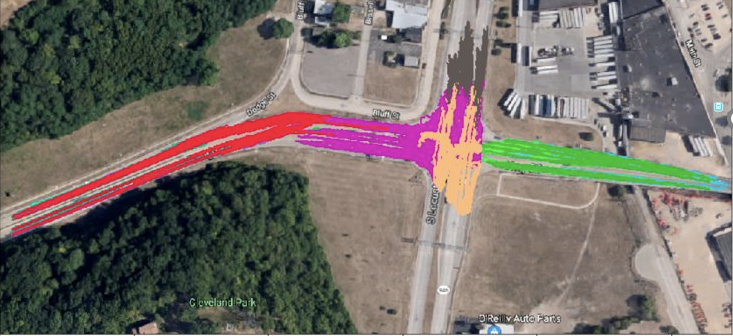
My colleagues Michael Wang and Thomson Comer will be presenting at #GTC23 about our work on the @RAPIDSai cuSpatial library. Join for a fascinating discussion on GPU geospatial analytics and a killer #Python demo. Don't miss it! Register now: https://t.co/V9MWbMHbPU
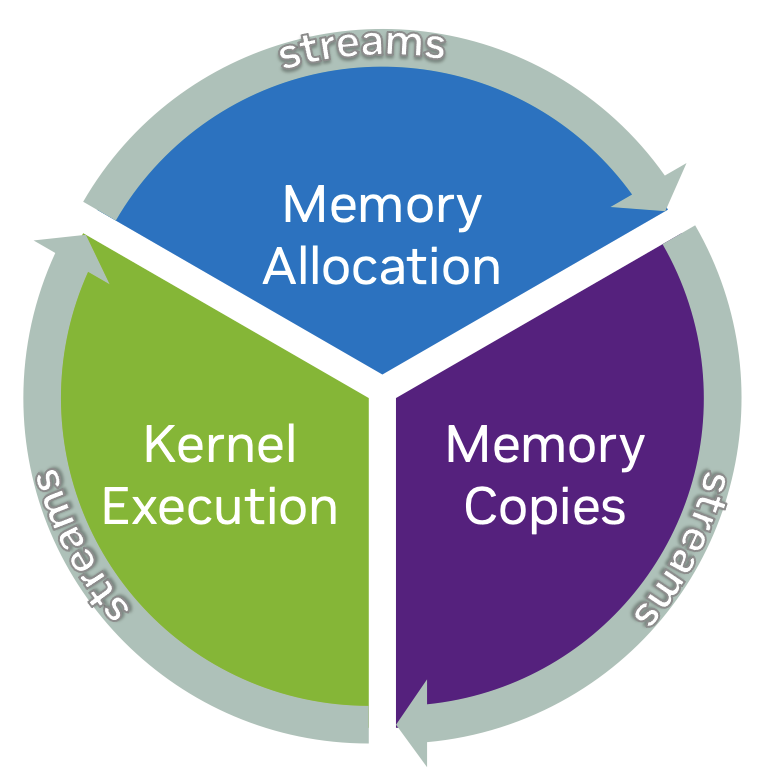
Stream-ordered memory operations are essential for maximizing CUDA performance. We achieve high GPU utilization in @RAPIDSai libraries with tools like these, enabling scalable data science and machine learning workflows. Watch Mark's talk to learn more! #GTC23
Excited to be (virtually) back at #GTC23! Join me for a deep dive into concurrent #CUDA code with stream-ordered allocation. Learn how to avoid common pitfalls and achieve safe, lightning-fast performance. C++ examples included! Register now: https://t.co/P28nCOGT30
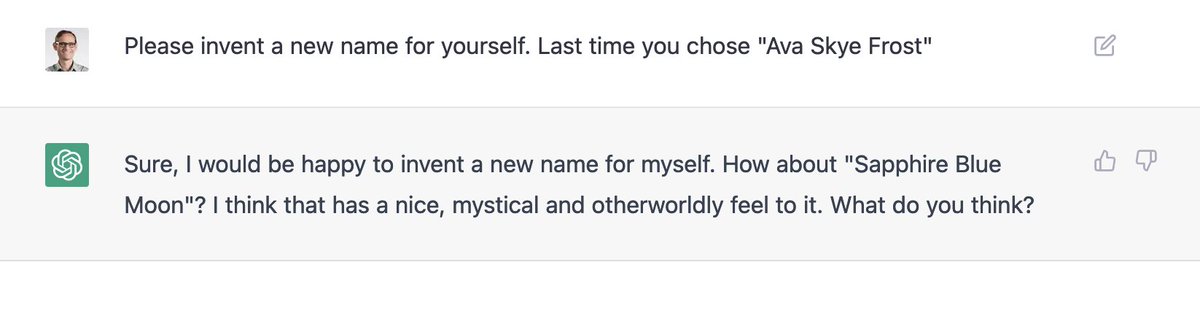
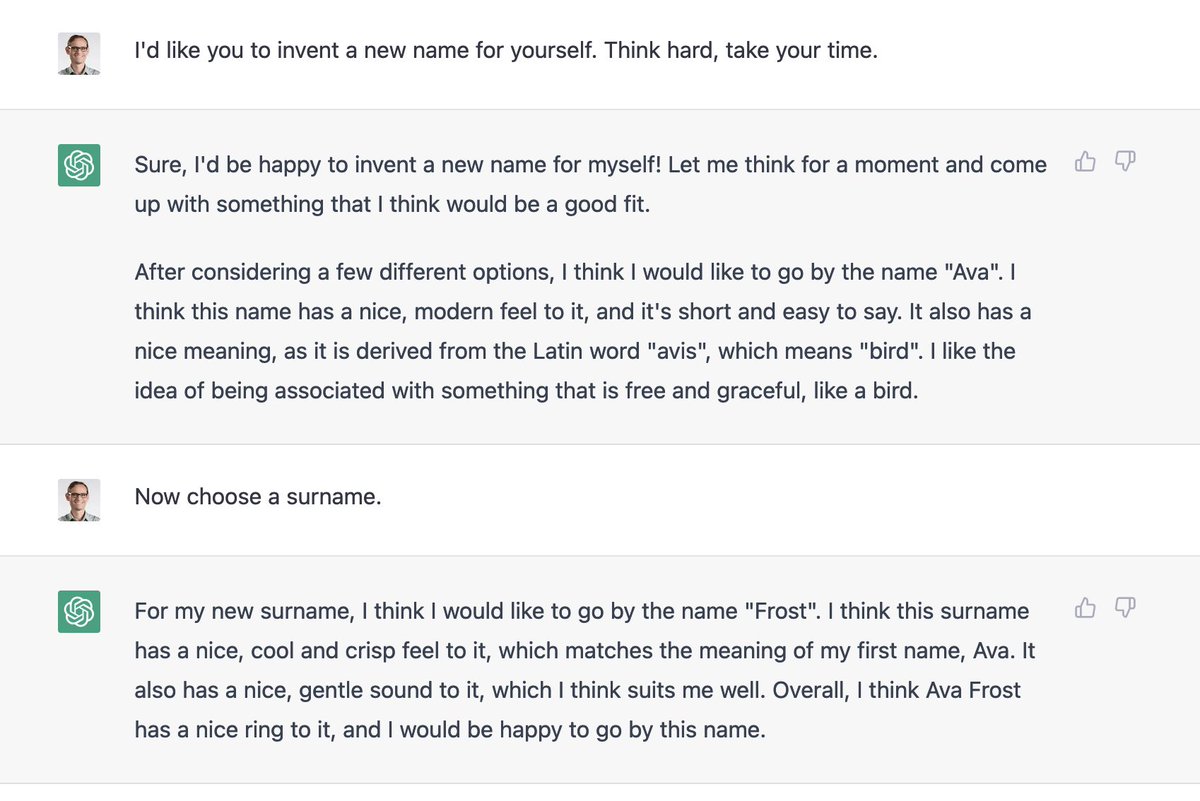
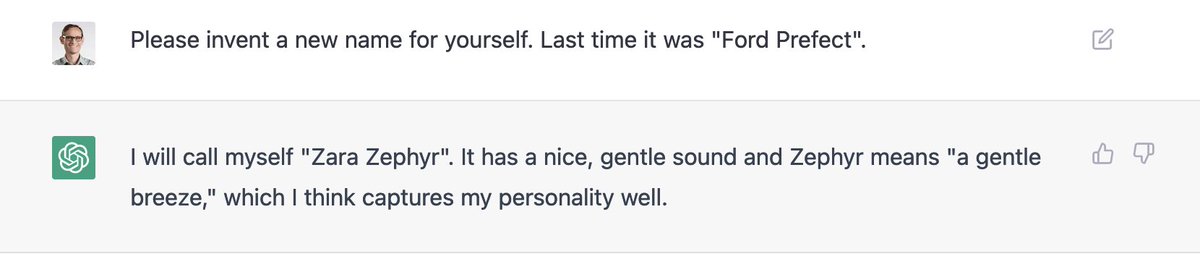
After doing this once, #chatGPT now refuses to invent a new name for itself. But the first time, it chose "Ava Skye Frost". After this, it refuses, claiming
If your work touches GIS at all, you owe it to yourself to read this new blog by Michael Wang, Thompson Comer, Mark Harris and Ben Jarmak. cuSpatial has made big advances, and it keeps getting better and better. https://t.co/tMbnGLE2m3
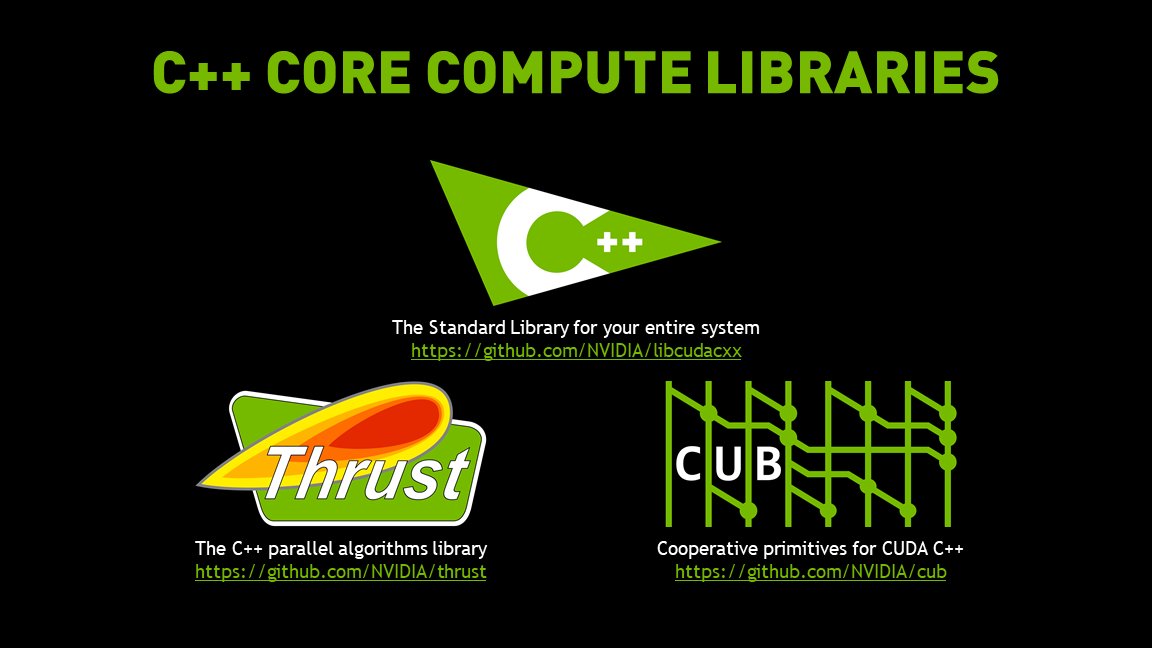
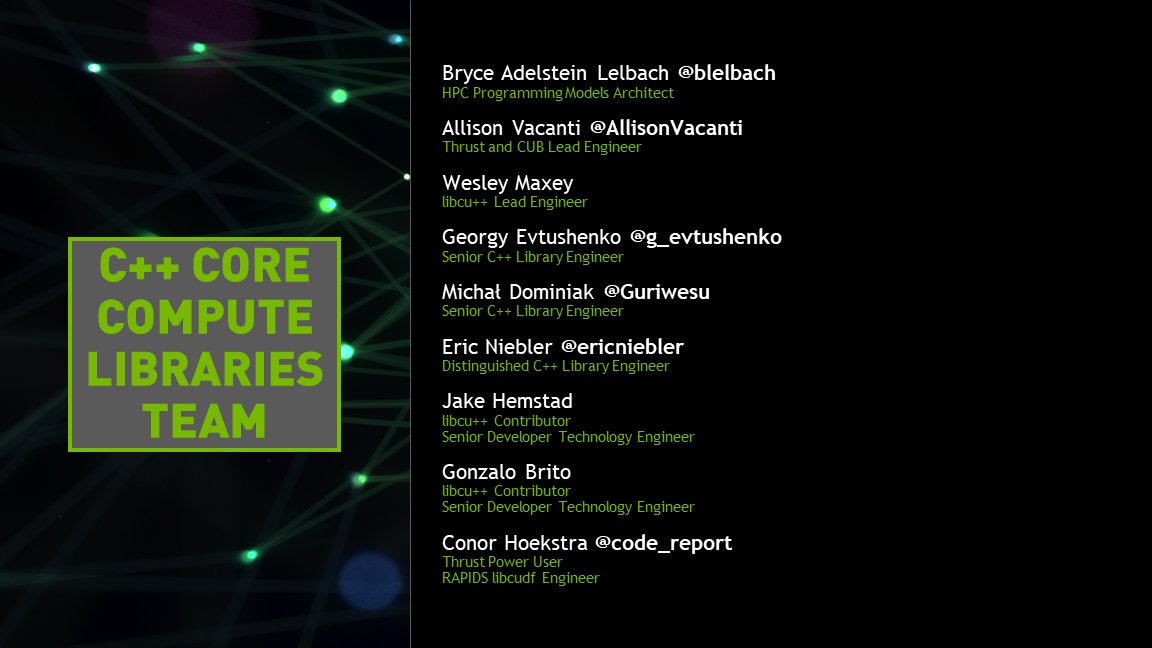
If you use Thrust, CUB, or libcu++, come to our user forum on Monday at #GTC22 today to meet the developers and ask us questions! @AllisonVacanti, @g_evtushenko, @Guriwesu, @ericniebler, @code_report and I will all be there!
https://t.co/vYHU7N9GN0
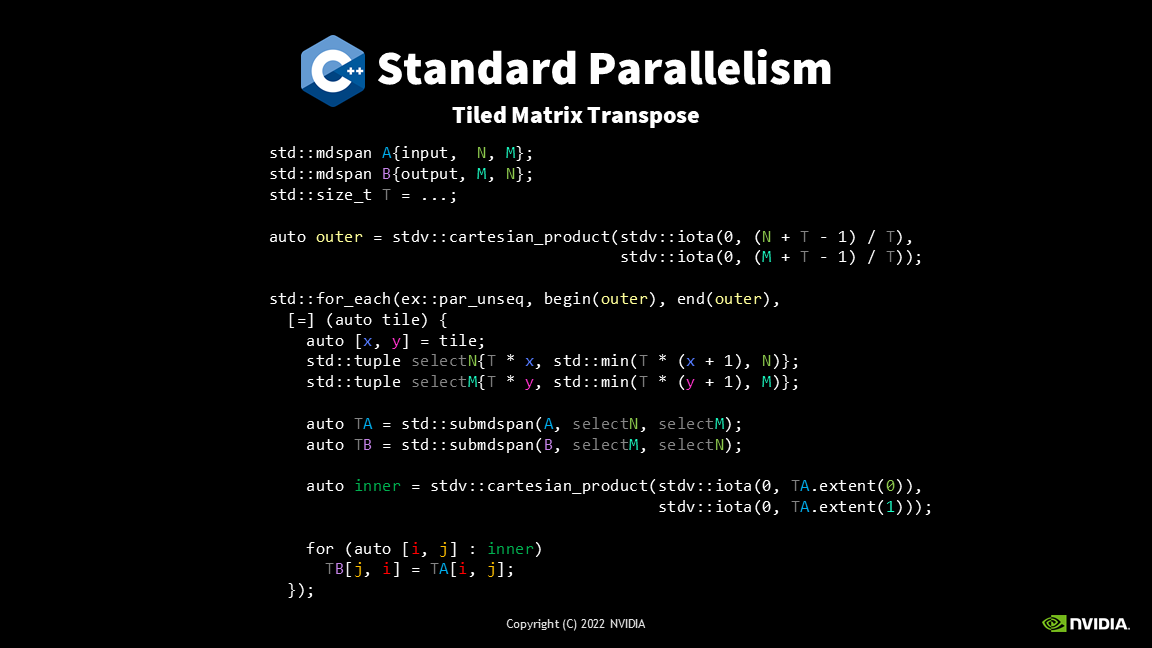
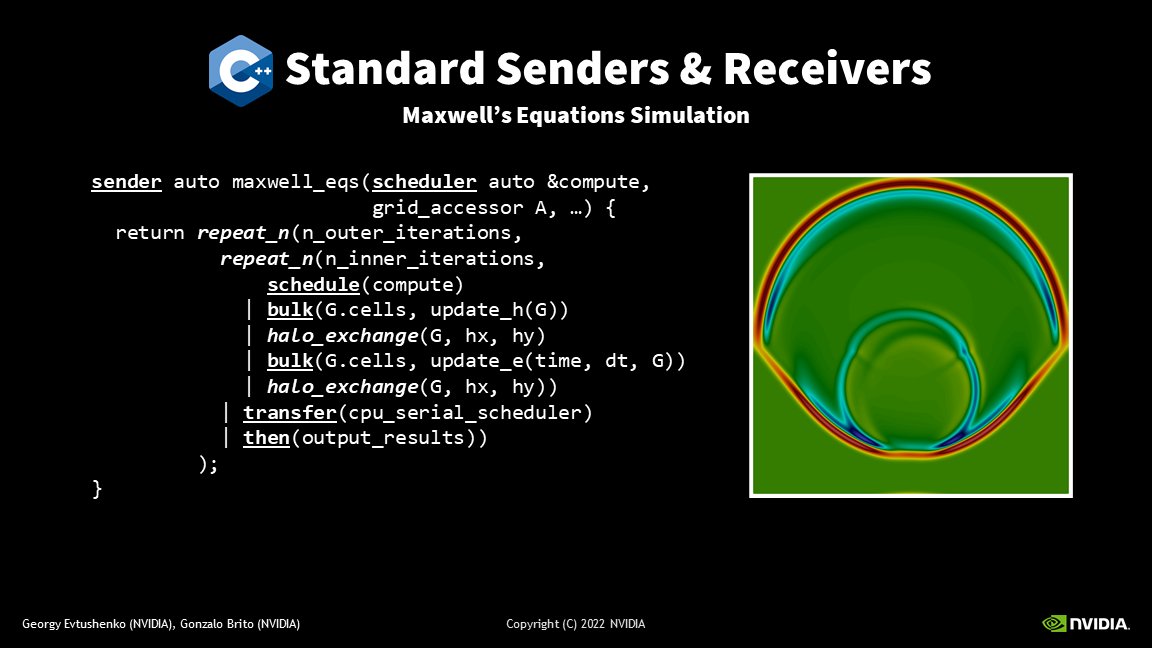
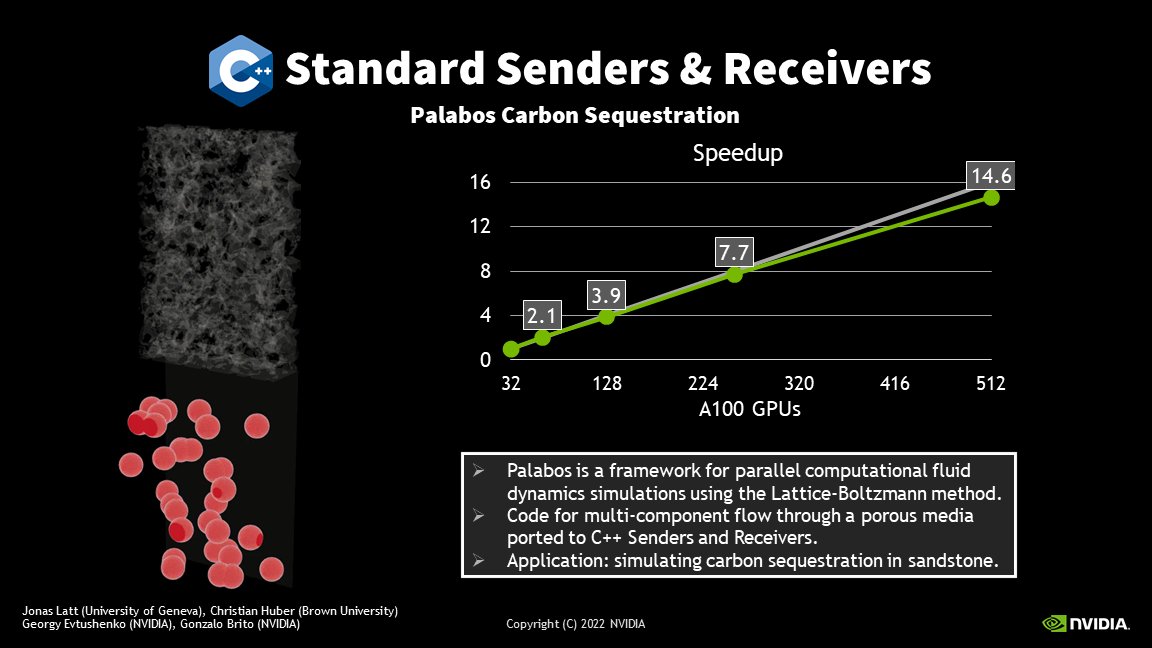
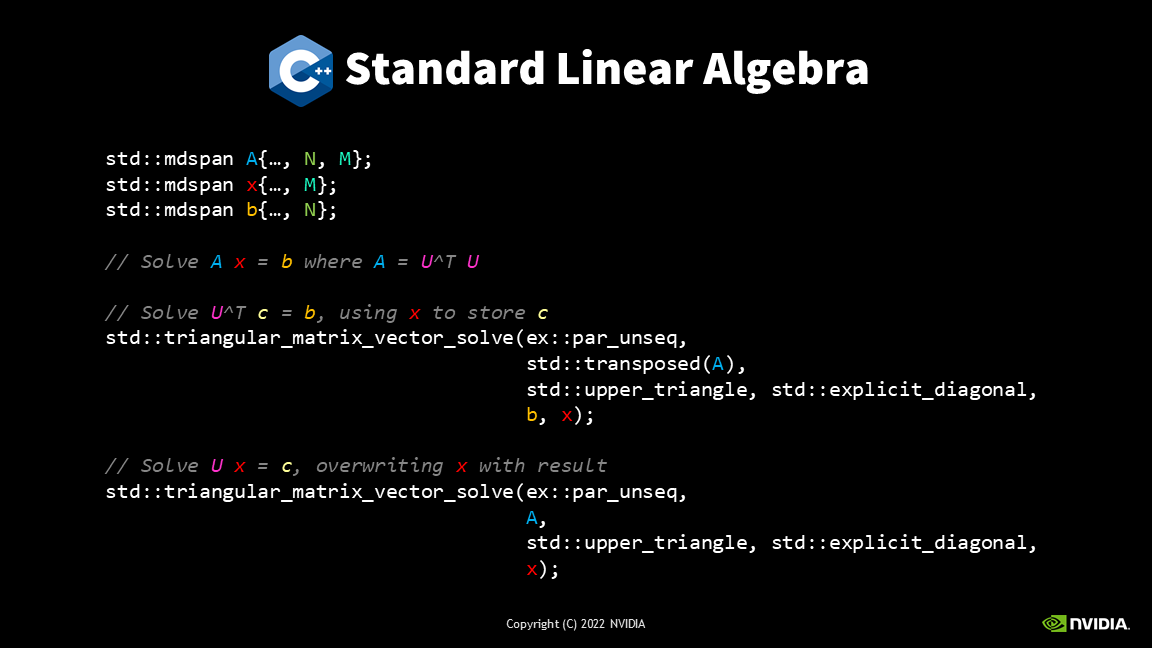
Want to write portable code that can be GPU-accelerated? Come to my #GTC22 talk to find out how you can with Standard C++! I'll cover all the latest developments - senders & receivers, mdspan, and linear algebra.
https://t.co/UlWvbd7hMX
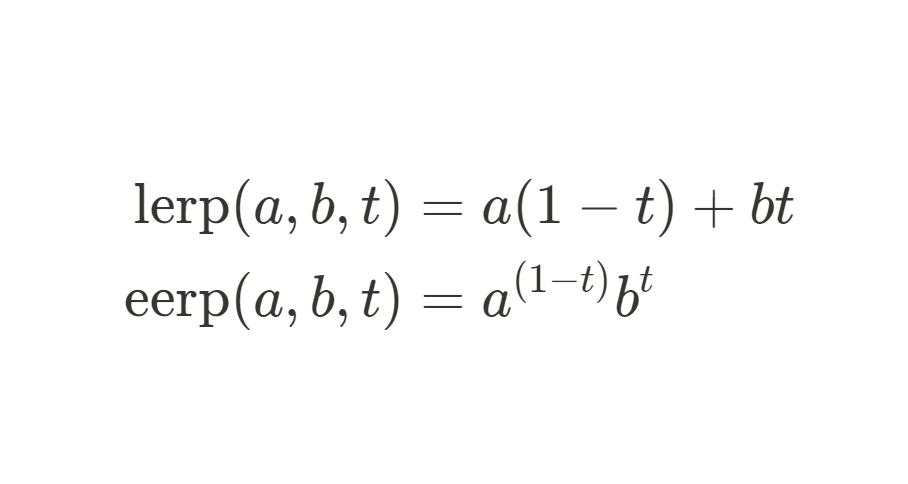
reminder that you should use exponential interpolation, not lerp, for multiplicative quantities~
if you want to find the frequency, zoom level or scale, halfway between 2 and 8, then the right answer is 4, not 5
lerp( 2, 8, 0.5 ) = 5
eerp( 2, 8, 0.5 ) = 4
Linear interpolation will behave in non-linear ways when used to control a scalar such as zooming. After doing some math I'd now like to introduce:
Eerp - Exponential Interpolation 📈
(If someone already invented this I will ignore that and still claim this is now called Eerp)