Stop using PNGs for your website images.
I dug into the stats and the difference is wild:
> JPEG: The old standard. Reliable but bloats your site.
> WebP: Google's fix. ~30% smaller than JPEG. Supports transparency.
> AVIF: The new king. Derived from Netflix's video tech. ~50% smaller than JPEG.
The best part? Tools like @ImagekitIo swap these on the fly so you never serve a heavy image again.
#TechTips #DevCommunity
Blaming the database is easy. Fixing the database is hard.
Adding a cache feels like a cheat code... untill the cache is wrong.
Then you aren't debugging a performance issue anymore. You're debugging a "why does reality not match the data" issue. And that is where the real fun begins. 🫠
Who else has lost a weekend to a stale cache key?
#SoftwareEngineering #DevLife #CodingJourney
everyone talks about how fast "vibe coding" is with models like Claude Opus 4.5, but we need to talk about the silent killers.
Three things that still break the flow( at least in my observations) :
1. Rate Limiting: It’s almost always an afterthought (or nonexistent).
2. CORS: The config hallucinations are still real.
3. Context fragmentation: You must colocate Frontend and Backend in one root directory. If the context is split, the logic breaks.
Unified context is the new monorepo.
It builds 80% of the app in minutes, but that last 20% is still manual engineering.
#SoftwareDevelopment #AI
Did you know that you can chain transformations in the URL string itself?
You can resize, blur, add a watermark, and rotate an image just by adding parameters like
tr=w-300,bl-5,rt-90
@ImagekitIo
Stop using PNGs for your website images.
I dug into the stats and the difference is wild:
> JPEG: The old standard. Reliable but bloats your site.
> WebP: Google's fix. ~30% smaller than JPEG. Supports transparency.
> AVIF: The new king. Derived from Netflix's video tech. ~50% smaller than JPEG.
The best part? Tools like @ImagekitIo swap these on the fly so you never serve a heavy image again.
#TechTips #DevCommunity
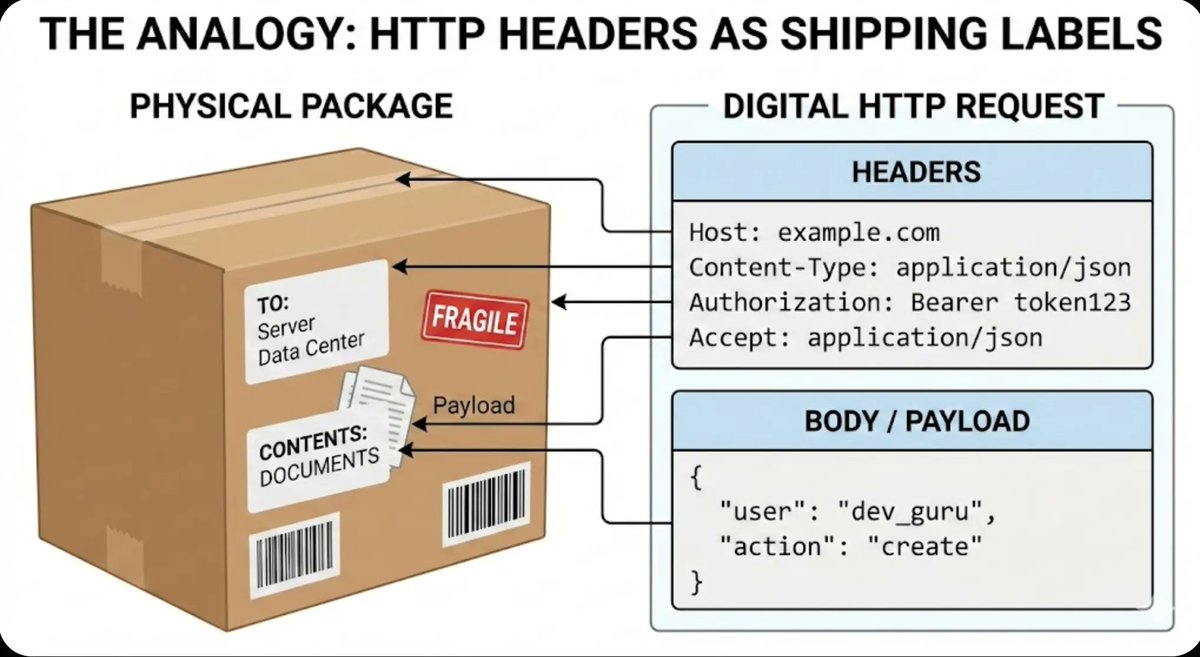
I used to blindly copy-paste HTTP headers from without really knowing what they did.
If it worked, I moved on. If I got a 400 Bad Request, I just tried random combinations until it turned green.
But I finally wrapped my head around it when I stopped thinking in code and started thinking about physical mail.
If you’re struggling with APIs, think of a POST request like sending a package via a courier.
The Payload (your JSON) is the item inside the box.
The Headers are the shipping labels, stamps, and notes plastered on the outside of the box.
This distinction matters because the server is lazy. It will never, ever open your box until it reads the stickers on the outside first.
Here are the three that actually matter:
#WebDev #backend #HTTP
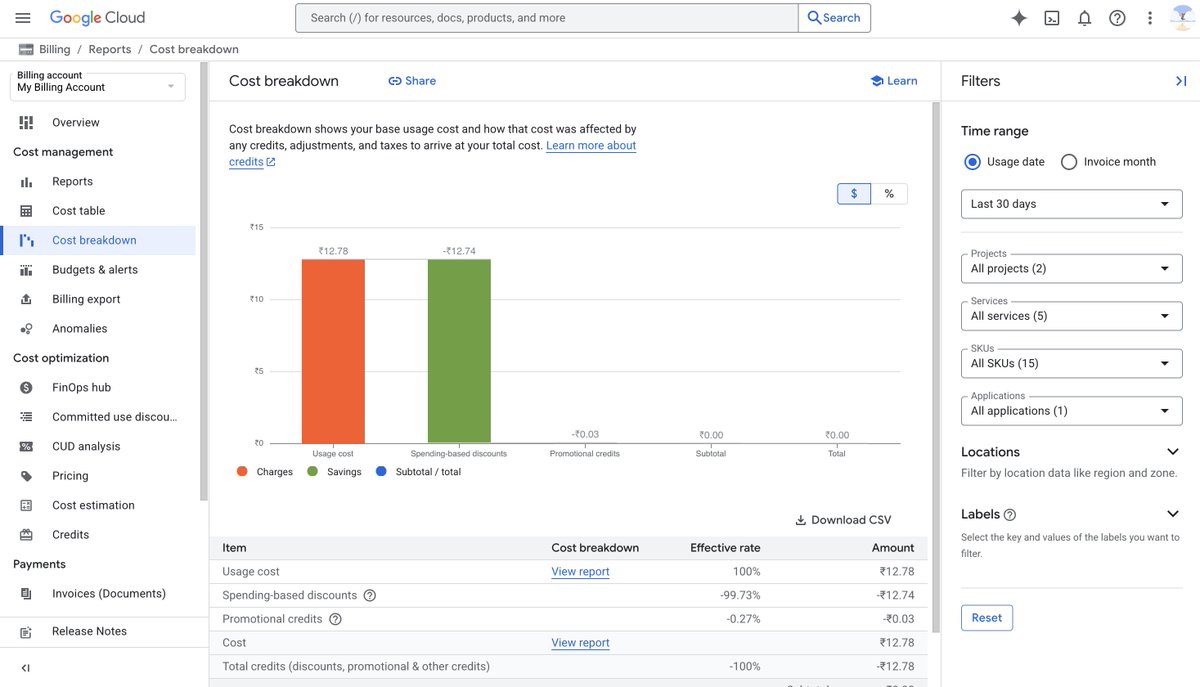
The @googlecloud Run dashboard is really intuitive to explore.
There are many flags available which let's you configure your application as per your requirements.
I want to see more visitors to my website to understand how the cost and billing works😅
attack me here: https://t.co/ePP4qP7uPd