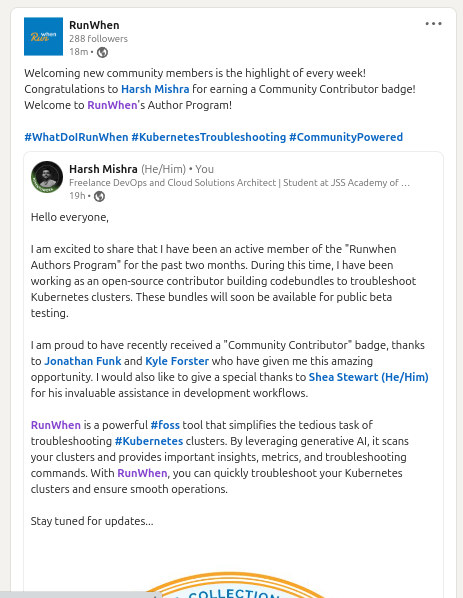
Not a career update.....
My First Open Source Bounty!
Check out the code-bundle for pre-release testing here: https://t.co/dGwyGg5Di7…
The new code-bundle will soon be available OOB in the next public beta release.....
Sign up here for beta:- https://t.co/T6uF1F2DGS
What these youngsters are pointing out in #CBSE and other government websites is just the 𝗧𝗶𝗽 𝗼𝗳 𝘁𝗵𝗲 𝗶𝗰𝗲𝗯𝗲𝗿𝗴.
We all know that companies winning government tenders often outsource projects to the cheapest developers in the market. As a result, a large number of government websites remain highly vulnerable.
The real issue with examinations is 𝗳𝗮𝗿 𝗯𝗶𝗴𝗴𝗲𝗿. It lies in the vulnerabilities of the companies providing 𝗲𝘅𝗮𝗺-𝗰𝗼𝗻𝗱𝘂𝗰𝘁𝗶𝗻𝗴 𝘀𝗼𝗹𝘂𝘁𝗶𝗼𝗻𝘀.
𝗠𝗮𝗻𝘆 𝗶𝗺𝗽𝗼𝗿𝘁𝗮𝗻𝘁 𝗮𝗻𝗱 𝗰𝗼𝗺𝗽𝗹𝗲𝘅 𝗲𝘅𝗮𝗺-𝗵𝗮𝗰𝗸𝗶𝗻𝗴 𝗰𝗮𝘀𝗲𝘀 𝗮𝗿𝗲 𝗼𝘂𝘁𝘀𝗼𝘂𝗿𝗰𝗲𝗱 𝘁𝗼 𝗺𝗲 by law enforcement agencies for digital forensics, RCA (Root Cause Analysis), and other IT help. One thing I have consistently realized is that the people involved in exam hacking are 𝗳𝗮𝗿 𝗮𝗵𝗲𝗮𝗱 𝗶𝗻 𝘁𝗵𝗲𝗶𝗿 𝘂𝗻𝗱𝗲𝗿𝘀𝘁𝗮𝗻𝗱𝗶𝗻𝗴 𝗼𝗳 𝗜𝗧 𝗶𝗻𝗳𝗿𝗮𝘀𝘁𝗿𝘂𝗰𝘁𝘂𝗿𝗲 𝗲𝘅𝗽𝗹𝗼𝗶𝘁𝘀 compared to the companies building these systems.
I have repeatedly requested government officials to establish 𝗺𝗮𝗻𝗱𝗮𝘁𝗼𝗿𝘆 𝘀𝗲𝗰𝘂𝗿𝗶𝘁𝘆 𝗮𝘂𝗱𝗶𝘁 𝗰𝗼𝗺𝗽𝗹𝗶𝗮𝗻𝗰𝗲𝘀 and comprehensive 𝗿𝗲𝗱-𝘁𝗲𝗮𝗺 𝘁𝗲𝘀𝘁𝗶𝗻𝗴 𝗴𝘂𝗶𝗱𝗲𝗹𝗶𝗻𝗲𝘀 for exam-conducting software and environments. Unfortunately, no steps have been taken so far.
Rest assured, hackers are already using multiple attack techniques and vectors that 𝘁𝗵𝗲𝘀𝗲 𝗲𝘅𝗮𝗺 𝗰𝗼𝗻𝗱𝘂𝗰𝘁𝗶𝗻𝗴 𝗰𝗼𝗺𝗽𝗮𝗻𝗶𝗲𝘀 𝗵𝗮𝘃𝗲 𝗹𝗶𝘁𝘁𝗹𝗲 𝗼𝗿 𝗻𝗼 𝘂𝗻𝗱𝗲𝗿𝘀𝘁𝗮𝗻𝗱𝗶𝗻𝗴 𝗼𝗳. In many cases, the gap between 𝗿𝗲𝗮𝗹-𝘄𝗼𝗿𝗹𝗱 𝗮𝘁𝘁𝗮𝗰𝗸𝗲𝗿𝘀 and the security capabilities of these organizations is simply too large.
Foreign exam-conducting solution providers are generally willing to invest in 𝗿𝗶𝗴𝗼𝗿𝗼𝘂𝘀 𝗿𝗲𝗱-𝘁𝗲𝗮𝗺 𝗮𝘀𝘀𝗲𝘀𝘀𝗺𝗲𝗻𝘁𝘀 once they realize examinations are being compromised.
However, most Indian companies remain focused on 𝗺𝗶𝗻𝗶𝗺𝗶𝘇𝗶𝗻𝗴 𝗰𝗼𝘀𝘁𝘀, regardless of how much students suffer as a consequence.
Too often, the priority is to:
• 𝗯𝘂𝗿𝘆 𝘀𝗲𝗰𝘂𝗿𝗶𝘁𝘆 𝗿𝗲𝗽𝗼𝗿𝘁𝘀
• 𝗵𝗶𝗿𝗲 𝘁𝗵𝗲 𝗰𝗵𝗲𝗮𝗽𝗲𝘀𝘁 𝗽𝗼𝘀𝘀𝗶𝗯𝗹𝗲 𝗲𝘅𝗽𝗲𝗿𝘁𝘀
• 𝗮𝘃𝗼𝗶𝗱 𝗿𝗶𝗴𝗼𝗿𝗼𝘂𝘀 𝘀𝗲𝗰𝘂𝗿𝗶𝘁𝘆 𝘁𝗲𝘀𝘁𝗶𝗻𝗴
• treat security as an expense rather than a necessity
Until this mindset changes, 𝗘𝘅𝗮𝗺 𝗯𝗿𝗲𝗮𝗰𝗵𝗲𝘀 𝘄𝗶𝗹𝗹 𝗰𝗼𝗻𝘁𝗶𝗻𝘂𝗲 to be a recurring problem.
My first programming language was not Java, Python or C/C++.
It was QBASIC. It was part of the Computer Curriculum for 6th to 8th in many CBSE Schools in 2014-2018. It was the peak joy of programming.
My second language was Visual Basic 6 (Pirated), followed by Java 8.
I never understood CSS/JS/TS and C++ (Modern C++17 and above). I find it really hard to wrap my head around them. It just feels a significant downgrade in dev experience.
Golden ✨.
I'd go as far as to say the whole JVM ecosystem.
A lot of good software written in Java requires occasional maintenance.
Not to say Java doesn't have downside and operational headaches. But most Java hate is unwarranted on YouTube.
I got a 75 LPA offer letter.
First thing I did was say thank you to Bappa and Swami 🙏
Then I told my mom, dad, and grandpa… everyone was so happy. ❤️
My mom literally started crying, and I was trying to calm her down while holding my own tears back.
Then suddenly… I woke up.
And realized it was just a dream. 🙂
But for a few seconds, it felt so real…
Everyone says “Linux is secure and viruses don’t attack it easily”
But why is that actually true
Here are the real reasons most people don't know:
1. Linux user permissions are strict by design
Normal users can't touch system files without root access. Malware can’t install system-level files unless it explicitly gets root permission - which usually requires your password.
No silent installs.
2. Software comes from trusted repositories
Unlike Windows/macOS where people download random .exe files,
Linux users install apps from official, cryptographically signed repositories.
This massively reduces the chance of installing infected software.
3. Open source = thousands of eyes
Linux is open-source.
Thousands of developers worldwide continuously inspect, audit, and improve the code.
If a vulnerability appears, it’s often found and patched quickly - sometimes within hours.
4. No single point of failure
Linux isn’t one OS - it’s hundreds of distributions (Ubuntu, Fedora, Arch, etc.).
A virus written for one distro often won’t work on another.
Malware authors hate fragmentation.
5. Kernel-level security features
Linux uses advanced protections like:
• SELinux / AppArmor (mandatory access control)
• Address Space Layout Randomization (ASLR)
• Secure memory handling
Even if malware runs, its damage is heavily restricted.
6. Fewer users = lower incentive
Linux dominates servers, not desktops.
Hackers usually target platforms with maximum users for maximum profit.
Desktop Linux simply isn’t the most lucrative target.
7. Fast updates, no forced delays
Linux updates are lightweight, frequent, and optional - but encouraged.
Vulnerabilities stay open for less time.
8. Command-line transparency
Most system-level actions are visible.
Nothing hides behind flashy installers.
Suspicious behavior is easier to detect for experienced users.
Conclusion:
Linux isn't virus-proof. Nothing is.
But its permission model, open-source DNA, and security-first architecture make it genuinely harder to attack than any mainstream OS.
The best security isn't one big wall — it's layers. 🐧
Eligibility exams belong to academia solely not jobs. That's what interviews are for.
At best an exam can only test your grasp on subject matter, it can never test your domain knowledge.
You never see a JEE, NEET, UGC-NET, ISI or JRF etc. students ranting about unfair syllabi of the questions in exam.
They're always UPSC, SSC-CGL etc. aspirants.
Examinations like UPSC are anyways a flawed concept. What do you expect to see on paper uncertain syllabi.