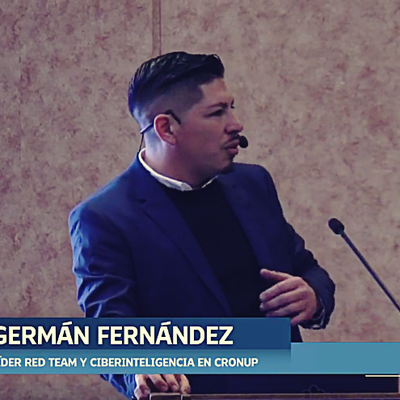
Thank you @iit__mandi@AAS_IITMandi!
Also, thanks to my co-authors Dr. Palvi Aggarwal (@pal_vi_12) and Prof. Varun Dutt for their constant feedback and efforts in making it happen. 🎉
OpenSRE just hit 5,000 stars on GitHub! ⭐
What started as an idea is now a community of thousands building, contributing, and shipping together.
Thank you all! Lots more to come. 🚀
https://t.co/KPlG9UMFes
Today we’re releasing the International AI Safety Report 2026: the most comprehensive evidence-based assessment of AI capabilities, emerging risks, and safety measures to date. 🧵
(1/17)
The trick to getting AI to work for you is to break down your problem into specific, smaller tasks (ideally into units that don’t take more than 10 minutes for a human).
This not only forces you to have a better understanding of the problem, it also prevents AI agents from biting more than they’re capable of chewing.
Why 10 mins? It’s an empirical finding from METR on how successful is today’s AI in finishing a task. Shorter the time horizon for a human to complete a task, the higher the success of AI to do it.
Stop watching short-form videos.
Meta-analysis of ~100k people shows how it is associated with decreased cognition and increased stress + anxiety.
I know this is correlation, not causation but ask yourself - do you feel great after a session of consuming reels/shorts?
I have decided to donate my match fees from this tournament to support our Armed Forces and the families of the victims who suffered from the Pahalgam terror attack. You always remain in my thoughts 🙏🏽
Jai Hind 🇮🇳
The key to maintaining good habits is to do micro actions whenever you don’t feel like doing the full thing.
Not feeling like going to the gym? Do 10 push-ups. Not feeling like reading a book? Just read one paragraph.
This ensures your cue-response circuits remain strengthened.