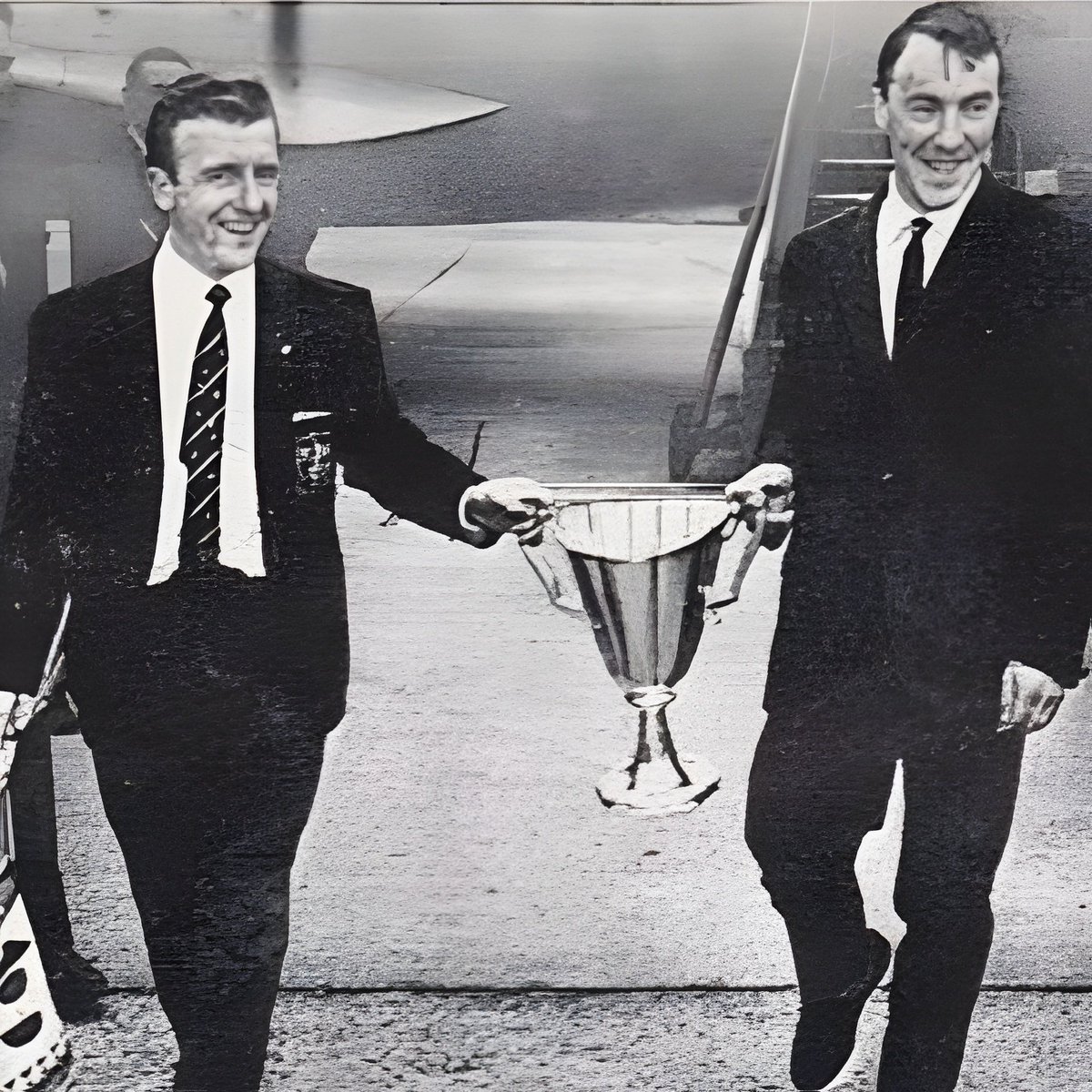
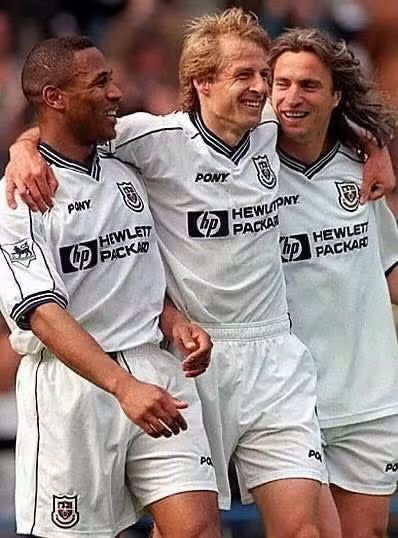
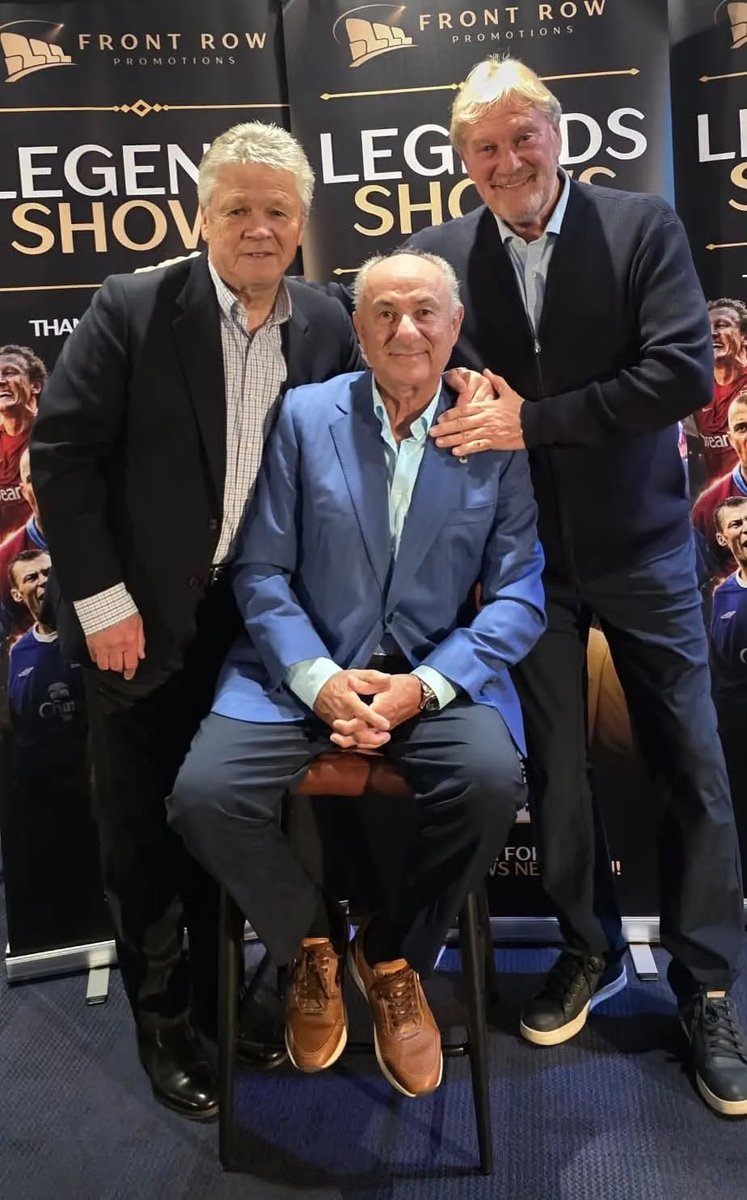
@Annie2xdm Hi Annie, I would describe Steve as "irrepressible" Here is the link to my piece about him in the White Hart Review:
"Steve Perryman – a man for all seasons" https://t.co/AB7RNUxvAy
Best wishes, Harvey
RIP Barry Daines. I was lucky enough to be at The Hawthorns on 7th October 1978 to see Barry play his finest game as a Lilywhite. He made an array of stunning saves to keep West Brom at Bay and Peter Taylor notched our winning goal. Rest well big fellah.
Aaron Lennon was the fastest thing on the pitch. In April 2017 that dream turned into a suffocating nightmare.
A tiny, fearless winger who made Premier League defenders look like they were running in quicksand, he went to two World Cups and played for Tottenham Hotspur and Everton. He lived the dream that millions of kids in England would give anything for. He grew up in a tough part of Leeds and was a phenomenal talent. He became the youngest player in Premier League history at the time when he made his Leeds United debut at just 16. In 2005 he joined Tottenham Hotspur and became a fan favourite at White Hart Lane. His pace was electric. His direct running terrified full-backs. He played 364 games for Spurs and was capped 21 times by England. To the outside world Aaron Lennon had it all — the money, the fame, the career.
Behind closed doors he was fighting a war he was losing. The pressure of professional football is immense: the constant scrutiny, the injuries, the expectation. But Aaron was dealing with more than just football. He was dealing with the weight of severe personal struggles and anxiety that were quietly crushing him. He wore a mask. He smiled in training. He did his media duties. But inside he was falling apart.
By April 2017 he had reached breaking point. On a Sunday afternoon police were called to a busy road in Salford. There were concerns for the welfare of a man. That man was Aaron Lennon. He was detained by police under the Mental Health Act. A Premier League footballer, an England international, was standing on the edge of a busy road in such a state of crisis that the police had to step in to save his life. It was a moment of complete, terrifying vulnerability.
The news broke and the football world was stunned. How could a player who was always so energetic, so fast, so full of life, be suffering so deeply? Aaron later admitted he had been struggling with his mental health for years. He said he was “embarrassed” at first, but he couldn’t hold it in any longer. He took a step away from the game. He went into a treatment centre. He had to learn how to be okay again.
The reaction from the football community was incredible. Everton, his club at the time, offered him their full support. Fans sent him messages of love. Players from across the league stood by him. It gave Aaron the courage to fight back. He recovered. He returned to football. He even played in Turkey before returning to England to finish his career.
But his greatest legacy is not what he did on the pitch. It is what he did after he was detained on that road. He took off the mask. He started speaking openly about his mental health. He wanted other young men to know that it’s okay not to be okay. He wanted to break the stigma that men, especially footballers, have to be tough all the time.
Aaron Lennon proved that the strongest thing a man can do is not run fast or score goals. The strongest thing a man can do is ask for help when he’s drowning. He is a survivor. And he has shown the football world that it’s okay to take off the mask.
After that incredible #Tottenham performance yesterday, I was so proud to hear this beautiful story about what Kinsky said to Penders after the game.
“I went straight to him because, honestly, I felt for him. I know how difficult that moment must have been. You make your first Premier League start, you want to show everyone what you can do, and suddenly one mistake becomes the moment everybody remembers. I told him, ‘Look at me. Keep your head up. You are still the same goalkeeper you were before that corner. One moment does not define you. People sometimes forget how lonely it can feel to be a goalkeeper. An attacker misses three chances, and people talk about the chances he might score next week. A goalkeeper makes one mistake, and suddenly people question his entire career. That isn’t fair. I told him the next time you make a great save, remember that the people laughing today might be the first ones praising you tomorrow. We won 2–0, and of course I’m happy. But I’m also a goalkeeper, and I understand what that moment can do to your mind. I hope he has people around him reminding him that he’s more than one mistake”
What remarkable kindness, compassion and wisdom from a young man who has faced so many challenges already in his career.
Very proud to have him as Spurs number 1.
#COYS #THFC #TOTCHE
Manchester City's defeat at Aston Villa means that the "Perfect Start" record of 11 straight wins set 65 years ago by the Tottenham Hotspur "Double Winners" of 1960/61 at the top division ... stands for yet another year.
It underlines what a feat it was at the time - and in today's environment - and if not for a disallowed goal in game 12 then it would have stretched to 16 games!!
It may have been over half-a-century ago - but "Well Done You Spurs"!!!
@WhiteHartRev@GarethDace Great piece and three part series Gareth. For me, nothing can match that night at Wembley in 81 or the electric night at The Lane in 84 when we lifted the UEFA but that Gazza free kick and stopping them from doing the double in 91 is right up there. Cheers.
Looking for a good Spurs read for yourself or as a gift? Check out these books from White Hart Review authors @GarethDace@flynn_ewan@HarvHoddle See details here: https://t.co/N5acqvg3r9