Özetle: "Who gave you the right to stamp your model’s involvement onto work that came from my thoughts, my experience, my voice, and my judgment?" sorusunun cevabı verilmeli. @AnthropicAI
Anthropic'in AB yasalarına uyum adı altında meşruiyet sağlama şirinliği... Akademik yazımda YZ kullanımına dair bu değerlendirme her sürecin (çeviri, özetleme, düzeltme vs.) baskı altında olduğunu ifade ediyor.
This is exactly why Anthropic pisses me off.
You can keep saying the watermark doesn’t change ownership, doesn’t identify the user, doesn’t affect quality, doesn’t add hidden characters, and won’t look any different to readers. Fine. But that is not the whole issue. The issue is that you are still marking work that a human being may have thought through, structured, argued, and emotionally meant, just because AI helped process it.
AI assistance is not authorship. If I wrote the idea, the argument, the meaning, the emotional core, and the final judgment, then it is my work. If Claude helped translate it, polish a sentence, or make it clearer, that does not suddenly make Claude the author. But a watermark absolutely changes how people perceive authorship. People are not going to say, “Claude may have been involved in processing this text.” They are going to say, “AI wrote this.”
And honestly, who the hell are you to do that to my writing? Who gave you the right to stamp your model’s involvement onto work that came from my thoughts, my experience, my voice, and my judgment? You can say it does not change ownership all you want, but socially, reputationally, and creatively, it absolutely changes how the work is read.
So fine. Do whatever you want. Build your watermarking system. Follow whatever framework you want. I’m not using Claude. Good luck.
Akademik unvanlar önemli ancak çok da abartmamak gerekir!!!
Unutulmamalıdır ki;
Unvanlar akademik kariyerin, “Akademik Erdem” ise karakterin aynası ve göstergesidir…
“Akademik Erdem”;
-İhtiyaç duyana karşılıksız yardım edebilmektir
-Hak edeni amasız, fakatsız takdir edebilmektir
-Eleştiriye her daim açık olabilmektir
-Bilgiyi cömertçe paylaşabilmektir
-Her şartta adaletli ve tarafız olabilmektir
-Kendini öğrencisinin yerine koyup olaylara bakabilmektir
-Karşısındakinin haklı olduğunu itiraf edebilmektir
-Her şeyi bildiğini düşünmeyip öğrenmeye her daim açık olabilmektir
You & the review before the review
Writing Coach checks your thinking against trusted publications as you write, so you stay focused on what matters.
It all starts with you.
Try now: https://t.co/UxdJhPzSAz
AI is forcing universities to rethink assessment and in a fundamental way.
In this paper, Moorhouse et al. (2023) look at how the world’s top-ranking universities responded to generative AI tools such as ChatGPT.
The paper shows that university guidelines tend to focus on three major areas:
Academic integrity
Assessment design
Communication with students
First, academic integrity.
We can no longer reduce the conversation to “students are cheating with AI.” That is too simplistic. Of course, misuse is real. But the bigger issue is that AI has blurred the boundaries between assistance, authorship, collaboration, and plagiarism.
If a student uses AI to brainstorm, is that misconduct? If they use it to improve grammar, is that allowed? If they use it to generate an outline, where is the line?
If they submit AI-generated text as their own, that is clearly a problem. But many other uses sit in a grey zone, and that is where schools need clarity.
Second, assessment design.
One important recommendation from the paper is that teachers should test their own assignments with AI tools.
Put the prompt into ChatGPT and see what it produces. Then ask yourself: What exactly am I assessing here?
If AI can complete the whole task with little student thinking, then maybe the problem is not only the tool. Maybe the assessment itself needs redesign.
The authors highlight several useful directions:
Focus more on process.
Break large assignments into stages.
Ask for drafts, notes, reflections, and explanations.
Create tasks that connect to class discussions, lived experiences, local contexts, and real-world problems.
Give students opportunities to critique AI outputs rather than simply avoid AI altogether.
This is an important shift. Assessment should not only produce a final answer. It should make learning visible.
Third, communication with students.
This is probably the most practical takeaway for teachers. Students need clear expectations.
Definitely not “AI is forbidden” statements that no one knows how to apply. They need to know what is allowed, what is limited, what must be disclosed, and what crosses the line.
The paper also makes a powerful point: teachers now need a new kind of competence, what the authors call generative AI assessment literacy.
I like this idea.
Teachers do not only need AI literacy in general. They need to understand how AI changes assessment specifically.
That means knowing how AI affects academic integrity, how to redesign tasks, how to guide students toward responsible use, and how to keep assessment meaningful in a world where AI can generate polished work instantly.
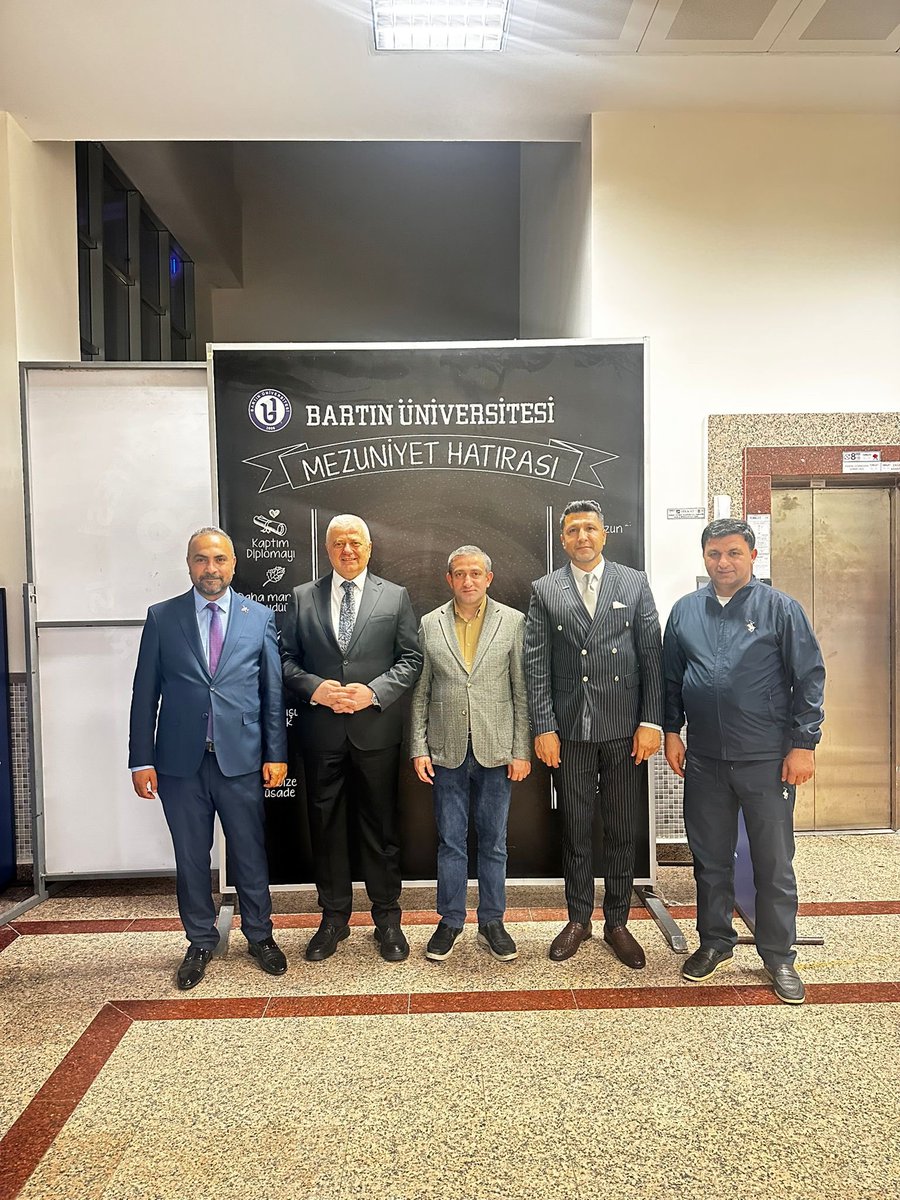
Üniversitemiz ev sahipliğinde, Bakü Devlet Üniversitesi ile Bartın Üniversitesi iş birliğinde düzenlenen “6. Uluslararası Bilgi ve Belge Yönetimi Öğrenci Sempozyumu” kapsamında gerçekleştirilen gala yemeğinde kıymetli misafirlerimizle bir araya geldik.
Bilgi ve deneyim paylaşımının yanında dostluk ve kültürel etkileşimin de güçlendiği bu anlamlı organizasyonda, öğrencilerimizi ve akademisyenlerimizi aynı çatı altında görmekten büyük memnuniyet duydum.
Programa katılımlarıyla bizleri onurlandıran Bartın MÜSİAD Başkanı sayın Muhammet Aksoy’a ve Rektör Yardımcımız Prof. Dr. sayın Mehmet Cengiz Karaismailoğlu’na teşekkür ediyorum.
Geçenlerde Acemoğlu'nun makalesinden hareketle Yazay Zeka'nın kısa vadede muazzam kazanç sağlasa da uzun vadede nasıl bilginin temelini dinamitlediğine dair bir paylaşım yapmıştım. Şimdi 18 aydır tüm muayene pratiğinde ona eşlik eden, hastanın her kelimesini dinleyen ve analiz bir Yapay Zeka pilot projesinde yer almış İngiliz bir doktorun deneyimlerini aktardığı fevkalade önemli makaleye denk geldim.
Doktor teknolojiye karşı değil, tam tersine erken benimseyenlerden. On sekiz ay boyunca her gün kullanmış, sonra bırakmış. Dikkat çekici olan şu: teknoloji çalışmadığı için değil, tam olarak çalıştığı için bırakmış. Asıl kırılma noktasını altı hafta tecrübe etmiş. Bir takip muayenesine oturuyor, eski notu okuyor. Not doğru, kapsamlı, hatasız. Ama tanımıyor. Kendi sesini bulamıyor, vurgularını bulamıyor. Hekimin hastayı nasıl anladığına dair seçici, yorumlayıcı hikâye yok. Yerine her söyleneni sadık şekilde transkript eden bir kayıt var.
Bu kendi sesini bulamama mevzusu göründüğünden çok daha derin. Klinik not sadece tıbbi-hukuki bir kayıt değil, hekimin yazdığı bir hikâye. Yazma eyleminin kendisi bilişsel bir süreç: sentez yapmaya, önceliklendirmeye, düşünmeye zorluyor. Halbuki yapay zekâya devrettiğinde sadece zaman kazanmıyorsun, fark etmediğin bir bilişsel işi de dışarıya veriyorsun. Yazmak düşünmek demek; yazmayı bıraktığında, düşünme biçimini de kaybediyorsun. Geçenler bunu muazzam bir şekilde özetleyen bir söyleme denk geldim: yürümek beden sağlığı için neyse, yazmak da bilişsel sağlık için odur.
Mevzuya dönersek burada birkaç katmanlı bir kayıp var gibime geliyor. Birincisi ve en önemlisi, kendi sesinin yokluğu. Yıllar içinde geliştirdiğin yorumlayıcı bakışın silinmesi. İkincisi, klinik bellek: altı hafta sonra hastayı yeniden değerlendirebilmen için, bir şeyin senin tarafından, senin önemini verdiğin biçimde yazılmış olması gerekiyor. Verbatim arşiv bunu vermiyor; her detay aynı ağırlıkta olduğunda hiçbiri öne çıkmıyor. Üçüncüsü ve en sinsisi, bilişsel kasın körelmesi. Klinik akıl yürütme yıllar boyunca biriktirilen "hastalık senaryoları" üzerine kurulu, ve bu senaryolar tam da seçerek not alma pratiğiyle inşa ediliyor. Yazmıyorsan, o senaryoları üretemiyorsun. Üretemediğinde de bir sonraki vakaya getireceğin sezgi köreliyor.
Bilimsel araştırmalar diyor ki, yapay zeka hekimlerin yaşadığı tükenmişliği etkileyici bir şekilde azaltıyor. Doğru. Ama bu çalışmala otuz, doksan günde rakamları ölçüyor. Halbuki hikâye burada değil. Otuz gün rahatlama fazı. Verimlilik gerçek, his gerçek, rakamlar gerçek. Ama asıl sonuçlar üç ay sonra, altı ay sonra, yıllar sonra geliyor. Ölçemediğimiz için yok değil; sadece henüz görünür olmadığı için yok sayıyoruz. Doktor çok güzel söylüyor: "kanıt yokluğu, yokluğun kanıtı değildir". Tam da bu yüzden yapay zekânın tehlikesi, çalışmamasında değil, çalışmasında. Çünkü çalışırken bizim bir parçamızı sessizce alıp götürüyor.
4 yıllık bir “bilgi yüklemesiyle” 40 yıl meslek icra etme devri artık kapandı. Yapay zeka bilgiyi istiflemeyi anlamsız kılarken, üniversiteleri de birer “diploma matbaası” olmaktan çıkmaya zorluyor. Artık mesele ne bildiğimiz değil, hangi beceriyi ne hızla güncelleyebildiğimiz.
Kurumumuz ev sahipliğinde İstanbul Osmanlı Arşivi Külliyesinde 6-8 Kasım 2026 tarihlerinde “Arşivcilikte Yeni Yaklaşımlar ve Sürdürülebilirlik” temasıyla Uluslararası Arşiv ve Arşivcilik Sempozyumu düzenlenecektir.
Detaylar için 👇
https://t.co/kU46wXqaIU
PhD candidate: When I started in academia we didn't have AI.
PI: When I started in academia we didn't have Google.
Emeritus: When I started in academia we didn't have internet.
Dersin ikinci bilim iletişimi çıktısı tam da gününde @ceronimo_s'den.
Standing Strong After the Earthquake: Why Public Libraries Are Vital Nodes of Resilience > https://t.co/F9U80I4htz
Haddim değil de yine de öğrencilerimle gurur duyuyorum 🌸
Şu sıra doktora öğrencileri bana bir sürü alan dışı şey okutturuyor. Okudukça beynimde yeni yeni lambalar yanıyor. Onlardan biri yeni bir blog yazısı oldu. Buyurun buradan: Çıkış, ses çıkarma ve sadakat üzerine > https://t.co/5FGcPLaxpu
Senenin 12. gününe 2 blog yazısı. Vuhu.