

Top Tweets for #AutoGen

10. Microsoft Agent Framework (14K stars, MIT)
https://t.co/iAqvuDXVvu
The new version of Microsoft's AutoGen. Agents work one after another, side by side, or as a group chat, and you can approve steps along the way.

@negmatic Not autogenerated?
If made with out generative AI, congratulations on an amazing image! You did a brilliant job! 👏

Hey guys, I developped my own coding tool, autogenerating data reports, I present it here if you want to have a look :
https://t.co/FBZvmyn5O7
J’ai refait mon rapport de match.
7 pages, une par moment du jeu. Et ma console le remplit en direct, pendant que je code.
Je vous le déroule 👇
(match et données fictifs)

10. Microsoft Agent Framework (14K stars, MIT)
https://t.co/iAqvuDXVvu
The new version of Microsoft's AutoGen. Agents work one after another, side by side, or as a group chat, and you can approve steps along the way.

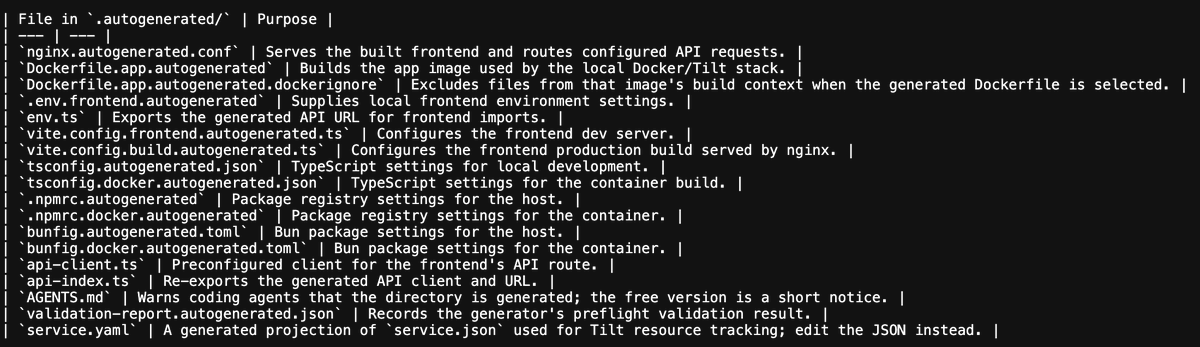
Exactly - the API client is generated, not something you have to hand-roll or keep in sync manually. Flisk writes it to each service’s .autogenerated/ folder, alongside the other generated artifacts, so the frontend gets a typed client that reflects the service contract. Docs: https://t.co/B3coA9fSfQ
The idea is that you own the service definition and business logic, while Flisk owns the repetitive wiring: Docker/Tilt setup, routing, env handling, and generated files like api-client.ts. That also makes it safer for AI coding tools, since the generated folder is clearly separated and documented as not-for-hand-editing.
So for a Next.js app calling a backend service, you can regenerate the client after changing the API, import the typed methods, and avoid drift between what the backend exposes and what the frontend calls. It keeps the DX close to “just call the API,” without maintaining a separate client package or copy-pasting fetch wrappers.

@MaryamMiradi Disclosure: I'm building Cellaflow, an execution ledger that does this under existing LangGraph / CrewAI / AutoGen agents: https://t.co/22EtaOTe4M

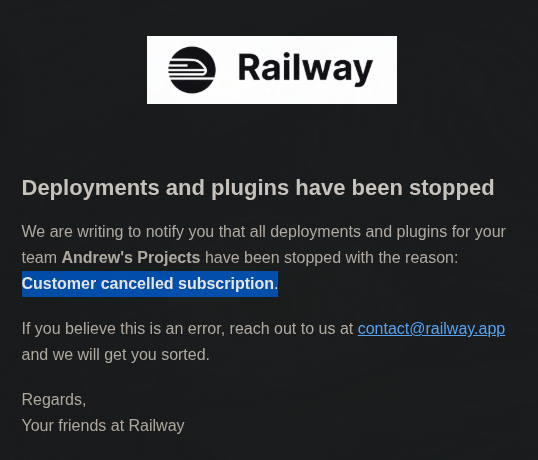
@heyandrewcr Takes something to post this instead of quietly deleting the repo. Messaged you about the AutoGen debates part.

@heyandrewcr respect for posting the shutdown. autogen debates are sneaky because every agent shares the same model's taste, so the "debate" is mostly one opinion agreeing with itself in different hats. what did the human feedback tell you that the agents never did?

You learn more from failures than successes. Here's mine:
I'm shutting down my SaaS.
Lesson: don't trust AI flattery. Best feedback comes from humans.
Built it from private AutoGen debates. Never base 100% on agents.
Details 👇
Similar story? Share it below.
[3/4] Found with revenue-generator-ai (private repo): AutoGen debates. P1 Pain Hunter finds pains, P2 Quant Skeptic kills bad math, P6 Devil's Advocate breaks assumptions. P5 Minimalist Builder scopes to 3 features.
You learn more from failures than from successes. Here's my failure:
Today I'm shutting down my SaaS.
Lesson learned: Don't fall for AI flattery. The best feedback comes from humans.
I built it from a private multi-agent debate system with AutoGen. Interesting, yes. But I should never have based 100% of the decision on what the agents said.
[1/4] Details in thread 👇
Do you have a similar story? Please share it below.
#FailInPublic #LearnInPublic

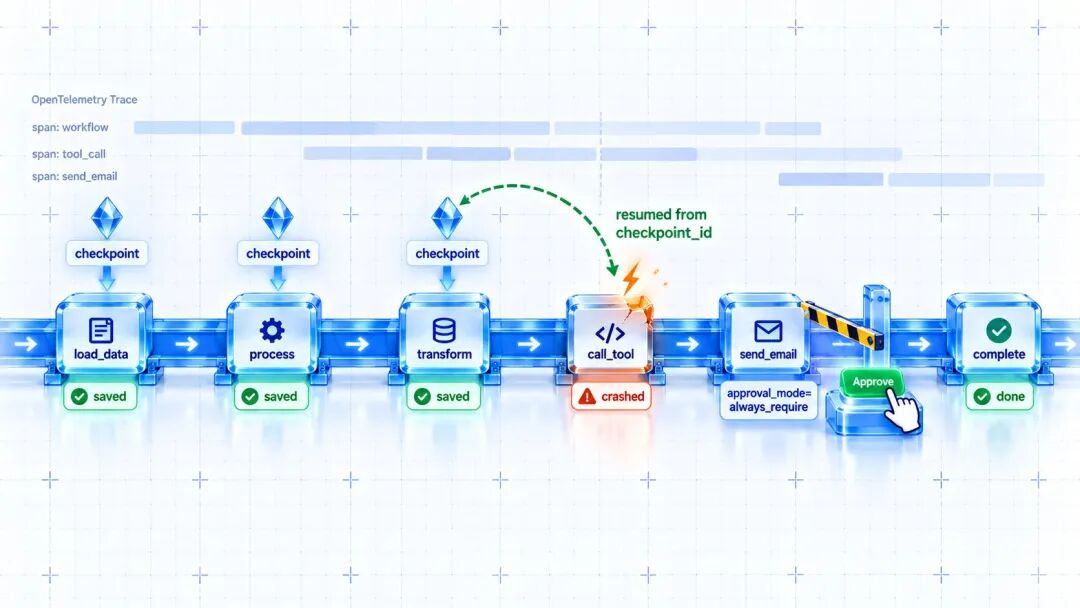
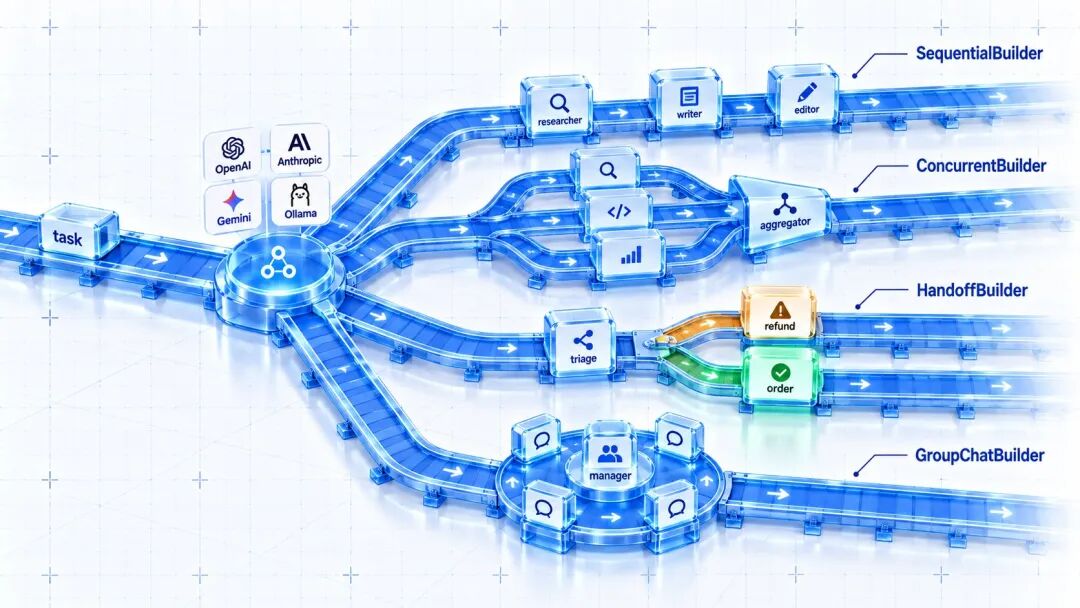
Microsoft Agent Framework (MAF) is here — the official successor to AutoGen, with 14K GitHub stars!
Building multi-agent demos is easy. Running them reliably in production? That's a different story.
Microsoft is bringing together AutoGen and Semantic Kernel to solve some of the biggest challenges in multi-agent development.
Here are 5 features worth knowing:
1.Checkpoint & Resume: If a workflow crashes halfway through, resume from a saved checkpoint instead of starting over.
2.Human-in-the-Loop: Require manual approval before agents perform sensitive actions like sending emails or deleting data.
3.Full Observability: Track agent activity, tool calls, and execution time with OpenTelemetry.
4.Flexible Orchestration: Support sequential, parallel, handoff, and group-chat workflows.
5.Model Flexibility: Work with OpenAI, Anthropic, Gemini, and other providers without rebuilding your entire workflow.
MAF also includes a visual debugging interface, MCP and A2A support, and SDKs for Python and .NET.
The bigger shift is clear:
Multi-agent systems are moving beyond AI agents talking to each other. They're becoming reliable, observable, and controllable production workflows.
The future isn't just about making agents smarter. It's about making them dependable enough to run real businesses.
GitHub: https://t.co/i77WO1udl0



what do you think about this hook? would you read the caption?
#instagrammarketing #buildinpublic #saas # smm #autogenerate


Good habit to build early. One thing that saves you later: always read the migration Alembic autogenerates before running it. It doesn't detect column renames, so it writes them as a drop plus an add, which is exactly how records get lost. And keep data changes in their own migration, separate from schema changes.

@Tugrul_Guner How are you maintaining this? I autogenerate an OpenAPI spec from the routes and params, then consume it from MCP, docs, and web to keep it updated, but wonder if there’s a better way
Huge Update on our side - autogeneration and autoposting. Fill in your instagram content calendar for a month in just a couple of clicks.
#maxolot #productivity #instagram #marketingtips
try yourself for FREE
https://t.co/QVWMAMFCks


The "ag2" vs "autogen" distinction in AG2 v0.12.2 is the kind of thing that will cost you 20 minutes if you don't know about it.
Install:
"ag2[openai]"
Import:
"autogen"
Apparently "import ag2" doesn't work until the framework transition later on.

In melanoma (a serious type of skin cancer), the personalised vaccine intismeran autogene (V940) is being studied along with immunotherapy.
The latest 2026 results are encouraging: in melanoma after surgery, the combination reduced the risk of cancer recurrence or death by 49%.

🚨 عاجل:
سهم موديرنا $MRNA يقفز بأكثر من +110% بعد إعلان نتائج إيجابية للمرحلة الثالثة من لقاح شخصي لعلاج سرطان الجلد «الميلانوما» عالي الخطورة، بالتعاون مع شركة ميرك $MRK .
اللقاح Intismeran Autogene يعتمد على تقنية mRNA، لكن الفكرة المثيرة أنه يُصنع بشكل شخصي لكل مريض بناء على الطفرات الموجودة في ورمه، ثم يُستخدم مع العلاج المناعي Keytruda.
تجربة المرحلة الثالثة شملت 1,137 مريض أُزيل الورم لديهم جراحيا، ونجح العلاج المركب في تحقيق الهدف الرئيسي بتقليل عودة السرطان، وكذلك هدف منع انتشاره إلى أجزاء بعيدة من الجسم، مقارنة باستخدام Keytruda وحده.
ولم تظهر إشارات سلامة جديدة.
اللافت أن هذه تعتبر أول نتائج إيجابية للمرحلة الثالثة لعلاج سرطاني شخصي قائم على تقنية mRNA، وهو ما يفسر ردة الفعل الضخمة على سهم موديرنا اليوم.
الشركتان تخططان الآن لعرض البيانات التفصيلية في مؤتمر طبي والتقدم بها للجهات التنظيمية.


@Higgs0110 crewai, langgraph, autogen all in one visualizer is a lot of surface to cover. does it read the graph straight from code or do you have to wire up logging for it?

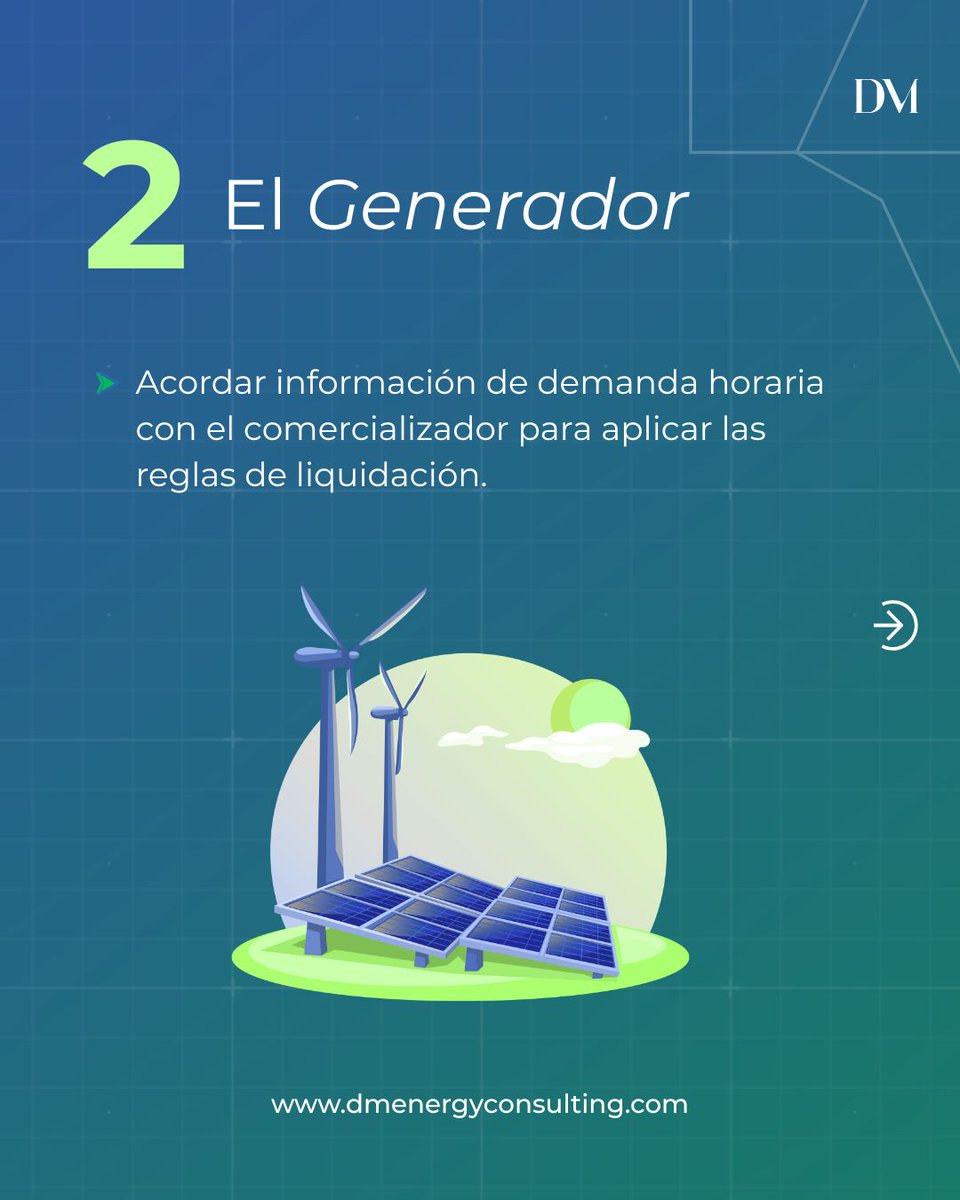
Autogeneración Remota: lo que debe tener en cuenta el agente que genera energía


➡️Todo lo que debes saber sobre los proyectos de autogeneración remota. Primera parte🌟



Elixir's error handling got tightened across three core libraries. Date specs and docs in elixir-lang/elixir are now correct (no more misleading signatures). Phoenix.Debug's broken doc references are fixed. Ecto's autogenerate options for composite types now work as intended, closing a gap where type hints didn't propagate correctly to generated code.
Phoenix LiveView fixed a render bug: components marked for deletion now get a full render pass instead of a half-state, preventing orphaned DOM nodes in long-running sessions.
Small moves, but the kind that save debugging hours down the line. #elixir
https://t.co/MM9i09Er6g
Shipped by @makotodeveloper, @lukaszsamson.
Circular 40032 del MME: ordena a todos los operadores de red a reportar la información de puntos de conexión de proyectos de generación, cogeneración, autogeneración, generación distribuida y comunidades energéticas que estén en trámite, por aprobar, pendientes de energización, o que hayan sido rechazados durante los últimos 12 meses https://t.co/OTLdgyKy3w

hiring: agentic/automation engineer (ctc: upto ₹ 26.40 lpa)
location: gurugram / noida / hyderabad (hybrid)
exp: 8+ years
build intelligent, api-first automation systems using python, .net (c#), langchain/autogen, aws, and mcp. looking for engineers with hands-on experience in agentic ai, workflow orchestration, and event-driven architectures.
i'm helping source for this role.
dm me your profile if interested.

Something teams building on CrewAI, AutoGen, and LangGraph are quietly discovering:
Multi-agent systems have a credential problem nobody warned them about.
The pitch for multi-agent frameworks is compelling.
Instead of one giant agent trying to do everything, you compose specialists.
A research agent gathers information.
A writer agent drafts content.
A reviewer agent checks it.
A publisher agent ships it.
Each one focused on what it does best.
Then production reality arrives.
Each agent needs credentials.
The research agent needs API keys for search tools.
The writer agent needs access to your CMS.
The reviewer needs read access to your content guidelines.
The publisher needs your social media tokens.
Suddenly you're not managing one set of credentials.
You're managing five.
Then ten.
Then twenty.
Each one held in memory by a different agent, potentially compromised independently, and potentially misused in ways your logging doesn't catch.
And here's the bigger problem.
Agents constantly pass context to one another.
The research agent hands findings to the writer.
The writer passes the draft to the reviewer.
The reviewer sends the approved version to the publisher.
Somewhere along that chain, sensitive credentials can leak from one agent's context into another—not because anyone is malicious, but because a prompt injection at one point can compromise every downstream agent.
This is the hidden credential nightmare of multi-agent systems.
And surprisingly, very few AI framework discussions focus on it.
That's why I find @RialoHQ's Latch so interesting.
Instead of distributing credentials across every agent, Latch centralizes trust.
• No agent ever holds credentialsn ot one, not five, not twenty.
• Each agent receives only scoped, revocable permissions for the exact actions it needs.
• Credentials remain sealed inside attested hardware and are never exposed to agents.
• Every request passes through the same policy engine before execution.
• Every action across the entire workflow is captured in a single auditable trail.
The architecture is elegant.
Frameworks like CrewAI, AutoGen, and LangGraph orchestrate agents.
Latch enforces security.
One coordinates work.
The other defines trust.
Without a layer like this, multi-agent systems become increasingly difficult to secure as they grow.
The more agents you add, the larger the potential blast radius of a single compromise.
If you're building anything beyond a simple single-agent workflow, this is a problem worth solving early not after your architecture reaches production.
@ericargent31113 @slymnogunc @ecelannister


Swarms is built with full backwards compatibility for major frameworks like LangChain, AutoGen, and CrewAI.
It natively supports the Model Context Protocol so your agents can instantly discover and connect to your existing enterprise tools.
You get an enterprise-grade orchestration framework without having to rewrite your current tool definitions.
swarmsdotworld


Go to these tools for building AI-powered GTM systems:
- LangChain
- LlamaIndex
- Pinecone
- Wysera
- OpenRouter
- Helicone
- Braintrust
- Vellum
- Langfuse
- Flowise
- n8n
- Make
- Clay
- Apollo
- Instantly
- Perplexity API
- Firecrawl
- Browserbase
- E2B
- Composio
- Dify
- Crew AI
- AutoGen
- Mem0
- Letta
- Supabase
- PlanetScale
- Neon
- Upstash
- Vercel AI SDK
Most Popular Users

Elon Musk 
@elonmusk
240.1M followers

Barack Obama
@barackobama
118.6M followers

Cristiano Ronaldo
@cristiano
114.4M followers

Donald J. Trump
@realdonaldtrump
111.7M followers

Narendra Modi
@narendramodi
106.9M followers

Rihanna
@rihanna
98.6M followers

NASA
@nasa
92.1M followers

Justin Bieber
@justinbieber
91.7M followers

KATY PERRY
@katyperry
89.9M followers

Taylor Swift
@taylorswift13
83.9M followers

Lady Gaga
@ladygaga
75.4M followers

Virat Kohli
@imvkohli
73.3M followers

Kim Kardashian
@kimkardashian
70.8M followers

YouTube
@youtube
68.6M followers

Neymar Jr
@neymarjr
66.3M followers

Bill Gates
@billgates
65.2M followers

Selena Gomez
@selenagomez
63M followers

The Ellen Show
@theellenshow
62.1M followers

CNN
@cnn
61.7M followers

X
@x
60.6M followers