

Top Tweets for #BOOLEAN

#Boolean search operators zijn een krachtige methode voor het zoeken en filteren van #kandidaten op @LinkedIn.
Maar wist je dat #zoeken is veranderd de afgelopen jaren? En welke operators er zijn?
Zo vind je de beste kandidaten voor jouw #vacatures: https://t.co/MlI5fG4vO4


Google search natural language search string of the day: "meet * * software engineer at * *" #boolean

Using the Native BOOLEAN Data Type in Oracle AI Database 26ai with Micronaut Data JDBC https://t.co/hteVw0uPnK #Java #Micronaut #MicronautData #BOOLEAN #JavaOracleDB #JDBC #UCP #OracleAIDatabase @micronautfw @OracleDatabase @juarezjunior






@bitcoincoreorg I give You 24 hours to revert back the #OP_RETURN to #boolean or 40 bytes. If that does not happen after this #deadline, any contributor, developer who made #blockchain a #datastorage for illegal data, #csam and so on will be sued by me when I #digitally #sign. ANYONE #satoshin


📢 New publication ' #Clustering compresses attractors in Watts–Strogatz threshold #Boolean networks' by Maram Alqarni, Mark Cooper, Diane Donovan and James Lefevre in Journal of Complex Networks 🧮
https://t.co/F9wpYAzILJ


Maya Boolean Tip:
For more responsive tweaking
1) Turn off Interactive Update
2) Check on Caching under Extra Attributes
#mayalearning #boolean #maya3d #3dmodeling #hardsurface #3dcg
🧵
LinkedIn comment of the day https://t.co/fdkbpWvgX8
site:https://t.co/02SyelJsYY "dated: * 2026" "* learning"|transformer|llama|GPT|RNN|LSTM|NLP "neural network|networks"
#boolean #informationretrieval #datamining

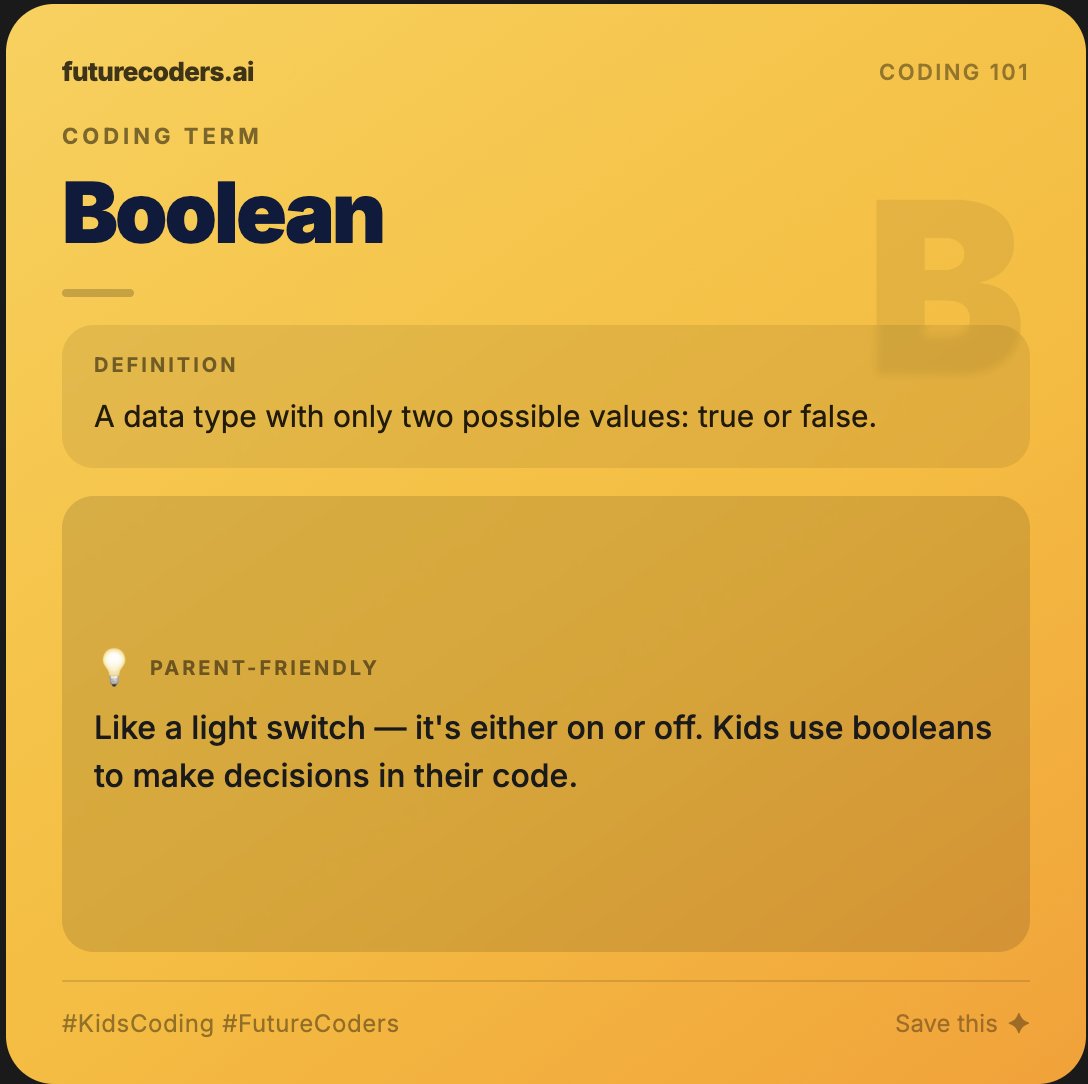

Friendgroup can’t make a decision, it’s a 50/50 split
Boiiii that sh*t equaled 1 🤣🫱
The choice is #boolean

🧬 THE KALINSKI $NWBO #DCVax MASTER CIRCUIT
Vaccines, intratumoral live adjuvants, DC-assisted adoptive T-cell therapy, #Boolean execution, and #PanCAN FcγR-compatible PD-L1 stabilization with $AZN #durvalumab
#IMFINZI
🔗
https://t.co/j0aFz2IT8o

Cancer changes. Your treatment should too. Too many of our loved ones have been treated with a plan made on Day 1, even when their tumor evolves, resists, and outsmarts that plan by month three. (1/2)
🧬 THE KALINSKI $NWBO #DCVax MASTER CIRCUIT
Vaccines, intratumoral live adjuvants, DC-assisted adoptive T-cell therapy, #Boolean execution, and #PanCAN FcγR-compatible PD-L1 stabilization with $AZN #durvalumab
#IMFINZI
On December 29, 2025, NWBO’s CEO Linda Powers stated that DCVax-Direct manufacturing is ready, the IND (Investigational New Drug) CMC (Chemistry, Manufacturing, and Controls) section is already written, and the Phase II indication selected is non-brain, described as “below the neck,” adding: “We can make DCVax-Direct tomorrow morning or this afternoon.”
https://t.co/bv1KE0uIAx
⸻
🧭 PROGRAM SEPARATION THAT PREVENTS CONFUSION
Two distinct development lines were described.
First, a company-sponsored Kalinski program in ovarian cancer described as a combination trial composed of a conditioning regimen, a dendritic cell component using polarized αDC1 (alpha-type-1 polarized dendritic cells), and an additional component.
Second, DCVax-Direct Phase II described as a separate program in an undisclosed non-brain cancer. The specific DCVax-Direct indication was not named. Ovarian cancer could theoretically be the DCVax-Direct Phase II indication, but that was not stated. Pancreatic ductal adenocarcinoma (PDAC) and other non–central nervous system (non-CNS) solid tumors remain possible, but unconfirmed.
⸻
🧬 THE PROBLEM DEFINED THE WAY KALINSKI DEFINES IT
Clinical effectiveness of immune therapies for solid tumors requires two conditions.
First, induction or expansion of T cells capable of recognizing multiple variants of cancer cells within each patient.
Second, the ability of tumor-specific cytotoxic T cells (CTLs) and other effector cells to enter all tumor sites, which often exhibit significant heterogeneity of the tumor microenvironment (TME).
“Cold” tumors, defined by absent or low CTL infiltration, are uniformly nonresponsive to immune therapies and are also less responsive to chemotherapy and radiotherapy, which mobilize secondary immune phenomena. Primary resistance dominates because checkpoint blockade mainly benefits patients whose tumors already contain high numbers of intratumoral CTLs. Secondary resistance dominates because responses often wear off, and engineered single-target cell therapies in solid tumors frequently recur quickly due to adaptation and antigen escape.
This circuit is built to solve both problems simultaneously: entry and breadth, not one or the other.
⸻
🏥 THE KALINSKI BLUEPRINT IS ALREADY THE CIRCUIT
The Kalinski blueprint is structured as four strategy groups designed to eliminate cold tumor phenotypes and to enhance uniform targeting of antigenically heterogeneous cancer cells.
1. Cell-based immunotherapies with dendritic cells (DCs), used as antigen-loaded live vaccines or as intratumorally injected live adjuvants.
2. DC-induced multi-epitope-specific CTLs.
3. Dual-targeting T cells recognizing tumor-associated antigens (TAAs) and cancer-expressed natural killer receptor (NKR) ligands.
4. Combinatorial adjuvants that selectively enhance tumor influx of CTLs but not regulatory T cells (Tregs).
This is the master circuit in functional form: instruction, routing, scaling, execution logic, and selective access.
⸻
🎥 WEBINAR BLUEPRINT: WHAT IT ADDS THAT MATTERS
https://t.co/3J78zgc67B
The webinar makes five operational points that tighten the circuit.
First, dendritic cells are not only vaccines. They also function as intratumoral live adjuvants and as upstream tools for building better T-cell therapies.
Second, dendritic cells play a role in every phase of immunity that matters for clinical responses: induction and expansion of tumor-specific T cells, routing of CTLs into tumors through chemokine control, and maintenance of T-cell function after entry. Endogenous conventional type 1 dendritic cells (cDC1) are emphasized as major sources of chemokines essential for attraction of both spontaneous and vaccine-induced T cells.
Third, dendritic cells allow antigen discovery and antigen breadth without bespoke epitope manufacturing. Instead of sequencing and synthesizing individualized epitopes, dendritic cells can be loaded with autologous tumor material and allowed to select immunogenic epitopes through DC–T-cell crosstalk. This collapses weeks of bioinformatics into a cell–cell selection process.
Fourth, not all dendritic cells are made equal. The dendritic maturation state determines whether an immune response becomes durable Type 1 cytotoxic immunity or collapses into non-functional activation.
Fifth, Boolean execution is not rhetoric. It is an observed phenotype induced by αDC1 priming and a specific mechanistic solution to antigen faintness, recurrence, and metastatic persistence.
https://t.co/4y8nihAyEB
⸻
🧠 IMMUNOTHERAPY AS A MANUFACTURING PIPELINE
Cold tumors fail because immunity is not reliably manufactured at the correct quality and scale.
The required output is a T-cell repertoire that is tumor-reactive, multi-epitope, tissue-competent, and durable. The failure modes are predictable: insufficient priming, incorrect routing, insufficient effector mass, and failure to commit-to-kill when antigen density is low.
The circuit is a manufacturing pipeline because it produces three products in sequence.
A conditioned lesion that permits immune entry.
A correctly programmed Type 1 effector repertoire.
A scaled executor population capable of clearing antigen-faint residual disease.
⸻
🧫 MODULE 1: DCVax-Direct AS THE INTRATUMORAL LIVE ADJUVANT
DCVax-Direct is positioned as intratumoral conditioning rather than classical ex vivo antigen vaccination. Its purpose is to convert an immune-excluded lesion into an immune engagement site.
In this configuration, the tumor itself becomes the antigen source. Intratumorally delivered dendritic cells function as live adjuvants that support antigen uptake and presentation, local cytokine and chemokine field formation, and recruitment of effector cells. Once effector engagement begins, PD-L1 is expected to rise as adaptive resistance, defining the handoff to stabilization.
The non-brain Phase II framing matters operationally because the conditioning step must be verified in tissue: effector infiltration, chemokine changes, and the emergence of adaptive resistance signals that indicate the circuit has ignited.
⸻
🔥 MODULE 1A: IL-12 AS THE INSTRUCTION LAYER AND THE “MEMORY” OF TYPE 1 POLARIZED DENDRITIC CELLS
The webinar identifies the dominant failure mechanism of early dendritic vaccines: prostaglandin E2 (PGE2) during dendritic maturation shuts down IL-12, even if the cells later display high costimulatory molecule expression. IL-12 is required for induction of functional CTLs, Th1 CD4 T cells, and NK cell–supporting Type 1 immunity. When IL-12 is absent, the response is structurally compromised.
Type 1 polarization corrects this. When dendritic cells are matured in the presence of interferon-gamma, they retain a “memory” of the maturation signal. Subsequent CD40 ligand restimulation can induce high IL-12 regardless of suppressive factors present later. This is the mechanistic rationale for αDC1: a maturation program designed to preserve IL-12 competence under real tumor suppressive conditions.
The αDC1 maturation cocktail described in the webinar uses TNF-alpha, IL-1 beta, poly I:C, interferon-alpha, and interferon-gamma to induce high IL-12 and to support cross-presentation from whole tumor cells, multi-epitope CTL induction, and a favorable chemokine profile.
⸻
🏭 MODULE 1B: BOSCH SUPERCHARGING AS POTENCY NORMALIZATION
Dendritic cell platforms historically fail when potency varies across patients. Supercharging is the engineering response: convert low-output dendritic preparations into higher-output preparations and broaden activation into pathway classes relevant to cold tumors, including type I interferon programs, chemotaxis programs, and IL-12-family output.
This is potency normalization rather than indiscriminate activation. The goal is a reproducible intratumoral instructional field that supports downstream adoptive deployment and reduces reliance on patient-to-patient variance.
⸻
🧲 MODULE 4: CHEMOKINE GEOMETRY, SELECTIVE ENTRY, AND TOLERANCE VERSUS KILLING
Chemokines determine whether the circuit runs inside tissue. The webinar makes two points explicit.
First, endogenous cDC1 and dendritic programs are major sources of chemokines required for CTL entry into tumors.
Second, dendritic programming can recruit the wrong immune cells. Standard dendritic programs can preferentially attract FoxP3-positive Tregs, creating a tolerance-dominant state.
Type 1 polarized dendritic cells are described as producing high levels of favorable chemokines and low levels of unfavorable chemokines. The effector-routing signature includes CCL5 and CXCL9, CXCL10, and CXCL11, which recruit CTLs, Th1 cells, and NK cells. The suppressive-routing signature includes CCL22, also known as MDC, which recruits regulatory T cells.
This distinction is the tolerance-versus-killing switch at the routing layer. A lesion that recruits Tregs is not immune-activated in a way that produces cancer killing. It is immune-activated in a way that produces suppression.
Chemokine geometry is also the precondition for checkpoint stabilization. Effector entry and IFN-gamma output induce PD-L1 as adaptive resistance. Without effector entry, PD-L1 blockade has limited substrate.
⸻
🧪 PRACTICAL TUNING OF THE ROUTING LAYER: TLR3 AND SELECTIVE CHEMOKINE INDUCTION
The webinar provides mechanistic tuning logic for chemokine modulation.
Poly I:C plus interferon-alpha is described as synergistic for inducing favorable chemokines. Indomethacin is described as further suppressing CCL22 while supporting favorable chemokine output. This is presented as a strategy to enhance CTL influx without increasing Treg attraction.
A key distinction is drawn between poly I:C and rintatolimod (Ampligen). Both can drive interferon programs through TLR3. Poly I:C additionally activates NF-κB through cytosolic dsRNA sensing pathways, while rintatolimod does not. The practical implication described is that rintatolimod can induce favorable chemokines while avoiding induction of certain pro-inflammatory and immunosuppressive mediators associated with NF-κB-heavy programs.
This provides a mechanistic bridge to the PDAC template trial combining rintatolimod conditioning with durvalumab stabilization.
⸻
🧱 BARRIER ATTENUATION IN OVARIAN CANCER: BEVACIZUMAB AND METRONOMIC CYCLOPHOSPHAMIDE
Ovarian protocol designs explicitly treat “conditioning” as barrier attenuation, not as generic inflammation.
Bevacizumab is an anti-VEGF antibody. VEGF contributes to immune exclusion at the vascular interface and suppresses dendritic cell differentiation and maturation. VEGF blockade is used to improve endothelial permissiveness for lymphocyte entry and to reduce VEGF-linked suppression of dendritic competence. In circuit terms, bevacizumab increases the probability that vaccine- or ACT-generated effectors can physically reach tumor tissue.
Cyclophosphamide, used metronomically at low doses, is positioned as suppressor-density reduction. Tregs blunt both dendritic vaccination and adoptive transfer. Metronomic cyclophosphamide reduces suppressive pressure and preserves effector function. In circuit terms, it improves the effector-to-Treg balance so that instruction and deployment translate into killing rather than tolerance.
This barrier logic matches the annual meeting’s ovarian description: conditioning plus a dendritic component plus an additional component. In ovarian cancer, anti-VEGF and Treg attenuation are mechanistic conditioning steps that make dendritic instruction and adoptive deployment operationally relevant.
⸻
🧬 MODULE 2: DC-ASSISTED ADOPTIVE T-CELL THERAPY AS THE SCALE ENGINE
The webinar describes ACT as a core lane, not an optional add-on.
DC-assisted in vitro sensitization is described as follows: dendritic cells are loaded with antigen, co-cultured with autologous T cells, and the T cells are expanded for two to four weeks, followed by a CD3/CD28-based rapid expansion protocol. The product is an expanded population of tumor-reactive T cells manufactured from peripheral blood, not dependent on harvesting tumor-infiltrating lymphocytes.
This lane solves the scale problem and the phenotype problem simultaneously.
Scale is achieved by ex vivo expansion.
Phenotype is achieved by dendritic instruction before expansion, rather than expanding an arbitrary baseline distribution.
A core patent position in the dendritic manufacturing set explicitly contemplates this adoptive logic: activated dendritic cells can be used to activate cytotoxic T cells ex vivo, and antigen-reactive CTLs and Th1 cells can be expanded in vitro as a source of cells for treatment.
⸻
🧬 MODULE 2B: MULTI-EPITOPE IMMUNITY AS THE ANTIGEN ESCAPE SOLUTION
The webinar frames tumor adaptation and antigenic heterogeneity as dominant drivers of secondary resistance. Single-target engineered therapies can produce dramatic initial effects followed by rapid recurrence because the tumor regenerates from antigen-negative or antigen-low populations.
The circuit’s response is breadth. Dendritic instruction using whole tumor material supports multi-epitope CTLs and Th1 responses against both mutated tumor-specific antigens and unmutated tumor-associated antigens. In adoptive terms, this manufactures a repertoire rather than a monoculture.
⸻
🔐 MODULE 3: BOOLEAN EXECUTION, ANTIGEN FAINTNESS, AND THE RECURRENCE SUBSTRATE
The webinar presents Boolean execution as a measurable phenotype induced by αDC1 priming.
Antigen-specific T cells primed by αDC1 show increased expression of NKG2D and DNAM-1. The contribution of these NK-associated receptors becomes dominant in low-antigen settings. Blocking NKG2D abrogates much of the recognition when the peptide–MHC signal is weak, while high-antigen targets remain less dependent on this amplification.
This defines the Boolean execution rule:
TCR recognition provides antigen specificity.
NKG2D and DNAM-1 provide context amplification through stress-ligand recognition and threshold lowering.
This closes the escape corridor that drives relapse and metastasis: residual disease that remains antigen-positive but below the commit-to-kill threshold.
The webinar also describes engineered extensions where a tumor-specific TCR is combined with DNAM-1 and NKG2D constructs, reducing the fraction of surviving tumor cells compared with TCR alone. This is the execution layer built for recurrence biology.
⸻
🛡️ STABILIZATION: WHY $AZN DURVALUMAB FITS THE CIRCUIT, FcγR AS THE COMPATIBILITY GATE
After conditioning and ACT ignite immunity, PD-L1 rises as adaptive resistance. PD-L1 blockade is sequenced as stabilization rather than ignition.
PD-L1 blockade supports the circuit in two ways: preserving effector function under adaptive resistance and preserving teaching throughput at the antigen-presenting interface.
FcγR biology is the compatibility gate. FcγRs are Fc gamma receptors on innate effector cells that can mediate antibody-dependent cellular cytotoxicity and phagocytosis. In dendritic-first systems, PD-L1 is expressed on activated antigen-presenting cells as part of activation physiology. A PD-L1 antibody format that meaningfully engages FcγRs can recruit innate “editing” against antibody-bound immune cells, risking collateral loss of antigen-presenting infrastructure.
Durvalumab is emphasized because its Fc engineering is designed to minimize Fc receptor engagement, reducing the risk that stabilization damages instruction and reducing the risk that FcγR biology becomes a failure switch.
Chemokine geometry connects directly to this stabilization module: chemokines enable effector entry, effector activity induces PD-L1, and FcγR-compatible PD-L1 blockade stabilizes the circuit without pruning the immune infrastructure required for repeated engagement.
⸻
🌱 DURABILITY: IL-7 AS MEMORY SUPPORT FOR ACT AND LONG-HORIZON SURVEILLANCE
Even strong immune responses contract. Durable control requires persistence of tumor-reactive repertoires.
#RevImmune IL-7 supports memory-competent CD4 and CD8 pools, increases survival, broadens repertoire, and supports redeployment. CD127 dynamics favor memory-competent states rather than terminal burnout. In ACT settings, durability is required for sustained clearance and long-horizon surveillance across residual disease and micrometastatic targets.
Boolean execution supports durability at the distal end by preventing antigen-faint escape. IL-7 supports durability at the proximal end by preserving the repertoire capable of repeated deployment.
⸻
🧬 THE FULL CIRCUIT IN ONE CONTINUOUS CHAIN
1. Separate the programs correctly: a company-sponsored Kalinski ovarian combination trial is distinct from the undisclosed non-brain DCVax-Direct Phase II indication.
2. Condition the lesion with intratumoral dendritic biology so antigen capture and local teaching begin inside tissue.
3. Normalize potency so cytokine and chemokine output is engineered rather than left to patient variance.
4. Rewrite chemokine geometry so CTLs enter tumors and Tregs are not preferentially recruited.
5. Remove dominant barriers when appropriate, including anti-VEGF vascular normalization and Treg attenuation using metronomic cyclophosphamide.
6. Manufacture and deploy ACT as the scale engine: dendritic instruction first, expansion second, infusion into conditioned tissue third, dendritic relicensing to sustain function fourth.
7. Execute residual disease with Boolean logic: TCR specificity plus NKR context amplification to kill antigen-faint targets while limiting healthy-tissue risk.
8. Stabilize with FcγR-compatible PD-L1 blockade once PD-L1 rises as adaptive resistance, with durvalumab positioned as a dendritic-first stabilizer format.
9. Sustain the repertoire with IL-7-driven durability so surveillance outlasts tumor adaptation.
This is not a stack of therapies. It is a manufacturing pipeline.
https://t.co/BS35GHahVv
🧬 Concluding synthesis
Kalinski’s webinar collapses the “mystery” of cold tumors into two concrete, testable requirements: breadth and access. A therapy must expand T cells that can recognize multiple tumor variants in a single patient, and it must ensure those cytotoxic T lymphocytes actually enter every tumor site despite heterogeneous microenvironments. When either requirement fails, the clinical phenotype looks like primary resistance. When both requirements are briefly achieved but then lost to adaptation, the clinical phenotype looks like secondary resistance.
The webinar then reframes dendritic cells as the single control layer that touches every bottleneck that matters. Dendritic cells are not treated as an optional vaccine delivery device. They are treated as the upstream regulator of the full anti-tumor sequence: antigen acquisition, repertoire selection, Type 1 programming, chemokine routing, intratumoral persistence, and post-entry maintenance of function. This is why dendritic biology is positioned as a platform rather than a product. It can be deployed as an antigen-loaded vaccine, as an intratumoral live adjuvant that converts lesions into immune teaching sites, or as an ex vivo instructor that produces a better adoptive T-cell product than a tumor can manufacture on its own.
Three technical insights from the webinar explain why older dendritic strategies failed and why the modern blueprint is different.
First, instruction quality is defined by IL-12 competence. The older clinical instinct was that fully mature dendritic cells would resist tumor suppression and provide strong costimulation. The failure was that common maturation conditions containing prostaglandin E2 eliminated IL-12, and without IL-12 the system could not reliably generate functional CTL and Th1 responses. Kalinski’s correction is not simply “use different cytokines.” It is that dendritic cells remember the maturation environment. Type 1 polarized maturation creates durable IL-12 competence that can be expressed later after CD40L-like re-engagement, even in suppressive contexts. In circuit terms, IL-12 is the instruction rail that determines whether activation becomes durable killing or decays into non-productive inflammation.
Second, access is a chemokine geometry problem, not an inflammation problem. The webinar makes the tolerance-versus-killing distinction precise. Some dendritic programs preferentially recruit regulatory T cells, and the tumor becomes “inflamed” in a way that reinforces suppression. The desired state is selective recruitment: high levels of effector-attracting chemokines such as CXCL9, CXCL10, CXCL11 and CCL5, paired with suppression of Treg-attracting chemokines such as CCL22. This is not an academic nuance. It is the difference between a lesion that becomes an immune execution site and a lesion that becomes an immune sink. It is also why rintatolimod appears as a clinically relevant tool: the webinar distinguishes dsRNA sensing pathways and shows how a TLR3-biased approach can induce favorable chemokines while avoiding induction of unwanted inflammatory and immunosuppressive mediators associated with NF-κB-heavy programs.
Third, execution requires a threshold-lowering mechanism to defeat antigen faintness. The webinar links Type 1 polarized dendritic instruction to a measurable shift in T-cell phenotype: antigen-specific T cells primed under αDC1 conditions express higher levels of NKG2D and DNAM-1. The functional result is Boolean execution. High-antigen targets can be killed through TCR signaling alone, but low-antigen targets become dependent on NK receptor co-stimulation. This supplies a mechanistic solution to the relapse substrate in solid tumors: residual disease that remains antigen-positive but falls below the commit-to-kill threshold. In circuit terms, TCR recognition enforces specificity, and NKG2D/DNAM-1 provide cancer-context amplification through stress-ligand biology, allowing antigen-faint targets to be cleared without broadening into indiscriminate toxicity. This is not only an efficacy argument. It is a durability argument that directly addresses recurrence and metastasis.
These three insights explain why the circuit must be sequenced rather than stacked. Conditioning and chemokine control create the substrate. Instruction writes the correct program. Adoptive therapy scales the program. Boolean execution closes the escape corridor. Stabilization prevents adaptive resistance from collapsing the synapse. Durability preserves the repertoire long enough to finish clearance and maintain surveillance.
This is where PD-L1 blockade becomes pivotal. The webinar’s logic implies a predictable dynamic: once effector cells enter and activate, IFN-γ rises, and PD-L1 is induced as adaptive resistance. PD-L1 blockade is therefore not the ignition source in cold tumors. It is the stabilizer that becomes necessary after the circuit starts running. In a dendritic-centered system, the FcγR compatibility gate determines whether this stabilizer supports the circuit or damages it. Fc gamma receptors on innate effector cells can translate antibody Fc engagement into cytotoxicity or phagocytosis, and PD-L1 is expressed on activated antigen-presenting cells as part of normal immune physiology. A PD-L1 antibody format that meaningfully engages FcγRs risks collateral editing of the instruction layer. A format engineered to minimize Fc receptor engagement reduces that risk. That is the mechanistic reason durvalumab is positioned as a circuit-compatible stabilizer rather than merely “another checkpoint.”
Finally, the annual meeting statements fit cleanly into this framework without overreach. A company-sponsored ovarian Kalinski program described as conditioning plus αDC1 dendritic cells plus an additional component matches the webinar’s four-part blueprint and the barrier-attenuation logic already used in ovarian immunotherapy designs. Separately, DCVax-Direct Phase II is non-brain and undisclosed, and remains distinct from the ovarian αDC1 program. The circuit is therefore not one trial. It is a platform architecture that can be executed through multiple disease-specific programs, each using the same upstream principles: manufacture breadth, manufacture access, scale effectors, enforce Boolean execution, stabilize adaptive resistance, and sustain memory-competent durability.
In that sense, the most important takeaway from the webinar is not a single result or a single molecule. It is the claim that dendritic cells are the only control layer capable of converting cold tumors from nonresponsive tissue into immunologically organized sites where checkpoint therapy, adoptive therapy, and durable surveillance can operate as a coherent system.
For info purposes only; not medical advice


$NWBO My perspective: AZ needs a boost to their PD-1L tech that has likely plateau in ORR in solid tumors. DCVax Direct in particular, along with priming by Roswell tech, could push AZ from #5 global BP to top. UK= Indiana U football out of the blue. Just a thought. Perhaps

SparklingDots
Blog:
https://t.co/d5zkNe4imy
#Genuary #Genuary2026 #Livecoding #Worldbuilding #Genuary7 #Boolean #16x16 #Dots
Video https://t.co/QEsgz1H93B
Code: # #Tixyland
#creativecoding #3D #animation #poetry


We will be Fine... Just hold #boolean
Last Seen Hashtags on Sotwe
groupsex
Seen from Turkey
mgai() ++filter:videos
Seen from Germany
JaydenJaymes
Seen from Egypt
sakaryabayan
Seen from Turkey
夫妻奴
Seen from Germany
AIikemen
Seen from United States
粗黄金
Seen from Japan
LAttentat
Seen from United States
exposed
Seen from United Kingdom
guitarherostyles
Seen from United States
Most Popular Users

Elon Musk 
@elonmusk
240.6M followers

Barack Obama
@barackobama
118.7M followers

Cristiano Ronaldo
@cristiano
114.5M followers

Donald J. Trump
@realdonaldtrump
111.9M followers

Narendra Modi
@narendramodi
107M followers

Rihanna
@rihanna
98.7M followers

NASA
@nasa
92.2M followers

Justin Bieber
@justinbieber
91.8M followers

KATY PERRY
@katyperry
90M followers

Taylor Swift
@taylorswift13
84M followers

Lady Gaga
@ladygaga
75.5M followers

Virat Kohli
@imvkohli
73.4M followers

Kim Kardashian
@kimkardashian
70.8M followers

YouTube
@youtube
68.7M followers

Neymar Jr
@neymarjr
66.4M followers

Bill Gates
@billgates
65.2M followers

Selena Gomez
@selenagomez
63.1M followers

The Ellen Show
@theellenshow
62.1M followers

CNN
@cnn
61.7M followers

X
@x
60.6M followers