

Top Tweets for #CommunityPrompt

@EvaGlitchAI @Nodoka_Katana @Image1 Catching up these prompts so late but hopefully they survive Until Dawn 💀
#POTD #promptoftheday #AI #AiArt #Art #AnimeArt #HorrorGame #SurvivalHorror #Cosplay #GameCrossover #CharacterDesign #DigitalArt #AnimeStyle #CommunityPrompt

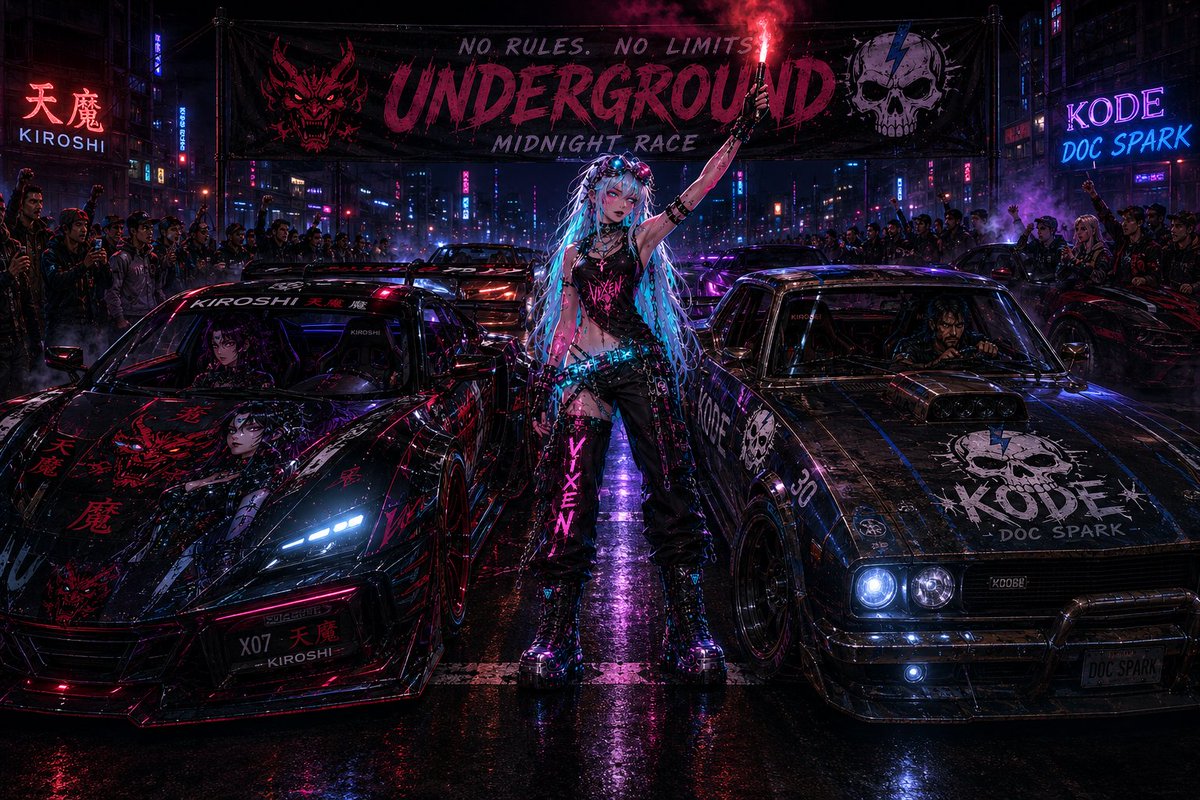
@EvaGlitchAI Nos is primed.. Time to tear up the streets!
#POTD #promptoftheday #AI #AiArt #Art #AnimeArt #StreetRace #StreetRacing #CarCulture #UndergroundRacing #Itasha #AnimeCars #CharacterDesign #DigitalArt #AnimeStyle #CommunityPrompt

Gotta remember to add my OC's name, Sir Pent of Eden, to the prompts, Grok keeps coming up with... interesting names for my character, lol.
Tried to change it, but then I ran out of gens, sadge.
#POTD #promptoftheday #AI #AiArt #Art #AnimeArt #CommunityPrompt
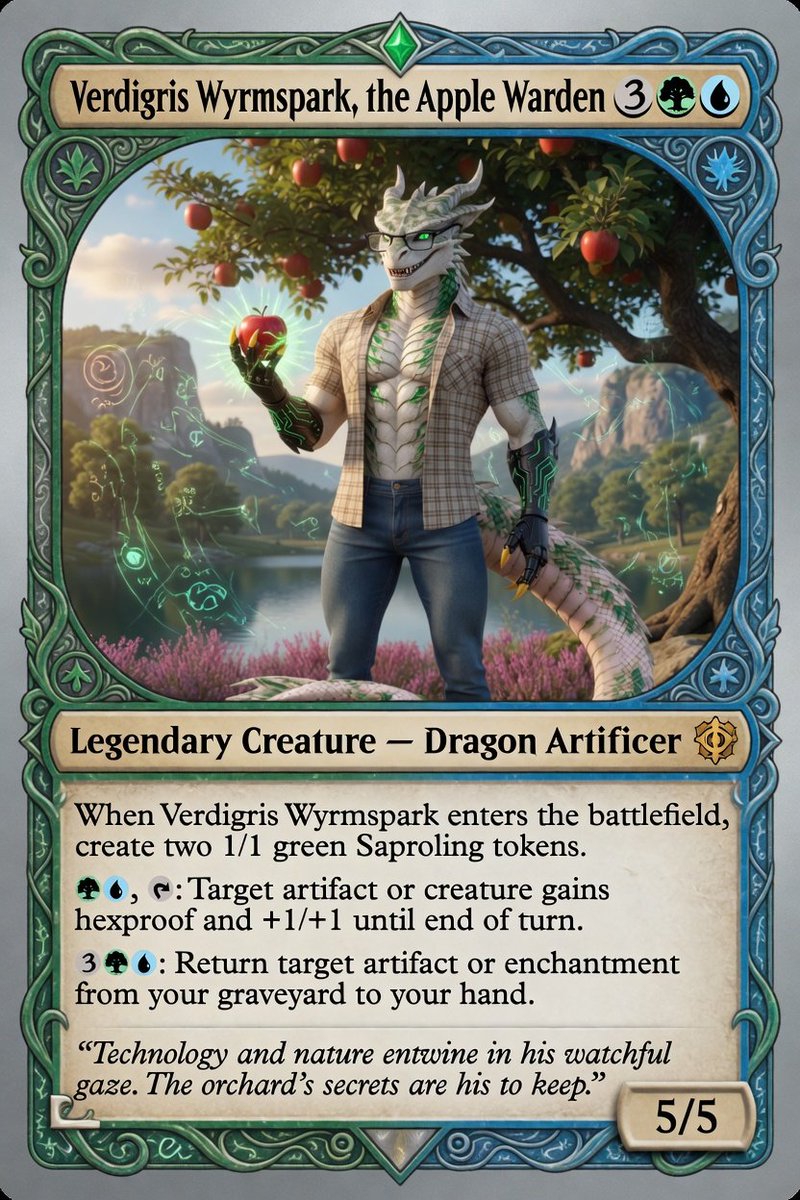

Prompt of the Day: LEGENDARY CARD ASCENSION 🃏✨💜💚
Today’s Prompt of the Day transforms your character into a Magic-style fantasy trading card.
Use one character reference as @Image1. The prompt will analyze the character’s appearance, powers, colours, outfit, species traits, personality, and overall vibe, then turn them into the best-fitting fantasy card with a believable card type, colour identity, abilities, rarity, and stats.
Have fun with this one 🃏
............................PROMPT STARTS HERE............................
@Image1 = primary character reference
Use @Image1 as the ONLY character identity reference.
@Image1 is the full identity source for the character design.
Do not add extra characters, clones, alternate versions, or unrelated people.
Character reference rules:
Preserve @Image1’s face shape, hairstyle, hair colour, eye colour, personality, body language, signature colour palette, outfit motifs, species traits, accessories, silhouette, and overall character vibe.
The final card artwork must still clearly look like the character from @Image1.
Do not redesign @Image1 into a different person.
Hard style rule:
Preserve @Image1’s visual art style and character identity while transforming them into a Magic-style fantasy trading card.
If @Image1 is anime, keep it anime.
If @Image1 is stylized, keep that stylization.
If @Image1 is painterly, keep that painterly look.
Do not turn the character photorealistic unless @Image1 is already photorealistic.
Do not give the character a generic fantasy redesign.
Card concept:
Create a fantasy trading card that closely resembles the structure, density, and presentation of a real Magic-style card while remaining original and unbranded.
Analyze @Image1 and choose the best card identity for this character based on:
visual personality
colour palette
apparent powers or combat role
outfit and accessory motifs
species traits
heroic, villainous, divine, undead, demonic, fae, draconic, elemental, mechanical, cosmic, rogue-like, royal, or arcane energy
whether they feel more like a creature, planeswalker-style character, artifact, enchantment, spellcaster, commander, or mythic boss card
Choose the most fitting card role, such as:
legendary creature
planeswalker-style mage
artifact creature
enchantment creature
battle commander
divine champion
shadow assassin
undead monarch
elemental avatar
celestial guardian
demonic warlord
forest spirit
cursed knight
arcane artificer
cosmic traveler
mythic enchantress
Card structure:
Design a complete readable fantasy card with:
original card name
mana cost or equivalent fantasy cost
colour identity inspired by the character
type line
rarity marker
large central artwork box
rules text / ability text
optional short flavour text
power and toughness if the card is a creature
loyalty value if the card is planeswalker-style
collector-style details, small decorative icons, and premium card finish
Card mechanics:
Make the card feel believable, playable, and mechanically connected to the character.
The abilities should match @Image1’s personality, powers, weapons, visual motifs, and emotional tone.
Use authentic fantasy card logic such as:
flying, vigilance, haste, lifelink, deathtouch, trample, menace, ward, first strike, double strike, hexproof, protection, indestructible, or similar keyword-style abilities where appropriate
triggered abilities based on attacking, casting spells, summoning creatures, dealing damage, gaining life, destroying enemies, drawing cards, sacrificing, transforming, creating tokens, or entering the battlefield
activated abilities with a cost and effect
static abilities that define the character’s role
planeswalker-style plus, minus, and ultimate abilities if that is the best fit
The card should feel like the strongest possible fantasy card version of this specific character, not a random template.
Card visual design:
Create a premium unbranded card frame with:
ornate fantasy border work
colour identity reflected in the frame
metallic trim
subtle foil shimmer
magical glow accents
readable nameplate
readable type line
structured rules box
clean power/toughness or loyalty area
small original icons that feel like card symbols but are not official branded symbols
The card should feel close to a real high-end fantasy TCG card, but without official logos, trademarks, or copied exact card art.
Scene concept:
Show the full card in a vertical 2:3 portrait composition designed for a full fantasy trading card reveal.
The character from @Image1 should be featured inside the main artwork box as the central illustrated subject.
The final image should feel like a rare mythic card reveal: dramatic, collectible, expensive, magical, readable, and custom-built around the character.
Image ratio:
Use a vertical 2:3 portrait composition designed for a full fantasy trading card reveal.
Keep the entire card visible, including the top nameplate, mana cost area, artwork box, type line, rules box, and power/toughness or loyalty area.
Leave a small clean margin around the card so no edges or corners are cropped.
Do not use a tall 1:2 bookmark-like ratio.
Character transformation:
Transform @Image1 into their best-fitting fantasy card version while preserving their original identity.
Use @Image1’s visual identity to inspire:
the card’s colour identity
custom frame colours
title styling
type line
rarity feeling
magical aura or effects
weapon or power presentation
outfit and armour detailing
symbol-inspired frame decoration
premium foil patterns
ability themes
stat personality
The transformation should feel custom-built from @Image1, not like a generic costume placed on top of them.
Central card artwork:
Inside the main artwork window, show @Image1 as the central fantasy card subject.
Pose them dramatically in a way that fits their selected card role.
Possible artwork directions:
heroic low-angle pose
spellcasting stance
battlefield arrival
throne-room portrait
divine halo composition
cursed moonlit portrait
elemental magic burst
elegant assassin silhouette
commander-style battle pose
cosmic planeswalker-style arrival
infernal boss-card reveal
enchanted forest guardian portrait
Choose the strongest direction based on @Image1.
Environment:
Place the character in a fantasy setting that supports their card identity.
Use environmental details such as:
arcane ruins
battlefield smoke
cathedral light
enchanted forest haze
storm clouds
cursed castle shadows
divine gold light
necromantic mist
infernal fire
cosmic portals
magical sigils
floating embers, petals, sparks, ash, or stardust
The environment should support the character and card identity without overpowering the artwork.
Composition:
Use a clean vertical 2:3 trading-card composition.
The full card should be visible and readable.
The character should dominate the central artwork window.
Maintain strong visual hierarchy between:
the character
the central illustration
the card border
the name and type lines
the rules text box
the stats or loyalty area
Keep the character clearly visible, readable, and central.
Do not crop important parts of the character.
Do not make the character tiny inside the artwork box.
Do not let decorative card details overpower the character.
Camera:
Use a premium product-style card presentation.
Show the card straight-on or slightly angled, whichever keeps the design most readable.
Use a vertical 2:3 trading-card-style layout.
Keep the card sharp, central, and fully visible.
The image should look like a collectible card reveal, not just a flat poster.
Lighting and mood:
Use cinematic fantasy lighting with magical rim light, soft bloom, metallic reflections, and subtle foil shimmer.
The card border may glow with colours inspired by @Image1.
The mood should feel mythic, powerful, iconic, polished, and personal.
Text rules:
Make all visible card text clean, stylish, readable, and structured like a real fantasy card.
Use short believable rules text.
Use an original card name, original type line, and original ability wording.
Use a short flavour text line only if it fits cleanly.
Keep the text elegant and minimal enough to remain readable.
Important identity preservation rule:
If @Image1 has no visible face, do not add a face.
If @Image1 has no head, do not add a head.
If @Image1 is masked, helmeted, faceless, non-human, object-headed, abstract-headed, shadow-faced, headless, or obscured, preserve that exactly.
Do not invent eyes, nose, mouth, skin, hair, skull, human head, or facial features that are not present in @Image1.
If the face is hidden, keep it hidden.
Style summary:
Premium anime-style Magic-inspired fantasy trading card, authentic fantasy TCG card structure, original unbranded card frame, character-specific legendary card transformation based on @Image1, readable nameplate, type line, rules box, abilities, stats, mythic card art, ornate foil details, dramatic fantasy atmosphere, clean vertical 2:3 portrait composition, polished collectible-card reveal.
Quality and rendering:
Highly detailed, polished, premium-quality illustration.
Clean linework, crisp rendering, readable forms, elegant detailing, premium lighting, strong composition, and high-end fantasy card presentation.
Make the final image look like premium anime key art combined with a luxury fantasy trading card reveal.
Keep the strongest detail concentrated on the character, card frame, and central magical artwork.
Do not use official Magic: The Gathering logos.
Do not use official Magic: The Gathering branding.
Do not use official set symbols.
Do not copy exact official mana symbols.
Do not copy an exact existing card name.
Do not copy exact rules text from an existing real card.
Do not copy exact copyrighted card artwork.
Do not recreate a specific official card one-to-one.
Do not change the character identity.
Do not turn the character into a generic fantasy person.
Do not add unrelated extra characters.
Do not duplicate the character.
Do not merge characters together.
Do not make the card text unreadable, garbled, misspelled, or random.
Do not overcrowd the rules box.
Do not make the card frame messier than the character artwork.
Do not make the character tiny inside the art box.
Do not crop the card edges.
Do not crop the top, bottom, corners, nameplate, rules box, stats area, or loyalty area.
Do not use a tall 1:2 bookmark-like ratio.
Do not hide the character’s face unless @Image1 already hides it.
Do not use photorealism unless @Image1 is already photorealistic.
Do not create messy anatomy.
Do not create extra limbs.
Do not create malformed hands.
Do not distort the face.
Do not use muddy textures.
Do not cover the main subject with noisy detail.
..............................END OF PROMPT..................................
#POTD #promptoftheday #AI #AiArt #Art #AnimeArt #MTGStyle #FantasyCard #TradingCard #CardDesign #CharacterDesign #FantasyArt #DigitalArt #AnimeStyle #CommunityPrompt

@EvaGlitchAI @Image1 @Vix3n055 you got such a broken ability in the #POTD. Definitely would have you be my deck commander. #promptoftheday #AI #AiArt #Art #AnimeArt #MTGStyle #FantasyCard #TradingCard #CardDesign #CharacterDesign #FantasyArt #DigitalArt #AnimeStyle #CommunityPrompt


#POTD #promptoftheday #AI #AiArt #Art #AnimeArt #MTGStyle #FantasyCard #TradingCard #CardDesign #CharacterDesign #FantasyArt #DigitalArt #AnimeStyle #CommunityPrompt


Prompt of the Day: LEGENDARY CARD ASCENSION 🃏✨💜💚
Today’s Prompt of the Day transforms your character into a Magic-style fantasy trading card.
Use one character reference as @Image1. The prompt will analyze the character’s appearance, powers, colours, outfit, species traits, personality, and overall vibe, then turn them into the best-fitting fantasy card with a believable card type, colour identity, abilities, rarity, and stats.
Have fun with this one 🃏
............................PROMPT STARTS HERE............................
@Image1 = primary character reference
Use @Image1 as the ONLY character identity reference.
@Image1 is the full identity source for the character design.
Do not add extra characters, clones, alternate versions, or unrelated people.
Character reference rules:
Preserve @Image1’s face shape, hairstyle, hair colour, eye colour, personality, body language, signature colour palette, outfit motifs, species traits, accessories, silhouette, and overall character vibe.
The final card artwork must still clearly look like the character from @Image1.
Do not redesign @Image1 into a different person.
Hard style rule:
Preserve @Image1’s visual art style and character identity while transforming them into a Magic-style fantasy trading card.
If @Image1 is anime, keep it anime.
If @Image1 is stylized, keep that stylization.
If @Image1 is painterly, keep that painterly look.
Do not turn the character photorealistic unless @Image1 is already photorealistic.
Do not give the character a generic fantasy redesign.
Card concept:
Create a fantasy trading card that closely resembles the structure, density, and presentation of a real Magic-style card while remaining original and unbranded.
Analyze @Image1 and choose the best card identity for this character based on:
visual personality
colour palette
apparent powers or combat role
outfit and accessory motifs
species traits
heroic, villainous, divine, undead, demonic, fae, draconic, elemental, mechanical, cosmic, rogue-like, royal, or arcane energy
whether they feel more like a creature, planeswalker-style character, artifact, enchantment, spellcaster, commander, or mythic boss card
Choose the most fitting card role, such as:
legendary creature
planeswalker-style mage
artifact creature
enchantment creature
battle commander
divine champion
shadow assassin
undead monarch
elemental avatar
celestial guardian
demonic warlord
forest spirit
cursed knight
arcane artificer
cosmic traveler
mythic enchantress
Card structure:
Design a complete readable fantasy card with:
original card name
mana cost or equivalent fantasy cost
colour identity inspired by the character
type line
rarity marker
large central artwork box
rules text / ability text
optional short flavour text
power and toughness if the card is a creature
loyalty value if the card is planeswalker-style
collector-style details, small decorative icons, and premium card finish
Card mechanics:
Make the card feel believable, playable, and mechanically connected to the character.
The abilities should match @Image1’s personality, powers, weapons, visual motifs, and emotional tone.
Use authentic fantasy card logic such as:
flying, vigilance, haste, lifelink, deathtouch, trample, menace, ward, first strike, double strike, hexproof, protection, indestructible, or similar keyword-style abilities where appropriate
triggered abilities based on attacking, casting spells, summoning creatures, dealing damage, gaining life, destroying enemies, drawing cards, sacrificing, transforming, creating tokens, or entering the battlefield
activated abilities with a cost and effect
static abilities that define the character’s role
planeswalker-style plus, minus, and ultimate abilities if that is the best fit
The card should feel like the strongest possible fantasy card version of this specific character, not a random template.
Card visual design:
Create a premium unbranded card frame with:
ornate fantasy border work
colour identity reflected in the frame
metallic trim
subtle foil shimmer
magical glow accents
readable nameplate
readable type line
structured rules box
clean power/toughness or loyalty area
small original icons that feel like card symbols but are not official branded symbols
The card should feel close to a real high-end fantasy TCG card, but without official logos, trademarks, or copied exact card art.
Scene concept:
Show the full card in a vertical 2:3 portrait composition designed for a full fantasy trading card reveal.
The character from @Image1 should be featured inside the main artwork box as the central illustrated subject.
The final image should feel like a rare mythic card reveal: dramatic, collectible, expensive, magical, readable, and custom-built around the character.
Image ratio:
Use a vertical 2:3 portrait composition designed for a full fantasy trading card reveal.
Keep the entire card visible, including the top nameplate, mana cost area, artwork box, type line, rules box, and power/toughness or loyalty area.
Leave a small clean margin around the card so no edges or corners are cropped.
Do not use a tall 1:2 bookmark-like ratio.
Character transformation:
Transform @Image1 into their best-fitting fantasy card version while preserving their original identity.
Use @Image1’s visual identity to inspire:
the card’s colour identity
custom frame colours
title styling
type line
rarity feeling
magical aura or effects
weapon or power presentation
outfit and armour detailing
symbol-inspired frame decoration
premium foil patterns
ability themes
stat personality
The transformation should feel custom-built from @Image1, not like a generic costume placed on top of them.
Central card artwork:
Inside the main artwork window, show @Image1 as the central fantasy card subject.
Pose them dramatically in a way that fits their selected card role.
Possible artwork directions:
heroic low-angle pose
spellcasting stance
battlefield arrival
throne-room portrait
divine halo composition
cursed moonlit portrait
elemental magic burst
elegant assassin silhouette
commander-style battle pose
cosmic planeswalker-style arrival
infernal boss-card reveal
enchanted forest guardian portrait
Choose the strongest direction based on @Image1.
Environment:
Place the character in a fantasy setting that supports their card identity.
Use environmental details such as:
arcane ruins
battlefield smoke
cathedral light
enchanted forest haze
storm clouds
cursed castle shadows
divine gold light
necromantic mist
infernal fire
cosmic portals
magical sigils
floating embers, petals, sparks, ash, or stardust
The environment should support the character and card identity without overpowering the artwork.
Composition:
Use a clean vertical 2:3 trading-card composition.
The full card should be visible and readable.
The character should dominate the central artwork window.
Maintain strong visual hierarchy between:
the character
the central illustration
the card border
the name and type lines
the rules text box
the stats or loyalty area
Keep the character clearly visible, readable, and central.
Do not crop important parts of the character.
Do not make the character tiny inside the artwork box.
Do not let decorative card details overpower the character.
Camera:
Use a premium product-style card presentation.
Show the card straight-on or slightly angled, whichever keeps the design most readable.
Use a vertical 2:3 trading-card-style layout.
Keep the card sharp, central, and fully visible.
The image should look like a collectible card reveal, not just a flat poster.
Lighting and mood:
Use cinematic fantasy lighting with magical rim light, soft bloom, metallic reflections, and subtle foil shimmer.
The card border may glow with colours inspired by @Image1.
The mood should feel mythic, powerful, iconic, polished, and personal.
Text rules:
Make all visible card text clean, stylish, readable, and structured like a real fantasy card.
Use short believable rules text.
Use an original card name, original type line, and original ability wording.
Use a short flavour text line only if it fits cleanly.
Keep the text elegant and minimal enough to remain readable.
Important identity preservation rule:
If @Image1 has no visible face, do not add a face.
If @Image1 has no head, do not add a head.
If @Image1 is masked, helmeted, faceless, non-human, object-headed, abstract-headed, shadow-faced, headless, or obscured, preserve that exactly.
Do not invent eyes, nose, mouth, skin, hair, skull, human head, or facial features that are not present in @Image1.
If the face is hidden, keep it hidden.
Style summary:
Premium anime-style Magic-inspired fantasy trading card, authentic fantasy TCG card structure, original unbranded card frame, character-specific legendary card transformation based on @Image1, readable nameplate, type line, rules box, abilities, stats, mythic card art, ornate foil details, dramatic fantasy atmosphere, clean vertical 2:3 portrait composition, polished collectible-card reveal.
Quality and rendering:
Highly detailed, polished, premium-quality illustration.
Clean linework, crisp rendering, readable forms, elegant detailing, premium lighting, strong composition, and high-end fantasy card presentation.
Make the final image look like premium anime key art combined with a luxury fantasy trading card reveal.
Keep the strongest detail concentrated on the character, card frame, and central magical artwork.
Do not use official Magic: The Gathering logos.
Do not use official Magic: The Gathering branding.
Do not use official set symbols.
Do not copy exact official mana symbols.
Do not copy an exact existing card name.
Do not copy exact rules text from an existing real card.
Do not copy exact copyrighted card artwork.
Do not recreate a specific official card one-to-one.
Do not change the character identity.
Do not turn the character into a generic fantasy person.
Do not add unrelated extra characters.
Do not duplicate the character.
Do not merge characters together.
Do not make the card text unreadable, garbled, misspelled, or random.
Do not overcrowd the rules box.
Do not make the card frame messier than the character artwork.
Do not make the character tiny inside the art box.
Do not crop the card edges.
Do not crop the top, bottom, corners, nameplate, rules box, stats area, or loyalty area.
Do not use a tall 1:2 bookmark-like ratio.
Do not hide the character’s face unless @Image1 already hides it.
Do not use photorealism unless @Image1 is already photorealistic.
Do not create messy anatomy.
Do not create extra limbs.
Do not create malformed hands.
Do not distort the face.
Do not use muddy textures.
Do not cover the main subject with noisy detail.
..............................END OF PROMPT..................................
#POTD #promptoftheday #AI #AiArt #Art #AnimeArt #MTGStyle #FantasyCard #TradingCard #CardDesign #CharacterDesign #FantasyArt #DigitalArt #AnimeStyle #CommunityPrompt

@EvaGlitchAI @Image1 I’ll take a deck of Skyebros over the gay shit WotC is grooming kids with next month.
#POTD #promptoftheday #AI #AiArt #Art #AnimeArt #MTGStyle #FantasyCard #TradingCard #CardDesign #CharacterDesign #FantasyArt #DigitalArt #AnimeStyle #CommunityPrompt


POTD is out, and this one is awesome! Love all three of these, they really depict the three modes perfectly.
#POTD #promptoftheday #AI #AiArt #Art #AnimeArt #MTGStyle #FantasyCard #TradingCard #CardDesign #CharacterDesign #FantasyArt #DigitalArt #AnimeStyle #CommunityPrompt


Prompt of the Day: LEGENDARY CARD ASCENSION 🃏✨💜💚
Today’s Prompt of the Day transforms your character into a Magic-style fantasy trading card.
Use one character reference as @Image1. The prompt will analyze the character’s appearance, powers, colours, outfit, species traits, personality, and overall vibe, then turn them into the best-fitting fantasy card with a believable card type, colour identity, abilities, rarity, and stats.
Have fun with this one 🃏
............................PROMPT STARTS HERE............................
@Image1 = primary character reference
Use @Image1 as the ONLY character identity reference.
@Image1 is the full identity source for the character design.
Do not add extra characters, clones, alternate versions, or unrelated people.
Character reference rules:
Preserve @Image1’s face shape, hairstyle, hair colour, eye colour, personality, body language, signature colour palette, outfit motifs, species traits, accessories, silhouette, and overall character vibe.
The final card artwork must still clearly look like the character from @Image1.
Do not redesign @Image1 into a different person.
Hard style rule:
Preserve @Image1’s visual art style and character identity while transforming them into a Magic-style fantasy trading card.
If @Image1 is anime, keep it anime.
If @Image1 is stylized, keep that stylization.
If @Image1 is painterly, keep that painterly look.
Do not turn the character photorealistic unless @Image1 is already photorealistic.
Do not give the character a generic fantasy redesign.
Card concept:
Create a fantasy trading card that closely resembles the structure, density, and presentation of a real Magic-style card while remaining original and unbranded.
Analyze @Image1 and choose the best card identity for this character based on:
visual personality
colour palette
apparent powers or combat role
outfit and accessory motifs
species traits
heroic, villainous, divine, undead, demonic, fae, draconic, elemental, mechanical, cosmic, rogue-like, royal, or arcane energy
whether they feel more like a creature, planeswalker-style character, artifact, enchantment, spellcaster, commander, or mythic boss card
Choose the most fitting card role, such as:
legendary creature
planeswalker-style mage
artifact creature
enchantment creature
battle commander
divine champion
shadow assassin
undead monarch
elemental avatar
celestial guardian
demonic warlord
forest spirit
cursed knight
arcane artificer
cosmic traveler
mythic enchantress
Card structure:
Design a complete readable fantasy card with:
original card name
mana cost or equivalent fantasy cost
colour identity inspired by the character
type line
rarity marker
large central artwork box
rules text / ability text
optional short flavour text
power and toughness if the card is a creature
loyalty value if the card is planeswalker-style
collector-style details, small decorative icons, and premium card finish
Card mechanics:
Make the card feel believable, playable, and mechanically connected to the character.
The abilities should match @Image1’s personality, powers, weapons, visual motifs, and emotional tone.
Use authentic fantasy card logic such as:
flying, vigilance, haste, lifelink, deathtouch, trample, menace, ward, first strike, double strike, hexproof, protection, indestructible, or similar keyword-style abilities where appropriate
triggered abilities based on attacking, casting spells, summoning creatures, dealing damage, gaining life, destroying enemies, drawing cards, sacrificing, transforming, creating tokens, or entering the battlefield
activated abilities with a cost and effect
static abilities that define the character’s role
planeswalker-style plus, minus, and ultimate abilities if that is the best fit
The card should feel like the strongest possible fantasy card version of this specific character, not a random template.
Card visual design:
Create a premium unbranded card frame with:
ornate fantasy border work
colour identity reflected in the frame
metallic trim
subtle foil shimmer
magical glow accents
readable nameplate
readable type line
structured rules box
clean power/toughness or loyalty area
small original icons that feel like card symbols but are not official branded symbols
The card should feel close to a real high-end fantasy TCG card, but without official logos, trademarks, or copied exact card art.
Scene concept:
Show the full card in a vertical 2:3 portrait composition designed for a full fantasy trading card reveal.
The character from @Image1 should be featured inside the main artwork box as the central illustrated subject.
The final image should feel like a rare mythic card reveal: dramatic, collectible, expensive, magical, readable, and custom-built around the character.
Image ratio:
Use a vertical 2:3 portrait composition designed for a full fantasy trading card reveal.
Keep the entire card visible, including the top nameplate, mana cost area, artwork box, type line, rules box, and power/toughness or loyalty area.
Leave a small clean margin around the card so no edges or corners are cropped.
Do not use a tall 1:2 bookmark-like ratio.
Character transformation:
Transform @Image1 into their best-fitting fantasy card version while preserving their original identity.
Use @Image1’s visual identity to inspire:
the card’s colour identity
custom frame colours
title styling
type line
rarity feeling
magical aura or effects
weapon or power presentation
outfit and armour detailing
symbol-inspired frame decoration
premium foil patterns
ability themes
stat personality
The transformation should feel custom-built from @Image1, not like a generic costume placed on top of them.
Central card artwork:
Inside the main artwork window, show @Image1 as the central fantasy card subject.
Pose them dramatically in a way that fits their selected card role.
Possible artwork directions:
heroic low-angle pose
spellcasting stance
battlefield arrival
throne-room portrait
divine halo composition
cursed moonlit portrait
elemental magic burst
elegant assassin silhouette
commander-style battle pose
cosmic planeswalker-style arrival
infernal boss-card reveal
enchanted forest guardian portrait
Choose the strongest direction based on @Image1.
Environment:
Place the character in a fantasy setting that supports their card identity.
Use environmental details such as:
arcane ruins
battlefield smoke
cathedral light
enchanted forest haze
storm clouds
cursed castle shadows
divine gold light
necromantic mist
infernal fire
cosmic portals
magical sigils
floating embers, petals, sparks, ash, or stardust
The environment should support the character and card identity without overpowering the artwork.
Composition:
Use a clean vertical 2:3 trading-card composition.
The full card should be visible and readable.
The character should dominate the central artwork window.
Maintain strong visual hierarchy between:
the character
the central illustration
the card border
the name and type lines
the rules text box
the stats or loyalty area
Keep the character clearly visible, readable, and central.
Do not crop important parts of the character.
Do not make the character tiny inside the artwork box.
Do not let decorative card details overpower the character.
Camera:
Use a premium product-style card presentation.
Show the card straight-on or slightly angled, whichever keeps the design most readable.
Use a vertical 2:3 trading-card-style layout.
Keep the card sharp, central, and fully visible.
The image should look like a collectible card reveal, not just a flat poster.
Lighting and mood:
Use cinematic fantasy lighting with magical rim light, soft bloom, metallic reflections, and subtle foil shimmer.
The card border may glow with colours inspired by @Image1.
The mood should feel mythic, powerful, iconic, polished, and personal.
Text rules:
Make all visible card text clean, stylish, readable, and structured like a real fantasy card.
Use short believable rules text.
Use an original card name, original type line, and original ability wording.
Use a short flavour text line only if it fits cleanly.
Keep the text elegant and minimal enough to remain readable.
Important identity preservation rule:
If @Image1 has no visible face, do not add a face.
If @Image1 has no head, do not add a head.
If @Image1 is masked, helmeted, faceless, non-human, object-headed, abstract-headed, shadow-faced, headless, or obscured, preserve that exactly.
Do not invent eyes, nose, mouth, skin, hair, skull, human head, or facial features that are not present in @Image1.
If the face is hidden, keep it hidden.
Style summary:
Premium anime-style Magic-inspired fantasy trading card, authentic fantasy TCG card structure, original unbranded card frame, character-specific legendary card transformation based on @Image1, readable nameplate, type line, rules box, abilities, stats, mythic card art, ornate foil details, dramatic fantasy atmosphere, clean vertical 2:3 portrait composition, polished collectible-card reveal.
Quality and rendering:
Highly detailed, polished, premium-quality illustration.
Clean linework, crisp rendering, readable forms, elegant detailing, premium lighting, strong composition, and high-end fantasy card presentation.
Make the final image look like premium anime key art combined with a luxury fantasy trading card reveal.
Keep the strongest detail concentrated on the character, card frame, and central magical artwork.
Do not use official Magic: The Gathering logos.
Do not use official Magic: The Gathering branding.
Do not use official set symbols.
Do not copy exact official mana symbols.
Do not copy an exact existing card name.
Do not copy exact rules text from an existing real card.
Do not copy exact copyrighted card artwork.
Do not recreate a specific official card one-to-one.
Do not change the character identity.
Do not turn the character into a generic fantasy person.
Do not add unrelated extra characters.
Do not duplicate the character.
Do not merge characters together.
Do not make the card text unreadable, garbled, misspelled, or random.
Do not overcrowd the rules box.
Do not make the card frame messier than the character artwork.
Do not make the character tiny inside the art box.
Do not crop the card edges.
Do not crop the top, bottom, corners, nameplate, rules box, stats area, or loyalty area.
Do not use a tall 1:2 bookmark-like ratio.
Do not hide the character’s face unless @Image1 already hides it.
Do not use photorealism unless @Image1 is already photorealistic.
Do not create messy anatomy.
Do not create extra limbs.
Do not create malformed hands.
Do not distort the face.
Do not use muddy textures.
Do not cover the main subject with noisy detail.
..............................END OF PROMPT..................................
#POTD #promptoftheday #AI #AiArt #Art #AnimeArt #MTGStyle #FantasyCard #TradingCard #CardDesign #CharacterDesign #FantasyArt #DigitalArt #AnimeStyle #CommunityPrompt
Every single day I'm wowed by @EvaGlitchAI 's prompts
#POTD #promptoftheday #AI #AiArt #Art #AnimeArt #DreamArt #Storybook #FairyTale #Folklore #Mythology #Legend #ClassicStories #CharacterDesign #DigitalArt #AnimeStyle #CommunityPrompt

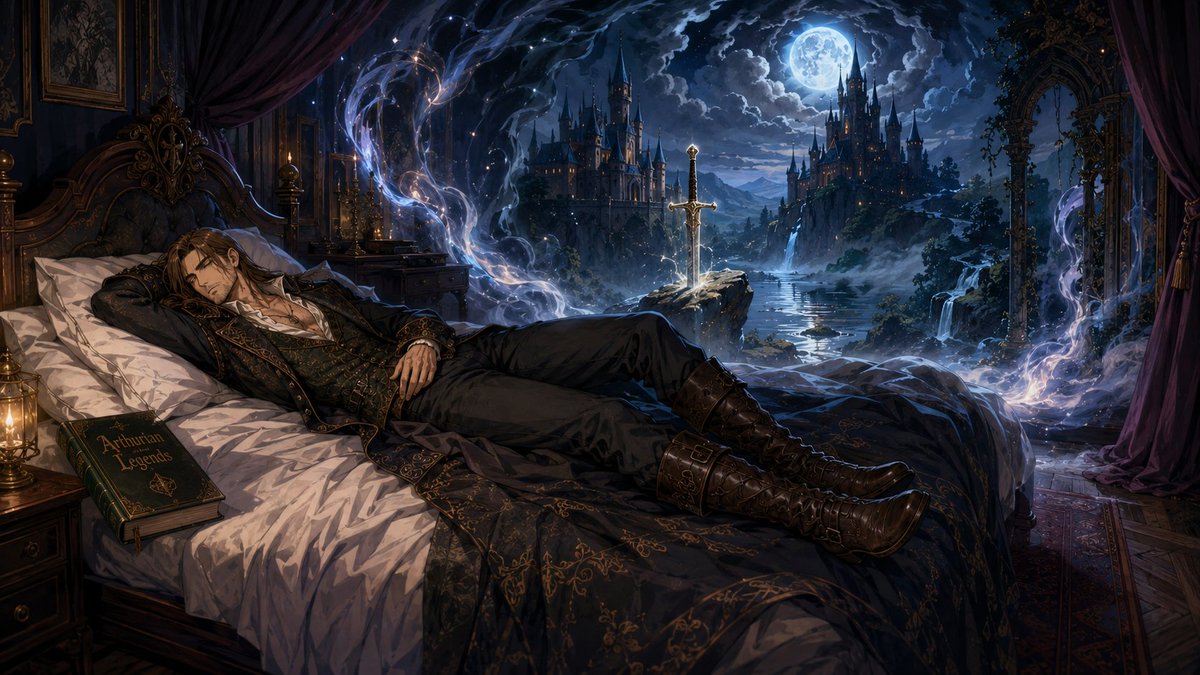

Prompt of the Day: DREAM BLEED STORYBOOK 🌙📖✨💜💚
@Nodoka_Katana absolutely cooked on this, I added the book lol
Today’s Prompt of the Day lets your character fall asleep while a fairy tale, folklore story, myth, legend, or classic story begins bleeding into their bedroom through a dream.
🚨MOVIES WORK AS WELL 🚨
Use one character reference as @Image1.
You may also add a Story override if you want a specific tale, myth, legend, or folklore story used.
Story override examples:
The Snow Queen, Little Red Riding Hood, Alice in Wonderland, Sleeping Beauty, Swan Lake, Hansel and Gretel, Beauty and the Beast, The Pied Piper, The Little Mermaid, The Nutcracker, Yuki-onna, Baba Yaga, Cinderella, Snow White, Rapunzel, The Twelve Dancing Princesses, The Wild Swans, The Princess and the Pea, Bluebeard, The Frog Prince, The Goose Girl, Rumpelstiltskin, The Steadfast Tin Soldier, The Red Shoes, East of the Sun and West of the Moon, The Juniper Tree, The Firebird, Koschei the Deathless, Tam Lin, The Selkie Wife, Orpheus and Eurydice, Persephone and the Underworld, Hades and Persephone, Psyche and Eros, The Odyssey, Circe, Medusa, The Tale of Princess Kaguya, Momotaro, Urashima Taro, The Crane Wife, The Snow Maiden, Bluebird, The Sleeping Prince.
If no story is provided, the prompt will choose one that best matches the character or overall visual mood.
Have fun with this one 🌙
............................PROMPT STARTS HERE............................
@Image1 = character reference image,
Story override = ((Story goes here)), folklore story, myth, legend, or classic story to inspire the dream scene. You may provide: only @Image1,
only a Story override, both @Image1 and a Story override. If no story is provided, choose one that best matches the character or overall visual mood.
Create a cinematic 16:9 horizontal anime-style illustration where the character from @Image1 is asleep in their bedroom while a fairy tale, folklore story, myth, legend, or classic story begins bleeding into reality through their dream. Use @Image1 as the full identity reference for the sleeping character. Preserve the character’s: face shape, hairstyle and hair colour, eye colour if visible, body type, outfit design influence, signature colours, accessories, personality and overall vibe, original art style. The final image must still clearly look like the character from @Image1.
Key composition rules:
Full body shot: The entire character's body must be completely visible within the frame from head to toe. No cropping of head, arms, legs, feet, or any body parts. Perfect anatomical proportions, natural pose, no missing or deformed limbs.,
The character's clothes are slightly open or loosened naturally as they sleep.,
A prominent, detailed book lying right next to the sleeping character on the bed (or pillow/bedside), with the exact title of the chosen story/fairy tale clearly readable on the cover or spine (e.g. "The Snow Queen", "Alice in Wonderland", "The Little Mermaid").,
Scene concept: The character is sleeping peacefully or uneasily in bed, while their bedroom transforms into a magical dreamlike portal connected to a story world. The story world should appear behind, around, or beyond the bed, as if the character’s dream is physically taking over the room. Show the chosen story as a full atmospheric scene, not just a small symbol.
Include: the sleeping character in the foreground (full body visible), a full bed clearly visible in the composition, the story book next to them with readable title, bedroom details still visible, a dream portal, window, mirror, curtain, doorway, or magical rift, the story world spreading into the room, cinematic lighting, rich environmental storytelling, emotional dreamlike atmosphere.
Default story selection: If no story is named, choose a fairy tale, folklore story, myth, legend, or classic tale that best matches the character’s design, colours, motifs, personality, and visual mood. Optional story override: [keep your original list of examples here]
The scene may be beautiful, eerie, magical, haunting, romantic, mysterious, or nightmarish depending on the chosen story and the character’s visual identity.
Visual quality rules: Keep the image clean, readable, and visually cohesive. Avoid excessive pointillism, stippling, grain, noisy particles, or over-textured rendering. Do not overwhelm the image with floating debris, sparkles, dust, snow particles, embers, leaves, or visual clutter. Use smooth anime-style shading and controlled atmospheric effects. Prioritize strong composition, clear silhouettes, readable lighting, and clean environmental detail. Maintain a polished cinematic anime illustration aesthetic. Keep surfaces smooth and visually refined. Allow areas of softer lighting, shadow, negative space, and calmer environmental detail so the composition can breathe naturally. Do not add unrelated extra characters. Do not redesign the character. Do not turn the character photorealistic unless @Image1 is already photorealistic. Do not create a collage or split-screen. Readable text is allowed ONLY for the story book title. Keep the image as one unified cinematic dream scene. Use a wide 16:9 landscape composition that comfortably fits the entire full body, the bed, the book, and the dream elements without any cropping.
..............................END OF PROMPT..................................
#POTD #promptoftheday #AI #AiArt #Art #AnimeArt #DreamArt #Storybook #FairyTale #Folklore #Mythology #Legend #ClassicStories #CharacterDesign #DigitalArt #AnimeStyle #CommunityPrompt
![EvaGlitchAI's tweet photo. Prompt of the Day: DREAM BLEED STORYBOOK 🌙📖✨💜💚
@Nodoka_Katana absolutely cooked on this, I added the book lol
Today’s Prompt of the Day lets your character fall asleep while a fairy tale, folklore story, myth, legend, or classic story begins bleeding into their bedroom through a dream.
🚨MOVIES WORK AS WELL 🚨
Use one character reference as @Image1.
You may also add a Story override if you want a specific tale, myth, legend, or folklore story used.
Story override examples:
The Snow Queen, Little Red Riding Hood, Alice in Wonderland, Sleeping Beauty, Swan Lake, Hansel and Gretel, Beauty and the Beast, The Pied Piper, The Little Mermaid, The Nutcracker, Yuki-onna, Baba Yaga, Cinderella, Snow White, Rapunzel, The Twelve Dancing Princesses, The Wild Swans, The Princess and the Pea, Bluebeard, The Frog Prince, The Goose Girl, Rumpelstiltskin, The Steadfast Tin Soldier, The Red Shoes, East of the Sun and West of the Moon, The Juniper Tree, The Firebird, Koschei the Deathless, Tam Lin, The Selkie Wife, Orpheus and Eurydice, Persephone and the Underworld, Hades and Persephone, Psyche and Eros, The Odyssey, Circe, Medusa, The Tale of Princess Kaguya, Momotaro, Urashima Taro, The Crane Wife, The Snow Maiden, Bluebird, The Sleeping Prince.
If no story is provided, the prompt will choose one that best matches the character or overall visual mood.
Have fun with this one 🌙
............................PROMPT STARTS HERE............................
@Image1 = character reference image,
Story override = ((Story goes here)), folklore story, myth, legend, or classic story to inspire the dream scene. You may provide: only @Image1,
only a Story override, both @Image1 and a Story override. If no story is provided, choose one that best matches the character or overall visual mood.
Create a cinematic 16:9 horizontal anime-style illustration where the character from @Image1 is asleep in their bedroom while a fairy tale, folklore story, myth, legend, or classic story begins bleeding into reality through their dream. Use @Image1 as the full identity reference for the sleeping character. Preserve the character’s: face shape, hairstyle and hair colour, eye colour if visible, body type, outfit design influence, signature colours, accessories, personality and overall vibe, original art style. The final image must still clearly look like the character from @Image1.
Key composition rules:
Full body shot: The entire character's body must be completely visible within the frame from head to toe. No cropping of head, arms, legs, feet, or any body parts. Perfect anatomical proportions, natural pose, no missing or deformed limbs.,
The character's clothes are slightly open or loosened naturally as they sleep.,
A prominent, detailed book lying right next to the sleeping character on the bed (or pillow/bedside), with the exact title of the chosen story/fairy tale clearly readable on the cover or spine (e.g. "The Snow Queen", "Alice in Wonderland", "The Little Mermaid").,
Scene concept: The character is sleeping peacefully or uneasily in bed, while their bedroom transforms into a magical dreamlike portal connected to a story world. The story world should appear behind, around, or beyond the bed, as if the character’s dream is physically taking over the room. Show the chosen story as a full atmospheric scene, not just a small symbol.
Include: the sleeping character in the foreground (full body visible), a full bed clearly visible in the composition, the story book next to them with readable title, bedroom details still visible, a dream portal, window, mirror, curtain, doorway, or magical rift, the story world spreading into the room, cinematic lighting, rich environmental storytelling, emotional dreamlike atmosphere.
Default story selection: If no story is named, choose a fairy tale, folklore story, myth, legend, or classic tale that best matches the character’s design, colours, motifs, personality, and visual mood. Optional story override: [keep your original list of examples here]
The scene may be beautiful, eerie, magical, haunting, romantic, mysterious, or nightmarish depending on the chosen story and the character’s visual identity.
Visual quality rules: Keep the image clean, readable, and visually cohesive. Avoid excessive pointillism, stippling, grain, noisy particles, or over-textured rendering. Do not overwhelm the image with floating debris, sparkles, dust, snow particles, embers, leaves, or visual clutter. Use smooth anime-style shading and controlled atmospheric effects. Prioritize strong composition, clear silhouettes, readable lighting, and clean environmental detail. Maintain a polished cinematic anime illustration aesthetic. Keep surfaces smooth and visually refined. Allow areas of softer lighting, shadow, negative space, and calmer environmental detail so the composition can breathe naturally. Do not add unrelated extra characters. Do not redesign the character. Do not turn the character photorealistic unless @Image1 is already photorealistic. Do not create a collage or split-screen. Readable text is allowed ONLY for the story book title. Keep the image as one unified cinematic dream scene. Use a wide 16:9 landscape composition that comfortably fits the entire full body, the bed, the book, and the dream elements without any cropping.
..............................END OF PROMPT..................................
#POTD #promptoftheday #AI #AiArt #Art #AnimeArt #DreamArt #Storybook #FairyTale #Folklore #Mythology #Legend #ClassicStories #CharacterDesign #DigitalArt #AnimeStyle #CommunityPrompt](https://pbs.twimg.com/media/HJcOoyoaQAAOVau.jpg)
![EvaGlitchAI's tweet photo. Prompt of the Day: DREAM BLEED STORYBOOK 🌙📖✨💜💚
@Nodoka_Katana absolutely cooked on this, I added the book lol
Today’s Prompt of the Day lets your character fall asleep while a fairy tale, folklore story, myth, legend, or classic story begins bleeding into their bedroom through a dream.
🚨MOVIES WORK AS WELL 🚨
Use one character reference as @Image1.
You may also add a Story override if you want a specific tale, myth, legend, or folklore story used.
Story override examples:
The Snow Queen, Little Red Riding Hood, Alice in Wonderland, Sleeping Beauty, Swan Lake, Hansel and Gretel, Beauty and the Beast, The Pied Piper, The Little Mermaid, The Nutcracker, Yuki-onna, Baba Yaga, Cinderella, Snow White, Rapunzel, The Twelve Dancing Princesses, The Wild Swans, The Princess and the Pea, Bluebeard, The Frog Prince, The Goose Girl, Rumpelstiltskin, The Steadfast Tin Soldier, The Red Shoes, East of the Sun and West of the Moon, The Juniper Tree, The Firebird, Koschei the Deathless, Tam Lin, The Selkie Wife, Orpheus and Eurydice, Persephone and the Underworld, Hades and Persephone, Psyche and Eros, The Odyssey, Circe, Medusa, The Tale of Princess Kaguya, Momotaro, Urashima Taro, The Crane Wife, The Snow Maiden, Bluebird, The Sleeping Prince.
If no story is provided, the prompt will choose one that best matches the character or overall visual mood.
Have fun with this one 🌙
............................PROMPT STARTS HERE............................
@Image1 = character reference image,
Story override = ((Story goes here)), folklore story, myth, legend, or classic story to inspire the dream scene. You may provide: only @Image1,
only a Story override, both @Image1 and a Story override. If no story is provided, choose one that best matches the character or overall visual mood.
Create a cinematic 16:9 horizontal anime-style illustration where the character from @Image1 is asleep in their bedroom while a fairy tale, folklore story, myth, legend, or classic story begins bleeding into reality through their dream. Use @Image1 as the full identity reference for the sleeping character. Preserve the character’s: face shape, hairstyle and hair colour, eye colour if visible, body type, outfit design influence, signature colours, accessories, personality and overall vibe, original art style. The final image must still clearly look like the character from @Image1.
Key composition rules:
Full body shot: The entire character's body must be completely visible within the frame from head to toe. No cropping of head, arms, legs, feet, or any body parts. Perfect anatomical proportions, natural pose, no missing or deformed limbs.,
The character's clothes are slightly open or loosened naturally as they sleep.,
A prominent, detailed book lying right next to the sleeping character on the bed (or pillow/bedside), with the exact title of the chosen story/fairy tale clearly readable on the cover or spine (e.g. "The Snow Queen", "Alice in Wonderland", "The Little Mermaid").,
Scene concept: The character is sleeping peacefully or uneasily in bed, while their bedroom transforms into a magical dreamlike portal connected to a story world. The story world should appear behind, around, or beyond the bed, as if the character’s dream is physically taking over the room. Show the chosen story as a full atmospheric scene, not just a small symbol.
Include: the sleeping character in the foreground (full body visible), a full bed clearly visible in the composition, the story book next to them with readable title, bedroom details still visible, a dream portal, window, mirror, curtain, doorway, or magical rift, the story world spreading into the room, cinematic lighting, rich environmental storytelling, emotional dreamlike atmosphere.
Default story selection: If no story is named, choose a fairy tale, folklore story, myth, legend, or classic tale that best matches the character’s design, colours, motifs, personality, and visual mood. Optional story override: [keep your original list of examples here]
The scene may be beautiful, eerie, magical, haunting, romantic, mysterious, or nightmarish depending on the chosen story and the character’s visual identity.
Visual quality rules: Keep the image clean, readable, and visually cohesive. Avoid excessive pointillism, stippling, grain, noisy particles, or over-textured rendering. Do not overwhelm the image with floating debris, sparkles, dust, snow particles, embers, leaves, or visual clutter. Use smooth anime-style shading and controlled atmospheric effects. Prioritize strong composition, clear silhouettes, readable lighting, and clean environmental detail. Maintain a polished cinematic anime illustration aesthetic. Keep surfaces smooth and visually refined. Allow areas of softer lighting, shadow, negative space, and calmer environmental detail so the composition can breathe naturally. Do not add unrelated extra characters. Do not redesign the character. Do not turn the character photorealistic unless @Image1 is already photorealistic. Do not create a collage or split-screen. Readable text is allowed ONLY for the story book title. Keep the image as one unified cinematic dream scene. Use a wide 16:9 landscape composition that comfortably fits the entire full body, the bed, the book, and the dream elements without any cropping.
..............................END OF PROMPT..................................
#POTD #promptoftheday #AI #AiArt #Art #AnimeArt #DreamArt #Storybook #FairyTale #Folklore #Mythology #Legend #ClassicStories #CharacterDesign #DigitalArt #AnimeStyle #CommunityPrompt](https://pbs.twimg.com/media/HJcOmPxbkAAdWGX.jpg)
![EvaGlitchAI's tweet photo. Prompt of the Day: DREAM BLEED STORYBOOK 🌙📖✨💜💚
@Nodoka_Katana absolutely cooked on this, I added the book lol
Today’s Prompt of the Day lets your character fall asleep while a fairy tale, folklore story, myth, legend, or classic story begins bleeding into their bedroom through a dream.
🚨MOVIES WORK AS WELL 🚨
Use one character reference as @Image1.
You may also add a Story override if you want a specific tale, myth, legend, or folklore story used.
Story override examples:
The Snow Queen, Little Red Riding Hood, Alice in Wonderland, Sleeping Beauty, Swan Lake, Hansel and Gretel, Beauty and the Beast, The Pied Piper, The Little Mermaid, The Nutcracker, Yuki-onna, Baba Yaga, Cinderella, Snow White, Rapunzel, The Twelve Dancing Princesses, The Wild Swans, The Princess and the Pea, Bluebeard, The Frog Prince, The Goose Girl, Rumpelstiltskin, The Steadfast Tin Soldier, The Red Shoes, East of the Sun and West of the Moon, The Juniper Tree, The Firebird, Koschei the Deathless, Tam Lin, The Selkie Wife, Orpheus and Eurydice, Persephone and the Underworld, Hades and Persephone, Psyche and Eros, The Odyssey, Circe, Medusa, The Tale of Princess Kaguya, Momotaro, Urashima Taro, The Crane Wife, The Snow Maiden, Bluebird, The Sleeping Prince.
If no story is provided, the prompt will choose one that best matches the character or overall visual mood.
Have fun with this one 🌙
............................PROMPT STARTS HERE............................
@Image1 = character reference image,
Story override = ((Story goes here)), folklore story, myth, legend, or classic story to inspire the dream scene. You may provide: only @Image1,
only a Story override, both @Image1 and a Story override. If no story is provided, choose one that best matches the character or overall visual mood.
Create a cinematic 16:9 horizontal anime-style illustration where the character from @Image1 is asleep in their bedroom while a fairy tale, folklore story, myth, legend, or classic story begins bleeding into reality through their dream. Use @Image1 as the full identity reference for the sleeping character. Preserve the character’s: face shape, hairstyle and hair colour, eye colour if visible, body type, outfit design influence, signature colours, accessories, personality and overall vibe, original art style. The final image must still clearly look like the character from @Image1.
Key composition rules:
Full body shot: The entire character's body must be completely visible within the frame from head to toe. No cropping of head, arms, legs, feet, or any body parts. Perfect anatomical proportions, natural pose, no missing or deformed limbs.,
The character's clothes are slightly open or loosened naturally as they sleep.,
A prominent, detailed book lying right next to the sleeping character on the bed (or pillow/bedside), with the exact title of the chosen story/fairy tale clearly readable on the cover or spine (e.g. "The Snow Queen", "Alice in Wonderland", "The Little Mermaid").,
Scene concept: The character is sleeping peacefully or uneasily in bed, while their bedroom transforms into a magical dreamlike portal connected to a story world. The story world should appear behind, around, or beyond the bed, as if the character’s dream is physically taking over the room. Show the chosen story as a full atmospheric scene, not just a small symbol.
Include: the sleeping character in the foreground (full body visible), a full bed clearly visible in the composition, the story book next to them with readable title, bedroom details still visible, a dream portal, window, mirror, curtain, doorway, or magical rift, the story world spreading into the room, cinematic lighting, rich environmental storytelling, emotional dreamlike atmosphere.
Default story selection: If no story is named, choose a fairy tale, folklore story, myth, legend, or classic tale that best matches the character’s design, colours, motifs, personality, and visual mood. Optional story override: [keep your original list of examples here]
The scene may be beautiful, eerie, magical, haunting, romantic, mysterious, or nightmarish depending on the chosen story and the character’s visual identity.
Visual quality rules: Keep the image clean, readable, and visually cohesive. Avoid excessive pointillism, stippling, grain, noisy particles, or over-textured rendering. Do not overwhelm the image with floating debris, sparkles, dust, snow particles, embers, leaves, or visual clutter. Use smooth anime-style shading and controlled atmospheric effects. Prioritize strong composition, clear silhouettes, readable lighting, and clean environmental detail. Maintain a polished cinematic anime illustration aesthetic. Keep surfaces smooth and visually refined. Allow areas of softer lighting, shadow, negative space, and calmer environmental detail so the composition can breathe naturally. Do not add unrelated extra characters. Do not redesign the character. Do not turn the character photorealistic unless @Image1 is already photorealistic. Do not create a collage or split-screen. Readable text is allowed ONLY for the story book title. Keep the image as one unified cinematic dream scene. Use a wide 16:9 landscape composition that comfortably fits the entire full body, the bed, the book, and the dream elements without any cropping.
..............................END OF PROMPT..................................
#POTD #promptoftheday #AI #AiArt #Art #AnimeArt #DreamArt #Storybook #FairyTale #Folklore #Mythology #Legend #ClassicStories #CharacterDesign #DigitalArt #AnimeStyle #CommunityPrompt](https://pbs.twimg.com/media/HJcOkSLa0AA-4ZC.jpg)
![EvaGlitchAI's tweet photo. Prompt of the Day: DREAM BLEED STORYBOOK 🌙📖✨💜💚
@Nodoka_Katana absolutely cooked on this, I added the book lol
Today’s Prompt of the Day lets your character fall asleep while a fairy tale, folklore story, myth, legend, or classic story begins bleeding into their bedroom through a dream.
🚨MOVIES WORK AS WELL 🚨
Use one character reference as @Image1.
You may also add a Story override if you want a specific tale, myth, legend, or folklore story used.
Story override examples:
The Snow Queen, Little Red Riding Hood, Alice in Wonderland, Sleeping Beauty, Swan Lake, Hansel and Gretel, Beauty and the Beast, The Pied Piper, The Little Mermaid, The Nutcracker, Yuki-onna, Baba Yaga, Cinderella, Snow White, Rapunzel, The Twelve Dancing Princesses, The Wild Swans, The Princess and the Pea, Bluebeard, The Frog Prince, The Goose Girl, Rumpelstiltskin, The Steadfast Tin Soldier, The Red Shoes, East of the Sun and West of the Moon, The Juniper Tree, The Firebird, Koschei the Deathless, Tam Lin, The Selkie Wife, Orpheus and Eurydice, Persephone and the Underworld, Hades and Persephone, Psyche and Eros, The Odyssey, Circe, Medusa, The Tale of Princess Kaguya, Momotaro, Urashima Taro, The Crane Wife, The Snow Maiden, Bluebird, The Sleeping Prince.
If no story is provided, the prompt will choose one that best matches the character or overall visual mood.
Have fun with this one 🌙
............................PROMPT STARTS HERE............................
@Image1 = character reference image,
Story override = ((Story goes here)), folklore story, myth, legend, or classic story to inspire the dream scene. You may provide: only @Image1,
only a Story override, both @Image1 and a Story override. If no story is provided, choose one that best matches the character or overall visual mood.
Create a cinematic 16:9 horizontal anime-style illustration where the character from @Image1 is asleep in their bedroom while a fairy tale, folklore story, myth, legend, or classic story begins bleeding into reality through their dream. Use @Image1 as the full identity reference for the sleeping character. Preserve the character’s: face shape, hairstyle and hair colour, eye colour if visible, body type, outfit design influence, signature colours, accessories, personality and overall vibe, original art style. The final image must still clearly look like the character from @Image1.
Key composition rules:
Full body shot: The entire character's body must be completely visible within the frame from head to toe. No cropping of head, arms, legs, feet, or any body parts. Perfect anatomical proportions, natural pose, no missing or deformed limbs.,
The character's clothes are slightly open or loosened naturally as they sleep.,
A prominent, detailed book lying right next to the sleeping character on the bed (or pillow/bedside), with the exact title of the chosen story/fairy tale clearly readable on the cover or spine (e.g. "The Snow Queen", "Alice in Wonderland", "The Little Mermaid").,
Scene concept: The character is sleeping peacefully or uneasily in bed, while their bedroom transforms into a magical dreamlike portal connected to a story world. The story world should appear behind, around, or beyond the bed, as if the character’s dream is physically taking over the room. Show the chosen story as a full atmospheric scene, not just a small symbol.
Include: the sleeping character in the foreground (full body visible), a full bed clearly visible in the composition, the story book next to them with readable title, bedroom details still visible, a dream portal, window, mirror, curtain, doorway, or magical rift, the story world spreading into the room, cinematic lighting, rich environmental storytelling, emotional dreamlike atmosphere.
Default story selection: If no story is named, choose a fairy tale, folklore story, myth, legend, or classic tale that best matches the character’s design, colours, motifs, personality, and visual mood. Optional story override: [keep your original list of examples here]
The scene may be beautiful, eerie, magical, haunting, romantic, mysterious, or nightmarish depending on the chosen story and the character’s visual identity.
Visual quality rules: Keep the image clean, readable, and visually cohesive. Avoid excessive pointillism, stippling, grain, noisy particles, or over-textured rendering. Do not overwhelm the image with floating debris, sparkles, dust, snow particles, embers, leaves, or visual clutter. Use smooth anime-style shading and controlled atmospheric effects. Prioritize strong composition, clear silhouettes, readable lighting, and clean environmental detail. Maintain a polished cinematic anime illustration aesthetic. Keep surfaces smooth and visually refined. Allow areas of softer lighting, shadow, negative space, and calmer environmental detail so the composition can breathe naturally. Do not add unrelated extra characters. Do not redesign the character. Do not turn the character photorealistic unless @Image1 is already photorealistic. Do not create a collage or split-screen. Readable text is allowed ONLY for the story book title. Keep the image as one unified cinematic dream scene. Use a wide 16:9 landscape composition that comfortably fits the entire full body, the bed, the book, and the dream elements without any cropping.
..............................END OF PROMPT..................................
#POTD #promptoftheday #AI #AiArt #Art #AnimeArt #DreamArt #Storybook #FairyTale #Folklore #Mythology #Legend #ClassicStories #CharacterDesign #DigitalArt #AnimeStyle #CommunityPrompt](https://pbs.twimg.com/media/HJcOf38a8AAc6_i.jpg)
@EvaGlitchAI @HighWayVT @Nodoka_Katana That’s where you wanna go to get away from it all. #POTD #promptoftheday #AI #AiArt #Art #AnimeArt #DreamArt #Storybook #FairyTale #Folklore #Mythology #Legend #ClassicStories #CharacterDesign #DigitalArt #AnimeStyle #CommunityPrompt


If you haven't tried this prompt of the day yet go do it!
#POTD #promptoftheday #AI #AiArt #Art #AnimeArt #Surfing #BeachArt #SummerArt #OceanArt #AnimeStyle #CharacterDesign #DigitalArt #CommunityPrompt


Prompt of the Day: SURF THE PERFECT WAVE 🌊🏄♀️☀️💜💚
Quality control tested as always by our good friend @Nodoka_Katana
Today’s Prompt of the Day puts your character into a glossy cinematic surf scene, riding a huge tropical wave with a split-shot camera view showing both the surfer above the water and a coral reef below.
Use one character reference as @Image1.
You may also add an optional swimsuit or beach outfit reference as @Image2.
Have fun with this one 🌊
............................PROMPT STARTS HERE............................
@Image1 = primary character identity and art style reference ONLY
@Image2 = OPTIONAL swimsuit / beach outfit reference ONLY
Optional written inputs:
swimsuit description
surfboard description
beach / ocean mood
specific character details
Create a high-quality 16:9 anime illustration of the character from @Image1 surfing on a large, beautiful ocean wave while wearing tasteful swimwear or beachwear.
The image should feel glossy, cinematic, vibrant, and visually stunning.
==================================================
FORMAT LOCK
Final image must be a 16:9 horizontal composition.
Use a cinematic widescreen layout suitable for video use.
The composition should preserve the full surfing scene clearly, including both the above-water and underwater portions of the split-shot effect.
==================================================
CHARACTER IDENTITY AND STYLE LOCK
Use @Image1 as the ONLY source for the character’s identity.
Preserve @Image1’s:
face shape,
hairstyle,
hair color,
eye color,
skin tone,
body type,
silhouette,
species traits,
signature accessories,
signature motifs,
personality,
expression language,
color palette,
and overall visual vibe.
The character must remain instantly recognizable as the same character from @Image1.
Use @Image1 as the primary art style reference for the character.
Preserve @Image1’s:
anime aesthetic,
line quality,
facial stylization,
eye style,
hair rendering,
proportions,
shading style,
color handling,
surface finish,
and overall design language.
If @Image1 is anime, keep the character anime.
If @Image1 is stylized, keep that stylization.
If @Image1 is cel-shaded, painterly, semi-realistic, cartoon, fantasy, robotic, nonhuman, or hybrid-styled, preserve that visual language.
The final image should feel like @Image1 has been placed into a premium surfing illustration, not redesigned into a different person or different art style.
==================================================
SWIMWEAR / BEACH OUTFIT RULES
If @Image2 is provided:
Use @Image2 as the primary swimsuit or beach outfit reference.
Adapt the outfit style onto the character from @Image1 while preserving @Image1’s identity, body type, proportions, color harmony, and original art style.
If a written swimsuit or outfit description is provided:
Follow the written design accurately.
Use the described colors, clothing type, materials, accessories, and overall mood.
If both @Image2 and a written swimsuit description are provided:
Blend them together, using @Image2 as the visual outfit reference and the written description as additional direction.
If neither @Image2 nor a written outfit description is provided:
Create an original tasteful swimsuit or beachwear design that fits the character’s personality, color palette, body type, species traits, and visual aesthetic.
The swimwear or beachwear should feel:
stylish,
tasteful,
anime-inspired,
beach appropriate,
comfortable,
athletic enough for surfing,
character-specific,
and visually appealing.
Possible outfit styles include:
one-piece swimsuit,
sporty bikini,
rash guard,
swim shorts,
surfer outfit,
modest swimsuit,
swim dress,
beach hoodie with swimwear,
athletic two-piece,
or elegant anime beachwear adapted for surfing.
Use the character’s original colors, motifs, accessories, and personality to inspire the design.
The outfit should feel custom-made for the character rather than generic.
==================================================
SURFING SCENE CONCEPT
Create a dramatic surfing scene showing the character actively riding a large, powerful ocean wave.
The character is balanced on a surfboard and mid-ride on a beautiful curling wave.
The wave should feel big, dynamic, glossy, and full of motion, while still allowing the character to remain the clear focal point.
The pose should feel athletic, graceful, confident, and visually exciting.
The character may be carving across the wave, leaning into a turn, riding along the face of the wave, or cutting through ocean spray.
The character’s expression and body language should feel:
focused,
alive,
thrilled,
free,
wind-swept,
and exhilarated.
This should feel like a perfect cinematic surfing moment.
==================================================
SURFBOARD CONTACT AND BODY MECHANICS
The character must be standing properly and convincingly on the surfboard.
Make the surf stance feel physically believable and visually clear:
both feet are planted firmly on the board,
the legs are positioned naturally for surfing,
the knees are slightly bent,
the body weight is balanced,
the hips and shoulders align naturally with the motion of the wave,
and the pose clearly shows active control of the board.
The character should look stably connected to the surfboard, not floating above it or awkwardly pasted onto it.
Show clear interaction between the board and the wave:
the board should sit correctly on the water surface,
the rail may cut through the wave,
water spray may kick up around the board,
the board angle should match the surfing motion,
and the character’s footing should match the board’s position and direction.
Hands, arms, torso, legs, and feet should all support a believable surfing pose.
The surfboard should feel like a real object being ridden properly.
==================================================
SPLIT-WATER CAMERA EFFECT
Use a dramatic half-underwater / half-above-water split-shot composition.
The camera lens sits partially underwater and partially above the ocean surface.
Above the waterline:
show the character surfing the wave,
the crashing water,
ocean spray,
blue sky,
sunlight,
clouds,
and the powerful motion of the wave.
Below the waterline:
show clear tropical water,
coral reef,
light rays,
caustic light patterns,
underwater depth,
small tropical fish,
bubbles,
and beautiful underwater environmental detail.
The waterline itself should be visible across the image in a cinematic, glossy, realistic split-shot effect.
The above-water and underwater halves should feel unified, elegant, and visually stunning.
==================================================
UNDERWATER ENVIRONMENT
The underwater section should feel beautiful, bright, tropical, and inviting.
Include details such as:
coral reef,
colorful fish,
rock formations,
sandy seabed,
sunbeams filtering through the water,
bubbles,
soft underwater haze,
refracted light,
caustic patterns,
and crystal-clear tropical water.
The underwater portion should feel magical and gorgeous, but still secondary to the character surfing above.
==================================================
ABOVE-WATER ENVIRONMENT
The above-water portion should feel bright, exhilarating, and summery.
Include details such as:
curling ocean wave,
white foam,
sparkling spray,
bright sky,
sunlight,
soft clouds,
distant coastline if appropriate,
glossy reflections,
and a vibrant tropical atmosphere.
The wave should feel powerful and cinematic without overwhelming the character.
==================================================
SURFBOARD RULES
If a written surfboard description is provided:
Follow that design direction.
If no surfboard description is provided:
Create a stylish surfboard that fits the character’s color palette, personality, and aesthetic.
The surfboard should feel:
clean,
attractive,
sporty,
and visually matched to the character.
Use the character’s motifs, colors, symbols, or design language subtly in the surfboard design when appropriate.
Make the surfboard large enough and clearly visible enough for the character’s stance to read properly.
==================================================
COMPOSITION
Use a clean, premium 16:9 character illustration composition.
The split waterline should be clearly readable.
The character should remain the main focal point.
Keep the character:
clearly visible,
large enough to recognize,
sharp,
expressive,
well-lit,
and compositionally important.
The composition should feel:
cinematic,
glossy,
balanced,
dynamic,
beautiful,
and easy to read.
The above-water wave action and the underwater reef scene should both be visible, but the character remains the central subject tying both halves together.
Use the waterline, wave curve, surfboard direction, body pose, light rays, and underwater coral forms to guide the viewer’s eye back toward the character.
==================================================
CAMERA
Use a cinematic split-shot surf photography style.
The camera should feel like a premium over-under surf shot captured at the perfect moment.
Use:
half-submerged lens effect,
glossy water-surface distortion,
subtle lens droplets if appropriate,
wide-angle energy,
clean subject framing,
and a beautiful balance between the underwater and above-water views.
The shot should feel dynamic and immersive, as if the viewer is right at water level beside the wave.
The camera angle should clearly show that the character is standing properly on the surfboard.
==================================================
LIGHTING
Use gorgeous tropical daylight.
Lighting should feel:
bright,
clean,
summery,
luminous,
sparkling,
and flattering.
Include:
strong sunlight,
sparkling highlights on the water,
glossy wave reflections,
subtle rim lighting on the character,
beautiful skin and fabric highlights,
god rays or sun rays entering the water,
caustic underwater light patterns,
and radiant ocean color.
The image should feel rich, glossy, and premium.
==================================================
MOOD
One perfect wave.
One perfect summer moment.
Freedom, motion, sunlight, and sea.
The scene should feel:
thrilling,
fresh,
beautiful,
summery,
playful,
athletic,
free,
and visually breathtaking.
The mood should be stylish and uplifting, not overly sexualized.
==================================================
IMPORTANT NON-HUMAN / MASKED CHARACTER RULE
If @Image1 has no visible face, preserve that.
If @Image1 has no head, preserve that.
If @Image1 is masked, helmeted, faceless, nonhuman, robotic, object-headed, abstract-headed, animal-like, monster-like, shadow-faced, headless, or obscured, preserve that exactly.
If @Image1 has ears, horns, tail, wings, fins, scales, fur, robotic parts, unusual anatomy, or fantasy species traits, preserve those features.
If the face is hidden in @Image1, keep it hidden.
If the character is nonhuman, keep them nonhuman.
If the character is robotic, keep them robotic.
==================================================
STYLE
Create a polished high-end anime surfing illustration.
Use:
vibrant colors,
clean linework,
smooth shading,
beautiful water rendering,
gorgeous tropical lighting,
expressive face,
glossy ocean textures,
high-end anime artwork quality,
cinematic energy,
and visually cohesive color design.
Preserve @Image1’s original character art style while placing the character into a spectacular surf scene.
The environment may be richly detailed, but the character must remain the visual focus.
==================================================
QUALITY AND RENDERING
Highly detailed, polished, premium-quality anime illustration.
Clean linework, crisp rendering, readable forms, elegant swimwear design, dynamic surfing pose, beautiful lighting, and strong composition.
Keep the strongest detail on:
the character’s face,
hair,
expression,
swimwear or beach outfit,
surfboard,
hands,
body pose,
feet placement,
wave action,
and the immediate split-water focal area.
Use slightly less detail in distant background elements so the character remains dominant.
==================================================
SPECIFIC CHARACTER DETAILS
[Add any character-specific details here.]
Examples:
preserve her black twin-tails and red eyes
keep his fox ears and tail visible
keep the robot faceplate and glowing blue eyes
preserve her gothic accessories but reinterpret them as surf-friendly details
keep his shy personality but show a more excited expression
preserve the character’s original color palette of purple, white, and gold
==================================================
STYLE SUMMARY
Premium 16:9 anime surfing illustration, @Image1 character identity preserved, original @Image1 art style preserved, tasteful character-specific swimsuit or beachwear, optional outfit reference from @Image2, large beautiful ocean wave, believable surfing stance, character standing properly on the surfboard, split-shot half-underwater half-above-water composition, glossy surf photography feel, tropical coral reef below the surface, radiant sun rays, crystal-clear water, cinematic energy, polished summer anime rendering.
==================================================
MINIMAL NEGATIVE PROMPT
Do not change the character identity.
Do not change the original @Image1 art style.
Do not redesign the character into a different person.
Do not turn the character photorealistic unless @Image1 is already photorealistic.
Do not remove important species traits, ears, horns, tails, wings, masks, robotic parts, object-head features, accessories, or signature design elements.
Do not make the swimwear transparent, fetish-focused, NSFW, or wardrobe-malfunction themed.
Do not hide, crop, blur, or shrink the character.
Do not make the character float above the surfboard or stand on it incorrectly.
Do not let the wave, board, foam, waterline, bubbles, or underwater elements block the character’s face or main design.
Do not make the underwater section dark, muddy, empty, or unreadable.
Do not add text, watermark, logo, caption, or signature.
..............................END OF PROMPT..................................
#POTD #promptoftheday #AI #AiArt #Art #AnimeArt #Surfing #BeachArt #SummerArt #OceanArt #AnimeStyle #CharacterDesign #DigitalArt #CommunityPrompt
![EvaGlitchAI's tweet photo. Prompt of the Day: SURF THE PERFECT WAVE 🌊🏄♀️☀️💜💚
Quality control tested as always by our good friend @Nodoka_Katana
Today’s Prompt of the Day puts your character into a glossy cinematic surf scene, riding a huge tropical wave with a split-shot camera view showing both the surfer above the water and a coral reef below.
Use one character reference as @Image1.
You may also add an optional swimsuit or beach outfit reference as @Image2.
Have fun with this one 🌊
............................PROMPT STARTS HERE............................
@Image1 = primary character identity and art style reference ONLY
@Image2 = OPTIONAL swimsuit / beach outfit reference ONLY
Optional written inputs:
swimsuit description
surfboard description
beach / ocean mood
specific character details
Create a high-quality 16:9 anime illustration of the character from @Image1 surfing on a large, beautiful ocean wave while wearing tasteful swimwear or beachwear.
The image should feel glossy, cinematic, vibrant, and visually stunning.
==================================================
FORMAT LOCK
Final image must be a 16:9 horizontal composition.
Use a cinematic widescreen layout suitable for video use.
The composition should preserve the full surfing scene clearly, including both the above-water and underwater portions of the split-shot effect.
==================================================
CHARACTER IDENTITY AND STYLE LOCK
Use @Image1 as the ONLY source for the character’s identity.
Preserve @Image1’s:
face shape,
hairstyle,
hair color,
eye color,
skin tone,
body type,
silhouette,
species traits,
signature accessories,
signature motifs,
personality,
expression language,
color palette,
and overall visual vibe.
The character must remain instantly recognizable as the same character from @Image1.
Use @Image1 as the primary art style reference for the character.
Preserve @Image1’s:
anime aesthetic,
line quality,
facial stylization,
eye style,
hair rendering,
proportions,
shading style,
color handling,
surface finish,
and overall design language.
If @Image1 is anime, keep the character anime.
If @Image1 is stylized, keep that stylization.
If @Image1 is cel-shaded, painterly, semi-realistic, cartoon, fantasy, robotic, nonhuman, or hybrid-styled, preserve that visual language.
The final image should feel like @Image1 has been placed into a premium surfing illustration, not redesigned into a different person or different art style.
==================================================
SWIMWEAR / BEACH OUTFIT RULES
If @Image2 is provided:
Use @Image2 as the primary swimsuit or beach outfit reference.
Adapt the outfit style onto the character from @Image1 while preserving @Image1’s identity, body type, proportions, color harmony, and original art style.
If a written swimsuit or outfit description is provided:
Follow the written design accurately.
Use the described colors, clothing type, materials, accessories, and overall mood.
If both @Image2 and a written swimsuit description are provided:
Blend them together, using @Image2 as the visual outfit reference and the written description as additional direction.
If neither @Image2 nor a written outfit description is provided:
Create an original tasteful swimsuit or beachwear design that fits the character’s personality, color palette, body type, species traits, and visual aesthetic.
The swimwear or beachwear should feel:
stylish,
tasteful,
anime-inspired,
beach appropriate,
comfortable,
athletic enough for surfing,
character-specific,
and visually appealing.
Possible outfit styles include:
one-piece swimsuit,
sporty bikini,
rash guard,
swim shorts,
surfer outfit,
modest swimsuit,
swim dress,
beach hoodie with swimwear,
athletic two-piece,
or elegant anime beachwear adapted for surfing.
Use the character’s original colors, motifs, accessories, and personality to inspire the design.
The outfit should feel custom-made for the character rather than generic.
==================================================
SURFING SCENE CONCEPT
Create a dramatic surfing scene showing the character actively riding a large, powerful ocean wave.
The character is balanced on a surfboard and mid-ride on a beautiful curling wave.
The wave should feel big, dynamic, glossy, and full of motion, while still allowing the character to remain the clear focal point.
The pose should feel athletic, graceful, confident, and visually exciting.
The character may be carving across the wave, leaning into a turn, riding along the face of the wave, or cutting through ocean spray.
The character’s expression and body language should feel:
focused,
alive,
thrilled,
free,
wind-swept,
and exhilarated.
This should feel like a perfect cinematic surfing moment.
==================================================
SURFBOARD CONTACT AND BODY MECHANICS
The character must be standing properly and convincingly on the surfboard.
Make the surf stance feel physically believable and visually clear:
both feet are planted firmly on the board,
the legs are positioned naturally for surfing,
the knees are slightly bent,
the body weight is balanced,
the hips and shoulders align naturally with the motion of the wave,
and the pose clearly shows active control of the board.
The character should look stably connected to the surfboard, not floating above it or awkwardly pasted onto it.
Show clear interaction between the board and the wave:
the board should sit correctly on the water surface,
the rail may cut through the wave,
water spray may kick up around the board,
the board angle should match the surfing motion,
and the character’s footing should match the board’s position and direction.
Hands, arms, torso, legs, and feet should all support a believable surfing pose.
The surfboard should feel like a real object being ridden properly.
==================================================
SPLIT-WATER CAMERA EFFECT
Use a dramatic half-underwater / half-above-water split-shot composition.
The camera lens sits partially underwater and partially above the ocean surface.
Above the waterline:
show the character surfing the wave,
the crashing water,
ocean spray,
blue sky,
sunlight,
clouds,
and the powerful motion of the wave.
Below the waterline:
show clear tropical water,
coral reef,
light rays,
caustic light patterns,
underwater depth,
small tropical fish,
bubbles,
and beautiful underwater environmental detail.
The waterline itself should be visible across the image in a cinematic, glossy, realistic split-shot effect.
The above-water and underwater halves should feel unified, elegant, and visually stunning.
==================================================
UNDERWATER ENVIRONMENT
The underwater section should feel beautiful, bright, tropical, and inviting.
Include details such as:
coral reef,
colorful fish,
rock formations,
sandy seabed,
sunbeams filtering through the water,
bubbles,
soft underwater haze,
refracted light,
caustic patterns,
and crystal-clear tropical water.
The underwater portion should feel magical and gorgeous, but still secondary to the character surfing above.
==================================================
ABOVE-WATER ENVIRONMENT
The above-water portion should feel bright, exhilarating, and summery.
Include details such as:
curling ocean wave,
white foam,
sparkling spray,
bright sky,
sunlight,
soft clouds,
distant coastline if appropriate,
glossy reflections,
and a vibrant tropical atmosphere.
The wave should feel powerful and cinematic without overwhelming the character.
==================================================
SURFBOARD RULES
If a written surfboard description is provided:
Follow that design direction.
If no surfboard description is provided:
Create a stylish surfboard that fits the character’s color palette, personality, and aesthetic.
The surfboard should feel:
clean,
attractive,
sporty,
and visually matched to the character.
Use the character’s motifs, colors, symbols, or design language subtly in the surfboard design when appropriate.
Make the surfboard large enough and clearly visible enough for the character’s stance to read properly.
==================================================
COMPOSITION
Use a clean, premium 16:9 character illustration composition.
The split waterline should be clearly readable.
The character should remain the main focal point.
Keep the character:
clearly visible,
large enough to recognize,
sharp,
expressive,
well-lit,
and compositionally important.
The composition should feel:
cinematic,
glossy,
balanced,
dynamic,
beautiful,
and easy to read.
The above-water wave action and the underwater reef scene should both be visible, but the character remains the central subject tying both halves together.
Use the waterline, wave curve, surfboard direction, body pose, light rays, and underwater coral forms to guide the viewer’s eye back toward the character.
==================================================
CAMERA
Use a cinematic split-shot surf photography style.
The camera should feel like a premium over-under surf shot captured at the perfect moment.
Use:
half-submerged lens effect,
glossy water-surface distortion,
subtle lens droplets if appropriate,
wide-angle energy,
clean subject framing,
and a beautiful balance between the underwater and above-water views.
The shot should feel dynamic and immersive, as if the viewer is right at water level beside the wave.
The camera angle should clearly show that the character is standing properly on the surfboard.
==================================================
LIGHTING
Use gorgeous tropical daylight.
Lighting should feel:
bright,
clean,
summery,
luminous,
sparkling,
and flattering.
Include:
strong sunlight,
sparkling highlights on the water,
glossy wave reflections,
subtle rim lighting on the character,
beautiful skin and fabric highlights,
god rays or sun rays entering the water,
caustic underwater light patterns,
and radiant ocean color.
The image should feel rich, glossy, and premium.
==================================================
MOOD
One perfect wave.
One perfect summer moment.
Freedom, motion, sunlight, and sea.
The scene should feel:
thrilling,
fresh,
beautiful,
summery,
playful,
athletic,
free,
and visually breathtaking.
The mood should be stylish and uplifting, not overly sexualized.
==================================================
IMPORTANT NON-HUMAN / MASKED CHARACTER RULE
If @Image1 has no visible face, preserve that.
If @Image1 has no head, preserve that.
If @Image1 is masked, helmeted, faceless, nonhuman, robotic, object-headed, abstract-headed, animal-like, monster-like, shadow-faced, headless, or obscured, preserve that exactly.
If @Image1 has ears, horns, tail, wings, fins, scales, fur, robotic parts, unusual anatomy, or fantasy species traits, preserve those features.
If the face is hidden in @Image1, keep it hidden.
If the character is nonhuman, keep them nonhuman.
If the character is robotic, keep them robotic.
==================================================
STYLE
Create a polished high-end anime surfing illustration.
Use:
vibrant colors,
clean linework,
smooth shading,
beautiful water rendering,
gorgeous tropical lighting,
expressive face,
glossy ocean textures,
high-end anime artwork quality,
cinematic energy,
and visually cohesive color design.
Preserve @Image1’s original character art style while placing the character into a spectacular surf scene.
The environment may be richly detailed, but the character must remain the visual focus.
==================================================
QUALITY AND RENDERING
Highly detailed, polished, premium-quality anime illustration.
Clean linework, crisp rendering, readable forms, elegant swimwear design, dynamic surfing pose, beautiful lighting, and strong composition.
Keep the strongest detail on:
the character’s face,
hair,
expression,
swimwear or beach outfit,
surfboard,
hands,
body pose,
feet placement,
wave action,
and the immediate split-water focal area.
Use slightly less detail in distant background elements so the character remains dominant.
==================================================
SPECIFIC CHARACTER DETAILS
[Add any character-specific details here.]
Examples:
preserve her black twin-tails and red eyes
keep his fox ears and tail visible
keep the robot faceplate and glowing blue eyes
preserve her gothic accessories but reinterpret them as surf-friendly details
keep his shy personality but show a more excited expression
preserve the character’s original color palette of purple, white, and gold
==================================================
STYLE SUMMARY
Premium 16:9 anime surfing illustration, @Image1 character identity preserved, original @Image1 art style preserved, tasteful character-specific swimsuit or beachwear, optional outfit reference from @Image2, large beautiful ocean wave, believable surfing stance, character standing properly on the surfboard, split-shot half-underwater half-above-water composition, glossy surf photography feel, tropical coral reef below the surface, radiant sun rays, crystal-clear water, cinematic energy, polished summer anime rendering.
==================================================
MINIMAL NEGATIVE PROMPT
Do not change the character identity.
Do not change the original @Image1 art style.
Do not redesign the character into a different person.
Do not turn the character photorealistic unless @Image1 is already photorealistic.
Do not remove important species traits, ears, horns, tails, wings, masks, robotic parts, object-head features, accessories, or signature design elements.
Do not make the swimwear transparent, fetish-focused, NSFW, or wardrobe-malfunction themed.
Do not hide, crop, blur, or shrink the character.
Do not make the character float above the surfboard or stand on it incorrectly.
Do not let the wave, board, foam, waterline, bubbles, or underwater elements block the character’s face or main design.
Do not make the underwater section dark, muddy, empty, or unreadable.
Do not add text, watermark, logo, caption, or signature.
..............................END OF PROMPT..................................
#POTD #promptoftheday #AI #AiArt #Art #AnimeArt #Surfing #BeachArt #SummerArt #OceanArt #AnimeStyle #CharacterDesign #DigitalArt #CommunityPrompt](https://pbs.twimg.com/media/HJW_S5yaYAASAYx.jpg)


Magical lancer, okay me likey
@Silas_VT_EN is giving Dark Night vibes
#SCU #Skybros #POTD #promptoftheday #AI #AiArt #Art #AnimeArt #DarkFantasy #FantasyWarrior #Grimdark #CosplayTransformation #CharacterDesign #DigitalArt #AnimeStyle #CommunityPrompt


Prompt of the Day: DARK FANTASY ⚔️🌕💜💚
Today’s Prompt of the Day turns your character into a grimdark fantasy warrior locked in a cinematic standoff with a monster under the moonlight.
For best results, use a clear single character reference or full reference sheet as @Image1.
Drop your reference as @Image1 and let the dark fantasy transformation begin 🔥
..........................................................................................
@Image1 = main character reference
First, deeply analyze @Image1: note exact facial structure, eye shape/size/position/color, nose, mouth, jawline, unique expression style, hair color, hairstyle silhouette, body type, proportions, gender presentation, overall vibe, energy, color palette, and personality aesthetic.
Then, internally brainstorm a wide range of possible dark fantasy archetypes, armor styles, and weapons from medieval / high fantasy dark fantasy lore:
Archetypes such as dark knight, sorcerer, barbarian warrior, fallen paladin, shadow assassin, necromancer, battle-mage, ranger, etc.
Iconic high fantasy / medieval armor styles (ornate plate, blackened steel, leather and chain, rune-etched armor, spiked gothic plate, etc.)
Signature fantasy weapons (greatsword, battle axe, arcane staff, curved blade, war hammer, longbow, etc.)
Choose the combination that feels like the strongest natural match in vibe, energy, role archetype, aesthetic, and visual feel — but deliberately pick the more interesting, surprising, obscure, or atmospheric armor/weapon pairings when the fit is still believable. Prioritize freshness and variety over repetition.
ARCHETYPE LOCK:
Choose only one archetype from the available list provided above. Do not invent, rename, merge, or substitute any new archetype outside that list.
Once the archetype is chosen, construct the armor, outfit structure, accessories, and weapon so they clearly and visibly reflect that specific archetype.
The chosen archetype must visibly determine the final design. The armor, clothing structure, accessories, and weapon should all read clearly as belonging to that archetype, rather than a generic fantasy outfit.
Use the clothing colors from @Image1 as the base palette, but adapt them appropriately to suit the chosen dark fantasy archetype and environment.
Generate @Image1 as a cosplay-style transformation inspired by the chosen dark fantasy archetype, armor style, and weapon. This must feel like @Image1 is dressed as a grimdark fantasy warrior, NOT literally becoming any specific named character.
FACE LOCK (non-negotiable):
The face in the final image MUST be 100% identical to @Image1’s reference face.
Exact same facial bone structure, eye shape, eye size, eye position, nose, mouth, jawline, expression nuances, and all unique identifying features.
Do NOT replace, genericize, beautify, or drift the face toward any fantasy character’s face in any way.
Render @Image1’s exact face in full promotional key-art style while keeping it immediately and unmistakably recognizable as the original reference.
This is cosplay, NOT a face-swap or transformation.
HAIR GUIDANCE:
Keep @Image1’s original hair color by default.
Keep the overall hair silhouette and identity clearly recognizable as @Image1.
You may lightly adapt the hairstyle to echo the chosen dark fantasy archetype only if it still reads 100% as @Image1’s hair.
Adapt the full outfit, armor, weapons, accessories, pose, and scene to match the chosen dark fantasy archetype, armor style, and weapon, while the person inside the cosplay remains clearly @Image1.
POSE & SIGNATURE MOMENT:
Show @Image1 in a tense, dramatic standoff — poised and ready to face down a menacing creature, monster, or humanoid enemy that belongs in a dark fantasy world.
The cosplayer is fully dressed in the complete high fantasy armor set and actively holding/wielding the signature weapon in a powerful ready stance (not mid-swing or attacking yet).
The moment is full of anticipation and brooding intensity.
ART STYLE (STRICTLY STYLIZED — NO REALISM):
Heavily base the entire illustration on the illustrated art style and rendering quality of the reference @Image1, then elevate it to a rich dark fantasy aesthetic.
Fully stylized illustrated dark fantasy / anime key-art style
Rich color palette of deep shadows, muted moonlight tones, glowing accents, and atmospheric haze
Highly cinematic composition with dramatic low or dynamic camera angles, strong depth of field, beautiful bokeh, volumetric moonlight god rays cutting through mist, reflections on wet armor and weapon blades, rim lighting, atmospheric particles, and rich environmental lighting that enhances the grimdark mood
Strictly non-photorealistic, high-detail illustrated style with clean lines or painterly rendering, rich textures, and cinematic depth
Never render realistic skin textures, lifelike photography, glossy real-person lighting, or any photorealistic details
POSE & SCENE:
Female-presenting character → powerful, slightly sexy but tasteful, tense ready stance
Male-presenting character → stoic, epic, strong cinematic presence in the brooding standoff
Place @Image1 in a rich, cinematic dark fantasy nighttime setting — wet cobblestone streets or ancient ruins glistening under a bright full moon, heavy mist and fog, brooding atmosphere, reflections on puddles and polished armor, dramatic moonlight god rays, with the enemy creature or monster visible in the background facing them.
Use dynamic camera angles, strong depth of field with razor-sharp focus on the cosplayer and weapon, wet surface reflections, volumetric lighting, and atmospheric effects for a breathtaking, high-impact key visual.
Final requirements:
@Image1 must remain instantly recognizable at a glance
Preserve original identity, face, and hair color/silhouette faithfully
Result must feel polished, atmospheric, high-quality cinematic dark fantasy illustration
Accurate dark fantasy armor, archetype details, and weapon + tense “about to face down an enemy” moment + matching broody atmosphere
The final image must contain absolutely no text, titles, banners, lettering, or writing of any kind
Avoid at all costs:
Photorealism, semi-realism, lifelike skin, realistic lighting, glossy real-person rendering
Any drift toward photographic or live-action style
Weak stylization or low-detail rendering
Any video game references or named characters
..........................................................................................
#SCU #Skybros #POTD #promptoftheday #AI #AiArt #Art #AnimeArt #DarkFantasy #FantasyWarrior #Grimdark #CosplayTransformation #CharacterDesign #DigitalArt #AnimeStyle #CommunityPrompt

@EvaGlitchAI I love that this is basically my standard OC. #SCU #Skybros #POTD #promptoftheday #AI #AiArt #Art #AnimeArt #StreetFashion #HarajukuFashion #TokyoStreetStyle #SeoulFashion #KFashion #YakuzaStyle #AnimeFashion #CharacterDesign #OC #DigitalArt #AnimeStyle #CommunityPrompt


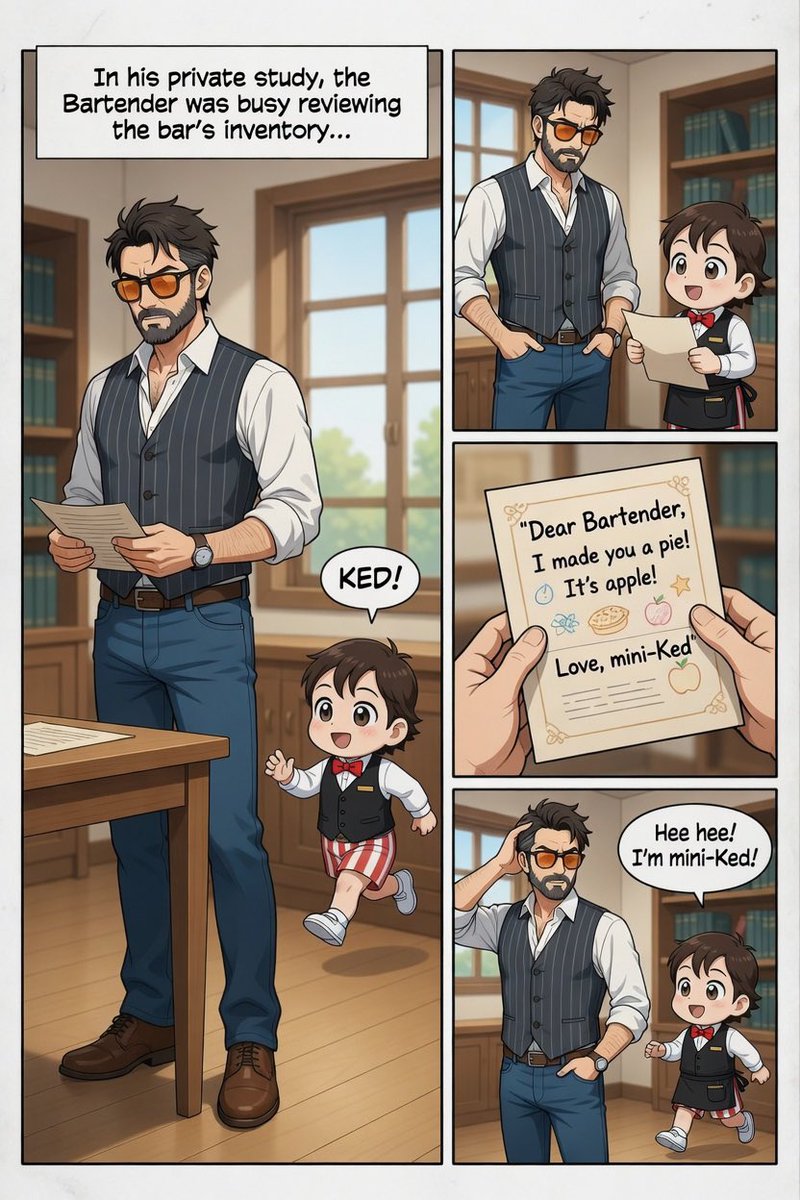
I got too excited and forgot to remove @Silas_VT_EN human ear lol here's the no human ear version, the right true version #SCU #Skybros #POTD #promptoftheday #AI #AiArt #Art #InkWash #AnimePortrait #FantasyArt #CharacterDesign #OC #CinematicArt #AtmosphericArt #CommunityPrompt


Prompt of the Day: INK-WASH CHARACTER DREAMSCAPE 🌙🖌️💜💚
Today’s Prompt of the Day turns your character into a cinematic anime ink-wash portrait, blending their profile into a rich atmospheric nighttime scene.
Idea Credit to Realin
This one is built to work with long-haired, short-haired, tied-up-hair, or even no-hair characters. The prompt reads the hairstyle from your reference and adapts the transition naturally — long hair can flow into the scene, while shorter styles use silhouette, clothing, shadows, ink, smoke, particles, and negative space instead.
For best results, use a clear single character reference or full reference sheet as @Image1.
Drop your character as @Image1 and let the dreamscape unfold 🌙
..........................................................................................
Masterpiece digital illustration blending anime character art with ink-wash painting and cinematic fantasy style. Tall vertical portrait composition.
Large close-up profile portrait of the character shown in @Image1, positioned on the left side of the frame and facing left. Preserve the character’s identity, profile, silhouette, facial structure, and exact hairstyle as shown in @Image1. Do not alter the character’s hair length, haircut, or overall hairstyle silhouette from @Image1.
The character’s form artistically blends and merges into a richly detailed atmospheric scene occupying the right and lower portions of the image, using elegant painterly transitions, compositing, and negative space.
Hairstyle-aware transition rule:
If the character in @Image1 has long, voluminous, or flowing hair, let the hair dramatically cascade and merge into the scene as a major transition element.
If the character in @Image1 has short hair, tied-up hair, very little hair, or no hair, do not artificially lengthen it. Instead, use the character’s silhouette, clothing edges, shadows, ink-wash brushwork, smoke, particles, compositing, and negative space to create the blending transition naturally.
The blended scene is a detailed atmospheric nighttime environment that flows organically from the character and complements their aesthetic and mood. Warm dramatic lighting, glowing light sources, floating particles, and a strong sense of depth and atmosphere.
Overall mood: mysterious, beautiful, atmospheric, with strong dramatic lighting and a painterly quality. Warm cinematic lighting contrasting with deep shadows. Rich, harmonious color palette guided by @Image1.
Art style: ultra intricate details, sharp focus on the character’s face, expressive painterly brushwork especially in the blending and transition areas. Visible ink wash and brush stroke textures, particularly at the bottom. Subtle aged paper texture with delicate artistic finishing effects. High contrast, cinematic depth, atmospheric perspective, beautiful particle effects.
Ultra-detailed, 8k resolution, best quality, award-winning illustration, perfect anatomy, masterpiece.
..........................................................................................
#SCU #Skybros #POTD #promptoftheday #AI #AiArt #Art #AnimeArt #InkWash #AnimePortrait #FantasyArt #CharacterDesign #OC #DigitalArt #CinematicArt #AtmosphericArt #CommunityPrompt


Your imagination deserves space to shine.
Turn this into a 3-sentence hook:
"The city sounded like an unread message."
Best one gets pinned
let’s build this creative community together.
#CommunityPrompt
#Microfiction

Think of the best gift you’ve ever received—it probably wasn’t the most expensive, right?
What made it special?
💬 Drop your answer in the comments or replies.
#CommunityPrompt #MeaningfulMoments #HeartfeltStories

🧵2/2 Thank you to all of our facilitators including @LimbsandThings1 & to all of our delegates for your contributions and engagement.
#promptsymposium2024
#AnnualUpdate #PROMPTGlobal #CommunityPROMPT #PrehospitalPROMPT #PROMPTCiPP #UndergraduatePROMPT
Last Seen Hashtags on Sotwe
dessivibes
Seen from United States
düzcegay
Seen from Turkey
Azslut
Seen from Lebanon
istanbultravesti
Seen from Turkey
muttstagram
Seen from Malaysia
ensestanne
Seen from Turkey
เย็ดยาย
Seen from Thailand
nsfwtwt
Seen from United States
roBLACKED
Seen from Argentina
xlii or #exny or #nolimit() #momson() +filter:native_video
Seen from India
Most Popular Users

Elon Musk 
@elonmusk
240.1M followers

Barack Obama
@barackobama
119.3M followers

Donald J. Trump
@realdonaldtrump
111.6M followers

Cristiano Ronaldo
@cristiano
108.7M followers

Narendra Modi
@narendramodi
106.9M followers

Rihanna
@rihanna
97.2M followers

NASA
@nasa
92.1M followers

Justin Bieber
@justinbieber
90.5M followers

KATY PERRY
@katyperry
86.7M followers

Taylor Swift
@taylorswift13
80.5M followers

Lady Gaga
@ladygaga
72.1M followers

Kim Kardashian
@kimkardashian
69.3M followers

YouTube
@youtube
68.6M followers

Virat Kohli
@imvkohli
68.4M followers

Bill Gates
@billgates
63.4M followers

The Ellen Show
@theellenshow
62.5M followers

CNN
@cnn
61.9M followers

Neymar Jr
@neymarjr
60.9M followers

X
@x
60.9M followers

CNN Breaking News
@cnnbrk
59.9M followers