

Top Tweets for #ConservationCam

#ConservationCam: WOOLLY OPOSSUM (Caluromys derbianus). These explorers face electrocution when forced to cross roads using electric wires.
That's why we connect treetops with rope bridges, keeping our fav marsupials safe. #CheckItOut
@ICFC_for_Nature #conservation #cameratrap
#ConservationCam: Scarlet macaws (Ara macao) may live up to 50 years in #primary #forests and mate for life, so they are rarely seen alone. @Osaconservation #treetop #cameratrap monitor the forest 24 hours a day to capture moments like this!
Supported by @ICFC_for_Nature.
On #WorldWildlifeDay we celebrate the #animals around the world that sustain our planet. From the #OsaPeninsula, we're highlighting the puma and collared peccaries caught on our #ConservationCam in #CostaRica.
#Wildlifeday #WildlifeWednesday

👀 As part of our Gabon Biodiversity Program, we’re using camera traps 📸 to find out where hippos are living. This pic is of a juvenile & fam leaving the water early in the morning. Hippos are a fully protected species in #Gabon, but rarely seen. #ConservationCam #EarthOptimism

🐆🕵️♀️Ocelots and margays are in the same family and were both captured by our #CameraTrap in Peru. This is a Margay! Margays are smaller, have bigger eyes & longer tails. Scientists may place two cameras in a location to help them more precisely identify animals! #ConservationCam

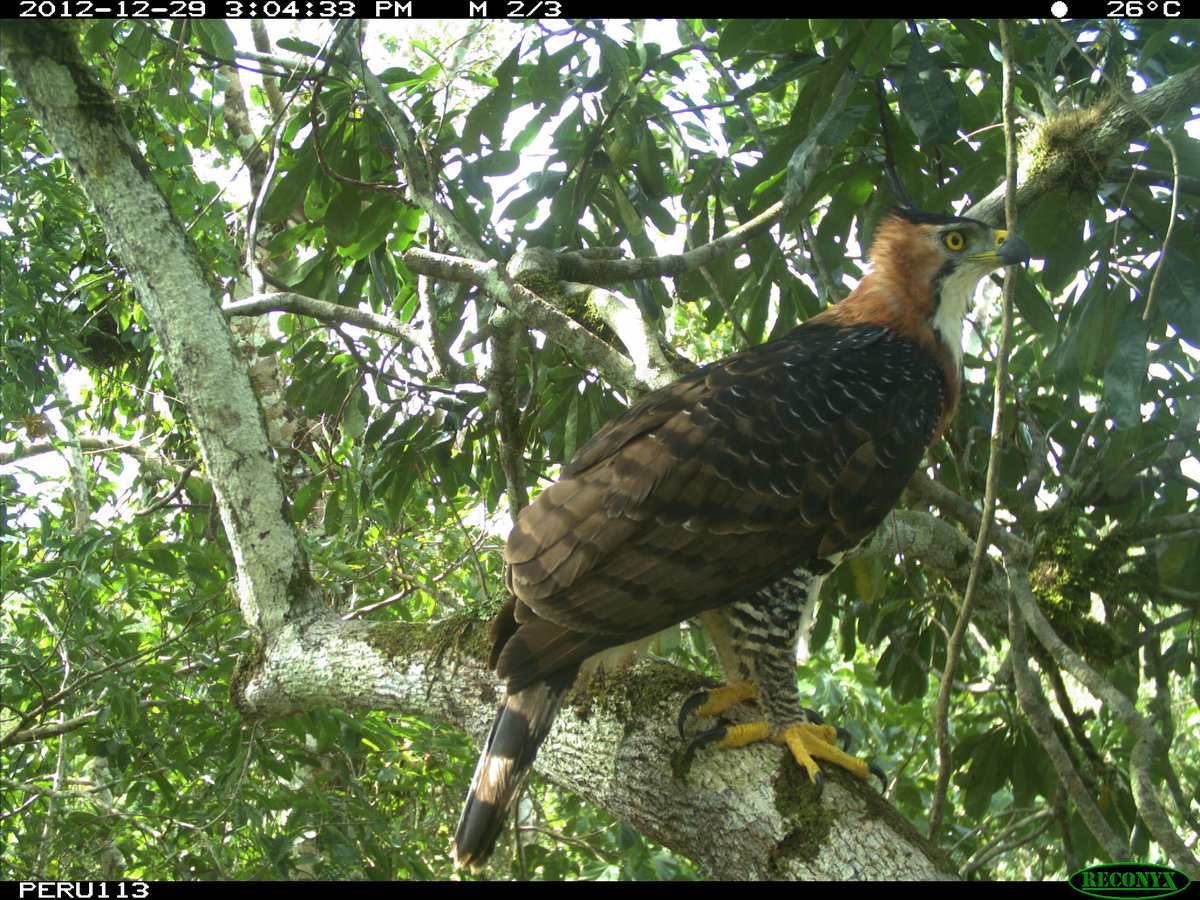
📸 🦅 Ornate hawk-eagles rely on forests for shelter and prey and are vulnerable to deforestation. This #CameraTrap snap was part of a program in the Peruvian Amazon focused on understanding the status of biodiversity and the impact of industrial activities. #ConservationCam
🍃🐵 Can you spot the mustachioed tamarin in the trees? Emperor tamarins jump from branch to branch as they forage for fruit, insects and leaves. Our #CameraTrap in Peru helps scientists monitor species that live in the Amazon basin’s forest canopies. #ConservationCam

Andean bears are one of many species in the Amarakaeri Comunal Reserve in #Peru that share their habitat with a natural gas well. Our scientists used this 📷 #CameraTrap to understand changes in the distribution of large mammals during construction. #ConservationCam

🐱Stealth mode. 📷 Our #CameraTrap @AmericanPrairie caught this bobcat. Bobcats can run as fast as 30 mph. They reduce the noise they make while hunting by placing their back feet in the same spots where their front feet stepped. #ConservationCam

🦌🦌Before winter sets in, male white-tailed deer, or bucks, will spar over territory and females, like these two caught in our scientists' #CameraTrap. 📸 #ConservationCam

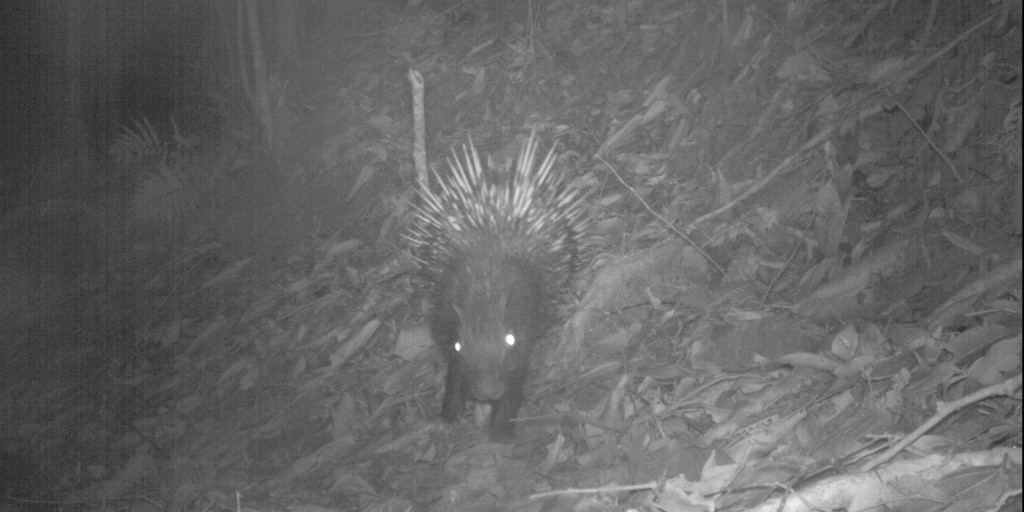
📸 Shake, shake, shake! Malayan porcupines will shake their hollow quills when they feel threatened in an attempt to startle the threat. Our scientists caught this porcupine in their #CameraTrap in Borneo. #ConservationCam
👀Look! A #CameraTrap! Pronghorns have the largest eyes of any North American ungulate for their body size. Large eyes help spot predators like coyotes & bobcats. Our scientists are using camera traps to spot & learn about animals on the American Prairie Reserve. #ConservationCam

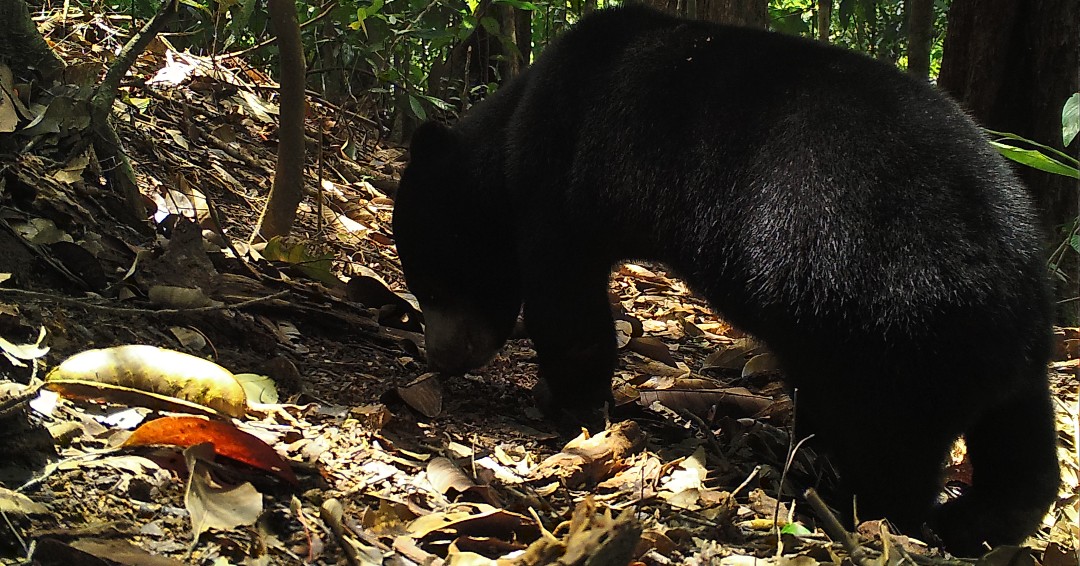
🐛 Foraging for something tasty? Sun bears are omnivores, eating mostly fruit and insects. Our scientists caught this sun bear on a #CameraTrap in #Borneo. 🐻 #ConservationCam
🍂Like trees' changing leaves, red foxes are not all the same color! Most 🦊 red foxes are a shade of reddish-yellow or reddish-brown, like the one this 📷 #CameraTrap captured. However some are silver or black! #ConservationCam

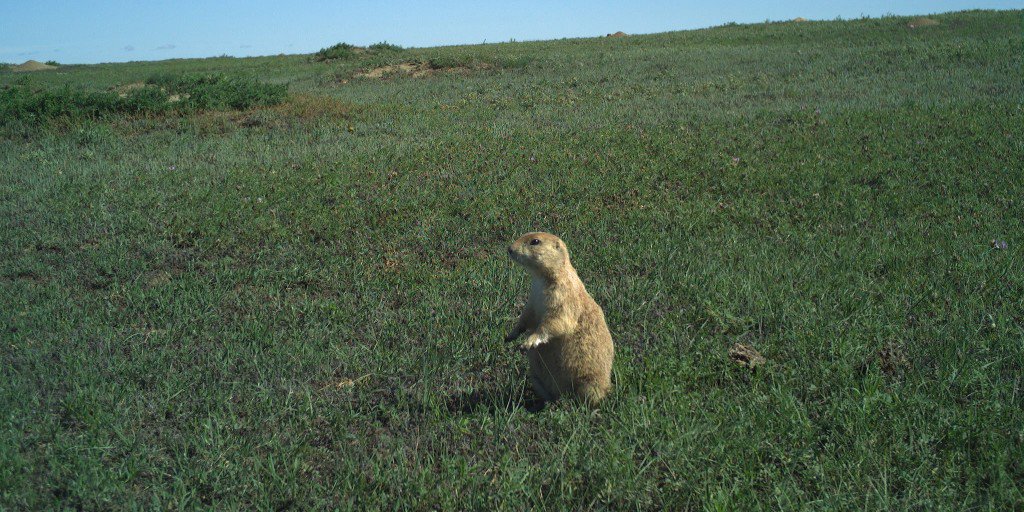
Prairie dogs are named for the alarm “bark” that they make, but are actually a species of squirrel. On the American Prairie Reserve, where this #CameraTrap is, prairie dogs are keystone species! They are a source of food & their towns are nests for other animals. #ConservationCam
When the forest is fragmented, how do animals cross from one section of forest to the other? With the help of 📷 #CameraTraps, like the one that captured these Gray’s bald faced saki moneys, scientists learned how canopy bridges can reduce fragmentation impact. #ConservationCam

💧🐴🌿 Przewalski’s horses need to drink lots of water to survive, but they mostly graze on grass and leaves from shrubby trees. Our #CameraTrap in #Mongolia helps our scientists learn more about these reintroduced horses! #ConservationCam

🌳 🌲The best home for a short-tailed mongoose is the forest! In Borneo, where our #CameraTrap captured this picture, deforestation has been the main culprit for these mongooses’ decline. #ConservationCam

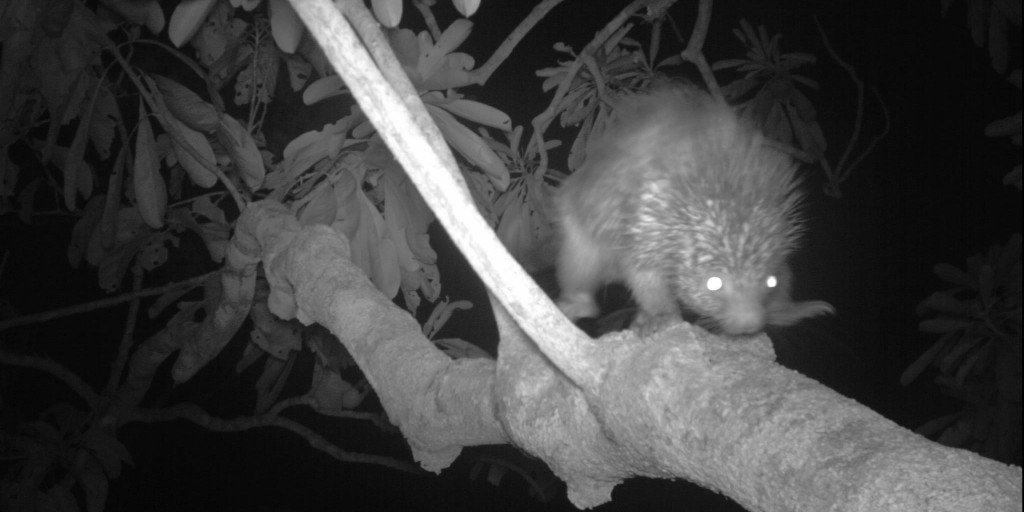
📷 Streaked dwarf porcupine were only known to be in northern Peru until this #Cameratrap captured this individual passing through. After some additional research, scientists extended this species known range by 900 km (559 miles)! #ConservationCam
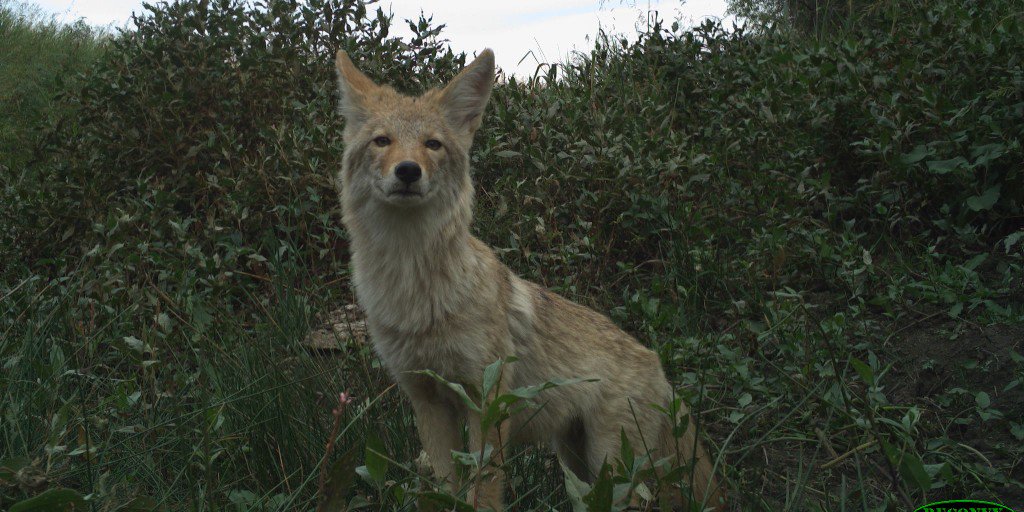
#Coyotes have adapted to live in a variety of environments. They were once only found on prairies & in deserts 🏜️. 📸 #CameraTraps at the American Prairie Reserve allow our scientists to study animals on the prairie and how they use the land. #ConservationCam
Trends for you
Most Popular Users

Elon Musk 
@elonmusk
241.5M followers

Barack Obama
@barackobama
118.9M followers

Cristiano Ronaldo
@cristiano
114.6M followers

Donald J. Trump
@realdonaldtrump
111.8M followers

Narendra Modi
@narendramodi
107.1M followers

Rihanna
@rihanna
98.7M followers

NASA
@nasa
92.3M followers

Justin Bieber
@justinbieber
91.8M followers

KATY PERRY
@katyperry
90M followers

Taylor Swift
@taylorswift13
84M followers

Lady Gaga
@ladygaga
75.5M followers

Virat Kohli
@imvkohli
73.5M followers

Kim Kardashian
@kimkardashian
70.9M followers

YouTube
@youtube
68.8M followers

Neymar Jr
@neymarjr
66.5M followers

Bill Gates
@billgates
65.2M followers

Selena Gomez
@selenagomez
63.1M followers

The Ellen Show
@theellenshow
62.2M followers

CNN
@cnn
61.8M followers

X
@x
60.7M followers