

Top Tweets for #ConsumerBehavior

Products that confront internal patterns
create deeper engagement than those that entertain.
#AmazonSellers #DigitalProducts #Books #Marketing #ConsumerBehavior

Market Intel suggests a massive correction in the US retail sector. With 63% of the install base scaling back, the ARPU (Average Revenue Per User) is now being carried by a 4% whale demographic. The physical media era is facing a total bottleneck.
▫️ Burn rate on new releases is hitting a ceiling
▫️ F2P models and subscriptions are cannibalizing traditional buy-to-play
▫️ DAU metrics remain stable, but conversion is at an all-time low ▫️ Retailers must pivot to Value-Add bundles to retain churning users
#GamingIndustry #MarketAnalysis #RetailCorrection #ConsumerBehavior


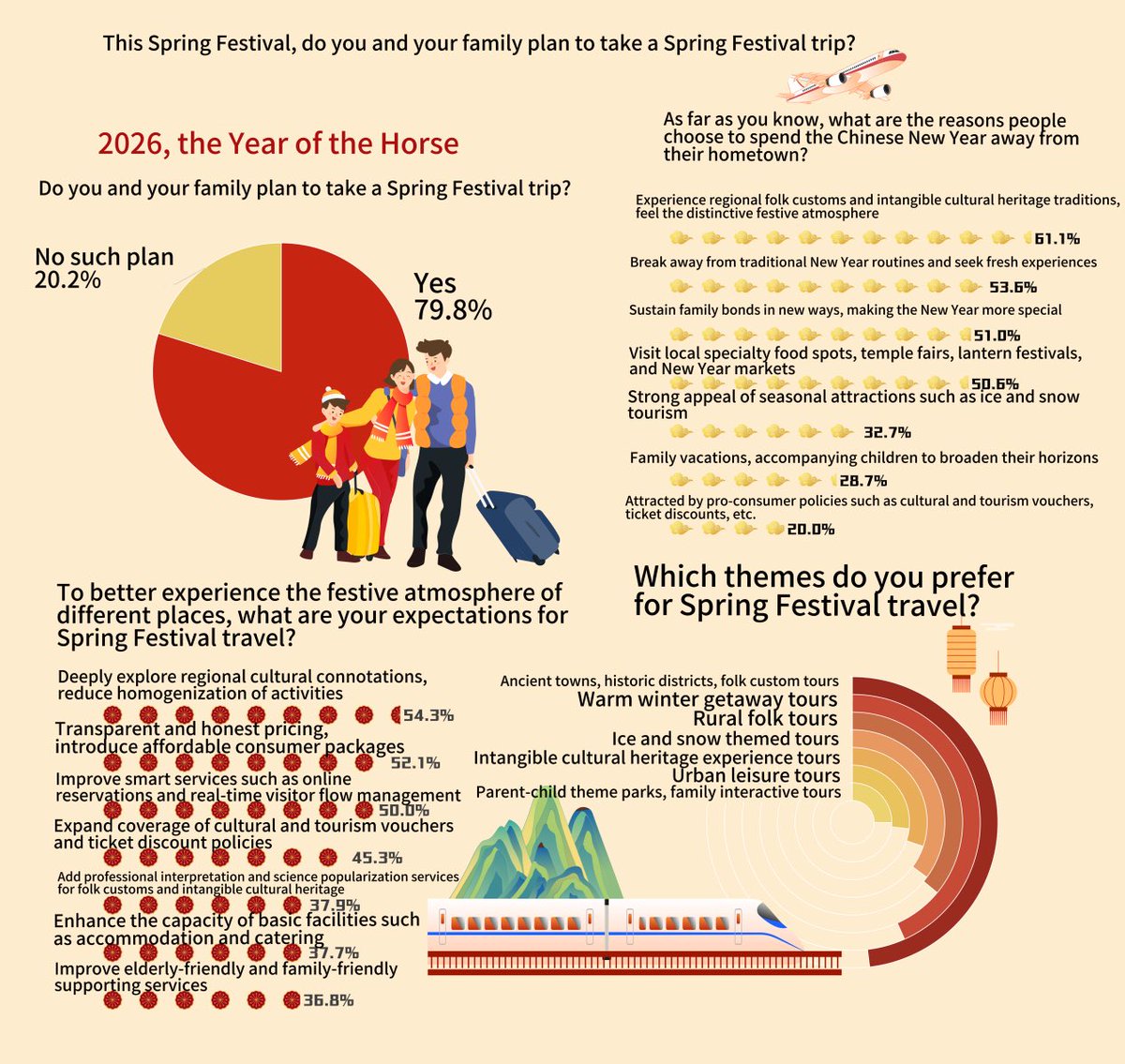
79.8% of Chinese Respondents Plan Spring Festival Travel in 2026
A recent survey indicates that 79.8% of Chinese respondents plan to travel during the 2026 Spring Festival holiday, with Northeastern residents showing the highest intention. Among those celebrating the New Year away from home, 61.1% seek to experience diverse regional folk customs and intangible cultural heritage, while 53.6% aim to break from tradition and pursue fresh holiday experiences. The findings reflect a broader shift in festive practices, as more families prioritize immersive travel and cultural exploration over static home gatherings. (Photo/ Du Yuanchun)
#SpringFestival #TravelTrend #ConsumerBehavior #ChinaTravel
By Wang Ziyuan, Wu Hang(intern), Du Yuanchun/ China Youth Daily
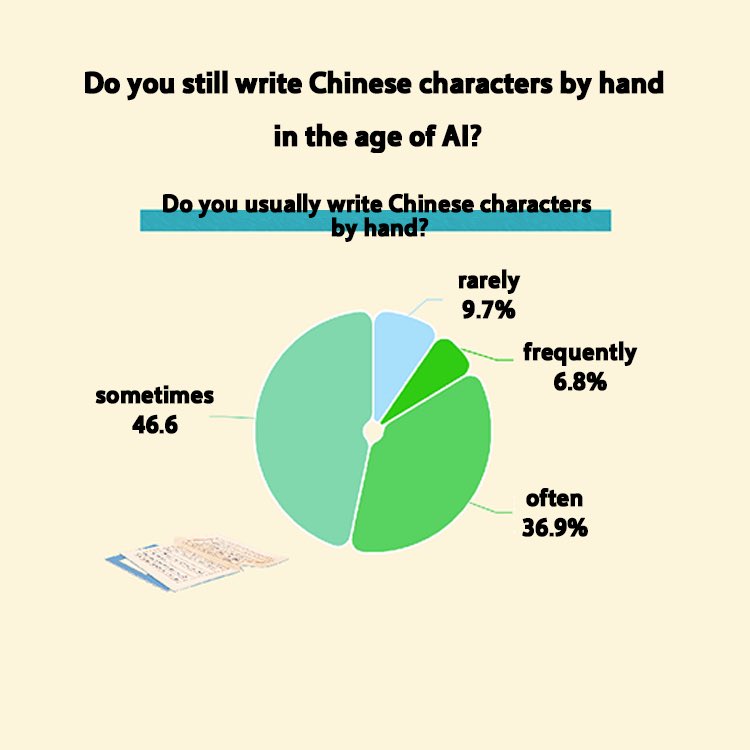
Ink vs. Algorithms: The Enduring Value of Handwriting
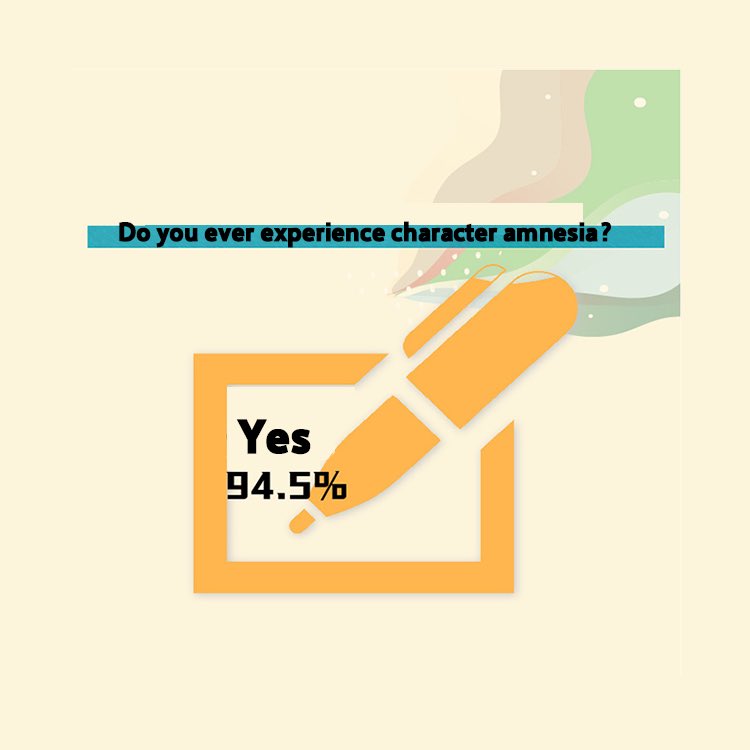
Nearly 95% of respondents have experienced "character amnesia," yet 90.8% maintain that handwriting remains vital in the AI era, turning it into a significant measure of personal image and cultural respect. Including preserving heritage and managing first impressions, students like Song Hao think that handwriting is an important skill; promoting calligraphy education by offering calligraphy classes and establish professional calligraphy clubs helps improve writing skills and cultivates the mind and character.

#YouthSurvey #Handwriting #ChineseCulture #DigitalEra #AI #CharacterAmnesia
By WangZiyuan,Luo Xu(intern),Wang Pinzhi/China Youth Daily
Photo by Wang Pinzhi


Did you know 46% of customers now prioritize sustainable products to reduce their environmental impact? 🌍 Learn how to balance massive growth with the modern demand for ethics: https://t.co/q1I3Qcr0K7 #ConsumerBehavior #EcoFriendly #BusinessEthics #StartupIdeas #FutureOfBusiness
Can a tiny nozzle change drive massive sales? 💸 Discover the power of simple tweaks and why the "game changer" today is actually responsible consumption. https://t.co/q1I3QcryzF #BusinessGrowth #StartupIdeas #ConsumerBehavior
Can a tiny nozzle change drive massive sales? 💸 Discover the power of simple tweaks and why the "game changer" today is actually responsible consumption. https://t.co/q1I3QcryzF #BusinessGrowth #StartupIdeas #ConsumerBehavior
Can a tiny nozzle change drive massive sales? 💸 Discover the power of simple tweaks and why the "game changer" today is actually responsible consumption. https://t.co/q1I3QcryzF #BusinessGrowth #StartupIdeas #ConsumerBehavior

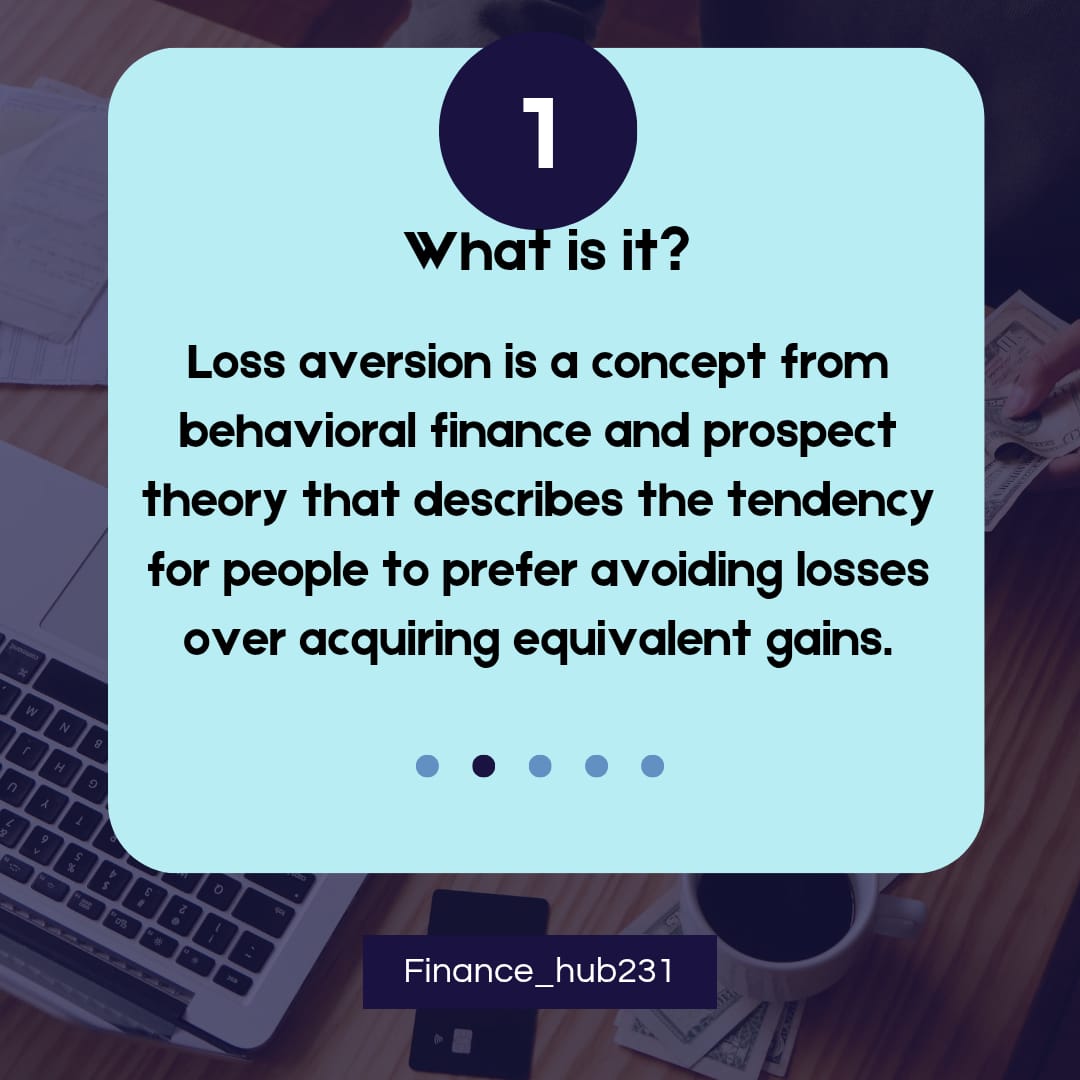
What is loss Aversion??
Follow @finance_hub231 for more educative finance terms
#finance #consumerbehavior #lossaversion
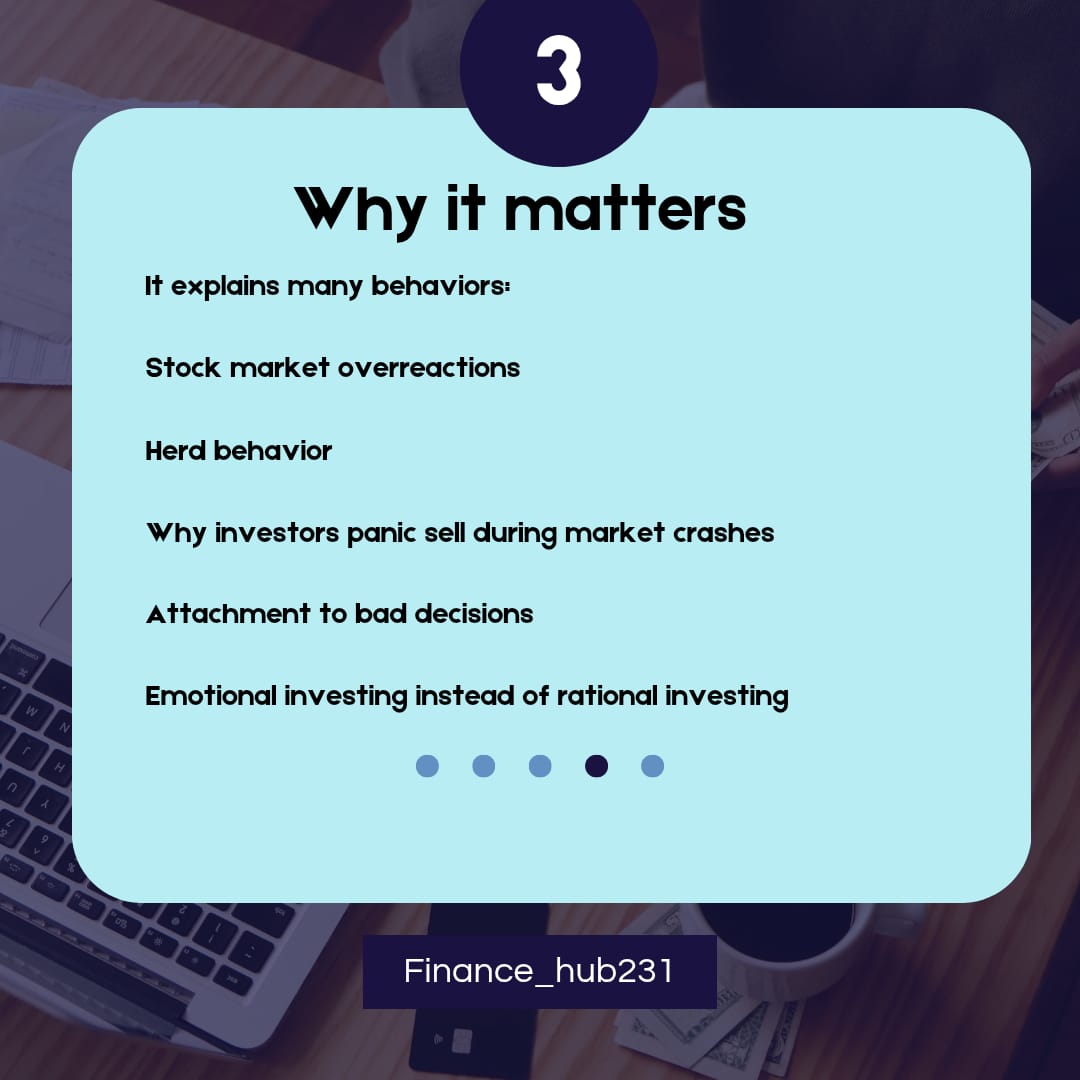
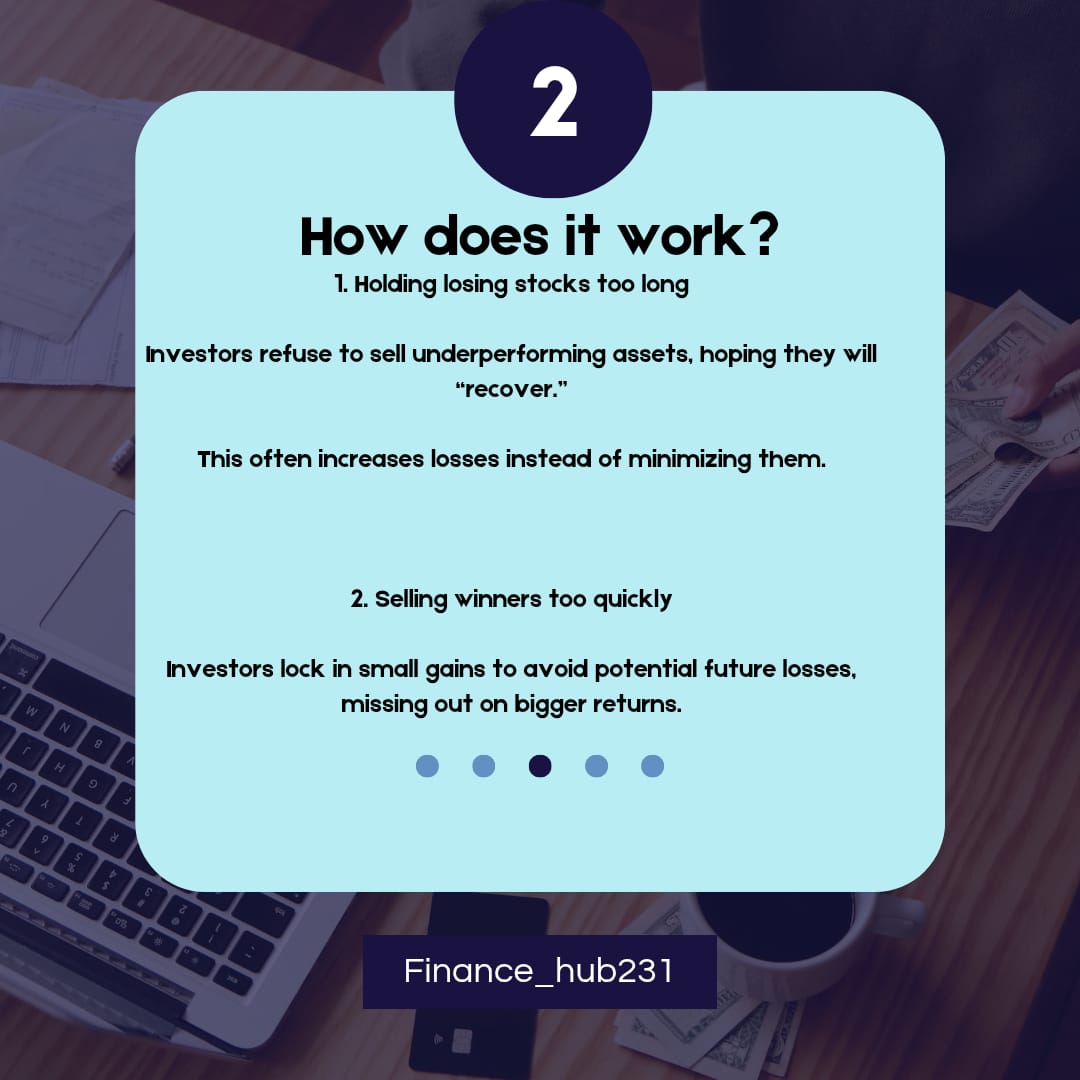


When marketing goes beyond selling — it becomes culture.
The story of how Moti Soap became a Diwali ritual is pure brand genius.
🧼✨ Watch the fascinating breakdown
https://t.co/vIpZDN2mtM
#MarketingGenius #BrandStorytelling #ConsumerBehavior

When marketing goes beyond selling — it becomes culture.
The story of how Moti Soap became a Diwali ritual is pure brand genius.
🧼✨ Watch the fascinating breakdown
https://t.co/vIpZDN2mtM
#MarketingGenius #BrandStorytelling #ConsumerBehavior


☕ Cracking the Indian Market: Starbucks' Strategy for Success
It was sometime in the mid-2000s, during one of my US visits, that I took a call with someone from the Starbucks LA team. It left me with the impression that the coffee giant was considering a move into India’s complex, price-sensitive market.
Fast forward to 2012:
A landmark 50:50 joint venture between Tata and Starbucks was formed.
Today, Starbucks operates 400+ stores in India, where coffee and snacks cost ~US$10 — in a country where the per capita income is just US$2880.
❓ So how did Starbucks thrive in such a price-conscious economy?
✅ Deep market due diligence
✅Joint venture with a trusted Indian conglomerate
✅Value-aligned partnership with TATA
✅Smart store location strategy
✅Localized menu innovations
✅Focus on customer service excellence
✅Consistency in quality
🧭 Lesson: India is not just a market — it’s an ecosystem. Success requires patience, partnerships, and profound respect for local culture and complexity.
🔍 Learn how global businesses crack emerging markets.
Follow Sudhirahluwalia, Inc. for insights on market entry, business strategy, and transformation.
#StarbucksIndia #TataStarbucks #IndiaMarketEntry #EmergingMarkets #BusinessStrategy #ConsumerBehavior #JointVenture #LocalizationStrategy #GlobalExpansion #RetailSuccess #SudhirAhluwalia #BusinessInsights #MarketPenetration #IndiaBusiness #CoffeeRetail


MYTH OR MANIPULATION: The Subliminal Advertising Conspiracy Theory
Have you ever been watching a movie and suddenly craved popcorn out of nowhere?
Or lounged on your couch, glued to the TV, only to feel an inexplicable urge to buy a shiny new car?
If so, you might wonder if you’ve fallen prey to a subliminal advertising conspiracy.
This theory suggests that advertisers sneak hidden messages into media to manipulate your subconscious, driving you to buy products or act against your will.
But is there any truth to this idea, or is it just a captivating urban legend?
THE ORIGINS OF THE SUBLIMINAL SCARE
The concept of subliminal advertising gained traction in the 1950s and 1970s, largely due to two influential books: Subliminal Seduction by Wilson Bryan Key and The Hidden Persuaders by Vance Packard.
Both authors argued that advertisers were embedding subliminal messages — images or words flashed too quickly for conscious detection — into ads to influence consumer behavior.
Their claims sparked widespread panic, leading to public outcry and even Federal Communications Commission (FCC) hearings.
The fear was palpable: were corporations secretly controlling our minds?
However, much of the evidence presented in these books has since been discredited.
Several key "studies" cited by Key and Packard, including the infamous 1957 experiment claiming a movie theater increased popcorn and cola sales by flashing subliminal messages, were later revealed to be fabricated or exaggerated.
Despite this, the idea of subliminal manipulation took root in the public imagination.
FROM ADS TO HEAVY METAL: THE PANIC SPREADS
By the 1980s, the subliminal scare had expanded beyond advertising to music.
Heavy metal bands like Styx and Judas Priest were accused of embedding backward messages (known as backmasking) in their songs to influence listeners.
In 1990, Judas Priest faced a high-profile lawsuit alleging that subliminal messages in their music drove two teenagers to suicide.
The case was dismissed for lack of evidence, but it fueled the conspiracy theory’s grip on pop culture.
THE SCIENCE OF SUBLIMINAL PERCEPTION
Subliminal mental processing is real and can be tested.
The human brain can register stimuli — like a fleeting image or sound — below the threshold of conscious awareness.
Filmmakers, for instance, have long used quick flashes for dramatic effect (think of the chilling final frames in Alfred Hitchcock’s Psycho).
But perceiving something subconsciously doesn’t mean it controls your actions.
Studies show that subliminal messages have minimal, if any, impact on behavior compared to overt advertising.
Flashing a soda ad for a split-second might catch your eye, but it’s unlikely to make you rush to the store.
The power of suggestion is far weaker than conspiracy theorists claim.
WHY THE THEORY PERSISTS
Despite the lack of evidence, the subliminal advertising conspiracy theory endures.
Why?
It taps into a universal fear: losing control over our thoughts.
The idea that corporations or media could manipulate us without our knowledge is unsettling, especially in an era of pervasive advertising.
While modern neuroscience confirms that subliminal stimuli can be processed, there’s no compelling evidence that they drive significant behavioral changes.
Regular ads, with their bold visuals and catchy jingles, are far more effective at persuading consumers.
THE VERDICT
The subliminal advertising conspiracy theory makes for a thrilling story, but it’s largely a myth.
While advertisers are always looking for ways to capture your attention, the idea of widespread, mind-controlling subliminal messages lacks credible support.
Next time you crave a snack during a movie, it’s probably not a hidden message at work—just your own hunger kicking in.
#SubliminalAdvertising #ConspiracyTheory #SubliminalMessages #MindControl #Advertising #SubliminalSeduction #HiddenPersuaders #WilsonBryanKey #VancePackard #FCC #MediaManipulation #PopCulture #ConspiracyTheories #SubliminalPerception #Backmasking #JudasPriest #1980s #HeavyMetal #Psycho #SubliminalAds #ConsumerBehavior #Neuroscience #MediaStudies #AdvertisingMyths #UrbanLegends #MindGames #SubliminalConspiracy #HiddenMessages #PopcornExperiment #MediaPanic #SubliminalProcessing #AdvertisingTricks #ConspiracyFacts #MediaInfluence #SubliminalTruth #MarketingMyths #BrainScience #ConsumerPsychology #AdvertisingHistory #SubliminalMyth #MediaHype #ConspiracyDebunked #SubliminalScience #MindManipulation #AdvertisingConspiracy #PopCultureMyths #SubliminalPanic #MediaFear #ConspiracyCulture #SubliminalStudies


Sales drop only on weekends.
Weekday performance is strong.
What data could help explain this weekend dip?
Let’s test your analyst brain 👇
#SalesAnalytics #ConsumerBehavior #WeekendTrends

✨ 🚀 The Truth About AI’s Control on Your Shopping Habits
This article explores how artificial intelligence (AI) influences and shapes consumer shopping habits by analyzing and manipulating emotions, tracing this phenomenon's historical roots and modern developments.
🔑 Key Highlights:
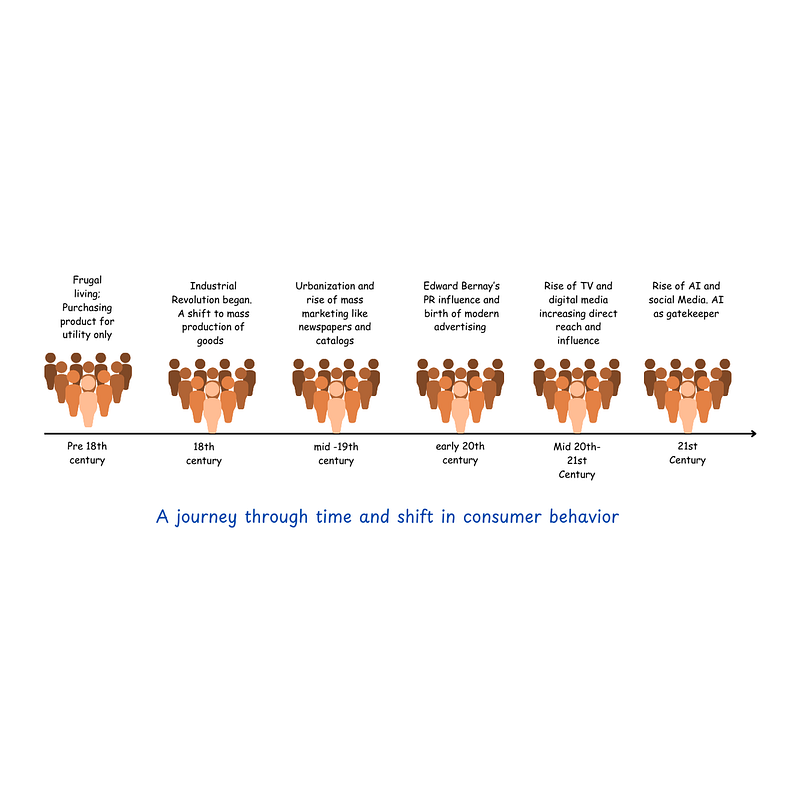
🕰️ Historical Context: From the 18th century onward, products evolved from practical tools to symbols of social status and personal identity, driven by industrialization and marketing.
💡 Emotional Influence: Edward Bernays, influenced by Sigmund Freud’s psychology, demonstrated how emotions, not logic, drive purchasing behaviors, leveraging this insight for impactful advertising.
📺 Media's Role: The rise of television and mass media in the 20th century amplified the cultural narrative of products as status symbols.
🤖 AI’s Precision: AI now enhances emotional targeting through data analysis, offering hyper-personalized recommendations, as seen with Spotify’s music suggestions or Amazon’s shopping experience.
📈 Corporate Strategies: Companies use AI to forge emotional connections, increase loyalty, and boost profitability by meeting consumers' psychological needs.
🎭 Perception vs. Reality: Personalized AI recommendations can blur the line between autonomous choices and algorithm-driven decisions, fostering a false sense of control.
🔮 AI as a Gatekeeper: As AI integrates further into daily life, it may manage shopping, communication, and even administrative tasks, raising concerns about control and privacy.
⚠️ Consumer Vigilance: The article urges consumers to critically evaluate how AI interacts with their emotions and decisions to avoid undue influence.
💡 Insights:
🛒 Shopping as Identity: Purchases have long reflected social and emotional motivations, shaped by historical and cultural trends.
🤔 Emotion Over Logic: Advertising and AI capitalize on the emotional underpinnings of decision-making, making consumers susceptible to manipulation.
🔍 AI’s Dual Role: While enhancing user experience through personalization, AI risks distorting consumer autonomy by embedding algorithmic influence in choices.
🔐 Safeguarding Autonomy: Maintaining awareness and questioning AI’s role is essential for preserving control over one’s decisions in an increasingly automated world.
#AI #ConsumerBehavior #EmotionalTargeting #ShoppingHabits #Personalization

Social commerce is changing the way we shop! 🛍️ Our research shows that trust is key in influencing consumer attitudes towards online purchases. #SocialCommerce #DigitalMarketing #ConsumerBehavior
https://t.co/orJMFJWtQi

Last Seen Hashtags on Sotwe
minichatt(())********** ************** *********** ************************ filter:videos
Seen from Sweden
sister #incest
قحبة
Seen from Israel
babecock
Seen from Canada
mgai()*****************************
Seen from Turkey
velho
Seen from Brazil
打屁股
Seen from United States
malefindom
Seen from Ireland
acnoctem
Seen from Turkey
horny
Seen from Netherlands
Trends for you
Most Popular Users

Elon Musk 
@elonmusk
240.1M followers

Barack Obama
@barackobama
118.6M followers

Cristiano Ronaldo
@cristiano
114.4M followers

Donald J. Trump
@realdonaldtrump
111.7M followers

Narendra Modi
@narendramodi
106.9M followers

Rihanna
@rihanna
98.6M followers

NASA
@nasa
92.1M followers

Justin Bieber
@justinbieber
91.7M followers

KATY PERRY
@katyperry
89.9M followers

Taylor Swift
@taylorswift13
83.9M followers

Lady Gaga
@ladygaga
75.4M followers

Virat Kohli
@imvkohli
73.3M followers

Kim Kardashian
@kimkardashian
70.8M followers

YouTube
@youtube
68.6M followers

Neymar Jr
@neymarjr
66.3M followers

Bill Gates
@billgates
65.2M followers

Selena Gomez
@selenagomez
63M followers

The Ellen Show
@theellenshow
62.1M followers

CNN
@cnn
61.7M followers

X
@x
60.6M followers