

Top Tweets for #DiseaseWeek

Focal and Diffuse Lupus Nephritis #DiseaseWeek
The photomicrograph above shows three glomeruli, all with endocapillary proliferation and one showing a nascent cellular crescent. These findings are seen in proliferative lupus nephritis.
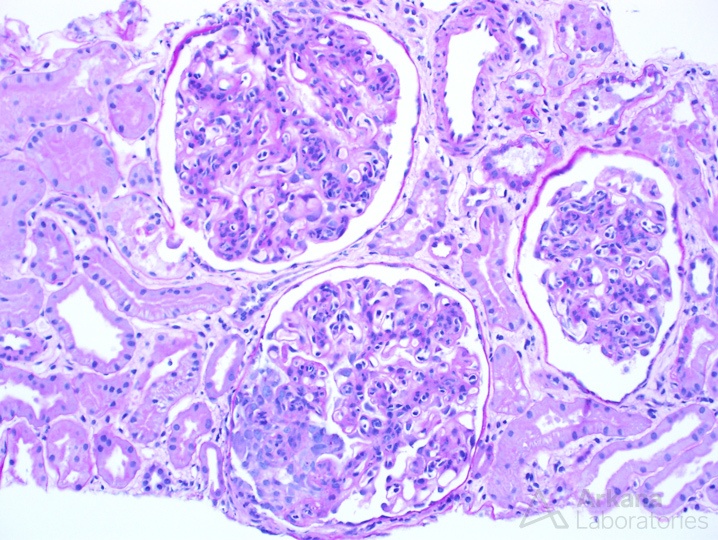
Time for another #DiseaseWeek challenge question!
Which of the following lupus classifications can be seen in the same biopsy?
50% of adults with SLE will develop lupus nephritis. In children with SLE, 80% have nephritis. In a majority of cases, renal involvement in SLE often occurs in the first year following diagnosis, but can occur at any time in the disease course. 🧵
#LupusLesson #DiseaseWeek #Renal
Time for a #DiseaseWeek challenge question!
What proportion of adult patients with SLE have nephritis?
Time for a #DiseaseWeek challenge question!
What proportion of adult patients with SLE have nephritis?
It's #DiseaseWeek at Arkana – let's learn about lupus nephritis!
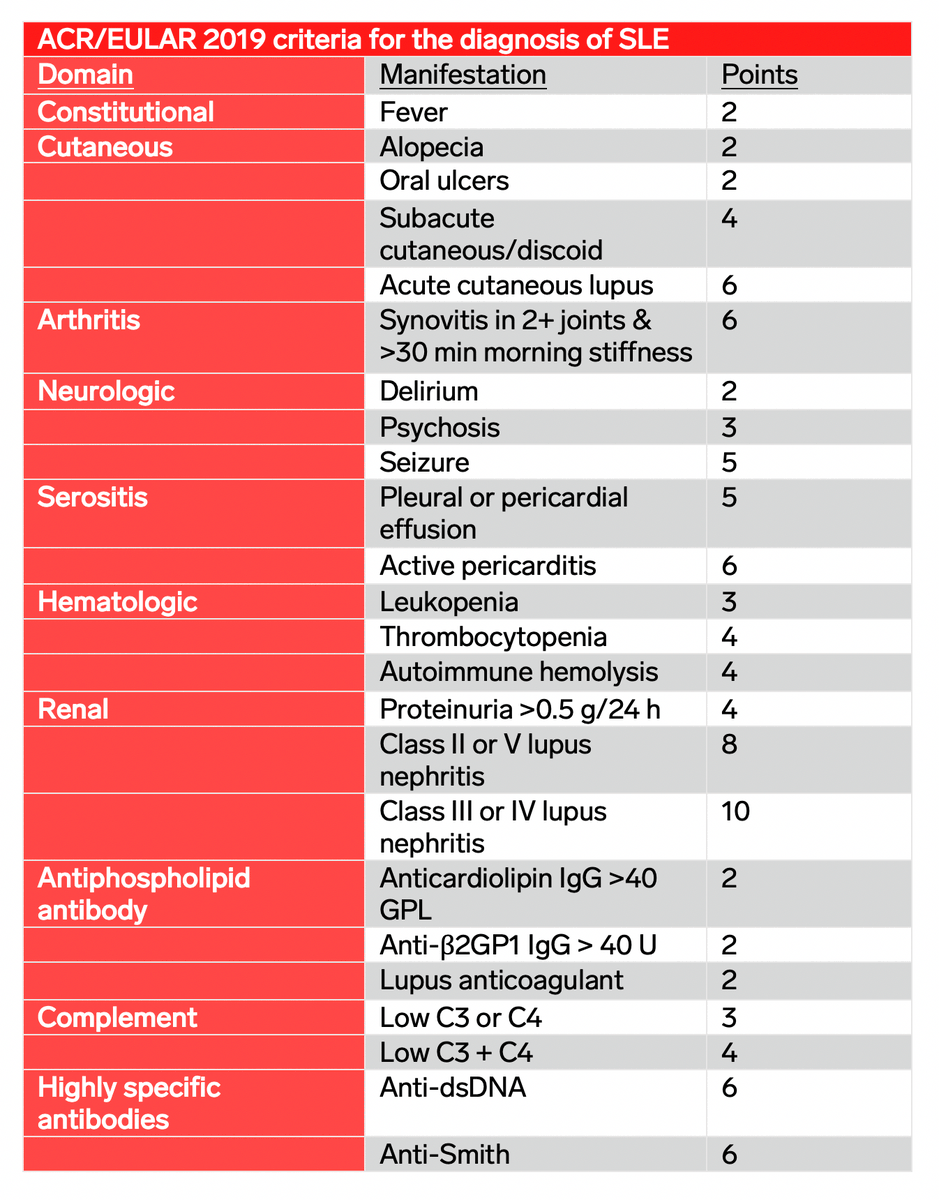
Systemic lupus erythematosus (SLE) is a systemic autoimmune disease which affects over 5 million people worldwide. The evaluation of lupus disease activity utilizes a point system where different disease manifestations are assigned different point values, and a score of 10 is required for a diagnosis of SLE. Under this scoring system, a diagnosis of focal or diffuse lupus nephritis is sufficient for a diagnosis of SLE in patients with a positive antinuclear antibody (ANA) test. #LupusLesson #Lupus #Renal
While renal and urinary involvement in IBD is not uncommon, renal parenchymal disease is rare and most commonly affects the glomerular and tubulointerstitial compartments. #DiseaseWeek #NephTwitter https://t.co/VUr3TpCFpB
The most common renal manifestations in the pediatric IBD population with renal manifestations was nephrolithiasis (58%) followed by TIN (30%), which was present in two-thirds of UC pts. #DiseaseWeek
https://t.co/yvH4ROhhLf

A recent literature review of the pediatric IBD population with renal manifestations found a strong predilection in boys (72%) and those with Crohn disease (80%). #DiseaseWeek https://t.co/yvH4ROhhLf
Although the frequency of renal involvement in pediatric IBD is not well described, there have been several reports of nephrolithiasis, GN (particularly IgAN), TIN, and rarely AA amyloidosis. #DiseaseWeek
https://t.co/SLM18nb0vK
https://t.co/nEFIAsfRza

Interestingly, granulomatous TIN has been reported in drug-naïve patients with Crohn disease. This suggests TIN may actually represent a true extraintestinal manifestation of IBD in certain patients. #DiseaseWeek
https://t.co/sWEiAIedF5
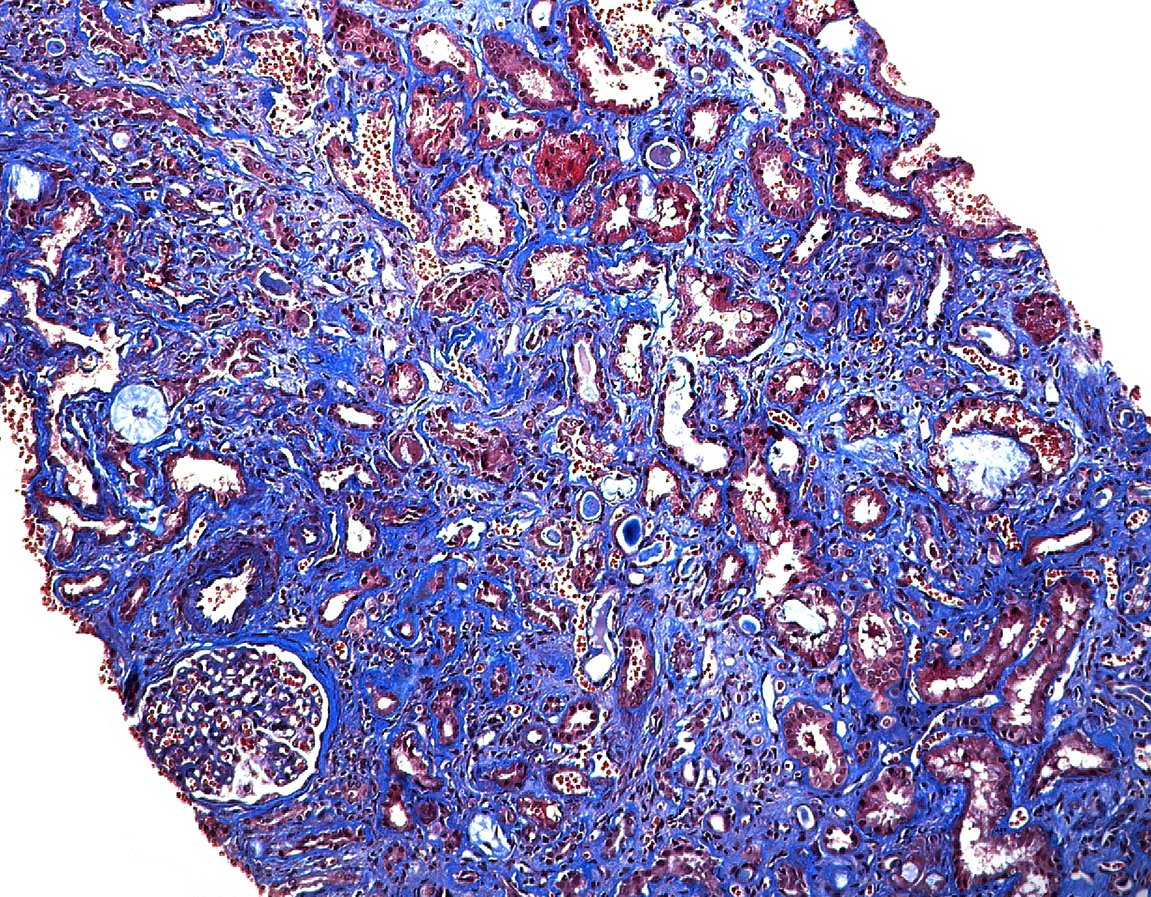
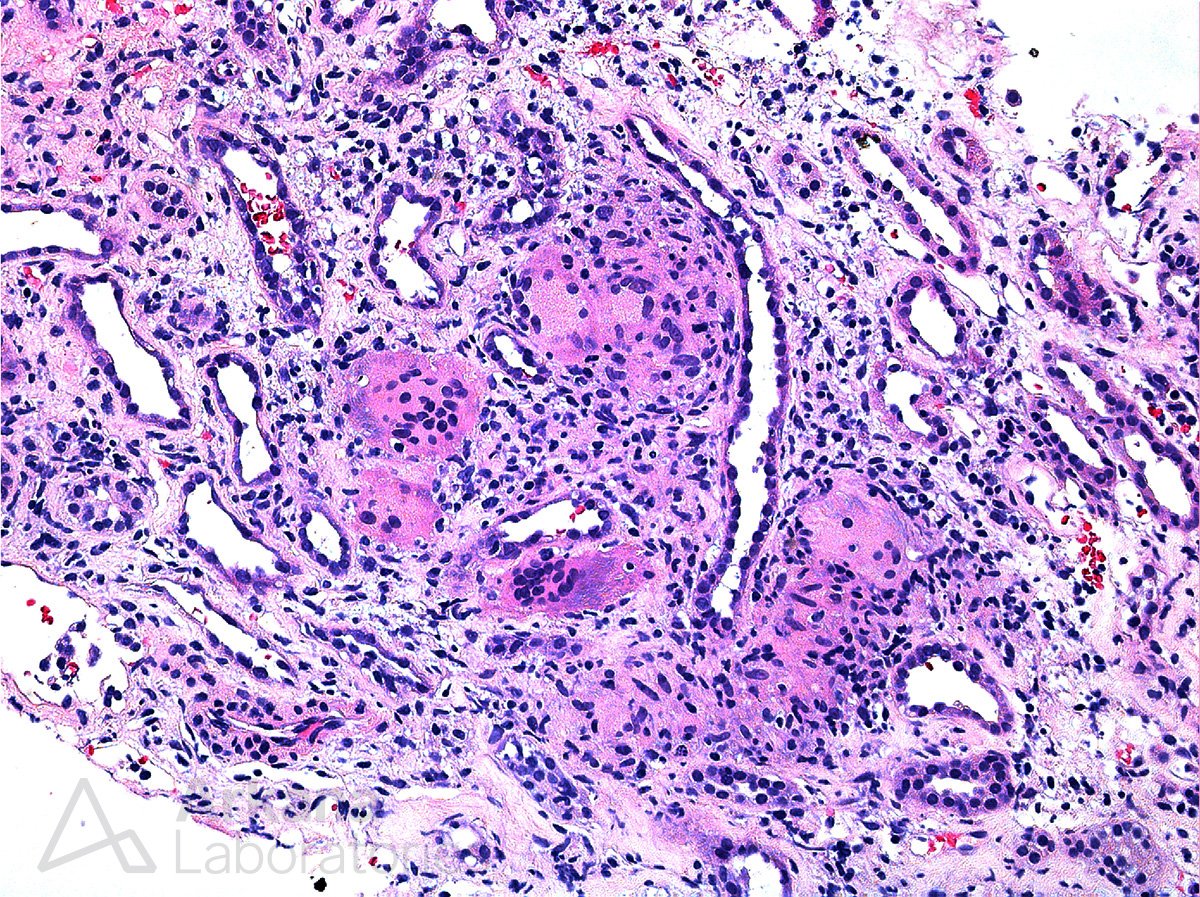
There have been several case reports of both acute and chronic (TIN) occurring in patients with both Crohn disease and ulcerative colitis, particularly in the setting of 5-ASA drug therapy and its derivatives. #DiseaseWeek
Acute tubular injury and tubulointerstitial nephritis (TIN) have been reported as both an extraintestinal manifestation of IBD as well as a complication of IBD-related therapy. #DiseaseWeek
https://t.co/iHpilUMwbg


How much do you know about renal manifestations of inflammatory bowel disease (IBD)?
Follow along this week as Dr. Ambruzs discusses the extraintestinal manifestations, morphologic patterns, and the most common findings on renal biopsies of IBD patients. 🔬 #DiseaseWeek

MGRS-associated diseases or lesions are predominantly classified according to the characteristics and texture of the monoclonal deposits.
Thanks for following this #DiseaseWeek! #MGRS #renalpath https://t.co/MAGXTO1DOw
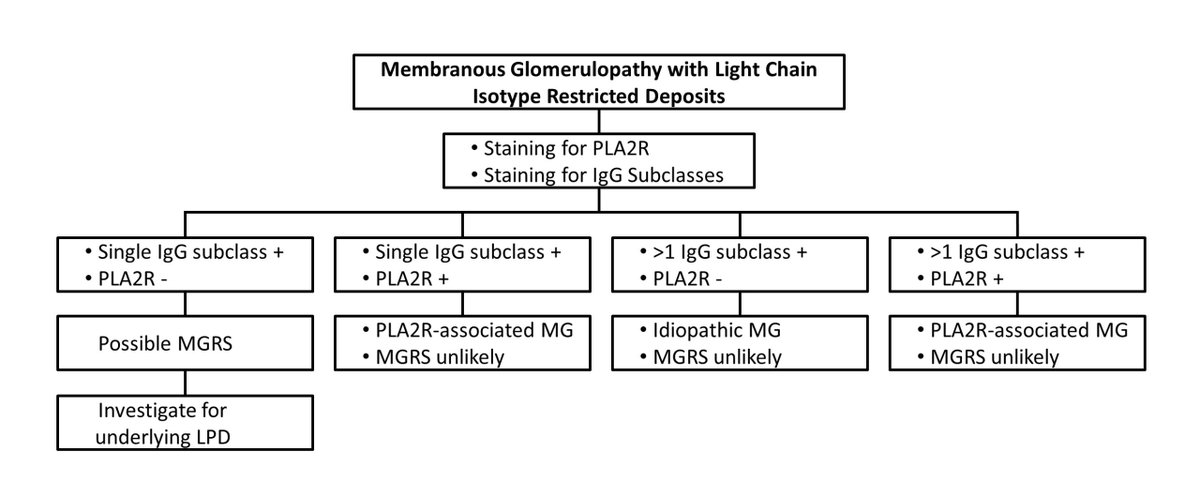
A small subset of cases of membranous glomerulopathy is caused by monotypic deposits. We propose the following algorithm for evaluation of such cases: https://t.co/wGWZkiMT3w
#DiseaseWeek
Biopsies that would otherwise meet diagnostic criteria for IgAN are rarely caused by monoclonal IgA deposits and fall within the spectrum of MGRS-lesions. Therefore, these patients may benefit from clone-based therapy. #DiseaseWeek
https://t.co/aksilyBz63

Even though an underlying monoclonal Ig or an identifiable clone is detected in only 30-40% of patients with PGNMID, these patients significantly benefit from proven or empiric clone-specific directed therapy. #DiseaseWeek
https://t.co/R6op29QxVE

If left untreated, patients with PGNMID may progress to ESRD and more than 80% of post-transplant patients will have recurrent disease, with the majority developing the disease within 4 months from the date of transplant. #DiseaseWeek
https://t.co/MWgd7FynPo

Typical of adults (mean 54.5 yrs), PGNMID is also reported in children. None of the reported pediatric cases has been associated w/ underlying hematologic disorders; therefore, it remains unclear if the pathogenesis is the same as in adults. #DiseaseWeek
https://t.co/DiqmSvD0gw
Last Seen Hashtags on Sotwe
gameOfThronesEffect
Seen from Australia
ChisoraWashington
Seen from United Kingdom
tttehongmei
Seen from France
Nfluenced
Seen from France
ass
Seen from Germany
snap filter:videos
Seen from Chile
SnapElection2025
Seen from United States
PasdeCalais
Seen from Vietnam
KTFWA5
Seen from Chile
anxiouspanda
Seen from United States
Trends for you
Most Popular Users

Elon Musk 
@elonmusk
241.7M followers

Barack Obama
@barackobama
118.9M followers

Cristiano Ronaldo
@cristiano
114.6M followers

Donald J. Trump
@realdonaldtrump
111.9M followers

Narendra Modi
@narendramodi
107.2M followers

Rihanna
@rihanna
98.7M followers

NASA
@nasa
92.4M followers

Justin Bieber
@justinbieber
91.8M followers

KATY PERRY
@katyperry
90.1M followers

Taylor Swift
@taylorswift13
84M followers

Lady Gaga
@ladygaga
75.5M followers

Virat Kohli
@imvkohli
73.5M followers

Kim Kardashian
@kimkardashian
70.9M followers

YouTube
@youtube
68.8M followers

Neymar Jr
@neymarjr
66.5M followers

Bill Gates
@billgates
65.3M followers

Selena Gomez
@selenagomez
63.1M followers

The Ellen Show
@theellenshow
62.3M followers

CNN
@cnn
61.8M followers

X
@x
60.7M followers