

Top Tweets for #ElectronicsEngineer

Electronics Design #Engineer – #Leeds
45-50k + great benefits
An established and growing client of ours are expanding their Engineering team by hiring a proven #ElectronicsEngineer, with a pragmatic and delivery-focused approach to work.
https://t.co/tKpbPoNTzO…

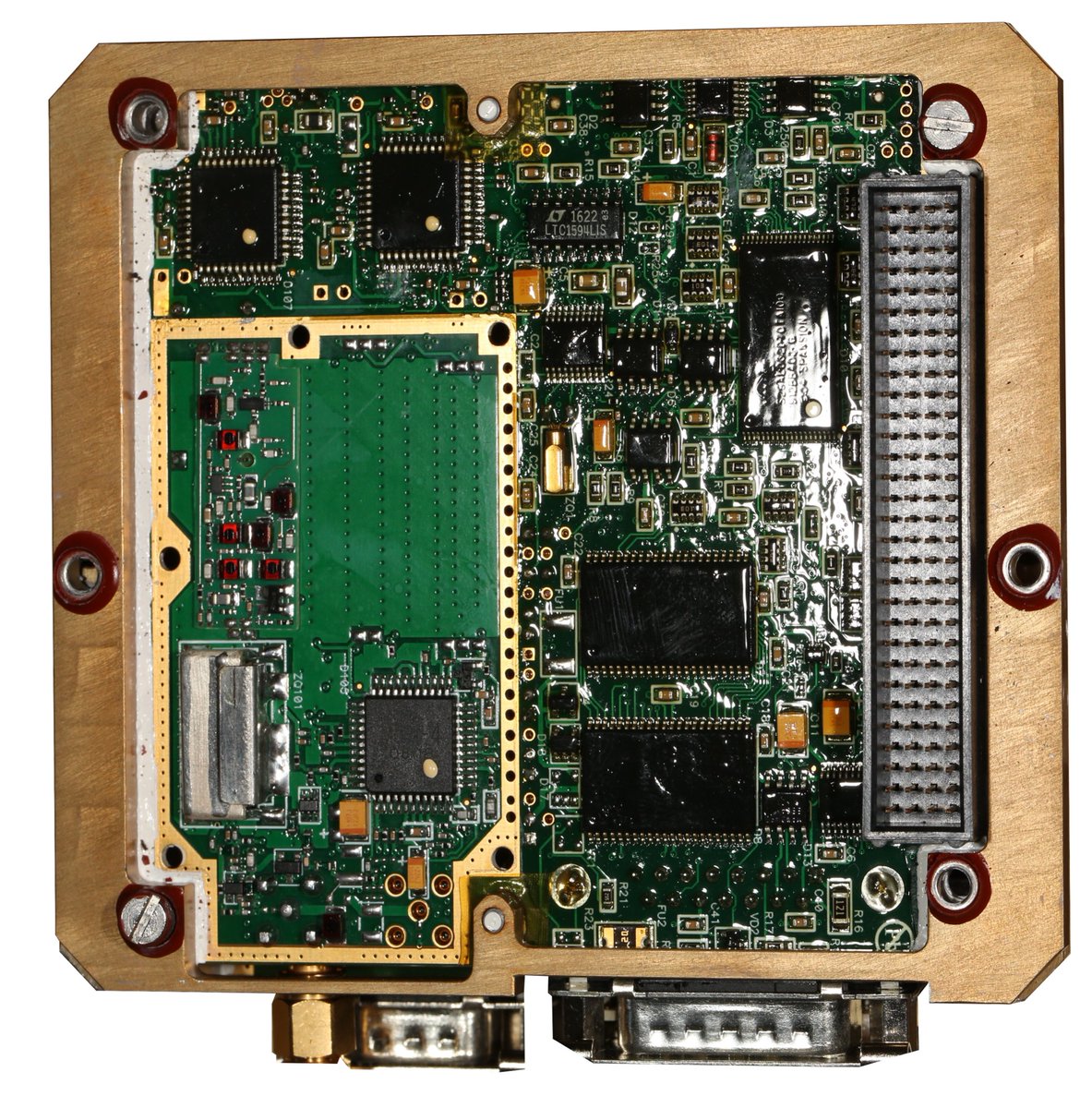
Kh-101 cruise missile and Kh-59 cruise missile electronics boards—two distinct layouts. PCB and avionics engineers: what catches your eye first—the component placement, connector design, or board geometry?
#PCB #Avionics #ElectronicsEngineering
#FPGA


NOW HIRING IN KIGALI⚡️
ELECTRINICS ENGINEER. Click below to apply.
#AmpersandEnergy #NowHiring #ElectronicsEngineer #KeepOnMoving
https://t.co/jStWuHuVMn

🚗🤖 Line Follower Robot – Hardware Circuit Design
Designed and assembled a complete line follower robot system using an Arduino Nano, IR sensor array, L298N motor driver, DC gear motors, and regulated power supply.
Key Features:
✅ Multi-sensor line detection
✅ Real-time path correction
✅ Dual motor differential steering
✅ Efficient power management
✅ Modular and scalable design
This project demonstrates the integration of embedded systems, sensor interfacing, motor control, and robotics fundamentals. A great example of how hardware and software work together to create autonomous navigation systems.
🔽 Download Best Arduino eBooks
📕 https://t.co/FehAXCKPbl
#Robotics #Arduino #EmbeddedSystems #ElectronicsEngineering #Automation #STEM #IoT #EngineeringProjects #LineFollowerRobot #HardwareDesign #Innovation

🚀 Productive day in Embedded Systems!
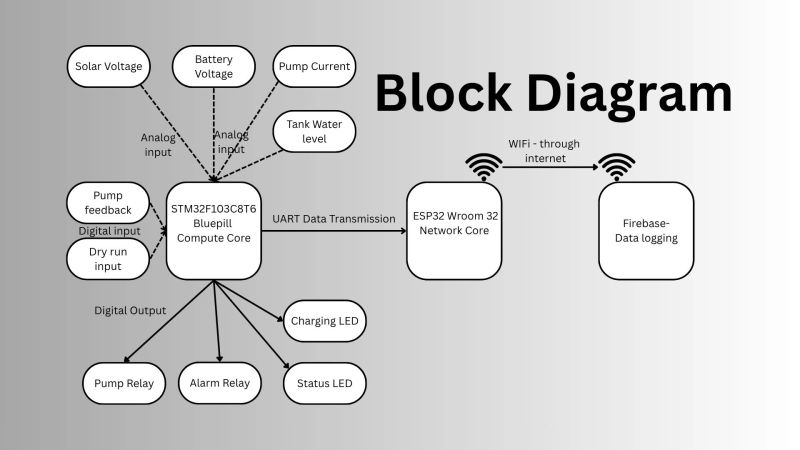
Today at 10:00 AM, I received a project-based challenge to design a Solar Pump Monitoring Controller. Starting from scratch, I successfully completed a working prototype within a few hours using STM32F103C8T6 (STM32 blupill) and ESP32 Wroom 32
Project Title: Solar-Pump-Monitoring-Controller
🔹 Features Implemented:
• Solar Voltage Monitoring
• Battery Voltage Monitoring
• Pump Current Monitoring
• Tank Level Monitoring
• Pump Feedback Detection
• Dry-Run Protection
• Automatic Pump Control Logic
• Battery Protection Logic
• Charging Indication
• Alarm & Buzzer Fault Handling
• UART Communication between STM32 and ESP32
• Firebase Realtime Database Integration for IoT Monitoring
The STM32 handles sensor acquisition, monitoring, and protection logic, while the ESP32 manages IoT connectivity and uploads real-time system parameters to Firebase for cloud monitoring.
I have created a GitHub repository where the Source code, architecture documents, design document, gpio allocation table for both STM32 and ESP32 are available and updated.
I am eager to collaborate and develop a community where we can learn, share knowledge, solve problems and create impactful engineering solutions together
📂 GitHub Repository:
https://t.co/By0QOk1ykc
🔽 Download Best ESP32 eBooks
📕 https://t.co/yUaVkQfGM1
#STM32 #ESP32 #EmbeddedSystems #FirmwareDevelopment #IoT #Firebase #ElectronicsEngineering #EmbeddedC #Microcontrollers #Automation #PCBDesign #EngineeringProjects #OpenSource #GitHub #TechCommunity #Innovation #LearningByBuilding



🚀 Things I Wish I Knew Before Learning Embedded Systems
When I started learning Embedded Systems, I thought writing code was the hardest part.
After working on ESP32, Raspberry Pi, IoT, Computer Vision, and robotics projects, I realized the real challenges were somewhere else.
Here are 5 lessons I wish I knew earlier:
🔹 Master C Fundamentals
Pointers, structures, memory management, and bitwise operations matter more than most frameworks.
🔹 Communication Protocols Are Essential
Understanding UART, SPI, and I2C makes debugging hardware much easier.
🔹 Debugging Is a Core Skill
A large part of embedded development is finding and fixing issues rather than writing new code.
🔹 Learn RTOS Concepts Early
Tasks, scheduling, queues, and semaphores are used in many real-world embedded products.
🔹 Power and Timing Matter
Efficient use of memory, CPU time, and power often determines whether a system succeeds.
These lessons came from building projects, making mistakes, and spending hours debugging issues that looked impossible at first.
Every project taught me something new, and I'm still learning.
🔽 Download Best ESP32 eBooks
📕 https://t.co/yUaVkQfGM1
💡 What is one thing you wish you had known before starting Embedded Systems or Electronics?
#EmbeddedSystems #Firmware #ESP32 #IoT #Electronics #EmbeddedEngineering #RTOS #EdgeAI #ComputerVision #ArtificialIntelligence #FirmwareDevelopment #Engineering #EngineeringStudents #TechCareers #TechEducation #FirmwareDevelopment #ElectronicsEngineering #Innovation #LearningInPublic

Exploring the Raspberry Pi 5 — a tiny computer with endless possibilities.
The Raspberry Pi 5 is not just another development board. It's a complete single-board computer capable of running operating systems, AI applications, IoT platforms, robotics projects, and even edge computing workloads.
From GPIO interfacing to computer vision and automation, Raspberry Pi bridges the gap between software and hardware innovation.
What makes it powerful?
🔹 Quad-Core 64-bit ARM Cortex-A76 Processor
🔹 Up to 8GB LPDDR4X RAM
🔹 Dual 4K Display Support
🔹 PCIe Expansion Interface
🔹 High-Speed USB 3.0 Connectivity
🔹 Gigabit Ethernet & Wireless Networking
🔹 40-Pin GPIO for Hardware Integration
Currently exploring:
⚙️ Embedded Linux
🤖 Robotics & Automation
📡 IoT Systems
🧠 Edge AI & Computer Vision
🔌 Hardware-Software Integration
The deeper I explore Raspberry Pi, the more I appreciate how a credit-card-sized computer can power real-world innovation—from smart devices to intelligent robotic systems. 🚀
🔽 Download Best Raspberry Pi eBooks
📕 https://t.co/wZYBObTS7I
#RaspberryPi5 #RaspberryPi #EmbeddedSystems #Linux #IoT #EdgeAI #ComputerVision #Robotics #Automation #ElectronicsEngineering #HardwareDesign #EngineeringStudent #TechInnovation #AestheticRagib

Successfully designed and simulated a Temperature Alert System using Arduino Uno, a Temperature Sensor, and a Buzzer in Wokwi.
✅ Monitors real-time temperature readings
✅ Displays temperature values through Serial Monitor
✅ Automatically activates a buzzer when the temperature exceeds the predefined threshold (30°C)
✅ Demonstrates sensor interfacing, analog-to-digital conversion, and embedded system programming
This project helped me strengthen my understanding of Arduino programming, sensor integration, and IoT-based monitoring systems.
📕 https://t.co/FehAXCKPbl
#Arduino #EmbeddedSystems #IoT #TemperatureMonitoring #ElectronicsEngineering #EEE #Wokwi #Programming #EngineeringStudent #ProjectBasedLearning

🚀 Built a Motion-Controlled 7 LED Chaser System using Arduino and MPU6050!
📕 https://t.co/FehAXCKPbl
I'm excited to share my latest embedded systems project where I interfaced an MPU6050 accelerometer and gyroscope sensor with an Arduino Uno to control a 7-LED chaser display based on tilt and motion.
🔹 Technologies Used:
• Arduino Uno
• MPU6050 (Accelerometer & Gyroscope)
• LEDs and Resistors
• Embedded C Programming
• I2C Communication Protocol
🎯 Key Features:
✅ Real-time motion sensing
✅ Tilt-based LED control
✅ Sensor interfacing using I2C
✅ Interactive visual feedback
This project helped me gain practical experience in sensor integration, microcontroller programming, and real-time embedded system design.
I am continuously exploring Arduino, IoT, Robotics, PCB Design, and Embedded Systems to strengthen my engineering skills.
#Arduino #EmbeddedSystems #MPU6050 #ElectronicsEngineering #IoT #Robotics #Microcontroller #Sensors #EngineeringStudent #DIYElectronics #Innovation #Technology #LinkedInLearning
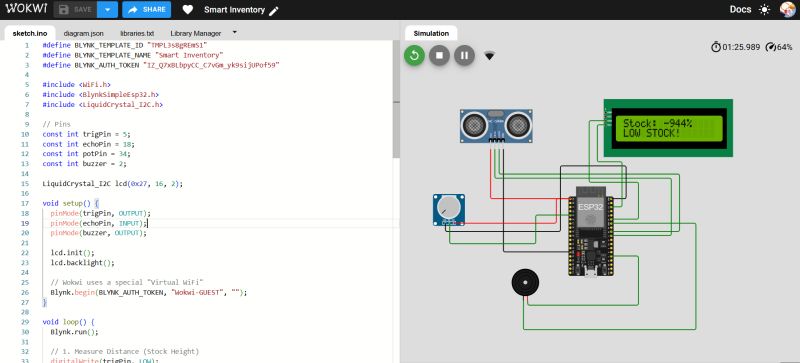
Excited to share my latest IoT project: A Real-Time Smart Inventory System!
As part of my final year exploration into Embedded Systems, I’ve developed a Smart Inventory Monitoring System using the ESP32 and Blynk IoT platform.
In this project, I focused on creating a seamless bridge between hardware and the cloud. Since physical hardware isn't always accessible, I utilized the Wokwi simulation platform to design and test the entire circuit.
Key Technical Highlights:
Real-Time Monitoring: Integrated an HC-SR04 Ultrasonic sensor to track stock levels and a potentiometer to simulate weight data.
Cloud Integration: Developed a live dashboard on Blynk IoT for remote data visualization.
Edge Feedback: Implemented an I2C LCD for local status updates and a buzzer-based alert system for low-stock scenarios.
Logic: Built using C++ within the Arduino framework.
This project sharpened my skills in sensor interfacing, cloud communication, and virtual prototyping.
Check out the code and simulation layout on my GitHub:
https://t.co/0VCMdFJqgt
🔥 Top 6 ESP32 eBooks
https://t.co/MvafQvkQbk
#IoT #ESP32 #EmbeddedSystems #ElectronicsEngineering #Blynk #Wokwi #Innovation #SmartInventory

ESP32 DevKit V1 – Specifications and Modern Applications:
The ESP32 DevKit V1 is a powerful and widely used IoT development board built around the ESP-WROOM-32 module, developed by Espressif Systems. It integrates Wi-Fi, Bluetooth, multiple peripherals, and a high-performance processor into a compact embedded platform suitable for modern connected systems.
📕 https://t.co/yUaVkQfGM1
IT is a Low cost, Low power Super Hero developed by Espressif Systems .
Processor & Architecture :
• Dual-core Xtensa LX6 32-bit microprocessor
• Clock speed up to 240 MHz
• Integrated Ultra Low Power (ULP) coprocessor for sensor monitoring during deep sleep
Memory:
• 520 KB SRAM internal memory
• 4 MB external SPI Flash (typical module configuration)
• RTC Fast Memory – 8 KB
• RTC Slow Memory – 8 KB
Wireless Connectivity
• Wi-Fi: IEEE 802.11 b/g/n (2.4 GHz)
• Supports Station, Access Point, and AP+STA modes
• Bluetooth v4.2 including Bluetooth Classic and BLE
GPIO & Peripheral Interfaces:
The ESP32 provides ~30 programmable GPIO pins supporting multiple digital interfaces.
Supported communication protocols include:
• SPI (Serial Peripheral Interface)
• I²C (Inter-Integrated Circuit)
• UART (Serial communication)
• I²S (Digital audio interface)
• CAN / TWAI interface
Analog Features
• 12-bit SAR ADC with up to 18 analog channels
• 2 DAC outputs (8-bit resolution)
• 10 Capacitive Touch sensing pins
PWM & Control :
• LEDC PWM controller
• Up to 16 PWM channels for motor control, LED dimming, and power electronics applications.
Power Management ESP32 is optimized for low-power IoT systems and supports multiple power modes:
• Active mode
• Modem sleep
• Light sleep
• Deep sleep (~10 µA current)
• Hibernation mode
Security Features
• Secure Boot
• Flash Encryption
• Hardware cryptographic accelerators (AES, SHA-2, RSA)
• True Random Number Generator (TRNG)
Power & Interface:
• Operating voltage: 3.3V
• VIN input: 5V via USB or external supply
• Onboard AMS1117 voltage regulator
• CP2102 USB-to-UART interface for programming and debugging.
Development Ecosystem ESP32 supports multiple development environments:
• Arduino IDE
• ESP-IDF (Espressif IoT Development Framework)
• MicroPython
• PlatformIO
Modern Applications :
• Internet of Things (IoT) devices
• Smart home automation systems
• Wireless sensor networks
• Industrial IoT monitoring systems
• Robotics and motor control
• Wearable health devices
• Smart agriculture and environmental monitoring
• Edge AI and TinyML applications
With its high processing capability, integrated wireless connectivity, rich peripheral support, and low-power design, the ESP32 DevKit V1 has become one of the most widely used platforms for modern embedded systems and IoT development.
#ESP32 #EmbeddedSystems #IoT #ElectronicsEngineering #Microcontrollers #SmartDevices #EngineeringInnovation #Espressifsystems

🚀 Arduino Simulation Project in Wokwi! 🚀
✴️I Excited to share my first project built using the Wokwi Simulator: Railway Gate Automation System using Arduino Uno.
📕 https://t.co/FehAXCKPbl
🔹 Features:
🔸Automatic railway gate control using a servo motor.
🔸Train arrival and departure detection using push buttons (sensor simulation).
🔸Red and Green LED indicators for gate status.
🔸Buzzer warning system for approaching trains.
🔸Real-time status monitoring through Serial Monitor.
💡 Through this project, I gained hands-on experience with:
🔸Arduino programming (Embedded C/C++)
🔸Servo motor interfacing
🔸Digital input/output control
🔸Simulation and testing using Wokwi
🔸Basic embedded systems design
🔸This project strengthened my understanding of embedded systems and automation concepts. Looking forward to building more projects in Arduino, IoT, and ECE core domains.
#Arduino #Wokwi #EmbeddedSystems #ECE #ElectronicsEngineering #IoT #Automation #LearningByDoing #EngineeringStudent #ArduinoUno #Projects


🚀 Exploring the Power of ESP32 with Multiple Sensors!
Over the past few weeks, I've been working with the ESP32 and various sensors to understand how embedded systems interact with the real world.
📘 Full Project Guide:
https://t.co/yUaVkQfGM1
The ESP32 is one of the most powerful and affordable microcontrollers for IoT applications. With built-in Wi-Fi and Bluetooth, dual-core processing, low power consumption, and support for protocols like I2C, SPI, UART, ADC, and PWM, it enables rapid development of smart and connected devices.
🔹 Sensors Featured:
🌡️ DHT11/DHT22 – Temperature & Humidity Monitoring
🌡️ BMP280/BME280 – Pressure, Temperature & Altitude Measurement
🌫️ MQ-2 – Smoke, LPG & Gas Detection
🌫️ MQ-135 – Air Quality Monitoring
🚨 MQ-7 – Carbon Monoxide Detection
📏 HC-SR04 – Distance Measurement
💡 LDR – Light Intensity Detection
🏃 PIR – Motion Detection
🌱 Soil Moisture Sensor – Smart Irrigation Systems
🌧️ Rain Sensor – Rainfall Detection
🧲 Hall Effect Sensor – Magnetic Field Detection
🌈 TCS3200 – Color Recognition
🌡️ DS18B20 – High Precision Temperature Sensing
📍 VL53L0X – Time-of-Flight Distance Measurement
🎯 MPU6050 – Accelerometer & Gyroscope
❤️ MAX30102 – Heart Rate & SpO₂ Monitoring
🎤 Sound Sensor – Noise Detection
🌡️ SHT31/SHT35 – Industrial Grade Temperature & Humidity
🌬️ BME680 – Air Quality, Pressure, Temperature & Humidity
📡 RFID RC522 – Contactless Identification & Access Control
💡 Key Applications:
1️⃣ Smart Agriculture – Soil monitoring, irrigation automation, weather tracking.
2️⃣ Smart Home Automation – Motion-based lighting, environmental monitoring, security systems.
3️⃣ Industrial IoT (IIoT) – Predictive maintenance, gas leakage detection, equipment monitoring.
Working with these sensors has helped me gain practical knowledge in sensor interfacing, embedded programming, IoT communication, and real-time data acquisition.
Which ESP32 sensor project have you worked on recently? I'd love to hear your ideas and experiences in the comments!
#ESP32 #IoT #EmbeddedSystems #ElectronicsEngineering #Arduino #Microcontroller #Sensors #SmartAgriculture #HomeAutomation #IndustrialIoT #EngineeringStudents #Innovation #Technology #ESP32Projects #WirelessCommunication #Electronics

🌦️ What if you could build a 𝐰𝐞𝐚𝐭𝐡𝐞𝐫 𝐦𝐨𝐧𝐢𝐭𝐨𝐫𝐢𝐧𝐠 𝐬𝐲𝐬𝐭𝐞𝐦 using a single VIEWE ESP32-S3 Smart Display?
Environmental monitoring is an essential part of IoT, smart agriculture, industrial automation, and smart home applications. In this project, we demonstrate how to build a compact weather monitoring system capable of measuring:
🌡️ Temperature
💧 Humidity
🌬️ Atmospheric Pressure
⛰️ Altitude
🌧️ Rainfall Status
☀️ Day/Night Conditions
One of the most interesting aspects of this project is that it doesn't require a separate microcontroller and display module. The 𝐕𝐈𝐄𝐖𝐄 2.8-𝐢𝐧𝐜𝐡 𝐄𝐒𝐏32-𝐒3 𝐒𝐦𝐚𝐫𝐭 𝐃𝐢𝐬𝐩𝐥𝐚𝐲 acts as both the processing and display unit, resulting in a simple and compact design.
Beyond sensor interfacing, this project introduces an important skill increasingly used in modern embedded products—GUI development using LVGL.
𝑬𝒙𝒑𝒍𝒐𝒓𝒆 𝒕𝒉𝒆 𝒄𝒐𝒎𝒑𝒍𝒆𝒕𝒆 𝒔𝒕𝒆𝒑-𝒃𝒚-𝒔𝒕𝒆𝒑 𝒕𝒖𝒕𝒐𝒓𝒊𝒂𝒍:
🔗 https://t.co/yFVmm1EmLn
By building this project, you'll gain hands-on experience with:
✅ ESP32-S3 Smart Display
✅ ESP-IDF Framework
✅ BME280 Environmental Sensor
✅ Rain and LDR Sensors
✅ LVGL Graphics Library
✅ Graphical Dashboard Development
Applications include:
🏠 Smart Home Systems
🌱 Agriculture and Greenhouse Monitoring
📡 IoT Weather Stations
🏭 Industrial Environmental Monitoring
📊 Data Logging and Research Projects
Whether you're a student, maker, educator, or embedded engineer, this project offers practical skills that go far beyond simply reading sensor values.
📘 Full Project Guide:
https://t.co/yUaVkQfGM1
#ESP32 #ESP32S3 #EmbeddedSystems #IoT #LVGL #ESPIDF #WeatherStation #ElectronicsEngineering #ArduinoProjects #DIYElectronics #electronics #technology #innovation #robotics #engineering #iot #tech #ai #internetofthings #programming #coding #homeautomation #stem #hardware
🚀 My First Engineering Project
Excited to share my first electronics and embedded systems project!
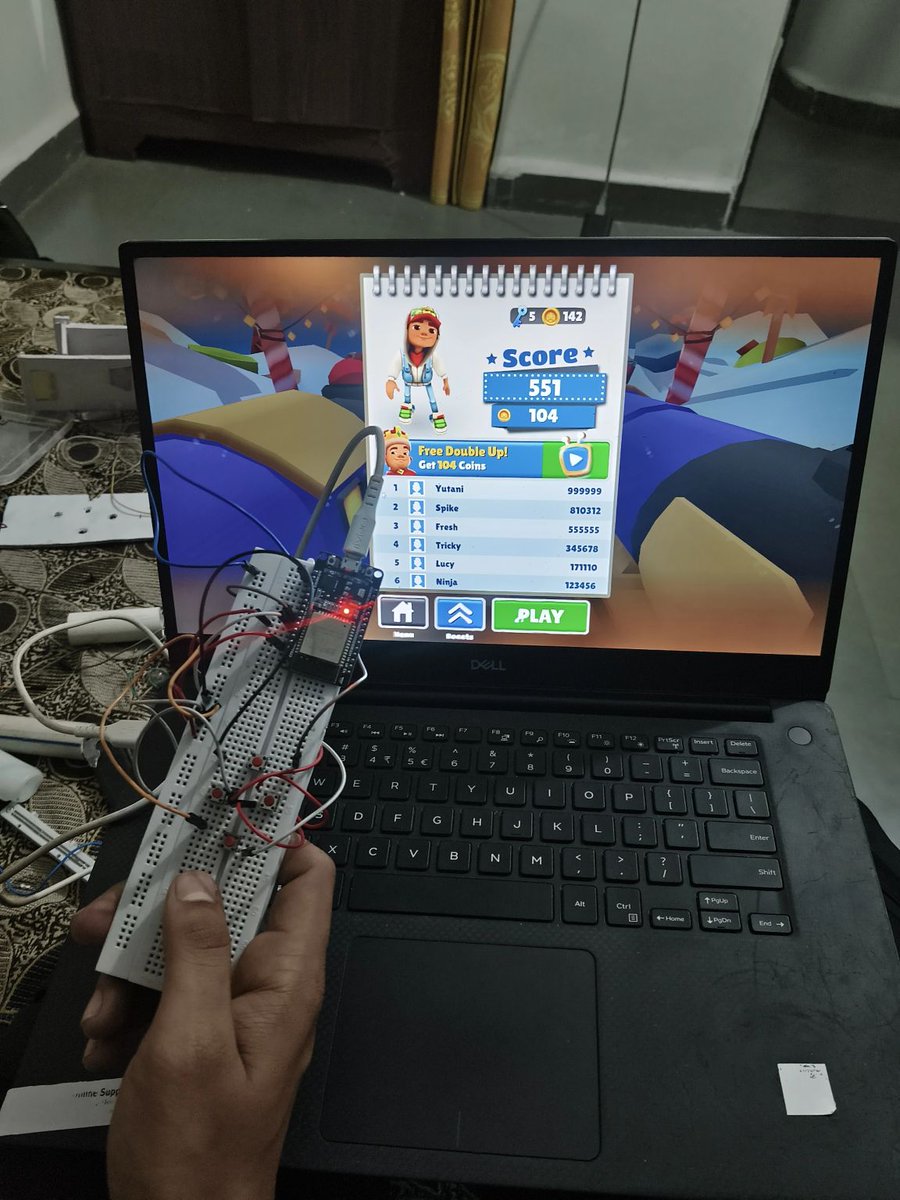
🎮 ESP32 Bluetooth Gaming Controller
This project uses an ESP32 microcontroller to act as a Bluetooth keyboard and control games wirelessly using push buttons. The controller sends keyboard arrow key commands (↑ ↓ ← →) to a laptop through Bluetooth.
🔧 Technologies Used:
• ESP32
• Arduino IDE
• Bluetooth HID Keyboard
• KiCad for circuit design
• Breadboard prototyping
💡 What I Learned:
• ESP32 programming
• GPIO and button interfacing
• Bluetooth communication
• Circuit design and schematic creation
• Debugging hardware and software integration
This project helped me understand how embedded systems, hardware design, and programming work together to create a real-world application.
Looking forward to building more IoT, PCB design, and embedded systems projects.
https://t.co/yUaVkQfGM1
#ESP32 #EmbeddedSystems #ElectronicsEngineering #IoT #PCBDesign #KiCad #Arduino #EngineeringStudent #Bluetooth #TechProjects #ElectricalEngineering


🚗 I Just Completed My Embedded Systems Project — And It Works!
Excited to share that I've successfully built an Adaptive Cruise Control & Accident Detection System from scratch using an ESP32 microcontroller! 🎉
Here's what the completed system does:
🔹 Obstacle Detection — HC-SR04 ultrasonic sensor monitors distance and triggers automatic braking logic
🔹 Crash Detection — MPU6050 accelerometer detects sudden impacts in real time
🔹 Live GPS Tracking — Captures exact location at the moment of an incident
🔹 Emergency SMS Alert — SIM800L GSM module instantly sends location + alert to emergency contacts
What I learned building this:
✅ I2C communication & multi-sensor data fusion
✅ Serial parsing for GPS & GSM modules
✅ Real-time interrupt-driven embedded programming
✅ Debugging hardware-software integration on ESP32
The toughest part? Getting GSM, GPS, and the accelerometer to work simultaneously in real time without conflicts. Solving that was deeply satisfying. 💡
I'm an ECE student at College of Engineering Kallooppara, and this project is part of my journey toward a career in Embedded Systems & IoT.
Open to internship opportunities — let's connect! 🙌
https://t.co/yUaVkQfGM1
#EmbeddedSystems #ESP32 #IoT #Arduino #ProjectComplete #ECE #ElectronicsEngineering #InternshipSearch #MadeInIndia #Innovation

🚀 IoT Weather Monitoring Station using ESP32 🌦️
I recently completed an IoT-based Weather Monitoring Station using ESP32 and simulated the complete system in Wokwi.
📕 https://t.co/yUaVkQfGM1
The objective of this project is to continuously monitor environmental conditions such as temperature and humidity and display the measured values in real time.
🔧 Hardware Used
* ESP32 Development Board
* DHT22 Temperature & Humidity Sensor
* SD1306 OLED Display
⚙️ Working Principle
The DHT22 sensor measures temperature and relative humidity from the surrounding environment. ESP32 reads this sensor data and processes it using embedded C++ code. The processed values are then displayed on an OLED screen through the I2C communication protocol.
📖 Technical Concepts Applied
✅ ESP32 Microcontroller Programming
✅ Sensor Interfacing
✅ I2C Communication Protocol
✅ Real-Time Data Acquisition
✅ OLED Display Integration
✅ Embedded Systems Development
🎯 Key Learning Outcomes
* Understanding of ESP32 architecture and GPIO configuration
* Practical implementation of sensor interfacing techniques
* Working with digital communication protocols (I2C)
* Displaying real-time data on embedded displays
* System simulation and testing using Wokwi
🌍 Real-World Applications
* Smart Agriculture
* Weather Monitoring Stations
* Greenhouse Automation
* Industrial Environment Monitoring
* Smart Home Systems
This project strengthened my fundamentals in Embedded Systems and IoT development and provided hands-on experience in integrating sensors with microcontrollers.
#ESP32 #EmbeddedSystems #IoT #ElectronicsEngineering #ECE

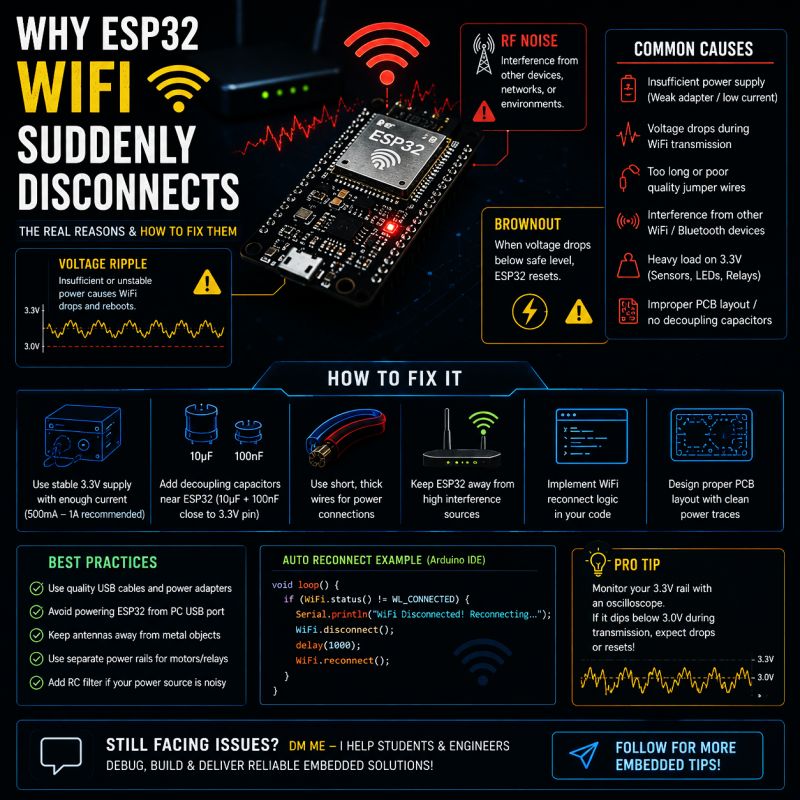
⚠️ Why Does My ESP32 WiFi Suddenly Disconnect?
Your code may NOT be the real problem.
Most ESP32 WiFi failures happen because of:
unstable 3.3V supply
voltage ripple
brownout conditions
RF interference
poor grounding
weak PCB power design
Common symptoms:
❌ Random disconnects
❌ ESP32 auto resets
❌ MQTT reconnect loops
❌ Web server freezing
❌ WiFi drops during motor operation
Here’s what beginners usually miss:
ESP32 draws sudden current spikes during WiFi transmission.
If your regulator, USB cable, or power design cannot handle those transient loads, the voltage dips temporarily.
That triggers:
⚡ Brownout resets
⚡ RF instability
⚡ Communication failures
Industry engineers solve this using:
✔ Proper decoupling capacitors
✔ Stable low-noise regulators
✔ Clean grounding strategy
✔ Short power traces
✔ EMI-aware PCB layout
✔ Separate motor and logic supply
Important Reality:
Wireless embedded systems are extremely sensitive to power integrity.
Stable WiFi starts with stable hardware.
Not just stable firmware.
📘 Full Project Guide:
https://t.co/yUaVkQgeBz
#ESP32 #EmbeddedSystems #IoT #WiFi #Arduino #STM32 #ElectronicsEngineering #PCBDesign #EmbeddedDebugging #IoTProjects
🚀 Understanding the Arduino UNO – The Foundation of Embedded Systems! 🔧💡
Today, I created a detailed infographic explaining the complete pin configuration of the Arduino UNO, one of the most widely used microcontroller development boards for beginners and professionals alike.
The diagram covers:
✅ Digital I/O Pins (D0–D13)
✅ PWM Pins for Motor and LED Control
✅ Analog Input Pins (A0–A5)
✅ Power Supply Pins (5V, 3.3V, GND, Vin)
✅ UART Serial Communication (TX/RX)
✅ USB Programming Interface
✅ Microcontroller Architecture Overview
✅ Pin Functions and Practical Applications
Understanding the pin configuration is the first step toward building exciting projects such as IoT systems, robotics, drones, flight computers, autonomous vehicles, smart agriculture solutions, and industrial automation systems.
As engineers, mastering the fundamentals of hardware interfaces allows us to design more reliable, efficient, and scalable embedded solutions. Every advanced system starts with a strong understanding of its core components.
📚 Learning never stops. Every pin has a purpose, and every project begins with understanding how these pins interact with sensors, actuators, communication modules, and the real world.
📕 https://t.co/FehAXCKPbl
#Arduino #ArduinoUNO #EmbeddedSystems #ElectronicsEngineering #Microcontroller #IoT #Robotics #EngineeringEducation #STEM #Programming #CProgramming #EmbeddedC #HardwareDesign #Innovation #Technology #Learning #EngineeringStudents #Electronics #Automation #TechCommunity #ShivamSingh

🔹 Why ESP32 is a Game-Changer for IoT Projects 🔹
As an Electronics & Communication Engineering student, I've explored different microcontrollers, and the ESP32 stands out for IoT applications.
✅ Built-in Wi-Fi and Bluetooth
✅ Dual-core processor for better performance
✅ More GPIO pins and memory
✅ Cost-effective for both learning and real-world projects
One of the biggest lessons I've learned is that choosing the right controller can significantly reduce development time and improve project efficiency.
Whether you're building smart home systems, automation projects, or wireless monitoring solutions, ESP32 is an excellent platform to start with.
💡 What is your favorite microcontroller for embedded and IoT projects?
📕 https://t.co/yUaVkQfGM1
#ESP32 #IoT #EmbeddedSystems #ElectronicsEngineering #ECE #Microcontroller #EngineeringStudents #TechInnovation #Arduino #LearningJourney

One of the core fundamentals of automation engineering is understanding relay modules and how they interact with microcontrollers.
This schematic illustrates a smart relay control system utilising sensor triggering and microcontroller logic for real-world automation applications. 🤖
Automation starts where hardware meets smart control. 🚀
📕 https://t.co/yUaVkQfGM1
#Automation #RelayModule #IoT #EmbeddedSystems #Arduino #ESP32 #ElectronicsEngineering

Recently worked with multiple sensors using ESP32 and tested their interfacing and monitoring functionalities.
Implemented and tested:
• Ultrasonic Sensor
• LDR Sensor
• MQ2 Sensor
• 5-Channel IR Sensor Array
Also worked on OLED interfacing, buzzer/LED alerts, and motor driver interfacing with ESP32.
Source code and implementations are available on my GitHub repository:
https://t.co/GeZdhvvKF0
📕 https://t.co/yUaVkQgeBz
#EmbeddedSystems #ESP32 #EmbeddedC #IoT #ElectronicsEngineering

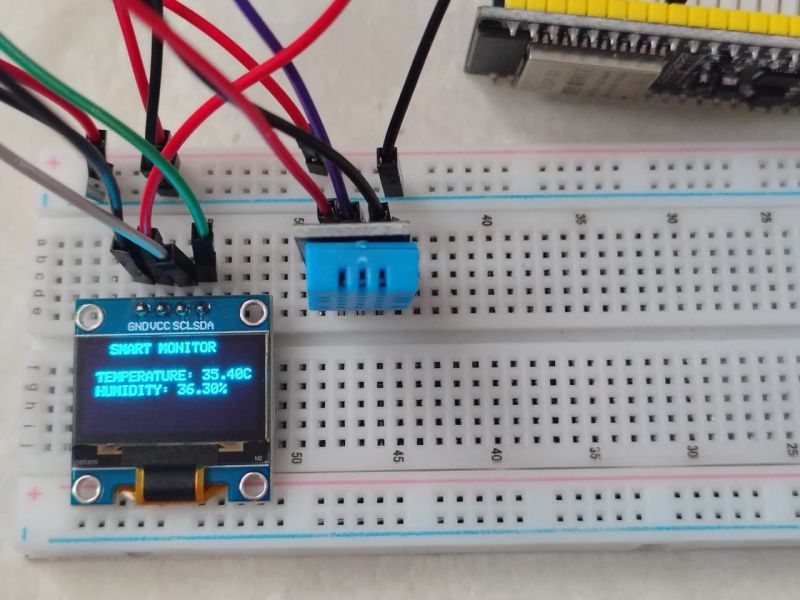


What’s the toughest environment your project has faced?
PCB support: https://t.co/OV5gRu2W5K
#PCB #PCBManufacturing #PCBFabrication #ElectronicsEngineering

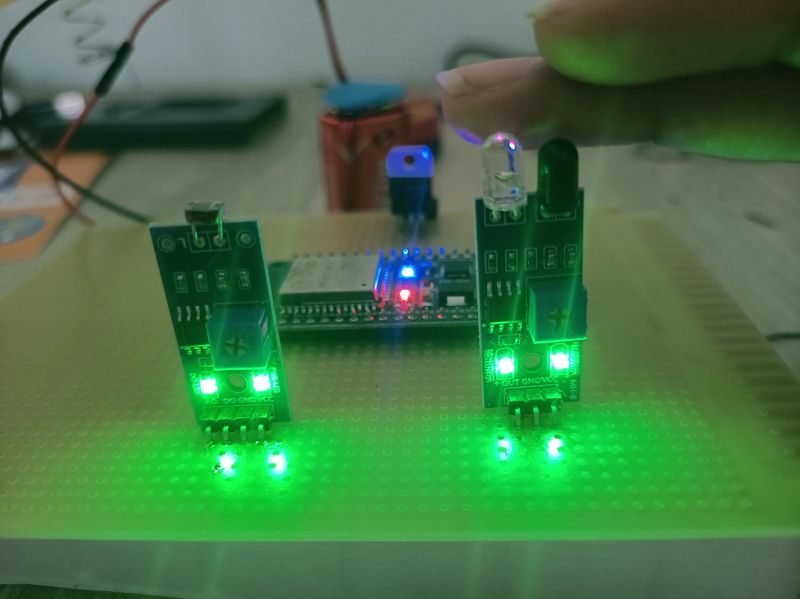
If roads are empty for long durations at night, why should electrical energy continue to be wasted unnecessarily?
That one question became the foundation of our mini academic project: Smart Street Light System Using ESP32.
But our project was not just another basic automatic street light model.
Instead of simply turning lights ON during nighttime, our system works using a dual-condition automation approach:
• LDR sensor detects strong light intensity such as vehicle headlights
• IR sensor detects vehicle or human movement
• ESP32 processes both conditions together before activating the onboard LED
In simple words, the system responds only when required instead of operating continuously.
Working on this mini project helped me understand that embedded systems are not only about hardware connections or coding — they are about designing systems that can sense, process, and make intelligent decisions in real time.
The presentation and viva experience made this project even more valuable for me. Explaining the logic, answering technical questions, and discussing practical limitations helped strengthen my conceptual understanding of embedded systems and automation.
Grateful to my teammates Tanvi Jadhav and Sanskruti Fargade for the teamwork and support throughout the project.
A small academic project — but an important learning step toward my journey in embedded systems, VLSI, and semiconductor technology.
📕 https://t.co/yUaVkQgeBz
#EmbeddedSystems #ESP32 #IoT #EngineeringStudent #SmartAutomation #VLSI #Semiconductor #ElectronicsEngineering
🔵 Arduino (ATmega328P)
Architecture:
8-bit AVR microcontroller (simple and beginner-friendly)
Clock Speed:
16 MHz
Memory:
2 KB RAM / 32 KB Flash
Connectivity:
No built-in Wi-Fi or Bluetooth (requires external shields)
Voltage:
5V (very compatible with many common sensors)
Analog Read (ADC):
10-bit (stable and reliable)
PWM Channels:
6 channels
Multitasking:
Runs sequential code (one task at a time)
OTA Updates:
USB only
Security:
No built-in hardware encryption
✅ Best For:
•Beginners
•Learning embedded systems fundamentals
•Robotics without internet
•Projects needing stable analog readings
⚡ Why Choose Arduino?
It’s simple, stable, and easier to understand at a foundational level. If your goal is to truly learn how microcontrollers work from the ground up, Arduino is often the better starting point.
📕 https://t.co/FehAXCKPbl
🟣 ESP32 (Dual-Core)
Architecture:
32-bit dual-core processor (powerful and modern)
Clock Speed:
Up to 240 MHz
Memory:
Around 520 KB RAM / 4 MB Flash (varies by board)
Connectivity:
Built-in Wi-Fi and Bluetooth
Voltage:
3.3V (modern but more sensitive)
Analog Read (ADC):
12-bit (more precise but can be noisy, especially when Wi-Fi is active)
PWM Channels:
Up to 16 channels
Multitasking:
Supports FreeRTOS (can run multiple tasks simultaneously)
OTA Updates:
Over-the-air updates via Wi-Fi
Security:
Hardware encryption and secure boot
⚠️ Important Notes:
•Wi-Fi can introduce noise in analog readings
•Some boot pin quirks (like GPIO 0 and 2)
•Slightly more complex to configure
✅ Best For:
•IoT projects
•Automation systems
•Web servers
•Advanced and connected applications
⚡ Why Choose ESP32?
It’s powerful, fast, and built for modern connected devices. If your focus is IoT, wireless communication, or more advanced multitasking systems, ESP32 is the stronger choice.
🎯 So Which Should You Learn First?
•If you’re a complete beginner → Start with Arduino.
•If you want Wi-Fi/Bluetooth and IoT from the start → Go with ESP32.
•If you want to master fundamentals first, then scale up → Learn Arduino, then move to ESP32.
📕 https://t.co/yUaVkQfGM1
#Arduino
#ESP32
#EmbeddedSystems
#IoT
#InternetOfThings
#Microcontrollers
#ElectronicsEngineering
#Robotics
#HardwareDevelopment
#Firmware
#TechEducation
#EngineeringStudents
#STEM
#Innovation
#TechCommunity

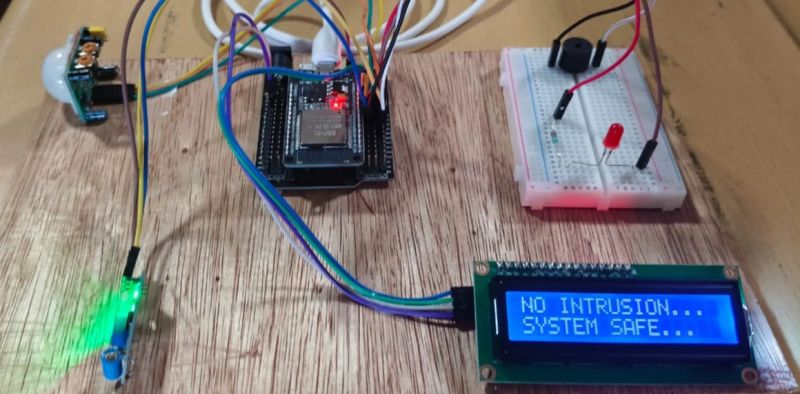
Smart Border Intrusion Detection Network
I developed a low-cost, real-time intrusion detection system designed to secure restricted areas using a combination of motion and vibration sensing technologies.
Key Features:
• Motion detection using a PIR sensor
• Ground vibration monitoring with SW-420 sensor
• Real-time alerts via LCD display
• Instant feedback through buzzer and LED indicators
• Optimized detection logic using edge detection and cooldown mechanisms to minimize false alarms
What I Learned:
• Integrating and calibrating multiple sensors
• Handling environmental noise and reducing false triggers
• Designing embedded systems using ESP32
• Writing efficient, reliable microcontroller code
Technologies Used:
ESP32 | Embedded C | Arduino IDE | Sensors | I2C LCD
This project demonstrates how affordable embedded systems can be leveraged to build practical and scalable security solutions for real-world applications.
📕 https://t.co/yUaVkQgeBz
#EmbeddedSystems #IoT #ESP32 #ElectronicsEngineering #EngineeringProjects #Innovation #SmartSystems


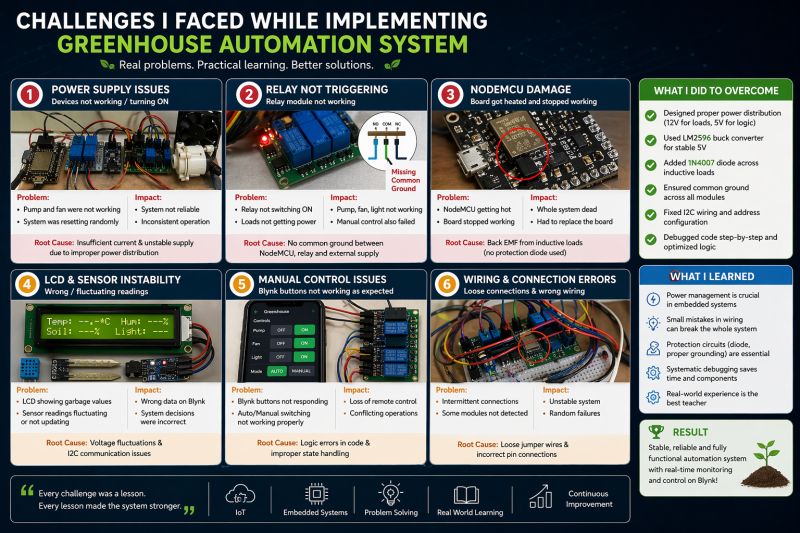
🚀 Greenhouse Automation System | IoT Project
I am currently developing an IoT-based Greenhouse Automation System using NodeMCU (ESP8266), sensors, relay modules, and the Blynk platform for real-time monitoring and control.
During implementation, I have faced several practical challenges:
⚡ Power supply instability causing pump and fan failure
🔌 Improper grounding between multiple power sources
📟 LCD display showing garbage values due to I2C issues
📡 Blynk manual control not responding correctly
I am resolving these by:
✔ Designing a proper power distribution with separate regulated supplies
✔ Implementing a common ground across all modules
✔ Correcting I2C wiring and address configuration
✔ Debugging control logic for seamless AUTO/MANUAL operation
💡 Key Learnings:
• Importance of stable power design in embedded systems
• Real-world debugging of hardware + software integration
• Practical IoT system design and control logic
• Safe handling of relay-based high-power devices
This ongoing project is strengthening my understanding of embedded systems, power electronics, and real-time IoT control, with applications in automation and EV systems.
📕 https://t.co/ZsHWCRWuYz
#EmbeddedSystems #IoT #InternetOfThings #SmartAutomation #HardwareDesign #ElectronicsEngineering #NodeMCU #ESP8266 #BlynkApp #GreenhouseAutomation #SmartFarming #AgriTech #PowerElectronics #SensorTechnology #TechProject #EngineeringLife #Innovation #AutomationProject
Audio Display & Monitoring System
I built a small system that listens to sound and shows it on a screen in real time. It uses a microcontroller to take audio signals and turn them into a simple visual display.
The system reads sound from an input, processes it, and shows the result on a TFT screen. You can see signal levels and different input options on the display. This is similar to how audio systems show sound activity in real life.
Main Features:
- Shows audio signals in real time
- Simple and clear display on a TFT screen
- Reads and handles analog audio input
- Combines hardware and display into one system
Tools Used:
- Arduino microcontroller
- TFT display
- Audio input circuit
- Embedded C/C++
This project shows how to build a complete system that can sense sound, process it, and display it, instead of just doing simple input/output tasks.
📕 https://t.co/FehAXCKPbl
#EmbeddedSystems #Arduino #IoT #ElectronicsEngineering #Microcontroller #HardwareProjects #TFTDisplay #EngineeringProjects #STEMProjects #TechInnovation #EmbeddedDesign #DIYElectronics

Excited to share my latest IoT project: A Real-Time Smart Inventory System!
As part of my final year exploration into Embedded Systems, I’ve developed a Smart Inventory Monitoring System using the ESP32 and Blynk IoT platform.
In this project, I focused on creating a seamless bridge between hardware and the cloud. Since physical hardware isn't always accessible, I utilized the Wokwi simulation platform to design and test the entire circuit.
Key Technical Highlights:
Real-Time Monitoring: Integrated an HC-SR04 Ultrasonic sensor to track stock levels and a potentiometer to simulate weight data.
Cloud Integration: Developed a live dashboard on Blynk IoT for remote data visualization.
Edge Feedback: Implemented an I2C LCD for local status updates and a buzzer-based alert system for low-stock scenarios.
Logic: Built using C++ within the Arduino framework.
This project sharpened my skills in sensor interfacing, cloud communication, and virtual prototyping.
Check out the code and simulation layout on my GitHub:
https://t.co/0VCMdFJY61
🔥 Top 6 ESP32 eBooks
https://t.co/MvafQvlo0S
#IoT #ESP32 #EmbeddedSystems #ElectronicsEngineering #Blynk #Wokwi #Innovation #SmartInventory
Arduino vs ESP32: Most People Choose Wrong 🧠⚡
I’ve seen many students and engineers pick a microcontroller based on hype.
That’s where things go wrong.
There is no “best” board — only the right tool for your project.
🔹 Arduino Uno— Best for learning fundamentals.
🔹 ESP32— Built for real-world IoT systems.
From my experience:
I started with Arduino to truly understand how things work.
But today, I use ESP32 for most of my projects — because in 2026, connectivity is no longer optional.
💡Simple rule:
Arduino → Basics, sensors, control systems
ESP32 → IoT, automation, smart devices
The best engineers don’t just build.
They choose the right tools.
👉What do YOU prefer — Arduino or ESP32?
Drop your experience below 👇
🔥 Top 6 ESP32 eBooks
https://t.co/MvafQvkQbk
🔥 Top 6 Arduino eBooks V1
https://t.co/Inw3Zh8dgq
#IoT #EmbeddedSystems #Arduino #ESP32 #ElectronicsEngineering #Microcontrollers #HardwareDevelopment #EngineeringStudents #TechProjects #Innovation

🚀 Arduino Based Water Cooler Auto-Fill System
I recently designed a smart embedded system that automatically fills a water cooler tank using water level detection.
⚙ Technologies & Components Used
• Arduino Uno
• Ultrasonic Sensor (HC-SR04)
• L298N Motor Driver
• DC Motor Valve
• Embedded C (Arduino IDE)
💡 Applications
• Automatic water coolers
• Smart water tank systems
• Industrial liquid level monitoring
• Smart irrigation systems
This project demonstrates how embedded systems and sensors can automate everyday tasks efficiently.
🔥 Top 6 Arduino eBooks V1
https://t.co/XaKuVoaDGM
#Arduino #EmbeddedSystems #ElectronicsEngineering #IoT #Automation #EngineeringProjects #STEM #Innovation

📸 ESP32-CAM: Small Board, Big Vision in IoT & AI!
The ESP32-CAM has become one of the most powerful low-cost modules for IoT developers who need camera capability, Wi-Fi connectivity, and edge AI processing — all in one tiny board.
This module features the ESP32-S SoC + OV2640 camera, making it perfect for visual monitoring, automation, and AI-powered sensing.
🔍 Key Features
🔹 OV2640 camera (1600×1200 resolution)
🔹 Wi-Fi + Bluetooth support
🔹 On-board face detection & face recognition
🔹 MicroSD card storage
🔹 Ultra low power for battery-based IoT
🔹 Programmable using Arduino IDE / MicroPython
🌍 Real IoT Use Cases
🔸 Smart surveillance & home security
🔸 Smart doorbell with face recognition
🔸 Wildlife camera traps
🔸 Object detection for agriculture
🔸 Robot vision systems
🔸 Edge analytics with cloud upload
🔸 Periodic image monitoring for automation
The combination of camera + Wi-Fi + AI makes ESP32-CAM a complete solution for small, powerful, real-time IoT vision systems.
Would you like me to share an example project tutorial for ESP32-CAM? 👇🙂
🔥 Top 6 ESP32 eBooks
https://t.co/Kyt8ZzFBCY
#ESP32CAM #IoT #EmbeddedSystems #AIoT #EdgeComputing #ESP32 #Arduino #MicroPython #Robotics #SmartHome #CCTV #ElectronicsEngineering #TechInnovation #SecuritySystems


Congratulations my beloved son #Sarangjani on graduation now you’re #ElectronicsEngineer, I’m so happy and proud of you stay blessed.


Our team is expanding and we need sharp minds with innovative solutions!
We're looking for ambitious individuals to join us in creating electronic systems, embedded software or FPGA from the ground up
https://t.co/efKqqlGYff
#ITDev #FPGA #SoftwareEngineer #ElectronicsEngineer


Completed diploma in Engineering at SSM Polytechnic College , Tirur.
The greatest three years of Life
#SSMPTC
#ElectronicsEngineer

Last Seen Hashtags on Sotwe
ديوث
Seen from Jordan
pelaeconomianacional
Seen from United States
megop
Seen from Dominican Republic
snapchat
Seen from United States
bonneschansons
Seen from South Africa
lindamartinezlewi
Seen from Ecuador
本当によく食べます
Seen from United Kingdom
nasty hoe
Seen from United States
gayporn #edit
Seen from Brazil
bigboobs
Seen from Saudi Arabia
Most Popular Users

Elon Musk 
@elonmusk
239.6M followers

Barack Obama
@barackobama
118.6M followers

Cristiano Ronaldo
@cristiano
114.3M followers

Donald J. Trump
@realdonaldtrump
111.7M followers

Narendra Modi
@narendramodi
106.9M followers

Rihanna
@rihanna
98.6M followers

NASA
@nasa
92.1M followers

Justin Bieber
@justinbieber
91.7M followers

KATY PERRY
@katyperry
89.9M followers

Taylor Swift
@taylorswift13
83.9M followers

Lady Gaga
@ladygaga
75.4M followers

Virat Kohli
@imvkohli
73.3M followers

Kim Kardashian
@kimkardashian
70.8M followers

YouTube
@youtube
68.6M followers

Neymar Jr
@neymarjr
66.3M followers

Bill Gates
@billgates
65.1M followers

Selena Gomez
@selenagomez
63M followers

The Ellen Show
@theellenshow
62.1M followers

CNN
@cnn
61.7M followers

X
@x
60.6M followers