

Top Tweets for #EmfSafety

⚡ "Electromagnetic Fields in Bioengineering: Advancing the One Health Paradigm" is open for submissions!
🕑 Deadline: 31 January 2027
🎉 Submit your research now!
🔗 https://t.co/a2HWoU1com
#ComputationalModelling #MachineLearning #EMFSafety


A tool's sensitivity is revealed: a white light signals 'hot-or-not,' while simultaneous use with a meter shows increased kV readings due to proximity. #TechDemo #EMFSafety

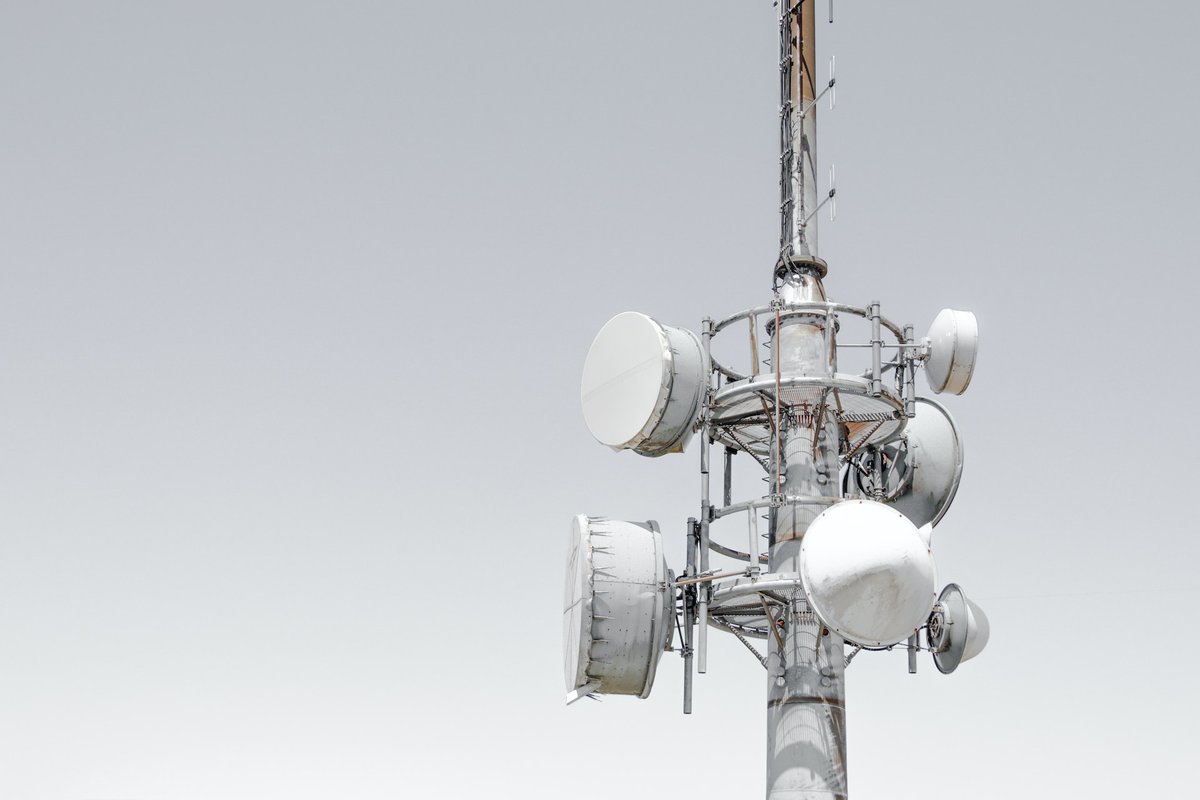
EMF radiation testing at the BTS site in Soami Nagar, Delhi has been successfully conducted in compliance with Dot India safety norms on 28.04.2026.
Citizens can also check EMR levels of mobile towers anytime on the Tarang Sanchar Portal: https://t.co/vArEbu055i. #EMFSafety


From Camels to smartwatches.
Doctors still know best… right?
https://t.co/dm2k7d6wZC
#EMFProtect #EMFSafety #HealthyLiving


Wireless smart meter signals are rapidly filling our spaces. Should we be concerned? Check out my new video where I discuss this subject is great detail. #5G #EMF #EMFsafety #EMFprotection https://t.co/R8Q6icmNhB via @YouTube

"Mobile towers in India are fully safe. DoT follows EMF limits that are 10 times stricter than global standards. Let’s trust facts, not fear."
@DGT_HQ @DoT_India
#DoTIndia #EMFSafety #DigitalSafety #MobileTowerFacts #RadiationAwareness #DigitalIndia #SafeConnectivity

📱 Samsung Galaxy S24 Plus — EMF/SAR
Cell-only SAR: Head 1.16 W/kg, Body 1.14 W/kg, Hotspot 1.35 W/kg
Simultaneous (cell + Wi-Fi) SAR: Head 1.34 W/kg, Body 1.55 W/kg, Hotspot 1.55 W/kg
https://t.co/l65K6CBiO0
@RFSafe #RFSafe #SAR #EMFsafety #TruthCase

EMFs are invisible threats. The EMFDEFENSE™ Sticker helps protect your energy & focus.
Try it here: https://t.co/hGSitPItd7
#EMFSafety #RadiationBlocker
HealthGadget
EMFDefense


Incredible conversation rooted in innovation! 🌟 Exciting to see wellness and technology come together to optimize our experiences! #WellnessInnovation #EMFSafety

A conversation rooted in innovation—Ryan Tanke, COO of the Timberwolves & Lynx, and Aires CEO Josh Bruni discuss the journey that led to the first-ever EMF-friendly arena in history.
A moment 30+ years in the making, sparked by one question:
How can we work with EMF to optimize wellbeing?
The future of wellness in public spaces starts here. #AiresCertified #EMFFriendly

Debunking EMF Myths: Are Higher Power Levels a Game-Changer for 5G Coverage and Health Risks? https://t.co/5EJ3JQAjiG
#Telecom #5G #EMF #TelecomRegulations #TechPolicy #5GNetwork #DigitalIndia #EMFSafety

🚨 Stop Risking Your Safety! 🚨
Your smartphone might be emitting harmful EMF
radiation – linked to headaches, anxiety, & fatigue.
Protect yourself NOW.
Don’t wait until it’s too late!
👉 safeguard your health! 🔗 ➡️ https://t.co/raDIOqCcMt
#EMFSafety #iPhone16


🛑 Don't let people like Frank de Vocht, who is linked to the industry-driven ICNIRP, fool you into thinking RF radiation is safe! The science says otherwise, and it’s time for global guidelines to reflect the reality. #WirelessDangers #RFsafe #EMFSafety
Frank de Vocht and The ICNIRP’s Flawed View on Wireless Radiation: Ignoring the Risks that Affect Millions
Since the establishment of its guidelines in 1998, the International Commission on Non-Ionizing Radiation Protection (ICNIRP) has held firm to the belief that radiofrequency radiation (RFR) only poses health risks through tissue heating. For over two decades, ICNIRP’s stance has served as the foundation for global safety standards on wireless radiation exposure.
However, this position ignores the growing body of scientific research demonstrating that non-thermal biological effects are a serious public health concern. Researchers, such as Frank de Vocht, an epidemiologist who has close ties to ICNIRP, continue to support this outdated paradigm, perpetuating an industry-friendly narrative that disregards significant evidence of non-thermal harm.
Frank de Vocht: A Key Player in ICNIRP’s Approach
Frank de Vocht, a prominent epidemiologist with over 170 peer-reviewed publications, has significant influence in shaping public perception of RFR safety. His work, often aligned with ICNIRP’s position, downplays the potential risks of RF exposure from wireless devices, particularly the non-thermal effects that pose the greatest long-term dangers. De Vocht’s close association with ICNIRP has led to concerns about potential conflicts of interest, especially given the commission’s reputation for favoring industry-friendly policies. Critics argue that de Vocht and others in ICNIRP are complicit in dismissing valid scientific concerns to protect wireless industry profits, rather than prioritizing public health.
The Outdated ‘Heating-Only’ Standard
ICNIRP’s guidelines hinge on the principle that RFR only causes harm through thermal effects—heating of biological tissue. This narrow focus has been the cornerstone of global wireless radiation policies, but it fails to account for the numerous studies showing biological effects without significant temperature increases. Non-thermal effects, such as oxidative stress, DNA damage, and disruptions to cellular function, have been documented in thousands of studies over the years. These effects have been linked to serious health issues like cancer, infertility, and neurological disorders, raising alarms about the true scope of RFR’s impact on human health.
By continuing to uphold the thermal-only standard, ICNIRP and researchers like Frank de Vocht are ignoring the vast amount of scientific evidence pointing to non-thermal biological risks. This approach leaves the public vulnerable, especially as wireless technology becomes more ingrained in daily life.
The National Toxicology Program (NTP) and Ramazzini Institute Findings
Perhaps the most damning evidence against ICNIRP’s stance comes from two large-scale animal studies: the National Toxicology Program (NTP) study in the United States and the Ramazzini Institute (RI) study in Italy. These independent studies found clear evidence that RFR exposure leads to the development of cancer in rats, specifically gliomas (brain cancer) and schwannomas (tumors of the heart). The NTP study, which cost $30 million and spanned over a decade, exposed rats to RFR levels similar to those emitted by cell phones. The findings were unequivocal: RFR causes cancer.
The Ramazzini Institute study, conducted at much lower exposure levels comparable to those experienced by people living near cell towers, replicated the NTP’s results. This further reinforced the conclusion that RF radiation can induce cancer, even at low levels of exposure. What’s more, the tumors observed in rats had significant morphological similarities to those found in humans, underscoring the relevance of these findings to public health policy.
Despite these groundbreaking findings, ICNIRP and its affiliates have consistently downplayed or outright dismissed the results. In doing so, they’ve ignored evidence that should have prompted an immediate reevaluation of global safety standards.
Frank de Vocht’s Role in Downplaying the Risks
De Vocht’s public statements and research have played a critical role in supporting ICNIRP’s continued reliance on outdated thermal standards. He has been vocal in dismissing the significance of studies like the NTP and Ramazzini Institute, claiming that they are insufficient for driving policy changes. In a recent exchange, de Vocht expressed that it was “completely inappropriate” to make policy recommendations based on isolated studies, no matter how significant the findings were. This dismissive attitude raises questions about whether de Vocht’s allegiance lies with the protection of public health or the interests of the wireless industry.
De Vocht’s involvement with ICNIRP has led many to question his objectivity. ICNIRP has long been criticized for its ties to the telecommunications industry, with investigative reports revealing that some of its members have close relationships with industry stakeholders. This form of regulatory capture—where those responsible for setting safety standards are influenced by the very industries they are supposed to regulate—has led to a dangerous disconnect between scientific evidence and public policy.
Regulatory Capture: A Threat to Public Health
ICNIRP’s influence over global wireless radiation policies is vast, but its credibility has been called into question due to allegations of regulatory capture. Organizations like ICNIRP, which provide scientific advice to bodies such as the World Health Organization (WHO) and the Federal Communications Commission (FCC), have been accused of putting industry interests ahead of public safety.
Investigative reports have highlighted potential conflicts of interest within ICNIRP, noting that many of its members have financial or professional ties to the telecommunications industry. These affiliations raise serious concerns about the objectivity of the commission’s guidelines, especially when evidence of non-thermal biological effects is growing by the day.
This regulatory capture has led to the perpetuation of outdated safety standards that fail to protect the public from the real risks of RFR exposure. By maintaining the heating-only standard, ICNIRP allows the wireless industry to continue expanding without having to address the true health impacts of its products.
The Dangers of Ignoring Non-Thermal Effects
The consequences of ignoring non-thermal biological effects are dire. The public is exposed to RFR on a daily basis, from cell phones, Wi-Fi routers, and other wireless devices. Vulnerable populations, such as children and pregnant women, are particularly at risk. Children absorb more radiation than adults due to their thinner skulls and smaller bodies, making them more susceptible to the potential harms of RFR exposure.
Studies have shown that non-thermal effects can lead to long-term health problems, including cancer, neurological disorders, and reproductive harm. The evidence is clear: RF radiation affects biological systems in ways that go far beyond tissue heating. Yet, ICNIRP continues to insist that these effects are not significant enough to warrant changes to safety guidelines.
This stance is not only scientifically irresponsible—it’s dangerous. As more and more people are exposed to wireless radiation, the potential for long-term health consequences grows. The refusal to update safety standards in light of new research puts millions of lives at risk.
A Call for Updated Guidelines and Transparency
It’s clear that ICNIRP’s guidelines are woefully inadequate in today’s world. The commission’s refusal to acknowledge the risks associated with non-thermal effects has left the public unprotected. There is an urgent need for updated safety standards that reflect current scientific understanding of how RFR interacts with biological systems.
To achieve this, we must demand greater transparency from organizations like ICNIRP. Regulatory agencies must disclose any conflicts of interest and ensure that their guidelines are based on independent, unbiased research. The public deserves to know whether the safety standards that govern their daily lives are influenced by industry interests.
Additionally, more funding must be allocated to independent research on the health effects of RFR. Studies like those conducted by the NTP and Ramazzini Institute have provided invaluable insights into the dangers of RFR exposure, but further research is needed to fully understand the long-term effects.
Holding ICNIRP Accountable
The evidence against ICNIRP’s thermal-only standard is overwhelming. Studies from reputable institutions like the NTP and Ramazzini Institute have shown clear links between RFR exposure and cancer, yet ICNIRP continues to cling to outdated safety guidelines. Researchers like Frank de Vocht, with ties to ICNIRP, play a critical role in perpetuating this flawed narrative, downplaying the risks and allowing the wireless industry to expand unchecked.
As a result, millions of people remain vulnerable to the potential harms of RFR exposure. It’s time to hold ICNIRP and its affiliates accountable for their role in maintaining inadequate safety standards. Public health must come before industry profits, and that means updating global wireless radiation guidelines to reflect the latest scientific research.
If regulatory agencies fail to act, they will be complicit in the health crises that follow. We cannot afford to wait any longer—the time for change is now. Public awareness, transparency, and independent research are the keys to ensuring that wireless technology can continue to advance without putting lives at risk.
Final Thoughts
In light of these revelations, it’s crucial that the public remains informed about the potential dangers of RFR exposure and skeptical of any guidelines that fail to account for non-thermal biological effects. Protecting your family from the risks of wireless radiation means staying educated, advocating for updated safety standards, and demanding accountability from organizations like ICNIRP that have the power to shape global health policies.

🎧 HEADPHONES 🎵
Training without music builds mental strength and focus, enhancing workout performance. Plus, skipping headphones reduces EMF exposure for a safer, more mindful exercise routine.
#mentalfocus #workout #exercise #training #EMF #EMFSafety

There have been some interesting connections made with EMF, the gut microbiome, & Lyme Disease! Check out the blog to read more about what the research is saying! #emfsafety #lymedisease #emfandlyme #lyme #lymediseaseawareness #emfs
👉 https://t.co/4MgMG3XoCS

Samsung Galaxy S24 Ultra Specs and SAR Level Review
When considering the safety of smartphone use, understanding the Specific Absorption Rate (SAR) values is crucial. SAR measures the rate at which the body absorbs RF energy from devices
Full Review https://t.co/3z4idF3nuE


Protect yourself from EMF radiation by keeping your phone out of your pocket. Your health matters! 📵💪 #EMFSafety #HealthyLiving #EMFProtection #PhoneSafet

House hunting? Did you know you should consider EMF radiation proximity? 🏡 Experts suggest a safe distance from cell towers is about half a mile. Use https://t.co/6NjewSY5m6 to check for nearby towers. Prioritize EMF safety. #TakeBackOurTech #EMFSafety
The new Safe and Sound Pro mmWave meter is the ultimate solution for measureing high-band 5G signals.
Preorder now!
https://t.co/WpuA1jbAUs
#EMF #EMFMeter #EMFSafety #5G #5GMeter

Don't let electromagnetic fields and data breaches ruin your day! Protect your cell phone with a durable and convenient OffGrid Faraday duffel bag.
#faradaybag #cellphoneprotection #EMFsafety #datasecurity #commutersolutions #traveltech

Last Seen Hashtags on Sotwe
femdom #genshin
Seen from Japan
แนวบ้านๆ
Seen from Thailand
Teenage()* +filter:native_video
Seen from Colombia
momsoN filter:videos
muğlaescort
Seen from Turkey
รับงานลาดปลาเค้า
Seen from Thailand
omegle
Seen from Switzerland
real #taboo
Seen from Turkey
nolimits()
Seen from United States
بنورك
Seen from United States
Trends for you
Most Popular Users

Elon Musk 
@elonmusk
241.2M followers

Barack Obama
@barackobama
119.1M followers

Cristiano Ronaldo
@cristiano
112.9M followers

Donald J. Trump
@realdonaldtrump
111.8M followers

Narendra Modi
@narendramodi
107.1M followers

Rihanna
@rihanna
98.3M followers

NASA
@nasa
92.3M followers

Justin Bieber
@justinbieber
91.5M followers

KATY PERRY
@katyperry
89M followers

Taylor Swift
@taylorswift13
82.9M followers

Lady Gaga
@ladygaga
74.4M followers

Virat Kohli
@imvkohli
71.9M followers

Kim Kardashian
@kimkardashian
70.4M followers

YouTube
@youtube
68.8M followers

Neymar Jr
@neymarjr
64.9M followers

Bill Gates
@billgates
64.6M followers

The Ellen Show
@theellenshow
62.4M followers

Selena Gomez
@selenagomez
62.1M followers

CNN
@cnn
61.8M followers

X
@x
60.8M followers