

Top Tweets for #Expertenmanagement

Soirée #Mathèseen180secondes à l’@UnivAngers avec 4 candidats qui partagent avec le public présent et à distance leurs recherches. Parmi eux, Samira Hanna, doctorante à l’@IAEAngers et au laboratoire #GRANEM
#Recherche #Expertenmanagement
@IAEFRANCE


@Neolithe_FR @FondationUA @UnivAngers @IAEAngers @VirginieRaisson La soirée de la @FondationUA se poursuit avec la présentation des #Chaires de l’#UA, et notamment la Chaire #RèglesEtMarchés portée par Lionel Escaffre et la Chaire #AAPRO portée par @pantinsohier de l’@IAEAngers
#ExpertEnManagement @UnivAngers @IAEFRANCE #RSE #espritiae


📱 Zoom sur l'addiction TikTok, le snack et crack numérique avec Maria Guérin @mercantiguerin @iaeparis @IQSOG > https://t.co/x5xsUSmh18
#numérique #réseauxsociaux #addiction #TikTok

[✉️🖋️📝]
The interview with Géraldine Michel (@michelbranding), Professor and Director of Research at IAE Paris Sorbonne, delves into the theme of brands and their values, highlighting the challenge of sincerity and commitment.
Géraldine Michel emphasizes that brands are at the center of many debates, in part because some of them are accused of cheating and dishonesty, which tarnishes their image.
However, Géraldine reminds us that at their core, brands should reflect the values of the company that carries them. She gives the example of @Michelin, a company that has supported its employees and made positive contributions on a social and cultural level.
She points out that brands can be beneficial to society when they are championed by leaders and founders who advocate for causes and values. She indicates that the current social and societal context is favorable to brands that engage authentically.
Géraldine Michel mentions that research can play a significant role in helping brands understand how to be authentic and support causes without resorting to opportunistic practices.
She discusses the rise of the "second-hand" market in consumption but cautions that this can sometimes encourage people to buy new rather than used. Research can help understand these dynamics.
Géraldine Michel emphasizes that brands should go beyond merely selling products. They should engage in causes, big or small, to have a real impact and be meaningful.
She encourages brands to occasionally disobey in order to uphold values, even if it means losing customers. She believes that brands are meaningful when they are willing to swim against the tide and advocate for causes that mobilize communities.
She concludes by explaining that brand management is not limited to traditional marketing. It's the ability to rally crowds by defending values and causes that resonate with a community.
In summary, Géraldine Michel underscores the importance for brands to be sincere and committed to authentic causes in order to garner consumer support and have a positive impact on society.
To watch the full interview:
📲 https://t.co/rcQXv8ODXD
![La_RAVS's tweet photo. [✉️🖋️📝]
The interview with Géraldine Michel (@michelbranding), Professor and Director of Research at IAE Paris Sorbonne, delves into the theme of brands and their values, highlighting the challenge of sincerity and commitment.
Géraldine Michel emphasizes that brands are at the center of many debates, in part because some of them are accused of cheating and dishonesty, which tarnishes their image.
However, Géraldine reminds us that at their core, brands should reflect the values of the company that carries them. She gives the example of @Michelin, a company that has supported its employees and made positive contributions on a social and cultural level.
She points out that brands can be beneficial to society when they are championed by leaders and founders who advocate for causes and values. She indicates that the current social and societal context is favorable to brands that engage authentically.
Géraldine Michel mentions that research can play a significant role in helping brands understand how to be authentic and support causes without resorting to opportunistic practices.
She discusses the rise of the "second-hand" market in consumption but cautions that this can sometimes encourage people to buy new rather than used. Research can help understand these dynamics.
Géraldine Michel emphasizes that brands should go beyond merely selling products. They should engage in causes, big or small, to have a real impact and be meaningful.
She encourages brands to occasionally disobey in order to uphold values, even if it means losing customers. She believes that brands are meaningful when they are willing to swim against the tide and advocate for causes that mobilize communities.
She concludes by explaining that brand management is not limited to traditional marketing. It's the ability to rally crowds by defending values and causes that resonate with a community.
In summary, Géraldine Michel underscores the importance for brands to be sincere and committed to authentic causes in order to garner consumer support and have a positive impact on society.
To watch the full interview:
📲 https://t.co/rcQXv8ODXD](https://pbs.twimg.com/media/F9hAc0yXgAAjLg4.jpg)
[✉️🖋️📝]
The interview with Joan Le Goff, professor at IAE Paris Est, discusses his book "Music Changes Its Tune."
Joan Le Goff defines a "peculiar market" as an unconventional market where actors, products, and norms are in constant flux. He mentions that such markets foster innovation.
He explains that the music industry is an example of an unconventional market with ever-changing characteristics. This includes the potential for fans to become musicians, the purchase of vinyl records for purposes other than listening, the use of Deep fake technology to make deceased artists sing, charging for selfies after concerts, and legal and moral issues related to streaming data traffic.
Joan Le Goff acknowledges that the music industry has undergone significant changes with the advent of digital technology, leading to a decrease in its revenue. He confirms that major record labels have transformed into rights catalog managers but have also developed expertise in concert management, marketing, contracts, and other aspects.
He highlights that the music industry has witnessed trends such as compensation based on individual tracks rather than duration, resulting in increasingly shorter songs. He also mentions how artists have anticipated industry developments, such as Jack White installing vinyl record presses, ultimately revitalizing the vinyl market.
He also emphasizes the ongoing interplay between artistic and industrial practices in the music industry. Artists adapt to the constraints imposed on them, while the industry strives to keep pace with evolving artistic trends.
Finally, Joan Le Goff explains that his interest in music and the music industry stems from three reasons: 1) the distinct nature of this market, 2) his desire to collaborate with a co-author who is a musician, and 3) his academic commitment to explore the transformations of the music industry, inspired by a special issue of the French management journal « Revue française de gestion » (@La_Rfg) edited by Julien Pénin, Emilie Ruiz, and Albéric Tellier.
In conclusion, the interview sheds light on the ever-evolving nature of the music industry, the challenges it faces, and the dynamic relationship between artists and the industry itself.
To watch the full interview:
📲 https://t.co/XASfcOkPQl
![La_RAVS's tweet photo. [✉️🖋️📝]
The interview with Joan Le Goff, professor at IAE Paris Est, discusses his book "Music Changes Its Tune."
Joan Le Goff defines a "peculiar market" as an unconventional market where actors, products, and norms are in constant flux. He mentions that such markets foster innovation.
He explains that the music industry is an example of an unconventional market with ever-changing characteristics. This includes the potential for fans to become musicians, the purchase of vinyl records for purposes other than listening, the use of Deep fake technology to make deceased artists sing, charging for selfies after concerts, and legal and moral issues related to streaming data traffic.
Joan Le Goff acknowledges that the music industry has undergone significant changes with the advent of digital technology, leading to a decrease in its revenue. He confirms that major record labels have transformed into rights catalog managers but have also developed expertise in concert management, marketing, contracts, and other aspects.
He highlights that the music industry has witnessed trends such as compensation based on individual tracks rather than duration, resulting in increasingly shorter songs. He also mentions how artists have anticipated industry developments, such as Jack White installing vinyl record presses, ultimately revitalizing the vinyl market.
He also emphasizes the ongoing interplay between artistic and industrial practices in the music industry. Artists adapt to the constraints imposed on them, while the industry strives to keep pace with evolving artistic trends.
Finally, Joan Le Goff explains that his interest in music and the music industry stems from three reasons: 1) the distinct nature of this market, 2) his desire to collaborate with a co-author who is a musician, and 3) his academic commitment to explore the transformations of the music industry, inspired by a special issue of the French management journal « Revue française de gestion » (@La_Rfg) edited by Julien Pénin, Emilie Ruiz, and Albéric Tellier.
In conclusion, the interview sheds light on the ever-evolving nature of the music industry, the challenges it faces, and the dynamic relationship between artists and the industry itself.
To watch the full interview:
📲 https://t.co/XASfcOkPQl](https://pbs.twimg.com/media/F9g6aC9XwAAU8qc.jpg)

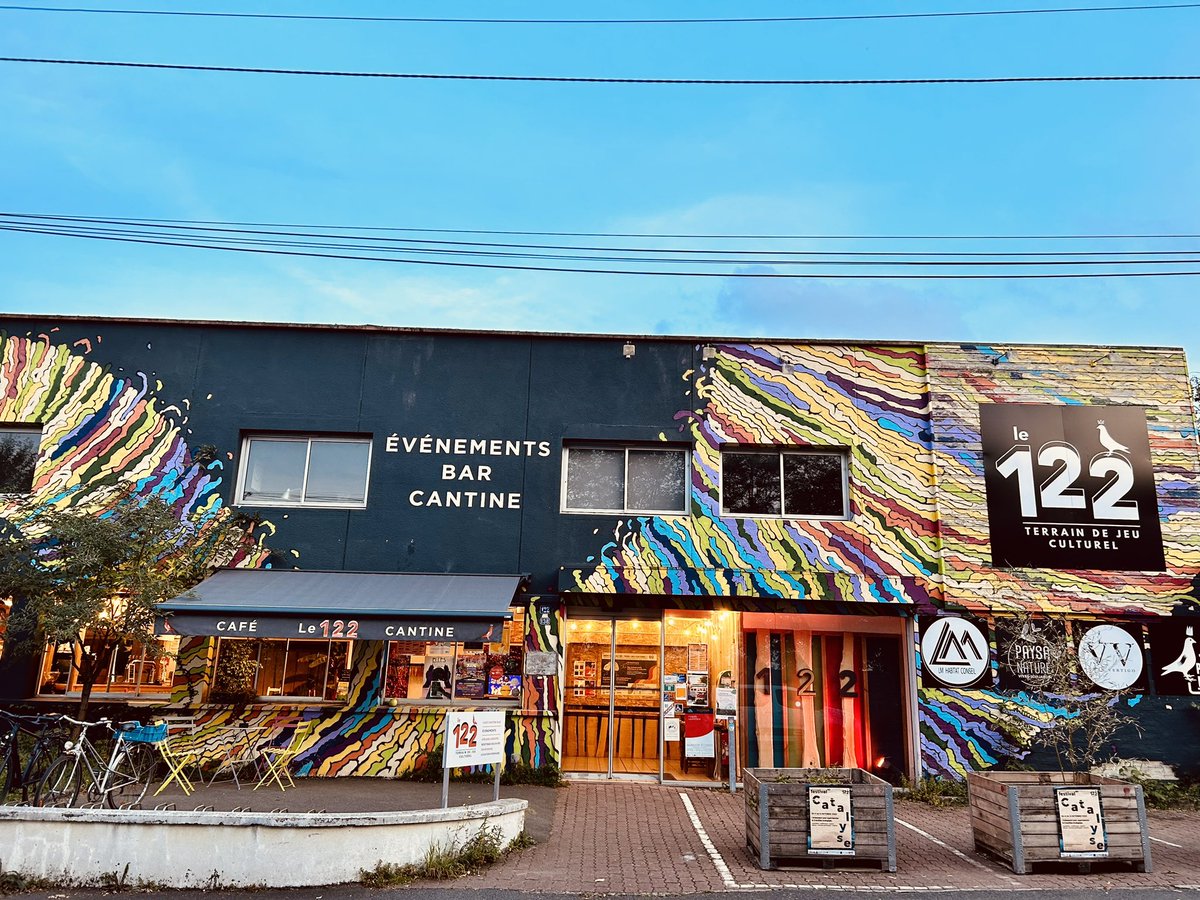
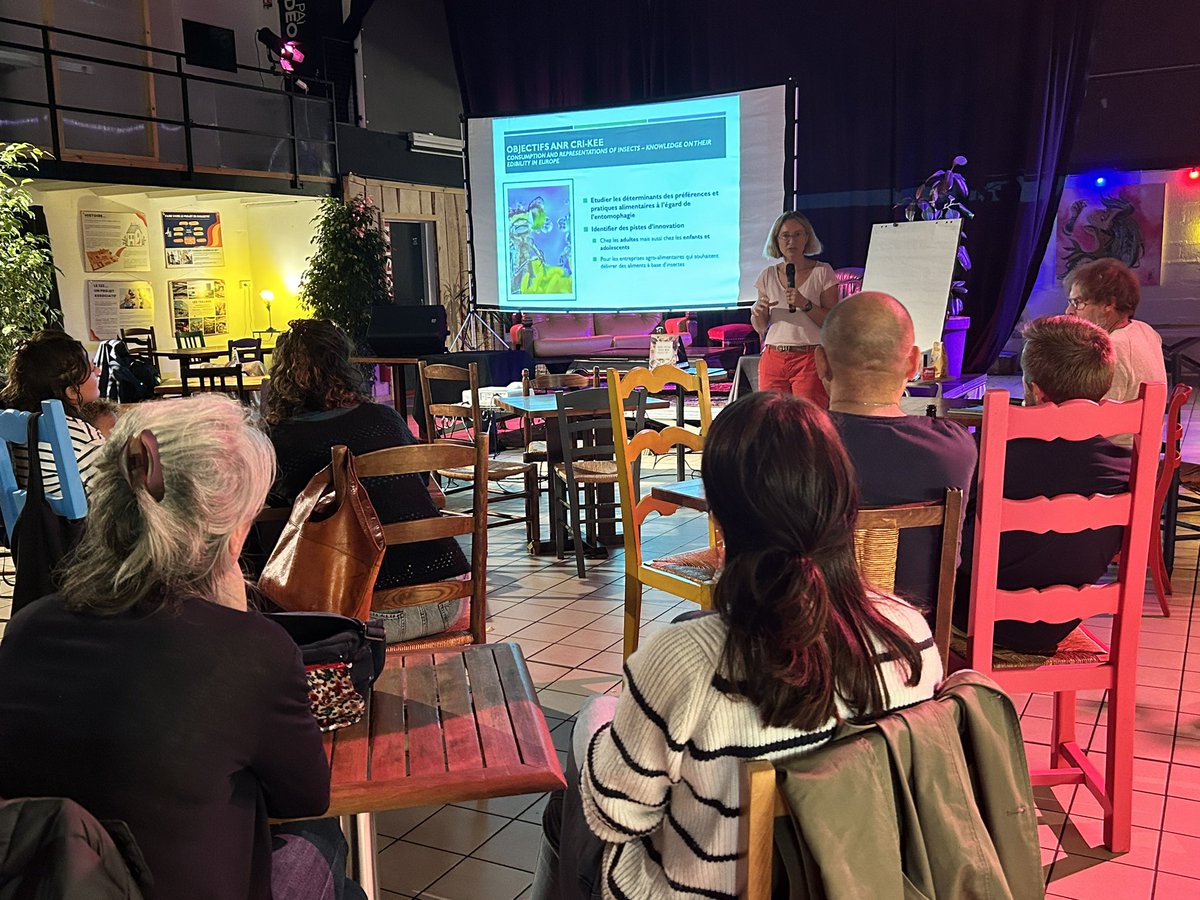
@PantinSohier est ce soir au #122 dans le cadre du cycle de #conférences « Sciences dessus dessous » de @TerreSciences, avec une intervention consacrée aux #insectes comestibles 🐜🦂🕷️🐛
@UnivAngers @IAEFRANCE
#ExpertenManagement #comportementduconsommateur

[🎥 #IQSOG | @XerfiCanal 📺 | 🖋️« Zombie 🧟 companies » 📝]
In this interview, Eric Séverin, professor at the @IAELille, sheds light on the concept of "zombie companies" and the critical factors contributing to their existence in the business landscape.
1. What is a Zombie Company?
A zombie company refers to an entity that, despite poor economic performance, continues to function with artificial financial support, challenging the fundamental principles of a healthy market.
Eric Séverin explains that the term "zombie" is derived from the concept of a fictional person who has lost consciousness and humanity. These companies are kept artificially alive and should normally go bankrupt.
2. Recognition Criteria for Zombie Companies:
Zombie companies are characterized by persistently poor economic performance over several years, accompanied by excessive financial burdens. Economic performance is essentially supported by financial interventions rather than the intrinsic profitability of the company.
3. Role of Banks:
Eric Séverin highlights the role of banks in maintaining zombie companies. Banks continue to finance these struggling companies despite signs of financial difficulties, fearing the losses they would incur if these companies went bankrupt. This reluctance to incur losses leads to an artificial survival of zombie companies.
4. Political Influence:
He explains that economic policy can also artificially keep companies alive. Governments may instruct companies of a certain size or in a certain industry to remain operational for political reasons, such as preserving employment or economic growth.
5. External Causes of Zombification:
Fluctuations in raw material prices are an example of an external cause of zombification. Industries dependent on raw materials experience significant income variations based on price fluctuations, which can affect their performance and turn them into zombie companies.
6. Internal Causes of Zombification:
He mentions the age of the company as one of the internal causes. Young companies have less debt and borrowing, making them less vulnerable to zombification. In contrast, older companies with assets and a longer history can resist zombification.
7. Impact of Governance:
The crucial role of corporate governance is emphasized, mentioning studies that indicate that the presence of women on boards leads to more cautious debt management. This can reduce the risk of zombification by encouraging less financial risk-taking.
Finally, Eric Séverin identifies the weakness of banks as a major factor contributing to the zombification of companies. The uncertainty surrounding current bank failures exacerbates this issue, highlighting the timeliness and relevance of the book he co-authored with @DavidVeganzones (@editionsEMS).
To watch the full interview:
📲 https://t.co/OC0fubda2h
![La_RAVS's tweet photo. [🎥 #IQSOG | @XerfiCanal 📺 | 🖋️« Zombie 🧟 companies » 📝]
In this interview, Eric Séverin, professor at the @IAELille, sheds light on the concept of "zombie companies" and the critical factors contributing to their existence in the business landscape.
1. What is a Zombie Company?
A zombie company refers to an entity that, despite poor economic performance, continues to function with artificial financial support, challenging the fundamental principles of a healthy market.
Eric Séverin explains that the term "zombie" is derived from the concept of a fictional person who has lost consciousness and humanity. These companies are kept artificially alive and should normally go bankrupt.
2. Recognition Criteria for Zombie Companies:
Zombie companies are characterized by persistently poor economic performance over several years, accompanied by excessive financial burdens. Economic performance is essentially supported by financial interventions rather than the intrinsic profitability of the company.
3. Role of Banks:
Eric Séverin highlights the role of banks in maintaining zombie companies. Banks continue to finance these struggling companies despite signs of financial difficulties, fearing the losses they would incur if these companies went bankrupt. This reluctance to incur losses leads to an artificial survival of zombie companies.
4. Political Influence:
He explains that economic policy can also artificially keep companies alive. Governments may instruct companies of a certain size or in a certain industry to remain operational for political reasons, such as preserving employment or economic growth.
5. External Causes of Zombification:
Fluctuations in raw material prices are an example of an external cause of zombification. Industries dependent on raw materials experience significant income variations based on price fluctuations, which can affect their performance and turn them into zombie companies.
6. Internal Causes of Zombification:
He mentions the age of the company as one of the internal causes. Young companies have less debt and borrowing, making them less vulnerable to zombification. In contrast, older companies with assets and a longer history can resist zombification.
7. Impact of Governance:
The crucial role of corporate governance is emphasized, mentioning studies that indicate that the presence of women on boards leads to more cautious debt management. This can reduce the risk of zombification by encouraging less financial risk-taking.
Finally, Eric Séverin identifies the weakness of banks as a major factor contributing to the zombification of companies. The uncertainty surrounding current bank failures exacerbates this issue, highlighting the timeliness and relevance of the book he co-authored with @DavidVeganzones (@editionsEMS).
To watch the full interview:
📲 https://t.co/OC0fubda2h](https://pbs.twimg.com/media/F7giXYVWIAA7jEb.jpg)
![La_RAVS's tweet photo. [🎥 #IQSOG | @XerfiCanal 📺 | 🖋️« Zombie 🧟 companies » 📝]
In this interview, Eric Séverin, professor at the @IAELille, sheds light on the concept of "zombie companies" and the critical factors contributing to their existence in the business landscape.
1. What is a Zombie Company?
A zombie company refers to an entity that, despite poor economic performance, continues to function with artificial financial support, challenging the fundamental principles of a healthy market.
Eric Séverin explains that the term "zombie" is derived from the concept of a fictional person who has lost consciousness and humanity. These companies are kept artificially alive and should normally go bankrupt.
2. Recognition Criteria for Zombie Companies:
Zombie companies are characterized by persistently poor economic performance over several years, accompanied by excessive financial burdens. Economic performance is essentially supported by financial interventions rather than the intrinsic profitability of the company.
3. Role of Banks:
Eric Séverin highlights the role of banks in maintaining zombie companies. Banks continue to finance these struggling companies despite signs of financial difficulties, fearing the losses they would incur if these companies went bankrupt. This reluctance to incur losses leads to an artificial survival of zombie companies.
4. Political Influence:
He explains that economic policy can also artificially keep companies alive. Governments may instruct companies of a certain size or in a certain industry to remain operational for political reasons, such as preserving employment or economic growth.
5. External Causes of Zombification:
Fluctuations in raw material prices are an example of an external cause of zombification. Industries dependent on raw materials experience significant income variations based on price fluctuations, which can affect their performance and turn them into zombie companies.
6. Internal Causes of Zombification:
He mentions the age of the company as one of the internal causes. Young companies have less debt and borrowing, making them less vulnerable to zombification. In contrast, older companies with assets and a longer history can resist zombification.
7. Impact of Governance:
The crucial role of corporate governance is emphasized, mentioning studies that indicate that the presence of women on boards leads to more cautious debt management. This can reduce the risk of zombification by encouraging less financial risk-taking.
Finally, Eric Séverin identifies the weakness of banks as a major factor contributing to the zombification of companies. The uncertainty surrounding current bank failures exacerbates this issue, highlighting the timeliness and relevance of the book he co-authored with @DavidVeganzones (@editionsEMS).
To watch the full interview:
📲 https://t.co/OC0fubda2h](https://pbs.twimg.com/media/F7giXYTXYAAy7CP.jpg)
![La_RAVS's tweet photo. [🎥 #IQSOG | @XerfiCanal 📺 | 🖋️« Zombie 🧟 companies » 📝]
In this interview, Eric Séverin, professor at the @IAELille, sheds light on the concept of "zombie companies" and the critical factors contributing to their existence in the business landscape.
1. What is a Zombie Company?
A zombie company refers to an entity that, despite poor economic performance, continues to function with artificial financial support, challenging the fundamental principles of a healthy market.
Eric Séverin explains that the term "zombie" is derived from the concept of a fictional person who has lost consciousness and humanity. These companies are kept artificially alive and should normally go bankrupt.
2. Recognition Criteria for Zombie Companies:
Zombie companies are characterized by persistently poor economic performance over several years, accompanied by excessive financial burdens. Economic performance is essentially supported by financial interventions rather than the intrinsic profitability of the company.
3. Role of Banks:
Eric Séverin highlights the role of banks in maintaining zombie companies. Banks continue to finance these struggling companies despite signs of financial difficulties, fearing the losses they would incur if these companies went bankrupt. This reluctance to incur losses leads to an artificial survival of zombie companies.
4. Political Influence:
He explains that economic policy can also artificially keep companies alive. Governments may instruct companies of a certain size or in a certain industry to remain operational for political reasons, such as preserving employment or economic growth.
5. External Causes of Zombification:
Fluctuations in raw material prices are an example of an external cause of zombification. Industries dependent on raw materials experience significant income variations based on price fluctuations, which can affect their performance and turn them into zombie companies.
6. Internal Causes of Zombification:
He mentions the age of the company as one of the internal causes. Young companies have less debt and borrowing, making them less vulnerable to zombification. In contrast, older companies with assets and a longer history can resist zombification.
7. Impact of Governance:
The crucial role of corporate governance is emphasized, mentioning studies that indicate that the presence of women on boards leads to more cautious debt management. This can reduce the risk of zombification by encouraging less financial risk-taking.
Finally, Eric Séverin identifies the weakness of banks as a major factor contributing to the zombification of companies. The uncertainty surrounding current bank failures exacerbates this issue, highlighting the timeliness and relevance of the book he co-authored with @DavidVeganzones (@editionsEMS).
To watch the full interview:
📲 https://t.co/OC0fubda2h](https://pbs.twimg.com/media/F7giXYNXwAAT3kD.jpg)

👉👉 Jouer avec ses déchets pour diffuser le développement durable dans les territoires.
Vidéo de Olivier CRISTOFINI @IAEParis @IAEFrance
#expertsmanagement #management #RSE #développementdurable
https://t.co/FLrYWrA2V8
@ChardonneauR, enseignant associé à l’#iaeangers, mis à l’honneur par l’@UnivAngers avec cet interview à l’occasion de la sortie de son ouvrage co-écrit « #Matomo : l’outil de web analytics libre & éthique ».
👉 https://t.co/sXjW2Fa6eI
@IAEFRANCE
#marketing #numerique #digital


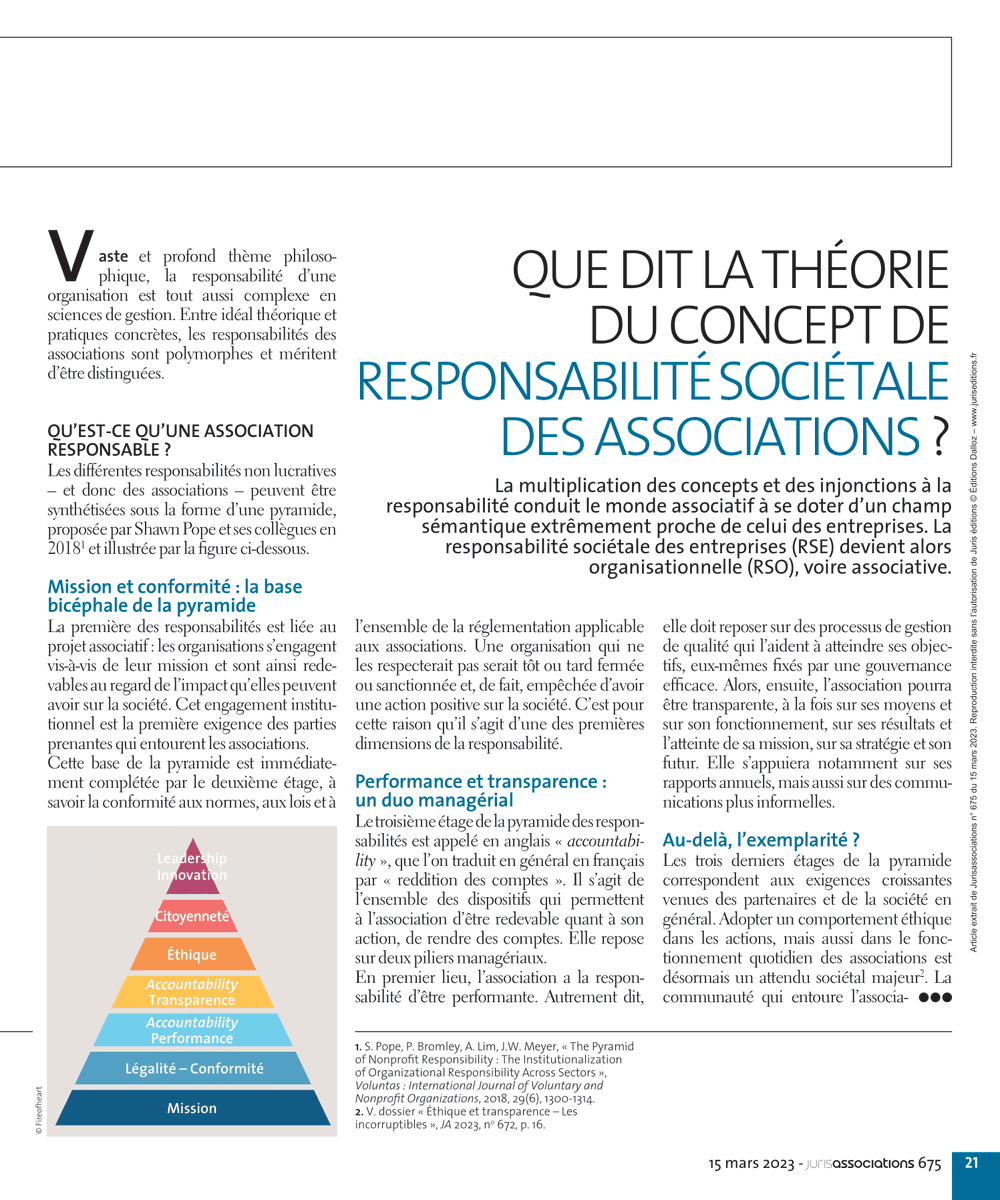
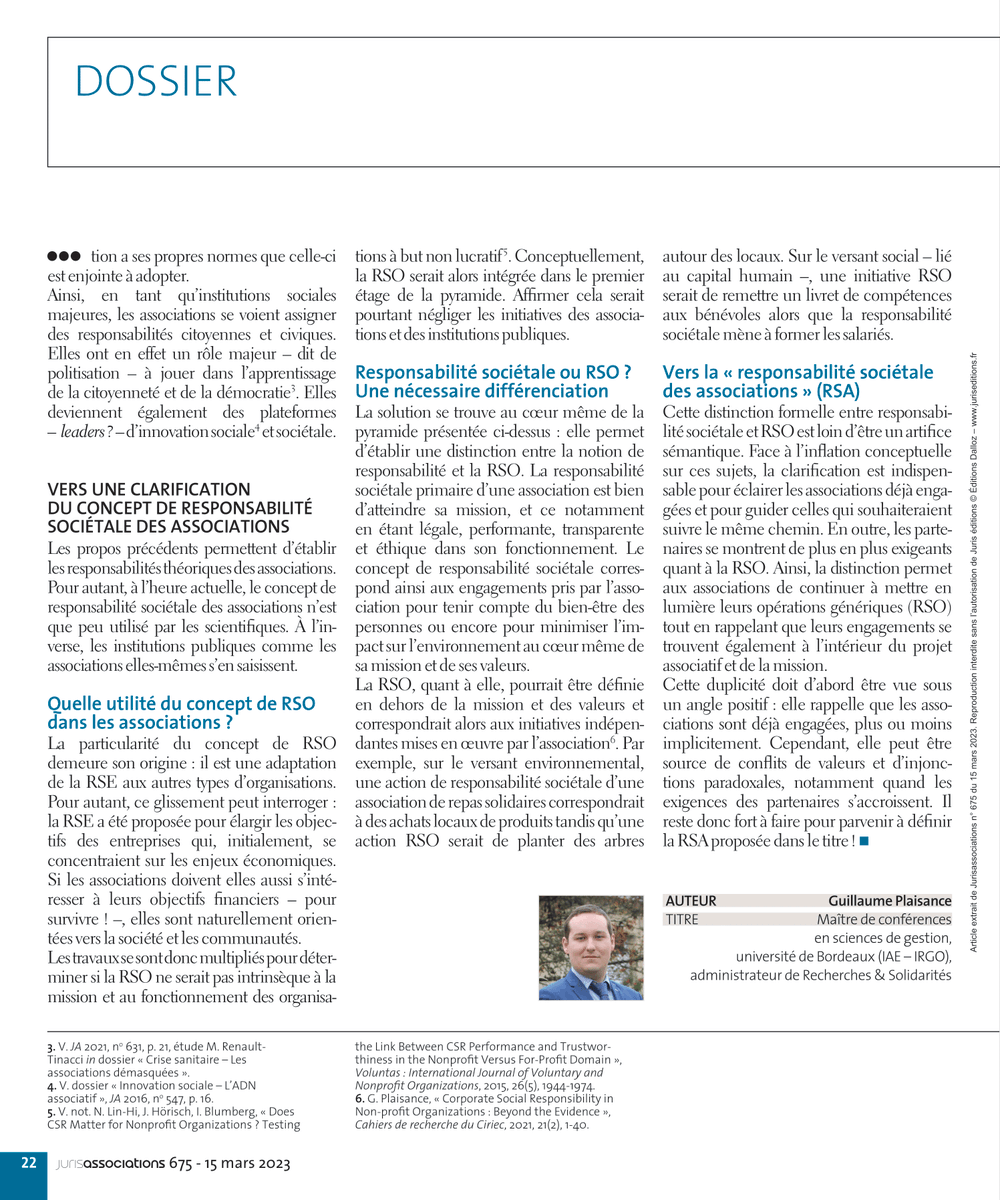
Que dit la théorie du concept de #responsabilité #sociétale appliqué aux #associations ? Telle est la question que je traite dans le dernier numéro @juris_asso @Dalloz. Les exigences se multiplient (en écho à la #RSE), souvent à raison. Mais il faut poursuivre l'effort réflexif.

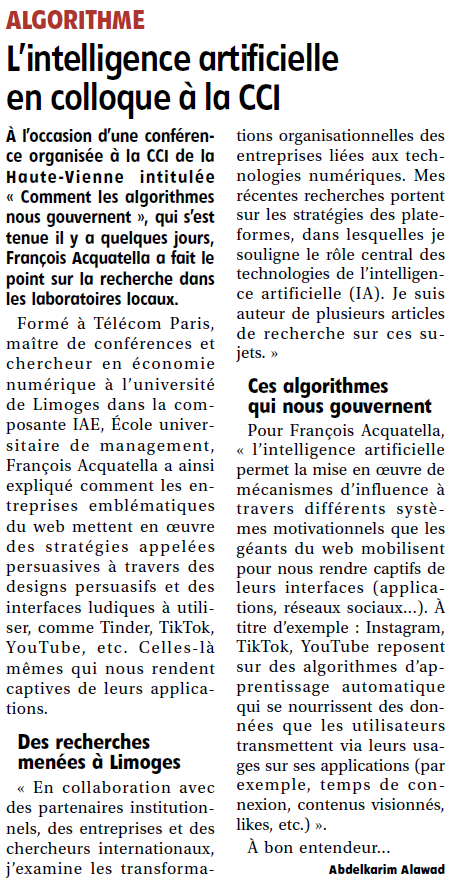
#article | 🗞 En marge et en complément de la conférence qui a eu lieu à la @CCILimoges, François ACQUATELLA, Maître de Conférences à l'@iae_limoges, a livré sa lecture des enjeux et problématiques associés à l'IA dans @lepopulaire_fr 🗞
Dugoin-Clément, C. (2023). Stratégie d'influence : comment se polarise une communauté, @iaeparis | @XerfiCanal, 24 janvier.
https://t.co/e7cUSVFbfa


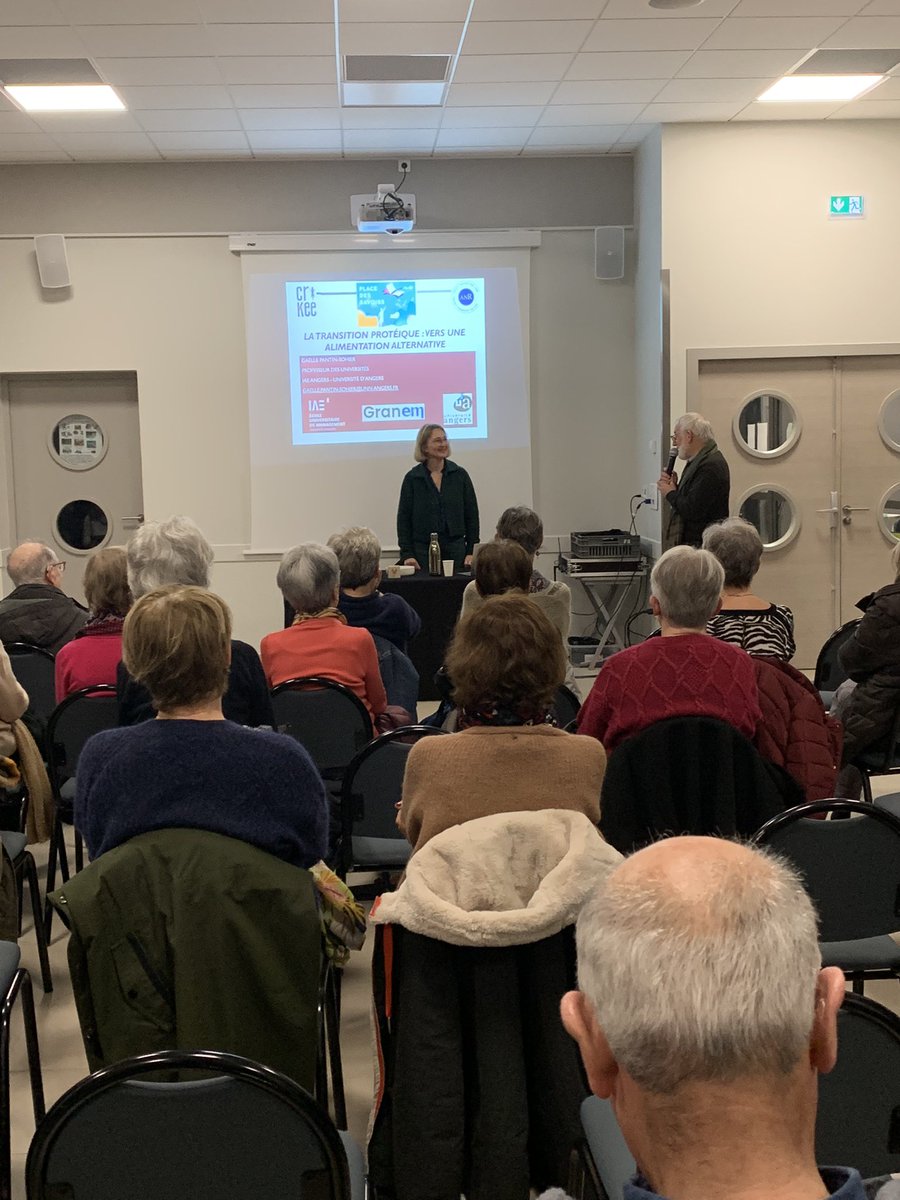
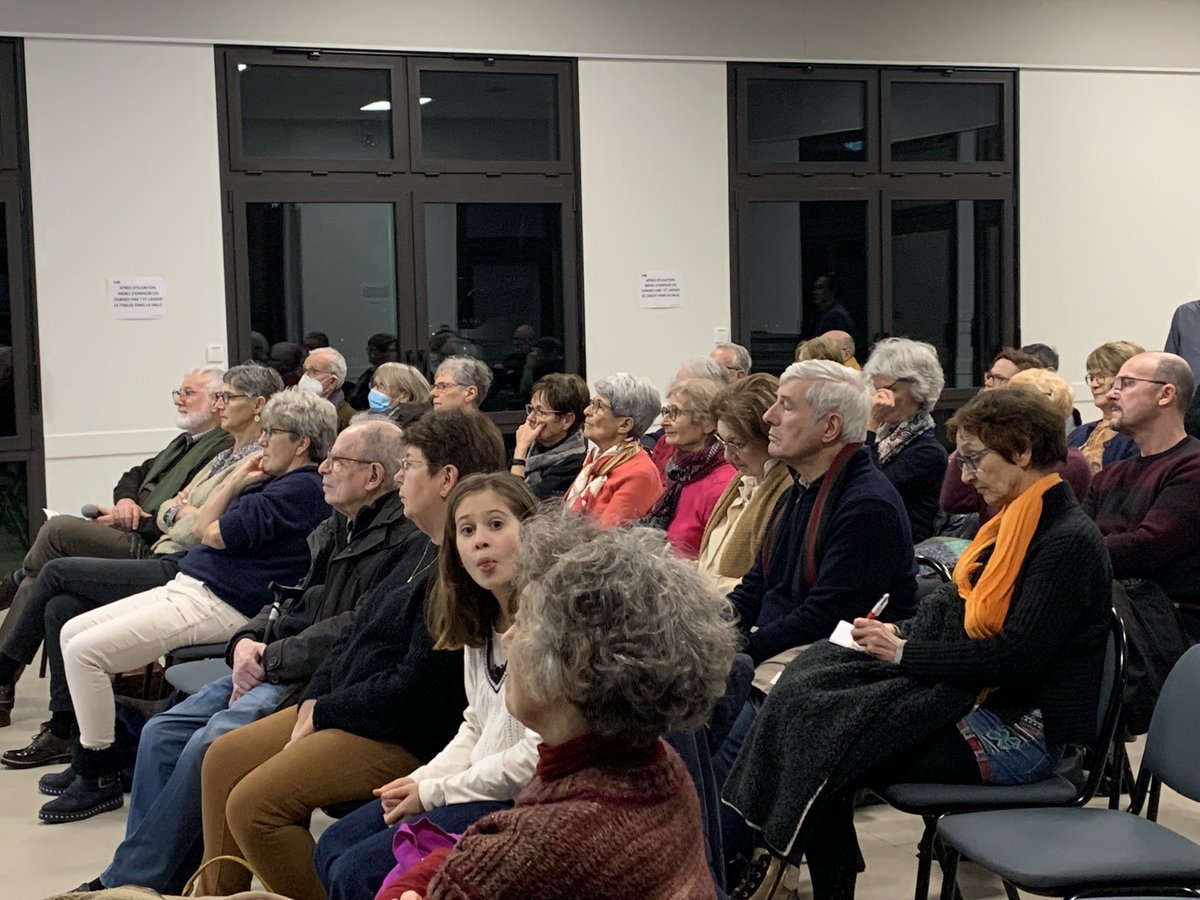
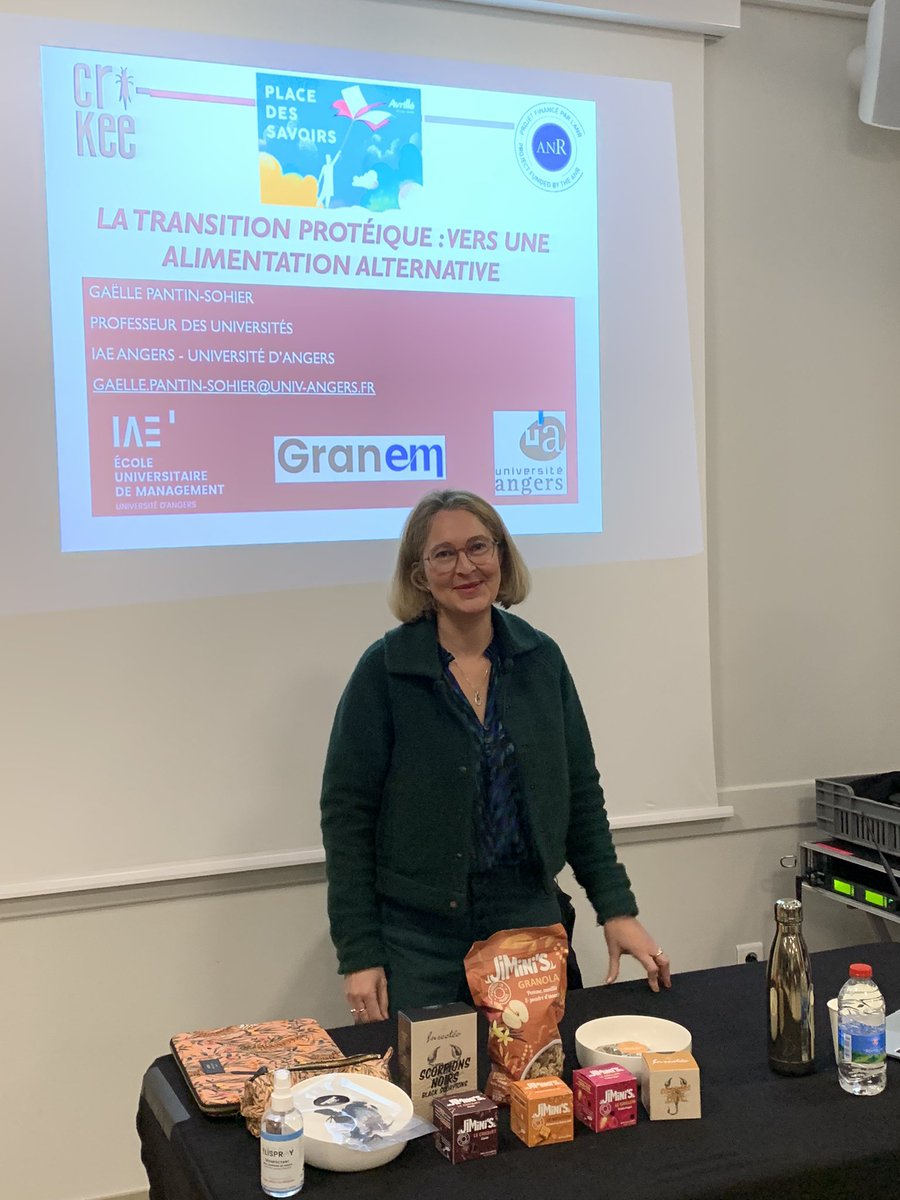
Un public venu nombreux ce soir à @avrille49 pour la conférence de @PantinSohier de l’@IAEAngers sur la #transition protéique et les #alternatives #alimentaires 🦗🐛🕷️ dans le cadre de la #placedessavoirs.
@UnivAngers @SFRConfluences #GRANEM
#ExpertenManagement
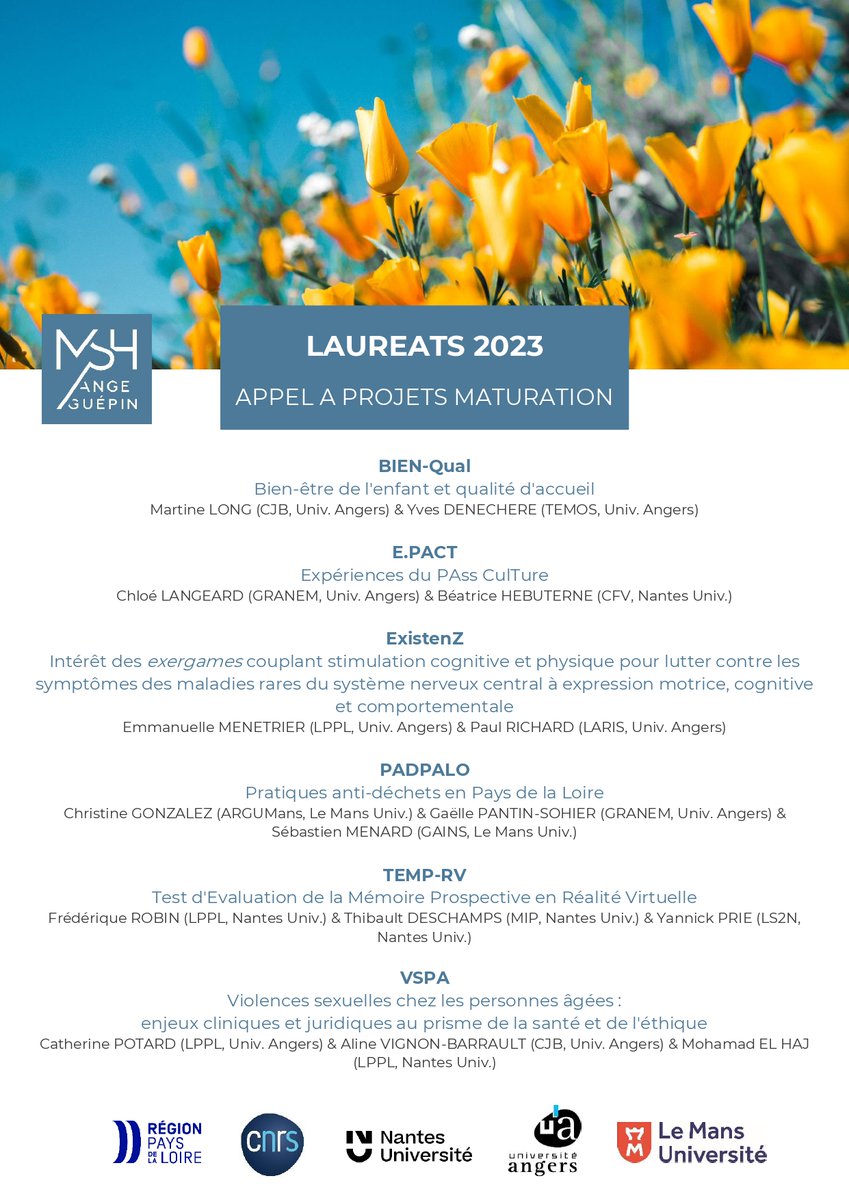
Félicitations à @PantinSohier de l’@IAEAngers et @ChGonzalez3566 de #LMU pour cette réussite de leu projet PADPALO sur les pratiques anti-déchets en @paysdelaloire !
@UnivAngers @LeMansUniv
@IAEFRANCE
#ExpertenManagement
Félicitations à @PantinSohier de l’@IAEAngers et @ChGonzalez3566 de #LMU pour cette réussite de leu projet PADPALO sur les pratiques anti-déchets en @paysdelaloire !
@UnivAngers @LeMansUniv
@IAEFRANCE
#ExpertenManagement

📢 RÉSULTATS 📢
Bravo aux 6 projets 🏆 lauréats de notre appel Maturation 2023 !
@AngersCjb #GRANEM @TEMOS_histoire #LPPL #ARGUMans #CentreFrançoisViète #LARIS #GAINS @LaboMIP @LaboLS2N
Découvrir les projets ⬇️
https://t.co/XoHA2WcLpV
avec le soutien de @paysdelaloire
#Tribune | 📰 Christophe GODOWSKI, professeur à l'@iae_limoges, a signé une tribune dans le #journal @lemondefr. Le thème : les frustrations ressenties par les comptables chargés d’auditer les rapports #RSE des entreprises 👉 https://t.co/MrzHlC9alk (espace abonné) 📰

#interview | 🎙 #Startups, ces entreprises qui innovent et qui s'exportent ! Dans le cadre de l'émission Disputandum, diffusée sur @F3Aquitaine, François ACQUATELLA, maître de conférences à l'@iae_limoges a livré ses réflexions sur le sujet 👉 https://t.co/RxedKQ1AjM 🎙

Moinet, N. (2022). Avez-vous les 9 qualités de l’esprit commando ?, @IQSOG | @XerfiCanal, 13 décembre.
https://t.co/rVq8tlZcc0


Last Seen Hashtags on Sotwe
algerie porn
sakaryagay
Seen from Turkey
minichat((((((((((((((((((((((((((((((((((((((((((((((((((((((((((())))))))))))))))))))))))))))))))))))))))))))))))))))))))))) filter:native_video()
Seen from France
بوتوم
Seen from Kuwait
XF2026 Camilla
Seen from Italy
ukchavs
Seen from United Kingdom
bursatrAvesti
Seen from Turkey
聊天记录
Seen from Germany
سالب_خميس_مشيط
Seen from Netherlands
شواذ_مصر
Seen from Egypt
Trends for you
Most Popular Users

Elon Musk 
@elonmusk
241.5M followers

Barack Obama
@barackobama
118.9M followers

Cristiano Ronaldo
@cristiano
114.6M followers

Donald J. Trump
@realdonaldtrump
111.8M followers

Narendra Modi
@narendramodi
107.1M followers

Rihanna
@rihanna
98.7M followers

NASA
@nasa
92.3M followers

Justin Bieber
@justinbieber
91.8M followers

KATY PERRY
@katyperry
90.1M followers

Taylor Swift
@taylorswift13
84M followers

Lady Gaga
@ladygaga
75.5M followers

Virat Kohli
@imvkohli
73.5M followers

Kim Kardashian
@kimkardashian
70.9M followers

YouTube
@youtube
68.8M followers

Neymar Jr
@neymarjr
66.6M followers

Bill Gates
@billgates
65.3M followers

Selena Gomez
@selenagomez
63.1M followers

The Ellen Show
@theellenshow
62.2M followers

CNN
@cnn
61.8M followers

X
@x
60.7M followers