

Top Tweets for #Firstborn

Happy #FeastOfChristTheKing, my Brethren! The firstborn of all creation, our Good Shepherd, and our Savior-King Who all things exist in Him. Let the Lord’s Kingdom come! #CatholicTwitter #JesusIsLord #JesusWon


@Sir_Charlsss Colossians 1:15: "The Son is the image of the invisible God, the firstborn over all creation" (NIV).
Key Meaning: Image of the invisible God: Christ reveals and represents the unseen God in human form.

For example, one thing I’ve seen you repeatedly say as “the LDS church is wrong because it believes Jesus was created.”
Colossians 1:12 to 15 is talking about Jesus and 15 specifically says “Who is the image of the invisible God, the firstborn of every creature:”
So if the Bible is infallible, as you believe it to me, then the apostle Paul is stating that Jesus Christ is not God, but was the first one created by God.
If Paul is wrong, or this translation is incorrect, then your Bible and the translation of your Bible is not infallible.

They promised their firstborn children to one another. No one knew the wrong daughter had been named firstborn for 18 years.
ORPHAN OF THE OLIVE TREE
Free on Kindle+
#HistoricalRomance #ItalianFiction #HistoricalFiction #BookRecommendations #medieval #familysaga #womensfiction

for his firstborn.
Zechariah 12:10

Study Notes - (ISBE Dictionary)
Firstborn
FIRSTBORN.—1. The dedication of the firstborn of men and beasts was probably a primitive nomadic custom, and therefore earlier than the offering of first-fruits, which could not arise until the Israelites had settled into agricultural life in Canaan. The origin of the belief that a peculiar value attached to the firstborn cannot be definitely traced; but it would be a natural inference that what was valuable to the parent would be valuable to his God. And thus the word ‘firstborn’ could be used figuratively of Israel as the firstborn of J″ among the nations (Exo_4:22, cf. Jer_31:9), and the seed of David among dynasties (Psa_89:28). The law of the dedication of the firstborn is found in JE (Exo_13:11-16; Exo_22:29 b, Exo_22:30, Exo_34:19 f.), D (Deu_15:19-23), P (Exo_13:1 f., Num_3:11-13; Num_3:40-51; Num_18:15-18). It is not impossible that in very primitive times firstborn sons were sometimes actually sacrificed (cf. 2Ki_3:27, Mic_6:7), but the practice would soon grow up of ‘redeeming’ them by money or payments in kind.
2. The firstborn (bekhôr) enjoyed the birthright (bekhôrâh). He succeeded his father as head of the family, and took the largest share of the property; this was fixed in Deu_21:17 as a ‘double portion.’ [In 2Ch_21:3 the principle of the birthright is extended to the succession to the throne. But this is a late passage, and it is not certain that the firstborn was necessarily the heir apparent]. If a man died without children, the heir was the firstborn of his widow by his brother or next-of-kin (Deu_25:5-10). The right of the firstborn, however, was often disturbed, owing to the jealousies and quarrels arising from the polygamy practised in Israel. The law in Deu_21:15-17 is directed against the abuse. Reuben, although the son of Leah, the less favoured of Jacob’s two wives, was considered the firstborn, and lost the right only because of his sin (Gen_49:3 f., 1Ch_5:1). But Ishmael was allowed no share at all in the father’s property (Gen_21:10); and the superiority of Jacob over Esau (symbolizing the superiority of Israel over Edom) is described as having been foretold before their birth (Gen_25:23), and as brought about by Esau’s voluntary surrender of the birthright (Gen_25:29-34). And other instances occur of the younger being preferred to the elder, e.g. Ephraim (Gen_48:13-20), Solomon (1Ki_1:1-53), Shimri (1Ch_26:10).
3. The death of the firstborn was the last of the punishments sent upon Egypt for Pharaoh’s refusal to let the Israelites go. Moses gave him due warning (Exo_11:4-8), and on his continued refusal the stroke fell (Exo_12:29 f.). The event is referred to in Psa_78:51; Psa_105:36; Psa_135:8; Psa_136:10, Heb_11:28. It is probable (see Plagues of Egypt) that the stories of all the other plagues have been founded on historical occurrences, and that the Egyptians suffered from a series of ‘natural’ catastrophes. If this is true of the first nine, it is reasonable to assume it for the last, and we may suppose that a pestilence raged which created great havoc, but did not spread to the Israelite quarter. The growth of the tradition into its present form must be explained by the ‘ætiological’ interest of the Hebrew writer—the tendency to create idealized situations in a remote past for the purpose of explaining facts or institutions whose origin was forgotten. Thus the Feast of Booths was accounted for at a late date by the dwelling of the Israelites in booths after the Exodus (Lev_23:43), the Feast of Unleavened Cakes by the haste with which they departed from Egypt (Exo_12:34; Exo_13:7 f.), the Feast of the Passover by the passing over of the houses marked with blood at the destruction of the firstborn (Exo_12:12 f., Exo_12:23; Exo_12:27). And similarly the singling out of the firstborn for destruction was itself connected with the ancient practice of offering to God annually in spring the firstlings of beasts. Moses demanded release in order to offer the sacrifice (Exo_10:25 f.), and because Pharaoh refused to allow them to offer their firstlings, J″ took from the Egyptians their firstborn. This explanation, though not explicitly given, is implied in the close connexion of the dedication of the firstborn with the Passover (Exo_13:11-13, Deu_15:19; Deu_16:1-8). In a redactional passage (Exo_4:22 f.) a different explanation is offered. The death of the firstborn would be a punishment for refusal to release Israel, who was J″’s firstborn.
4. In the NT the term ‘firstborn’ (prôtotokos) is used of Christ (Rom_8:29, Col_1:15; Col_1:18, Heb_1:6, Rev_1:5), and of Christians who have died (Heb_12:23); see the commentaries.
A. H. M‘Neile.

@S3L3NI3 My firstborn will be named chromae
@_iidivina No bring back the 70 exp per quest and I’ll give you my firstborn and I’m not joking either

@spaceshark23 So what award do I win if I let Firstborn Marines minis enjoy retirement by riding the Lionel trains around the diorama of the last stand of Candida in my basement?

The Measure of Wholeness | מדת השלמות
Bekhorot 38 | בכורות לח
Introduction | הקדמה
In מסכת בכורות (Bekhorot) 38, the Sages examine blemishes affecting the eyes of a firstborn animal, distinguishing between conditions that disqualify it from the altar and those that do not. Their careful examination teaches that holiness demands discernment, not superficial judgement.
Hidden Meaning | פירוש נסתר
The eyes represent more than physical sight. They symbolise our capacity to recognise truth, perceive holiness and distinguish between appearances and reality.
The Torah teaches, "You shall not follow after your heart and after your eyes" (במדבר 15:39). Sight can reveal truth, but it can also mislead when governed by desire.
The Sages distinguish between different conditions of the eye because not every apparent imperfection represents the same reality. Likewise, a person may appear righteous while concealing corruption, or appear spiritually diminished while possessing extraordinary purity of heart.
True discernment requires examining what lies beneath the surface.
Modern Day Application | יישום מודרני
We live in an age when appearances frequently determine reputation.
Wealth suggests success, confidence suggests wisdom, and public recognition suggests virtue.
Yet none necessarily reveals the character of a person.
Bekhorot 38 reminds us that judgement requires knowledge, patience and precision. Before condemning another person, we must distinguish between an actual failing and something merely perceived as one.
Equally, we must examine ourselves. Our greatest spiritual blemishes may not be visible to others, but they remain known to G-D.
Reflection | הרהור
The question is not simply whether our eyes function, but whether we see correctly.
Do we recognise goodness when it appears without splendour? Do we overlook wrongdoing when it is concealed beneath respectability?
Spiritual vision begins when truth becomes more important than appearances.
Parable | משל
A merchant brought two vessels before a wise man. One was beautifully decorated but cracked within. The other was plain, yet perfectly sound.
The merchant praised the decorated vessel.
The wise man filled both with water.
The beautiful vessel leaked, while the plain vessel retained every drop.
He said, "The value of a vessel is revealed not by its decoration, but by what it can faithfully hold."
So too, the worth of a person is revealed through integrity rather than outward splendour.
Prayer | תפלה
רבונו של עולם, פקח את עינינו לראות אמת, והסר מלבנו משפט שוא. תן לנו חכמה להבחין בין מראה חיצוני ובין טהרת הלב. למדנו לדון בצדק, להכיר בטוב שבאחרים, ולתקן את חסרונותינו בענוה. יהי רצון שנלך בדרכיך בלב טהור ובעינים נאמנות. אמן
Master of the Universe, open our eyes to truth and remove false judgement from our hearts. Grant us wisdom to distinguish outward appearance from purity of heart. Teach us to judge justly, recognise goodness in others, and correct our own shortcomings with humility. May we walk in Your ways with pure hearts and faithful eyes. Amen.
Rami ben Ze’ev
רםי בן זאב
עובד השם
#talmud
Bekhorot 37 | The Integrity of Sacred Judgement
Introduction | הקדמה
The Talmud in בכורות (Bekhorot 37) examines blemishes that may disqualify a firstborn animal from sacrificial service. The Sages distinguish between temporary conditions and permanent defects, insisting upon careful examination before judgement. Their discussion teaches that holiness demands discernment, patience and fidelity to truth.
Hidden Meaning | פירוש נסתר
The distinction between temporary and permanent blemishes reveals a deeper principle. Not every imperfection defines the essence of what bears it.
Just as an animal's condition must be examined before its status is determined, the human soul must not be judged solely by outward appearances. The Holy Zohar teaches that the inner light of the soul remains precious even when concealed beneath the imperfections of earthly existence.
A blemish may obscure what is sacred without destroying its holiness.
Modern Day Application | יישום מודרני
We live in an age of immediate judgement. A person's reputation may be damaged by a single accusation, misunderstanding or moment of weakness.
Bekhorot 37 reminds us that judgement requires knowledge rather than assumption. We must distinguish between a passing failure and an enduring condition, between what appears defective and what genuinely requires correction.
Justice without careful examination risks becoming injustice.
Reflection | הרהור
When we observe imperfections in others, do we seek to understand their circumstances, or do we immediately pronounce judgement?
The Torah demands that we examine ourselves with equal honesty. We must recognise our faults without allowing them to define our entire existence.
True spiritual growth begins when we distinguish what must be repaired from what must simply be understood.
Parable | משל
A craftsman examined two vessels brought to his workshop. One had a stain upon its surface; the other contained a hidden crack.
An impatient apprentice declared the stained vessel worthless and praised the beauty of the second.
The craftsman washed the first vessel, revealing its perfection. He then filled the second with water, exposing the crack.
He said, "The eye sees appearance, but wisdom examines substance."
So too must we judge ourselves and others.
Prayer | תפלה
יהי רצון מלפניך ה׳ אלהינו ואלהי אבותינו, שתתן לנו חכמה להבחין בין מום חולף לפגם אמיתי, ובין מראה חיצוני לאמת פנימית. טהר את לבבנו ממשפט חפוז, ולמדנו לנהוג בצדק, ברחמים ובענוה. עזרנו לתקן את דרכינו ולראות את הטוב שבכל אדם. אמן
May it be Your will, L-RD our G-D and G-D of our fathers, to grant us wisdom to distinguish passing imperfections from genuine faults, and outward appearances from inward truth. Purify our hearts of hasty judgement. Teach us justice, compassion and humility. Help us correct our ways and recognise the goodness within every person. Amen.
Rami ben Ze’ev
רםי בן זאב
עובד השם
#talmud

Weyler's firstborn

INSOLITE | Un bébé arrivé au monde avec une moustache fait le tour des réseaux sociaux
The Courage to Uphold Truth | האומץ לקיים את האמת
Introduction | הקדמה
The Talmud, בכורות (Bekhorot) 36, examines the examination of blemishes in a firstborn animal and the responsibility of those who determine its status. The discussion reveals a fundamental principle: sacred judgement must rest upon truth, not personal interest, convenience or pressure.
Hidden Meaning | פירוש נסתר
The firstborn represents something consecrated to G-D from its beginning. Its sanctity cannot be dismissed merely because circumstances make that sanctity inconvenient.
The deeper teaching concerns the human soul. Every person possesses an inner responsibility to distinguish between what is genuinely permitted and what merely appears desirable.
The Sages teach that judgement requires knowledge, integrity and independence. A ruling influenced by personal benefit may retain the appearance of authority while losing its moral foundation.
Truth does not become false because it is difficult, nor does falsehood become truth through the approval of others.
Modern Day Application | יישום מודרני
In modern society, people frequently seek approval rather than honest judgement. Leaders may surround themselves with those who agree with them, while individuals sometimes consult advisers hoping to hear what they have already decided.
Bekhorot 36 challenges this behaviour.
Whether examining a religious question, conducting business or resolving a personal disagreement, we must seek those willing to tell us the truth, even when their conclusions are unwelcome.
Integrity demands that we accept correction as readily as we welcome approval.
Reflection | הרהור
When I seek advice, am I genuinely searching for truth, or merely looking for someone who will justify my wishes?
True wisdom begins when personal desire no longer determines what we are prepared to hear.
Parable | משל
A merchant brought a precious stone to two craftsmen.
The first praised its perfection and offered a generous valuation. The second examined it carefully and identified a hidden fracture.
The merchant angrily rejected the second opinion.
Months later, the stone broke precisely where the fracture had been identified.
Only then did the merchant understand that the craftsman who disappointed him had been the one who served him faithfully.
The truth had not damaged his treasure. His refusal to accept it had.
Prayer | תפלה
רבונו של עולם, תן לי לב ישר המבקש אמת ולא חנופה. למדני לקבל תוכחה בענוה, לשפוט בצדק ולהתרחק מכל נגיעה אישית. חזק בי את האומץ לעמוד על האמת גם כאשר היא קשה, וללכת בדרכיך באמונה וביושר. אמן
Master of the Universe, grant me an upright heart that seeks truth rather than flattery. Teach me to accept correction with humility, judge fairly and resist personal bias. Strengthen my courage to uphold truth even when it is difficult, and to walk in Your ways with faithfulness and integrity. Amen.
Rami ben Ze’ev
רםי בן זאב
עובד השם
#talmud
The Integrity of Sacred Judgement | יושר המשפט הקדוש
Introduction | הקדמה
The Talmud, Bekhorot 35, examines the circumstances under which a firstborn animal develops a blemish and the responsibility of those entrusted with its care. The Sages distinguish between an accidental occurrence and deliberate interference, teaching that holiness demands both honesty and careful judgement.
Hidden Meaning | פירוש נסתר
The deeper teaching concerns the integrity of the human soul. Just as a blemish may alter the status of a consecrated animal, dishonesty can diminish the spiritual standing of a person.
The Holy Zohar teaches that human actions influence the relationship between the earthly and heavenly realms. A person who manipulates circumstances for personal advantage introduces disorder where holiness requires truth.
Yet the distinction between intention and accident reminds us that G-D judges not merely appearances but the truth concealed within the heart.
Modern Day Application | יישום מודרני
Today, we encounter situations where personal interests tempt us to influence decisions or conceal inconvenient facts.
Bekhorot 35 reminds us that responsibility cannot be separated from integrity. Whether handling communal resources, conducting business, or exercising authority, we must ensure that our actions withstand honest examination.
True righteousness requires doing what is correct even when another course would be more convenient or profitable.
Reflection | הרהור
Do I judge situations according to their truth, or according to the outcome I desire?
When entrusted with responsibility, do I protect what is sacred, or allow personal interests to influence my decisions?
Parable | משל
A shepherd discovered that one of his master's finest sheep had injured its leg. Fearing blame, he considered claiming that the injury had occurred before the animal entered his care.
An elderly sage advised him, saying, "The injury belongs to the sheep, but the lie would belong to you."
The shepherd reported the truth. His master replied, "A wounded sheep may recover, but a dishonest guardian cannot easily restore the trust he has lost."
Prayer | תפלה
יהי רצון מלפניך, יהוה אלהינו ואלהי אבותינו, שתדריכנו בדרך האמת והיושר. תן לנו לב טהור לשפוט בצדק, לשמור על הקדושה, ולהתרחק מכל מרמה. חזק את רוחנו לעשות הישר בעיניך, גם כאשר הדרך קשה. אמן
May it be Your will, L-RD our G-D and G-D of our fathers, to guide us along the path of truth and integrity. Grant us pure hearts to judge justly, preserve holiness, and reject deception. Strengthen our spirits to do what is right in Your eyes, even when the path is difficult. Amen.
Rami ben Ze’ev
רםי בן זאב
עובד השם
#talmud
The Integrity of Sacred Judgement | יושר המשפט בקדושה
Introduction | הקדמה
The Talmud in בכורות (Bekhorot 34) examines the examination of a firstborn animal and the circumstances in which a blemish permits its consumption. The discussion considers the authority of the expert, the circumstances surrounding a blemish, and the danger of allowing personal interest to influence a sacred judgement. The underlying principle is that holiness demands not merely knowledge of the law, but integrity in its application.
Hidden Meaning | פירוש נסתר
The distinction between a genuine blemish and one deliberately created reveals a deeper spiritual truth. A person may seek to alter circumstances to obtain a desired ruling, yet the Torah requires that judgement follow reality rather than convenience.
The Holy Zohar teaches that judgement and mercy must remain in proper balance. When personal desire governs judgement, that balance is disturbed. True spiritual discernment requires humility before the Divine will.
Modern Day Application | יישום מודרני
In contemporary life, we frequently encounter situations where personal benefit threatens impartial judgement.
Whether conducting business, resolving disputes, or interpreting obligations, the temptation exists to favour an outcome before examining the evidence.
Bekhorot 34 reminds us that authority carries responsibility. Expertise must never become an instrument of self-interest. A trustworthy person examines the facts first and accepts the consequences, even when the conclusion is inconvenient.
Reflection | הרהור
Do we approach difficult decisions seeking the truth, or seeking justification for what we already desire?
The measure of integrity is not whether our decisions benefit us, but whether we would reach the same conclusion if they benefited someone else.
Parable | משל
A merchant brought two measures of grain before a judge, claiming that one was deficient.
The judge examined both and declared them equal.
The merchant protested, explaining that accepting the judgement would cost him money.
The judge replied, “The measure does not change because your profit depends upon it.”
So it is with Torah. Its truth remains constant, even when our circumstances make obedience difficult.
Prayer | תפלה
רבונו של עולם, תן לנו לב טהור לשפוט באמת, ועינים לראות את הצדק בלי משוא פנים. הרחיקנו מן הגאוה ומן הנגיעה האישית, ולמדנו ללכת בדרכיך בענוה וביושר. יהי רצון שנקדש את שמך בכל מעשינו, ונבחר באמת גם כאשר היא קשה לנו. אמן
Master of the Universe, grant us pure hearts to judge truthfully and eyes that recognise justice without favouritism. Distance us from pride and personal interest, and teach us to walk in Your ways with humility and integrity. May we sanctify Your Name through our actions and choose truth even when it demands sacrifice. Amen.
Rami ben Ze’ev
רםי בן זאב
עובד השם
#talmud
The Sanctity of What Is Entrusted to Us
Introduction | הקדמה
The Talmud, Bekhorot 33, examines the redemption of a firstborn donkey and the responsibilities surrounding its sanctity. The discussion teaches that holiness is not merely a declaration but a responsibility requiring obedience, understanding, and proper action.
What G‑D has designated as sacred cannot be treated according to personal convenience.
Hidden Meaning | פירוש נסתר
The firstborn donkey presents a profound spiritual lesson. Unlike a kosher animal offered upon the altar, the donkey must be redeemed through a lamb.
The donkey represents the material world, burdened by physical labour and earthly concerns. The lamb represents the possibility of transforming that burden through obedience to Divine instruction.
The deeper teaching is that redemption does not require abandoning the physical world. Rather, it demands bringing our possessions, labour, and intentions into harmony with G‑D's commandments.
Holiness emerges when the ordinary is governed by the extraordinary wisdom of Torah.
Modern Day Application | יישום מודרני
Every individual possesses something entrusted to them: wealth, knowledge, authority, influence, or time.
These gifts are not unrestricted possessions. They carry obligations.
A businessman must conduct his affairs honestly. A scholar must transmit knowledge faithfully. A person entrusted with authority must exercise it justly.
The teaching of Bekhorot reminds us that possessing something does not grant unlimited freedom over its use.
True ownership begins with recognising responsibility before G‑D.
Reflection | הרהור
Do we regard our abilities and possessions as gifts entrusted to our care, or as things belonging exclusively to ourselves?
The measure of holiness is not what we possess, but how faithfully we fulfil the obligations accompanying it.
Parable | משל
A king entrusted a precious vessel to his servant, instructing him to preserve it until the appointed day.
The servant admired its beauty but began using it for ordinary purposes.
When the king returned, the vessel remained intact, yet the servant had disregarded its designated purpose.
The king said, “I entrusted you with something precious, but you forgot that its purpose was not yours to determine.”
So too, G‑D entrusts us with blessings whose proper use is determined by His Torah.
Prayer | תפלה
יהי רצון מלפניך ה׳ אלהינו ואלהי אבותינו, שתתן לנו חכמה להכיר בקדושת מתנותיך, ולב נאמן לקיים את מצוותיך. למדנו להשתמש בכל אשר הפקדת בידינו ביושר, בענוה וביראת שמים. וזכנו לקדש את מעשינו ולעבדך באמת בכל יום. אמן
May it be Your will, L-RD our G‑D and G‑D of our fathers, to grant us wisdom to recognise the sanctity of Your gifts and faithful hearts to fulfil Your commandments. Teach us to use everything entrusted to us with honesty, humility, and reverence. May our actions bring holiness into daily life and may we serve You faithfully. Amen.
Rami ben Ze’ev
רםי בן זאב
עובד השם
#talmud
The Sanctity of What Has Been Set Apart | קדושת המוקדש
Introduction | הקדמה
Today’s Daf, Bekhorot 32, examines the prohibition against treating consecrated animals as ordinary possessions. The Gemara discusses the sale and slaughter of a firstborn animal, the laws of animal maaser, and the boundaries established by the Torah concerning sacred property.
The underlying principle is profound: what has been designated for holiness cannot simply be reclaimed for personal convenience.
Hidden Meaning | פירוש נסתר
The Torah teaches in ויקרא (Vayikra) 27:33 that an animal designated as maaser must not be exchanged, and if exchanged, both animals become holy.
The Gemara reveals that holiness carries obligations beyond the original act of dedication. A person may possess something physically while no longer enjoying unrestricted authority over its use.
The Holy Zohar teaches that holiness requires separation from ordinary purposes. When something is elevated towards the service of G-D, its spiritual identity must be respected.
The deeper lesson concerns our promises, responsibilities and commitments. Once we dedicate something to a sacred purpose, our convenience must not determine its value.
Modern Day Application | יישום מודרני
We frequently dedicate time, money and effort towards worthy purposes, only to reconsider when circumstances become inconvenient. Bekhorot 32 reminds us that genuine commitment requires consistency.
Sacred obligations are not temporary arrangements that disappear when our preferences change.
Whether supporting Torah learning, helping those in need or maintaining our daily prayers, we must honour what we have undertaken.
Reflection | הרהור
Do I regard my commitments to G-D as binding responsibilities, or do I allow personal convenience to determine whether I fulfil them?
Holiness begins with dedication, but it is preserved through faithfulness.
Parable | משל
A man planted an olive tree and declared that its first harvest would support the poor.
When the harvest arrived, the olives were unusually abundant. He considered keeping them, reasoning that he could give something another year.
His father reminded him: “The value of your promise was established before you knew the size of the harvest.”
The man understood that the true offering was not merely the olives, but his willingness to honour his word.
Prayer | תפלה
רבונו של עולם, תן לי לב נאמן לשמור את התחייבויותי ולעמוד בדברי. למד אותי לכבד את הקדושה ולהקדיש את מעשי לעבודתך. חזק בי את האמונה והיושר, ואזכה לעשות רצונך בלב שלם. אמן
Master of the Universe, grant me a faithful heart to honour my commitments and keep my word. Teach me to respect holiness and dedicate my actions to Your service. Strengthen my faith and integrity, so that I may fulfil Your will wholeheartedly. Amen.
Rami ben Ze’ev
רםי בן זאב
עובד השם
#talmud

@georgiagibs0n my actual firstborn

@BIGRAUNCH_ @JBTVCommunity @Lvl32Pod new next top tier, “they own the birthright to your firstborn”
you: Can’t knock the idea or strategy. Their content is timeless and moves a needle the podcast industry needs.
🤙🏾🥶

i’m naming my firstborn Fabian

@garyStu03519444 @DiscipleFidei As for Lucifer, he came with the other sons of God to present himself to the Lord (Job 1:6); God is the Father of Spirits (Heb 11:9); and Christ is the Firstborn of every creature (Col 1:15). That idea that Lucifer and Christ are brothers is from the Bible itself
2/x

i would sell my firstborn child for the scaling system to drop rn im so serious

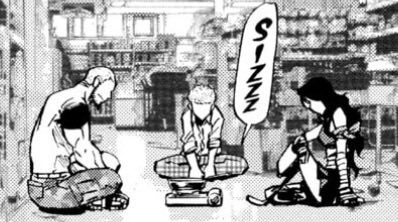
Btw I would sacrifice my firstborn child for this found family trope



The Integrity of Judgement | יושר המשפט
Introduction | הקדמה
The Talmud, Bekhorot 28, examines the responsibility of those entrusted with judging the blemishes of firstborn animals. A mistaken ruling may cause financial loss, and the Gemara considers when a judge must compensate the injured party. The teaching extends beyond monetary liability: authority demands knowledge, independence and accountability.
Hidden Meaning | פירוש נסתר
The distinction between an expert and an unqualified judge reveals a deeper spiritual principle. Knowledge without humility becomes dangerous, while authority exercised without wisdom can transform a sacred responsibility into an instrument of harm.
The Torah declares, "You shall not recognise faces in judgement" (Devarim 1:17). True judgement belongs to G‑D, and those who exercise authority must remember that they are servants of truth, not its owners.
Modern Day Application | יישום מודרני
Whether directing a business, settling a dispute or advising another person, we must recognise the limits of our knowledge.
Bekhorot 28 reminds us that good intentions cannot excuse careless decisions. Expertise requires study, impartiality and the courage to acknowledge uncertainty. Those entrusted with responsibility must never allow reputation, personal interest or financial advantage to influence their judgement.
Reflection | הרהור
Do I seek the truth before expressing an opinion, or do I sometimes confuse confidence with wisdom?
Am I prepared to correct my judgement when confronted with evidence that I was mistaken?
Parable | משל
A village appointed two men to examine its precious stones. One declared himself an expert and confidently valued every stone. The other examined each carefully and occasionally admitted that he required further knowledge.
When a valuable stone was wrongly assessed, the villagers discovered that the confident man had caused their loss.
The second examiner explained, "Wisdom is not knowing every answer. Wisdom is knowing when an answer must wait."
Prayer | תפלה
רבונו של עולם, תן לי חכמה ובינה להבחין בין אמת לשקר, וענוה להכיר במגבלות ידיעתי. שמרני ממשפט מוטעה ומגאוה, והדריכני ללכת בדרכי צדק ויושר. יהי רצון שכל מעשי והחלטותי יהיו לשם שמים, ושלא יגרם נזק לאחרים על ידי. אמן
Master of the Universe, grant me wisdom and understanding to distinguish truth from falsehood, and humility to recognise the limits of my knowledge. Protect me from mistaken judgement and arrogance, and guide me along paths of righteousness and integrity. May every action and decision serve Heaven, and may no harm come to others through my conduct. Amen.
Rami ben Ze’ev
רםי בן זאב
עובד השם
#talmud

Share the Blessings, then You Can Receive Some | Daily Inspiration
https://t.co/OcBhCS0ytB.
Summary:
God’s historical grief stems from the firstborn son falling to Satan’s side, which infected humanity with a “love-related disease” 💔. The passage explains that God designates Abel to establish the rights of the firstborn son and restore family tradition through love, requiring believers to leave their homes, adopt the mindset of living for others, and win over the “Cain” position through selfless sacrifice ✨. Ultimately, it emphasizes that to achieve spiritual victory and restore God’s order, individuals must help the firstborn son push the second son forward, enabling humanity to ascend stage by stage toward the original creation ideal 🌍.
#DailyInspiration
#GodsWord
The Sanctity of What Is Entrusted to Us | קדושת מה שהופקד בידינו
Introduction | הקדמה
In בכורות | Bekhorot 26, our Sages examine the laws governing the wool of a firstborn animal, particularly when it becomes detached before or after the animal develops a disqualifying blemish. The discussion establishes that holiness cannot simply be discarded when circumstances change.
What has been consecrated remains subject to Divine law, even when its physical condition is altered.
Hidden Meaning | פירוש נסתר
The distinction between wool removed before and after a blemish reveals a profound spiritual principle: holiness is not determined merely by outward appearance.
An animal may lose its fitness for sacrifice, yet its previous sanctity continues to impose obligations. Likewise, a person may experience weakness, hardship or spiritual decline, but the Divine purpose entrusted to that person does not disappear.
The Torah teaches us that sacred responsibility survives changing circumstances. We cannot declare something ordinary merely because honouring its holiness has become inconvenient.
Modern Day Application | יישום מודרני
We frequently encounter situations in which our responsibilities become burdensome. A promise becomes difficult to fulfil, a relationship demands patience, or a mitzvah requires sacrifice.
Bekhorot 26 reminds us that obligation is not cancelled by inconvenience. Just as the status of consecrated wool must be carefully examined, we must consider whether our actions respect commitments already made.
Faithfulness to G-D is demonstrated not only when obedience is easy, but particularly when circumstances tempt us to compromise.
Reflection | הרהור
Do we recognise the holiness within our responsibilities, or do we treat them as disposable whenever circumstances change?
True reverence means respecting what G-D has entrusted to us, even when its outward form no longer resembles what we originally expected.
Parable | משל
A father entrusted his son with an ancient silver cup, explaining that it had belonged to generations of their family.
Years later, the cup became dented and tarnished. The son considered selling it for its silver.
His father replied, "Its value was never merely the silver. You were entrusted with something greater than its appearance."
So too, holiness is not measured solely by usefulness or beauty. What has been entrusted to us deserves faithfulness.
Prayer | תפלה
רבונו של עולם, תן לנו חכמה להכיר בקדושה שהפקדת בידינו, וכח לשמור על מצוותיך גם כאשר הדרך קשה. למד אותנו לכבד את התחייבויותינו, לעמוד בנאמנות לפניך, ולא לזלזל במה שקידשת. טהר את לבנו, חזק את אמונתנו, והדריכנו ללכת בדרכיך באמת ובענוה. אמן
Master of the Universe, grant us wisdom to recognise the holiness You have entrusted to us, and strength to observe Your commandments even when the path is difficult. Teach us to honour our obligations, remain faithful before You, and never disregard what You have sanctified. Purify our hearts, strengthen our faith, and guide us in Your ways with truth and humility. Amen.
Rami ben Ze’ev
רםי בן זאב
עובד השם
#talmud
The Right of the First Born Son Must Be Restored | Daily Inspiration
https://t.co/Qp9YrjPn6z.
Summary:
The Unification Church clarifies biblical history by explaining that humanity must restore the lost rights of both the firstborn (Cain) and secondborn (Abel) sons to God’s side to return to His original ideal 📖. The passage details that this required immense historical suffering and sacrifice—such as early Christians enduring centuries of Roman persecution in the catacombs—because the firstborn position carries unique precedence 👑. Ultimately, the text highlights that recovering this original order is exceptionally difficult, yet necessary to transcend the fallen realm and reclaim God’s absolute creation ideal .
#DailyInspiration
#GodsWord
Last Seen Hashtags on Sotwe
lowlvl
Seen from Norway
taboo
Seen from United Kingdom
เย็ดเพื่อน
Seen from Thailand
brondongslim
Seen from France
amateur
Seen from France
stiptease
Seen from Malaysia
momson()******************************************************
Seen from Netherlands
scaramouche
Seen from Latvia
裏アカ女子
bokep smp
Seen from Indonesia
Most Popular Users

Elon Musk 
@elonmusk
240.1M followers

Barack Obama
@barackobama
118.6M followers

Cristiano Ronaldo
@cristiano
114.4M followers

Donald J. Trump
@realdonaldtrump
111.7M followers

Narendra Modi
@narendramodi
106.9M followers

Rihanna
@rihanna
98.6M followers

NASA
@nasa
92.1M followers

Justin Bieber
@justinbieber
91.7M followers

KATY PERRY
@katyperry
89.9M followers

Taylor Swift
@taylorswift13
83.9M followers

Lady Gaga
@ladygaga
75.4M followers

Virat Kohli
@imvkohli
73.3M followers

Kim Kardashian
@kimkardashian
70.8M followers

YouTube
@youtube
68.6M followers

Neymar Jr
@neymarjr
66.3M followers

Bill Gates
@billgates
65.2M followers

Selena Gomez
@selenagomez
63M followers

The Ellen Show
@theellenshow
62.1M followers

CNN
@cnn
61.7M followers

X
@x
60.6M followers