

Top Tweets for #GarlicFarming

लहसुन की खेती का आसान तरीका, निराई-गुड़ाई का खर्च होगा जीरो | GAON JUNCTION LIVE
#GarlicFarming #GarlicCultivation #Garlic #StrawMulch #Mulching #OrganicFarming #NaturalFarming #WeedControl #FarmJugaad
पूरी वीडियो देखें- https://t.co/hpWfm3cqRM
1 एकड़ में 90 क्विंटल लहसुन की पैदावार, जानें बंपर उत्पादन का तरीका | Gaon Junction LIVE
#GarlicFarming #GarlicCultivation #LahsunKiKheti #VegetableFarming #HighYieldFarming #Agriculture #ModernFarming #CropManagement #FarmTips
पूरा वीडियो देखें- https://t.co/hpWfm3cqRM

💧 Smart irrigation. Stronger garlic harvest. 🌱
Drip irrigation helps growers save water, improve bulb quality, and achieve more consistent yields.
#AgTech #DripIrrigation #GarlicFarming

जम्मू-कश्मीर के लहसुन की क्या है ख़ासियत जानिए | Garlic Cultivation
#KisanofIndia #GarlicFarming #GarlicCultivation #LahsunKiKheti #JammuKashmir #SpiceFarming #SmartFarming #Horticulture #AgriBusiness
पहाड़ी किसानों के लिए कमाल का मॉडल: कीवी के साथ उगाएं मसाले | GAON JUNCTION LIVE
#KiwiFarming #KiwiCultivation #SpiceFarming #Intercropping #HillFarming #Horticulture #GingerFarming #TurmericFarming #GarlicFarming
पूरा वीडियो देखें- https://t.co/yN9nRSihvR

खेती में नया ट्रेंड- कश्मीरी लहसुन की बढ़ी डिमांड, किसानों के चेहरे खिले
#KashmiriGarlic #GarlicFarming #JammuKashmir #KashmirValley #AgricultureNews #Farmers #OrganicFarming #IndianFarmers #TrendingNews #HindiNews #Agriculture #FarmingSuccess #RuralIndia #GarlicDemand #KashmirNews @JammuKashmirNow @AgriGoI @OrganicFarmingB @KashmirValley @IndianAgriL #JANTV_GS

Garlic Price | लहसुन के भाव में तेजी या मंदी? बाजार और उत्पादन पर एक्सपर्ट की बड़ी राय |
पूरा प्रोग्राम देखने के लिए नीचे दिए गए लिंक पर क्लिक करें 👇👇👇
https://t.co/6oNyqz7cnR
#GarlicMarket #GarlicPrice #LahsunBhav #GarlicFarming #MandiBhav #AgriMarket #MarketTrends

Grow garlic easily in trays 🌱
✅ Saves space (perfect for small farms/urban)
✅ Better drainage & root development
✅ Easy management & transplanting
💡 Use well-drained soil + regular watering for best results.
Small space, big harvest 👌
#GarlicFarming #SmartFarming
MP और राजस्थान के किसान क्यों दीवाने हैं इस लहसुन के? 'सुपर शंकर' किस्म की खासियत #shortshorts
#GarlicFarming #लहसुन_की_खेती #AgricultureIndia #SuperShankarGarlic #FarmerSuccessStory
पूरा विडियो देखें -https://t.co/hpWfm3cqRM
सहफसली खेती से बढ़ी कमाई
गन्ने के साथ लहसुन की खेती से दोगुना मुनाफा
कम लागत में अतिरिक्त उत्पादन
शीतकालीन मौसम में बेहतर परिणाम
यूपी के किसान अपना रहे मॉडल
#Intercropping #Sugarcane #GarlicFarming #KisanNews
https://t.co/oRYTGTl0rq
यूपी के किसान कर रहे सहफसली खेती से कमाई बढ़ोतरी
गन्ने के साथ लहसुन की खेती, शीतकालीन मौसम में मुनाफा दोगुना
कम लागत, अधिक उत्पादन और बेहतर आय सुनिश्चित
कृषि विभाग की जागरूकता से किसान फायदे में
#SahFasliKheti #SugarcaneFarming #GarlicFarming
https://t.co/oRYTGTlygY


Garlic may look simple, but it rewards careful management.
#GarlicFarming


ਅਕਤੂਬਰ ਦਾ ਮਹੀਨਾ ਲਸਣ ਦੀ ਬਿਜਾਈ ਵਾਸਤੇ ਹੈ ਸਭ ਤੋਂ ਵਧੀਆ
#kisanofindia #koipunjabi #kisanofindiapunjabi #garlicfarming #garlicplanting #octoberfarming #vegetablefarming #punjabagriculture #rabicrops #farmingtips #garliccultivation #growgarlic #farmersofindia #punjabkheti


Easiest way to grow garlic at home


GARLIC FARMING FOR BEGINNERS: EVERYTHING YOU NEED TO KNOW TO GROW SUCCESSFULLY
Garlic farming is one of the most profitable and rewarding ventures in horticulture. It’s a high-value crop with steady demand both locally and internationally — used in cooking, medicine, and food processing. The good news is that garlic is relatively easy to grow, and with proper management, even a small plot can produce a great yield.
Here’s your complete step-by-step guide to growing garlic successfully:
Garlic grows best in cool to mild climates and needs well-drained, fertile soil with plenty of organic matter. The ideal soil pH should range between 6.0 and 7.5. Avoid waterlogged soils because excess moisture can lead to bulb rot.
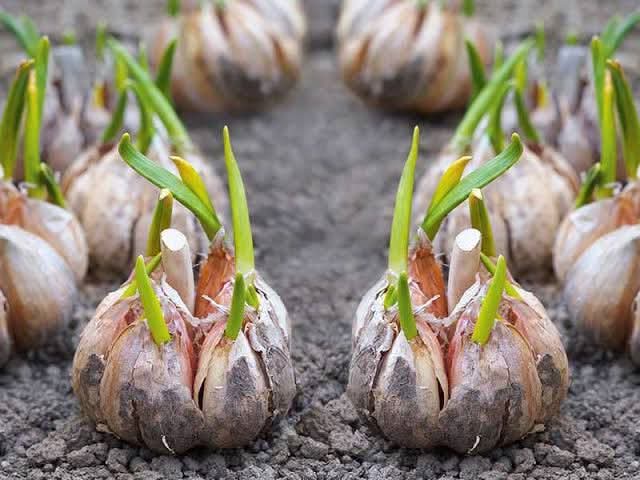
Start by selecting quality planting material. Unlike other crops, garlic is propagated from cloves rather than seeds. Choose large, healthy, disease-free bulbs from a trusted source. Split the bulbs carefully into individual cloves, making sure the papery skin around each clove remains intact.
Before planting, prepare your land well. Plow and harrow to achieve a fine tilth. Incorporate well-decomposed compost or manure — about 10–15 tons per hectare — to boost soil fertility. Make raised beds or ridges for good drainage.
Planting is usually done at the beginning of the dry season when the soil is still moist. Each clove should be planted upright (with the pointed end facing up) about 2–3 cm deep, spaced 10 cm apart in rows that are 20–25 cm apart.
After planting, keep the field free from weeds, especially during the early growth stages. Garlic roots are shallow, so it’s important to weed gently to avoid disturbing the plants. Mulching with dry grass or crop residues helps retain moisture, control weeds, and regulate soil temperature.
Irrigation is crucial during bulb formation. Garlic requires consistent but moderate watering — too little causes small bulbs, while too much can cause rot. Use drip irrigation if possible, and reduce watering as the crop nears maturity to allow bulbs to harden and improve storage quality.
For nutrition, apply a balanced fertilizer during planting — NPK (20:20:20 or 15:15:15) works well. After one month, apply urea or CAN to promote leaf growth, followed by potassium-based fertilizer during bulb development. Always conduct a soil test to guide your fertilization plan.
Garlic is susceptible to pests and diseases such as thrips, onion maggots, and fungal infections like downy mildew or white rot. Practice crop rotation, avoid planting garlic where onions or leeks were previously grown, and use organic pesticides like neem extracts for control.
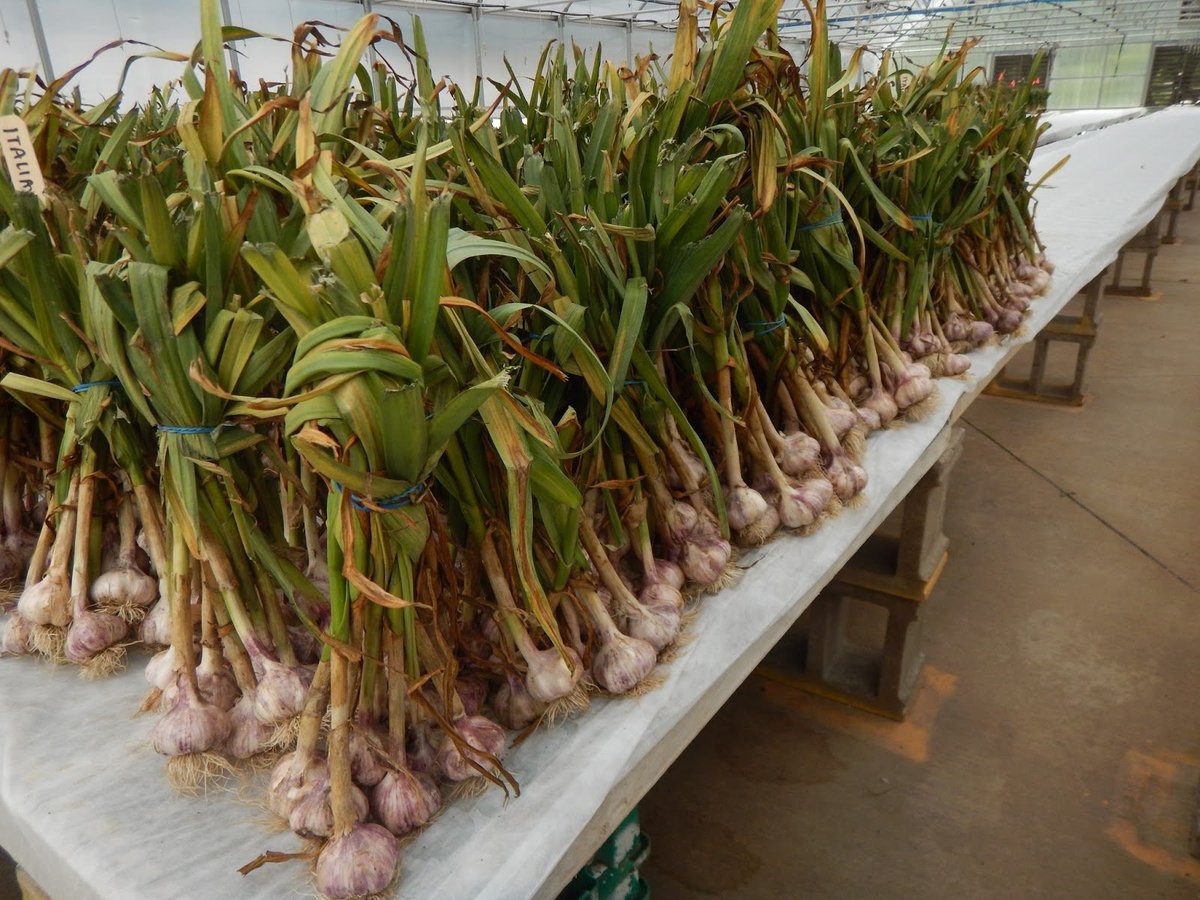
After about 4–5 months, your garlic will be ready for harvest. The best indicator is when most of the leaves turn yellow and start to dry. Gently loosen the soil and pull out the bulbs carefully to avoid bruising them. Shake off excess soil but don’t wash the bulbs immediately.
Cure (dry) the harvested bulbs by spreading them in a well-ventilated, shaded area for about 2–3 weeks. This process allows the outer skin to dry and the bulbs to store longer. After curing, trim the roots and stalks, sort according to size, and store in a cool, dry place.
Garlic can fetch high prices in both local and export markets, especially when well-cured and neatly packaged. You can sell it to markets, restaurants, supermarkets, or processors.
In short, garlic farming rewards patience and consistency. Start small, follow the right steps, and scale gradually as you gain experience. It’s a crop that doesn’t just spice up meals — it can also spice up your income!
#GarlicFarming #Agriculture #SmartFarming #AgriBusiness #Horticulture #FarmersGuide

GARLIC FARMING FOR BEGINNERS: EVERYTHING YOU NEED TO KNOW TO GROW SUCCESSFULLY
Garlic farming is one of the most profitable and rewarding ventures in horticulture. It’s a high-value crop with steady demand both locally and internationally — used in cooking, medicine, and food processing. The good news is that garlic is relatively easy to grow, and with proper management, even a small plot can produce a great yield.
Here’s your complete step-by-step guide to growing garlic successfully:
Garlic grows best in cool to mild climates and needs well-drained, fertile soil with plenty of organic matter. The ideal soil pH should range between 6.0 and 7.5. Avoid waterlogged soils because excess moisture can lead to bulb rot.
Start by selecting quality planting material. Unlike other crops, garlic is propagated from cloves rather than seeds. Choose large, healthy, disease-free bulbs from a trusted source. Split the bulbs carefully into individual cloves, making sure the papery skin around each clove remains intact.
Before planting, prepare your land well. Plow and harrow to achieve a fine tilth. Incorporate well-decomposed compost or manure — about 10–15 tons per hectare — to boost soil fertility. Make raised beds or ridges for good drainage.
Planting is usually done at the beginning of the dry season when the soil is still moist. Each clove should be planted upright (with the pointed end facing up) about 2–3 cm deep, spaced 10 cm apart in rows that are 20–25 cm apart.
After planting, keep the field free from weeds, especially during the early growth stages. Garlic roots are shallow, so it’s important to weed gently to avoid disturbing the plants. Mulching with dry grass or crop residues helps retain moisture, control weeds, and regulate soil temperature.
Irrigation is crucial during bulb formation. Garlic requires consistent but moderate watering — too little causes small bulbs, while too much can cause rot. Use drip irrigation if possible, and reduce watering as the crop nears maturity to allow bulbs to harden and improve storage quality.
For nutrition, apply a balanced fertilizer during planting — NPK (20:20:20 or 15:15:15) works well. After one month, apply urea or CAN to promote leaf growth, followed by potassium-based fertilizer during bulb development. Always conduct a soil test to guide your fertilization plan.
Garlic is susceptible to pests and diseases such as thrips, onion maggots, and fungal infections like downy mildew or white rot. Practice crop rotation, avoid planting garlic where onions or leeks were previously grown, and use organic pesticides like neem extracts for control.
After about 4–5 months, your garlic will be ready for harvest. The best indicator is when most of the leaves turn yellow and start to dry. Gently loosen the soil and pull out the bulbs carefully to avoid bruising them. Shake off excess soil but don’t wash the bulbs immediately.
Cure (dry) the harvested bulbs by spreading them in a well-ventilated, shaded area for about 2–3 weeks. This process allows the outer skin to dry and the bulbs to store longer. After curing, trim the roots and stalks, sort according to size, and store in a cool, dry place.
Garlic can fetch high prices in both local and export markets, especially when well-cured and neatly packaged. You can sell it to markets, restaurants, supermarkets, or processors.
In short, garlic farming rewards patience and consistency. Start small, follow the right steps, and scale gradually as you gain experience. It’s a crop that doesn’t just spice up meals — it can also spice up your income!
#GarlicFarming #Agriculture #SmartFarming #AgriBusiness #Horticulture #FarmersGuide

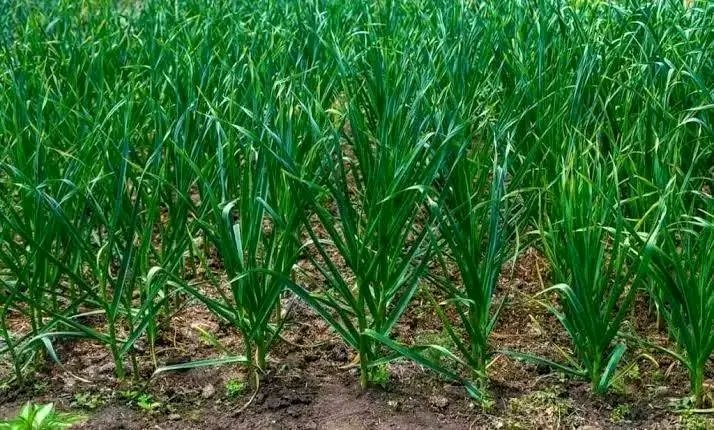
🧄 GARLIC FARMING: TURN A SMALL PLOT INTO BIG PROFITS 💰 Think garlic is just a kitchen spice? Think again. With proper management, even a tiny plot can bring high returns.
Here’s the smart farmer’s guide 👇 #GarlicFarming #SmartFarming

#GarlicFarming 🧄
Investing in garlic farming is a smart move because it requires low input, grows in many soils, has strong demand in food and medicine, and offers high profits in a short season. It’s a crop with lasting market value and great returns.


Last Seen Hashtags on Sotwe
anita alvarado
Seen from Chile
beastiality()* +filter:native_video
Seen from United States
شهيد_الإسلام_والإنسانية
Seen from United States
beurette arab
Seen from France
novia puta
Seen from Mexico
rutbarainbow
Seen from Algeria
空乘
Seen from United States
حلويات_شرقية
Seen from United States
monkeyapp
Seen from Kenya
洪瑞珍
Seen from United States
Most Popular Users

Elon Musk 
@elonmusk
241.6M followers

Barack Obama
@barackobama
119M followers

Cristiano Ronaldo
@cristiano
114.2M followers

Donald J. Trump
@realdonaldtrump
111.8M followers

Narendra Modi
@narendramodi
107.2M followers

Rihanna
@rihanna
98.7M followers

NASA
@nasa
92.4M followers

Justin Bieber
@justinbieber
91.8M followers

KATY PERRY
@katyperry
89.9M followers

Taylor Swift
@taylorswift13
83.8M followers

Lady Gaga
@ladygaga
75.3M followers

Virat Kohli
@imvkohli
73.1M followers

Kim Kardashian
@kimkardashian
70.8M followers

YouTube
@youtube
68.8M followers

Neymar Jr
@neymarjr
66.2M followers

Bill Gates
@billgates
65M followers

Selena Gomez
@selenagomez
62.9M followers

The Ellen Show
@theellenshow
62.3M followers

CNN
@cnn
61.8M followers

X
@x
60.7M followers