

Top Tweets for #GreatDepression2

#Preparedness #FinancialPreparedness #BRICS #DollarCollapse #Inflation #Cash #Gold #Silver #GreatDepression2 #StockMarketCrash
With the BRICS Summit 2024 right before the election, now is the time to take action: Pay off or down your debts, avoid taking on any new debt, and stockpile cash like Warren Buffet—or to the best of your ability, even if it’s just $5,000. Keep it in small denominations—$1, $5, $10, and $20—for easier barter and trade.
Do everything you can Preparers of Men to be ready, preparation is key! Why do you think I've been hitting up garage sales? Buy what you need NOW, before items become unavailable or prices skyrocket. Don't wait until it's too late!
The BRICS Summit and the Looming Threat to the U.S. Dollar: What America Faces and How to Prepare
As the global stage shifts, America faces one of its most significant challenges in modern history: the potential loss of the U.S. dollar as the world's reserve currency. This seismic change is coming in the wake of the rise of BRICS nations (Brazil, Russia, India, China, and South Africa), which are collectively positioning themselves to reshape the global financial system. With the 16th BRICS Summit approaching, this reality draws nearer, signaling a critical moment for America to prepare for the far-reaching economic consequences.
The Bretton Woods Agreement: A Historical Foundation
To understand the potential fallout from the BRICS challenge, we must look back to the 1944 Bretton Woods Agreement. This historic agreement, forged as World War II was winding down, established the U.S. dollar as the world’s reserve currency. Nations agreed to peg their currencies to the U.S. dollar, which, in turn, was tied to gold. The system ensured the U.S.'s dominance in global trade, giving the dollar an unparalleled position in the global economy.
However, in 1971, President Nixon suspended the dollar’s convertibility into gold, effectively ending the Bretton Woods system. Since then, the dollar has remained the world’s primary currency for international trade, largely due to America’s economic power and the trust placed in its stability.
The Emergence of BRICS: A Challenge to Western Dominance
The BRICS nations emerged in the early 2000s as a counterweight to Western-led economic frameworks. Initially a loose coalition of emerging economies, BRICS has grown into a more formalized economic and political bloc. The group initially comprised Brazil, Russia, India, China, and South Africa, but the upcoming 16th BRICS Summit will mark its first meeting after expanding to include Egypt, Ethiopia, Iran, and the United Arab Emirates.
The expansion signifies the growing influence of BRICS and its ambition to become a more inclusive and powerful force in global economics. These nations have openly discussed reducing their dependence on the U.S. dollar and establishing new systems for cross-border payments, potentially using digital currencies or blockchain technology. Such moves directly threaten the dominance of the U.S. dollar, particularly as these countries control a significant share of the world’s population and natural resources.
The 16th BRICS Summit: A Pivotal Moment
From October 22 to 24, 2024, the BRICS nations will gather in Kazan, Russia, to deliberate on crucial economic and geopolitical matters. This summit comes at a time when BRICS nations are not only looking to expand their influence but also considering bold steps that could fundamentally alter the global financial system.
Key Issues on the Agenda:
- Integration Over Expansion: While many countries have expressed interest in joining BRICS, Russia’s presidency for 2024 has shifted the focus to deepening integration among existing members. This will involve tighter cooperation in political, economic, and cultural spheres, enhancing the bloc's cohesion.
- Financial Cooperation: One of the most alarming discussions is the potential development of a new cross-border payment system that bypasses the U.S. dollar. Using regulated digital currencies and blockchain technology, this system could reduce reliance on the dollar for international transactions, severely impacting the dollar's role as the global reserve currency.
- Security and Strategic Alliances: Military cooperation between Russia and China will also be on the table, underscoring a deeper alignment that could further isolate the West. Additionally, plans to establish cybersecurity registries suggest that BRICS is not only focusing on economic dominance but also aiming to shape global security measures.
What Happens If the U.S. Dollar Loses Its Reserve Status?
Losing the U.S. dollar’s status as the world’s reserve currency would have profound implications for America. Since World War II, the U.S. has enjoyed unique economic privileges due to its control of the global currency. This status allows America to borrow at lower interest rates, maintain strong purchasing power, and finance large deficits with relative ease. However, if BRICS succeeds in creating an alternative, the following scenarios could unfold:
1. Inflation Surge: Without the demand for the dollar in global markets, its value would likely decline. This would result in higher inflation as imported goods and services become more expensive. Everyday items—groceries, gas, and electronics—would see steep price increases.
2. Rising Interest Rates: To maintain confidence in the U.S. dollar, the Federal Reserve might be forced to raise interest rates, making borrowing more expensive. This would impact everything from mortgage rates to business loans, putting a strain on consumers and businesses alike.
3. Increased Cost of Living: As inflation rises and interest rates climb, the overall cost of living would soar. Families already struggling with rising prices could face even greater financial challenges.
4. Global Trade Shift: With the dollar no longer serving as the default currency for international trade, other currencies—potentially backed by commodities like gold or oil—could take its place. This shift could alter the flow of goods and services, weakening America’s trade advantages.
Preparing for a Post-Dollar World
While the BRICS challenge may seem far off, the time to prepare is now. Here are steps Americans can take to safeguard against the potential fallout:
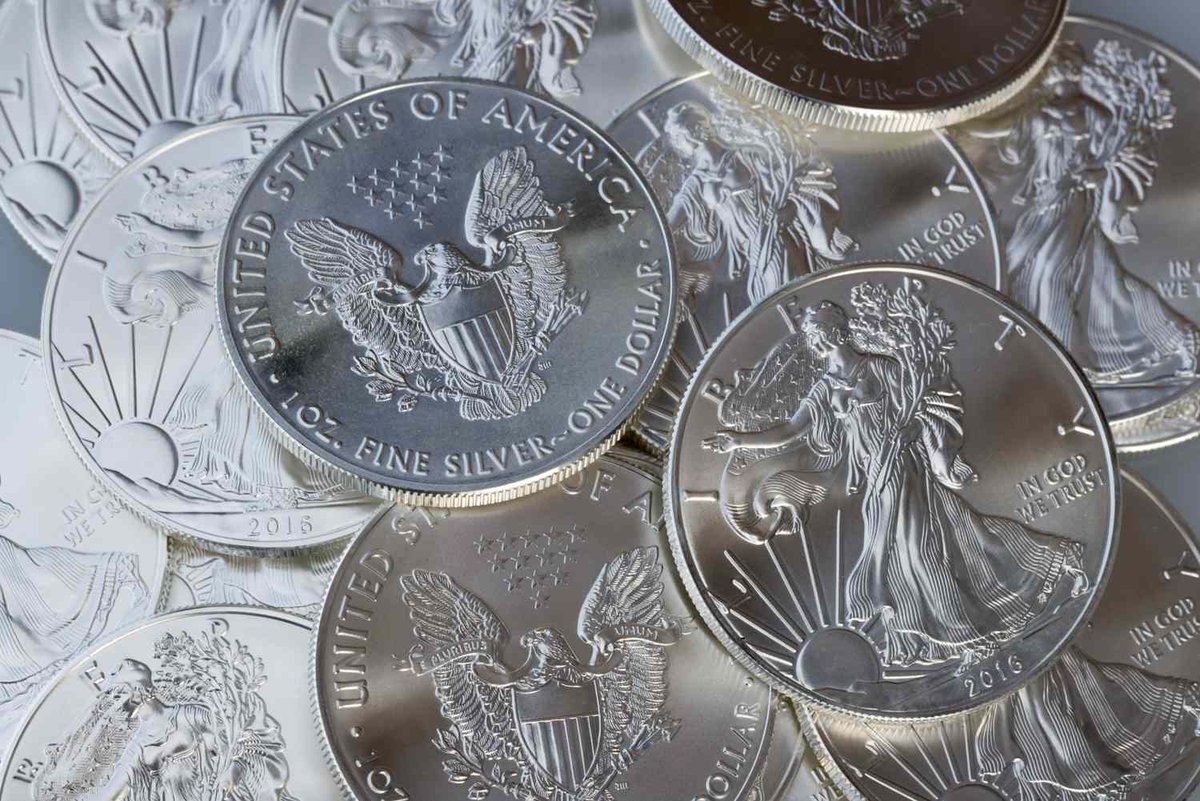
- Diversify Investments: Consider diversifying assets into commodities such as gold, silver, and other tangible resources. These could serve as a hedge against inflation and currency devaluation.
- Reduce Debt: With the possibility of rising interest rates, it’s crucial to pay down high-interest debt. Reducing debt burdens will free up resources and protect against financial strain in the future.
- Focus on Self-Sufficiency: The potential for higher prices on goods and services means that self-reliance will become increasingly important. Growing your own food, learning practical skills, and investing in local resources can help mitigate the impact of inflation.
- Build Local Networks: As the global economy shifts, local and regional economies may become more important. Building strong community ties and bartering systems could help ensure access to goods and services outside of traditional currency systems.
Conclusion: A Gloomy Outlook or a Wake-Up Call?
The 16th BRICS Summit marks a critical moment in the reshaping of global economic power. As these nations challenge the U.S. dollar's dominance, America must confront the reality of a world where its currency may no longer reign supreme. While the potential consequences are concerning, this shift also serves as a wake-up call for Americans to take proactive steps in preparing for the future. By diversifying investments, reducing debt, and building local resilience, Americans can position themselves to weather the storm and navigate the uncertain waters of a post-dollar world.
---


Last Seen Hashtags on Sotwe
mgai
Seen from Brazil
พระราม2
Seen from Thailand
mgai ()()()()()******()***
Seen from Netherlands
mgai(*************************************************************************************)
Seen from Argentina
taboo
Seen from Philippines
ometv monkeyapp
Seen from United States
sister boobs
Seen from India
anxiouspandaa
Seen from United Kingdom
antalyatraveſtileri
Seen from Turkey
edgar
Seen from United States
Trends for you
Most Popular Users

Elon Musk 
@elonmusk
240.1M followers

Barack Obama
@barackobama
118.6M followers

Cristiano Ronaldo
@cristiano
114.4M followers

Donald J. Trump
@realdonaldtrump
111.7M followers

Narendra Modi
@narendramodi
106.9M followers

Rihanna
@rihanna
98.6M followers

NASA
@nasa
92.1M followers

Justin Bieber
@justinbieber
91.7M followers

KATY PERRY
@katyperry
89.9M followers

Taylor Swift
@taylorswift13
83.9M followers

Lady Gaga
@ladygaga
75.4M followers

Virat Kohli
@imvkohli
73.3M followers

Kim Kardashian
@kimkardashian
70.8M followers

YouTube
@youtube
68.6M followers

Neymar Jr
@neymarjr
66.3M followers

Bill Gates
@billgates
65.2M followers

Selena Gomez
@selenagomez
63M followers

The Ellen Show
@theellenshow
62.1M followers

CNN
@cnn
61.7M followers

X
@x
60.6M followers