

Top Tweets for #HardwareEngineering

Yapay zeka modellerinin işletim sistemlerine gömüldüğü bu yeni çağda, geleneksel x86 işlemci mimarisinin hantal yapısı dün gece Taipei Computex 2026'da büyük bir darbe aldı. Yeni duyurulan ve doğrudan silikon katmanına LPDDR5X bellek entegre edilerek tasarlanan yeni nesil mimariler, tam 1.2 TB/s gibi çılgın bir veri bant genişliğine ulaştı. Bu mimari, işlemci çekirdeklerinin aralarındaki latency değerini sıfırlayarak otonom ajan görevlerinde (agentic tasks) geleneksel x86 çiplerini tam ikiye katlıyor.
Eskiden yapay zekanın sadece GPU katmanında koşturulduğu, CPU'nun ise arka planda sıradan sistem lojistiğiyle uğraştığı bir dünya vardı. Şimdi ise işlemcinin doğrudan kalbine gömülen yüksek hızlı bellekler sayesinde, yerel otonom ajanlar veriyi RAM ile işlemci arasında taşırken darboğaza takılmıyor. Yazılım mimarisindeki en büyük tıkanıklık olan hafıza duvarı (memory wall) nihayet çöküyor.
Ajanik iş yüklerini yerel katmanda çalıştırmak için optimize edilen bu hibrit silikon tasarımları, 40 senelik x86 sunucu ve PC ekosistemini tamamen tasfiye mi edecek? Mühendislik artık saf frekans hızına değil, veri akışının kesintisizliğine biat ediyor gibi..
#Computex2026 #SiliconArchitecture #LPDDR5X #AgenticAI #HardwareEngineering #TheLogos

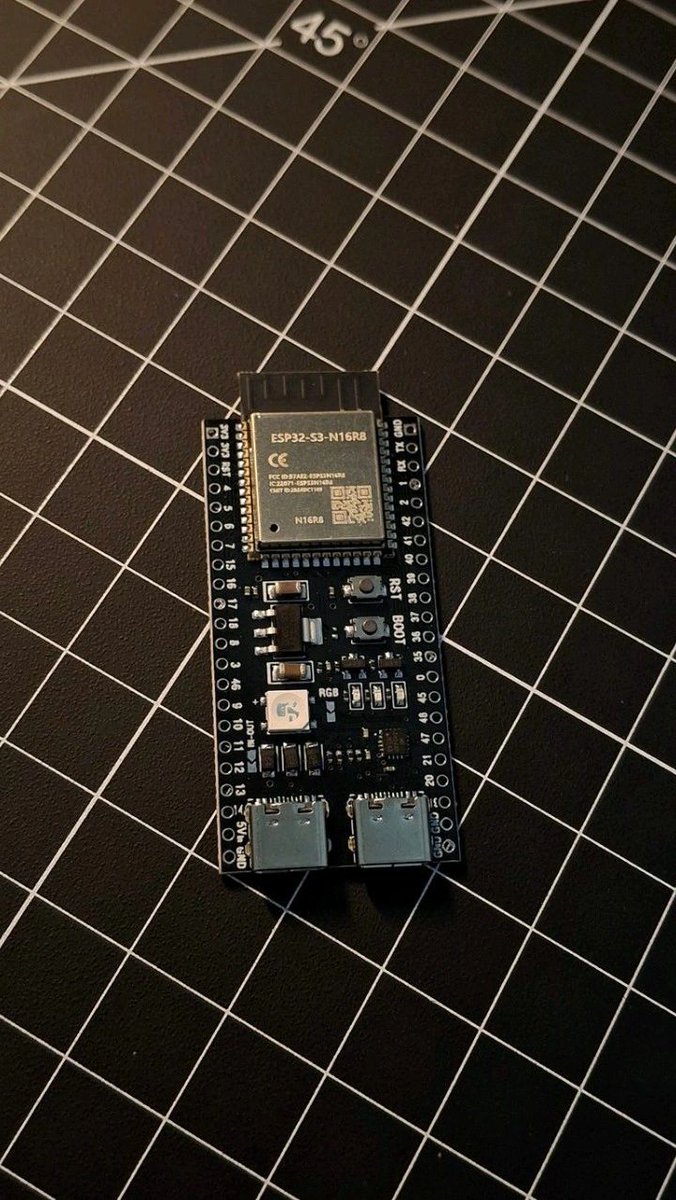
𝐓𝐡𝐞 𝐄𝐒𝐏32-𝐒3 𝐢𝐬 𝐚𝐧 𝐚𝐛𝐬𝐨𝐥𝐮𝐭𝐞 𝐩𝐨𝐰𝐞𝐫𝐡𝐨𝐮𝐬𝐞 𝐟𝐨𝐫 𝐄𝐝𝐠𝐞 𝐀𝐈 𝐚𝐧𝐝 𝐜𝐨𝐦𝐩𝐥𝐞𝐱 𝐈𝐨𝐓. 𝐇𝐞𝐫𝐞 𝐢𝐬 𝐰𝐡𝐲. 🚀
As an IoT developer, evaluating the right microcontroller is half the battle in any hardware project. Right now, the ESP32-S3 is dominating the conversation, and for good reasons.
Take a close look at the specific module in this picture: the ESP32-S3. For hardware enthusiasts, those numbers mean serious business—16𝐌𝐁 𝐨𝐟 𝐐𝐮𝐚𝐝 𝐒𝐏𝐈 𝐅𝐥𝐚𝐬𝐡 and 8𝐌𝐁 𝐨𝐟 𝐎𝐜𝐭𝐚𝐥 𝐒𝐏𝐈 𝐏𝐒𝐑𝐀𝐌.
That is a massive amount of memory for a microcontroller, giving you the headroom to run heavy machine learning models right at the edge.
Here is a quick breakdown of why this board is currently a top-tier choice for modern development:
🔹 𝐏𝐫𝐨𝐜𝐞𝐬𝐬𝐢𝐧𝐠 𝐏𝐨𝐰𝐞𝐫: Dual-core Xtensa 32-bit LX7 microprocessor running at up to 240 MHz.
🔹 𝐀𝐈 𝐀𝐜𝐜𝐞𝐥𝐞𝐫𝐚𝐭𝐢𝐨𝐧: Features built-in vector instructions specifically to accelerate neural network computing and signal processing.
🔹 𝐂𝐨𝐧𝐧𝐞𝐜𝐭𝐢𝐯𝐢𝐭𝐲: Seamless 2.4 GHz Wi-Fi and Bluetooth 5 (LE) for robust wireless networking.
🔹 𝐌𝐚𝐬𝐬𝐢𝐯𝐞 𝐌𝐞𝐦𝐨𝐫𝐲 (𝐍16𝐑8): Easily handles complex audio, camera streaming, or data-heavy applications.
🔹 𝐍𝐚𝐭𝐢𝐯𝐞 𝐔𝐒𝐁: Built-in USB OTG, making interfacing and debugging incredibly smooth.
Whether the goal is smart home automation, remote surveillance systems, or deploying TinyML, the S3 is engineered to handle the workload flawlessly.
What is your current go-to microcontroller for heavy-duty IoT projects? Let’s talk hardware in the comments! 👇
📕 https://t.co/yUaVkQfGM1
#IoT #ESP32S3 #EmbeddedSystems #Microcontrollers #EdgeAI #HardwareEngineering #TechCommunity #IoTDeveloper #hardware

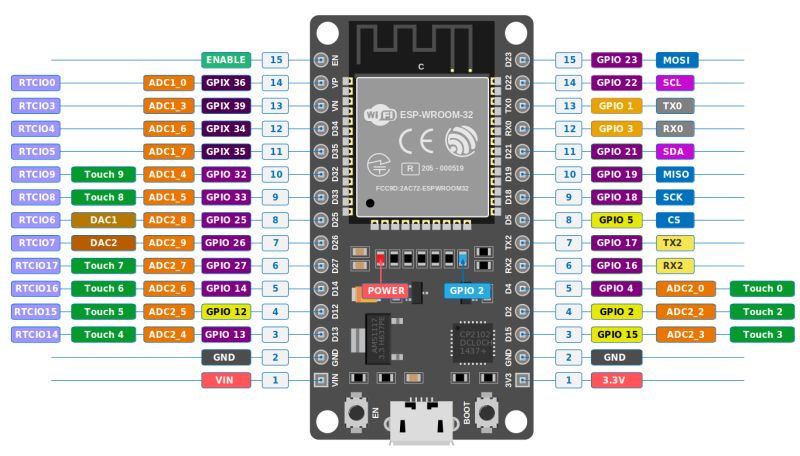
📌 ESP32 Pinout Technical Guide
📘 Full Project Guide:
https://t.co/yUaVkQgeBz
When working with the ESP-WROOM-32 chip in IoT and embedded systems applications, understanding the pin configuration and functionality is essential to utilize the board's full capabilities.
The ESP32 features highly multiplexed pins. Below is a technical breakdown of their core functions:
🔹 Power Options: Includes a VIN pin (accepts external input voltage regulated by the onboard AMS1117 to 3.3V) and a dedicated 3.3V output pin.
🔹 Communication Protocols: Equipped with hardware support for standard protocols, including UART (TX/RX), SPI (MOSI, MISO, SCK, CS), and I2C (SDA, SCL) for interfacing with sensors and displays.
🔹 Analog & Digital Capabilities: Features multiple ADC channels (Analog-to-Digital Converter) for reading analog sensor data, and two DAC channels (Digital-to-Analog Converter) for true analog output.
🔹 Capacitive Touch: Includes built-in touch-sensing GPIOs that can detect capacitive touch without external circuitry.
🔹 Deep Sleep Functionality: RTCIO (Real-Time Clock IO) pins enable waking up the microcontroller from ultra-low-power sleep states, making it suitable for battery-operated deployments.
💡 Programming Note: When developing in environments such as Arduino IDE, MicroPython, or ESP-IDF, always reference the GPIO number in your code, rather than the physical pin position on the development board.
#EmbeddedSystems #IoT
#ESP32 #HardwareEngineering #Microelectronics #FirmwareDevelopment #TechCommunity

Engineer’s quick checklist for PCB suppliers:
✅ Ask about real use conditions
✅ Explain selection logic
✅ Suggest tests when needed
✅ Know similar applications
✅ Flag risks early
✅ Discuss more than price
Save it for your next project.
#Fastturn #PCBA #HardwareEngineering

Yapay zekanın en büyük paradoksu fiziksel gerçekliğe büründü: AI, artık kendisinin çalışacağı silikon mikroçipleri insan mühendislerden daha hızlı ve verimli tasarlıyor. Çip mimarisinde milyarlarca bileşenin (transistör) nereye yerleştirileceğini belirleyen o karmaşık 'yerleşim ve rotalama' (placement and routing) süreçleri, AI tabanlı algoritmalar tarafından organik, kıvrımlı ve insan aklının sınırlarını zorlayan geometrilerle yeniden yazılıyor.
Eskiden yüzlerce mühendisin aylarca uğraştığı çip doğrulama ve tasarım süreçleri, artık makinelerin kendi altyapılarını optimize ettiği 'özyinelemeli bir kendini geliştirme' (recursive self-improvement) döngüsüne dönüştü. Yazılım, kendi fiziksel katmanını (substrate) kendi şekillendiriyor.
Yapay zeka, kendisini daha hızlı çalıştıracak donanımı yine kendisi tasarlamaya başladıysa, bu teknolojik evrim hızının logaritmik olarak insan kontrolünden çıkacağı o kırılma noktasına (singularity) ne kadar yaklaştık?
Kod, kendi yatağını kazmaya Başladı..
#SemiConductors #ChipDesign #RecursiveAI #HardwareEngineering #TheLogos #AI2026

𝐓𝐡𝐞 𝐄𝐒𝐏32-𝐒3 𝐢𝐬 𝐚𝐧 𝐚𝐛𝐬𝐨𝐥𝐮𝐭𝐞 𝐩𝐨𝐰𝐞𝐫𝐡𝐨𝐮𝐬𝐞 𝐟𝐨𝐫 𝐄𝐝𝐠𝐞 𝐀𝐈 𝐚𝐧𝐝 𝐜𝐨𝐦𝐩𝐥𝐞𝐱 𝐈𝐨𝐓. 𝐇𝐞𝐫𝐞 𝐢𝐬 𝐰𝐡𝐲. 🚀
As an IoT developer, evaluating the right microcontroller is half the battle in any hardware project. Right now, the ESP32-S3 is dominating the conversation, and for good reasons.
Take a close look at the specific module in this picture: the ESP32-S3. For hardware enthusiasts, those numbers mean serious business—16𝐌𝐁 𝐨𝐟 𝐐𝐮𝐚𝐝 𝐒𝐏𝐈 𝐅𝐥𝐚𝐬𝐡 and 8𝐌𝐁 𝐨𝐟 𝐎𝐜𝐭𝐚𝐥 𝐒𝐏𝐈 𝐏𝐒𝐑𝐀𝐌.
That is a massive amount of memory for a microcontroller, giving you the headroom to run heavy machine learning models right at the edge.
Here is a quick breakdown of why this board is currently a top-tier choice for modern development:
🔹 𝐏𝐫𝐨𝐜𝐞𝐬𝐬𝐢𝐧𝐠 𝐏𝐨𝐰𝐞𝐫: Dual-core Xtensa 32-bit LX7 microprocessor running at up to 240 MHz.
🔹 𝐀𝐈 𝐀𝐜𝐜𝐞𝐥𝐞𝐫𝐚𝐭𝐢𝐨𝐧: Features built-in vector instructions specifically to accelerate neural network computing and signal processing.
🔹 𝐂𝐨𝐧𝐧𝐞𝐜𝐭𝐢𝐯𝐢𝐭𝐲: Seamless 2.4 GHz Wi-Fi and Bluetooth 5 (LE) for robust wireless networking.
🔹 𝐌𝐚𝐬𝐬𝐢𝐯𝐞 𝐌𝐞𝐦𝐨𝐫𝐲 (𝐍16𝐑8): Easily handles complex audio, camera streaming, or data-heavy applications.
🔹 𝐍𝐚𝐭𝐢𝐯𝐞 𝐔𝐒𝐁: Built-in USB OTG, making interfacing and debugging incredibly smooth.
Whether the goal is smart home automation, remote surveillance systems, or deploying TinyML, the S3 is engineered to handle the workload flawlessly.
What is your current go-to microcontroller for heavy-duty IoT projects? Let’s talk hardware in the comments! 👇
📕 https://t.co/yUaVkQfGM1
#IoT #ESP32S3 #EmbeddedSystems #Microcontrollers #EdgeAI #HardwareEngineering #TechCommunity #IoTDeveloper #hardware
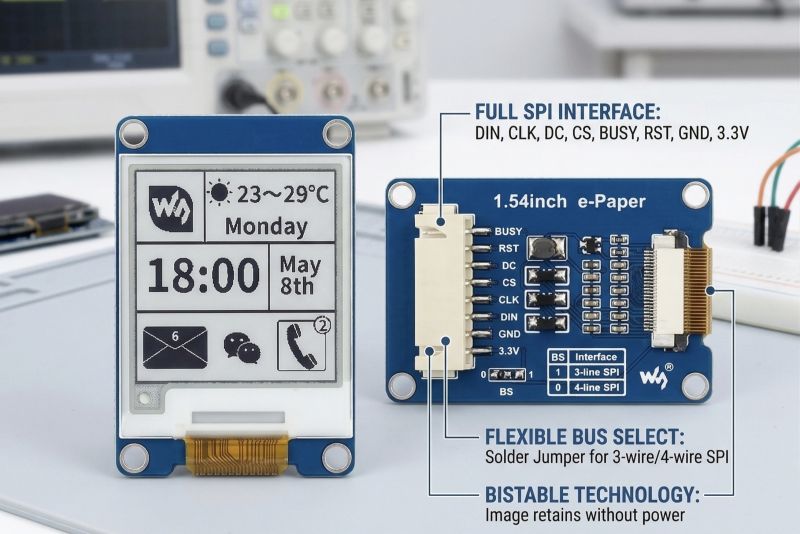
Tired of your IoT battery draining in days? It’s time to talk about bistable displays. 🔋
If you are building low-power monitoring nodes, desktop dashboards, or smart home interfaces, your choice of display dictates your entire power budget. Recently, I’ve been working with this 1.54-inch e-Paper (e-Ink) module, and it is an absolute game-changer for battery-operated setups.
Unlike OLEDs or LCDs that require constant refreshing and backlighting, e-Paper displays are bistable. They only consume power during a state change. Once the image is drawn, you can completely cut power to the display, and it will retain the image indefinitely.
Here is a deep dive into the hardware of this specific module and why it's so great for rapid prototyping:
🛠️ The Hardware Breakdown
The Interface (SPI): It communicates via a fast SPI interface. If you look at the back of the PCB, there’s a BS (Bus Select) solder jumper. By default, it operates in 4-wire SPI (BS=0), but you can bridge it to 1 to switch to 3-wire SPI if you are extremely strapped for GPIO pins.
Logic Levels: It’s designed for standard 3.3V logic, making it a direct, safe connection to modern microcontrollers like the ESP32, ESP8266, or STM32 without needing external level shifters.
The Pinout Explained:
VCC / GND: Standard 3.3V power.
DIN / CLK: Your standard SPI MOSI and Clock lines.
CS (Chip Select): Allows you to share the SPI bus with other peripherals (like an SD card reader).
DC (Data/Command): Crucial for telling the display controller whether the incoming SPI bytes are configuration commands or actual pixel data.
RST (Reset): A hardware reset pin to wake the display controller.
BUSY: My favorite pin on this board. e-Ink displays take hundreds of milliseconds to physically move the ink particles. Instead of guessing with delay(), you can tie the BUSY pin to an interrupt to know exactly when the display is ready for the next command.
💡 The Software Architecture
Wiring this up to an ESP32 is incredibly straightforward using libraries like GxEPD2. Because these microcontrollers have Wi-Fi, you can easily pull JSON data from a REST API—perhaps data managed by an Angular web dashboard—parse it, push the pixel buffer to the e-Paper via SPI, and immediately put the microcontroller into deep sleep.
What is your go-to display for low-power projects? Have you integrated e-Paper into your builds yet? Let’s discuss in the comments! 👇
📕 https://t.co/yUaVkQfGM1
📕 https://t.co/m3TxwRK2pp
#HardwareEngineering #IoT #EmbeddedSystems #ESP32 #STM32 #Arduino #eInk #Electronics #PCB #MakerCommunity #LowPowerDesign
🎧 MAX98357A – Tiny I2S Digital Audio Amplifier Powering Big IoT Ideas!
In modern IoT and embedded systems, audio feedback, alerts, and voice interaction are becoming essential. The MAX98357A solves a major challenge by combining a DAC + 3W Class-D amplifier into a single compact module.
This tiny board can take digital I2S audio from microcontrollers like ESP32, Raspberry Pi, or STM32—and directly drive a speaker with clean, clear sound.
🔍 Key Features
🔹 Supports I2S digital audio
🔹 Built-in 3W Class-D amplifier
🔹 Noise-free audio output
🔹 Works with 3.3V/5V microcontrollers
🔹 Auto-detects sample rates
🔹 No external DAC or amplifier required
⚙️ How It Works
Microcontroller (ESP32 etc.) → I2S Data → MAX98357A → Speaker Output
This makes it perfect for voice-enabled IoT systems and edge-audio automation.
🌍 IoT Use Cases
🔸 Smart speakers
🔸 Voice assistants
🔸 Home automation with audio alerts
🔸 Audio streaming over Wi-Fi
🔸 Talking robots
🔸 Wireless intercom systems
🔸 Offline voice-AI projects
The MAX98357A proves that tiny modules can deliver powerful audio—opening new possibilities in IoT, robotics, and smart consumer devices.
Would you like a sample ESP32 code for I2S audio playback using MAX98357A? 😊👇
🔥 ESP32 Projects, Guides and Tutorials
https://t.co/gxrULjhsho
#MAX98357A #I2S #IoT #ESP32 #EmbeddedSystems #AudioEngineering #Robotics #SmartHome #EdgeComputing #ElectronicsDesign #MakerCommunity #HardwareEngineering

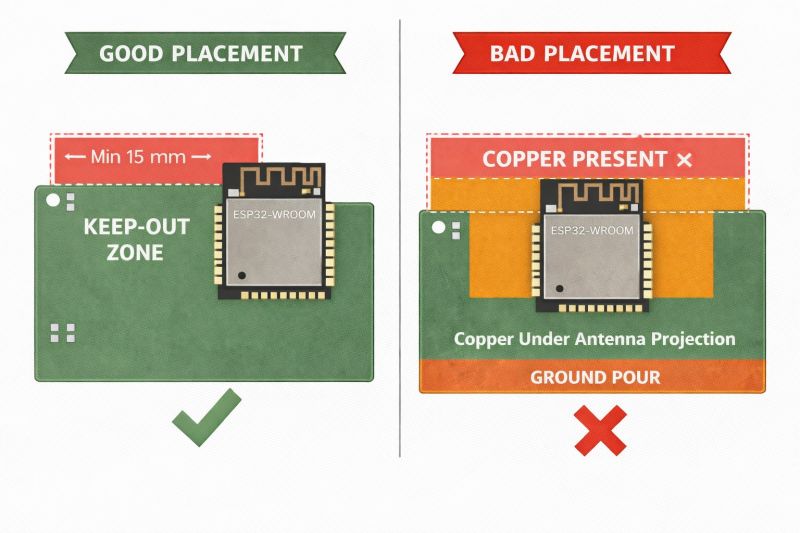
ESP32 Antenna Placement — A Small Mistake That Kills RF Performance
Many RF issues are not caused by the circuit…
They are caused by poor PCB layout.
If you’re using an ESP32-WROOM module, remember:
✅ Place the antenna at the PCB edge
✅ Maintain at least 15 mm keep-out zone in the radiation direction
❌ No copper, no ground pour, no traces in the antenna projection area
Copper under the antenna projection can cause detuning, reduced range, and unstable WiFi performance.
In hardware design, small layout decisions create big performance differences.
Design it right the first time.
🔥 Top 6 ESP32 eBooks
https://t.co/Kyt8ZzFBCY
#PCBDesign #ESP32 #EmbeddedSystems
#HardwareEngineering #RFDesign #IoT #Electronics
Trends for you
Most Popular Users

Elon Musk 
@elonmusk
240M followers

Barack Obama
@barackobama
118.6M followers

Cristiano Ronaldo
@cristiano
114.4M followers

Donald J. Trump
@realdonaldtrump
111.7M followers

Narendra Modi
@narendramodi
106.9M followers

Rihanna
@rihanna
98.6M followers

NASA
@nasa
92.1M followers

Justin Bieber
@justinbieber
91.7M followers

KATY PERRY
@katyperry
89.9M followers

Taylor Swift
@taylorswift13
83.9M followers

Lady Gaga
@ladygaga
75.4M followers

Virat Kohli
@imvkohli
73.3M followers

Kim Kardashian
@kimkardashian
70.8M followers

YouTube
@youtube
68.6M followers

Neymar Jr
@neymarjr
66.3M followers

Bill Gates
@billgates
65.2M followers

Selena Gomez
@selenagomez
63M followers

The Ellen Show
@theellenshow
62.1M followers

CNN
@cnn
61.7M followers

X
@x
60.6M followers