

Top Tweets for #History_Class

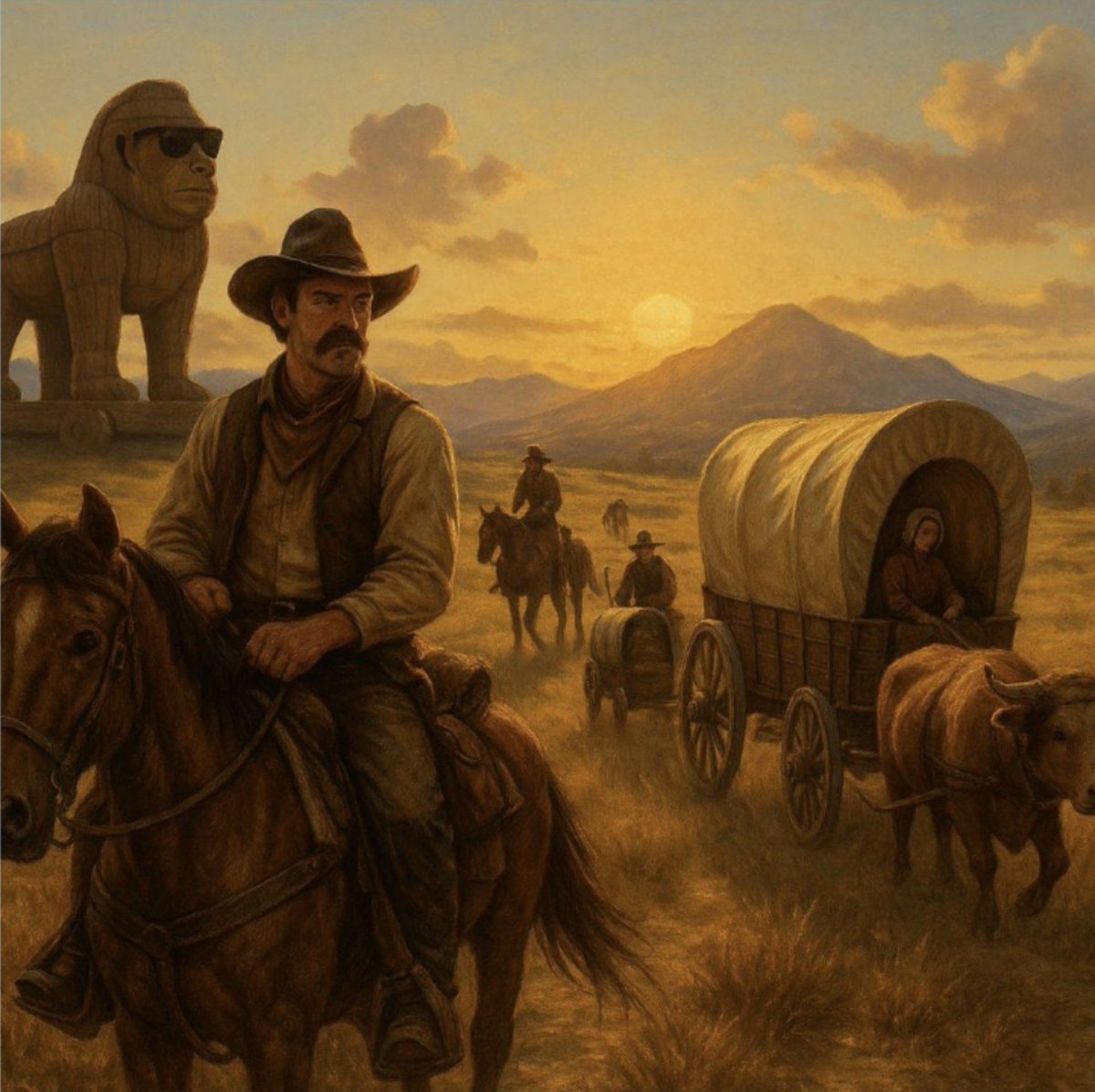
”Why #History_Class Never Rises Out of Ancestor Museum‑Mind Programming History class is designed to keep you loyal to yesterday
History class doesn’t rise because it was engineered to preserve ancestor programming, not dissolve it.
https://t.co/deXjWYFIjW
@MrJoe316
”Why #History_Class Never Rises Out of Ancestor Museum‑Mind Programming History class is designed to keep you loyal to yesterday
History class doesn’t rise because it was engineered to preserve ancestor programming, not dissolve it.
https://t.co/deXjWYFIjW

Rajendra Chola conquest of Srivijara
#history_class


The Armada That Unlocked the World
A thousand years ago, an Indian emperor launched a massive naval strike not for territory, but to break a chokehold on global commerce.
If you stood on the Coromandel Coast of India in the final months of 1024 AD, looking east toward the Bay of Bengal, you would have witnessed a mobilization unlike anything the pre-modern world had ever seen. The harbor was not filled with the usual bustle of merchant dhows or fishing catamarans. Instead, it was crowded with a purpose-built armada. There were hundreds of ships, robust vessels constructed from teak and jackfruit wood, bobbing in the surf. On board were tens of thousands of soldiers, armor, supplies, and, perhaps most terrifying of all to the enemies they would soon face, fully trained war elephants.
This was not a fleet of exploration. It was a fleet of correction.
The man who commanded this force, Emperor Rajendra Chola I, was about to launch a campaign that would rewrite the rules of Asian geography. His target was not a neighboring kingdom or a land border. It was an empire of islands across the ocean, the Srivijaya Empire, which controlled the vital chokepoints of Southeast Asia. The subsequent raid of 1025 AD remains one of the most audacious naval operations in history. It was a strike that effectively birthed a medieval version of global free trade, connecting the markets of China, India, and the Arab world by force.
To understand the sheer ambition of Rajendra’s gamble, one must understand the map of the medieval world. In the 11th century, the global economy beat to the rhythm of the monsoon winds. The great maritime Silk Road stretched from the Abbasid Caliphate in Baghdad to the Song Dynasty in China. India sat squarely in the center, the golden fulcrum where Arab merchants offloaded frankincense and horses, and Chinese traders sought spices and textiles.
But there was a problem. To get from the Indian Ocean to the South China Sea, every ship had to pass through the Strait of Malacca. This narrow ribbon of water was the property of the Srivijaya Empire, a thalassocracy based in modern-day Sumatra and the Malay Peninsula. Srivijaya did not produce great goods; it produced great borders. It acted as the world’s most aggressive tollbooth.
For decades, Srivijaya had leveraged its geography to squeeze the life out of the trade routes. They demanded exorbitant transit fees. They forced merchant vessels into their ports to offload cargo at below-market rates. When captains refused, the Srivijayan navy turned to piracy, seizing ships and stifling the flow of goods. For the powerful merchant guilds of southern India, known as the "Five Hundred Lords of Ayyavole," this was an intolerable strangulation of their livelihood. (I have written about Ayyavole. It was the probably first corporation in the world. Check my thread for that.)
Diplomacy had failed. The Srivijayan kings, secure in their distant island fortresses, believed they were untouchable. No Indian power had ever projected force across the open ocean on such a scale. The Bay of Bengal was too wide, the logistics too complex, the risks too high.
Rajendra Chola decided to change the rules.
The logistics of the 1025 campaign stagger the modern imagination. Transporting a medieval army by land is difficult enough; transporting one across 1,500 miles of open ocean is a feat of engineering genius. The Chola shipbuilders adapted their vessels for the high seas, using a technique of stitching planks with coir and sealing them with pitch to withstand the ocean swell. They mastered the science of celestial navigation, using rudimentary sextants to guide this floating city across the featureless blue. (Check my thread on how Cholas perfected latitude sailing which perhaps was used later by Columbus)
The genius of the operation, however, was not just in the engineering. It was in the strategy. Srivijaya expected any attack to come from the north, filtering predictably into the Malacca Strait. Rajendra appears to have done the impossible. His fleet likely swung south, navigating the treacherous currents to penetrate the Sunda Strait.
They emerged from the ocean mist like a thunderclap.
The inscriptions at the Tanjore Temple, carved in granite to immortalize the victory, read like a litany of shock and awe. They describe the Chola forces sweeping through the archipelago with the force of a "burning fire." The attack was not a single battle but a synchronized dismantling of the Srivijayan network. Fourteen key ports were struck. The capital at Palembang was sacked. The Srivijayan king, Sangrama Vijayatunggavarman, was captured, his treasury seized, and his "Vidyadhara-torana," the jeweled war gate of his city, taken as a trophy.
The use of elephants in an amphibious assault highlights the psychological dimension of Chola warfare. For the defenders, seeing armored pachyderms storming off ships onto their beaches must have been an apocalyptic sight, a shattering of the natural order that broke their will to fight.
Yet, what happened next distinguishes Rajendra Chola from a mere conqueror. He did not occupy Srivijaya. He did not station permanent garrisons or attempt to govern the archipelago from India. Once the Srivijayan king surrendered and acknowledged Chola suzerainty, the armada sailed home.
Rajendra was not interested in empire building in the colonial sense. He was interested in market correction.
The result was immediate and profound. The Bay of Bengal became, in effect, a Chola lake. The stranglehold on the Malacca Strait was broken. For the next century, the trade route was open. Chinese chronicles from the Song Dynasty record a sudden spike in tribute missions and trade from India. Arab geographers noted the ease with which goods now flowed from the Persian Gulf to Guangzhou.
The Chola raid of 1025 was the ultimate enforcement of freedom of navigation. It ensured that the triangular trade between the Arab world, India, and China could flourish without the interference of a predatory monopoly. It allowed the merchant guilds of South India to become the first true multinational corporations, setting up trading posts that stretched from Sumatra to southern China.
In our modern era, we often view the concept of "secure sea lanes" as a 20th-century invention, a responsibility of the British Royal Navy or the U.S. Navy. But a millennium ago, a Tamil emperor understood the same fundamental truth. He recognized that a global economy relies on open doors, and he proved that a nation with the will and the technology could reach across the ocean to kick them open.


$BONZI $VISTA
#History_Class
Decentralization did not really begin with blockchains, did it? It rather began in rooms where neighbours insured one another against their bad harvests and sudden broken bones. Mutual‑aid, as they name it, lodges pooled dues. Guilds of workers, enforced shared standards to protect their communities. And so cooperation, if it not were raided by the Hun, or Mongols, scaled because it worked.
Kropotkin, an aristocrat born intellectual, coined the "Anarchists Prince", who similar as Darwin, studied evolution; and quite brilliantly, he named the pattern that would today call "Peer-2-Peer Networks".
Mutual aid as a force or factor of evolution itself. Not just charity. But an actual Survival strategy that goes back to the first breathing creatures. Yea not just bashing the head and stealing all their women. But actual cooperation outcompeted most of people's isolation, especially when risks were very high, such as winters, and information was just scarce and kept local. The actual blockchain or ledger was social exchange, word of mouth, first. Yea, that's when people still had trust in each other. Imagine that.
Cheatless systems! (You can steal that one ;) )
Now fast moving forward. The 20th century industrialized these survival patterns. Not in history class, but we do see Co‑ops and credit unions often arising from various places since modern society set foot. Amateur Pirate radio mesh networks (like the ones in international seas) routing around single points of failure; to proxy websites of Piratebay. Peer or User lead Research communities,writing open standards; turned resilience into an engineering discipline. Small parts, bootstrapped and loosely joined.
Then the 1990s put it all on rails. Cypherpunks treated privacy as a public good. Keys, not kings. Mailing lists as parliaments. P2P culture normalized seeders and leechers, then rewarded uptime. Value moved from institutions to protocols.
Bitcoin proved scarcity without a mint. Ethereum made markets programmable. We learned to price coordination. We learned to automate trust while keeping exit optional. Culture caught up with code.
$BONZI $VISTA grows from that soil. A community that treats attention as capital and tipping as liquidity. A meme as a routing layer for belonging. Ethervista supplies the venue and the primitives. BONZI translates cooperation into yield, reach, and staying power. The treasury is a modern lodge box. The shard is a new guild hall. The playbook is simple. Make it easy to help, and cheaper to join than to fight.
What began as lodges became ledgers. What began as custom became code. l’essence est invicible pour les yeux. You will not see it by looking for leaders. You will see it by measuring how fast care moves.
🤫💜

なんと、 #ルナパレス
YouTubeで無料配信ですってよ🥹
お休みの合間や移動時間に
是非是非お楽しみください♪♪
今回、待ち望んでいた方々の
声も見てます🥰
と言うことは、
次回公演の声も届くのでは!!!
大きな声でつぶやきましょー
せーの #ルナパレス最高
#History_Class

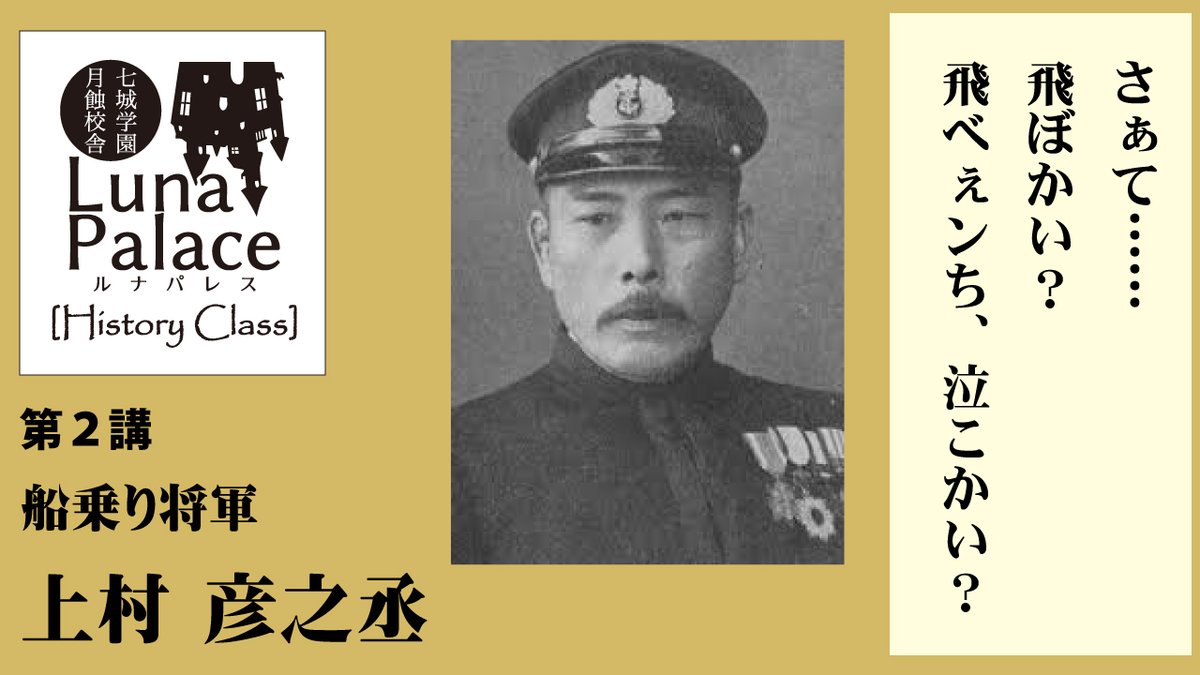
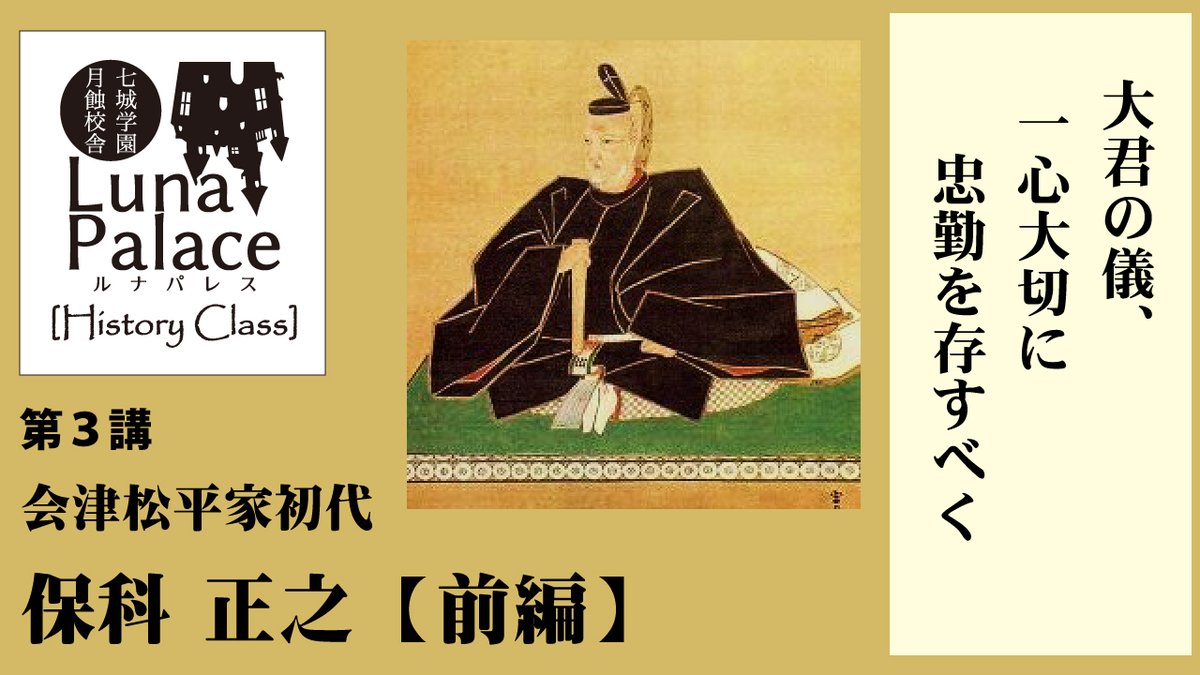
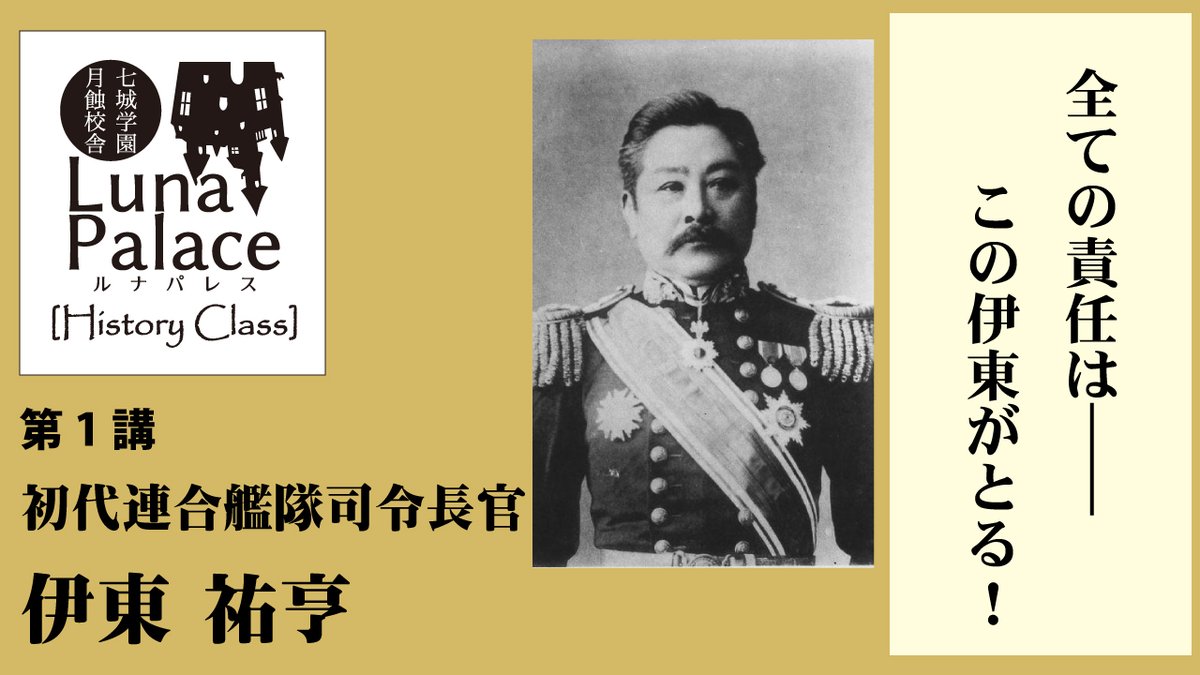
【動画公開】七城学園 月蝕校舎
〜セブンススクール・ルナパレス〜 #History_Class
第1講 https://t.co/nmLIOdCkGh
第2講 https://t.co/ee7dsv88VG
第3講(前編) https://t.co/NgiuYvZAkG
第3講(後編) https://t.co/8qN9dX0itO
#OracleSession で無料公開しました。
詳細はリンク先をご覧ください。
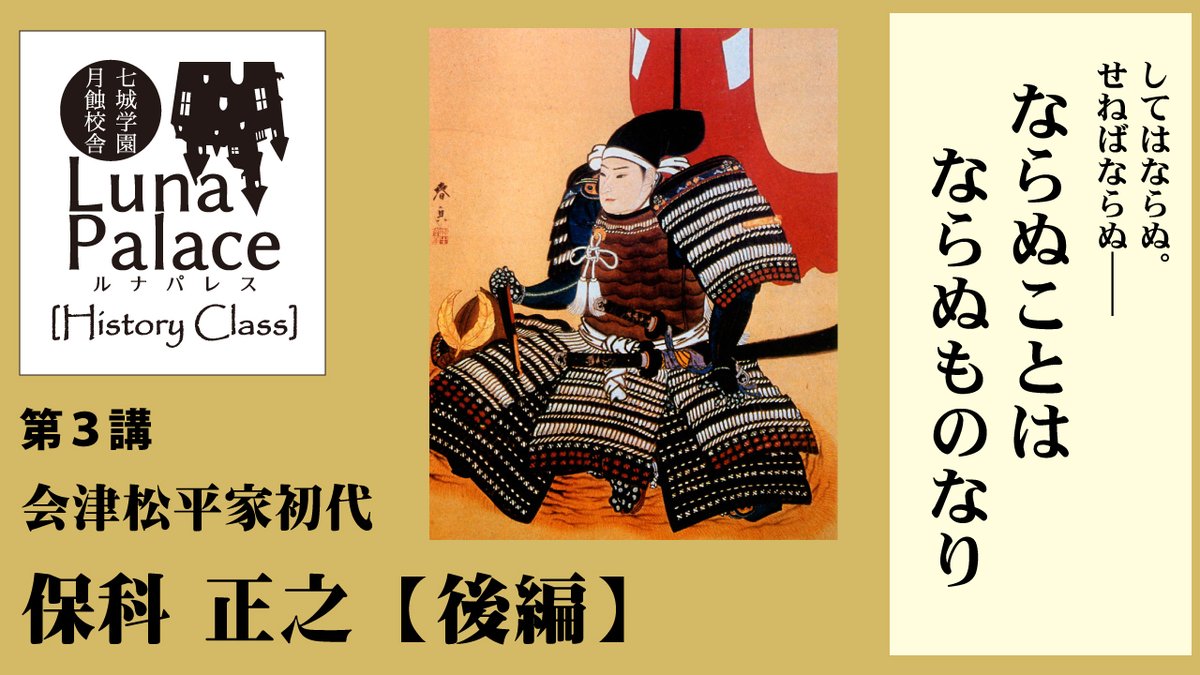

わぁぁい!!観たいと定期的に言ってきた甲斐あったー!
しかも無料とか太っ腹すぎるー!
とうらぶ好きな人も見て頂けるとー! 新撰組好きな人もー!
基本朗読劇ですが動きはあるよ。
歴史が楽しく学べますよー!
#ルナパレス
#History_Class
【動画公開】七城学園 月蝕校舎
〜セブンススクール・ルナパレス〜 #History_Class
第1講 https://t.co/nmLIOdCkGh
第2講 https://t.co/ee7dsv88VG
第3講(前編) https://t.co/NgiuYvZAkG
第3講(後編) https://t.co/8qN9dX0itO
#OracleSession で無料公開しました。
詳細はリンク先をご覧ください。

さあ、補習のお時間です。
ルナパレスhistory classの過去映像(記録映像)が無料公開となっております!
彼らの生き様、覚えている方もいない方もぜひこちらで復習しましょうね。(๑╹ω╹๑ )b
#ルナパレス
#History_Class
【動画公開】七城学園 月蝕校舎
〜セブンススクール・ルナパレス〜 #History_Class
第1講 https://t.co/nmLIOdCkGh
第2講 https://t.co/ee7dsv88VG
第3講(前編) https://t.co/NgiuYvZAkG
第3講(後編) https://t.co/8qN9dX0itO
#OracleSession で無料公開しました。
詳細はリンク先をご覧ください。

歴史好きでも唸るような小ネタも満載です!
皆様のお声次第が続編に繋がるかもしれないので、是非友人や家族、お子様と一緒にご視聴下さい
また周りの方にもオススメして頂けますと泣いて喜びます!
盛り上げ隊へのご協力をお願いします!
#ルナパレス #History_Class
【お知らせ】
学校では中々習わないような、ちょっとマニアックな人物に焦点を当てた歴史物朗読劇が無料公開中です
歴史苦手な方の目線に寄り添って楽しく分かりやすい内容になっていますので、騙されたと思って第一講からご視聴頂けると嬉しいです!
#ルナパレス #History_Class
【動画公開】七城学園 月蝕校舎
〜セブンススクール・ルナパレス〜 #History_Class
第1講 https://t.co/nmLIOdCkGh
第2講 https://t.co/ee7dsv88VG
第3講(前編) https://t.co/NgiuYvZAkG
第3講(後編) https://t.co/8qN9dX0itO
#OracleSession で無料公開しました。
詳細はリンク先をご覧ください。
【動画公開】七城学園 月蝕校舎
〜セブンススクール・ルナパレス〜 #History_Class
第1講 https://t.co/nmLIOdCkGh
第2講 https://t.co/ee7dsv88VG
第3講(前編) https://t.co/NgiuYvZAkG
第3講(後編) https://t.co/8qN9dX0itO
#OracleSession で無料公開しました。
詳細はリンク先をご覧ください。



#Khilafah_Education_Netherlands Geen schoolboek waarin de ware islamitische geschiedenis terug te vinden is, schoolboeken worden aangepast

Το "με πορδές δεν βάφονται αυγά" δεν είναι λαϊκή σοφία, αλλά απόδειξη ότι κάποιοι σ αυτή τη χώρα, το δοκίμασαν και δεν έπιασε #history_class
Last Seen Hashtags on Sotwe
momsonn
Seen from New Zealand
Teenager() + filter:videos
Seen from Brazil
omegle
Seen from United States
cherie deville
Seen from Brazil
スカトロ
Seen from Saudi Arabia
ethiopiansex
teenageer
konyapasif
momsonn(******)*********************** filter:native_video
Seen from Belgium
幼女
Seen from United States
Most Popular Users

Elon Musk 
@elonmusk
241.5M followers

Barack Obama
@barackobama
119M followers

Cristiano Ronaldo
@cristiano
114M followers

Donald J. Trump
@realdonaldtrump
111.8M followers

Narendra Modi
@narendramodi
107.2M followers

Rihanna
@rihanna
98.6M followers

NASA
@nasa
92.4M followers

Justin Bieber
@justinbieber
91.8M followers

KATY PERRY
@katyperry
89.8M followers

Taylor Swift
@taylorswift13
83.7M followers

Lady Gaga
@ladygaga
75.2M followers

Virat Kohli
@imvkohli
73M followers

Kim Kardashian
@kimkardashian
70.8M followers

YouTube
@youtube
68.8M followers

Neymar Jr
@neymarjr
66M followers

Bill Gates
@billgates
65M followers

Selena Gomez
@selenagomez
62.8M followers

The Ellen Show
@theellenshow
62.3M followers

CNN
@cnn
61.8M followers

X
@x
60.7M followers