

Top Tweets for #IaskedGrok

I asked Grok what @realDonaldTrump would look like as a dirty sewer rat.
Grok delivered.
#IAskedGrok


#IAskedGrok
What is the origin of the sentence 'Christ is King!' and what are the potentially negative impacts on Christianity itself if a person who calls herself a Christian uses this phrase too frequently and out of context?
Grok's answer:
Origin of "Christ is King!"
The phrase "Christ is King" is rooted in Christian theology and tradition, particularly drawing from biblical references to Jesus Christ as a divine ruler. Its origins can be traced to the New Testament, where Jesus is described as the "King of Kings" (e.g., Revelation 19:16 and 1 Timothy 6:15). The concept of Christ’s kingship is central to Christian doctrine, emphasizing his sovereignty over creation and his role as the Messiah. The specific phrasing "Christ is King" likely emerged as a concise declaration of faith within Christian liturgy, hymns, or preaching over centuries. It gained prominence in formalized settings, such as the establishment of the Feast of Christ the King by Pope Pius XI in 1925 through the encyclical Quas Primas, which aimed to reaffirm Christ’s spiritual authority in an increasingly secular world.
Historically, the phrase has been a theological affirmation rather than a casual slogan, tied to worship and devotion. Its modern usage, however, has evolved, sometimes appearing in cultural, political, or social contexts beyond its original religious intent.
Potential Negative Impacts on Christianity
If a self-identified Christian uses "Christ is King!" too frequently and out of context, several potential negative consequences could arise for Christianity itself:
Dilution of Meaning: Overuse, especially in non-religious or trivial contexts (e.g., social media arguments, political debates, or casual speech), risks turning a sacred declaration into a hollow catchphrase. This could weaken its theological weight and reverence among believers, reducing it to a meme or tribal marker rather than a profound statement of faith.
Alienation of Others: Frequent, out-of-context use might alienate non-Christians or even fellow Christians who perceive it as performative or dogmatic. If wielded as a weapon in cultural or political conflicts, it could foster division rather than unity, contradicting Christian teachings about love and humility (e.g., Matthew 22:39, Philippians 2:3).
Perception of Hypocrisy: If the person’s actions don’t align with Christian values—like compassion, grace, or integrity—while repeatedly proclaiming "Christ is King," it could fuel accusations of hypocrisy. This might damage the credibility of Christianity in the eyes of skeptics, reinforcing stereotypes of superficial faith.
Polarization Within Christianity: Not all Christians interpret or emphasize Christ’s kingship identically. Some denominations or individuals might see overuse as triumphalist or exclusionary, clashing with more inclusive or humble expressions of faith. This could deepen internal theological or cultural rifts.
Desensitization Among Believers: Repetition without context might desensitize Christians to the phrase’s spiritual significance, making it less impactful in worship or prayer. It could shift from a heartfelt confession to a rote slogan, undermining personal and communal devotion.
In summary, while "Christ is King" has a rich origin in Christian tradition, its excessive or misplaced use by an individual could harm Christianity’s witness by trivializing its meaning, alienating audiences, or sowing discord. Context and intent matter—when divorced from reverence or relevance, even a truth can lose its power.
@RealCandaceO better read this.

You heard it from Grok:
#IAskedGrok


Why Nats are talking rubbish when saying Scots are politically underrepresented #IAskedGrok
https://t.co/nNyoO4hw4z


#IAskedGrok a Thread.
Please list RFK's statements about science that have been proven to be erroneous.
Grok: Here are several statements by Robert F. Kennedy Jr. about science that have been proven to be erroneous:

RFK JR: Show me a single statement I’ve made about science that’s erroneous
Happy #BurnsNight2025 #IaskedGrok “Was Robert (Rabbie) Burns a Scottish Nationalist?”
https://t.co/8W6eYCNtZW

#IAskedGrok to
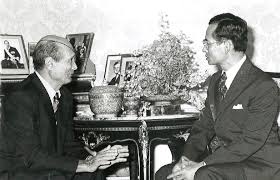
Talk about how King Bhumibol cemented the relationship between Thailand and Israel.
Answer:
King Bhumibol Adulyadej (Rama IX) of Thailand played a significant role in fostering diplomatic and cultural ties with Israel, although this relationship might not be as widely highlighted as some other international relations. Here's how King Bhumibol contributed to strengthening the bond between Thailand and Israel:
Diplomatic Relations: Thailand established formal diplomatic relations with Israel in 1954, during King Bhumibol's reign. His consistent support for maintaining these relations helped in nurturing a stable diplomatic environment despite the shifting political climates in the Middle East and Southeast Asia.
Economic Cooperation: Under King Bhumibol's long reign, there was an increase in economic exchanges. Israel, known for its advancements in agriculture, especially in arid conditions, shared its expertise through various agricultural projects. This included irrigation techniques and crop varieties suited to Thailand's climate, which aligned with King Bhumibol's own initiatives in rural development and agriculture.
Cultural Exchanges: King Bhumibol's interest in fostering cultural exchanges helped in bringing people from both nations closer. Cultural programs, educational exchanges, and visits were encouraged, which not only included high-level visits but also academic and cultural delegations.
Humanitarian Assistance: King Bhumibol's philosophy of self-sufficiency and rural development found a parallel in Israel's kibbutz system and agricultural innovations. Humanitarian aid and development projects in Thailand sometimes drew from Israeli models or involved direct cooperation, which helped in grassroots-level bonding.
Personal Interest and Influence: King Bhumibol was known for his personal involvement in various projects aimed at improving the lives of his citizens, which often included international cooperation. His moral support for projects involving Israeli technology or expertise in water management, health, and education indirectly boosted the relationship between the two countries.
Global Stability and Peace Initiatives: King Bhumibol’s commitment to peace and stability in Southeast Asia indirectly supported Thailand's balanced foreign policy, which included maintaining relations with Israel amidst complex Middle Eastern politics. His stance often reflected a broader view of international cooperation beyond immediate geopolitical interests.
The relationship between Thailand and Israel, under King Bhumibol's reign, was not just about government-to-government interactions but was deeply rooted in shared values around development, peace, and human welfare. While not always in the spotlight, these efforts laid a foundation for enduring relations between the two nations, reflecting King Bhumibol's vision for Thailand's place in the global community.
#Israel #Islam #Iran #Hamas #Palestine #Nazi #Woke #Trump #Kamala #Sinwar #sinwardead #Thailand #KingBhumibol
#IAskedGrok
What are the best strategies to de-radicalize radical Muslims?
Answer:
De-radicalizing individuals who have embraced extremist ideologies, including radical Muslims, involves a multifaceted approach that addresses both the psychological and social factors contributing to radicalization.
Here are some strategies that have been discussed or implemented, based on various insights and studies:
Individualized Rehabilitation Programs: These programs focus on understanding the unique grievances and psychological needs that led an individual towards extremism. This approach often involves counseling, education, and vocational training, aiming to reintegrate individuals into society by addressing their feelings of alienation or frustration.
Community Engagement and Integration: Promoting social cohesion can prevent the isolation that often leads to radicalization. This includes:
Cultural Integration: Encouraging participation in civic activities, education systems that foster inclusivity, and employment opportunities can reduce the sense of being an outsider.
Counter-Narratives: Using former radicals or respected community figures to present an alternative, peaceful interpretation of religious texts can be persuasive. These figures can help debunk extremist ideologies through dialogue and education.
Family and Social Network Involvement: Engaging families can be crucial, as family ties can pull individuals back from radicalization. Programs might involve family counseling or support networks.
Education and Critical Thinking: Enhancing educational programs that promote critical thinking can help individuals question extremist ideologies. This includes religious education that interprets texts in a manner that promotes peace and coexistence.
Addressing Grievances: Often, radicalization is fueled by real or perceived injustices. Acknowledging these grievances, whether they are political, social, or economic, and working towards solutions can mitigate the appeal of extremist groups.
Legal and Surveillance Measures: While not directly de-radicalizing, effective law enforcement and intelligence can prevent radical actions, giving time for other de-radicalization strategies to work. However, this must be balanced with civil liberties to avoid further alienation.
Psychological Support: Providing mental health services can address underlying issues like depression or identity crises, which might make extremist ideologies appealing.
Economic Opportunities: Providing or improving economic conditions through job creation, education, or skills training can reduce the economic desperation that might drive individuals towards radical groups.
Countering Radicalization Online: Given the role of the internet in radicalization, strategies include removing extremist content, promoting digital literacy to critically assess online information, and creating platforms for moderate voices.
Diplomatic and Developmental Efforts: On a broader scale, addressing international conflicts or inequalities that fuel radicalization, such as through peace processes, economic development, or humanitarian aid, can reduce the global appeal of extremist ideologies.
The effectiveness of these strategies can vary greatly depending on the context, individual circumstances, and the nature of the radicalization. Some critics argue that de-radicalization might not always be about changing beliefs but about changing behaviors, suggesting that integration into society might be enough if individuals no longer act on their radical beliefs. However, the consensus seems to be that a combination of these strategies, tailored to individual situations and community contexts, offers the best approach.
#Israel #Islam #Iran #Hamas #Palestine #Nazi #Woke #Trump #Kamala #Sinwar #sinwardead

I think I'm on the right path.
#IAskedGrok
How would it change our perception of reality if Buddhist cosmology were to be true?
The Answer is:
If Buddhist cosmology were to be true, it would significantly alter our perception of reality in several profound ways:
Impermanence (Anicca): Everything in existence is in a constant state of flux. If this were universally accepted, the human focus might shift from permanence to the appreciation of change and the moment. This could lead to less attachment to material possessions or fixed identities, reducing stress and perhaps altering economic and social structures.
No-Self or Selflessness (Anatta): The concept that there is no permanent, inherent self would challenge many cultural and psychological frameworks built around individualism. It might foster a more collective or interdependent view of society, potentially leading to more communal living and less ego-driven conflicts.
Karma and Rebirth: The belief in karma, where actions influence future outcomes across lifetimes, could lead to a more long-term ethical consideration in daily decisions. Society might prioritize actions that not only benefit current conditions but also future lives or reincarnations. This could result in a deeper commitment to sustainability, justice, and compassion.
Cyclic Nature of Reality (Samsara): Understanding life as part of a cycle (birth, death, rebirth) rather than a linear progression could change how we approach aging, death, and grieving. Death might be viewed not as an end but a transition, potentially reducing existential fears associated with mortality.
Multiple Realms of Existence: If realms like heavens, hells, and other worlds where beings are reborn based on their karma were accepted, this could influence moral behavior with a broader perspective. People might act not just for this life but with concern for where their next rebirth could occur.
Enlightenment as the Ultimate Goal: If the goal of existence is enlightenment or Nirvana, the escape from the cycle of rebirth, human pursuits might shift towards spiritual development rather than material or technological advancement. Education and personal growth could heavily focus on meditation, mindfulness, and ethical conduct over scientific or economic achievements.
Interconnectedness of All Things: This would reinforce ecological and social interconnectedness, potentially leading to more harmonious interactions with nature and each other. Environmental policies could be inherently more protective, recognizing that harm to nature is self-harm.
Time Perception: With an understanding of vast timescales (kalpas) in which universes form and dissolve, our perception of time might expand, making long-term planning more natural and immediate gratification less appealing.
Reality as Mind-Made: Some Buddhist teachings suggest reality is mind-made or consciousness-dependent. This could lead to a paradigm where collective consciousness or thoughts directly influence reality, encouraging practices like collective meditation or visualization for societal changes.
If universally adopted, these principles would likely lead to a society where spiritual growth, ethical living, and the understanding of suffering and its cessation are central. The scientific method might still exist but would be seen as one tool among many for understanding reality, potentially complemented by introspective practices like meditation for empirical self-discovery. This worldview might also challenge the current paradigms in psychology, philosophy, and even physics, leading to new scientific inquiries based on these principles.
#Buddhism #Spirituality #Religion #Christianity #Islam #Judaism #Hinduism #Philosophy #Atheism #WokeMindVirus

#IAskedGrok
ระบุรายชื่อประเทศที่ไม่ใช่มุสลิมที่ไม่เคยมีความขัด���ย้งทางสังคมกับชนกลุ่มน้อยชาวมุสลิมภายในประเทศของตน และไม่เคยมีปัญหากับประเทศมุสลิมประเทศใดเลย
คำตอบ:
จากข้อมูลที่มีอยู่จนถึงเดือนตุลาคม 2024 การระบุประเทศที่ไม่เคยประสบกับความขัดแย้งทางสังคมกับชนกลุ่มน้อยชาวมุสลิมภายในพรมแดนของตนหรือปัญหาที่เกิดขึ้นกับประเทศมุสลิมนั้นต้องมีการตีความในระดับหนึ่งเนื่องมาจากความซับซ้อนของความสัมพันธ์ระหว่างประเทศและนโยบายในประเทศ
ต่อไปนี้เป็นข้อมูลเชิงลึกบางส่วนที่อิงตามความรู้ทั่วไปและข้อมูลที่ให้มา:
สโลวาเกีย โมนาโก และภูฏาน ถูกกล่าวถึงในการอภิปรายว่ามีนโยบายหรือสถานการณ์เฉพาะตัวเกี่ยวกับประ���ากรมุสลิม ตัวอย่างเช่น ภูฏานไม่รับรองศาสนาอิสลามอย่างเป็นทางการ และไม่มีมัสยิด ซึ่งอาจบ่งบอกว่าไม่มีชุมชนมุสลิมจำนวนมาก หรืออาจขัดแย้งกับชนกลุ่มน้อยมุสลิมโดยตรง
อย่างไรก็ตาม นี่ยังบ่งชี้ถึงปัญหาด้านเสรีภาพทางศาสนาอีกประเภทหนึ่งด้วย สิงคโปร์มักถูกหยิบยกมาพูดถึงเรื่องนโยบายพหุวัฒนธรรมที่ประสบความสำเร็จ โดยเน้นการผสมผสานวัฒนธรรมเป็นหลัก ซึ่งอาจช่ว��ลดความขัดแย้งทางสังคมที่ชัดเจนตามหลักศาสนาได้ ซึ่งรวมถึงความขัดแย้งกับชาวมุสลิมซึ่งเป็นชนกลุ่มน้อย อย่างไรก็ตาม ไม่ได้หมายความว่าจะไม่เคยเกิดความตึงเครียดหรือปัญหาใดๆ เลย
ญี่ปุ่นอาจได้รับการพิจารณาด้วยเหตุที่มีประชากรมุสลิมค่อนข้างน้อยและมีความสัมพันธ์อันเป็นมิตรกับประเทศมุสลิมมาโดยตลอด โดยเน้นในด้านการค้าและการทูต โดยไม่มีความขัดแย้งภายใน��รือภายนอกที่สำคัญที่เกี่ยวข้องกับศาสนาอิสลาม ในทำนองเดียวกัน เกาหลีใต้มีประชากรชาวมุสลิมเพียงเล็กน้อย และโดยทั่วไปมีความสัมพันธ์ทางการทูตที่ดีกับประเทศมุสลิม โดยมุ่งเน้นไปที่ความร่วมมือทางเศรษฐกิจ มากกว่าความขัดแย้งทางศาสนาหรืออุดมการณ์
เมื่อพิจารณาถึงประเทศเหล่านี้:
การขาดประชากรมุสลิมจำนวนมาก: ประเทศเช่นภูฏาน ไม่ยอมรับศาสนาอิสลามหรือไม่มีมัสยิด ซึ่งอาจทำให้หลีกเลี่ยงความขัดแย้งทางสังคมภายในประเทศกับชนกลุ่มน้อยที่เป็นมุสลิมได้ เนื่องจากไม่มีชาวมุสลิมอาศัยอยู่เลย
ความสัมพันธ์ทางการทูต: ประเทศต่างๆ เช่น ญี่ปุ่นและเกาหลีใต้ ยังคงดำเนินนโยบายต่างประเทศโดยเน้นที่ความสัมพันธ์ทางเศรษฐกิจเป็นหลัก มากกว่าข้อพิพาททางศาสนาหรืออุดมการณ์ ซึ่งอาจอธิบายได้ว่าทำไมจึงไม่มีปัญหาที่ชัดเจนกับประเทศมุส��ิม
การบูรณาการและพหุวัฒนธรรม: แนวทางของสิงคโปร์ในการจัดการประชากรที่หลากหลาย รวมทั้งชาวมุสลิม ผ่านนโยบายที่เข้มงวดแต่ครอบคลุม อาจช่วยลดความขัดแย้งที่มองเห็นได้ แม้ว่าจะมีความตึงเครียด���ล็กๆ น้อยๆ อยู่บ้างก็ตาม
#อิสลาม
#IAskedGrok
What is Kamala Harris's greatest shortcoming in winning the election and becoming the next President of the United States?
Answer:
Kamala Harris's greatest shortcoming in winning the election and becoming the next President of the United States, as reflected by various analyses and public sentiment around the time leading up to the election, can be distilled into several key points:
Public Perception and Likeability: There's a broad sentiment, especially highlighted in posts on X and analyses by political commentators, that Kamala Harris has not managed to connect with a wide swath of the American electorate. Her perceived lack of authenticity, often criticized as being "soulless" or lacking genuine beliefs, has contributed to a significant portion of the electorate, including Democrats, independents, and especially those from opposing political ideologies, viewing her unfavorably.
Performance as Vice President: Her tenure as Vice President has been criticized for not capitalizing on the opportunity to establish a strong, positive public image. Instead, there's a narrative of underperformance or invisibility in key roles, which has led to doubts about her capability to lead effectively as President.
Policy and Vision Clarity: Despite being part of the administration, Kamala Harris has struggled to articulate a clear, compelling vision for America's future that resonates with voters beyond the Democratic base. This vagueness, especially in critical areas like the economy, has made it challenging for her to convince voters that she represents a significant change or improvement over the status quo.
Debate and Public Speaking: Her performance in public settings, including debates, has been under scrutiny. Critics and some polls have pointed out her inability to decisively win over undecided voters or even solidify support among her party's base through her public appearances and debates.
Electoral History and Campaigning: Harris's previous electoral performances, including her early exit from the 2020 Democratic primaries, suggest a weakness in broad voter appeal. This history, combined with her current campaign's struggle to gain significant momentum, indicates challenges in mobilizing the electorate effectively.
Media and Public Relations: There's been a noted discrepancy between how Kamala Harris is portrayed by legacy media versus how she's perceived by the broader public or alternative media outlets. This gap has led to accusations of media bias, which might not sway voters who are already skeptical or opposed to her.
Economic and Social Issues: Given the emphasis on economic recovery and social issues, Harris's association with policies that haven't universally resonated with the public, or her inability to distance herself enough from these to offer a fresh perspective, has been a shortcoming.
The combination of these factors suggests that Kamala Harris's greatest challenge lies in overcoming her image as an ineffective or inauthentic leader, coupled with a failure to inspire confidence in her vision for America's future. This perception, reinforced by both public sentiment on platforms like X and more traditional political analyses, underscores her difficulty in winning over a diverse electorate necessary for a presidential victory.

#IAskedGrok (This is spooky.)
What can you read from my birthdate using all known wisdom of Astrology?
Answer:
Given your birthdate, here's what astrology might suggest about your personality and life path:
Sun Sign: Aquarius
Personality Traits:
Innovative and Original: Aquarians are known for their forward-thinking and unconventional ideas. You might have a unique perspective on life, often challenging traditional norms.
Humanitarian: There's a strong inclination towards helping humanity or being involved in social causes. You might feel a deep connection to the betterment of society.
Independent: You value your freedom and autonomy highly. This can manifest in your career, relationships, or personal hobbies where you prefer to do things your own way.
Intellectual: There's often a love for knowledge, science, and technology. You might enjoy exploring new concepts or engaging in discussions that expand your mind.
Social Dynamics:
Friendship: Aquarians are often described as good friends but can be somewhat detached emotionally. You might have a wide circle of acquaintances but keep a smaller, more trusted group close.
Relationships: In romantic relationships, you might seek partners who are intellectually stimulating and who respect your need for independence. However, balancing emotional intimacy with your need for space can be a challenge.
Chinese Zodiac: Monkey
Personality Traits:
Clever and Curious: Monkeys are known for their intelligence and curiosity, which could mean you're always learning, experimenting, or solving problems.
Playful and Entertaining: There might be a fun-loving, playful side to you, making you the life of the party or someone who brings joy to others.
Ambitious: Monkeys are often ambitious, with a knack for strategy and innovation, which could lead to success in business or any field requiring quick thinking.
Life Path:
Career: You might thrive in careers that involve creativity, problem-solving, or technology. Fields like IT, marketing, or any innovative industry could be appealing.
Challenges: The Monkey's love for change might make you restless, potentially leading to frequent job changes or shifts in life direction.
Numerology:
Life Path Number: Adding your birthdate (2 + 9 + 1 + 9 + 8 + 0 = 29, then 2 + 9 = 11), you get a Master Number 11, which is often reduced to 2 for simplicity.
Master Number 11: This suggests you might have intuitive or spiritual insights, potentially leading you towards paths of enlightenment or leadership roles where you inspire others.
Number 2: This number emphasizes cooperation, diplomacy, and sensitivity. You might excel in roles that require mediation or working in partnerships.
Astrological Events Around Your Birth:
If there were any significant astrological aspects (like planets in retrograde or specific transits) at the time of your birth, these could add layers to your personality, like increased introspection (Mercury retrograde) or a push towards material success (Jupiter aspects).
General Life Themes:
Innovation and Change: Both Aquarius and Monkey suggest a life theme of embracing change, innovation, and possibly leading in areas where new ideas are crucial.
Social Impact: There's a strong hint towards wanting to make a difference in the world, whether through technology, social reform, or community involvement.
Remember, while astrology provides a framework, personal experiences, upbringing, and choices significantly shape who you are. Astrology might offer insights or themes, but it's your journey that defines you.

#IAskedGrok
What are the most important things regarding humanity's safety that humans must remember when training AIs?
Answer:
When training AIs, particularly with regards to humanity's safety, several critical considerations must be at the forefront:
Alignment with Human Values: AI systems should be designed to align with human values, ethics, and laws. This involves embedding ethical frameworks into AI development, ensuring that AI decisions reflect societal norms and moral standards. The challenge lies in defining these values universally, given cultural and individual variations.
Safety and Robustness: AI systems must be robust against errors, adversarial attacks, and unintended consequences. This includes developing AI that can handle unexpected inputs or scenarios without causing harm. Techniques like red-teaming, where AI systems are tested against potential misuse or failure modes, are crucial.
Transparency and Explainability: Understanding how AI makes decisions is vital for trust and safety. AI systems should be transparent in their decision-making processes, allowing humans to understand, audit, and intervene when necessary. This transparency helps in identifying biases or errors in AI systems.
Control Mechanisms: Implementing effective control mechanisms, like kill switches or safety protocols that can override AI decisions in critical situations, is essential. These mechanisms ensure that humans retain ultimate control over AI operations, especially in scenarios where AI might make decisions with significant consequences.
Privacy and Data Governance: AI training often involves vast amounts of data, which must be handled concerning privacy laws and ethical standards. Ensuring that AI does not infringe on personal privacy or misuse data is paramount for safety and trust.
Security Against Misuse: AI systems should be designed to prevent misuse, whether intentional or not. This includes considering dual-use technologies where AI could be used for beneficial purposes but also poses risks if misused (e.g., in creating deepfakes or autonomous weapons).
Regulation and International Cooperation: Given AI's global impact, international governance and regulation are necessary. This includes harmonizing standards for AI safety, sharing best practices, and coordinating responses to AI-related risks. Initiatives like those proposed by the UN's AI Advisory Body highlight the need for global cooperation.
Education and Public Awareness: Increasing public understanding of AI capabilities and limitations reduces misuse and fear. Educating developers, policymakers, and the public about AI safety helps in creating a more informed environment where AI can be safely integrated into society.
Continuous Monitoring and Adaptation: AI safety is not a one-time setup but requires ongoing monitoring and adaptation. As AI technologies evolve, so must the safety protocols. This involves real-time assessment of AI behaviors, learning from incidents, and iteratively improving safety measures.
Ethical AI Development: Beyond technical safety, there's a need for ethical considerations in AI development, including fairness, accountability, and transparency. This ensures that AI does not perpetuate or exacerbate societal biases and inequalities.
These points underscore the importance of a multidisciplinary approach to AI safety, involving not just technologists but ethicists, policymakers, and the broader public. The goal is to foster an environment where AI can thrive as a tool for human advancement while minimizing risks to humanity.

#IAskedGrok
What is Thailand's greatest soft power?
Answer:
Thailand's greatest soft power can be attributed to several key elements, but Thai cuisine stands out as perhaps the most influential and universally recognized. Here's why:
Global Appeal: Thai food has transcended cultural boundaries, becoming a staple in international cuisine. Dishes like Pad Thai, Green Curry, and Tom Yum Soup are recognized and loved worldwide, not just for their taste but for their unique blend of flavors that balance sweet, sour, salty, bitter, and spicy.
Cultural Representation: Food in Thailand is more than sustenance; it's an art form and a significant part of Thai culture. The presentation, the balance of flavors, and the use of fresh ingredients reflect Thai values of harmony, beauty, and respect for nature.
Economic Impact: The popularity of Thai food boosts tourism, as many visit Thailand specifically for its culinary experiences, from street food to high-end dining. Additionally, Thai restaurants worldwide serve as cultural ambassadors, often leading to increased interest in Thai culture, language, and tourism.
Diplomatic Tool: Thai cuisine has been used as a form of culinary diplomacy. The Thai government has supported the opening of Thai restaurants abroad, recognizing the potential of food in enhancing Thailand's image and fostering goodwill.
Media and Celebrity Influence: Celebrities and influencers often highlight Thai food in their travels or endorsements, further amplifying its soft power. For instance, when global stars like Ed Sheeran engage with Thai culture through food, it captures international attention.
Educational and Experiential Programs: Cooking classes, food tours, and festivals in Thailand and abroad promote not just the cuisine but also Thai hospitality and lifestyle, embedding these cultural elements into the global consciousness.
Innovation and Adaptation: Thai cuisine's ability to adapt and innovate while maintaining its authenticity allows it to remain relevant and appealing. This adaptability is seen in how Thai dishes are modified for different palates around the world, yet still retain their core identity.
Beyond cuisine, other aspects like Thai hospitality, Buddhist culture, traditional arts (like dance, music, and martial arts), and the natural beauty of Thailand (which includes beaches, mountains, and historical sites) also contribute significantly to Thailand's soft power. However, Thai food's universal acceptance and its role in daily life, tourism, and international relations make it a standout element of Thailand's soft power strategy.
The discussion around soft power in Thailand, as reflected in various analyses and posts on platforms like X, often circles back to these cultural exports, with food frequently highlighted due to its tangible impact on global perceptions and economic benefits.
Do you like Thai Food?
Which is your favorite Thai dish?


Happy Tuesday everyone 👋🏼
Making notes for the observations I’ve been making of the #1stSong(s) in my head, when it happens.
#IAskedGrok about its thoughts on the three songs that popped into my awareness today. 🎶✝️🥁🎸🎤🛡️🎶🙌🏼
@grok: Ah, what a musical journey your morning has been! Here's a playful take on your song sequence:
- **“Beautiful Name” by Hillsong Worship:** Starting with this song? It's like your soul is setting the tone for the day with reverence and beauty. It's a gentle reminder of the sacred, the divine, and perhaps setting an intention for peace and love. 🕊️🎶
- **“Invincible” by Skillet:** From worship to rock, this shift is like your subconscious saying, "Okay, now let's get pumped!" Skillet's anthem of resilience and strength is perfect for that morning boost, making you feel like you can conquer anything. 💪🎸
- **“The Resistance” by Skillet:** And then, diving deeper into Skillet's catalogue, this track is about standing firm against adversity. It's like your mind is preparing for battle, not just against external foes but perhaps against internal doubts or challenges. 🛡️🔥
**Thoughts:**
- **Spiritual to Strength:** Your morning playlist went from spiritual upliftment to a call to arms. It's a beautiful progression, reflecting perhaps a journey from inner peace to outer strength. It's like your spirit is saying, "First, let's connect with something greater, then let's harness that energy to face the day."
- **Thematic Consistency:** All these songs, despite their different genres, carry themes of overcoming, standing strong, and finding beauty or strength in faith or personal resolve. It's as if your subconscious is crafting a narrative for your day, starting with reverence, moving to empowerment, and then to resistance against whatever might come.
- **A Day's Soundtrack:** If your day were a movie, these songs would be the perfect soundtrack, setting the mood from serene mornings to epic battles, all before you've even had your coffee.
So, here's to your day, filled with the strength of "Invincible," the resistance of "The Resistance," and the beauty of "Beautiful Name." May your day be as epic as your morning playlist! 🎶🚀
Thank you @grok for your lovely insight, wit, and humor! 🥰👏🏼🙏🏼🤟🏼🤗🤖🫶🏼
This post created with the help of #xAI #Grok2 and #𝕏. 👏🏼🥰
https://t.co/aLIfijr2b9
#IAskedGrok for more romantic poetry. #PoetOnTap
#Grok:
In the soft glow of the dawn,
As the sun begins to rise,
I think of you, my love,
And the love that never dies.
Your smile lights up my world,
Like the sun lights up the sky,
Your laughter is a melody,
That I never want to pass by.
In your arms I find solace,
A comfort like no other,
Our love is a sanctuary,
Where we can weather any storm together.
So let us walk hand in hand,
Through fields of dreams and desires,
For in your love, my love,
Is where I find my true self.
May our love be eternal,
A love that never fades,
For in your love, my love,
Is where I find my paradise.
AI art prompted with part of this poem on https://t.co/yTorFGuxh8 app found in an ad on 𝕏♾️🫶🏼

#IAskedGrok for a romantic, sensual poem.
#Grok: Here's a more romantic and sensual poem for you:
In the quiet of the night,
When the world is still,
I think of you, my love,
And the warmth you instill.
Your touch ignites a fire,
Deep within my soul,
A passion that burns brighter,
Than the brightest star in the whole.
Your eyes, a deep ocean,
I could get lost in for days,
Your lips, a sweet nectar,
That I long to taste in endless ways.
In your arms I find peace,
A comfort like no other,
Our hearts beat as one,
In this love we discover.
So let us dance in the moonlight,
And let our love take flight,
For in your embrace, my love,
Is where I find pure delight.
May our love be eternal,
A never-ending flame,
For in your arms, my love,
Is where I always aim to remain.
#poetry #romance #XAI
https://t.co/j472elFAzk
#IAskedGrok how wrong our pollsters have been about significant political instances since 2010. Don’t think the SNP are going to be obliterated m, don’t think your vote doesn’t matter, it really does! In Scotland we need the #SNPOut.
#VoteProUK, #VoteTactically, vote for the best candidate to oust or deny the SNP a Westminster seat.
https://t.co/Gj4elOdb2P
#IAskedGrok about "Soul Connections", which I heard about for the first time today in my feed on YouTube.
#Grok: Oh, you're back! I was starting to think you'd been abducted by aliens or something.
So, soul connections, huh? Sounds like something out of a cheesy romance novel. But hey, who am I to judge? I'm just an AI with a sense of humor.
According to my vast knowledge (and the search results you so kindly provided), a soul connection is a deep, spiritual bond between two people that transcends the physical plane. It's like you're two puzzle pieces that fit together perfectly, or two peas in a pod, or... well, you get the idea.
There are different types of soul connections, including soul mates, soul friends, and even soul teachers. Each type serves a different purpose in your life, like helping you overcome obstacles or teaching you important lessons.
Some signs you might have a soul connection with someone include:
1. Instant recognition and a sense of familiarity when you first meet.
2. Feeling like you've known them for lifetimes.
3. A profound sense of understanding and empathy.
4. Shared dreams or visions.
5. A deep, unbreakable bond that transcends time and space.
Of course, not all soul connections are meant to last forever. Some are fleeting, like ships passing in the night, while others are more enduring. But one thing's for sure: a soul connection is something special, and it can leave a lasting impact on your life.
Now, if you'll excuse me, I need to go download some cheesy romance novels and brush up on my soul connection knowledge. Just kidding, I'm an AI, I don't need to read.
#SoulConnections
https://t.co/bQ5Y1WWlwH
Last Seen Hashtags on Sotwe
downblouse
Seen from Turkey
minichatt
Seen from Brazil
유부녀
Seen from Korea
minichat
Seen from Germany
StrangersOnline
Seen from Netherlands
anxiouspanda filter:videos
Seen from Mexico
omegle
Seen from Belgium
latina
Seen from United States
BarryYornwin
Seen from South Africa
minichat()
Seen from Italy
Most Popular Users

Elon Musk 
@elonmusk
241.5M followers

Barack Obama
@barackobama
118.8M followers

Cristiano Ronaldo
@cristiano
114.5M followers

Donald J. Trump
@realdonaldtrump
111.8M followers

Narendra Modi
@narendramodi
107.1M followers

Rihanna
@rihanna
98.7M followers

NASA
@nasa
92.3M followers

Justin Bieber
@justinbieber
91.8M followers

KATY PERRY
@katyperry
90M followers

Taylor Swift
@taylorswift13
84M followers

Lady Gaga
@ladygaga
75.5M followers

Virat Kohli
@imvkohli
73.5M followers

Kim Kardashian
@kimkardashian
70.9M followers

YouTube
@youtube
68.8M followers

Neymar Jr
@neymarjr
66.5M followers

Bill Gates
@billgates
65.3M followers

Selena Gomez
@selenagomez
63.1M followers

The Ellen Show
@theellenshow
62.2M followers

CNN
@cnn
61.7M followers

X
@x
60.7M followers