

Top Tweets for #InvaderABCs

#InvaderABCs F is for Faxonius rusticus! The Rusty Crayfish is native to the Ohio River Basin in the Midwest, U.S. It lives in streams, ponds and lakes in a variety of habitats, including rocky, muddy, and vegetated areas. 📷Peter Pearsall https://t.co/2z3nD2n7rV

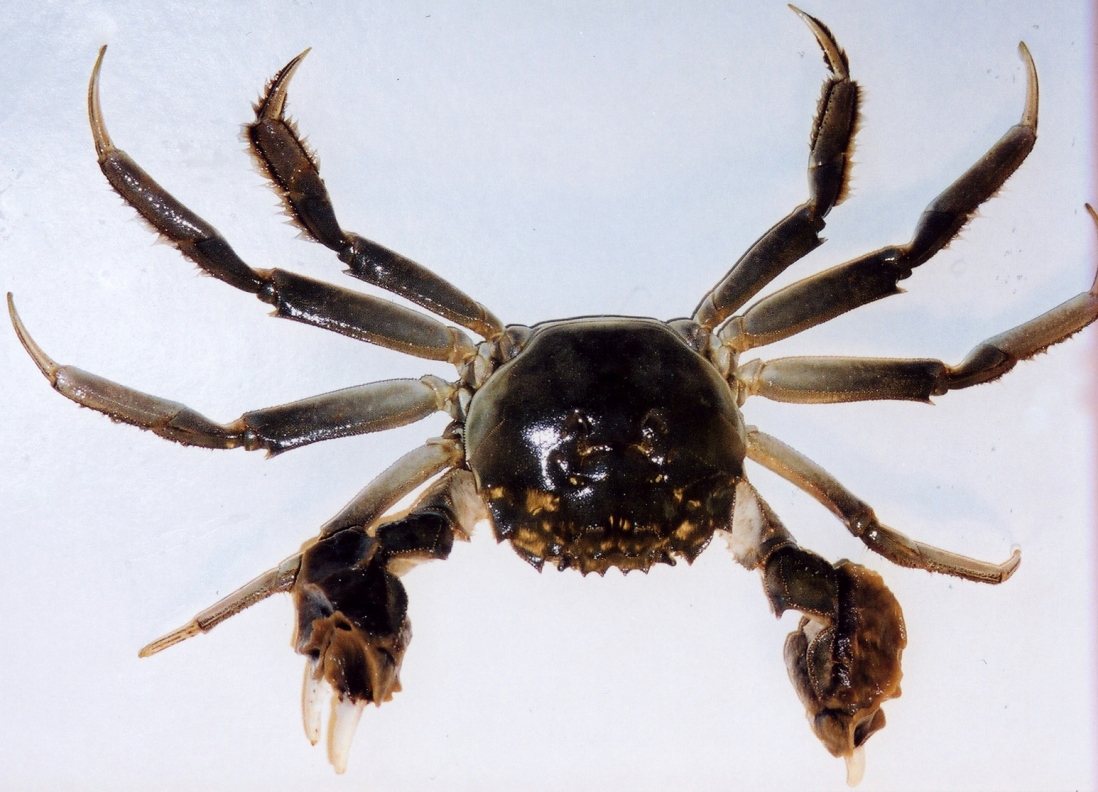
#InvaderABCs E is for Eriocheir sinensis! The Chinese Mitten Crab is native to China and has been introduced throughout Europe and North America. It was listed by the IUCN as one of the ‘100 worst #invasive species’. 📷Leif-Matthias Herborg https://t.co/4RKCkINMq1
#InvaderABCs D is for Dynoides dentisinus! Native to the NW Pacific from Russia to the East China Sea, this marine isopod inhabits subtidal and intertidal mussel beds, algal beds, and fouling communities. 📷Kazuyuki Yamada https://t.co/Ci9gPs7LP5

#InvaderABCs C is for Corella inflata! This solitary tunicate has a greatly enlarged atrial chamber, giving it an oblong, roughly cubical shape. Its native range spans Alaska, British Columbia and Puget Sound, WA. #TunicateTuesday 📷Christina Simkanin https://t.co/M0RqFosO0x

#InvaderABCs B is for Branchiomma bairdi! This tube-dwelling sabellid was described from Bermuda and is known from central Florida to Atlantic Panama and the Caribbean Islands. Habitats include mangroves, rocks, coral rubble, and piers. 📷Erica Keppel https://t.co/yFUwbo0pwt

#InvaderABCs A is for Ascophyllum nodosum! Knotted Wrack is an Arctic-Boreal brown algae native to both coasts of the North Atlantic. It's often used as packing material for seafood (introduced specimens may represent discarded packing material). 📷Dozens https://t.co/d9uISj819q

#InvaderABCs Z is for Zebra Mussel! Dreissena polymorpha was first collected in the Caspian Sea in 1769. It has established introduced populations in North America & Europe and has been listed by @IUCN as one of the '100 worst #invasive species.' https://t.co/luWiUb54ZF 📷@USGS

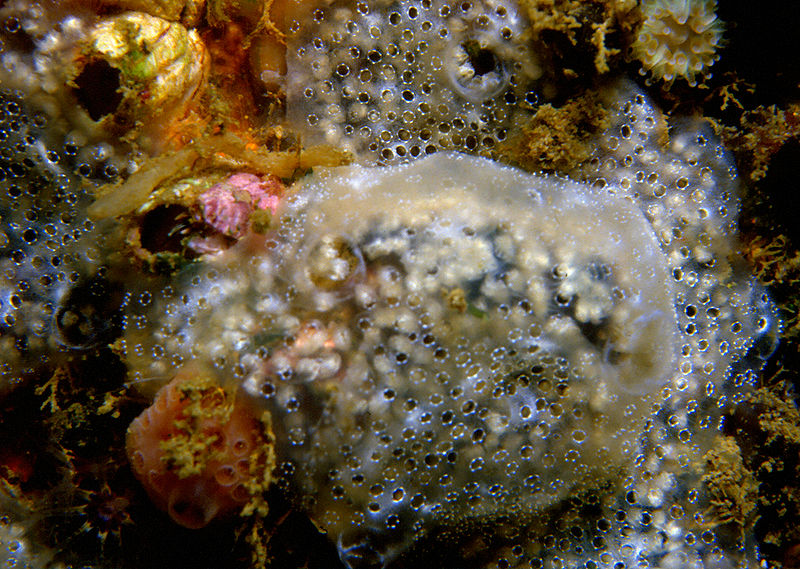
#InvaderABCs Y is for yellow tunicate! Diplosoma aff. spongiforme is a colonial tunicate forming thick, tough, but soft and loosely attached sheets. It is native to the Northeast Atlantic and grows on rock faces and other fouling organisms. 📷Parent Géry https://t.co/7HDeb2si9z
#InvaderABCs X is for Anomia simpl-EX! The Common Jingle Shell is a marine bivalve with a thin, translucent shell. It's native to the NW Atlantic from Cape Cod to Brazil, attaches to hard substrates & can be found in shallow coastal waters. https://t.co/YuMmXJAfc9 📷NHM Rotterdam

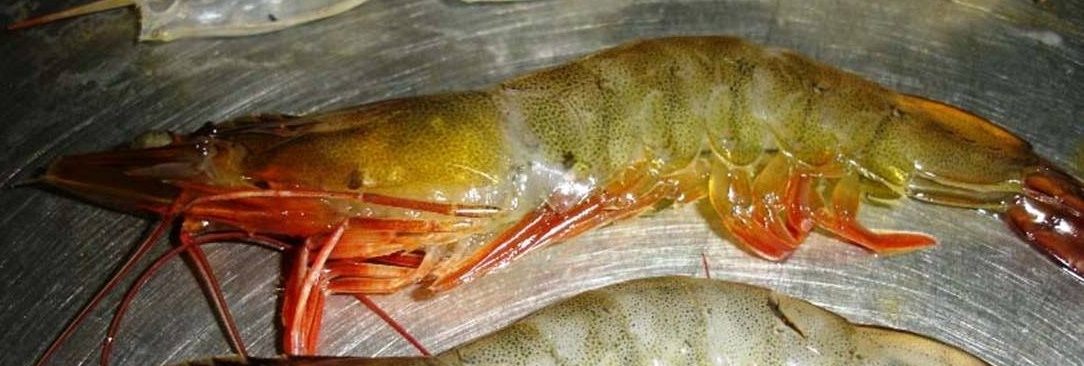
#InvaderABCs W is for Whiteleg shrimp! Penaeus vannamei is native to the tropical East Pacific from the Gulf of California, Mexico to northern Peru. It is the most widely cultured shrimp in the world and is raised in at least 27 countries. 📷Herman Gunawan https://t.co/Qa4re3uWIh
#InvaderABCs T is for Truncatella subcylindrica! The Looping Snail inhabits rocky shores near the high-tide line. It's native to the Eastern Atlantic from England & Ireland, south to Morocco, and east to the Mediterranean & Black Seas. 📷Malcolm Storey https://t.co/2PWHjowCL3

#InvaderABCs S is for Symplegma brakenhielmi! This bright yellow, colonial tunicate is mostly cryptogenic in the Atlantic & Indo-Pacific, but is introduced in the Eastern Pacific, Hawaii, Guam, & eastern Mediterranean. #TunicateTuesday 📷SERC https://t.co/3nFfPqvkEZ
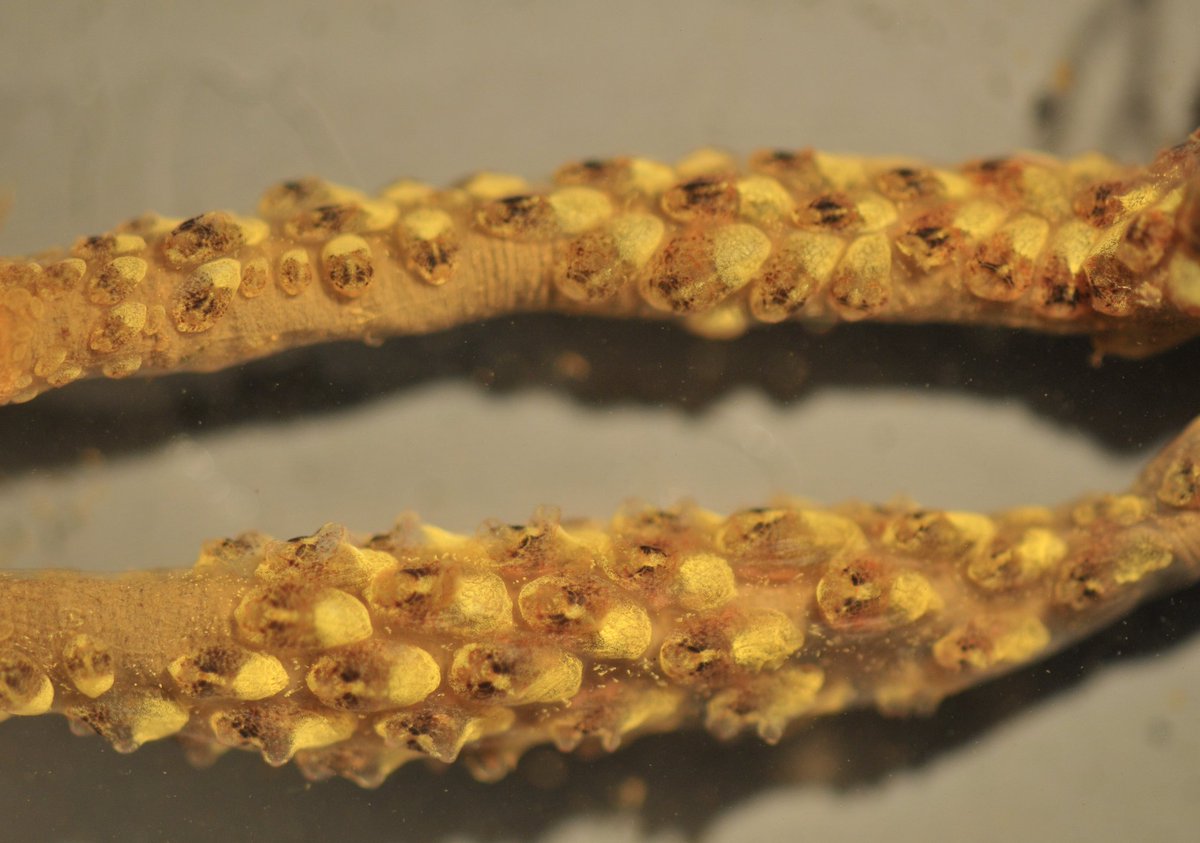
#InvaderABCs R is for [Ciona] robusta! This solitary tunicate with an elongate, vase-shaped body appears to be native to the NW Pacific. It's a widespread & abundant fouling organism in harbors and on man-made structures like docks & boats. 📷Melissa Frey https://t.co/WZy9F7M8QT
![SERCinvasions's tweet photo. #InvaderABCs R is for [Ciona] robusta! This solitary tunicate with an elongate, vase-shaped body appears to be native to the NW Pacific. It's a widespread & abundant fouling organism in harbors and on man-made structures like docks & boats. 📷Melissa Frey https://t.co/WZy9F7M8QT https://t.co/4AIIska72y](https://pbs.twimg.com/media/FcdqzbaWYAEyBlO.jpg)
#InvaderABCs Q is for [Sphaeroma] quoianum! This burrowing isopod is native to Australia & New Zealand. It burrows into substrates like rotten wood & soft sandstone and is known to increase erosion in marsh banks and styrofoam dock floats. 📷Melissa Frey https://t.co/SiIu3FfW5y
![SERCinvasions's tweet photo. #InvaderABCs Q is for [Sphaeroma] quoianum! This burrowing isopod is native to Australia & New Zealand. It burrows into substrates like rotten wood & soft sandstone and is known to increase erosion in marsh banks and styrofoam dock floats. 📷Melissa Frey https://t.co/SiIu3FfW5y https://t.co/ptBPMNlobz](https://pbs.twimg.com/media/FcOOBKMXoAAXsbs.jpg)
#InvaderABCs P is for Polychaeta! Myrianida pentadentata is a marine syllid found in the intertidal & shallow subtidal zones of rocky reefs, marinas, docks, & ship fouling. Introduced populations have been collected in Southern California. 📷Erica Keppel https://t.co/oueCs8P4mu

#InvaderABCs O is for Ostracod! Aspidoconcha limnoriae is a small ostracod that lives on the appendages and abdomen of wood-boring isopods (Limnoria). It's known from cold-temperate to Mediterranean climates on marinas, piers, and vessel hulls. 📷Anna Syme https://t.co/eiNhykBM6q

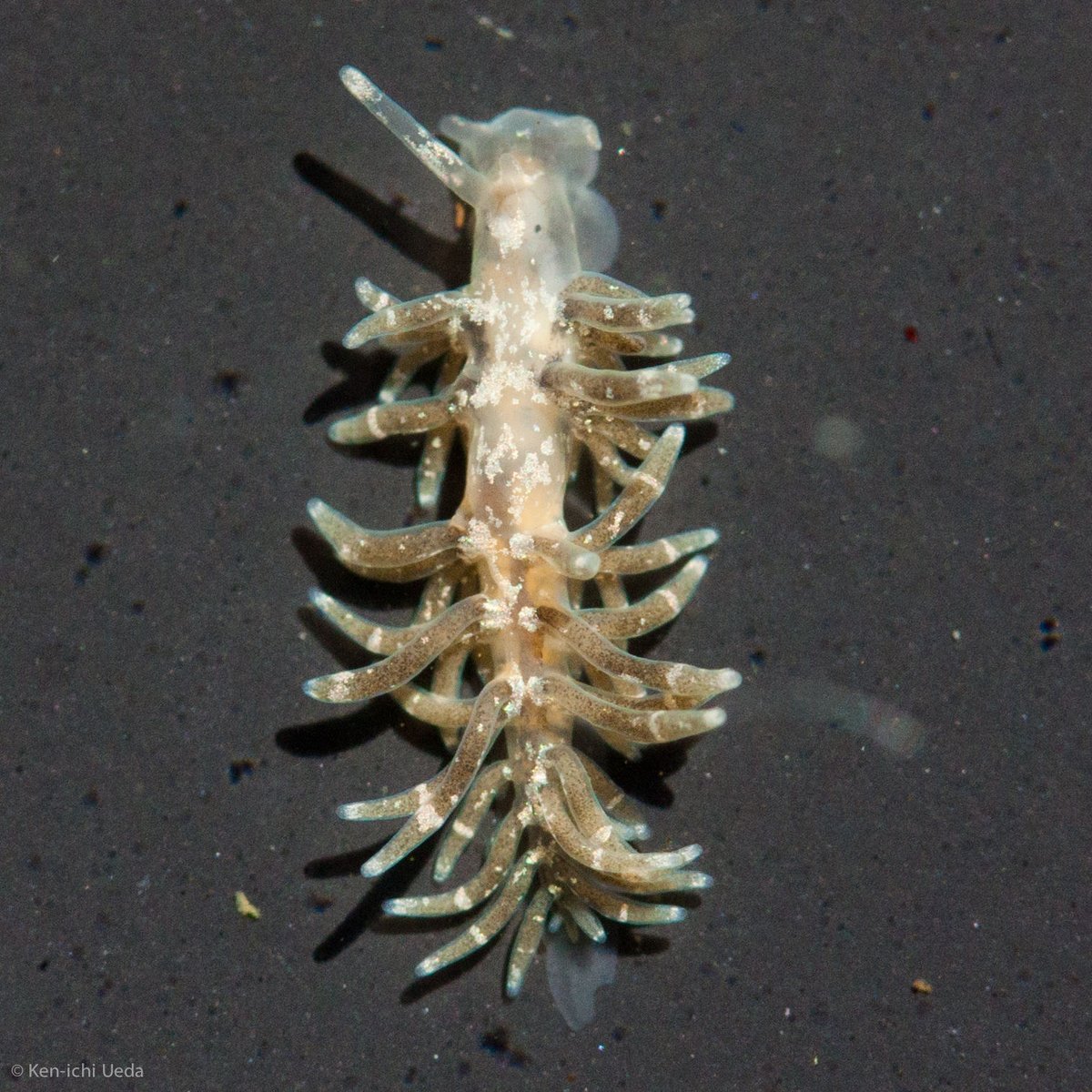
#InvaderABCs N is for Nudibranch! Cuthona perca, the Lake Merritt Aeolid, has been reported from lagoons, estuaries, and harbors in warm-temperate to tropical regions and is often found on rocks, piers, floating docks, and boat hulls. 📷Ken-ichi Ueda https://t.co/a601rpIwlG
#InvaderABCs I is for [Monocorophium] insidiosum! This gammarid amphipod has a wide global distribution. Its native range is currently unknown. It's found in shallow marine & estuarine waters where it builds tubes attached to hard surfaces. 📷Melissa Frey https://t.co/34RqsjjGFZ
![SERCinvasions's tweet photo. #InvaderABCs I is for [Monocorophium] insidiosum! This gammarid amphipod has a wide global distribution. Its native range is currently unknown. It's found in shallow marine & estuarine waters where it builds tubes attached to hard surfaces. 📷Melissa Frey https://t.co/34RqsjjGFZ https://t.co/TD4jSUB1bU](https://pbs.twimg.com/media/FbGH206XgAAdTOw.jpg)
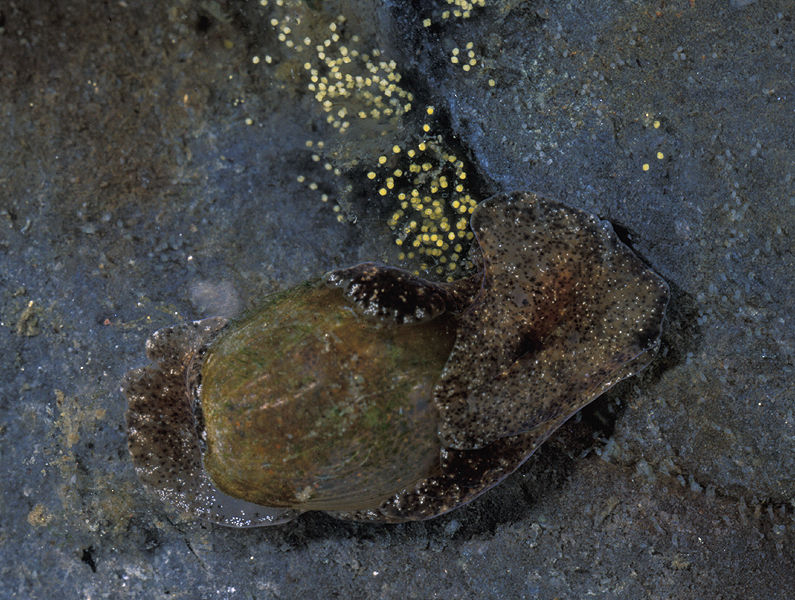
#InvaderABCs H is for Haminoea japonica! The Japanese Bubble-shell snail is a cephalaspidean sea-slug native to the NW Pacific from Japan to Hong Kong. It's found in shallow silt/mud substrates, rocky shores, oyster beds, marinas and more. 📷David Behrens https://t.co/3KPuVIHdHx
#InvaderABCs G is for Gambusia affinis! The Western Mosquitofish is a small livebearing fish found mostly in fresh and brackish waters. Their range extends from the Gulf coast and lower western Mississippi drainage to the Rio Grande. 📷Wikimedia https://t.co/JkJ6fAoGJt
Last Seen Hashtags on Sotwe
Most Popular Users

Elon Musk 
@elonmusk
240.6M followers

Barack Obama
@barackobama
119.2M followers

Donald J. Trump
@realdonaldtrump
111.7M followers

Cristiano Ronaldo
@cristiano
110.6M followers

Narendra Modi
@narendramodi
107M followers

Rihanna
@rihanna
97.6M followers

NASA
@nasa
92.2M followers

Justin Bieber
@justinbieber
90.9M followers

KATY PERRY
@katyperry
87.6M followers

Taylor Swift
@taylorswift13
81.5M followers

Lady Gaga
@ladygaga
73M followers

Virat Kohli
@imvkohli
69.9M followers

Kim Kardashian
@kimkardashian
69.8M followers

YouTube
@youtube
68.7M followers

Bill Gates
@billgates
63.9M followers

Neymar Jr
@neymarjr
62.6M followers

The Ellen Show
@theellenshow
62.4M followers

CNN
@cnn
61.9M followers

X
@x
60.8M followers

Selena Gomez
@selenagomez
60.7M followers