

Top Tweets for #JosephineButler


Josephine Butler: Pioneering feminist activist
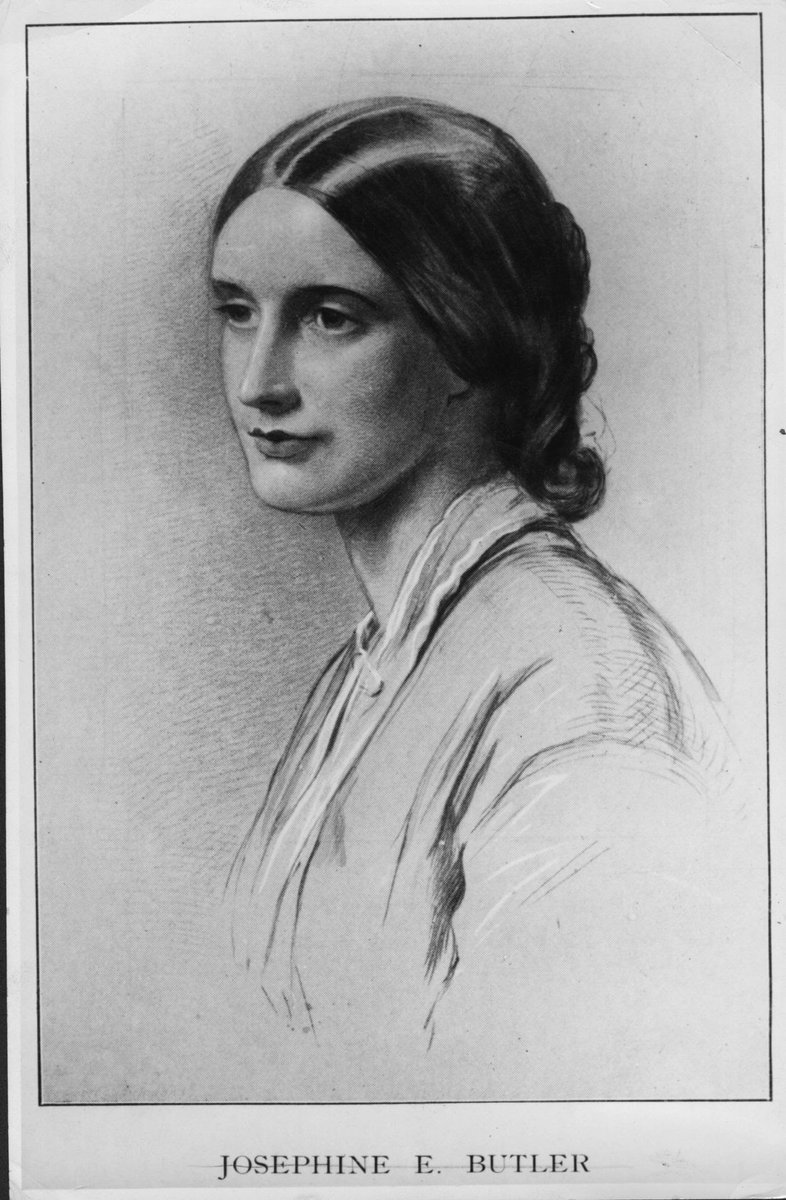
In honour of Women’s History Month, today we are sharing a fascinating article about Josephone Butler, the pioneering feminist activist famous for her activism against prostitution and the punitive, sexist laws known as the Contagious Diseases Acts (CDAs). It provides a brief outline of her political awakening, her involvement in the campaign for women’s suffrage, education and employment, and her leadership of the ultimately successful campaign to overturn the Contagious Diseases Acts.
“Josephine saw the CDA campaign as a logical extension of previous liberal reforms, including the abolition of slavery, the ongoing campaigns for men’s universal suffrage, and for universal education. She explicitly compared prostitution and the trafficking of women and girls (then known as the ‘white slave trade’) with slavery and the transatlantic slave trade. More people began to accept this analysis and campaigners against the CDAs began referring to themselves as ‘abolitionists’ because they weren’t just seeking the repeal of the CDAs but also the end of the entire system of prostitution, and the inequality of women, on which it is based.”
Link to the full article in the next tweet.


Para mi @LozanoMabel es la #JosephineButler española.
Gracias por todo lo que aportas y por la defensa de la mujer que haces.
Más referentes como tu en nuestro país sería maravilloso!
Foto de M. Lozado de #CesarCastro


You definitely represented the people you aim to help, women & girls. The exchange is clearly abusive.
#JosephineButler

"It is a fact, that numbers even of moral and religious people have permitted themselves to accept and condone in man what is fiercely condemned in woman."
✒ English feminist and social reformer #JosephineButler was #BOTD 13 April 1828. #History #Feminism


Dr. Lynn Cohick is joined by Dr. Sarah Williams about her newest book When Courage Calls on The Alabaster Jar podcast. The two discuss #JosephineButler, a pivotal figure in the history of women's rights and social justice. 💙🙌
Listen here 👉https://t.co/nsQTGw7sx5

#Taldiacomavui, 30 de desembre de 1906, va morir 🇬🇧 #JosephineButler. Feminista que va reivindicar el dret de les dones a l'educació superior, va treballar pel benestar de les dones que exercien la prostitució i per la derogació de la Llei de Malalties Contagioses.


“It was the first time an autonomous women’s movement in Britain addressed itself so forcefully to a domestic political issue specifically on behalf of women and girls….a courageous challenge to male-dominated institutions.” In praise of #JosephineButler. https://t.co/U9ww7Rq0L5

Woman of the day suffragist and women’s rights advocate Josephine Butler born OTD 1828 in Milfield, Northumberland. She campaigned for women’s suffrage, better education for women, the end of coverture in British law (the legal view that married women were simply chattels - the property - of their husbands and not persons in their own right), the abolition of child prostitution and an end to the human trafficking of young women and girls into European prostitution.
Born into an affluent and forward-thinking family in which sons and daughters were treated equally, she married George Butler who shared her interest in social reform but she became particularly active after their fourth child, Eva, died falling from a banister.
At first, Josephine began by helping and supporting women confined to workhouses but she soon identified a wider and more pervasive problem: the double standards universally applied to women and almost universally and nonchalantly accepted by men, in which a "moral lapse in a woman was spoken of as an immensely worse thing than in a man". The Butlers began to help the many “fallen women” of Oxford in the later stages of venereal disease who were treated so much more harshly than their clients. Some were invited to live in the Butler home while they tried to recover from the ravages of their treatment.
What incensed Josephine were the Contagious Diseases Acts, legislation that sought to control the spread of STDs in the Army and Royal Navy - not by curbing the behaviour of men but by controlling women. The Acts authorised the police to detain women in certain areas of the country if suspected of being prostitutes. No evidence needed; just the police officer’s word. If a magistrate agreed, women were given painful and intrusive internal examinations with steel instruments - a procedure Josephine called “steel rape”. Any woman found to have an STD was confined to a “lock hospital” against her will until cured. If she refused to be examined or hospitalised, she was imprisoned and made to carry out hard labour.
The mere fact that a woman had even undergone an internal examination meant that her name and reputation were shredded and "the Acts had the effect of turning them to prostitution by barring respectable ways of life to them".
Josephine toured Britain in 1870, travelling over 3,700 miles in order to attend and speak at 99 meetings where she focused attention on working-class family men. The majority were outraged at the vivid but factual description she gave of steel rape but she also faced significant opposition. Pimps threw cow dung at her, smashed the windows of her hotel rooms, even threatening to burn down a building while she was inside speaking.
Campaigning by Josephine and others including Florence Nightingale finally resulted in the Acts being repealed in 1886, but along the way, she was confronted by another widespread scandal. Child prostitution.
There was a lucrative and lively trade to the Continent in the trafficking of British girls as young as 12 destined for European brothels. There was no point in appealing to the police over there. They were part of the problem. In fact, Josephine was instrumental in securing the removal from office of a Belgian chief of police. She filed a deposition and sent it to both the Procureur du Roi (Chief Prosecutor) and the British Home Secretary. As a result, the deputy police chief and twelve brothel owners complicit in a conspiracy of kidnapping, trafficking and child rape were tried and imprisoned.
Josephine enlisted the help of William Stead, influential crusading editor of the Pall Mall Gazette. Stead, whose own mother had campaigned against the Contagious Diseases Acts, ran a series of highly controversial articles about child prostitution - an early form of investigative journalism - and to illustrate his point, he purchased a 13 year old girl named Eliza Armstrong from her mother for £5.
The newspaper articles threw Victorians into a state of moral panic - they pulled no punches, none at all. Copies changed hands for twenty times their original value and the office was besieged by 10,000 members of the public. Public demand was so great that the Gazette's supply of paper ran out and had to be replenished with supplies from the rival Globe.
Stead’s campaigning journalism led to his conviction and a three month sentence for abduction - the girl’s father objected to the £5 being handed to his wife when in law, both mother and daughter were HIS property - but it also led to legislation that raised the age of consent for girls from 13 to 16. Young Eliza was provided with education and training in domestic service and some years later, wrote to Stead to thank him for saving her from her fate. She was the inspiration for George Bernard Shaw’s Pygmalion, by the way.
After her success in influencing the repeal of the Contagious Diseases Acts at home, Josephine turned her attention to India where a British Major-General had issued standing orders for local girls - some as young as 11 - to be kept in special accommodation near Army camps, examined regularly (steel rape again) and for local commanders to ensure “the provision of a sufficient number of women, [and] to take care that they are sufficiently attractive” for the comfort of soldiers. Josephine compared the girls to slaves and raised such a stink about it that the resulting public outrage forced the House of Commons to pass a unanimous resolution repealing the legislation and order the Indian government to cancel the practice.
During the course of her activism, Josephine Butler wrote more than 90 books and pamphlets, travelled countless miles around Britain and the world, changed the way feminists and suffragists conducted future struggles, and brought into the political fray groups of people that had never been active before.
When she died in 1906 at the age of 78, Millicent Fawcett hailed her as "the most distinguished Englishwoman of the nineteenth century" but the last word must surely go to Josephine herself.
“God and one woman make a majority".
![TheAttagirls's tweet photo. Woman of the day suffragist and women’s rights advocate Josephine Butler born OTD 1828 in Milfield, Northumberland. She campaigned for women’s suffrage, better education for women, the end of coverture in British law (the legal view that married women were simply chattels - the property - of their husbands and not persons in their own right), the abolition of child prostitution and an end to the human trafficking of young women and girls into European prostitution.
Born into an affluent and forward-thinking family in which sons and daughters were treated equally, she married George Butler who shared her interest in social reform but she became particularly active after their fourth child, Eva, died falling from a banister.
At first, Josephine began by helping and supporting women confined to workhouses but she soon identified a wider and more pervasive problem: the double standards universally applied to women and almost universally and nonchalantly accepted by men, in which a "moral lapse in a woman was spoken of as an immensely worse thing than in a man". The Butlers began to help the many “fallen women” of Oxford in the later stages of venereal disease who were treated so much more harshly than their clients. Some were invited to live in the Butler home while they tried to recover from the ravages of their treatment.
What incensed Josephine were the Contagious Diseases Acts, legislation that sought to control the spread of STDs in the Army and Royal Navy - not by curbing the behaviour of men but by controlling women. The Acts authorised the police to detain women in certain areas of the country if suspected of being prostitutes. No evidence needed; just the police officer’s word. If a magistrate agreed, women were given painful and intrusive internal examinations with steel instruments - a procedure Josephine called “steel rape”. Any woman found to have an STD was confined to a “lock hospital” against her will until cured. If she refused to be examined or hospitalised, she was imprisoned and made to carry out hard labour.
The mere fact that a woman had even undergone an internal examination meant that her name and reputation were shredded and "the Acts had the effect of turning them to prostitution by barring respectable ways of life to them".
Josephine toured Britain in 1870, travelling over 3,700 miles in order to attend and speak at 99 meetings where she focused attention on working-class family men. The majority were outraged at the vivid but factual description she gave of steel rape but she also faced significant opposition. Pimps threw cow dung at her, smashed the windows of her hotel rooms, even threatening to burn down a building while she was inside speaking.
Campaigning by Josephine and others including Florence Nightingale finally resulted in the Acts being repealed in 1886, but along the way, she was confronted by another widespread scandal. Child prostitution.
There was a lucrative and lively trade to the Continent in the trafficking of British girls as young as 12 destined for European brothels. There was no point in appealing to the police over there. They were part of the problem. In fact, Josephine was instrumental in securing the removal from office of a Belgian chief of police. She filed a deposition and sent it to both the Procureur du Roi (Chief Prosecutor) and the British Home Secretary. As a result, the deputy police chief and twelve brothel owners complicit in a conspiracy of kidnapping, trafficking and child rape were tried and imprisoned.
Josephine enlisted the help of William Stead, influential crusading editor of the Pall Mall Gazette. Stead, whose own mother had campaigned against the Contagious Diseases Acts, ran a series of highly controversial articles about child prostitution - an early form of investigative journalism - and to illustrate his point, he purchased a 13 year old girl named Eliza Armstrong from her mother for £5.
The newspaper articles threw Victorians into a state of moral panic - they pulled no punches, none at all. Copies changed hands for twenty times their original value and the office was besieged by 10,000 members of the public. Public demand was so great that the Gazette's supply of paper ran out and had to be replenished with supplies from the rival Globe.
Stead’s campaigning journalism led to his conviction and a three month sentence for abduction - the girl’s father objected to the £5 being handed to his wife when in law, both mother and daughter were HIS property - but it also led to legislation that raised the age of consent for girls from 13 to 16. Young Eliza was provided with education and training in domestic service and some years later, wrote to Stead to thank him for saving her from her fate. She was the inspiration for George Bernard Shaw’s Pygmalion, by the way.
After her success in influencing the repeal of the Contagious Diseases Acts at home, Josephine turned her attention to India where a British Major-General had issued standing orders for local girls - some as young as 11 - to be kept in special accommodation near Army camps, examined regularly (steel rape again) and for local commanders to ensure “the provision of a sufficient number of women, [and] to take care that they are sufficiently attractive” for the comfort of soldiers. Josephine compared the girls to slaves and raised such a stink about it that the resulting public outrage forced the House of Commons to pass a unanimous resolution repealing the legislation and order the Indian government to cancel the practice.
During the course of her activism, Josephine Butler wrote more than 90 books and pamphlets, travelled countless miles around Britain and the world, changed the way feminists and suffragists conducted future struggles, and brought into the political fray groups of people that had never been active before.
When she died in 1906 at the age of 78, Millicent Fawcett hailed her as "the most distinguished Englishwoman of the nineteenth century" but the last word must surely go to Josephine herself.
“God and one woman make a majority".](https://pbs.twimg.com/media/GLBmc2BWMAAwsiB.jpg)
"It is a fact, that numbers even of moral and religious people have permitted themselves to accept and condone in man what is fiercely condemned in woman."
✒ English feminist and social reformer #JosephineButler was #BOTD 13 April 1828. #History #Feminism

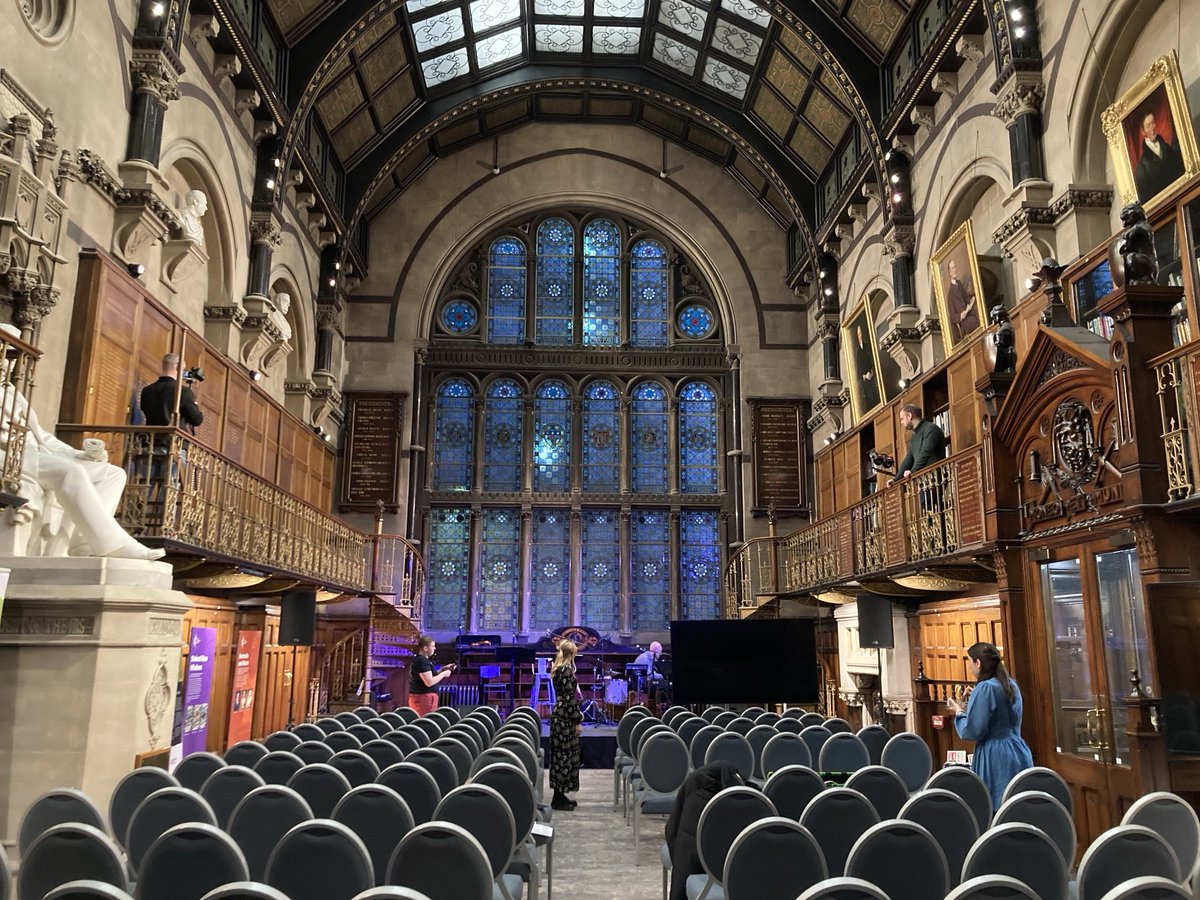
What an astonishing venue - #TheCommonRoom in #Newcastle - where this evening I’m speaking about local (and national and international) heroine #JosephineButler. Fabulous.

This #IWD, meet the woman who’s been called the mother of modern feminism – yet until recently has been all but forgotten. This week on Life & Faith, Dr. Sarah Williams introduces us to the one and only #JosephineButler. Listen here: https://t.co/JKgUzhKjrB


#UN #WorldDayofSocialJustice
Morning in the village where #JosephineButler (nee Grey) spent her formative years & in the churchyard which saw her enter into marriage with a man supportive of her contributions to social justice causes
#education
#VAWG
#trafficking
#DV


#OnThisDay in 1906, the 6th day of #Christmas, the Christian feminist & social reformer #JosephineButler died. Her father John Grey managed the northern estates of the Greenwich Hospital that gave the land on which our church was built. He died at Lipwood, #HaydonBridge, in 1868.
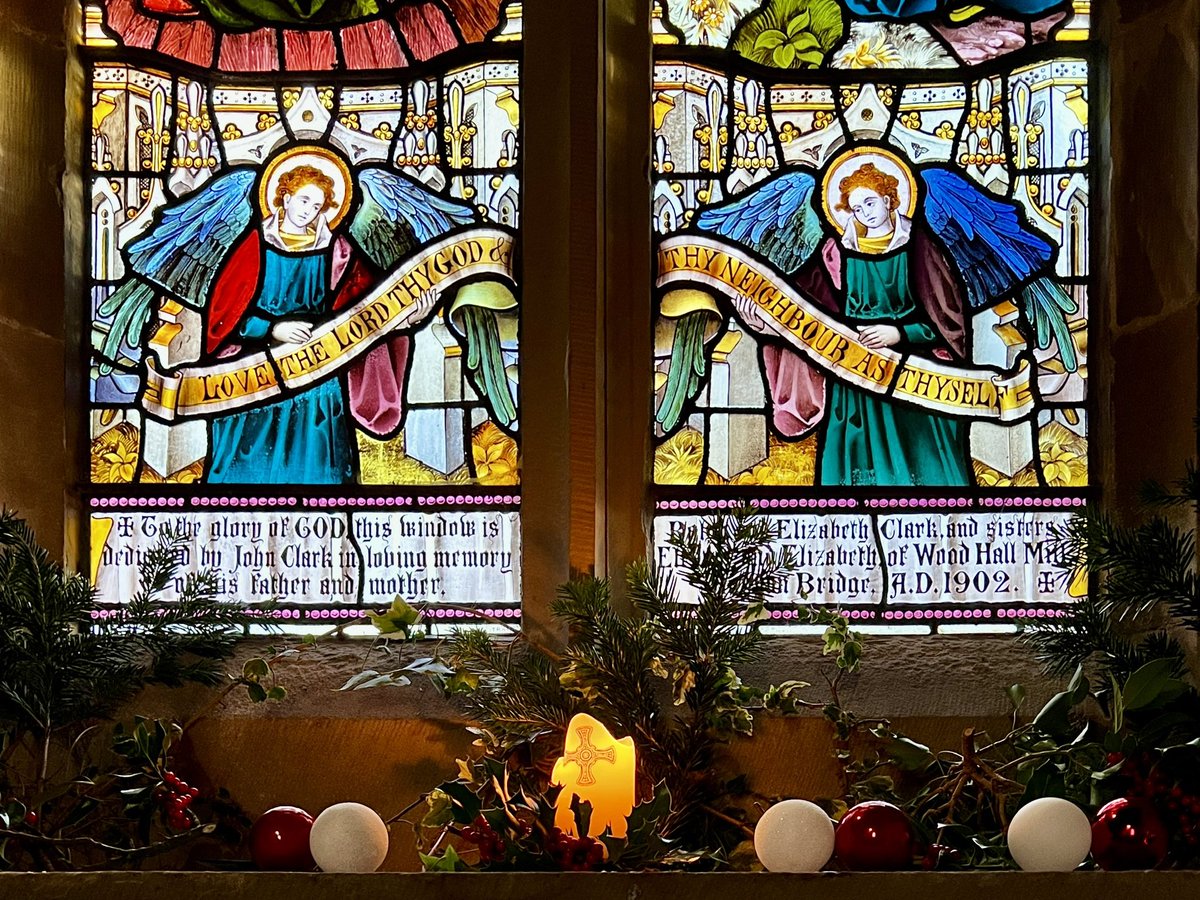
Sunday Morning cuppa with those Angels in communities who advance rights of women beyond their own borders
Looking forward to seeing this celebration of #JosephineButler through music & theatre
Great podcast @katiesusanna
https://t.co/9vq38ZAEAu


Good to recognise #JosephineButler contribution to this Act. This Corbridge trailblazer was a persistent & courageous defender of women”s & children’s rights in the UK & across borders.
The right to a safe home is an ongoing issue 2 centuries later & the right to own housing

The Women’s Property Act of 1882 was a landmark step in women’s rights, allowing women to own and control her own property as well as hold her own wages and investment independent of her husband.
https://t.co/gUU7ptsHky
#FactFriday

Good to listen & remind myself of the wisdom #josephinebutler sought in these special woods at Dilston, above Corbridge.
A lesson in intellectual humility 👇💜
https://t.co/H34HNfy1gc

@HampdenThompson @SussexUniESW @jharvell Welcome to Durham. Here’s a link to my poem on Josephine Butler written in the old Post Office Corbridge
The poem was performed on the Feminist Walk of Newcastle organised by @maggieoneill9
https://t.co/z8avKA7GG1
#JosephineButler
#InJosephinesFootsteps
Last Seen Hashtags on Sotwe
สมุทรสาคร
Seen from United States
teenagee
Seen from Israel
02RibbonPosting
Seen from United States
petitebony
Seen from United States
omegle
Seen from Egypt
nolimit
Seen from United States
nolimit(((())))filter:native_video
Seen from Brazil
novinha fudendo
Seen from Brazil
SATXMeets
Seen from United States
nolimit()***************
Seen from United States
Most Popular Users

Elon Musk 
@elonmusk
240.3M followers

Barack Obama
@barackobama
119.3M followers

Donald J. Trump
@realdonaldtrump
111.6M followers

Cristiano Ronaldo
@cristiano
109.8M followers

Narendra Modi
@narendramodi
106.9M followers

Rihanna
@rihanna
97.5M followers

NASA
@nasa
92.1M followers

Justin Bieber
@justinbieber
90.7M followers

KATY PERRY
@katyperry
87.3M followers

Taylor Swift
@taylorswift13
81.1M followers

Lady Gaga
@ladygaga
72.6M followers

Kim Kardashian
@kimkardashian
69.6M followers

Virat Kohli
@imvkohli
69.2M followers

YouTube
@youtube
68.6M followers

Bill Gates
@billgates
63.6M followers

The Ellen Show
@theellenshow
62.5M followers

Neymar Jr
@neymarjr
61.9M followers

CNN
@cnn
61.9M followers

X
@x
60.9M followers

Selena Gomez
@selenagomez
60.3M followers