

Top Tweets for #KIIWP

Aborozi bafashijwe n'imishinga #RDDP , #PRISM na #KIIWP bavuga ko bungukiye byinshi mu imurikabikorwa ry'Ubuhinzi n'Ubworozi ku nshuro ya 19 ryabaye kuva ku itariki ya 22 kugeza ku ya 31 Nyakanga 2026 ku Mulindi mu Karere ka @Gasabo_District .

Rubyiruko rwacu,ntimucikwe naya mahirwe! Akarere ka Kayonza ku bufatanye na KIIWP na RAB karamenyesha ko hari gutangwa inkunga nyunganizi ku mishinga y’ubuhinzi bwo kuhira ku buso buto,harimo n’imashini zifashishwa mu buhinzi. #KIIWP #RAB #YouthEmpowerment


Day Three, Strengthening Cooperatives in the Mwiri Sector
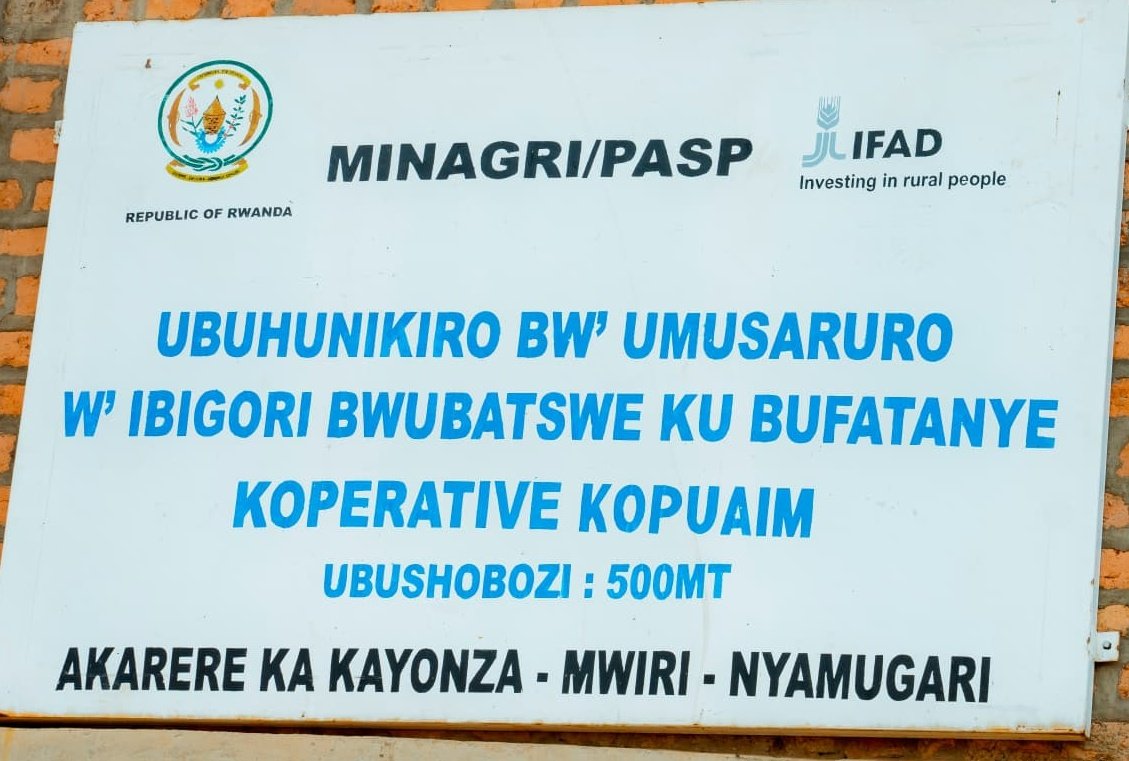
On the third day of our #KIIWP media tour, we visited KOPUAIM Cooperative in Mwiri Sector of @KayonzaDistrict, a cooperative that has steadily grown through resilience and partnership.
Founded in 2011, KOPUAIM brings together 253 members engaged in the production and sale of maize, soybeans, and beans. In the early years, they cultivated 17 hectares, but productivity remained low. Limited access to certified seeds and unstable markets made it difficult to achieve meaningful returns.
Their turning point came through the support of the Kayonza Irrigation and Integrated Watershed Management Project (#KIIWP).
The project supplied certified seeds, facilitated market linkages and negotiations, and provided hands-on training in improved husbandry and good agricultural practices. With knowledge and quality inputs in place, confidence among members began to rise.
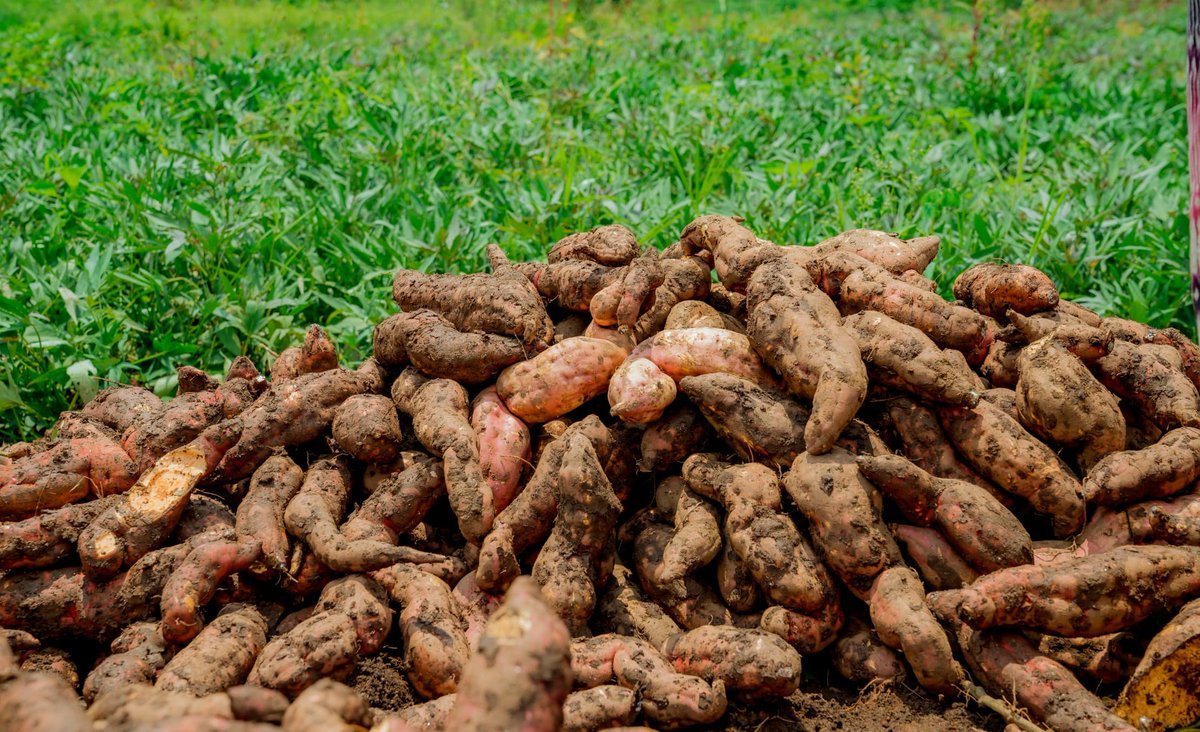
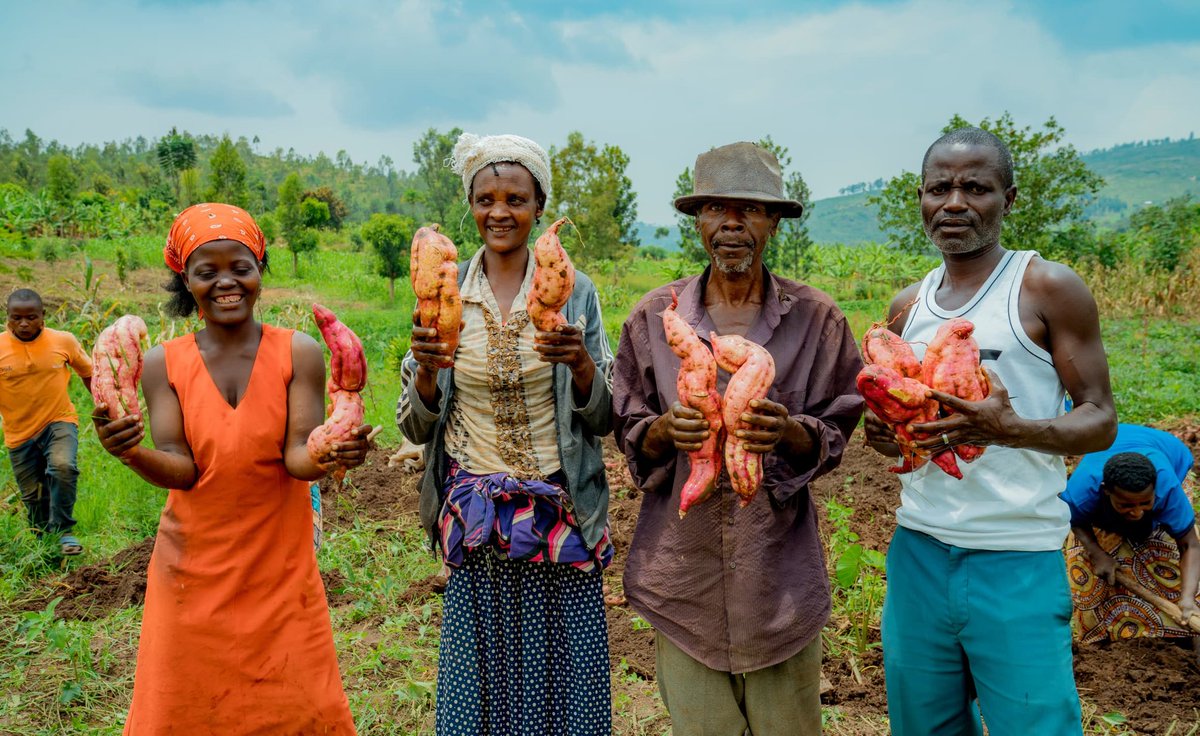
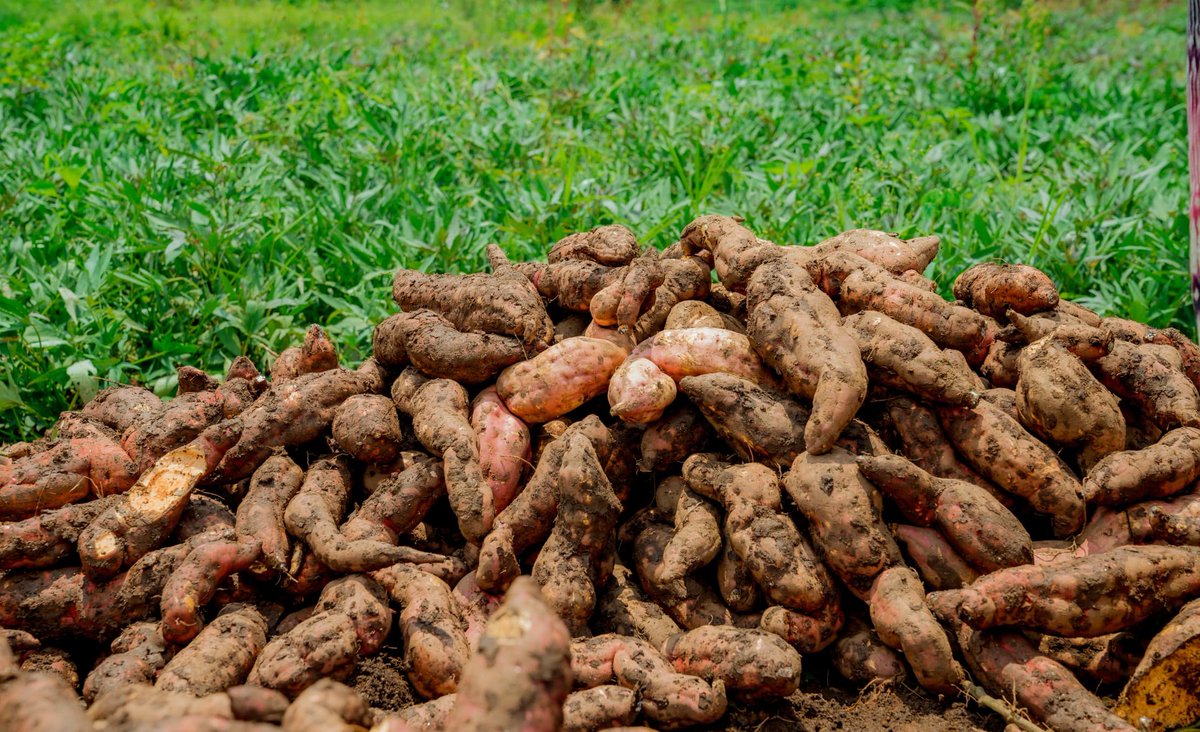
Encouraged by these improvements, the cooperative expanded its operations by accessing an additional 17 hectares of land through government support. Today, they are not only producing maize but also multiplying sweet potato planting materials, strengthening both food production and seed systems within the area.
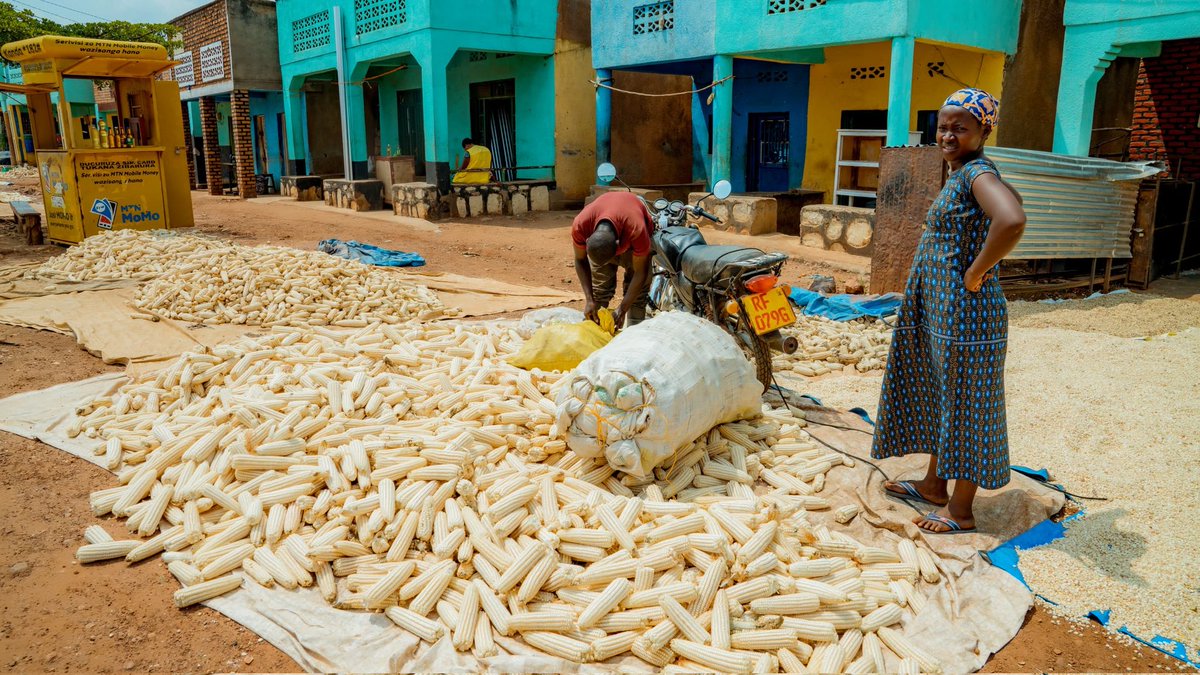
Yields have improved, coordination has strengthened, and market access is more structured than before. However, one key challenge remains: post-harvest handling. The cooperative is requesting improved drying infrastructure to properly manage and preserve their harvest before it reaches the market, a critical step in maintaining quality and maximizing profits.
KOPUAIM’s journey shows how strategic support in seeds, skills, and market access can transform a cooperative from struggling producers into organized agribusiness actors.
With continued investment in post-harvest infrastructure, their growth will not only sustain 253 members but also reinforce the broader agricultural transformation happening across Kayonza.
#KIIWP2_Impact
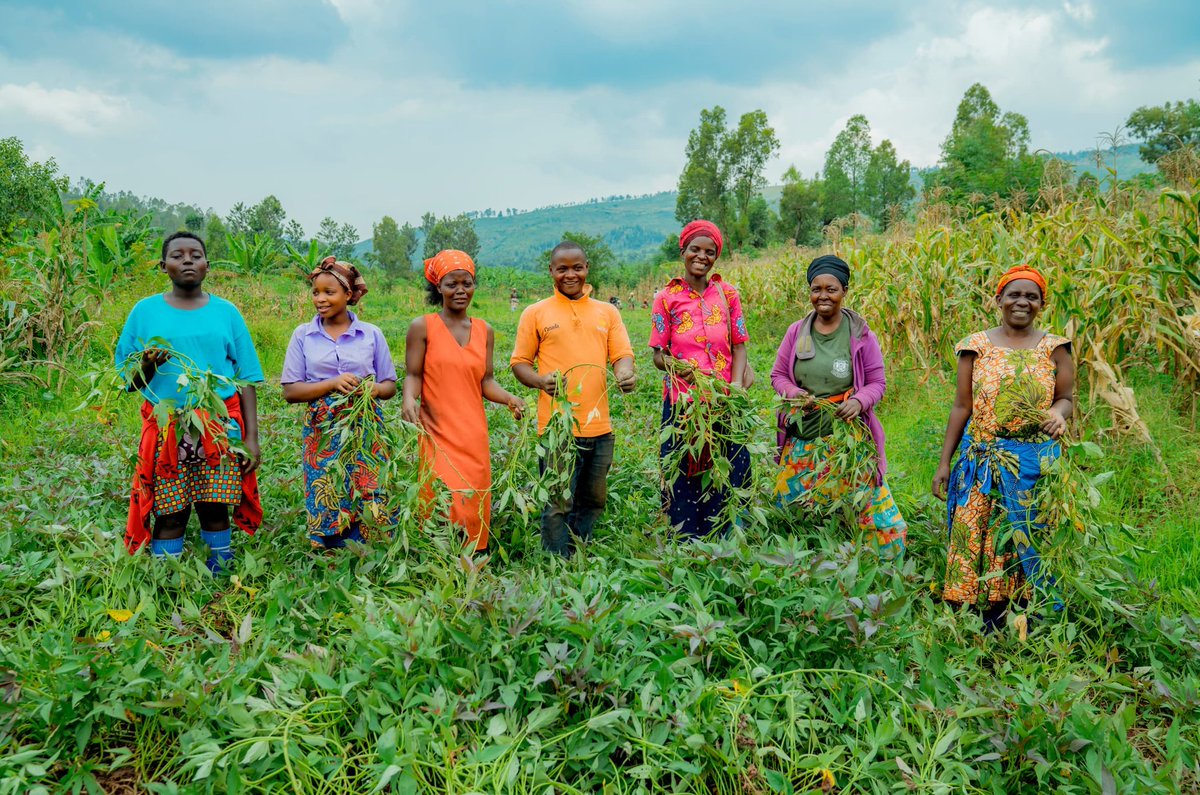


Hafashimana Claude, umufashamyumvire wahuguwe na #KIIWP ku gihingwa cy'imyumbati, yatangiye gufasha abahinzi bo mu murenge wa Rwinkwavu @KayonzaDistrict kugira ngo bacyemure ikibazo cy'imbuto y'imyumbati ya gakondo bita Ndabazi na Maguru y'inkware zabenze ubutaka bwabo.
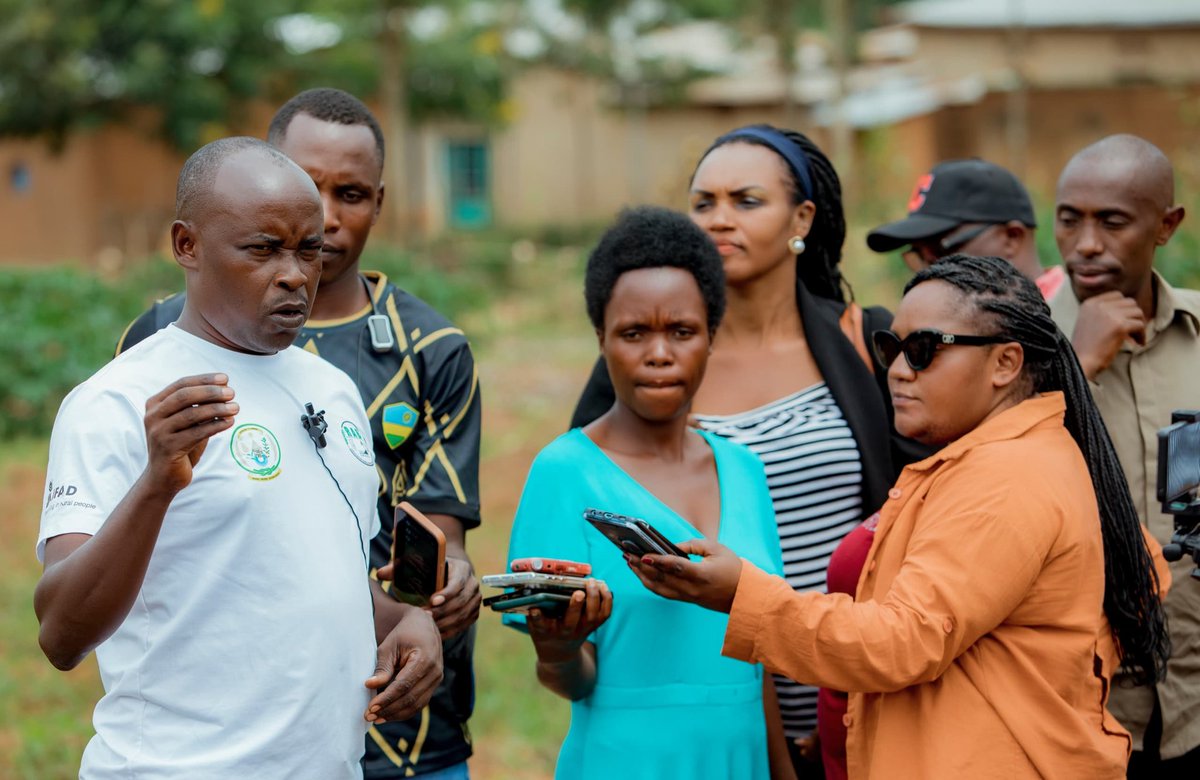
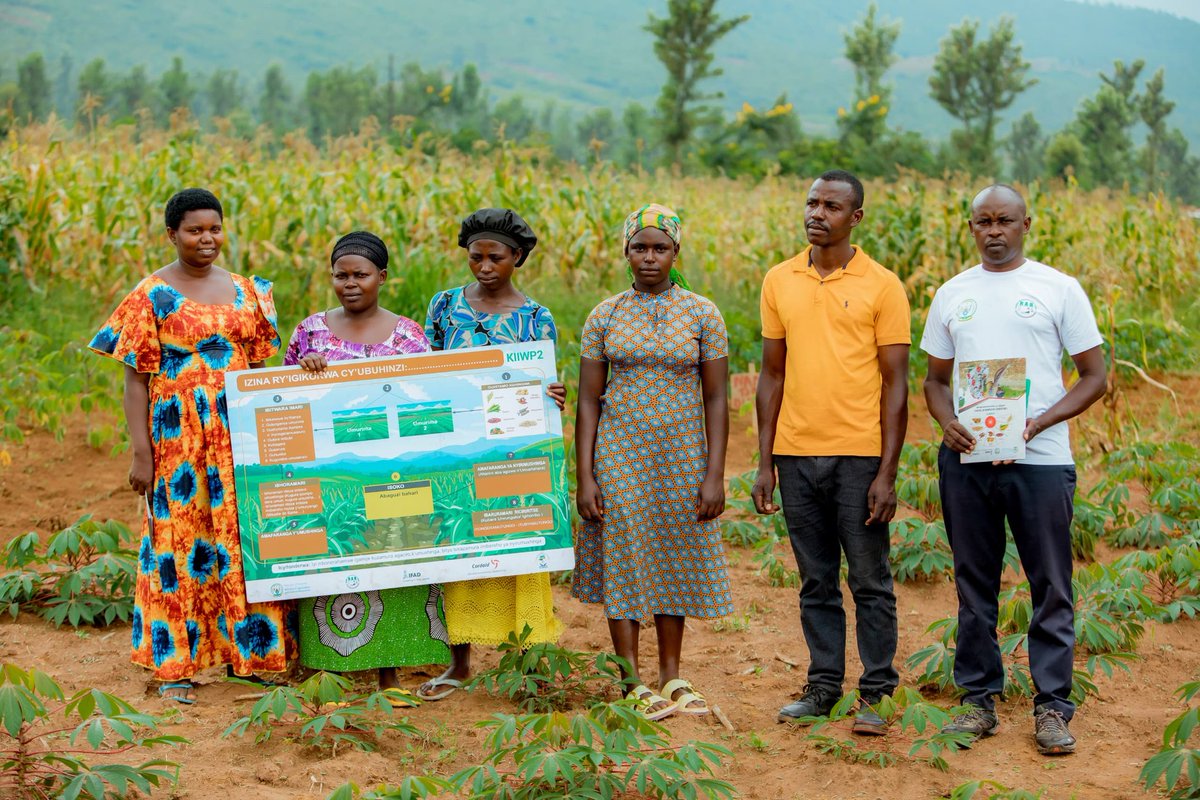

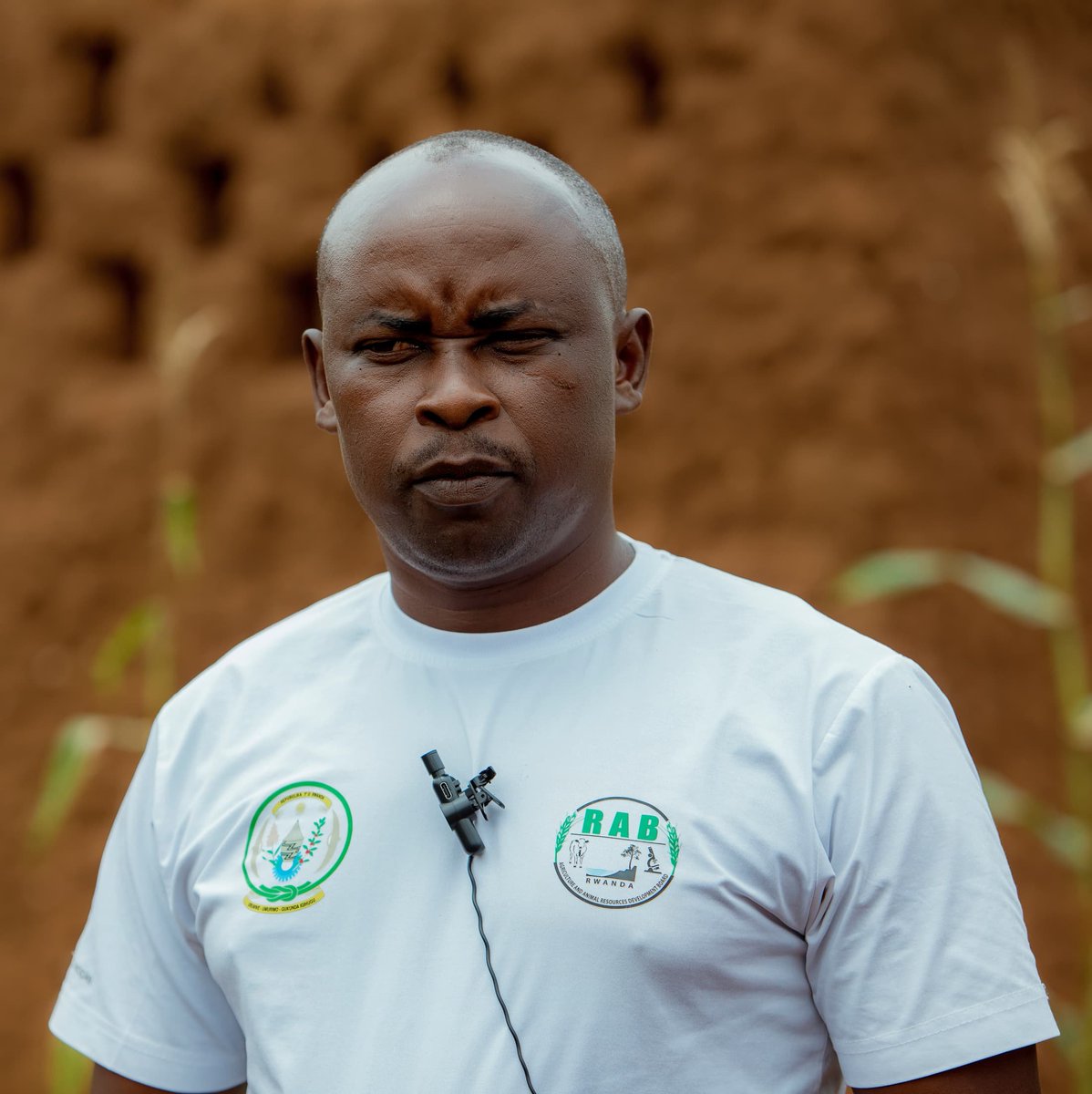
Abibumbiye muri koperative KOPUAIM icuruza ibigori n'ibishyimbo muri @KayonzaDistrict nyuma yo guhugurwa na #KIIWP ikinjira mu buhinzi bw'ibijumba n'ibigori, barishimira umusaruro wabo dusanze barimo gukura ku nshuro ya mbere.
@RwandaAgriBoard
@IFAD
@RwandaAgri
@solangeuwituze
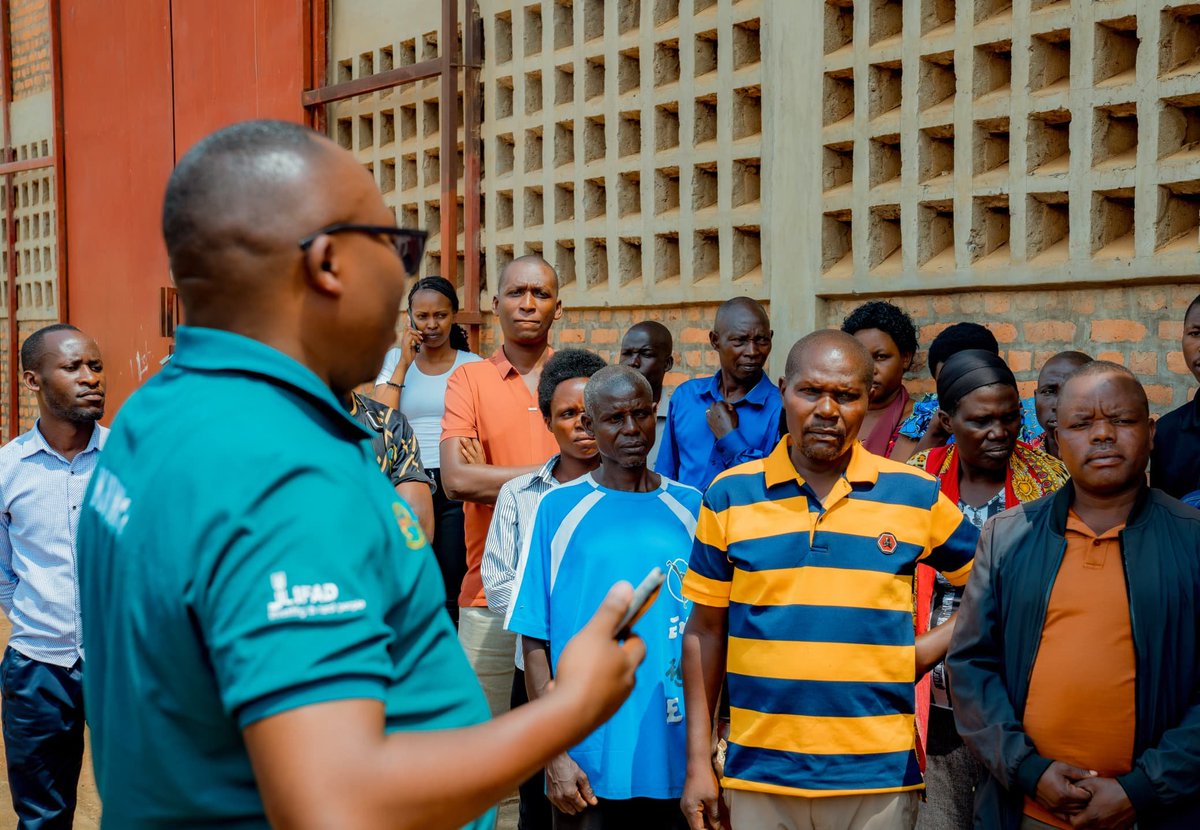

Bamwe mu baturage bo mu murenge wa Ndego muri @KayonzaDistrict, bibumbiye mu itsinda "Duhuze Imbaraga" bashimira umushinga wa #KIIWP wabafashije gukorerwa amaterasi, hagaterwa n'urubingo, ubutaka bwabo bukaba butagitwarwa n'isuri, bakaba basigaye bahinga neza.
#SalusAmakuru


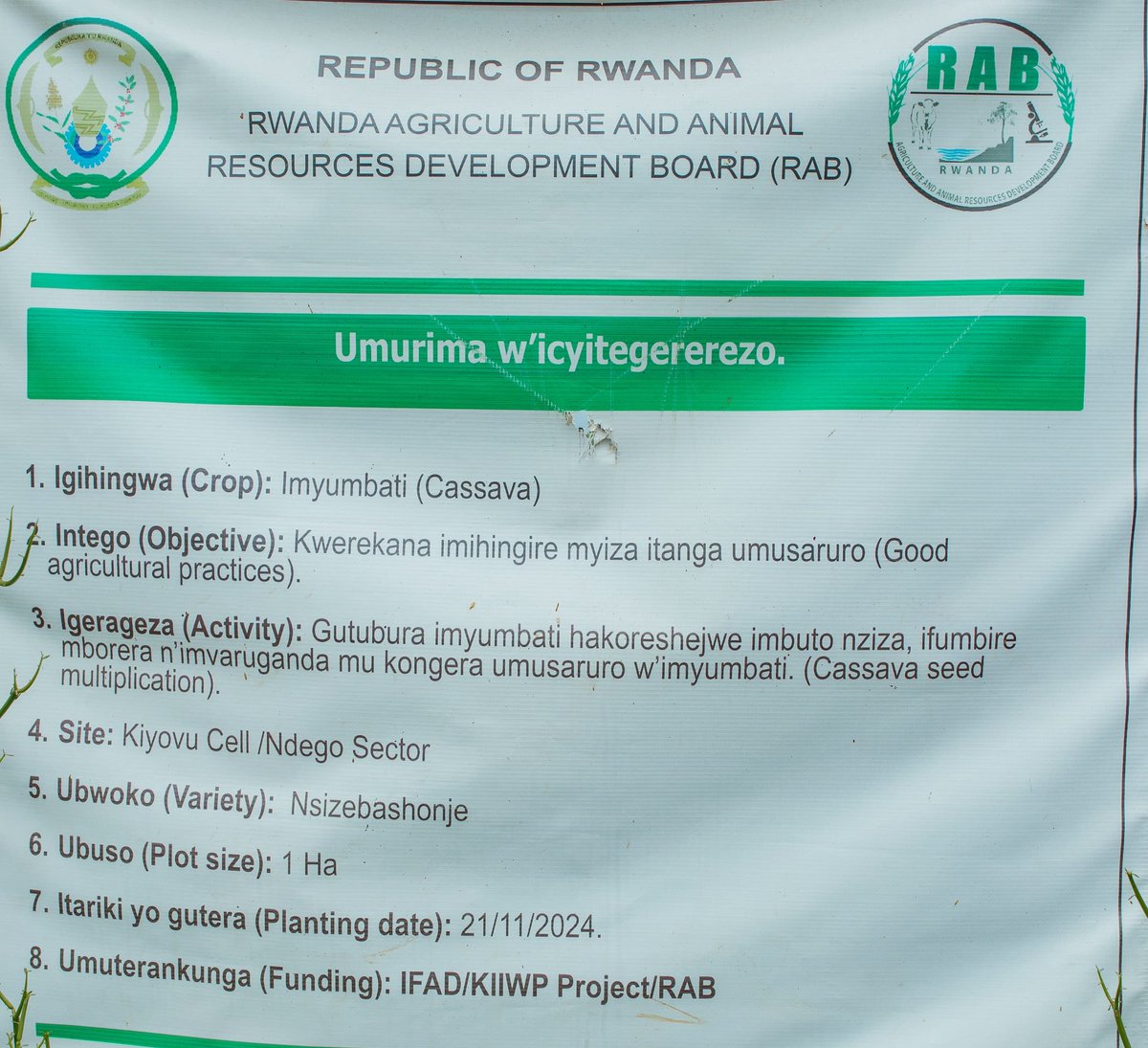
DAY 2 IN KAYONZA DISTRICT VISITING A CASSAVA DEMONSTRATION FARM
As part of our field visits in @KayonzaDistrict, we also toured a model farm established by the Rwanda Agriculture and Animal Resources Development Board (#RAB) under the #KIIWP with support from @IFAD.
This demonstration plot is located in Kiyovu Cell, #NdegoSector, and focuses on cassava production. The main objective of the site is to showcase good agricultural practices that can increase productivity and improve the quality of harvests.
The variety planted on this one hectare plot is called Nsizebashonje. Planting was done on 21 November 2024. The farm serves as a learning center where farmers can observe modern cassava production techniques in practice.
The activities carried out on the site include the use of improved cassava planting materials, application of organic manure and mineral fertilizers, and proper crop management techniques aimed at increasing yields. The demonstration also supports cassava seed multiplication so that farmers can access quality planting materials for their own fields.
Through this model farm, RAB and KIIWP are not only teaching theory but showing practical results on the ground. Farmers can see how improved varieties, better inputs, and correct farming practices directly contribute to higher production and stronger food security.
The visit clearly showed that building farmer knowledge is just as important as building irrigation infrastructure. When farmers see real examples in their own communities, adoption becomes easier and impact grows faster.
DAY 2 IN KAYONZA DISTRICT TERRACES THAT TURNED LOSS INTO PRODUCTION
On the second day of our media tour in @KayonzaDistrict, we visited members of #DUHUZIMBARAGA Group to see how #KIIWP2 is transforming farming at community level. The group is led by its president, Ndahimana Vincent, and brings together 37 members who depend on agriculture for their livelihoods.
Through KIIWP support, more than 100 hectares of terraces were developed for the group. Before this intervention, erosion was a serious problem. Rainwater would wash away soil, crops would fail, and productivity remained very low. Farmers worked hard, but the land could not sustain them.
Ndahimana Vincent explained that everything began to change after the terraces were constructed. The land is now protected, soil fertility is improving, and farming has become more productive and reliable. The group mainly grows beans and maize, and they also receive quality seeds through KIIWP support.
Today, the results are visible. From one hectare, farmers are currently harvesting around two tons, and they are hopeful that production will continue to increase as soil management improves further. For the members, this means better food availability at home and increased income from selling surplus produce.
Another important benefit is the grass planted along the terraces. This grass not only protects the soil from erosion, but also provides feed for livestock. As a result, crop farming and livestock farming are now supporting each other, strengthening household resilience.
It has been almost three years since the terraces were established, and the impact continues to grow. What was once land damaged by erosion is now productive farmland that supports families, improves nutrition, and generates income.
Day two in Kayonza clearly shows that KIIWP is not only building infrastructure, it is restoring land, rebuilding hope, and creating long term solutions for farmers.
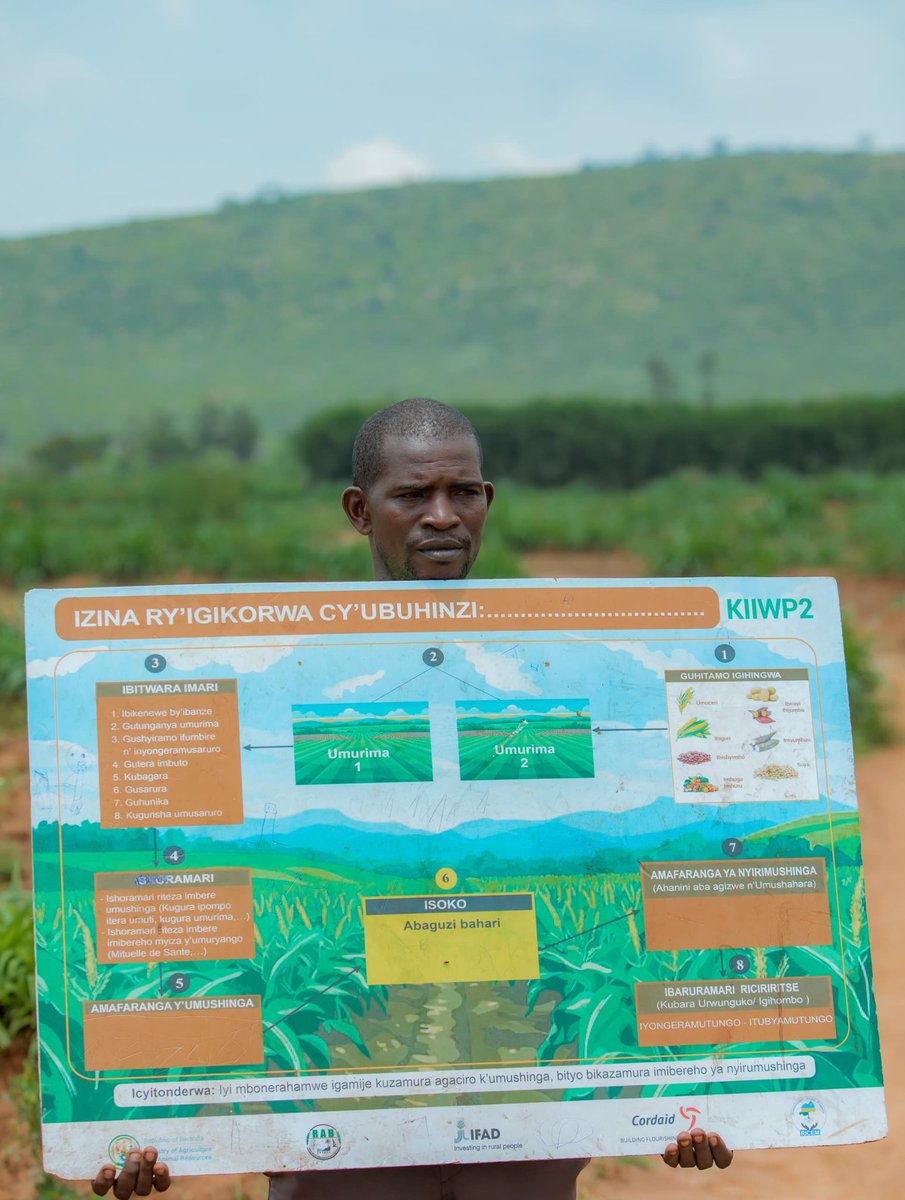
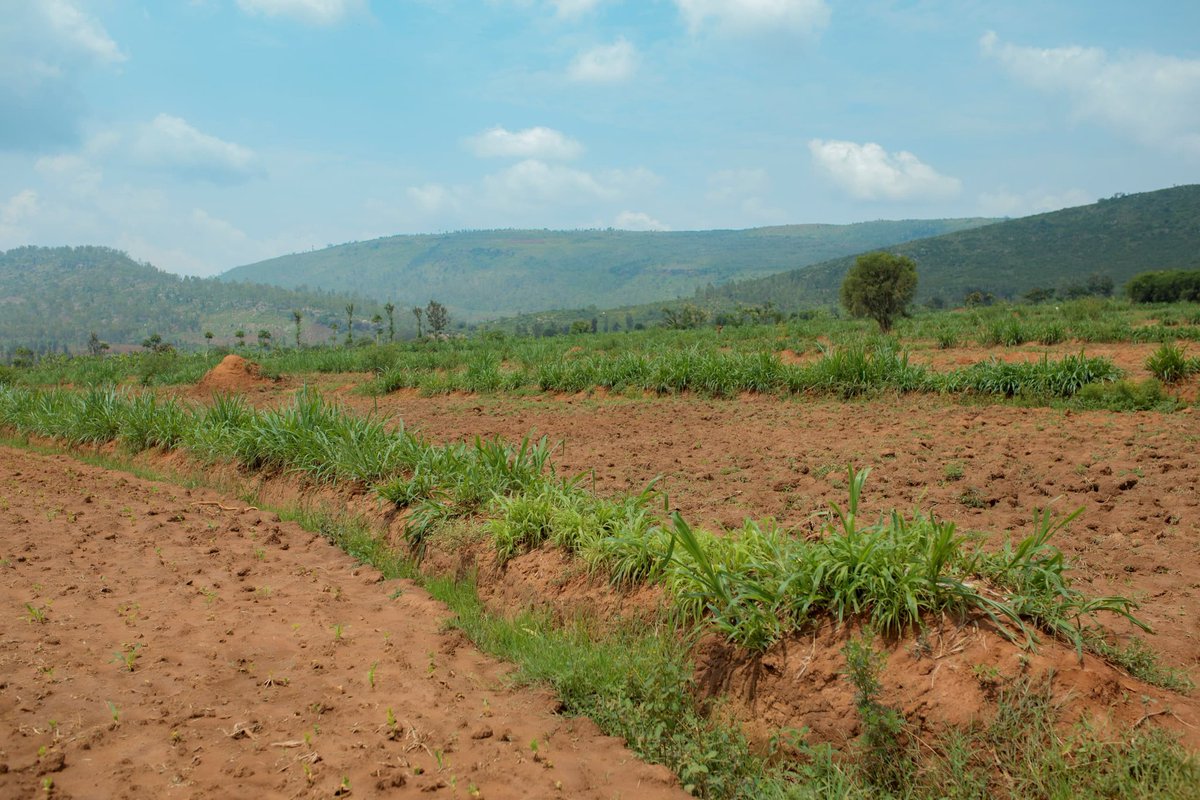


Kuri uyu wa kabiri, Umuyobozi w’Akarere, Hategekimana Fred ari kumwe na Visi Meya Higiro Jules n’uhagarariye RAB Sitasiyo ya Ngoma n’abakozi b’umushinga #KIIWP, bifatanyije n’abahinzi bo mu Murenge wa Ndego, Akagari ka Kiyovu mu gutangiza igihembwe cy’ihinga 2026 B.
1/3
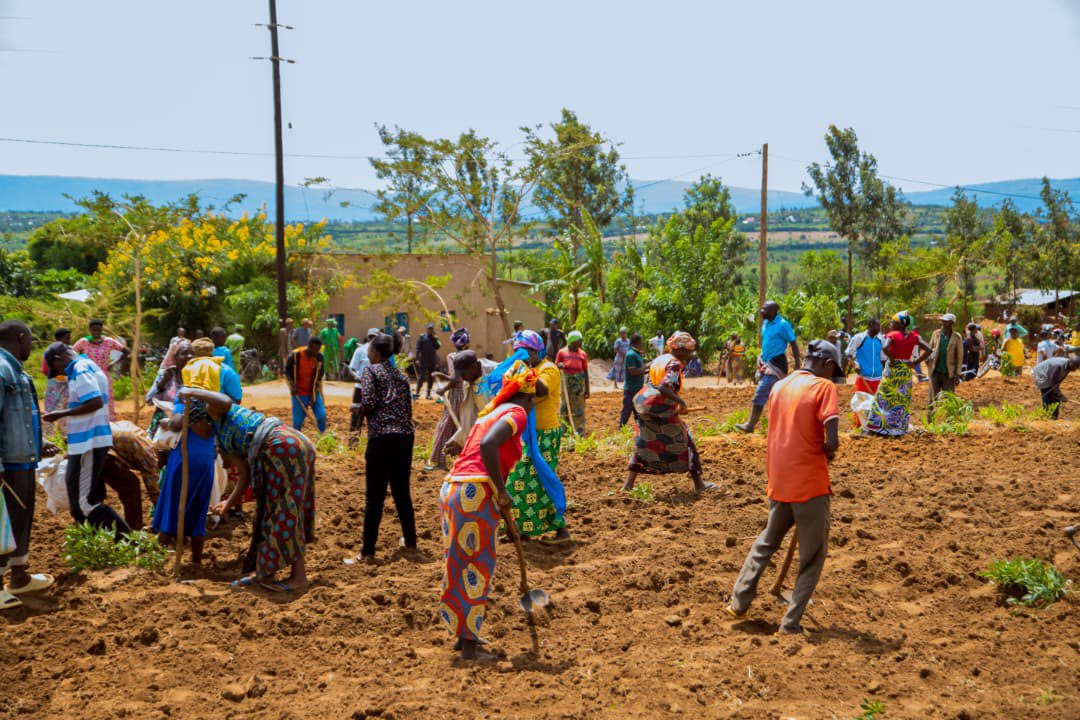
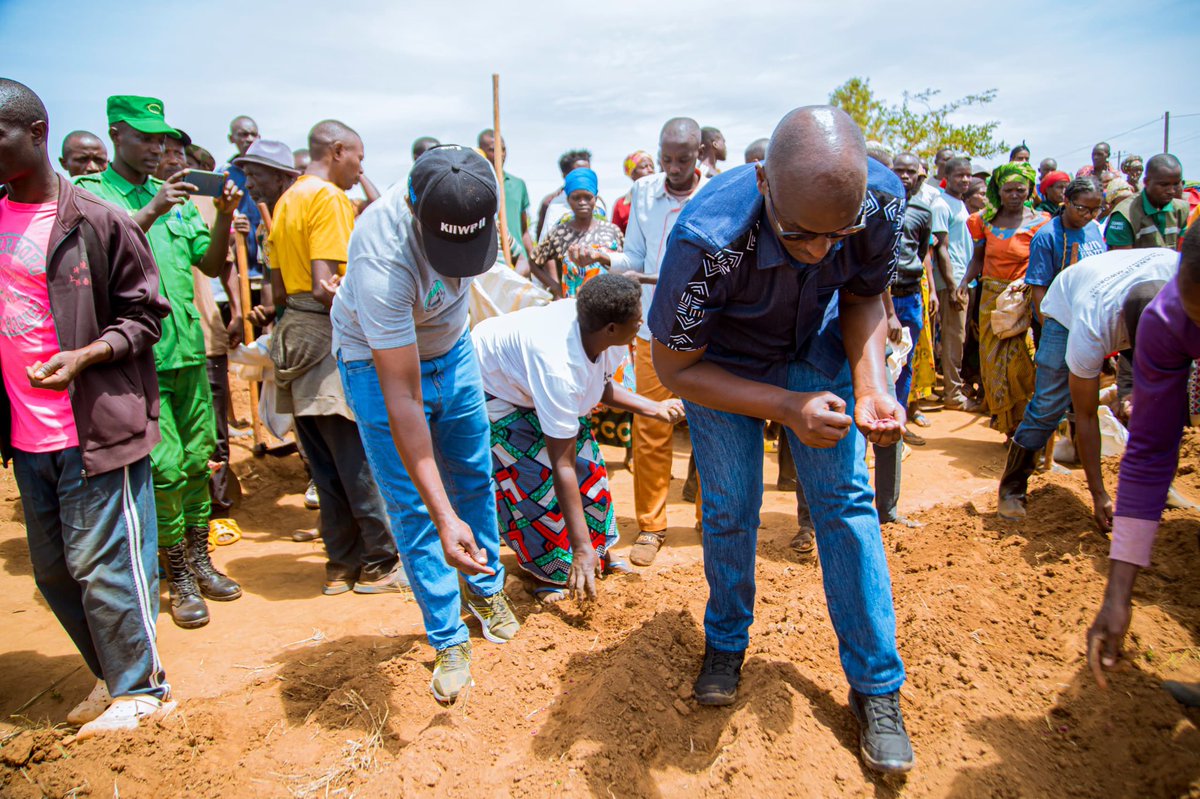
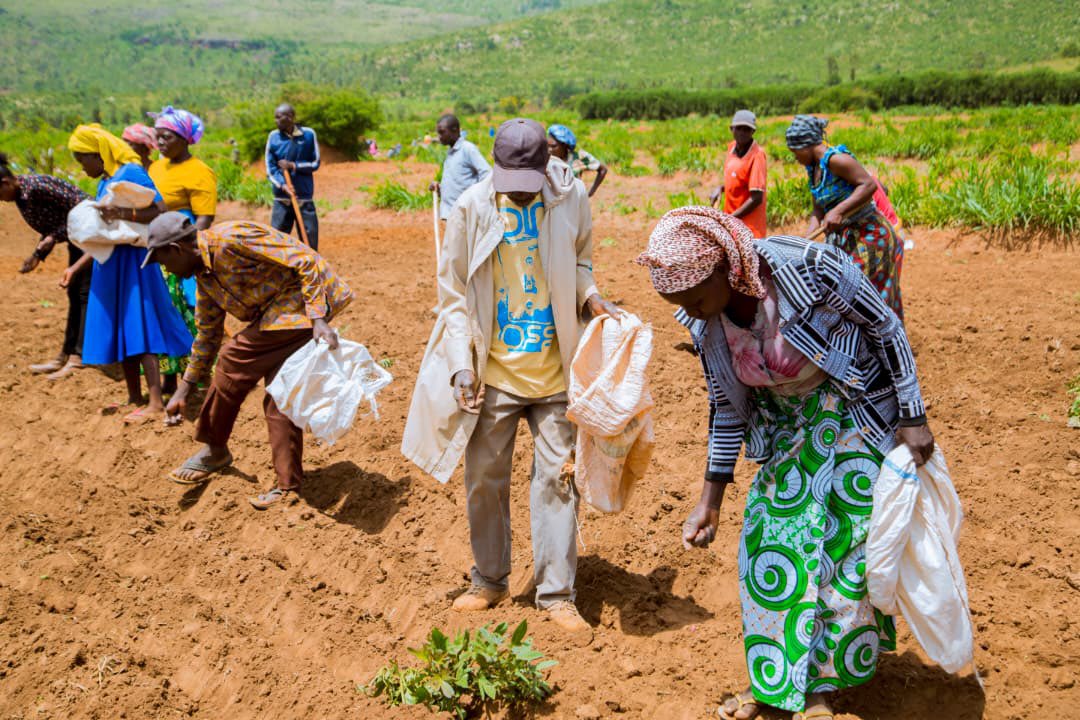

Umuyobozi w’Akarere Wungirije w’Agateganyo yasabye abitabiriye inama kugira ubufatanye kugira ngo hakorwe ubuhinzi kinyamwuga, bityo hazaboneke umusaruro uhagije kandi ufite ubuziranenge, uzabafasha guhaza isoko, cyane ko uyu mushinga #KIIWP ari umwihariko mu Karere ka Kayonza.

Uyu munsi, Umuyobozi w’Akarere wungirije w’Agateganyo, Higiro Jules, ari kumwe n’abakozi ba #KIIWP yasuye icyanya gihingwamo imbuto na Koperative KOTWIDIKA mu Mirenge ya Kabarondo na Murama kuri Ha 1,337, aganira n‘abayigize ku musaruro babona n’imbogamizi zihari ngo zikemuke.


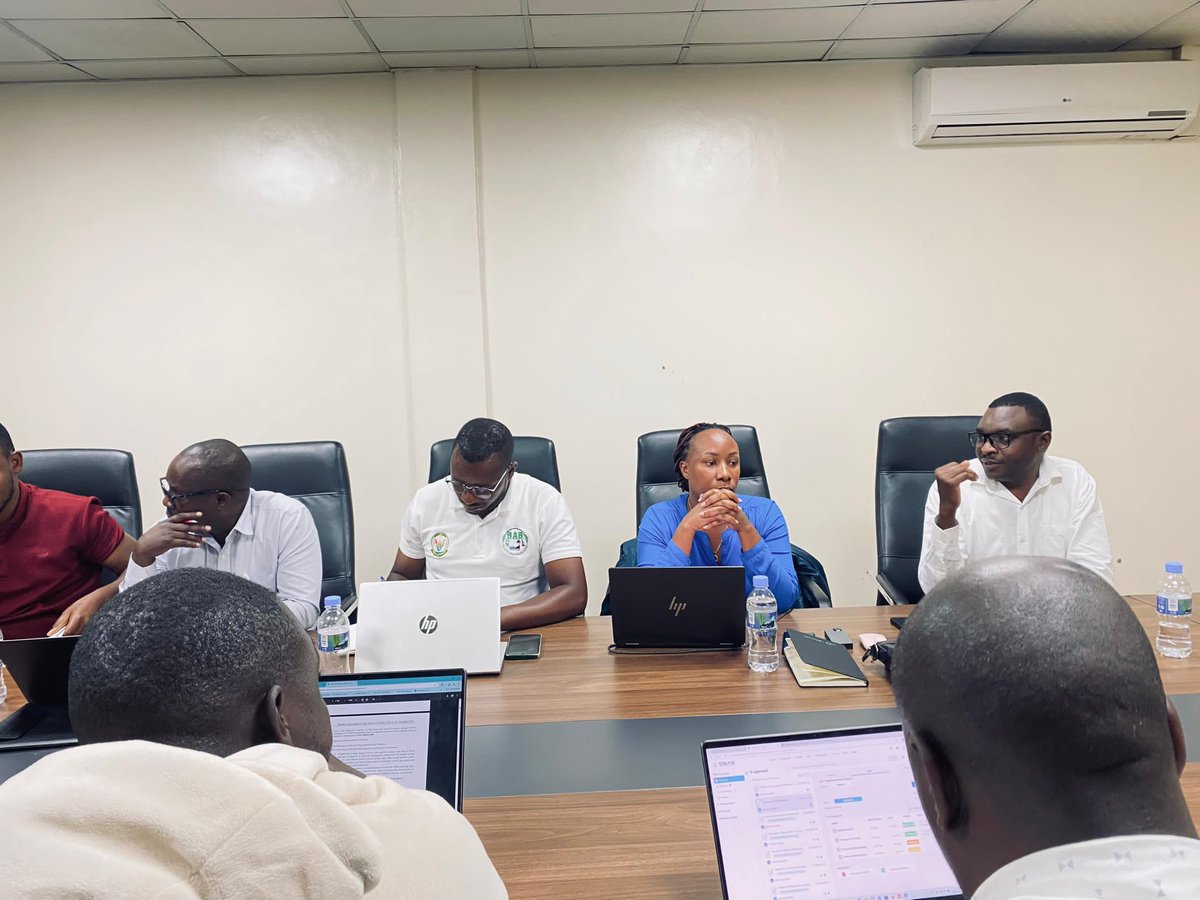


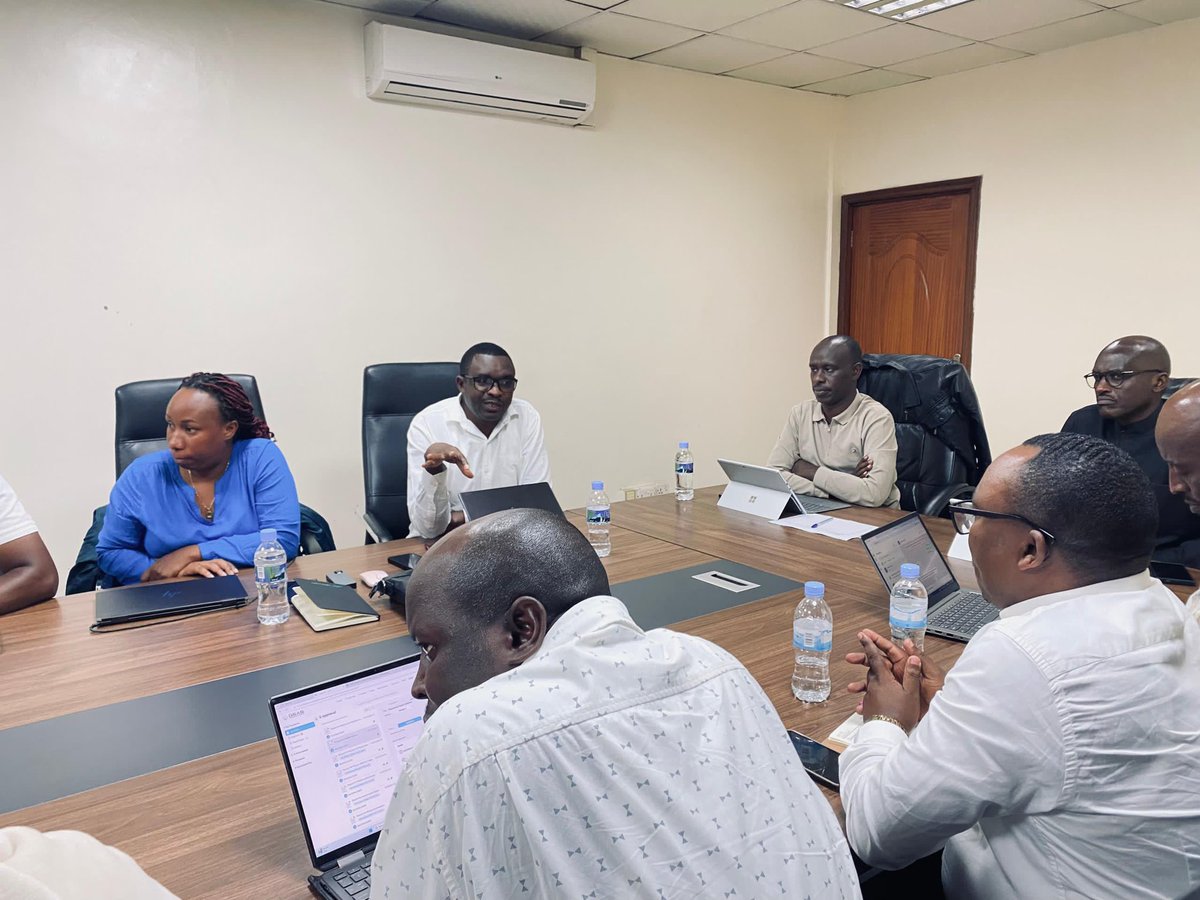


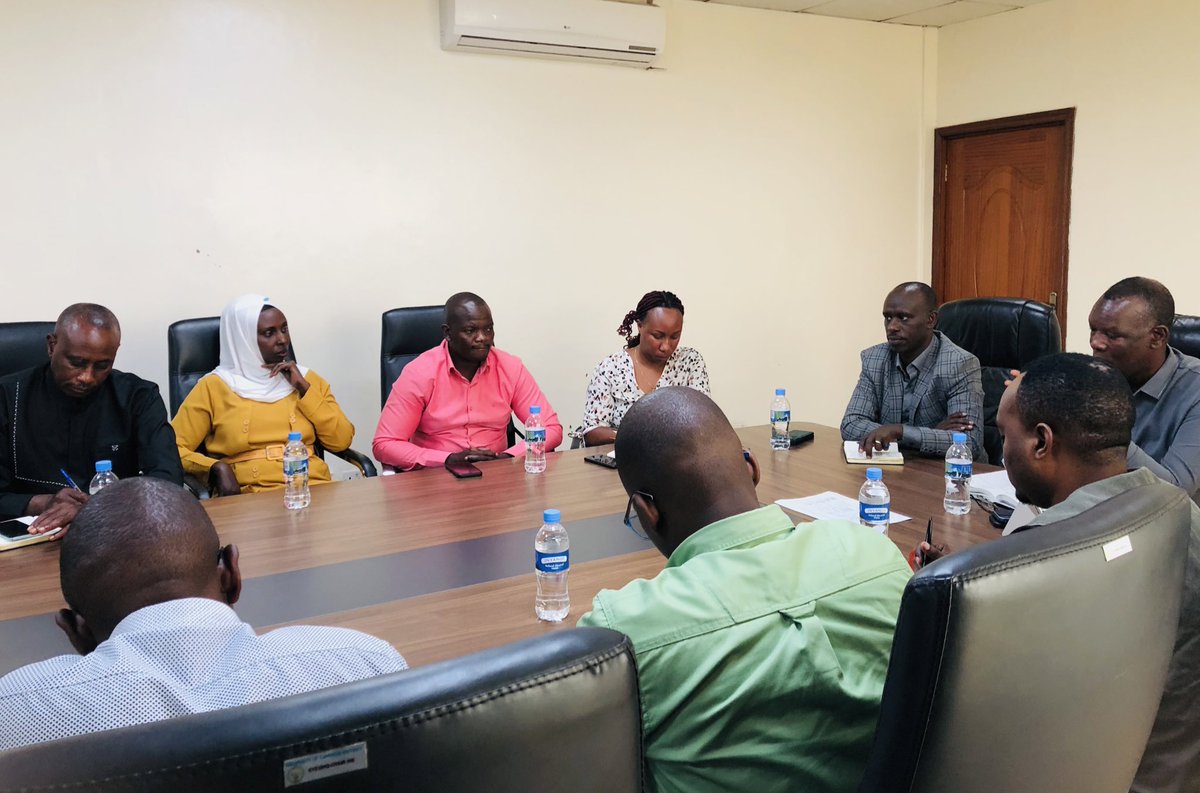
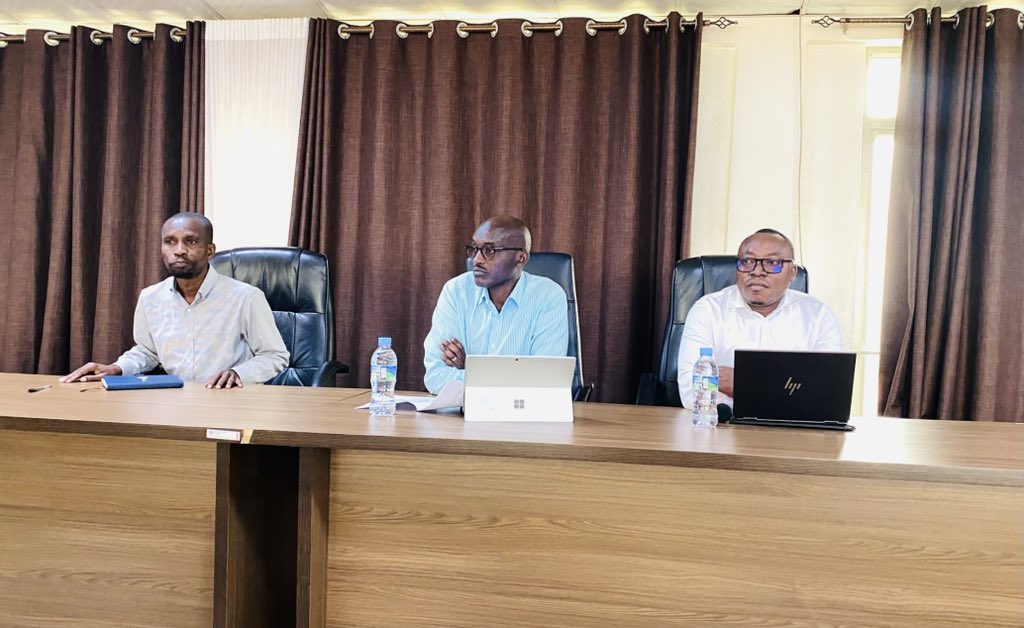
In his opening remarks, Hon. Dr. Telesphore NDABAMENYE Minister Of @RwandaAgri highlighted the strong impact of #IFAD in Rwanda through key projects such as:
#RDDP: Advancing climate-smart dairy production and improving rural livelihoods.
#KIIWP: Expanding irrigation and watershed management to boost food security and climate resilience.
#PRISM: Strengthening small-livestock value chains and empowering rural youth and women.
And he reflects on the key priorities of #COSOP such as livelihood, youth and women, climate resilience, sustainability.
These successes reflect the transformative potential of #COSOP2025_2030. He reaffirmed Rwanda’s commitment, together with IFAD and partners, to drive agricultural transformation, promote digital innovation, empower communities, and enhance household nutrition for sustainable development.
#COSOP2025_2030
#IFADImpact

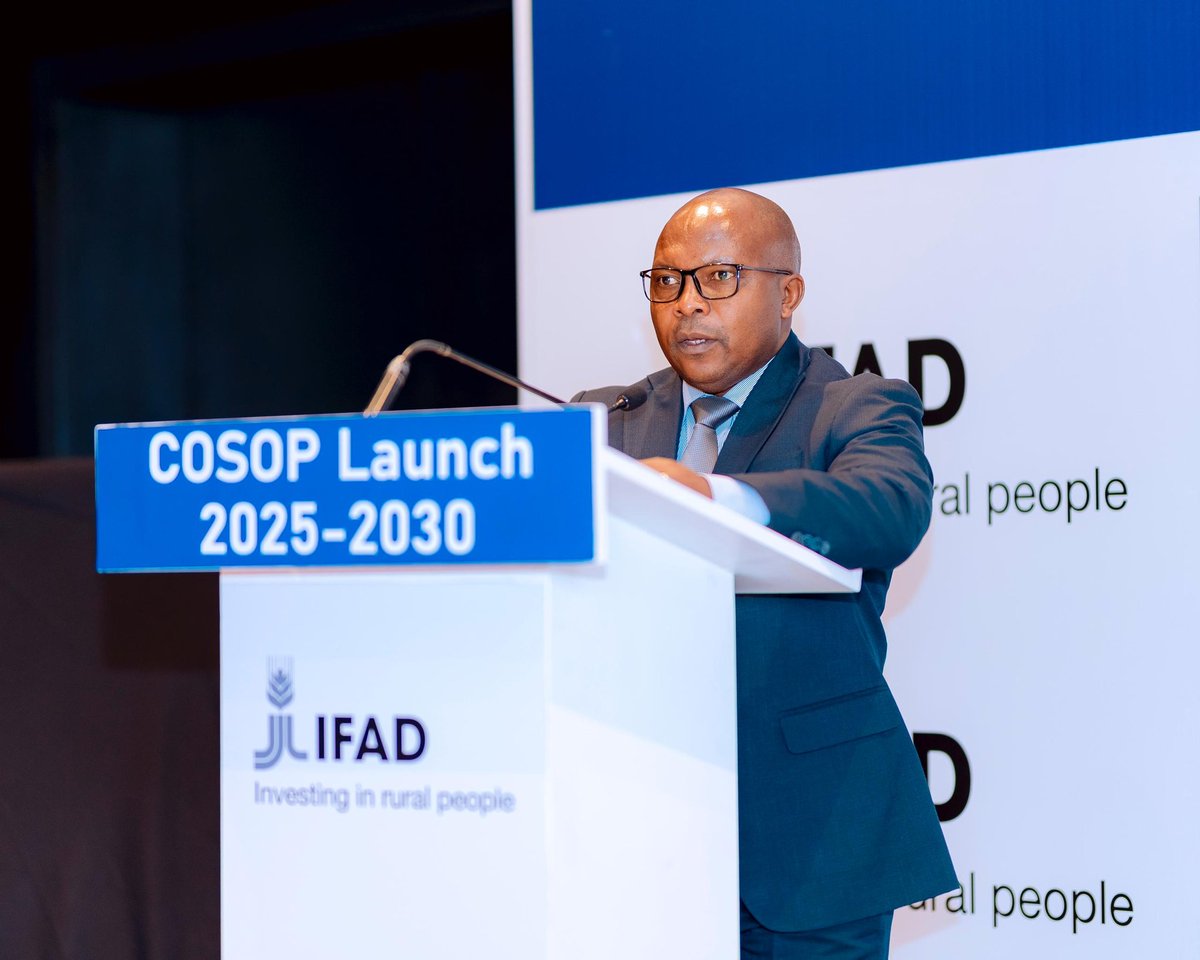
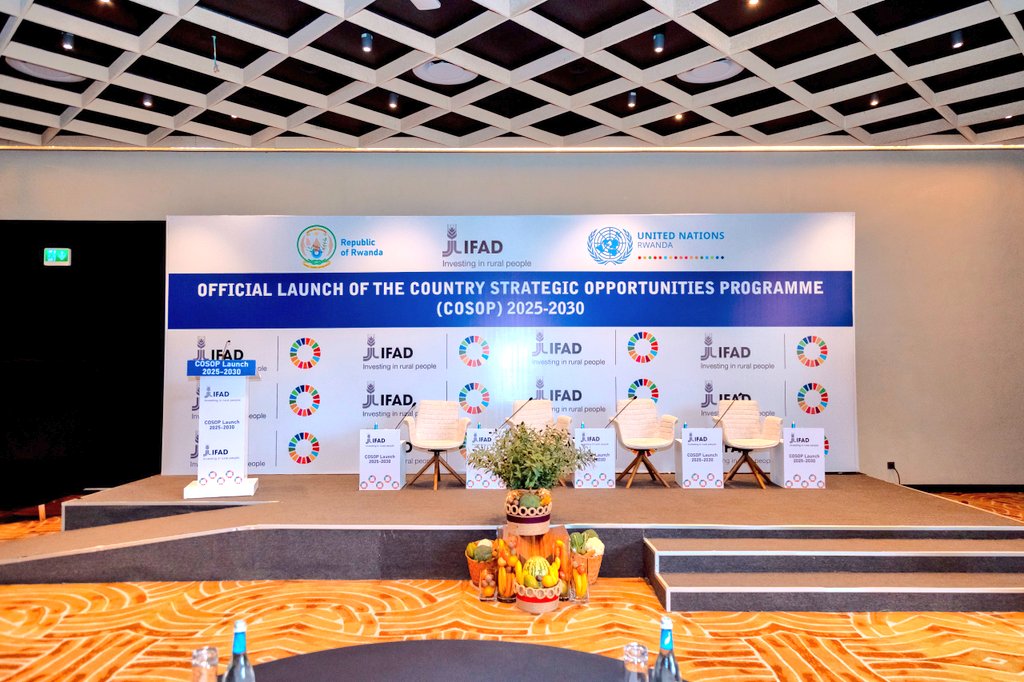
On 10 December, IFAD launched the Country Strategic Opportunities Programme (COSOP2025–2030).
This launch represents more than a milestone, it marks a powerful step toward strengthening #food security, uplifting #rural communities, enhancing #climate resilience, and improving infrastructure and #agricultural production across the country.
The #COSOP2025_2030 places smallholder farmers at the center of priority, especially those who are poor or food-insecure but have the potential to transition into more productive and market-oriented farming systems. It also prioritizes the empowerment of #youth and #women, recognizing their essential role in transforming #agriculture.
Through this programme, IFAD aims to advance #sustainability, drive #innovation, expand access to #markets, promote #digital transformation, and support inclusive rural development.
A stronger, more resilient agricultural future starts here.
#COSOP2025_2030
#IFAD
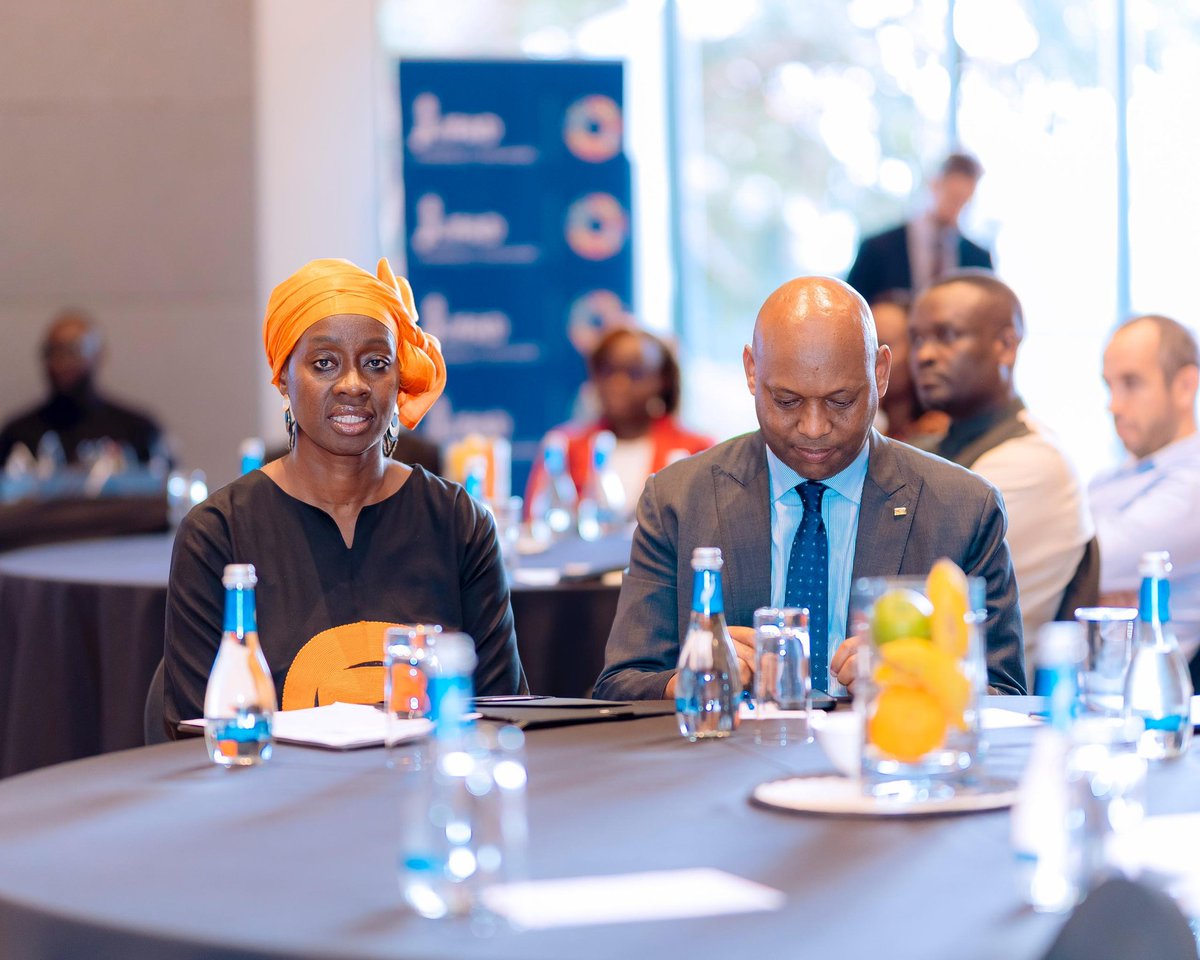

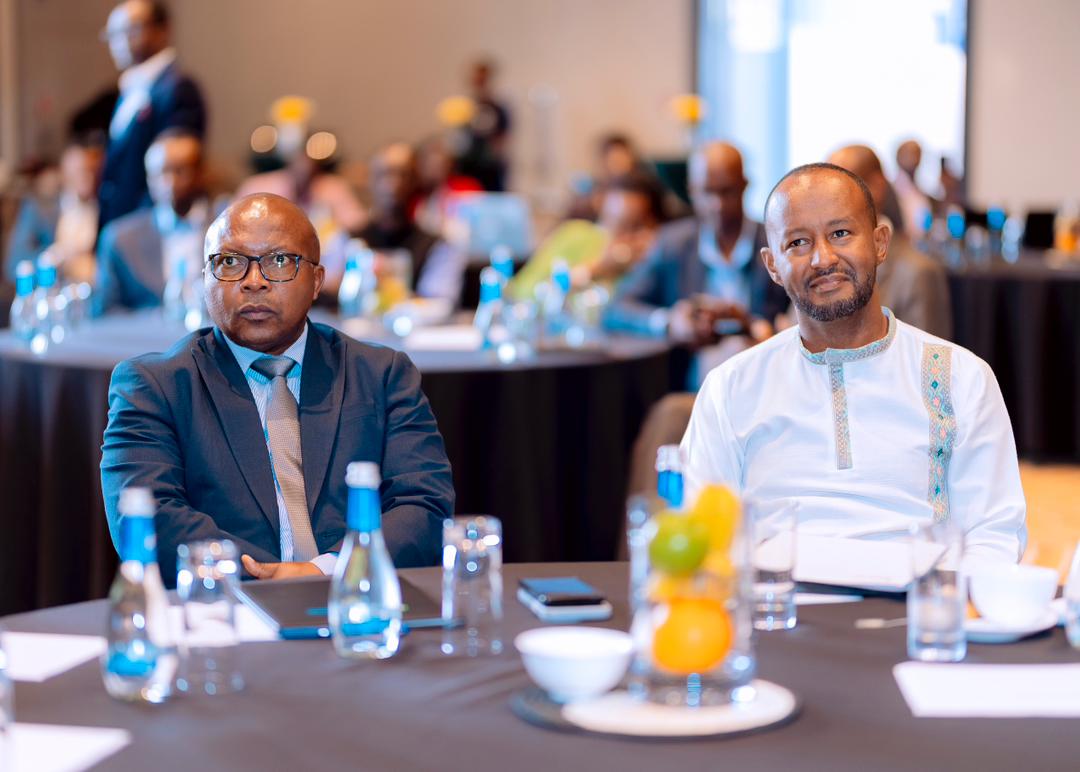

Nibyiza Kandi dushimiye Abafatanyabikorwa ba Karere ka @KayonzaDistrict mu Iterambere ry'Abaturage cyane cyane #KIIWP muri gahunda yihaye yo gukemura ibibazo bya mazi ndetse bifasha Abahinzi na borozi muri Farming activities.@RwandaAgri @RwandaAgriBoard @ryaf_agribiz @BoscoManirabona

Nibyo kuko umushinga Kayonza Irrigation and integrated watershed management project (KIIWP)wakemuye ibibazo byishi mu mirenge yibasirwanga n'amapfa hubwaka Valley Dam's n'ama Borehole hakemurwa ibibazo by'Inka zapfaga cyane kubera kubura amazi mu mirenge ya @MurundisectorK


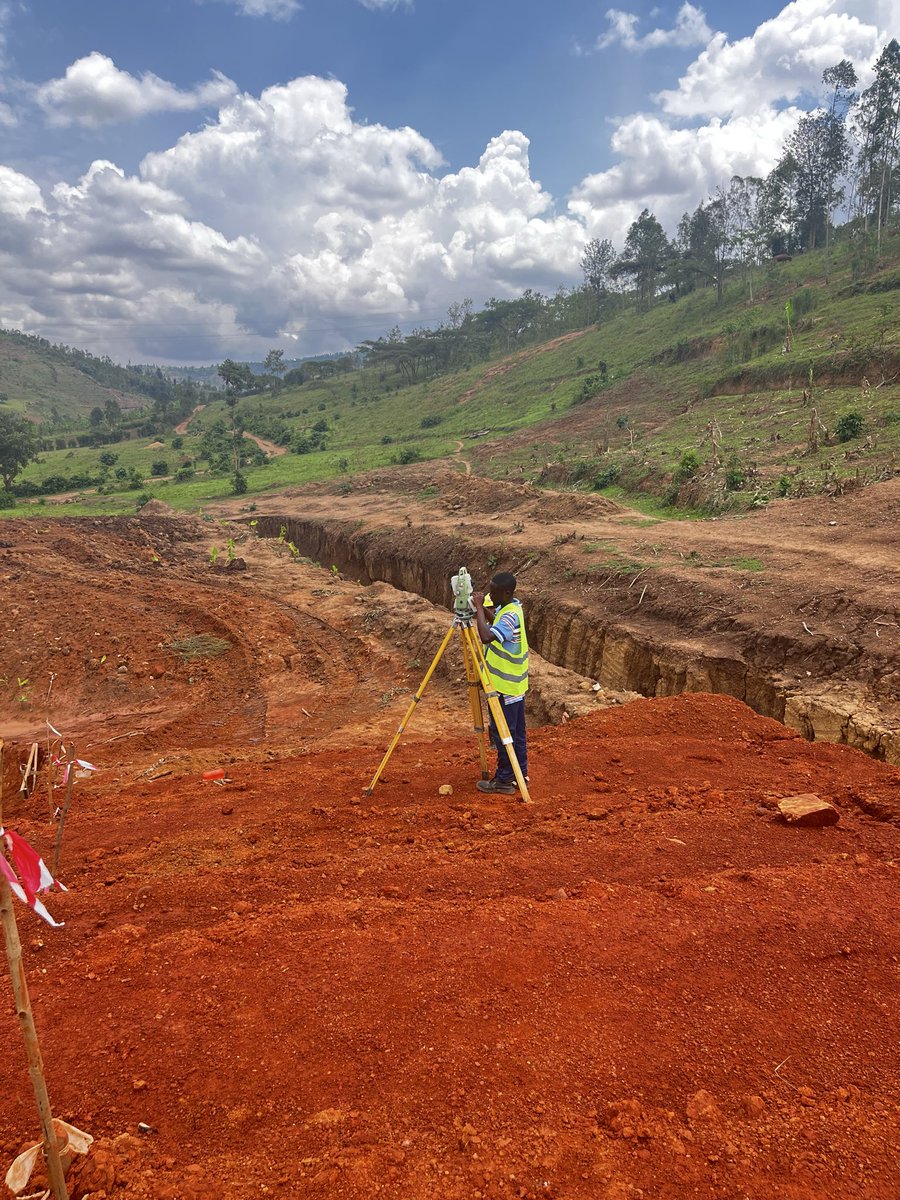
This is a 150 ha covered Kanyegenye irrigation dam being constructed by #SPIU/#KIIWP funded by #IFAD under @RwandaAgriBoard in @KayonzaDistrict. It is expected to support vegetables and rice farmers with solar powers irrigation.


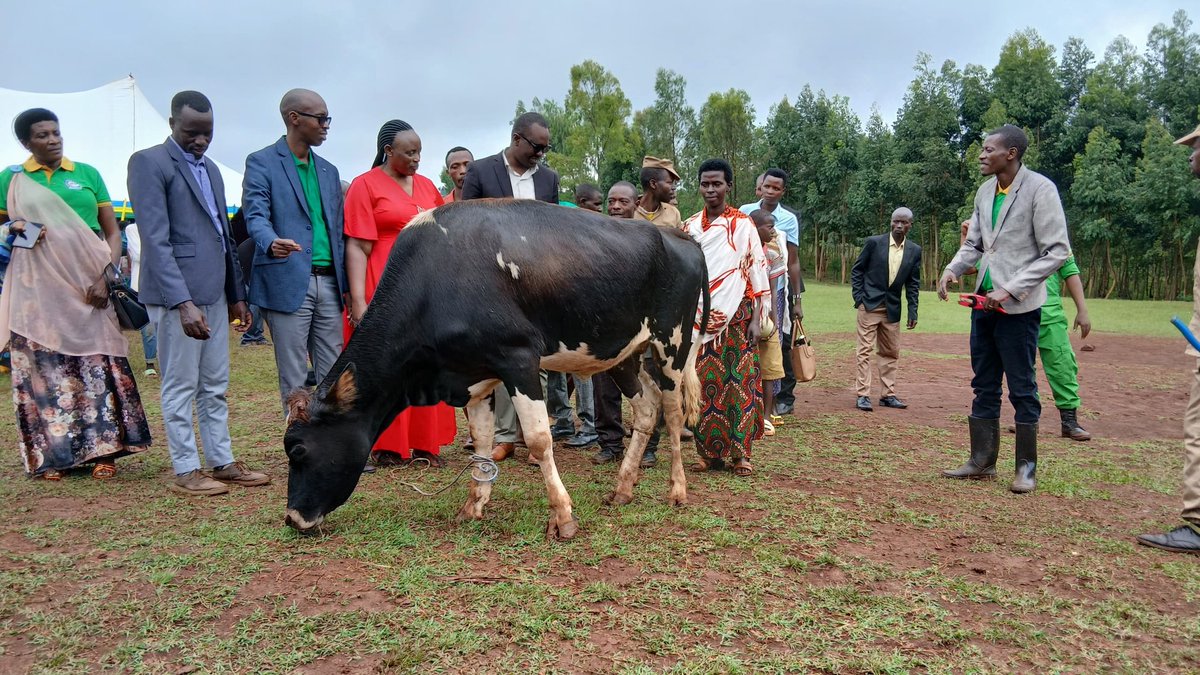
@KayonzaDistrict 16k trained in the #KIIWP project through #GALS has aim to end domestic violence. Today 500 trainees of #GALS graduate including 65 couples made civil marriage. Also launched IWANJYE HEZA HARUTA AHANDI ni mu MURYANGO campaign.
@RwandaEast #GenderEquity
#RAB #SPIU



Transforming Families Through GALS: A Story of Change and Hope in Ruramira Sector
The Gender Action Learning System (#GALS), implemented under the #KIIWP Phase II Project, continues to demonstrate its powerful impact in transforming lives, strengthening families, and promoting gender equality across communities in Rwanda.
Developed as a participatory and inclusive approach, GALS equips men and women with practical tools for joint visioning, equitable decision-making, and shared household responsibilities. Through interactive visual methods and dialogue, it challenges traditional norms, reduces gender-based conflicts, and inspires families to plan and work together toward sustainable development.
In Ruramira Sector, @KayonzaDistrict , where the initiative has been rolled out since 2023, many families have witnessed remarkable transformation. Among them is the family of Nganji Syriaque and Iradukunda Chantal, residents of Bugambira Cell, who once lived in conflict and financial instability. Today, they stand as a powerful example of the positive change brought by GALS.
Before joining the program, their home was characterized by misunderstanding, tension, and a lack of cooperation. Syriaque recalls that he used to perceive gender equality as a threat to men, believing it was designed to undermine their authority. He admits that he often left all household responsibilities to his wife, while spending much of his limited income on alcohol.
“Before GALS, I thought gender equality was meant to oppress men. I used to overwork my wife and never supported her in the home or family projects. I believed helping with tasks like washing our child or doing laundry would make me less of a man,” shared Nganji Syriaque.“But through the GALS training, I realized that caring for your child doesn’t make you a woman, it makes you a responsible father. A child who feels loved by both parents grows up happier and more connected. GALS opened my eyes and completely changed my mindset.”
Syriaque explains that the GALS tools, particularly the Vision Journey, the Gender Balance Tree, and the Diamond Dream [Indoto y'ubukungu burambye, Igiti Cy'ubwuzuzanye N'Uburinganire, n'indoto ya diyama] , inspired him to reflect deeply on the kind of family and future he wanted to build. He began working more closely with his wife, supporting her both in household duties and income-generating activities.
“After we understood the importance of complementarity and shared effort, we decided to start working together toward our goals. In 2023, we saved enough to enroll in a driving course and later purchased a motorcycle, which now supports our household income. My wife also started a small business, and we’re planning to expand, buy more motorcycles, and open a family enterprise,” he added.
For Iradukunda Chantal, the transformation has been equally profound. She remembers the early days of their marriage as a time of hardship and frustration.
“We lived in poverty and constant conflict,” she said. “My husband drank heavily and never helped with family work. I felt abandoned and hopeless. But after joining GALS, everything changed. The training helped him understand the value of working together, and since then, our home has been full of peace and mutual respect.”
Chantal says that today, they make joint decisions, share responsibilities, and support each other’s dreams. Their unity has not only improved their relationship but also boosted their household income and overall well-being.
The journey of Syriaque and Chantal is just one of many testimonies emerging from the GALS program in Ruramira Sector. Families once divided by conflict and inequality are now united, productive, and forward-looking. GALS has become more than just a training program, it is a movement for family harmony, gender justice, and community transformation.
Tomorrow, October 29, 2025, Ruramira Sector will celebrate this transformation through a special event marking the graduation of over 250 GALS trainees and the civil marriage of 60 couples who have chosen to formalize their unions after reconciling and rebuilding trust through the GALS process.
This milestone symbolizes not only personal achievement but also the collective progress of a community embracing equality, peace, and shared prosperity. It is a reflection of Rwanda’s broader vision, where empowered families form the foundation of inclusive and sustainable development.
As the celebrations unfold, stories like that of Nganji Syriaque and Iradukunda Chantal remind us that change begins at home, with dialogue, respect, and a shared vision for a better future.
#GALS #KIIWP2 #GenderEquality
![Agronomme_'s tweet photo. Transforming Families Through GALS: A Story of Change and Hope in Ruramira Sector
The Gender Action Learning System (#GALS), implemented under the #KIIWP Phase II Project, continues to demonstrate its powerful impact in transforming lives, strengthening families, and promoting gender equality across communities in Rwanda.
Developed as a participatory and inclusive approach, GALS equips men and women with practical tools for joint visioning, equitable decision-making, and shared household responsibilities. Through interactive visual methods and dialogue, it challenges traditional norms, reduces gender-based conflicts, and inspires families to plan and work together toward sustainable development.
In Ruramira Sector, @KayonzaDistrict , where the initiative has been rolled out since 2023, many families have witnessed remarkable transformation. Among them is the family of Nganji Syriaque and Iradukunda Chantal, residents of Bugambira Cell, who once lived in conflict and financial instability. Today, they stand as a powerful example of the positive change brought by GALS.
Before joining the program, their home was characterized by misunderstanding, tension, and a lack of cooperation. Syriaque recalls that he used to perceive gender equality as a threat to men, believing it was designed to undermine their authority. He admits that he often left all household responsibilities to his wife, while spending much of his limited income on alcohol.
“Before GALS, I thought gender equality was meant to oppress men. I used to overwork my wife and never supported her in the home or family projects. I believed helping with tasks like washing our child or doing laundry would make me less of a man,” shared Nganji Syriaque.“But through the GALS training, I realized that caring for your child doesn’t make you a woman, it makes you a responsible father. A child who feels loved by both parents grows up happier and more connected. GALS opened my eyes and completely changed my mindset.”
Syriaque explains that the GALS tools, particularly the Vision Journey, the Gender Balance Tree, and the Diamond Dream [Indoto y'ubukungu burambye, Igiti Cy'ubwuzuzanye N'Uburinganire, n'indoto ya diyama] , inspired him to reflect deeply on the kind of family and future he wanted to build. He began working more closely with his wife, supporting her both in household duties and income-generating activities.
“After we understood the importance of complementarity and shared effort, we decided to start working together toward our goals. In 2023, we saved enough to enroll in a driving course and later purchased a motorcycle, which now supports our household income. My wife also started a small business, and we’re planning to expand, buy more motorcycles, and open a family enterprise,” he added.
For Iradukunda Chantal, the transformation has been equally profound. She remembers the early days of their marriage as a time of hardship and frustration.
“We lived in poverty and constant conflict,” she said. “My husband drank heavily and never helped with family work. I felt abandoned and hopeless. But after joining GALS, everything changed. The training helped him understand the value of working together, and since then, our home has been full of peace and mutual respect.”
Chantal says that today, they make joint decisions, share responsibilities, and support each other’s dreams. Their unity has not only improved their relationship but also boosted their household income and overall well-being.
The journey of Syriaque and Chantal is just one of many testimonies emerging from the GALS program in Ruramira Sector. Families once divided by conflict and inequality are now united, productive, and forward-looking. GALS has become more than just a training program, it is a movement for family harmony, gender justice, and community transformation.
Tomorrow, October 29, 2025, Ruramira Sector will celebrate this transformation through a special event marking the graduation of over 250 GALS trainees and the civil marriage of 60 couples who have chosen to formalize their unions after reconciling and rebuilding trust through the GALS process.
This milestone symbolizes not only personal achievement but also the collective progress of a community embracing equality, peace, and shared prosperity. It is a reflection of Rwanda’s broader vision, where empowered families form the foundation of inclusive and sustainable development.
As the celebrations unfold, stories like that of Nganji Syriaque and Iradukunda Chantal remind us that change begins at home, with dialogue, respect, and a shared vision for a better future.
#GALS #KIIWP2 #GenderEquality](https://pbs.twimg.com/media/G4YD8MhWsAAE0Un.jpg)
![Agronomme_'s tweet photo. Transforming Families Through GALS: A Story of Change and Hope in Ruramira Sector
The Gender Action Learning System (#GALS), implemented under the #KIIWP Phase II Project, continues to demonstrate its powerful impact in transforming lives, strengthening families, and promoting gender equality across communities in Rwanda.
Developed as a participatory and inclusive approach, GALS equips men and women with practical tools for joint visioning, equitable decision-making, and shared household responsibilities. Through interactive visual methods and dialogue, it challenges traditional norms, reduces gender-based conflicts, and inspires families to plan and work together toward sustainable development.
In Ruramira Sector, @KayonzaDistrict , where the initiative has been rolled out since 2023, many families have witnessed remarkable transformation. Among them is the family of Nganji Syriaque and Iradukunda Chantal, residents of Bugambira Cell, who once lived in conflict and financial instability. Today, they stand as a powerful example of the positive change brought by GALS.
Before joining the program, their home was characterized by misunderstanding, tension, and a lack of cooperation. Syriaque recalls that he used to perceive gender equality as a threat to men, believing it was designed to undermine their authority. He admits that he often left all household responsibilities to his wife, while spending much of his limited income on alcohol.
“Before GALS, I thought gender equality was meant to oppress men. I used to overwork my wife and never supported her in the home or family projects. I believed helping with tasks like washing our child or doing laundry would make me less of a man,” shared Nganji Syriaque.“But through the GALS training, I realized that caring for your child doesn’t make you a woman, it makes you a responsible father. A child who feels loved by both parents grows up happier and more connected. GALS opened my eyes and completely changed my mindset.”
Syriaque explains that the GALS tools, particularly the Vision Journey, the Gender Balance Tree, and the Diamond Dream [Indoto y'ubukungu burambye, Igiti Cy'ubwuzuzanye N'Uburinganire, n'indoto ya diyama] , inspired him to reflect deeply on the kind of family and future he wanted to build. He began working more closely with his wife, supporting her both in household duties and income-generating activities.
“After we understood the importance of complementarity and shared effort, we decided to start working together toward our goals. In 2023, we saved enough to enroll in a driving course and later purchased a motorcycle, which now supports our household income. My wife also started a small business, and we’re planning to expand, buy more motorcycles, and open a family enterprise,” he added.
For Iradukunda Chantal, the transformation has been equally profound. She remembers the early days of their marriage as a time of hardship and frustration.
“We lived in poverty and constant conflict,” she said. “My husband drank heavily and never helped with family work. I felt abandoned and hopeless. But after joining GALS, everything changed. The training helped him understand the value of working together, and since then, our home has been full of peace and mutual respect.”
Chantal says that today, they make joint decisions, share responsibilities, and support each other’s dreams. Their unity has not only improved their relationship but also boosted their household income and overall well-being.
The journey of Syriaque and Chantal is just one of many testimonies emerging from the GALS program in Ruramira Sector. Families once divided by conflict and inequality are now united, productive, and forward-looking. GALS has become more than just a training program, it is a movement for family harmony, gender justice, and community transformation.
Tomorrow, October 29, 2025, Ruramira Sector will celebrate this transformation through a special event marking the graduation of over 250 GALS trainees and the civil marriage of 60 couples who have chosen to formalize their unions after reconciling and rebuilding trust through the GALS process.
This milestone symbolizes not only personal achievement but also the collective progress of a community embracing equality, peace, and shared prosperity. It is a reflection of Rwanda’s broader vision, where empowered families form the foundation of inclusive and sustainable development.
As the celebrations unfold, stories like that of Nganji Syriaque and Iradukunda Chantal remind us that change begins at home, with dialogue, respect, and a shared vision for a better future.
#GALS #KIIWP2 #GenderEquality](https://pbs.twimg.com/media/G4YD21WX0AATNfk.jpg)
![Agronomme_'s tweet photo. Transforming Families Through GALS: A Story of Change and Hope in Ruramira Sector
The Gender Action Learning System (#GALS), implemented under the #KIIWP Phase II Project, continues to demonstrate its powerful impact in transforming lives, strengthening families, and promoting gender equality across communities in Rwanda.
Developed as a participatory and inclusive approach, GALS equips men and women with practical tools for joint visioning, equitable decision-making, and shared household responsibilities. Through interactive visual methods and dialogue, it challenges traditional norms, reduces gender-based conflicts, and inspires families to plan and work together toward sustainable development.
In Ruramira Sector, @KayonzaDistrict , where the initiative has been rolled out since 2023, many families have witnessed remarkable transformation. Among them is the family of Nganji Syriaque and Iradukunda Chantal, residents of Bugambira Cell, who once lived in conflict and financial instability. Today, they stand as a powerful example of the positive change brought by GALS.
Before joining the program, their home was characterized by misunderstanding, tension, and a lack of cooperation. Syriaque recalls that he used to perceive gender equality as a threat to men, believing it was designed to undermine their authority. He admits that he often left all household responsibilities to his wife, while spending much of his limited income on alcohol.
“Before GALS, I thought gender equality was meant to oppress men. I used to overwork my wife and never supported her in the home or family projects. I believed helping with tasks like washing our child or doing laundry would make me less of a man,” shared Nganji Syriaque.“But through the GALS training, I realized that caring for your child doesn’t make you a woman, it makes you a responsible father. A child who feels loved by both parents grows up happier and more connected. GALS opened my eyes and completely changed my mindset.”
Syriaque explains that the GALS tools, particularly the Vision Journey, the Gender Balance Tree, and the Diamond Dream [Indoto y'ubukungu burambye, Igiti Cy'ubwuzuzanye N'Uburinganire, n'indoto ya diyama] , inspired him to reflect deeply on the kind of family and future he wanted to build. He began working more closely with his wife, supporting her both in household duties and income-generating activities.
“After we understood the importance of complementarity and shared effort, we decided to start working together toward our goals. In 2023, we saved enough to enroll in a driving course and later purchased a motorcycle, which now supports our household income. My wife also started a small business, and we’re planning to expand, buy more motorcycles, and open a family enterprise,” he added.
For Iradukunda Chantal, the transformation has been equally profound. She remembers the early days of their marriage as a time of hardship and frustration.
“We lived in poverty and constant conflict,” she said. “My husband drank heavily and never helped with family work. I felt abandoned and hopeless. But after joining GALS, everything changed. The training helped him understand the value of working together, and since then, our home has been full of peace and mutual respect.”
Chantal says that today, they make joint decisions, share responsibilities, and support each other’s dreams. Their unity has not only improved their relationship but also boosted their household income and overall well-being.
The journey of Syriaque and Chantal is just one of many testimonies emerging from the GALS program in Ruramira Sector. Families once divided by conflict and inequality are now united, productive, and forward-looking. GALS has become more than just a training program, it is a movement for family harmony, gender justice, and community transformation.
Tomorrow, October 29, 2025, Ruramira Sector will celebrate this transformation through a special event marking the graduation of over 250 GALS trainees and the civil marriage of 60 couples who have chosen to formalize their unions after reconciling and rebuilding trust through the GALS process.
This milestone symbolizes not only personal achievement but also the collective progress of a community embracing equality, peace, and shared prosperity. It is a reflection of Rwanda’s broader vision, where empowered families form the foundation of inclusive and sustainable development.
As the celebrations unfold, stories like that of Nganji Syriaque and Iradukunda Chantal remind us that change begins at home, with dialogue, respect, and a shared vision for a better future.
#GALS #KIIWP2 #GenderEquality](https://pbs.twimg.com/media/G4YD21WXgAEU2qy.jpg)
![Agronomme_'s tweet photo. Transforming Families Through GALS: A Story of Change and Hope in Ruramira Sector
The Gender Action Learning System (#GALS), implemented under the #KIIWP Phase II Project, continues to demonstrate its powerful impact in transforming lives, strengthening families, and promoting gender equality across communities in Rwanda.
Developed as a participatory and inclusive approach, GALS equips men and women with practical tools for joint visioning, equitable decision-making, and shared household responsibilities. Through interactive visual methods and dialogue, it challenges traditional norms, reduces gender-based conflicts, and inspires families to plan and work together toward sustainable development.
In Ruramira Sector, @KayonzaDistrict , where the initiative has been rolled out since 2023, many families have witnessed remarkable transformation. Among them is the family of Nganji Syriaque and Iradukunda Chantal, residents of Bugambira Cell, who once lived in conflict and financial instability. Today, they stand as a powerful example of the positive change brought by GALS.
Before joining the program, their home was characterized by misunderstanding, tension, and a lack of cooperation. Syriaque recalls that he used to perceive gender equality as a threat to men, believing it was designed to undermine their authority. He admits that he often left all household responsibilities to his wife, while spending much of his limited income on alcohol.
“Before GALS, I thought gender equality was meant to oppress men. I used to overwork my wife and never supported her in the home or family projects. I believed helping with tasks like washing our child or doing laundry would make me less of a man,” shared Nganji Syriaque.“But through the GALS training, I realized that caring for your child doesn’t make you a woman, it makes you a responsible father. A child who feels loved by both parents grows up happier and more connected. GALS opened my eyes and completely changed my mindset.”
Syriaque explains that the GALS tools, particularly the Vision Journey, the Gender Balance Tree, and the Diamond Dream [Indoto y'ubukungu burambye, Igiti Cy'ubwuzuzanye N'Uburinganire, n'indoto ya diyama] , inspired him to reflect deeply on the kind of family and future he wanted to build. He began working more closely with his wife, supporting her both in household duties and income-generating activities.
“After we understood the importance of complementarity and shared effort, we decided to start working together toward our goals. In 2023, we saved enough to enroll in a driving course and later purchased a motorcycle, which now supports our household income. My wife also started a small business, and we’re planning to expand, buy more motorcycles, and open a family enterprise,” he added.
For Iradukunda Chantal, the transformation has been equally profound. She remembers the early days of their marriage as a time of hardship and frustration.
“We lived in poverty and constant conflict,” she said. “My husband drank heavily and never helped with family work. I felt abandoned and hopeless. But after joining GALS, everything changed. The training helped him understand the value of working together, and since then, our home has been full of peace and mutual respect.”
Chantal says that today, they make joint decisions, share responsibilities, and support each other’s dreams. Their unity has not only improved their relationship but also boosted their household income and overall well-being.
The journey of Syriaque and Chantal is just one of many testimonies emerging from the GALS program in Ruramira Sector. Families once divided by conflict and inequality are now united, productive, and forward-looking. GALS has become more than just a training program, it is a movement for family harmony, gender justice, and community transformation.
Tomorrow, October 29, 2025, Ruramira Sector will celebrate this transformation through a special event marking the graduation of over 250 GALS trainees and the civil marriage of 60 couples who have chosen to formalize their unions after reconciling and rebuilding trust through the GALS process.
This milestone symbolizes not only personal achievement but also the collective progress of a community embracing equality, peace, and shared prosperity. It is a reflection of Rwanda’s broader vision, where empowered families form the foundation of inclusive and sustainable development.
As the celebrations unfold, stories like that of Nganji Syriaque and Iradukunda Chantal remind us that change begins at home, with dialogue, respect, and a shared vision for a better future.
#GALS #KIIWP2 #GenderEquality](https://pbs.twimg.com/media/G4YD21WW0AArsuX.jpg)
Guverineri wa @RwandaEast @PudenceR ari kumwe na Meya @BoscoNyemazi, inzego z’umutekano, abakozi ba #KIIWP n’abandi bayobozi basuye icyanya cy’imbuto gihuriweho n’Imirenge ya Kabarondo na Murama bareba uko ibiti by'imbuto byitabwaho n'uko umusaruro wabyo ugezwa ku isoko.
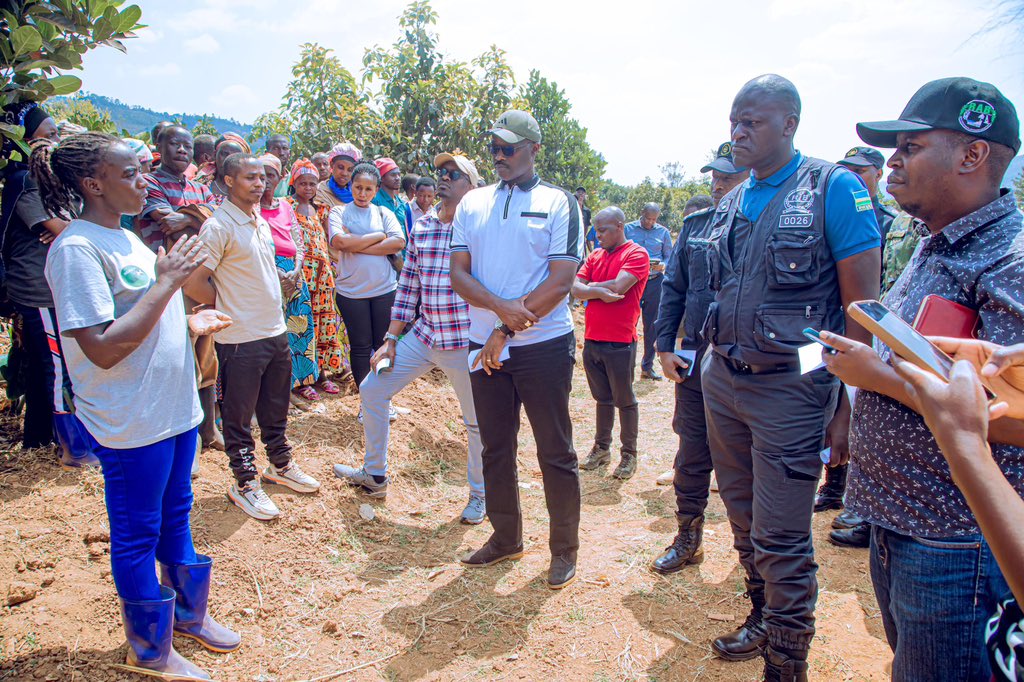

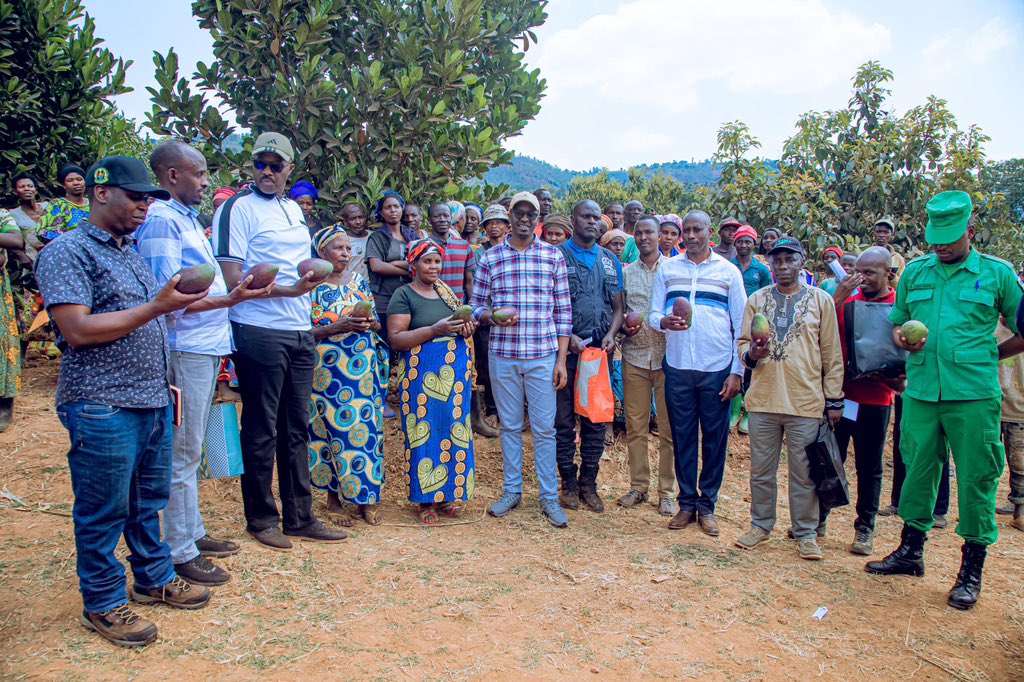


Guverineri @PudenceR, Umuyobozi wa @KayonzaDistrict,inzego z’umutekano n'abakozi b'umushinga #KIIWP basuye icyanya cy’imbuto gihuriweho n’Imirenge ya Kabarondo &Murama baganira n'abahinzi ku buryo ibiti by'imbuto bihinze muri iki kibaya byitabwaho n'uko umusaruro ugezwa ku isoko.


Key projects contributing to District's progress include orchards established by #KIIWP which is working with KOTWIDIKA Cooperative in Kabarondo and Ruramira sectors along with the Kabarondo market and residential housing constructed to address the needs of vulnerable residents.


Most Popular Users

Elon Musk 
@elonmusk
241.5M followers

Barack Obama
@barackobama
118.9M followers

Cristiano Ronaldo
@cristiano
114.6M followers

Donald J. Trump
@realdonaldtrump
111.8M followers

Narendra Modi
@narendramodi
107.1M followers

Rihanna
@rihanna
98.7M followers

NASA
@nasa
92.3M followers

Justin Bieber
@justinbieber
91.8M followers

KATY PERRY
@katyperry
90M followers

Taylor Swift
@taylorswift13
84M followers

Lady Gaga
@ladygaga
75.5M followers

Virat Kohli
@imvkohli
73.5M followers

Kim Kardashian
@kimkardashian
70.9M followers

YouTube
@youtube
68.8M followers

Neymar Jr
@neymarjr
66.5M followers

Bill Gates
@billgates
65.2M followers

Selena Gomez
@selenagomez
63.1M followers

The Ellen Show
@theellenshow
62.2M followers

CNN
@cnn
61.8M followers

X
@x
60.7M followers