

Top Tweets for #LicenseFree2wayRadio

#LicenseFree2wayRadio #Philippines
1) 27 MHz Citizens Band (CB)
The legal status of 27 MHz CB in the Philippines is not fully clear from the currently accessible official materials. However, the official documents I found do not support treating it as license-free. NTC Region 7 materials still refer to Citizens Band radio license renewal, Citizens Band-related fees, and a Special Radio Operator category for Citizens Band. I could not verify a current official NTC channel plan or maximum power limit for CB from the sources reviewed.
2) Short Range Radio Service (SRRS)
Short Range Radio Service is a private radio communication system in the land mobile service, limited to portable transceivers for short-range communications. Its current legal basis is reflected in NTC memoranda including MC 01-01-98 and MC 07-06-98, which remain listed by NTC Region 7 under current low-power equipment rules. SRRS operates on 325.0000 to 325.4875 MHz using a 12.5 kHz channeling plan with 40 shared channels. The maximum transmitter output for portable stations is 2.5 watts. SRRS is not license-free; possession and operation require an SRRS Special Permit.
3) Personal Radio Service (PRS)
Personal Radio Service is a land mobile radio service intended for short-distance two-way personal and business communications. Its legal basis is reflected in MC 11-21-88, MC-02-01-92, and MC-09-07-96, which are listed by NTC Region 7 under current fixed and land mobile services rules. PRS uses the UHF band 428.0 to 428.5 MHz, arranged into 20 channels from 428.025 MHz to 428.500 MHz. Based on the accessible official text, I could confirm that PRS operation must remain within the station power output authorized by the NTC, but I could not verify a single numerical maximum power value from the accessible Annex text. PRS is not license-free; it requires the relevant NTC permit(s) and a radio station license.
Note on the Marcos-era CB restriction
There is also a 1981 circular, MC 03-02-81, stating that assignment of CB channels was suspended and that new applications for permits and licenses would not be accepted. But the copy I found is from the PARA archive, not from the current NTC official site, so I would treat that as a historical supporting source, not the primary official current source.

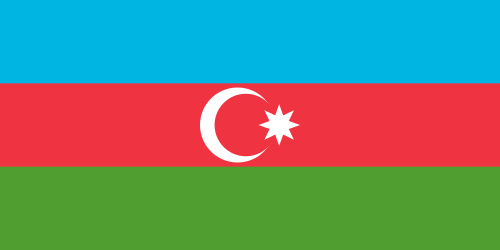
#LicenseFree2wayRadio #Azerbaijan
In the Republic of Azerbaijan, taking into account the widespread use of handheld radio stations operating in the 446.000–446.100 MHz frequency band, the existing demand for such radio equipment, as well as the need to simplify usage procedures and ensure user satisfaction, a decision entitled “Allocation of the 446.000–446.100 MHz frequency band for handheld radio stations” was adopted. This decision was approved on the basis of the minutes of the 3rd meeting of the State Commission on Radio Frequencies of the Republic of Azerbaijan, dated 8 July 2022.
Pursuant to this decision, within the territory of the Republic of Azerbaijan, the 446.000–446.100 MHz frequency band has been allocated on a secondary basis for the use of PMR446 analog and digital handheld radio stations by both legal entities and individuals.
Furthermore, the assignment, administration, and registration of frequency channels within this frequency band, as well as the registration of handheld radio stations operating on these frequencies, are carried out by the State Radio Frequencies Administration, in accordance with the applicable legislation of the Republic of Azerbaijan.
Source
Source: https://t.co/F32rpL0DrQ: 2026-01-28
#LicenseFree2wayRadio #Greec
According to the National Frequency Allocation Table (National Frequency Allocation Regulation),
the frequency range 26.965–27.405 MHz, as harmonized by CEPT, is allocated for Citizen Band (CB) radio operation.
Furthermore, the frequency band 27.415–27.855 MHz is also designated for license-exempt use for CB radio services.
While the National Frequency Allocation Regulation specifies the frequency allocation and licensing status,
the technical operating parameters, including transmit power limits and emission characteristics, are not defined in the allocation table itself but are established by the relevant CEPT common decisions, in particular ERC/DEC/(98)27, to which the national regulation refers.
Transmit Power Limits (as specified in ERC/DEC/(98)27)
AM / FM: 4 W (carrier power)
SSB: 12 W peak envelope power (PEP)
Emission Designators (Modulation Types)
(as specified in ERC/DEC/(98)27)
AM (A3E) FM (F3E) SSB (J3E)
Operational Conditions
(as specified in ERC/DEC/(98)27)
Repeater operation is not permitted
Operation is on a non-protected, shared basis, with no entitlement to protection from harmful interference

#LicenseFree2wayRadio #Italy
Frequency Allocation and Usage Conditions in Italy
1. Frequencies for CB (Citizens Band) Communications
The following frequencies are available for shared use by low-power devices and are used for CB (Citizens Band) communications:
26.965 kHz – 27.405 kHz (40 channels, channel spacing 10 kHz)
* For angle modulation (FM/PM): maximum power output or ERP is 4W
* For double sideband (DSB-AM) and single sideband (SSB-AM): maximum ERP is 1W, maximum output power is 5W
These frequencies fall under the category of free use (libero uso) (Electronic Communications Code, Article 105, paragraph 1(p)).
The following frequencies:
26.875 kHz, 26.885 kHz (channel spacing 10 kHz)
43.3 MHz, 43.3125 MHz, 43.3250 MHz, 43.3375 MHz, 43.35 MHz, 43.3625 MHz (channel spacing 12.5 kHz)
These are available for shared use by low-power devices and are used for the following purposes:
* Road and railway traffic assistance
* Road safety operations and rescue activities
* Traffic monitoring
* Cable transport (ropeways)
* Forest management
* Hunting and fishing management
* Night-time security measures
Equipment operates with angle modulation (FM/PM), with a maximum power output or ERP of 4W.
However, for 26.875 kHz and 26.885 kHz, the following modulation methods are also permitted:
* Double sideband (DSB-AM)
* Single sideband (SSB-AM)
In such cases, the maximum ERP is 1W, and the maximum power output is 5W.
These uses fall under the regulation of general authorization (autorizzazione generale), pursuant to Article 104, paragraph 1(c), section 2.2 of the Electronic Communications Code (Legislative Decree of August 1, 2003, no. 259, as amended).
The following frequencies:
26.895 kHz, 26.905 kHz (channel spacing 10 kHz)
43.375 MHz, 43.3875 MHz, 43.4 MHz, 43.4125 MHz, 43.4250 MHz, 43.4375 MHz (channel spacing 12.5 kHz)
These are available for shared use by low-power devices and are intended for supporting industrial, commercial, craft, and agricultural activities.
Equipment operates with angle modulation (FM/PM), with a maximum power output or ERP of 4W.
However, for 26.895 kHz and 26.905 kHz, the following modulation methods are also permitted:
* Double sideband (DSB-AM)
* Single sideband (SSB-AM)
In this case, the maximum ERP is 1W, and the maximum power output is 5W.
These uses fall under the regulation of general authorization (autorizzazione generale), pursuant to Article 104, paragraph 1(c), section 2.3 of the Electronic Communications Code (Legislative Decree of August 1, 2003, no. 259, as amended).
2. Frequencies for Maritime Safety and Emergency Communications
The following frequencies are available for shared use by low-power devices and are intended for safety of life at sea and emergency communications (between small vessels and base stations, or between different points on board):
26.915 kHz, 26.925 kHz, 26.935 kHz (channel spacing 10 kHz)
43.45 MHz, 43.4625 MHz, 43.475 MHz, 43.4875 MHz (channel spacing 12.5 kHz)
Equipment operates with angle modulation (FM/PM), with a maximum power output or ERP of 4W.
However, for 26.915 kHz, 26.925 kHz, and 26.935 kHz, DSB-AM and SSB-AM are also permitted, with a maximum ERP of 1W and maximum power output of 5W.
This usage is covered by general authorization (autorizzazione generale) pursuant to Article 104, paragraph 1(c), section 2.4 of the Electronic Communications Code (Legislative Decree of August 1, 2003, no. 259, as amended).
3. Frequencies for Competitions and Sports Activities
The following frequencies are available for shared use by low-power devices and are intended for competitions and sports activities:
26.945 kHz, 26.955 kHz (channel spacing 10 kHz)
43.5 MHz, 43.5125 MHz, 43.525 MHz, 43.5375 MHz (channel spacing 12.5 kHz)
Equipment operates with FM/PM, with a maximum output power or ERP of 4W.
However, for 26.945 kHz and 26.955 kHz, DSB-AM and SSB-AM are also permitted, with a maximum ERP of 1W and maximum output power of 5W.
This usage falls under general authorization pursuant to Article 104, paragraph 1(c), section 2.5 of the Electronic Communications Code.
4. Frequencies for Medical and Healthcare Activities
The following frequencies are available for shared use by low-power devices and are intended for medical and healthcare activities:
26.855 kHz, 26.865 kHz (channel spacing 10 kHz)
43.55 MHz, 43.5625 MHz, 43.575 MHz, 43.5875 MHz (channel spacing 12.5 kHz)
Equipment operates with FM/PM, with a maximum ERP or power output of 4W.
However, for 26.855 kHz and 26.865 kHz, DSB-AM and SSB-AM are also permitted, with a maximum ERP of 1W and maximum output power of 5W.
This usage is regulated under general authorization pursuant to Article 104, paragraph 1(c), section 2.7 of the Electronic Communications Code.
5. Frequencies for Remote Control and Short-Range Devices
Based on the recommendations and decisions of the CEPT (European Conference of Postal and Telecommunications Administrations), the following frequencies are allocated for short-range devices (SRD):
26.990 – 27.000 kHz, 27.040 – 27.050 kHz, 27.090 – 27.100 kHz, 27.140 – 27.150 kHz, 27.190 – 27.200 kHz
40.665 MHz, 40.675 MHz, 40.685 MHz, 40.695 MHz (per CEPT ERC/DEC/(01)12)
27.235 kHz, 27.275 kHz, 40.715 MHz, 40.725 MHz, 40.735 MHz, 40.765 MHz, 40.775 MHz, 40.785 MHz, 40.815 MHz, 40.825 MHz, 40.835 MHz, 40.865 MHz, 40.875 MHz, 72.080 MHz, 72.240 MHz
These frequencies are used for short-range communications and amateur remote control and fall within the category of free use (libero uso) (Electronic Communications Code, Article 105, paragraph 1(f) and (o)).
6. Frequencies for Railway Traffic Support
The following frequency is used for railway traffic support via short-range communications:
27.095 kHz
This frequency falls under free use (libero uso) (Electronic Communications Code, Article 105, paragraph 1(c)).

#LicenseFree2wayRadio #USA
On August 29, 2017, the FCC announced the "Personal Radio Service Reform", and from September 28, 2017, long-distance communication using CB radio (communication utilizing skywave propagation) was permitted under 47 CFR § 95.933.↓
#LicenseFree2wayRadio #USA
According to FCC rule §95.413, CB radio station should not communicate with, or attempt to communicate with, any CB station more than 250 km (155.3 miles) away.


Excellent Resource
The Twitter hashtag "#LicenseFree2wayRadio" is overflowing with information about the regulations of CB and license-free 2-way radios in countries around the world. This is also the work of that familiar elderly gentleman.
https://t.co/y5wUTueXfd
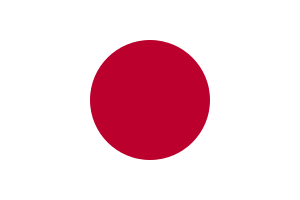
#LicenseFree2wayRadio #Japan
On June 1, 2023, the Ministry of Internal Affairs and Communications implemented partial revisions to the frequency allocation plan and expanded the registered digital two-way radio service in the 350MHz band.
↓
#LicenseFree2wayRadio #Japan
The following are assigned as registration system digital 2 way radio services that can be used for personal use and leisure.
1) 351.20000 to 351.38125MHz 30ch 5W (Land and Maritime mobile)
#LicenseFree2wayRadio #Serbia
According to the home page of the Rate. (Regulatory Authority for Electronic Communications and Postal Services), 27MHz CB radios must be recorded in a register of applications for use.
https://t.co/U8WBIa4SF3

@ST412_2 @ic705_radio 失礼します。海外の電波法ということでご参考です。
[#LicenseFree2wayRadio <英文国名> ]で各国のCB無線と免許不要な無線の規格などの状況を紹介しています。
ソースはすべてその国の公的機関の文書から抽出したものです。ご照覧ください。
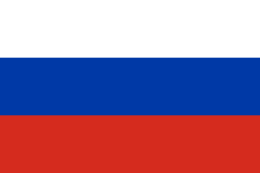
#LicenseFree2wayRadio #Russian
The following items are not eligible for registration on Roskomnadzor:
1. CB (26960 ~ 27410 kHz), transmitter power up to 4 W
2. LPD - (433.075~434.79MHz) - Max Power 0.01W
3. PMR446 - (446.0 ~446.1MHz) with up to 0.5 W power
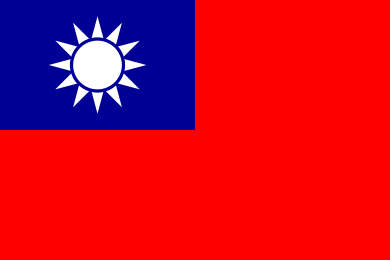
#LicenseFree2wayRadio #Taiwan
"The Administrative rules for civil frequency band radio walkie - talkies" was repealed on May 12, 1998, and CB radios no longer require a license since then.
↓
#LicenseFree2wayRadio #Sweden
Exemption from license obligation for certain radio transmitters
The technical conditions for radio transmitters for land mobile traffic (444.5875-444.9875 Mhz)


#LicenseFree2wayRadio #Sweden
Exemption from license obligation for certain radio transmitters
The technical conditions for radio transmitters for land mobile traffic (69-69.2 Mhz)
↓

#LicenseFree2wayRadio #Sweden
Exemption from Licensing Obligations for Certain Radio Transmitters
The technical requirements for portable radio transmitters for land mobile traffic are as follows (155.9875-156.0125 Mhz).
Frequency: 156MHz
Max Output: 5Werp
Channel split: 25kHz

#LicenseFree2wayRadio #Sweden
Exemption from Licensing Obligations for Certain Radio Transmitters
Technical requirements for mobile radio transmitters for agriculture, forestry and hunting (155.3875-155.5375Mhz)
↓

#LicenseFree2wayRadio #Sweden
Exemption from Licensing Obligations for Certain Radio Transmitters
The technical requirements for radio transmitters for land mobile traffic are (30.925 to 31.375 Mhz).
Max Output: 5W erp
Carrier frequency (MHz):


#LicenseFree2wayRadio #Taiwan 台湾27MHz漁業無線
According to the "Regulations on the Safety Management of the Use of Radiocommunication Equipment for Fishing Boats", the fishing radio frequency in the 27MHz band is shared with the CB radio.
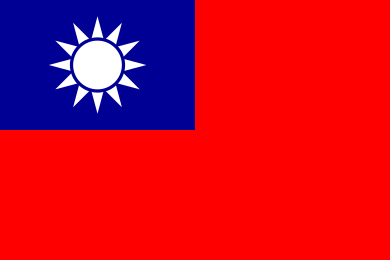

#LicenseFree2wayRadio #Taiwan 台湾27MHz漁業無線
The fishing radio frequency in the 27MHz band is shared with the CB radio. 27.065 MHz (CB ch9) is also designated as an emergency channel on the fishing radio side.

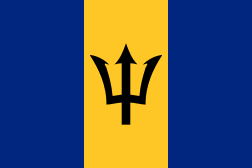
#LicenseFree2wayRadio #Barbados
A person who is desirous of providing a citizen’s band radio service may on license application to the Minister, and on payment of the license Fees.
↓
#LicenseFree2wayRadio #Marshall_Islands
According to the "Disaster Management Reference Handbook", CB radio can be used to share information and warnings. This confirms the existence of CB radio.

Last Seen Hashtags on Sotwe
Çorlubayan
Seen from Turkey
minichat(***)***************** filter:native_video
Seen from United Kingdom
ラベンダーばたけ駅
إغتصاب
Seen from Egypt
lightskin
Seen from Turkey
minichat()()()***+filter:native_video
Seen from Malaysia
卫生巾
假疫苗
Seen from Indonesia
misogyny #porn
Seen from United States
mgai()*****************************
Seen from Turkey
Trends for you
Most Popular Users

Elon Musk 
@elonmusk
241.5M followers

Barack Obama
@barackobama
118.9M followers

Cristiano Ronaldo
@cristiano
114.6M followers

Donald J. Trump
@realdonaldtrump
111.8M followers

Narendra Modi
@narendramodi
107.1M followers

Rihanna
@rihanna
98.7M followers

NASA
@nasa
92.3M followers

Justin Bieber
@justinbieber
91.8M followers

KATY PERRY
@katyperry
90.1M followers

Taylor Swift
@taylorswift13
84M followers

Lady Gaga
@ladygaga
75.5M followers

Virat Kohli
@imvkohli
73.5M followers

Kim Kardashian
@kimkardashian
70.9M followers

YouTube
@youtube
68.8M followers

Neymar Jr
@neymarjr
66.6M followers

Bill Gates
@billgates
65.3M followers

Selena Gomez
@selenagomez
63.1M followers

The Ellen Show
@theellenshow
62.2M followers

CNN
@cnn
61.7M followers

X
@x
60.7M followers