

Top Tweets for #MicroplasticsMonday

Microplastics originating from industrial waste and everyday plastic products are widespread environmental contaminants with detrimental effects on organisms such as plankton, fish, and corals. #MicroplasticsMonday


Research has found that airborne microplastics absorb heat and contribute to global and ocean warming. Particles come mainly from land-based sources like tires, textiles, and landfills, 15% of airborne microplastics are deposited in the oceans. #MicroplasticsMonday

Study Finds Apparel Drives 14% of Plastic Pollution. Choosing bio-based fibers over synthetic materials is where brands and consumers can make the biggest environmental impact. #WetTribe #TidetotheOcean #MicroplasticsMonday #SyntheticMaterials

Oysters, as filter feeders, retain microplastics (MPs), making them bioindicators of environmental contamination and a potential risk to human health. Research confirmed contamination is widespread, with all oysters analyzed containing MPs. #WetTribe #MicroplasticsMonday #Oysters

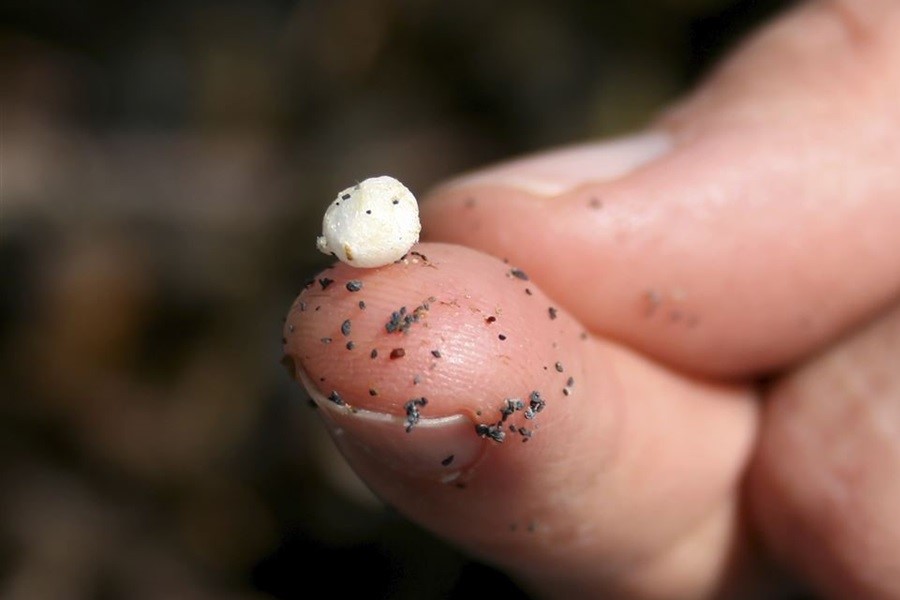

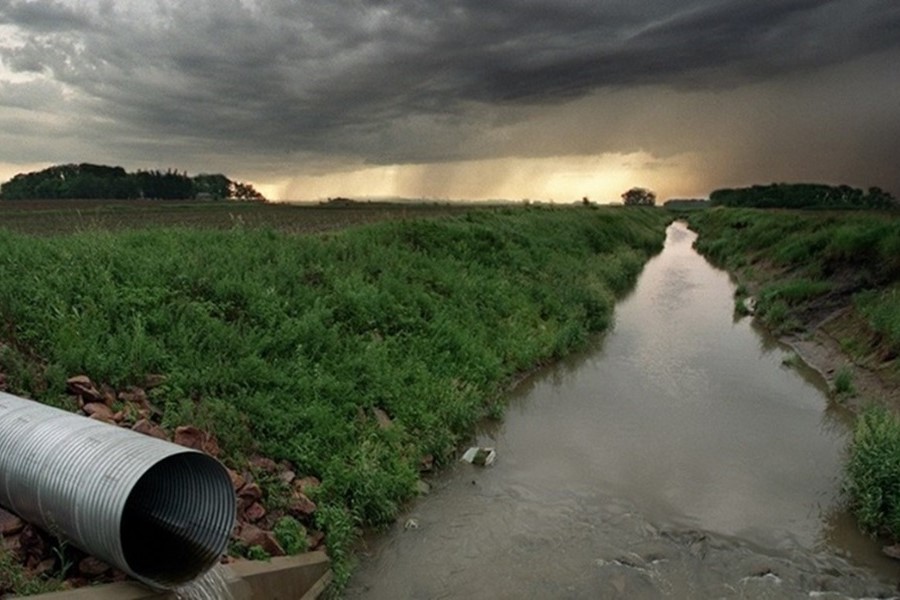
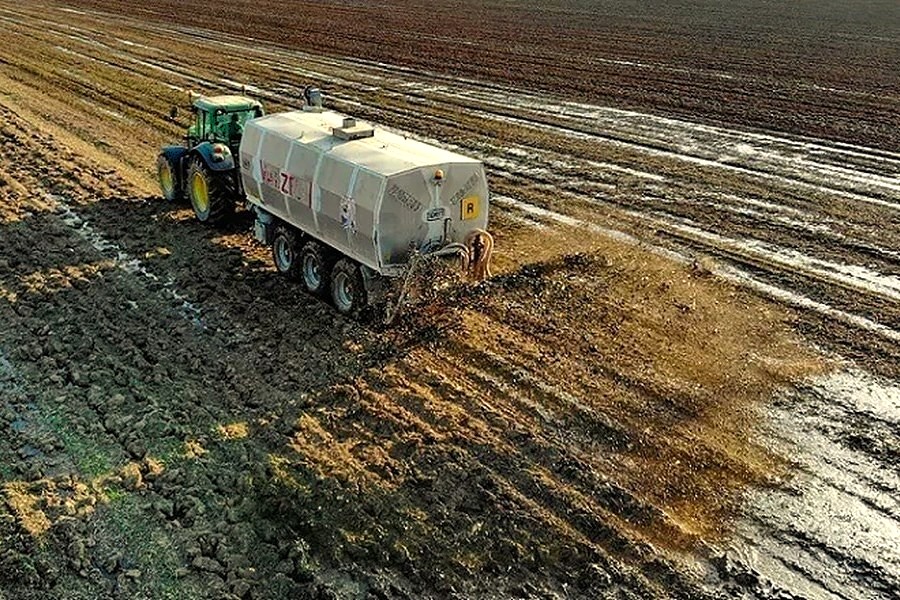
1-5% of the microplastics pass through treatment plants and end up in treated wastewater, 80% end up in the sludge, which is used as a fertilizer applied to farmland, where it is washed into drains, rivers, and the sea. #WetTribe #TidetotheOcean #MicroplasticsMonday #OceanPlastic

The problem could be worse than we think. Few ocean trawls collect particles below 0.3mm in diameter. Between 0.005 mm and 0.3 mm, standard analysis struggles to differentiate between plastic and other materials. #WetTribe #TidetotheOcean #MicroplasticsMonday #OceanPlastic


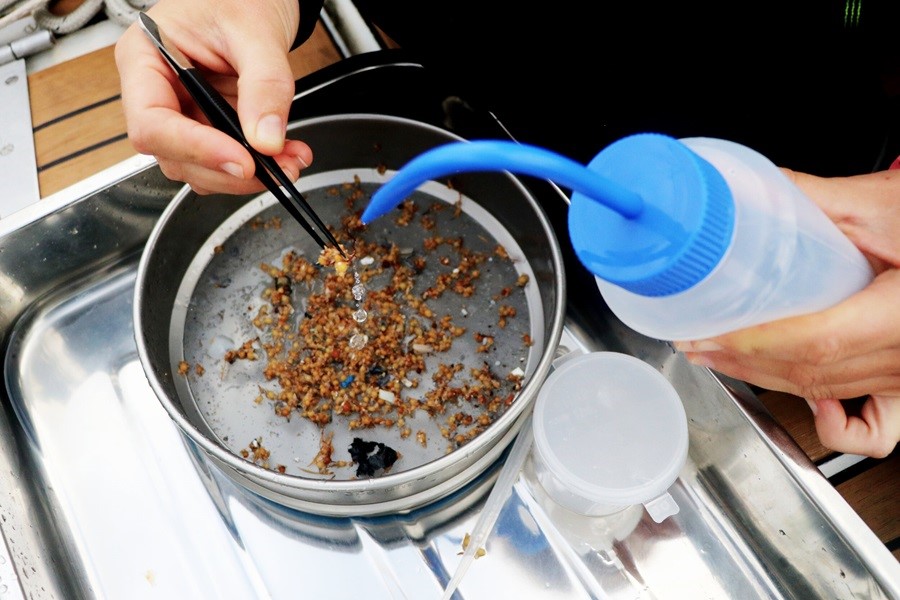
There are as many as 50 trillion microplastic particles in the world's oceans. Microplastics have been found in 16 out of 17 brands of sea salt, 4 out of 5 samples of drinking water, and 80% of mussels. #WetTribe #TidetotheOcean #MicroplasticsMonday #OceanPlastic

14 million metric tons of plastic pollution enter the ocean annually. Until now, observations have been focused on the surface. However, a new study reveals ocean plastic is distributed throughout the water column. #WetTribe #TidetotheOcean #MicroplasticsMonday
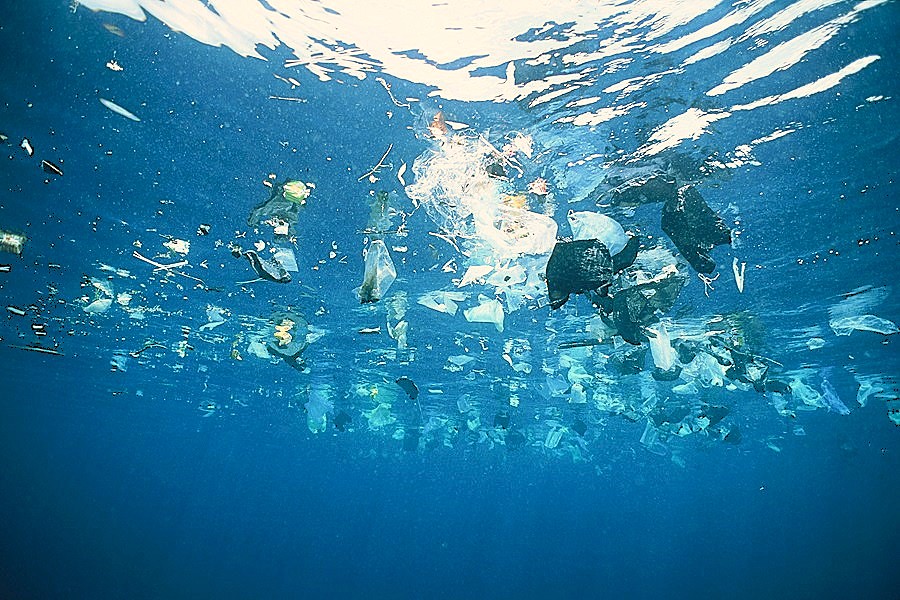
High levels of microplastics in ocean water have been linked to a higher prevalence of cognitive and other types of neurologic dysfunction in individuals living in US coastal communities. #WetTribe #TidetotheOcean #OceanPlastic #MicroplasticsMonday

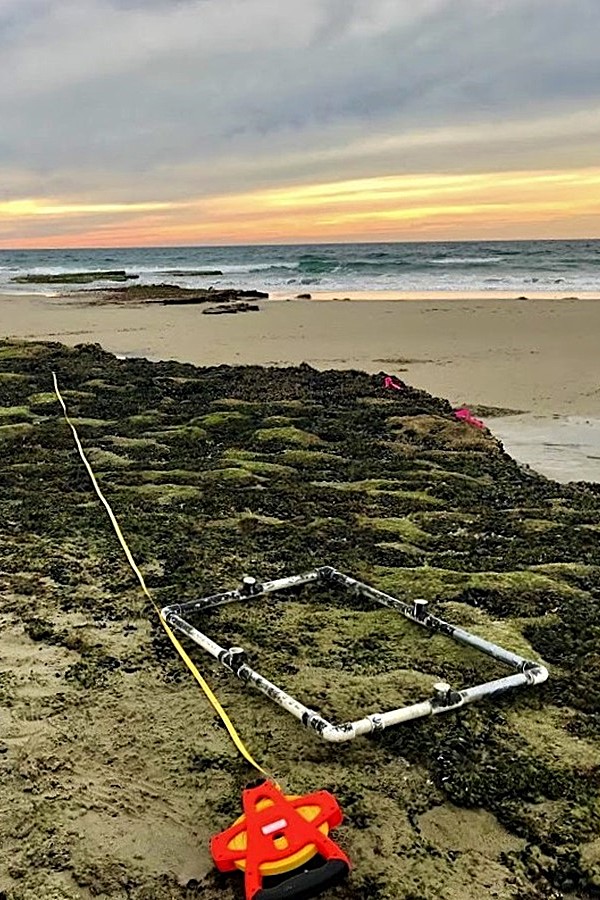
We are studying which intertidal zones have the most microplastics to understand their interaction with ocean and terrestrial plastics, and to aid in their detection and removal. #WetTribe #TidetotheOcean #CoastalCleanup #MicroplasticsMonday


As we continue cleanup and sand removal post-hurricanes, we are researching spatial and temporal distribution, composition, and inventory of microplastics affected by the tides (and further by the storm surge.) #WetTribe #TidetotheOcean #MicroplasticsMonday


14 million tons of microplastics have accumulated on the ocean floor: primary microplastics (manufactured to be small), secondary microplastics (degraded from larger plastics), and microfibers (from synthetic clothing, and cigarette butts.) #WetTribe #MicroplasticsMonday


Research has revealed that plastics and associated toxins are ubiquitous in near-shore marine environments, making coastal cleanup critical. Plastic debris continues to break into ever smaller microplastics, making removal more difficult. #MicroplasticsMonday


Plastic debris on beaches break into microplastics which makes cleanups so critical. Research has revealed plastics (and associated toxins) are ubiquitous in the near-shore marine environment, which highlights that it is past time for plastic bans. #MicroplasticsMonday

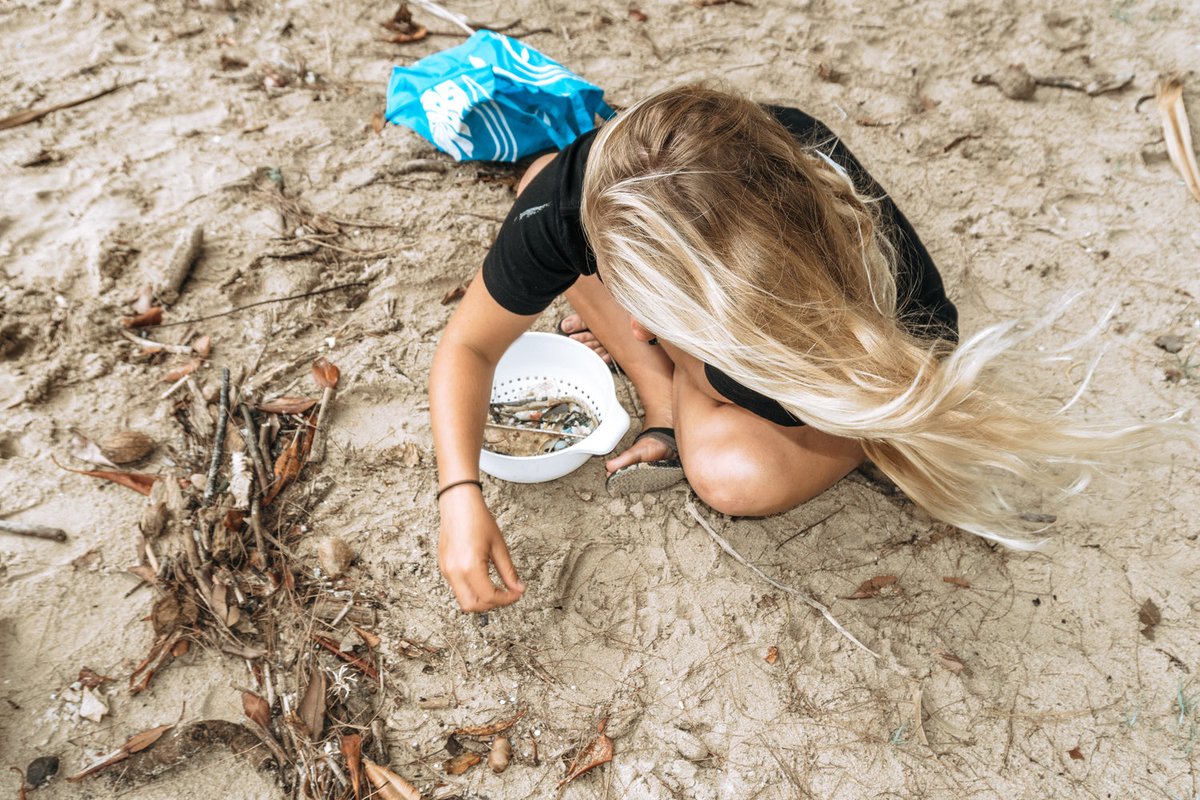

Plastic debris on beaches break into microplastics - which makes cleanups so critical. Research has revealed plastics (and associated toxins) are ubiquitous in the near-shore marine environment, which highlights that it is past time for plastic bans, monitoring, and limits.


@FrankKane11 Combining #mermaidmonday with #microplasticsmonday, Mermaid’s tears or ‘nurdles’ are tiny pre-production plastic pellets, used in the plastics industry for the manufacture of plastic products. Each year an estimated 445,970 tons of nurdles enter the environment worldwide.

One of the most damaging and long-lived legacies of the plastic pollution crisis is microplastics, a growing threat to human and planetary health. These tiny plastic particles are present in everyday items, including cigarettes, clothing, and cosmetics. #MicroplasticsMonday

#Microplastics leach #toxic substances into the soil, air, and water - over 24 trillion pieces are in the #ocean - and since they are synthetic, they do not break down, remaining in the environment and our bodies indefinitely. #WetTribe #TidetotheOcean #MicroplasticsMonday

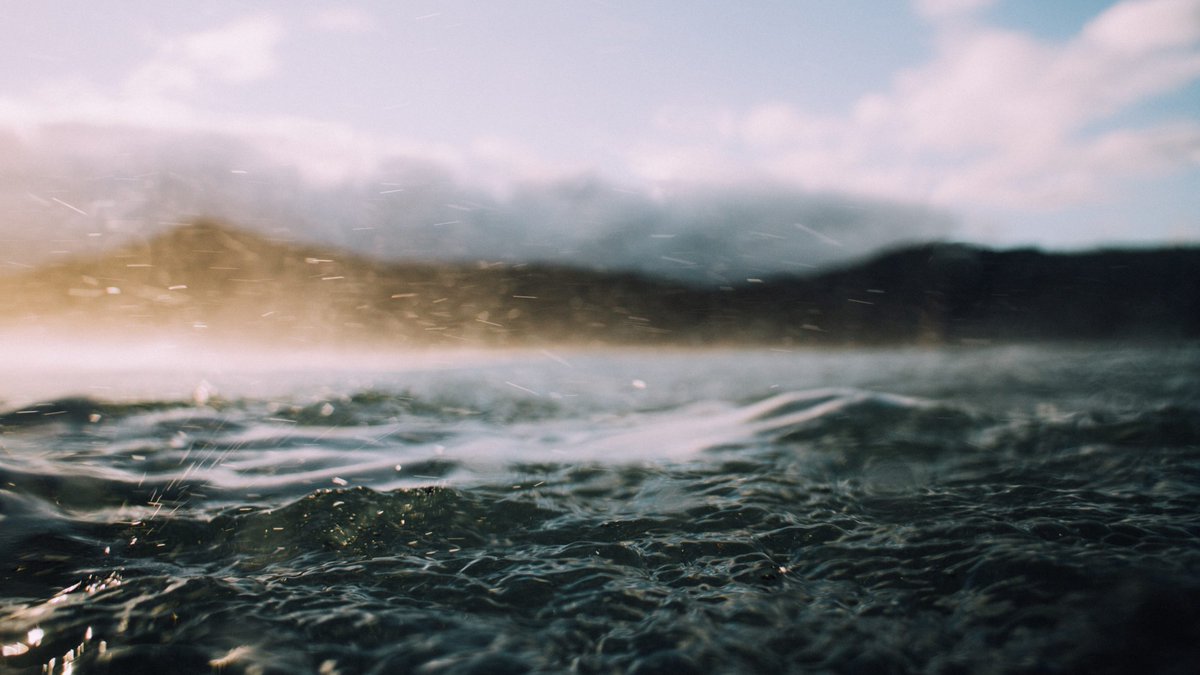

#Microplastics found in 93% of samples in mudflat sediments in Cowichan-Koksilah Estuary, Canada.
Find this #microplastic baseline study by @pinipedo et al. (2021) in #MarinePollutionBulletin here: https://t.co/btusvi227E
#MicroplasticsMonday @microplastics_ @UBCoceans
Most Popular Users

Elon Musk 
@elonmusk
241.3M followers

Barack Obama
@barackobama
119.1M followers

Cristiano Ronaldo
@cristiano
113M followers

Donald J. Trump
@realdonaldtrump
111.8M followers

Narendra Modi
@narendramodi
107.1M followers

Rihanna
@rihanna
98.3M followers

NASA
@nasa
92.3M followers

Justin Bieber
@justinbieber
91.5M followers

KATY PERRY
@katyperry
89.1M followers

Taylor Swift
@taylorswift13
83M followers

Lady Gaga
@ladygaga
74.5M followers

Virat Kohli
@imvkohli
72M followers

Kim Kardashian
@kimkardashian
70.5M followers

YouTube
@youtube
68.8M followers

Neymar Jr
@neymarjr
65M followers

Bill Gates
@billgates
64.6M followers

The Ellen Show
@theellenshow
62.4M followers

Selena Gomez
@selenagomez
62.2M followers

CNN
@cnn
61.8M followers

X
@x
60.8M followers