

Top Tweets for #PhilosophyofMath

New preprint: The Theory of Infinity: Cantor’s Paradise as a Resolution of Foundational Paradoxes in Mathematics.
Infographic below compares classical ZFC with TOI.
PDF on Zenodo: https://t.co/rzxUmARlnp
#Infinity #SetTheory #Logic #FoundationsOfMath #PhilosophyOfMath #Cantor


#PhilosophyOfMath #تأمل
الحمد لله 🌿
نمتُ واستيقظت، ولا يزال "التقسيم الرباعي لتيارات الرياضيات" يعمل في داخلي في اعماق دماغي كأنه آلة حيّة.
كل تيار يجد مكانه بين:
▫️ الواقع (Reality-first)#1
▫️ اللغة (Language-first)#2
▫️ العقل (Mind-first)#3
▫️ التجربة (Experience-first)#4
اذا اليقين في الرياضيات يتغيّر مع زاوية النظر:
– في الواقع: البرهان = كشف
– في اللغة: البرهان = لعب رمزي
– في العقل: البرهان = بناء
– في التجربة: البرهان = اختبار
ساقوم بتفصل كل تيار بدقة واظهار النقود ..
انا سعيد انه يعمل👌
يتبع.. #الرياضيات

#قوانين_الشكل #سبنسر_براون #الفلسفة_والرموز #فلسفة_الرياضيات #المنطق_الرمزي #LawsOfForm #SpencerBrown #SymbolicThinking #MathematicalLogic #PhilosophyOfMath
🌀 قوانين الشكل — رحلة في كتاب سبنسر براون
> ✴️ "لن نبدأ من معنى… بل من الفرق."
— جورج سبنسر براون
في هذا المشروع، سنقرأ معًا كتاب Laws of Form للفيلسوف الغريب جورج سبنسر براون.
لكننا لن نتعامل معه ككتاب تقني في المنطق.
بل كـ"مخطوطة وعي" — محاولة لأن يُرينا كيف يُفكّر العقل من الصفر.
نحن أمام عمل لا يشبه الكتب الأخرى:
لا يبدأ بالتعريفات الكلاسيكية.
لا يستخدم الرموز المنطقية المتداولة.
لا يدّعي الحياد ولا يتظاهر بالصرامة الأكاديمية.
بل هو بناءٌ يبدأ من حركة بدائية: أن ترسم خطًّا.
سنتتبع معًا كل فصل، بل كل فكرة، باستخدام الرمز الذي أراده براون أساسًا لفكره:
┐
هذا الرمز هو ما يسمّيه "الصليب" — لكنه ليس صليبًا دينيًا ولا هندسيًا.
إنه رمز التمييز. الخطّ الذي يفصل الداخل عن الخارج، ويجعل كل شيء ممكنًا.
-----
👤 من هو المؤلف جورج سبنسر براون؟
كان رياضيًا، مهندسًا، وفيلسوفًا بريطانيًا (1923–2016)، عاش بين حقول متعدّدة دون أن ينتمي لأيٍّ منها حقًا. لم يكن مشهورًا في الأوساط الأكاديمية، بل أقرب إلى العباقرة المُنعزلين. كتب Laws of Form عام 1969، وهو عمل خارج كل الأعراف المنطقية والفلسفية المتداولة.
براون لم يكتب شرحًا للمنطق كما نعرفه، بل ابتكر منطقًا جديدًا بالكامل — من لا شيء تقريبًا.
❓ما الغريب في كتابه؟
يبدأ الكتاب برمز واحد فقط:
علامة تُشبه الزاوية العلوية المفتوحة ┐
يسمّيها "الصليب"، ويقول إننا نستطيع أن نشتق كل شيء منطقي منها.
لا يستخدم الرموز التقليدية (مثل ∧ أو ∨ أو →).
لا يتكلّم عن "المقدّم" و"التالي" و"الصدق والكذب" كما في المنطق الكلاسيكي.
بل يستخدم الفعل الإدراكي الأول: التمييز
أن تفصل شيئًا عن آخر، أن تقول: "هذا هنا"، وبالتالي "ليس ذاك هناك".
🎯 هدفه الجذري:
* أن يُعيد بناء المنطق من نقطة الصفر، انطلاقًا من أول حركة للوعي: التمييز.
هو لا يفترض أن هناك أشياء أو معاني موجودة مسبقًا.
بل يُظهر كيف يمكن أن تنشأ الهوية، والفرق، والذات، والزمن… كلّها، فقط من خلال تكرار هذا الفعل البسيط.
براون لا يبحث عن نتائج منطقية تقليدية، بل يسعى إلى ما هو أعمق:
بناء شكل للفكر يُشبه الحياة نفسها.


مقال جديد في
#فلسفة_الرياضيات #الميتافيزيقا_الصامتة #الرياضيات_والوجود #PhilosophyOfMath #MathematicalRealism #HiddenMetaphysics
العنوان
فلسفة الرياضيات والميتافيزيقا المقنّعة: كيف تنكشف المواقف الوجودية في صمت التيارات
✳️ – المشهد العام:
حين تقرأ كتب فلسفة الرياضيات، يبدو لك أن ما أمامك هو تحليل دقيق، عقلاني، لا يخضع للأهواء ولا للمعتقدات. لكن تحت هذه الواجهة، تتخفى مواقف وجودية كبرى — بعضها يميل إلى الإيمان، وبعضها يحمل روح الإلحاد أو العدم، وبعضها يعيش في منطقة الشك التأملي. المشكلة أن هذه المواقف لا تُصرّح بنفسها. لا يكتب المؤلف: "أنا بلاتوني مؤمن" أو "أنا شكلي لا أؤمن بأي معنى". بل تظهر هذه المواقف من خلال اللغة، من خلال ما يُسلَّم به دون برهان، ومن خلال ما يُقصى أو يُسكت عنه. وهنا تبدأ اللعبة الخطرة:
*كل تيار في فلسفة الرياضيات يدّعي الحياد، لكنه في الحقيقة يبني رؤية كونية كاملة — دون أن يعترف بذلك.
🧠 – التحليل المفهومي:
1. البلاتونية (Platonism)
❖ جوهر الفكرة: الكيانات الرياضية (مثل الأعداد، الدوال، الهندسة) موجودة في عالم غير مادي، أزلي، مطلق. ❖ ما تُسلّم به دون برهان: أن هناك "حقائق رياضية" موجودة قبل العقل البشري، ويكفي أن نتأملها كي نكتشفها. ❖ ما لا يُسأل أبدًا: كيف يتصل العقل بهذا العالم؟ ما آلية الوصول إليه؟ هل هو إله؟ هل هو حدس؟ لا جواب. ❖ الموقف الوجودي المخفي: قريب جدًا من الإيمان الميتافيزيقي. هو لاهوت رياضي بلا اسم. ❖ الأسلوب: مهيب، حاسم، يتحدث عن الأعداد كما لو كانت كائنات مقدسة.
2. المنطقية (Logicism)
❖ جوهر الفكرة: الرياضيات مجرد امتداد للمنطق. كل المفاهيم الرياضية يمكن بناؤها من مبادئ منطقية أولى. ❖ ما تُسلّم به دون برهان: أن المنطق الخالص يمكنه تأسيس اليقين، وأنه المرجع النهائي. ❖ ما لا يُسأل أبدًا: من أين يأتي المنطق؟ ولماذا نثق به؟ وكيف نعرف أن عقولنا لا تخطئ في استخدامه؟ ❖ الموقف الوجودي المخفي: إلحاد عقلاني — يقدّس العقل، وينفي الحاجة لأي مرجع خارجي أو غيب. ❖ الأسلوب: صارم، جاف، يتعامل مع الرياضيات كآلة برهان لا تتطلب تأملًا.
3. الشكلانية (Formalism)
❖ جوهر الفكرة: الرياضيات نسق رمزي مغلق، لا معنى له خارج القواعد التي تنظّمه. ❖ ما تُسلّم به دون برهان: أن "المعنى" لا يهم، وأن كل ما نحتاجه هو اتساق القواعد. ❖ ما لا يُسأل أبدًا: لماذا تنجح هذه اللعبة الرمزية في تفسير الكون الفيزيائي؟ ❖ الموقف الوجودي المخفي: عدمية منهجية — تنفي وجود أي حقيقة خارج النسق. ❖ الأسلوب: ميكانيكي، لا يُظهر أي اهتمام بالحقيقة، بل بالصرامة فقط.
4. البنائية (Constructivism)
❖ جوهر الفكرة: لا نعتبر شيئًا رياضيًا موجودًا إلا إذا أمكن بناؤه فعليًا بخطوات واضحة. ❖ ما تُسلّم به دون برهان: أن "البناء العقلي" هو معيار الوجود الرياضي، وكل ما لا يُبنى يُرفض. ❖ ما لا يُسأل أبدًا: ماذا عن مفاهيم مثل اللانهاية أو التطابق؟ أليست ضرورية لكنها غير قابلة للبناء الكامل؟ ❖ الموقف الوجودي المخفي: روحي/تجريبي متحفظ، يشبه التصوف العقلي أو التصديق العملي فقط بما نراه أمامنا. ❖ الأسلوب: حذر، متواضع، لا يقفز إلى المطلقات، لكن يرفض الغيب الرياضي.
5. الكانطية (Kantianism)
❖ جوهر الفكرة: الرياضيات ليست "هناك" بل "هنا": نتيجة للبُنى العقلية القبلية مثل الزمان والمكان. ❖ ما تُسلّم به دون برهان: أن البنية الذهنية للذات هي مصدر الشكل الرياضي، ولا حاجة للبحث عن حقيقة خارجية. ❖ ما لا يُسأل أبدًا: لماذا تنجح الرياضيات المبنية داخل الذهن في تفسير عالم لا يخضع لنا؟ ❖ الموقف الوجودي المخفي: لاأدرية تأملية — لا تؤمن بحقيقة خارجية، لكنها لا تنفيها أيضًا. ❖ الأسلوب: تأملي، معقد، لا يُصرّح بالحقيقة بل يتعامل مع حدود الوعي.
🧩 المفارقة النهائية:
كل تيار في فلسفة الرياضيات يدّعي أنه يتعامل مع "العقل" و"البرهان" و"الصرامة"، لكن في عمقه يحمل افتراضًا ميتافيزيقيًا لم يخضع للنقد، ولا حتى للاعتراف.
البلاتوني يُخفي إيمانًا بعالم غيبي، دون تقديم طريقة للوصول إليه.
المنطقي يُخفي عبادةً للعقل، رغم أن العقل نفسه غير مؤسس بالكامل.
الشكلاني يُخفي عدميته تحت قناع الصرامة، لكنه لا يفسر لماذا تلعب "لعبته" هذا الدور الكوني.
البنائي يرفض ما لا يُبنى، لكنه يستخدمه حين يضطر.
الكانطي يُخفي العالم تحت العقل، ثم لا يشرح كيف يخرج العقل من نفسه ليصيب الحقيقة.
وهكذا، فالرياضيات ليست فقط علم البراهين، بل أيضًا — وربما أولًا — مرآة لصراعاتنا حول الحقيقة، الوجود، والمعنى.
وكل تيار هو تأويل خفي للعالم، لكن بأسلوب لا يعترف بذلك.
Soab2025،🐊

#PhilosophyOfMath #MathAndPhysics #ScienceAndPhilosophy
Comprehensive Analysis of the Article "The Unreasonable Effectiveness of Mathematics in the Natural Sciences"
by philosopher and physicist Eugene Wigner
First published in Communications in Pure and Applied Mathematics, Vol. 13, No. 1, February 1960
1. Introductory Overview
Author: Eugene Wigner, a pioneer of quantum physics and Nobel Prize laureate.
Year of Publication: 1960.
Topic: The article poses an unsettling and unusual question: Why is mathematics so extraordinarily successful in describing the physical world? Does this success point to truth—or is it merely a fortunate coincidence of our cognitive apparatus?
Tone and Style: A philosophical and reflective piece that blends empirical insight with conceptual abstraction. It challenges the assumption that the human mind is naturally in harmony with the structure of nature.
2. Structure and Core Themes (Six Points)
🛑1. Opening with a Moment of Wonder
Wigner begins by recounting two humorous anecdotes that illustrate the paradox of abstract mathematical concepts appearing in real-world applications—such as the constant π showing up in a formula about population statistics. He provokes a sense of cognitive dissonance: Why does mathematics, designed in the abstract, function so precisely in the empirical world?
🛑2. What is Mathematics?
Mathematics is not merely a language or a tool; it is a system of abstract concepts crafted to be logically beautiful and internally consistent. Wigner emphasizes that mathematics is not derived from reality but from conceptual invention—like complex numbers, which do not arise from direct experience, yet are crucial in describing physical phenomena with astonishing accuracy.
🛑3. What is Physics?
Physics is the attempt to formulate laws of nature. Fundamentally, it consists of empirical generalizations valid under specific conditions. According to Wigner, physical laws do not reveal the nature of existence per se—they only predict how phenomena evolve under certain conditions, often in probabilistic rather than deterministic terms.
🛑4. The Role of Mathematics in Physics
Mathematics is not a mere computational tool but the structural language that formulates the very laws of nature. For instance, quantum mechanics is built on Hilbert spaces and complex numbers—concepts not visible in nature, yet essential for precise predictions. Historical examples include Newton’s law of gravitation, Heisenberg’s matrices, and the Lamb shift—all demonstrating uncanny mathematical accuracy.
🛑5. Is the Success of Physics Surprising?
Wigner considers this success almost miraculous. He questions whether this harmony is inevitable or even intelligible. He notes that success doesn’t necessarily equate to truth—our theories may be effective but incorrect, as in the case of the "free electron model" in solid-state physics.
🛑6. The Question of a Unified Theory
Wigner is skeptical of the possibility of a "Theory of Everything." He highlights the tension between relativity and quantum mechanics. The existence of multiple effective theories doesn’t imply their
compatibility or unification.
3. Philosophical and Scientific Impact of the Article
Philosophy of Language and Science: The article highlights the gap between symbols and meaning, posing the fundamental question: Does mathematical language describe reality, or does it merely impose a conceptual grid upon it?
Critique of Scientific Realism: Wigner undermines the assumption that scientific accuracy guarantees ontological truth.
Epistemic Humility: The article calls for humility in the face of the mysterious success of mathematics—something we neither fully understand nor necessarily deserve.
Subsequent Influence: The article became a foundational reference in discussions about the symbolic nature of scientific knowledge, influencing structural realism, model theory, and debates on mathematical ontology.
.....2\1
---


When the Mind Deceives: Infinity, Illusion, and Mathematical Truth
#PhilosophyOfMath #KantianThought #CognitiveLimits
When the Mind Deceives Us: On Numbers, Illusions, and the Truth That Cannot Be Seen All at Once
In our daily lives, and in our studies of mathematics, philosophy, or literature, we often use seemingly innocent, familiar, and simple phrases such as: “All natural numbers exist,” or “Everyone has become selfish,” or “All wars end in futility.” We pass over them casually without noticing the hidden assumptions beneath their surface—assumptions that go beyond our capacity for representation and understanding, yet infiltrate our language and thoughts as if they were self-evident truths. And here, one of the deepest lessons of the philosopher Immanuel Kant becomes clear: the mind cannot grasp an infinite whole all at once, and what we believe to be “existent” may in fact be nothing more than a temporally generated process within our consciousness.
Take a simple example: the natural numbers. Someone might say: “All natural numbers exist,” intending to refer to 0, 1, 2, 3, 4, ... to infinity. At first glance, this seems reasonable. But if you ask them: Have you seen them all? Can you write them down? Can you represent them all at once in your mind? They would have to admit that what they actually have is a mental rule that says “Start at 0, and add 1 each time,” and that they do not possess the “whole,” but only the capacity to generate each number one by one.
This is where Kantian philosophy uncovers the fallacy: the mind does not apprehend natural numbers as a pre-existing totality, but constructs each element through a synthetic temporal act. What we possess is not a completed set, but a continuous method of construction. Therefore, the claim that “all numbers exist” is a hidden ontological assumption—we treat what cannot be grasped as if it were a given. This is the essential fallacy: transforming a process into a thing, temporality into a mass, capacity into possession.
This fallacy is not confined to mathematics but extends into our everyday language, literature, and philosophy.
In Dostoevsky’s Crime and Punishment, Raskolnikov justifies his crime by stating: “All great men have committed a crime or broken a law.” He does not have a list of all great men, nor a complete historical account of them, but he projects a partial inner judgment onto “the whole,” as if that whole were mentally representable. Similarly, when people say: “Everyone is selfish,” they do not know everyone, but have observed a certain pattern and projected it onto all humanity, exceeding the bounds of actual cognition.
In Gabriel García Márquez’s One Hundred Years of Solitude, Aureliano Buendía declares in a moment of collapse: “All wars are alike, and all their ends are absurd.” The sentence seems reflective, but it rests on the same fallacy: no individual mind can represent all wars to judge them as a whole. All that exists is a feeling of repetition or helplessness, which turns into a sweeping certainty.
But perhaps the most striking example is found in Hegel, who declares: “The truth is the whole.” The statement is powerful, but from a Kantian perspective, it hides a dangerous intellectual risk. Hegel believes that truth can only be understood through the comprehension of the “whole”—of history, spirit, the idea, the absolute system. But can the human mind represent this “whole”? Can we perceive all of time at once? Kant answers with a decisive no: all we have are partial representations, constructed according to the conditions of time, space, and the categories, and these representations can never be transformed into a “complete whole.” Truth is not in the whole, but in the way we construct knowledge moment by moment, act by act. Hegel’s phrase suffers from the same hidden ontological assumption: the whole is unrepresentable, but is treated as if it were present.
..2\1


💫Everyday Language into Mathematics💫
#MathAsLanguage #SymbolicThinking #PhilosophyOfMath #MathInDiscourse #NumbersWithMeaning #InfiniteThinking
A Philosophical Experiment in Progress
I am currently working on a conceptual project that explores how mathematics can serve as the hidden language of language itself. The goal is to reinterpret everyday expressions, emotions, and judgments using mathematical structures—not for calculation, but for clarity, symbolism, and meaning. This effort is still under development, but here is a collection of examples showing how different types of numbers are unconsciously reflected in the way we speak, think, and feel. It’s a playful yet precise method that makes math more accessible, and meaning more visible.
1. Natural Numbers (ℕ)
Equation: 1 + 1 = 2
Description: Simple accumulation or counting.
Real-Life Example: "I have two children."
Occasion: Describing countable things—people, objects, tasks.
Meaning: A basic unit of growth or addition, no emotional ambiguity.
2. Integers (ℤ)
Equation: 5 − 7 = −2
Description: Loss or deficit.
Real-Life Example: "I owe you two."
Occasion: After borrowing or losing something.
Meaning: A move into the negative—felt as absence, debt, or failure.
3. Rational Numbers (ℚ)
Equation: ¾
Description: Part of a whole.
Real-Life Example: "He’s halfway there."
Occasion: Evaluating progress, effort, truth, or emotional presence.
Meaning: Expresses partiality, incompleteness, or qualified states.
4. Irrational Numbers (Irrationals)
Equation: √2 ≈ 1.4142…
Description: Cannot be precisely expressed, non-repeating decimal.
Real-Life Example: "I don’t know exactly why I feel this way."
Occasion: Talking about deep emotions, vague intuitions, ungraspable ideas.
Meaning: The form seems simple, but the content is infinite and unknowable.
5. Real Numbers (ℝ)
Equation: −1.25 ∈ ℝ
Description: Precision in representation of reality.
Real-Life Example: "The temperature dropped to minus 1.5 degrees."
Occasion: Technical, scientific, or data-related speech.
Meaning: A tool to describe exact states—positive or negative—but without interpreting their meaning emotionally.
6. Complex Numbers (ℂ)
Equation: z = 3 + 4i
Description: Combination of real and imaginary parts.
Real-Life Example: "He’s physically here, but mentally elsewhere."
Occasion: Describing psychological states, contradictions, dualities.
Meaning: Logic includes the illogical—imagination becomes part of reality.
7. Hyperreal Numbers
Equation: Δx ≪ 1
Description: Infinitesimal differences.
Real-Life Example: "It was just a small mistake… but it changed everything."
Occasion: Reflecting on small moments with big consequences.
Meaning: The tiniest details may be invisible but powerful—just like infinitesimals in calculus.
8. Surreal Numbers (No)
Equation: ω + 1 > ω
Description: Beyond infinity—adding a unit after the infinite.
Real-Life Example: "After all that time, a new chapter began."
Occasion: Reflecting on radical transitions—after trauma, loss, or rebirth.
Meaning: A poetic expression of how something new can still emerge after "everything."
9. Transfinite Numbers (ℵ)
Equation: ℵ₀ < 2^ℵ₀
Description: Multiple sizes of infinity.
Real-Life Example: "Every idea he had gave birth to infinite others."
Occasion: Describing prolific creativity, overthinking, complex imagination.
Meaning: Not all infinities are equal—some thoughts are more infinite than others.
10. Symbolic–Logical Numbers (RR)
Equation: 1 ÷ 0 = ∞ (Undefined)
Description: Forbidden but used for exaggeration or metaphor.
Real-Life Example: "I love you infinitely."
Occasion: Poetry, hyperbole, romantic or spiritual expression.
Meaning: Breaks the rules of math to express what math cannot express—but still borrows its power.
Skab🐊


https://t.co/FdqQPpmvaa

"Are numbers real or just a human abstraction? 🧐📷
#MathDebate #PhilosophyOfMath #NumberTheory #Math #Logic #RealityCheck #AbstractThinking #Mathematics #Science #Philosophy #STEM #VoteNow"

🚨 New article alert 🚨
"How to Make (Mathematical) Assertions with Directives"
by Laura Caponetto, Luca San Mauro, & Giorgio Venturi. 🔗 https://t.co/02Bu2T4GEV
📚 Part of our TC on Linguistically informed Philosophy of Mathematics. #PhilosophyOfMath
1/2

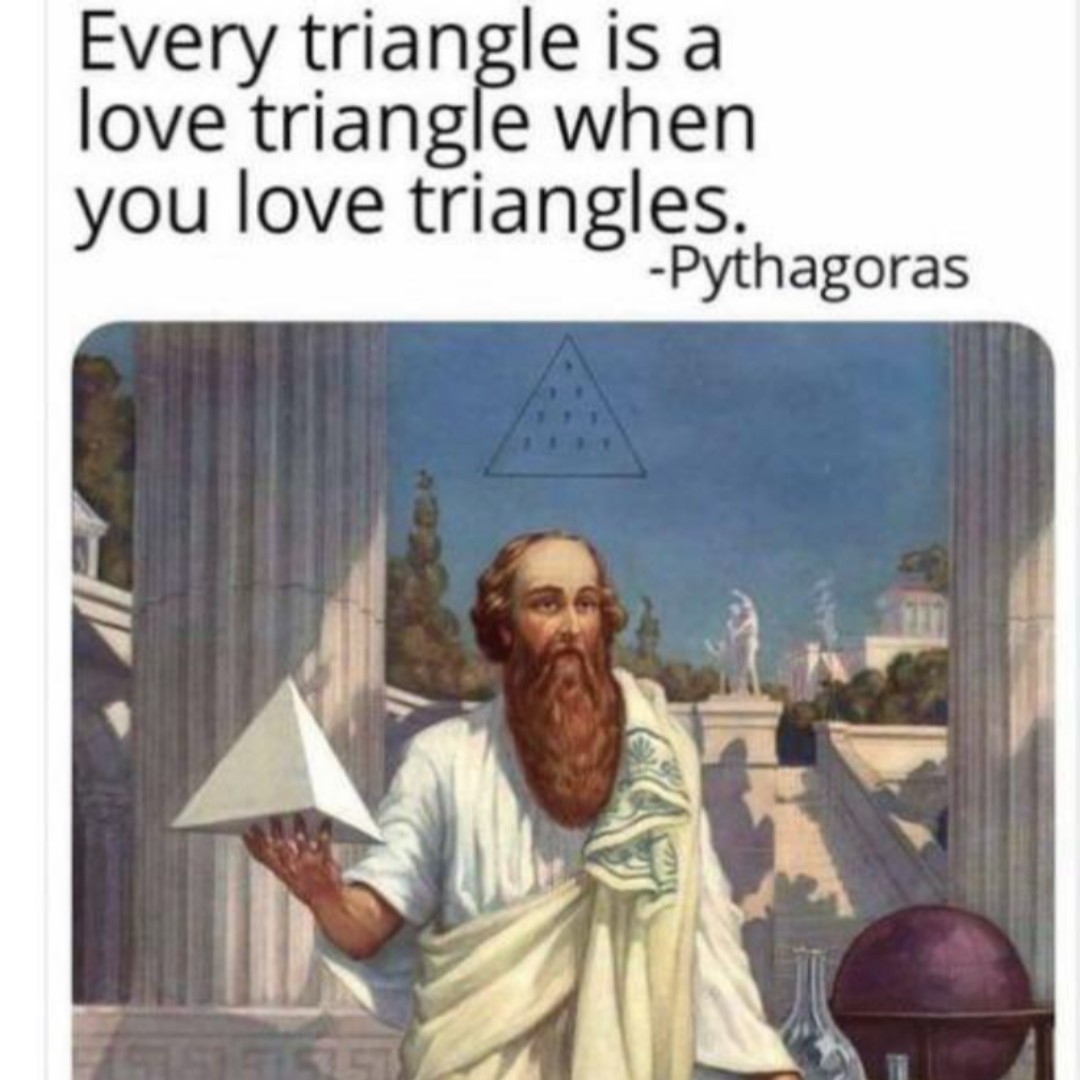
Happy #MemeMonday! Here's some Pythagorean humor for you philosophers of math out there
#pythagoras #philosophyofmath #philosophyjokes #p4c

@NewBooksMath @Davidino @Birkhauser Davide Crippa is a Postdoc at in SPHere (Science/ Philosophy/History) at @ParisDiderot. His research interests include the History of #Geometry, #PhilosophyofMath, and #SociologyofScience.
https://t.co/VjhL0hAsdq
#Twitterstorians #HistSci #HistMath #IntellectualHistory #IntHist

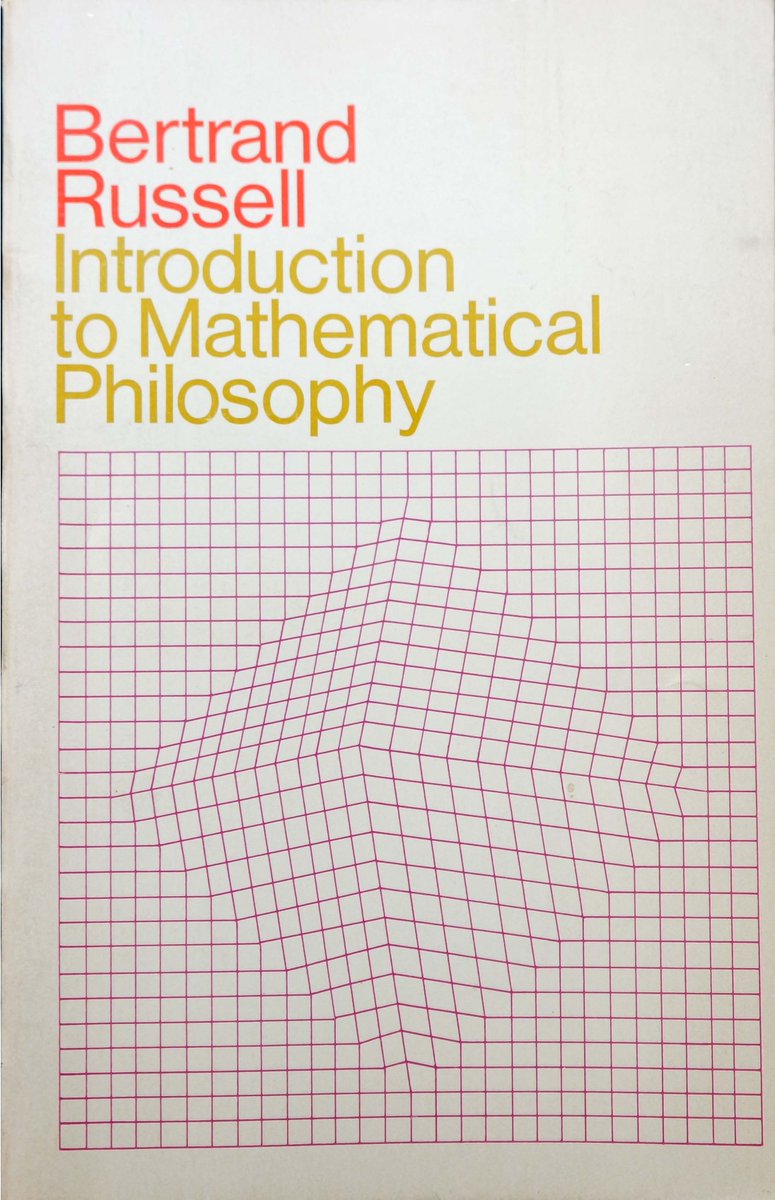
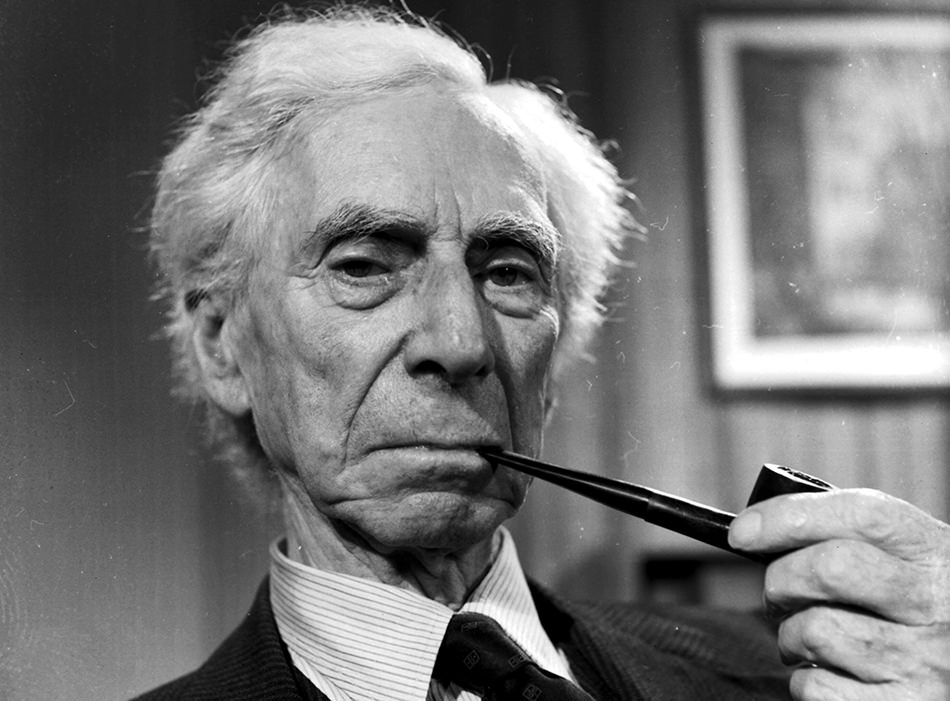
“Mathematics, rightly viewed, possesses not only truth, but supreme beauty.” -Bertrand Russell #BertrandRussell #philosophy #mathematics #philosophyofmath #logic #books #bookstagram #readphilosophy

Math paper "Practical Functions" to @academia! https://t.co/HOALaQwJVM #math #functions #mathematical #functionalism #philosophyofmath
"Degrees of Substance" @academia! https://t.co/vrehQ6tABK #Dimensional #Metaphysics #DegreesofSubstances #Substantiality #PhilosophyofMath
"The Fundamental Critique of Mathematics" Finally! @academia! https://t.co/OXCyvQPzA8 #antimathematics #philosophyofmath #numbertheory #mat
Last Seen Hashtags on Sotwe
ElizabethStarr
Seen from Turkey
didim
Seen from Turkey
สาวสองช่วยคู่
Seen from Thailand
palmtrees
Seen from United States
BreastCancerAwareness
Seen from Colombia
玩物
Seen from Singapore
ชายแท้ขายน้ำ
Seen from Thailand
nolimitsMESSAGE
Seen from United States
art
Seen from United States
maturefisting
Seen from Vietnam
Most Popular Users

Elon Musk 
@elonmusk
241.1M followers

Barack Obama
@barackobama
119.1M followers

Cristiano Ronaldo
@cristiano
112.4M followers

Donald J. Trump
@realdonaldtrump
111.8M followers

Narendra Modi
@narendramodi
107.1M followers

Rihanna
@rihanna
98.1M followers

NASA
@nasa
92.2M followers

Justin Bieber
@justinbieber
91.3M followers

KATY PERRY
@katyperry
88.7M followers

Taylor Swift
@taylorswift13
82.6M followers

Lady Gaga
@ladygaga
74.1M followers

Virat Kohli
@imvkohli
71.5M followers

Kim Kardashian
@kimkardashian
70.3M followers

YouTube
@youtube
68.7M followers

Bill Gates
@billgates
64.5M followers

Neymar Jr
@neymarjr
64.4M followers

The Ellen Show
@theellenshow
62.4M followers

CNN
@cnn
61.8M followers

Selena Gomez
@selenagomez
61.8M followers

X
@x
60.8M followers