

Top Tweets for #RandomAstroFact

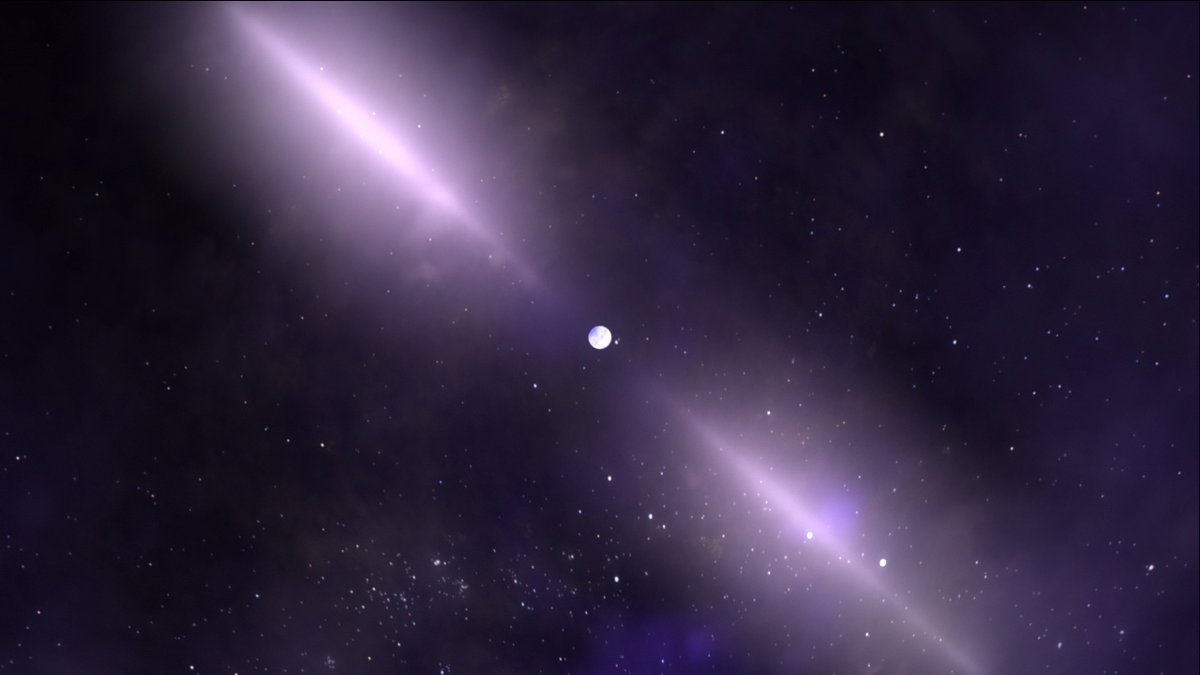
Over 3,000 pulsars were found since the first one in 1967. Each is just city-size but more massive than the Sun & spinning fast. Beams of pulsar radio waves or X-rays flash by Earth like clockwork. They may be used to steer future probes through space. #GAM2024 #RandomAstroFact
Trillions of neutrinos from the Sun’s interior pass through your body per second, whether it’s day or night. The subatomic particles do you no harm; there’s no risk of neutrino sunburn or even a tan. Physicists detect them at huge underground labs. #GAM2024 #RandomAstroFact

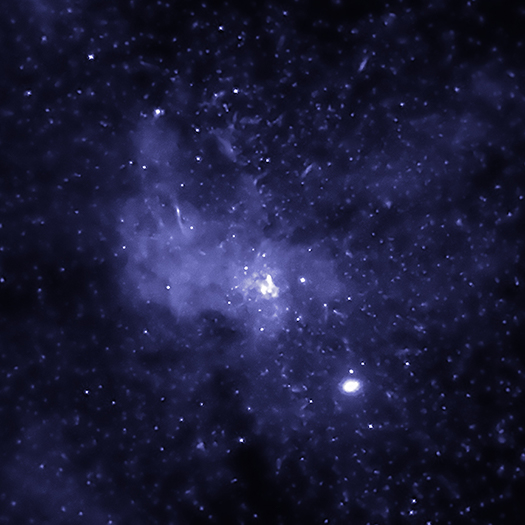
Galactic center crowd: Besides giant black hole Sagittarius A* (4 million x the mass of the Sun), there’s a cluster of binary systems within a few light-years. Each consists of a normal star & a small black hole (5 to 15 solar masses), producing X-rays. #GAM2024 #RandomAstroFact
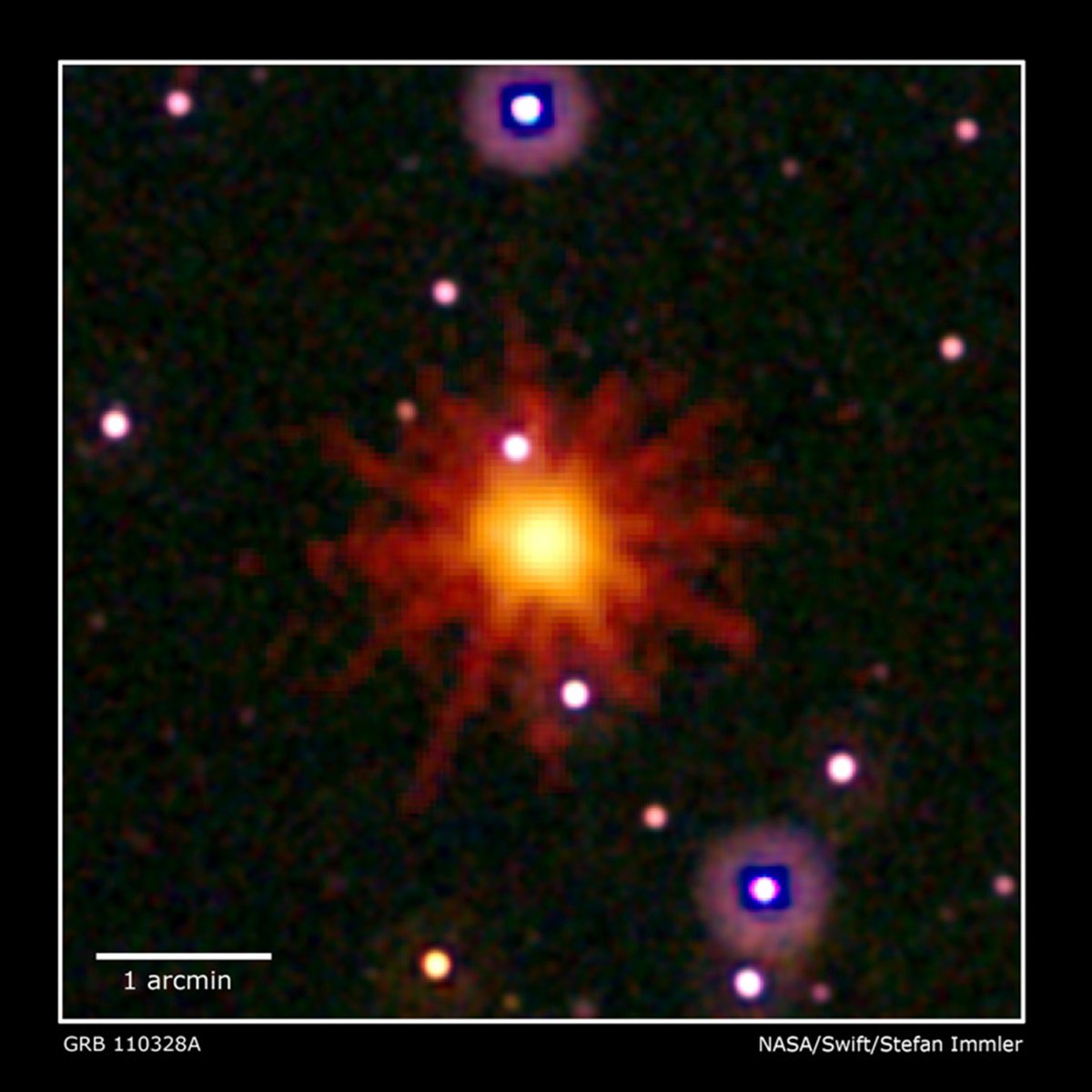
Gamma-ray bursts come from supernova explosions & probably also neutron star collisions. A GRB, in 1 second, can emit as much energy as the Sun will emit over 10 billion years. No GRBs have yet been reported from our Milky Way galaxy, thankfully. #GAM2024 #RandomAstroFact
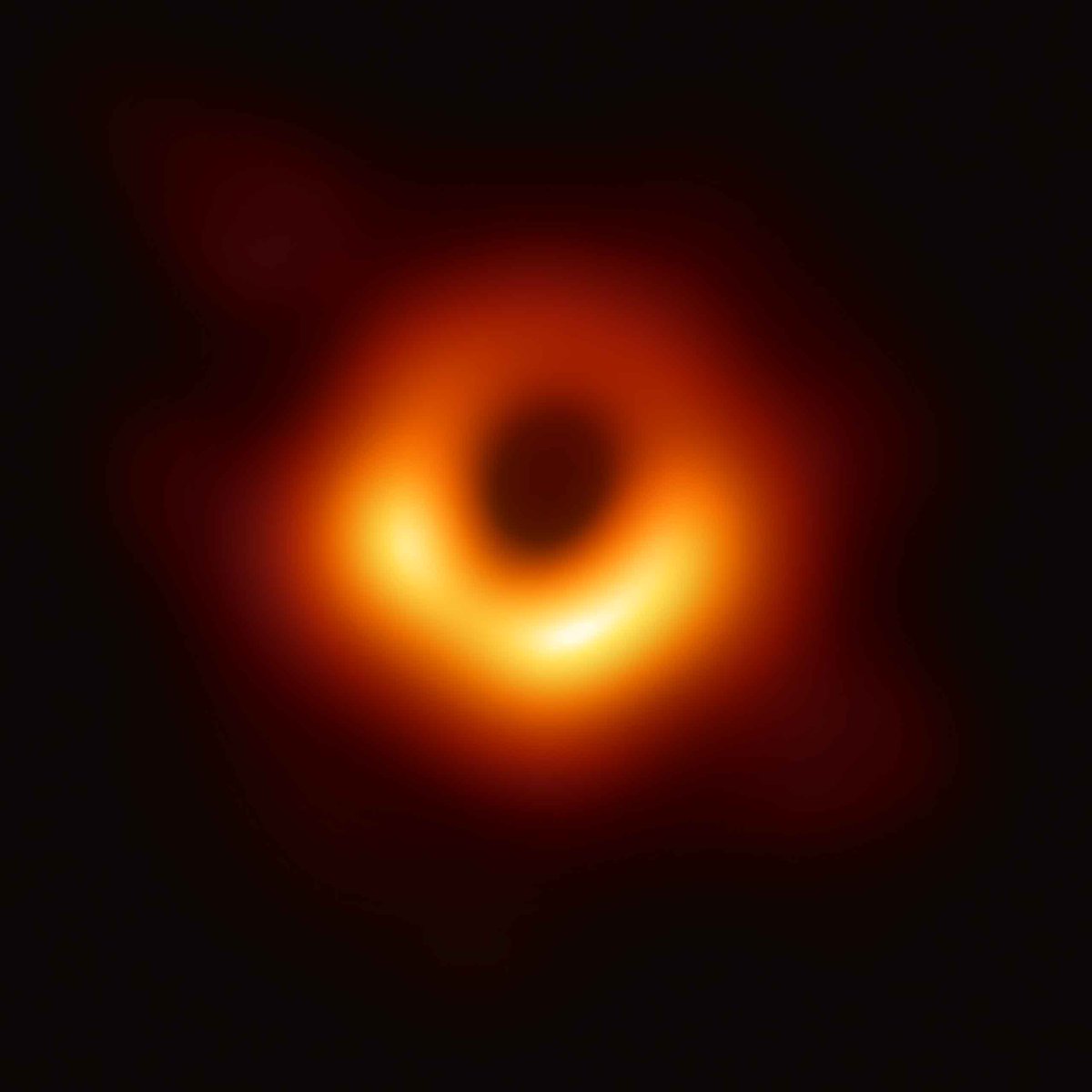
Worldwide network of 8 radio telescopes made 1st picture of a black hole, showing the object, centered in M87 galaxy 55 million light-years from Earth, has 6.5 billion x the Sun’s mass, is about 38 billion km (24 billion miles) across & spins clockwise. #GAM2024 #RandomAstroFact
The Orion Nebula is visible by eye although about 1,300 light-years away. In 2019, a telescope measuring submillimeter waves caught a stellar flare 10 billion times stronger than one from the Sun blasting from a new star in the nebula. #GAM2024 #RandomAstroFact

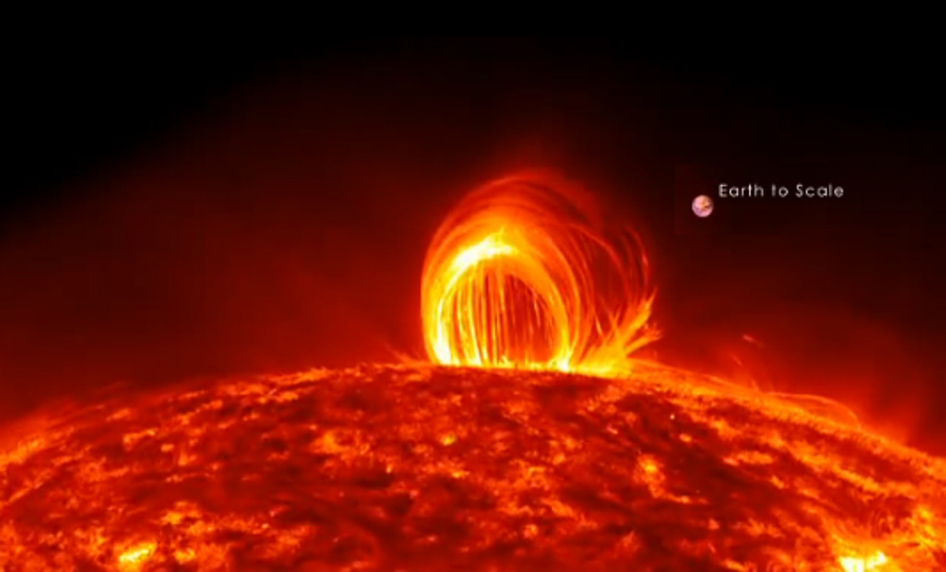
Three kinds of rain to stretch the brain: On Saturn’s moon Titan, methane droplets (very cold) fall; on Venus, sulfuric acid rain drizzles & on the Sun coronal rain (extremely hot) occurs as hot plasma in the outer atmosphere cools, condenses & drops. #GAM2024 #RandomAstroFact
Hypergiant VY Canis Majoris is one of largest, most massive & brightest stars in our galaxy. Matter flowing from it makes a clumpy nebula. VY is 300,000x brighter than Sun & much bigger than supergiant Betelgeuse. It may explode or become a black hole. #GAM2024 #RandomAstroFact

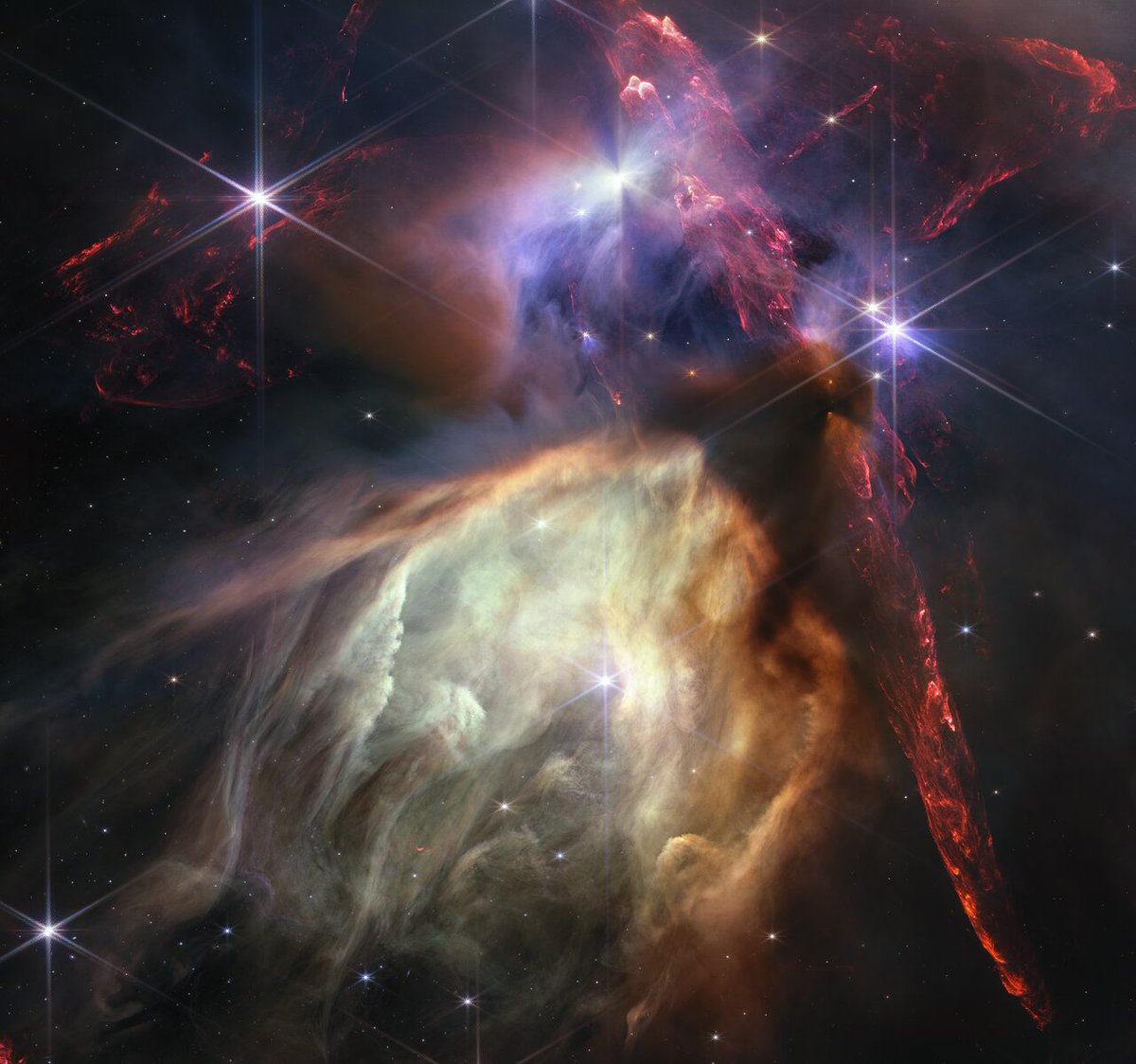
The Rho Ophiuchi cloud complex is the closest star-forming region to Earth. In stellar nurseries like this one, jets from young stars impact surrounding molecular gas, lighting it up. #GAM2024 #RandomAstroFact
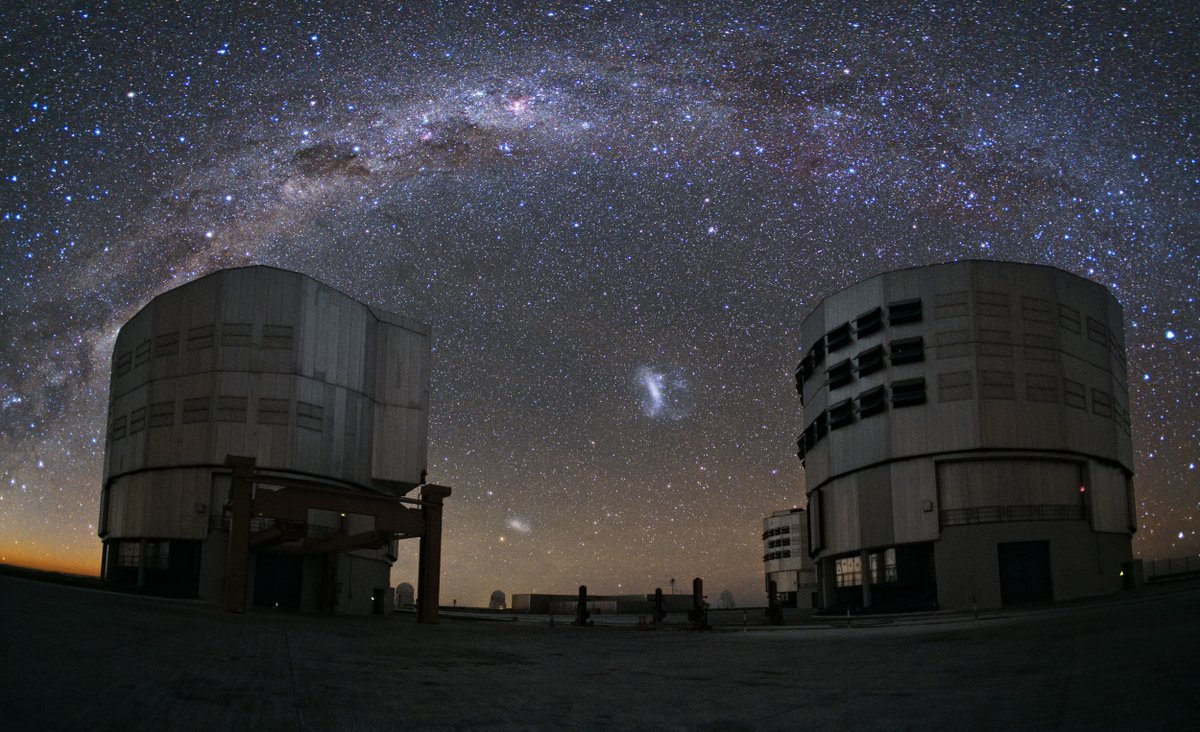
The Milky Way has 1.5 trillion times the mass of the Sun. Note that the Sun has 333,000 times the Earth’s mass & the Earth's mass is 5.97 x 10^24 kg (1.32 x 10^25 pounds), give or take. #GAM2024 #RandomAstroFact
Most pictures of the Apollo 11 astronauts on the Moon show Buzz Aldrin. That’s because Neil Armstrong mostly held on to the camera. Armstrong’s & Aldrin’s footprints can still be seen undisturbed at Tranquility Base where their lunar module Eagle landed. #GAM2024 #RandomAstroFact

Sharpest Sun images show bright, Texas-sized cells separated by darker lanes. Hot plasma ascends from below in cells, cools & flows back down through lanes. Five million tons of hydrogen gets converted into solar energy each second in the Sun's core. #GAM2024 #RandomAstroFact

The bright planet Venus resembled a moving black disk as it passed in front of the Sun in June 2012. The next such transit of Venus isn’t due until December 2117. But if you check out Venus with a small telescope, you’ll see it has phases like the Moon. #GAM2024 #RandomAstroFact

A recurrent nova (exploding star) in the Andromeda Galaxy explodes about once per year. The eruptions occur on a planet-sized white dwarf 30% more massive than the Sun & have formed a nebula called a super-remnant that is about 440 light-years wide. #GAM2024 #RandomAstroFact

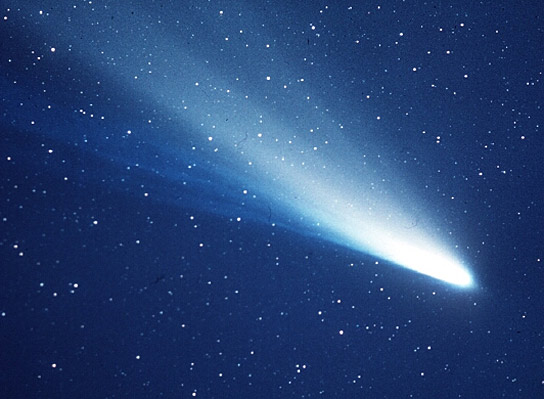
Comets are usually named for their discoverers, but not Halley’s. Edmond Halley (1656-1741) figured out that the comet now named for him returns about every 76 years, confirming that comets are in closed orbits around the Sun. It’ll be back in 2061. #GAM2024 #RandomAstroFact
Spiral galaxies have spiral arms with hot young stars in a flat galactic disk. A thick cloud of cooler, older stars at center is the galactic bulge. At its heart lurks a supermassive black hole, millions to billions of times more massive than the Sun. #GAM2024 #RandomAstroFact

Nearby star Proxima Centauri erupted in a huge stellar flare observed in 2017, perhaps blasting planet Proxima b with thousands of times the energy Earth receives from a flare on the Sun. Not healthy for any life on the closest known extrasolar planet! #GAM2024 #RandomAstroFact

The strongest material in the universe isn’t graphene or spider silk or diamonds — it’s the crystalline crust of a dead star’s core. This material is made almost entirely of neutrons and is ~10 billion times stronger than steel. #GAM2024 #RandomAstroFact

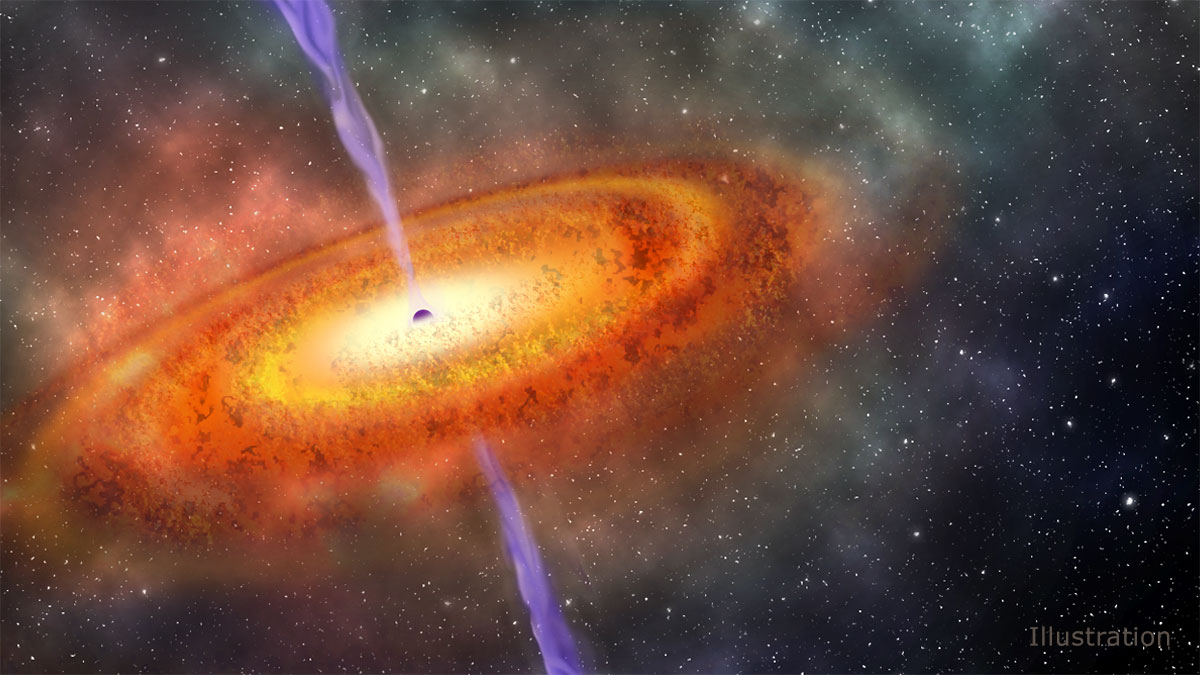
The quasar J1342+0928 is 40 trillion times brighter than the Sun & contains a black hole 800 million times more massive than the Sun. At 13.1 billion light-years from Earth, it's one of the most distant known quasars to-date. #GAM2024 #RandomAstroFact
It takes the Sun more than 200 million years to make one trip around the Milky Way Galaxy. #GAM2024 #RandomAstroFact #Astronomy #ExploreAstronomy

Trends for you
Most Popular Users

Elon Musk 
@elonmusk
240.8M followers

Barack Obama
@barackobama
119.2M followers

Donald J. Trump
@realdonaldtrump
111.7M followers

Cristiano Ronaldo
@cristiano
111.1M followers

Narendra Modi
@narendramodi
107M followers

Rihanna
@rihanna
97.8M followers

NASA
@nasa
92.2M followers

Justin Bieber
@justinbieber
91M followers

KATY PERRY
@katyperry
87.9M followers

Taylor Swift
@taylorswift13
81.8M followers

Lady Gaga
@ladygaga
73.3M followers

Virat Kohli
@imvkohli
70.3M followers

Kim Kardashian
@kimkardashian
69.9M followers

YouTube
@youtube
68.7M followers

Bill Gates
@billgates
64M followers

Neymar Jr
@neymarjr
63.1M followers

The Ellen Show
@theellenshow
62.4M followers

CNN
@cnn
61.9M followers

Selena Gomez
@selenagomez
61M followers

X
@x
60.8M followers