

Top Tweets for #SEA3000

The MOC on 🇯🇵🇦🇺 defense cooperation signed by both ministers reaffirms this project advances through close #PublicPrivateCollaboration🤝
JMOD will move forward with Japan’s defense industry as an All‑Japan effort.
#FFM #Mogami #Sea3000 #AUJP50 #ContractSignedonSchedule


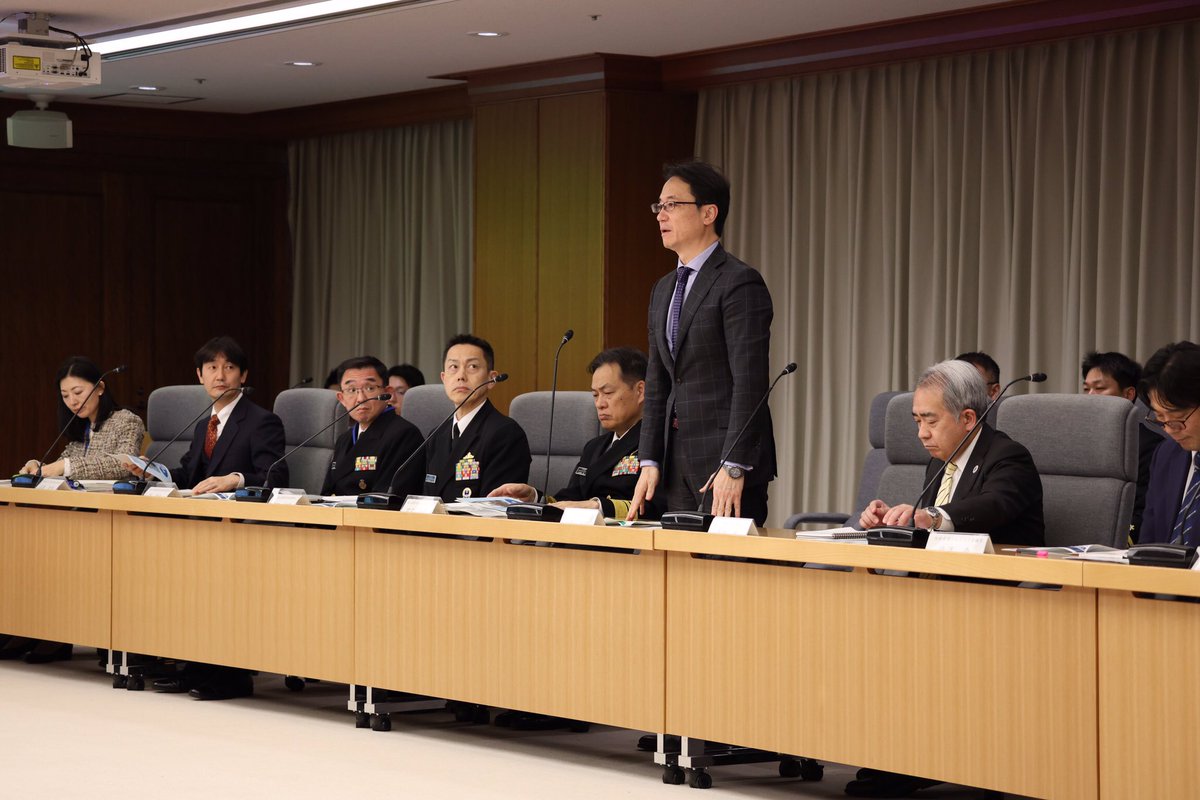
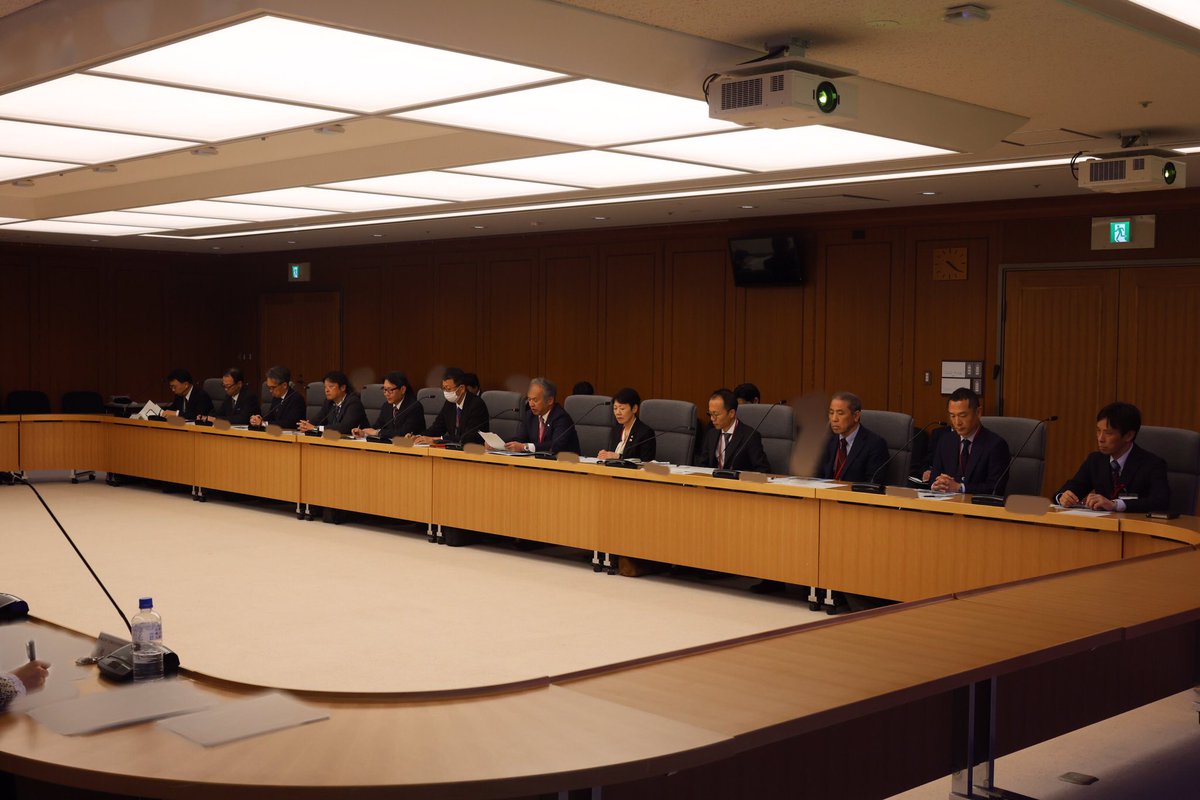
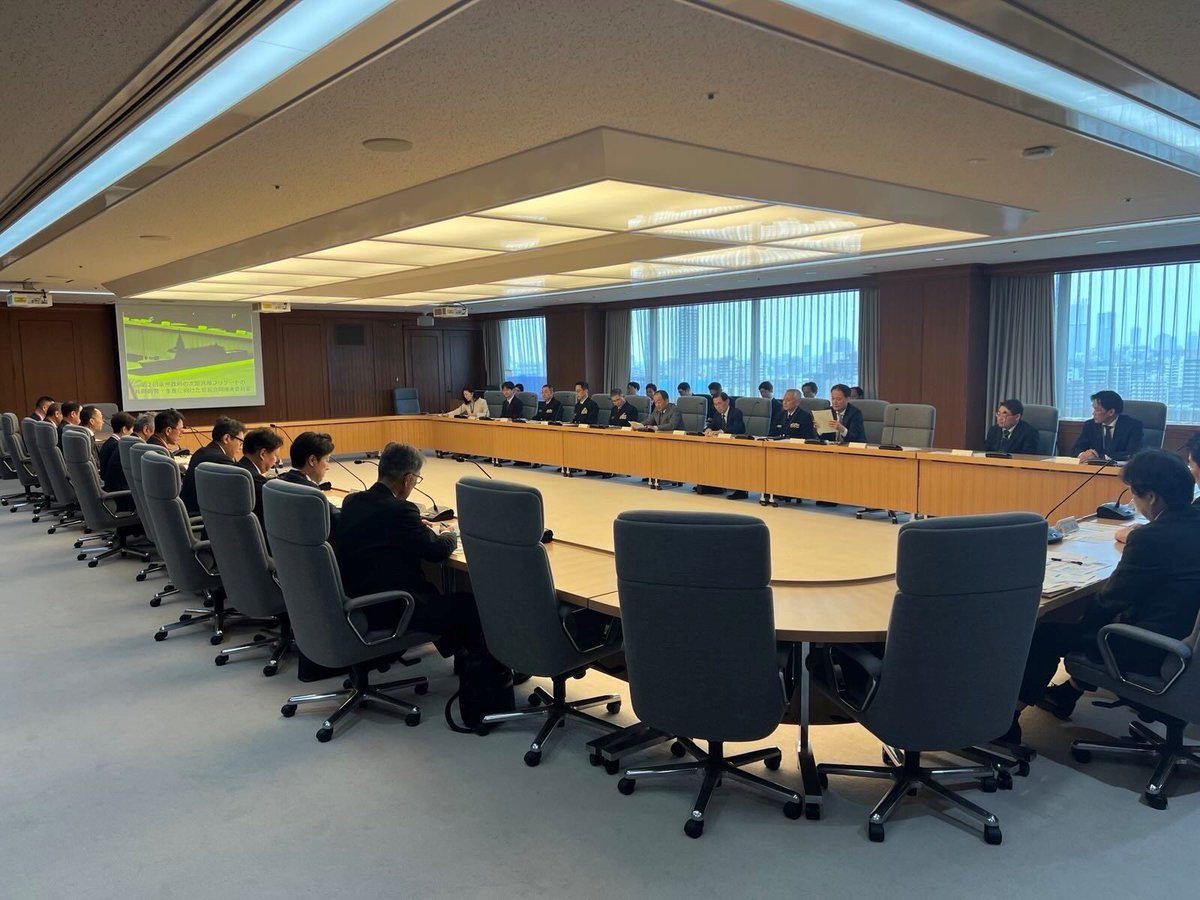
3rd Government-Industry Joint Committee for the Promotion for Australia’s Next General Purpose Frigate program was held on Aug 25. Under the #OneTeam spirits, we will continue working towards the Final Contract!!
#FFM #Mogami #Sea3000 #Australia


【#SEA3000】現駐米オーストラリア大使で元首相のケビン・ラッド氏による、豪海軍次期汎用フリゲートの改もがみ型選定に関する投稿。米国製戦闘システムを搭載している点を特出しで強調しています。
【和訳】
より強力に。より迅速に。より致命的に。
オーストラリアは、将来の海軍艦隊の中核として、アメリカ製の先進戦闘システムを搭載した日本の改もがみ型フリゲートを選定しました。

Stronger. Faster. More lethal.
Australia has selected Japan’s upgraded Mogami-class frigate with advanced combat systems from the United States as a key part of our future Navy fleet.
#SEA3000: In IOG’s new series on Australia’s next-gen frigate, Rintaro Inoue (@irir_inoue) examines why Japan🇯🇵 won: https://t.co/cpDEVgWQjv. He highlights how the upgraded Mogami-class frigate’s specs aligned with Australia’s needs more than sales efforts.
■ Translation:
Transfer of Japan’s New FFM to Australia (1): Why Japan Won
August 7, 2025
The only way to tell them apart might be whether there’s a red kangaroo emblem painted behind the bridge. That is the kind of era we are now entering—a time when Japanese and Australian frigates will share the same design.
On August 4, 2025, the Albanese government of Australia convened its National Security Committee and decided to adopt Mitsubishi Heavy Industries’ new FFM design as its next-generation general-purpose frigate. It was a historic moment: Japan and Australia chose to operate frigates based on a common design. The two governments are expected to finalise contract details, including pricing, by early 2026.
This decision marks a profound deepening of Japan–Australia defence cooperation, a fundamental enhancement of the Royal Australian Navy’s capabilities, and a historic turning point for Japan’s defence industry. In this three-part commentary series, we will explore: (1) why Japan won the competition, (2) what challenges lie ahead in project implementation, and (3) how to understand the implications for Japan’s defence industrial base.
■The Need for a Fundamental Naval Enhancement
The backdrop to Australia’s consideration of a new FFM as its next general-purpose frigate was the growing urgency to replace the ageing Anzac-class amid delays in the Hunter-class program, compounded by a rapidly deteriorating strategic outlook due to the war in Ukraine and escalating U.S.–China rivalry. The eight Anzac-class frigates, in service since 1996, had long been the backbone of the RAN fleet. In 2018, the Hunter-class, developed by BAE Systems, was selected as their successor. However, repeated changes to design requirements during development caused severe delays and confusion in the project. As a result, per-unit costs soared to approximately A$5 billion, and the expected service entry date was significantly pushed back.
A turning point came with the 2023 Defence Strategic Review (DSR) and the April 2024 Integrated Investment Program (IIP). These documents assessed Australia’s strategic environment as the “most challenging since WWII” and emphasised the need to strengthen naval power in a short timeframe. Consequently, the troubled Hunter-class program was reduced from nine to six ships. In its place, up to eleven new general-purpose frigates—offering both anti-submarine and general capabilities—would be procured, more than doubling the number of surface combatants. To prioritise early delivery, it was decided that the first three vessels would be built overseas.
The contenders were limited to existing operational designs: Japan’s Mogami-class (MHI), Germany’s MEKO A-200 (TKMS), Spain’s Alfa3000 (Navantia), and South Korea’s Daegu-class Batch II (Hanwha) and Batch III (Hyundai). In November 2024, the Department of Defence narrowed the field to two: Japan and Germany, with final selection originally scheduled for late 2025. Notably, as production of the Mogami-class is scheduled to end by 2027, the Japanese proposal was in fact based on a newly designed FFM with no operational track record.
Although the criteria for the initial shortlist have not been disclosed, it is believed that the RAN evaluated the proposals against its own operational concepts and eliminated those that were not a good fit. The Spanish Alfa3000 likely fell short in range and displacement, while the Korean designs were probably rejected due to low freeboard and limited ocean-going performance. The next-generation general-purpose frigate is expected to help defend the long sea lanes between Australia and the U.S., making long-range and high-endurance essential.
In August 2025—months ahead of schedule—the Albanese government announced its final decision: Japan’s new FFM had won. The early announcement was not explained, but given the government’s long-emphasised need for rapid naval enhancement, it likely saw no need for additional deliberations once a clear winner emerged.
■A Platform Suited to the Operational Concept
So why did the Albanese government choose Japan’s FFM over Germany’s A-200? The Defence Department announcement points to two significant reasons.
First, delivery certainty.
The RAN prioritised early capability delivery and thus sought proposals that could guarantee deadlines. Reflecting lessons from the Hunter-class debacle, the Department limited contenders to proven vessels and aimed to introduce them with minimal modification—essentially off-the-shelf designs.
Viewed from this lens, Mitsubishi Heavy Industries appeared to be a reliable partner. The company has consistently delivered escort ships to the JMSDF on schedule, most recently mass-producing the Mogami-class. Construction of the new FFM for the JMSDF is also scheduled to begin this fiscal year, and the RAN’s ships have already been integrated into that production timeline. This proven record and project timeline likely led Canberra to judge Japan’s proposal as offering the best chance for early capability delivery.
It is worth noting that in official documents, the definition of “delivery” remains somewhat ambiguous. It appears the government emphasises the physical handover of the hull rather than the achievement of Initial Operating Capability (IOC). This is likely due to the political and deterrent value of commissioning new vessels. If, like the Mogami-class, the FFM supports shore-based crew training ahead of delivery, then Australia could begin crew development even before handover, enabling an accelerated path to IOC.
Second, range and firepower.
These two attributes are most closely aligned with the RAN’s operational concepts. The Defence emphasised both in its announcement. The RAN plans to use these frigates to defend long-range sea lanes. In this context, the FFM’s 10,000-kilometre cruising range was a significant asset. Its importance was further magnified by the RAN’s policy not to increase its replenishment ship fleet.
Another key factor was firepower, including missile capacity and interoperability. The RAN currently faces a serious shortfall in strike capability. The new FFM addresses this, with 32 VLS cells in a strike module format capable of accommodating large missiles like the SM-6 and Tomahawk. While some upgrades to consoles and networks will likely be needed to operate such weapons, physical compatibility is the first requirement—and the Japanese ship met it.
Firepower also depends on whether ships can reload quickly. In July 2025, the RAN concluded a new agreement with the U.S. and Japanese navies focused on mutual support for missile reloading and refuelling across peacetime and crisis conditions. This arrangement appears to support Australia’s adoption of “Distributed Fleet Lethality,” inspired by the U.S. Navy’s Distributed Maritime Operations (DMO) concept. For such a concept to work, rapid and flexible resupply to dispersed vessels is essential—and this requires common munitions with allied navies. The A-200, which only accommodates European missiles, could not meet this requirement.
Lessons for Japan
Contrary to most expectations, Defence Minister Richard Marles stated that Japan’s strategic relationship with Australia “played no part whatsoever” in the frigate selection. If taken at face value, this suggests that Japan may have over-learned the lesson from its failed bid to export the Sōryū-class submarine in 2016—that politics matters.
That submarine bid, despite the Sōryū’s strong technical merits, was widely considered to have failed due to inadequate public diplomacy and sales strategy. This time, Japan mounted a far more comprehensive campaign: local advertising, inviting media, and creating a public-private steering committee to avoid repeating past mistakes.
However, one often-overlooked lesson from the submarine case is this: whether the system is designed to fit the recipient’s operational concept. The Sōryū-class was optimised for regional waters around Japan and was not ideal for long-range deployments like those required by the RAN. This is evident from Australia’s decision to cancel its plan to acquire French conventional submarines based on a nuclear design (the Attack-class) and instead opt for nuclear submarines through cooperation with the U.S. and UK.
The RAN’s requirement for its next general-purpose frigate was clear: counter rising air threats and defend the long sea lanes linking Australia and the U.S. Among the candidates, the new FFM best matched this operational concept in both range and firepower—and that was the decisive factor.
While strategic ties and information campaigns matter in defence exports, understanding and responding to the operational needs of the partner country is equally important. Success lies not in pushing one’s own favoured equipment or leaning solely on bilateral ties, but in seriously engaging with the buyer’s actual requirements. Japan’s experience in exporting both submarines and frigates to Australia offers valuable lessons for the future of its defence exports.

⚓️🇦🇺🇯🇵 #SEA3000 Quelles sont les spécificités des frégates furtives Mogami, commandées au Japon au chantier naval japonais Mitsubishi heavy industries (MHI) pour 6 milliards de dollars américains par l’Australie ? https://t.co/YvyxwRAAGF
【#SEA3000】豪国立大のJennifer Parker氏(@JAParker29)による、豪海軍の改もがみ型選定に関する論考:https://t.co/WHmiVnGdIn。リスクとして、まだ完成品がないことや移転実績不足による遅延、それによる日豪関係への悪影響を指摘しています。
【和訳】
豪州の新たな日本とのフリゲート契約は、いくつかの重大な穴を埋めるが、リスクも伴う
マールズ国防相は、豪海軍向けに3隻の新型フリゲート艦を建造する契約を、日本の造船会社・三菱重工が獲得したと発表した。この契約の総額は、報道によれば100億豪ドルにのぼる。
この契約が極めて重要である理由は二つある。
第一に、豪州の海軍能力強化だ。過去50年間で、これほど大規模に水上戦闘艦を拡充しようとした政権はなかった。
政府の計画によれば、2040年代までに少なくとも20隻の水上戦闘艦を運用する態勢を目指している。
第二に、この契約が示す日豪関係の進展である。
この10年間で両国の戦略的関係は明らかに進化してきた。22年には安全保障協力に関する共同宣言に署名しており、これは準同盟的な性質を持つと解釈できる。
今回の三菱重工業の「もがみ型」新型フリゲートの導入決定は、日本の産業能力と、我が国の艦艇建造ニーズを支援できる能力に対する信頼の表れである。
問題を抱える水上戦闘艦隊
現在の我が国の水上戦闘艦隊の状況は深刻である。運用している水上戦闘艦はわずか10隻であり、これは必要とされている数の半分だ。来年には、「アランタ」の退役により9隻にまで減少する見通しだ。
19年に豪監査局が実施したANZAC級フリゲートの維持管理に関する監査では、艦艇の状態が良くないと評価された。船体は酷使により劣化していた。その背景には、そもそも艦艇数が足りず、現有戦力を無理に運用せざるを得なかったという事情がある。
したがって、今回の三菱重工との契約により、これらの艦艇の一部を置き換える明確な計画が初めて提示されたことになる。
とはいえ、問題はまだ残っている。それは納入までの時間だ。最初の艦艇は2029年に引き渡され、残り2隻は2034年までに引き渡される予定である。
それまで現行のANZAC級が耐えられるのか、大きな疑問が残る。今後数年のうちに、さらに艦艇を退役させる必要が生じる可能性もある。
このようなタイムギャップが生じる理由は明確だ。艦艇は一夜にして造れるものではない。
過去の遅れのツケ
09年にはANZAC級の代替艦が必要だと認識されていたにもかかわらず、新型艦の決定が下されたのは18年、英BAEによるハンター級フリゲートの選定時だった。
最初のハンター級が戦力化されるのは34年の予定であり、18年の決定から16年という長い空白期間がある。
当初はハンター級を9隻導入する計画だったが、昨年、独立評価チームが汎用フリゲートの導入を提言したことを受け、6隻に減らされた。その結果導入が決まったのが、今回の日本のもがみ型である。
ただし、ハンター級の納入スケジュールの詳細は不明だ。また、ハンター級と今回のもがみ型のように、異なるフリゲートを同時に運用することは、統合上の困難が伴う。両者の共通性はほとんどないだろう。
したがって、政府は日本に対し、もがみ型の納期前倒しを交渉すべきである。同様に、BAEに対しても前倒しを求めるべきだ。
このプロセス全体の最大の欠点は、歴代政権が豪州の海軍戦力全体を見通す視点を欠いていたことである。昨年、退役米海軍中将ヒラリデス氏が率いた独立分析チームには、本来そのような役割を担わせるべきだった。
今回の契約により水上戦闘艦の一部問題には対処したものの、他の問題は依然として残っている。まるでモグラ叩きだ。
日本との契約が抱えるリスク
今回の契約には複数のリスクがある。
一つは、今回導入が決定された「改もがみ型」は、まだ実在しないという点だ。これは新しい設計に基づいた改良型であり、日本側は、豪州が海自よりも先にこの新型艦を受け取る可能性もあると述べている。
とはいえ、日本の造船分野における優れた実績を踏まえれば、このリスクはある程度緩和される。
より重大で過小評価してはならないのが、日本が複雑な装備品を国外に輸出した経験がないという点である。日本が新造の艦艇を他国に輸出するのは今回が初めてである。
さらに複雑なのは、豪州が過去非常に要求の厳しい艦艇調達国だったという事実である。ハンター級フリゲートで問題が多発した一因は、我が国が数多くの仕様変更を求めたためとも言われている。
最後に重要なのは、日豪の戦略的関係は艦艇調達だけでないということだ。両国の国家安全保障上の利害の一致を背景に、関係は急速に深化してきた。
だからこそ、この契約がもし何らかの問題を引き起こせば、二国間関係全体を損ねるリスクがある。このような事態を避けるためにも、慎重に物事を進めていく必要がある。
【#SEA3000】豪州🇦🇺のPat Conroy国防産業相は5日、次期汎用フリゲート取得計画での改もがみ型フリゲート選定の意義についてXに投稿。
ここでも迅速な決定と国内産業への波及効果を強調しています。
■和訳
本日は、豪海軍にとって歴史的な日であると同時に、オーストラリアの造船業にとっても歴史的な一日となりました。
本日、リチャード・マールズ国防相と私は、海軍の次期多用途フリゲート艦隊として、三菱重工業の改もがみ型を採用することを発表しました。
11隻中8隻をここオーストラリア国内で建造することで、数年単位ではなく次世代にわたる雇用が創出されることになります。
これらのフリゲートは、我が国の海上貿易ルートと北方海域の安全を確保し、必要な能力を提供するものです。
この決定は、当初の予定を数か月前倒しして下されたものであり、最初のフリゲートが2029年に納入される見通しです。
これは、前政権(保守連合政権)の計画よりも5年早い実現です。
今回の決定は、海軍の水上戦闘艦隊に対する550億豪ドル規模の投資の一環でもあります。
そしてこれは、国内において数万規模の高賃金かつ高度技能を要する雇用をもたらすということでもあります。
私はかねてから、「オーストラリア国内で構築される防衛力の未来」について繰り返し語ってきました。
本日の発表こそが、まさにその未来の具体的な姿なのです。

It's a historic day for the @Australian_Navy.
And a historic day for Australian shipbuilding too.
Because today @RichardMarlesMP and I announced that the Navy’s future fleet of general purpose frigates will be the upgraded Japanese Mogami-class by @MHI_Group.
【#SEA3000】豪保守系シンクタンクASPI🇦🇺のAlex Bristow氏 (@AlexBristowASPI) による、改もがみ型フリゲートの豪海軍次期フリゲート選定に関する論考: https://t.co/6SIx6pJ1XA。性能面を超えて、日豪の戦略的連携や経済協力などの視点から今回の決定がもつ意義を解説しています。
【和訳】
もがみ型フリゲートの取得は、経済安全保障を含む戦略的好機
2025年8月5日|アレックス・ブリストウ
三菱重工業の「もがみ」改良型フリゲートの取得決定を発表した記者会見で、リチャード・マールズ国防相とパット・コンロイ国防産業相は、オーストラリア国防軍の能力要件と戦略的ニーズを迅速に満たすのに最適な設計であると述べた。
両大臣の評価には、おそらく中国による威圧や軍事的機会主義に対抗するという、オーストラリアと日本が共有する関心が影響していたと考えられる。今回の入札で日本と競合したドイツ(MEKO A-200設計)は、中国がもたらす脅威を認識してはいるが、その地理的条件から主たる懸念はロシアにある。
マールズ国防相は発言の中で中国について明言はしなかったが、日本の地理的優位性がオーストラリアの海上安全保障や北方海域防衛にとって重要であることを暗に認めたように見える。
もし南シナ海での紛争が貿易を妨げれば、パプアニューギニアや複数の太平洋島嶼国の近海を通る、オーストラリア東海岸と日本を結ぶ南北航路が、日本、韓国、台湾にとって液体燃料や他の重要物資の供給ルートとして主軸となる可能性がある。この点を中国は認識しており、2月に中国海軍の艦隊がオーストラリアを周回航行したことは、その意思表示であった。
戦争には至らないにしても、改もがみ型フリゲートの取得は、オーストラリアと日本が近年構築してきた準同盟的関係をさらに強化するものである。その関係は、相互派遣や共同作戦のテンポを加速させており、これらのフリゲートは、太平洋島嶼国との海洋安全保障協力をさらに進めるための基盤ともなる。これは、キャンベラと東京がハイブリッド脅威に対抗する地域のレジリエンス強化のために取り組んでいる数多くの分野の一つである。
すでに日本で就役しているもがみ型の改良版を取得することは、防衛産業に限らず、日豪間のより広範な経済協力の触媒ともなるだろう。実際、三菱重工業をはじめとする日本企業および日本政府による「オールジャパン体制」での入札では、この点が前面に押し出されていた。
この決定はまた、日本側による数年にわたる法制度整備の成果の上に成り立っている。技術移転、安全保障クリアランス、機密情報の取り扱いなどに関する法規制の見直しは、日本の安全保障上不可欠であると同時に、日本を信頼できる安全保障パートナーとして認識する動きをオーストラリアや他国の間で促すことにもつながった。
また、このような戦略的な取組みは、日本が韓国のような主要な防衛装備輸出国になるという国家的野心と、2022年に成立した「経済安全保障推進法」とも接続されている。同法は、重要なサプライチェーンを威圧から守るための新たな基準を定めたものだ。
全体として見れば、これらの取組みは、日本が抑止力と経済的レジリエンスの両面で「国家総力体制」への移行を進めていることを示しており、同時に、日本が中国という地域的挑戦に立ち向かう意志を持つパートナー(オーストラリアのような)を求めていることを明らかにしている。
このような考え方は、安倍晋三元首相の指導の下で策定された2022年の「国家安全保障戦略」に端的に表れている。同戦略は、自衛隊の新たな能力開発や過去に例のない規模の投資を約束しただけでなく、経済安全保障やハイブリッド脅威への対処も正面から取り上げている。ASPIのスタッフが指摘するように、オーストラリアにも同様の国家安全保障アプローチが求められる。
6月に開催されたASPI国防会議では、「オールジャパン体制」の中核を担った日本の高官・西脇修氏が登壇し、政府の政策がいかに産業界に方向性と需要シグナルを与えうるかを説明した。西脇氏は現在、経済産業省で経済安全保障政策を統括する審議官を務めており、その任にあたっている。
今回の決定のポテンシャルを最大限に引き出すには、ビザ制度などの分野でも日豪両国がさらに取り組む必要がある。経済的な機会を防衛産業の観点からだけで捉えるべきではないし、その実現の責務をオーストラリア国防省のみに背負わせるべきでもない。政府が掲げる「国家防衛」のビジョンに沿って、国家の安全保障、繁栄、教育に関与するすべての省庁、産業界、教育・研究機関を巻き込む必要がある。
今年3月に初会合を行った「日豪経済安全保障対話」は、この方向に向けた一歩ではある。ただし、この対話は日本の国家安全保障局とオーストラリア首相・内閣府の高官主導による非公開協議であり、関係者全体には十分に届かない。そうしたギャップを埋めるには、日豪両国の政府、産業界、非政府組織の代表者を集める場を提供できる、日豪ビジネス協力委員会のような組織が適任である。
ASPIもこの取組みに貢献する用意がある。12月に開催される「シドニーダイアログ」は、これらの課題を考える絶好の機会である。また、ASPIが発行する「クリティカル・テクノロジー・トラッカー」では、オーストラリアと日本の研究機関のうち、AUKUSピラー2にも関連する先進技術分野でリードしている機関を特定しており、どこに最大の協力機会があるかを可視化している。
今回の発表で得られる成果は、豪海軍にとって優れたフリゲートというだけではない。それは、日本を含む信頼できる友好国との間で、イノベーションと製造のための安全なエコシステムを構築することなのである。
【#SEA3000】豪州の保守系シンクタンクASPI🇦🇺のMalcolm Davis氏 (@Dr_M_Davis) による、改もがみ型フリゲートの豪海軍次期フリゲート選定に関する論考:https://t.co/p57P8PYloT。性能面に焦点を当てて、改もがみ型を採用することの意義を説明しています。
【和訳】
オーストラリア、日本の大型・重武装フリゲートを選定
2025年8月5日|マルコム・デイビス
計画どおりに進めば、オーストラリアは2029年に日本製の初のフリゲート艦を受領することになる。三菱重工業による改もがみ型の選定が本日発表されたことで、オーストラリア海軍は老朽化した汎用型のアンザック級フリゲートを、より大型で、より少ない乗員で運用でき、より多くの兵装を搭載した艦に更新することになる。
新型艦の2番艦と3番艦も日本の造船所で建造される予定で、その後最大8隻が西オーストラリア州ヘンダーソンで建造される見込みだ。
この艦が「改もがみ型」と呼ばれるのは、日本で就役している元のもがみ型を拡大・改設計したものであるためだ。
満載排水量6,200トンの本艦は、3,700トンのドイツTKMS製「MEKO A-200」と比べて明らかに大型であり、技術面でも重要な優位性を持つ。特筆すべきは、垂直発射システム(VLS)セルを32基搭載しており、MEKO A-200の倍である点だ。現行の3,600トン級アンザック級フリゲートは、いずれも8セルしか搭載していない。
中国が戦時に他国の海空域利用を妨げる能力を急速に強化していることを踏まえれば、火力は極めて重要である。
リチャード・マールズ国防相が述べたように、新型フリゲートが「海上交易路および北方海域の安全確保に資する」ためには、時に危険海域へ展開する能力が必要となる。そのため、ミサイル搭載数が多いことは重要であり、一部を使用しても補給のために後退せず、長く前線にとどまれる。また、多くのミサイルを備えることで、被攻撃時の生存性も向上する。
VLSセルには、主に対空・対ミサイルミサイルが搭載される見込みで、長距離用にはRaytheon製SM-6、中距離用にはESSMが使用されるとみられる。
本艦に搭載されるMk 41 VLSセルは「ストライク・レングス」と呼ばれる大型仕様であり、理論上はトマホーク巡航ミサイルの搭載も可能だ。ただし、トマホークについては、オーストラリア政府は現時点ではホバート級駆逐艦にのみ搭載する計画である。それでも、多くのセルを持つことはやはり有利である。
もがみ改良型フリゲートのもう一つの利点は、乗員がわずか90名と少人数で済む点で、これは高度な自動化によるものである。A-200は120名を必要とし、アンザック級は約180名を要する。人員確保に苦労しているオーストラリア海軍にとって、少人数で運用可能な設計は大きな利点となる。
さらに、1隻につき2個乗員班(クルー)を運用することで、稼働率をさらに向上させることも可能である。交代制で乗艦し、任務に就く体制をとれば、常時即応態勢を維持しやすくなる。
また、本艦の設計上の運用寿命は40年で、A-200の30年より長い。ただし、実際に40年間活用できるかは、今後の海軍技術の進展に左右されるだろう。もし2029年に引き渡された初号艦が1年後に就役したとすると、2070年まで使用するには大幅な近代化が必要になる可能性が高い。
最終的に重要なのは、船体や推進系といった基本構造の耐用年数ではなく、「オープン・システム・アーキテクチャ」により、新しい兵装、センサー、装備を柔軟に組み合わせ、乗員と統合する「戦闘指揮システム(CMS)」のアップグレード可能性だろう。今後は、無人艦艇や潜水艦と有人艦との連携が海軍作戦の中核となる見込みであり、新型フリゲートもそれを前提に設計されている。無人システムの発射・回収機能も備えている。
戦闘指揮システム(CMS)は、艦の性能を左右する最も重要な要素の一つといえる。MEKO A-200がアンザック級で採用されているサーブ社の9LVシステムを使う予定だったのに対し、もがみ改良型は日本製のCMSを搭載するが、これは米海軍のシステムとシームレスに連携可能である。
CMSの操作中枢である「戦闘情報センター(CIC)」も非常に先進的で、「統合型CIC(Advanced Integrated CIC)」と呼ばれる。ここでは、光学・赤外線・レーダーセンサーからのデータを360度の拡張現実(AR)壁に統合表示することで、艦の運用がより直感的かつ効率的に行えるよう設計されている。
この新型艦が「汎用フリゲート」と呼ばれるのは、南オーストラリア州で建造中の対潜型ハンター級フリゲートと区別するためである。
西オーストラリア州の造船所は、この新型艦の建造と、2032年以降に予定されているヴァージニア級原子力潜水艦の運用支援のために再整備されることになっている。ただし、造船所の再開発は現在停滞しており、オーストラリアは日本における建造数を3隻以上に増やすことも検討すべき段階にある。そうすれば、国内での建造準備により多くの時間を確保できるかもしれない。
#SEA3000: On Aug 5, Japan’s Defence Minister Nakatani held a regular press conference and welcomed the selection of Japan’s upgraded Mogami-class frigate for Australia’s next-generation general-purpose frigate program. Full statement: https://t.co/wnCO29Scr5.
■Translation:
[Announcements from Minister]
On August 5, the Australian Government announced that, out of the two proposals submitted respectively by Japan and Germany, it has selected Japan’s upgraded Mogami-class frigate (the FY2024 model) as the next-generation general-purpose frigate for the Royal Australian Navy.
Last night, I received a direct call from Deputy Prime Minister and Minister for Defence Richard Marles, who informed me of the National Security Committee’s internal decision. I expressed my utmost pleasure in advancing this project together with Minister Marles. He also stated that the Mogami-class frigate is the best-suited and optimal vessel for Australia, and we shared our delight over the selection.
I regard this outcome as a demonstration of trust in Japan’s high level of technological capability, and a recognition of the importance of interoperability between the JSDF and the Australian Defence Force. This marks a significant step in elevating the security cooperation between Japan and Australia, our special strategic partner, to an even higher level, and I welcome the Australian Government’s decision.
Japan has already continuously constructed 12 Mogami-class frigates, and plans are in place to build another 12 upgraded models from FY2024 onward. This means we possess a solid production base that ensures timely delivery to meet the Royal Australian Navy’s requirements.
The FY2024 model proposed by Japan is a highly capable vessel equipped with excellent stealth, high speed, allowing it to accompany U.S. carrier strike groups, and a reliable weapons system ensuring interoperability with the U.S. Navy. Furthermore, it is highly automated and manpower-efficient, requiring significantly fewer crew members than conventional destroyers. It represents the pinnacle of Japan’s advanced defence industrial technologies.
In addition to these attributes, I believe the strong evaluation from the Australian side stems from the Japanese Government’s commitment to the program, with unified efforts from the public and private sectors. I myself participated in the inaugural meeting of the public-private joint committee, co-chaired by the Administrative Vice Minister of Defense and the Chairman of Mitsubishi Heavy Industries. The JMOD, relevant government agencies, and related companies, including MHI, have worked as one to realise this transfer. I firmly believe that this result—Mogami, or “the best”—was only made possible through the tireless efforts of all those involved. I would like to express my sincere respect and gratitude to everyone who has worked on this project thus far.
Moving forward, as we approach the conclusion of the final contract, expected around early next year, we will continue discussions with the Australian Government. We intend to pursue this project with a whole-of-Japan approach, working closely with relevant ministries and industries.
[Q&A]
JOURNALIST:
Regarding the frigates, Minister, you mentioned “selection” earlier. Just to confirm, does this mean that Australia has decided to adopt Japan’s proposal—not just entering exclusive negotiations—but rather made a fundamental decision?
MINISTER:
Between the two final proposals—Germany’s and Japan’s—we received notification from the Australian government that they had selected the proposal from Japan’s Mitsubishi Heavy Industries.
JOURNALIST:
Thank you. As you mentioned earlier, you held a phone call with Minister Marles last night. Minister Marles stated in his press conference that you expressed Japan’s intent to develop the vessel jointly. Could you tell us a bit more about the content of the phone call?
MINISTER:
During our conversation yesterday, Minister Marles stated that the decision reflects Australia’s strong trust and high evaluation of the equipment, incorporating Japan’s advanced technologies. I expressed my welcome for the Australian government’s decision. In the future, based on Japan’s FY2024 frigate, we will jointly develop and produce a total of 11 frigates with Australia, and transfer them to the Australian side. This initiative will not only deepen Japan–Australia cooperation but also contribute to improving the capabilities of Japan’s shipbuilding sector through joint development and production, and it holds significant value for Japan’s national security. Furthermore, having both countries operate and train with the same equipment will enhance operational synergy and efficiency. We expect the final contract to be concluded in early 2026, and toward that, we will work in close cooperation with relevant ministries and industries, engaging in a whole-of-government and industry approach.
JOURNALIST:
There was a past case where Japan lost out in the bid to supply submarines to Australia. With the selection of the Mogami-class this time, what is your view on the significance of this decision, particularly in terms of future equipment transfers? Also, how do you intend to approach the lead-up to the final contract next year?
MINISTER:
It was nine years ago when I also served as Minister of Defense that, regrettably, France was awarded the submarine contract. Learning from that experience, the JMOD made every effort regarding this case. I believe the key factors in this selection were the high crew-efficiency and capability of our FY2024 destroyer, as well as the strong commitment shown through a whole-of-government and industry effort. Japan and Australia are special strategic partners, and this decision represents a significant step forward in our security cooperation. From the perspective of strengthening Japan’s defence industrial base, which underpins defence capability itself, we are undertaking fundamental reforms. As part of that, we established the Public-Private Joint Committee, consisting of the JMOD, relevant ministries, and companies such as Mitsubishi Heavy Industries. I believe that the unwavering efforts of all involved made this result possible.
JOURNALIST:
Regarding this transfer decision, what benefits do you see in operating the same equipment as Australia, and what kind of impact do you expect on Japan’s defence industry? Also, could you elaborate on how lessons from the past submarine bid experience were reflected in your approach this time?
MINISTER:
As I mentioned earlier, Japan and Australia are special strategic partners. Defence cooperation and dialogue between the two countries are of great importance. Standardising equipment contributes to strengthening Japan’s defence production and technological base, which forms the foundation of our defence capability. Sharing and operating common equipment with Australia will enhance interoperability. The result this time reflects high marks for crew-efficiency, capability, and the firm public–private commitment to program success. I believe this will also bring great benefits to joint production and lifecycle management going forward. As I said, we established the Public-Private Joint Committee, and relevant ministries and companies worked together to achieve this outcome through tireless efforts.
JOURNALIST:
Regarding the selection of the Mogami-class, the plan, as I understand it, is to build the first three vessels overseas, with subsequent ships to be built in Australia. With the first vessel scheduled for delivery in 2029, what challenges do you foresee going forward—such as in terms of transfer, local production, etc.?
MINISTER:
One decisive factor in this case was Japan’s proven shipbuilding capability, which has been continuously demonstrated. That production track record was a significant advantage. Going forward, we will prioritise speed in responding to Australia’s needs. The final contract is expected to be concluded in early 2026. Until then, we will accelerate coordination on matters such as content, pricing, and implementation through a whole-of-government and industry effort.
JOURNALIST:
Could you clarify if there are any remaining issues to address before finalising the contract?
MINISTER:
One is, of course, to determine the final price. Additionally, there are questions around maintenance and sustainment after delivery, as well as how to proceed with continued local production in Australia. There are quite a few issues to resolve.
JOURNALIST:
Since Japan revised its arms export policy in 2014, how do you view the historical significance of this decision?
MINISTER:
The first case of defence equipment transfer was the radar transfer to the Philippines. This case marks the second example. It is highly significant that a major item like a destroyer—an asset Japan operates regularly—will be transferred. As I mentioned earlier, there are great advantages, especially in terms of joint operation and interoperability among Japan, Australia, and the United States. I believe this will greatly contribute to Japan–Australia defence cooperation going forward.
JOURNALIST:
Just to clarify, will the final contract be signed in early 2026 or at the start of fiscal year 2026?
MINISTER:
At the beginning of next year—calendar year 2026.
【#SEA3000】豪国防省🇦🇺は5日、海軍次期フリゲート取得計画で日本の改もがみ型案を選定したことを公式に発表しました:https://t.co/5fAuSIc1xM。今後、調達プロセスの次段階に進み、2026年に三菱重工と日本政府との拘束力ある商業契約を早期に締結することを目指すとしています。(写真:豪国防省)
【和訳】
海軍の新型汎用フリゲートとしてもがみ型フリゲートを選定
2025年8月5日
アルバニージー政権は、海軍の水上戦闘艦戦力の大型化および高火力化を加速させるため、将来の汎用フリゲート艦隊の優先プラットフォームとして、日本の改もがみ型フリゲートを選定した。
厳格かつ競争的な入札プロセスを経て、三菱重工業のもがみ型フリゲートは、豪州国防軍の能力要件および戦略的ニーズを迅速に満たすことが最も可能な艦として評価された。
改良型もがみ型フリゲートは、最大10,000海里の航続距離、32セルの垂直発射システム(VLS)、および艦対空ミサイル・艦対艦ミサイルを搭載している。
この決定は予定よりも数か月早く下されたものであり、豪州国防軍をより統合され、目的重視の部隊へと転換するというアルバニージー政権の取り組みを反映するものである。
政府は、ティッセンクルップ・マリン・システムズによる競争力のある高品質な提案を評価し、調達プロセス全体を通じての同社の献身と専門性に感謝の意を表する。
今後、国防省は三菱重工業との調達プロセスの次段階に進み、2026年に三菱重工業および日本政府との拘束力ある商業契約を早期に締結することを目指す。
政府が発表した「海軍水上戦闘艦艦隊に関する独立分析への対応」では、最初の3隻の汎用フリゲートは海外で建造されるとされている。この加速プログラムにより、最初の3隻は日本で建造され、そのうち1隻目は2029年にオーストラリアへ納入、2030年に運用開始される予定である。
これは、アルバニージー政権のもとで、前政権(保守連立政権)による計画より5年早く、海軍に新たな水上戦闘艦が配備されることを意味する。
西オーストラリア州ヘンダーソン地区の統合整備が成功すれば、それ以降の建造は同地区で国内建造される予定であり、これは継続的な艦艇建造に対するアルバニージー政権の公約と一致している。
今後20年間で、同地域には数百億豪ドル規模の防衛投資が行われ、約1万人規模の高技能・高報酬の雇用が支えられる。この取り組みは、今後10年間で水上戦闘艦艦隊に対して550億豪ドルを投資するというアルバニージー政権の計画の一環である。
新型汎用フリゲートは、アンザック級フリゲートの後継として、対潜戦および防空任務に対応する能力を備える。
また、ハンター級フリゲートや改ホバート級駆逐艦、先進的なミサイル投資とともに、この汎用フリゲートは、アルバニージー政権による海軍水上戦闘艦艦隊の規模を2倍以上に拡大する計画において、不可欠な構成要素となる。
リチャード・マールズ副首相(注:兼国防相)による発言:
「今回の発表は、オーストラリアの戦略環境に対応するため、現在そして将来にわたって必要とされる能力に投資するというアルバニージー政権の姿勢を示す、もう一つの例である。」
「改もがみ型フリゲートは、より大型で高火力な水上戦闘艦艦隊の一部として、我が国の海上貿易航路と北方海域の安全確保に貢献する。」
「アルバニージー政権は、西オーストラリアでの継続的な艦艇建造に対する長期的なコミットメントの一環として、この取り組みを迅速に進めており、今後数十年にわたり雇用・投資・インフラの成長を牽引する。」
「今回の調達プロセスを通じて尽力してくれた三菱重工業、ティッセンクルップ・マリン・システムズ、そして日本・ドイツ両政府に感謝の意を表する。」
パット・コンロイ国防産業担当相による発言:
「本日、我々はより大規模かつ高火力な海軍の実現に向けて、もう一歩前進した。これらのステルス・フリゲートは、同盟国を安心させ、敵に抑止力を与えることになる。」
「改もがみ型フリゲートは、海軍にとって最良の選択肢であり、海洋展開能力を強化する。」
「汎用フリゲートの発射可能な防空ミサイル数は、これまでの32発から128発へと拡大され、我が国の水兵にとって最先端の兵器と戦闘システムを提供することで、ますます複雑化する環境下でも優位に立つことができる。」
「この決定は予定よりも数か月早く下され、迅速かつ低コストで能力を提供するという我々の約束を裏付けるものである。これは、前政権から引き継いだ計画に比べて、今後10年間で4倍の数の艦艇を提供するという我々の約束を果たすものである。」


【#SEA3000】昨夜の豪海軍次期フリゲート取得計画での日本案(改もがみ型)採用の報道について、豪州の主要メディアも報じ始めました。豪公共放送ABCは、こうした決定が昨夜の閣議でなされたことを「確認 (confirm)」したとしています:https://t.co/cLQERgoel8。
【和訳】
豪州、激戦の末に100億豪ドル規模のフリゲート艦建造で日本を選定
スティーブン・ジジッチ(外交担当記者)
日本の造船大手・三菱重工業が、オーストラリア海軍向けの新型100億豪ドル規模のフリゲート艦建造計画をめぐる激しい競争を制し、ドイツの競合企業ティッセンクルップ・マリン・システムズ(TKMS)の提案を退けた。
ABCが確認したところによると、昨夜、閣議でドイツのMEKO A-200ではなく、日本の改良型もがみ型フリゲートを選定したという。
最初の3隻は日本で建造され、残りの7隻は西オーストラリア州で建造される見通しである。
これは三菱重工業(MHI)にとって、そして同社の受注獲得に向けて多大な政治的リソースを投入してきた日本にとって、大きな勝利である。
この決定はまた、海外での軍艦建造実績がないMHIに対する信任の証ともいえる。
この入札を注視してきた関係者によれば、日本の提案はドイツ案よりも高額ではあったが、もがみ型フリゲートはより強力な火力を備え、必要とする乗員数も少ないという。
また、日本側は、オーストラリア海軍が自国海軍よりも先に改良型艦を受け取ることが可能であると説明しており、これがオーストラリア政府の判断を後押ししたとABCは聞いている。
政府はこの決定を能力(capability)に基づくものだと主張しているが、日本はこの契約獲得に向け、両国間で進展する戦略的・防衛的関係を強く前面に押し出して働きかけてきた。
また、アメリカも日本の提案を支持していたと考えられている。
今後、政府と三菱重工業は契約交渉に入り、本年中の締結を目指す。
リチャード・マールズ国防相が近く正式にこの決定を発表する見込みである。
【#SEA3000】豪海軍次期汎用フリゲート計画の改 #もがみ 型採用の報道、明日の朝に確認するとよさそうな情報源をまとめました。
特に、明朝には中谷大臣の記者会見があるはずなので、そこで正式な発表があるかが注目です。
■オーストラリア:
・国防省報道発表:https://t.co/9HNNrXrySK
・国防大臣: https://t.co/2op6ag5y4e
・防衛産業大臣: https://t.co/r5VGliPYHb
・ABCニュース:https://t.co/3own0u9IdF
■日本:
・防衛大臣会見:https://t.co/vhaCchpXmN
・防衛省報道発表:https://t.co/g8PDYhpwwG
・防衛装備庁発表:https://t.co/asgvKljwEU
#SEA3000: Rurika Imahashi (@imaruritokyo) from JPN outlet Nikkei🇯🇵 reports that Japan has won Australia’s next-gen frigate bid🇦🇺: https://t.co/T8aKFftXu3. MHI’s proposal is set to become Japan’s first-ever destroyer export, with a contract expected by year’s end!

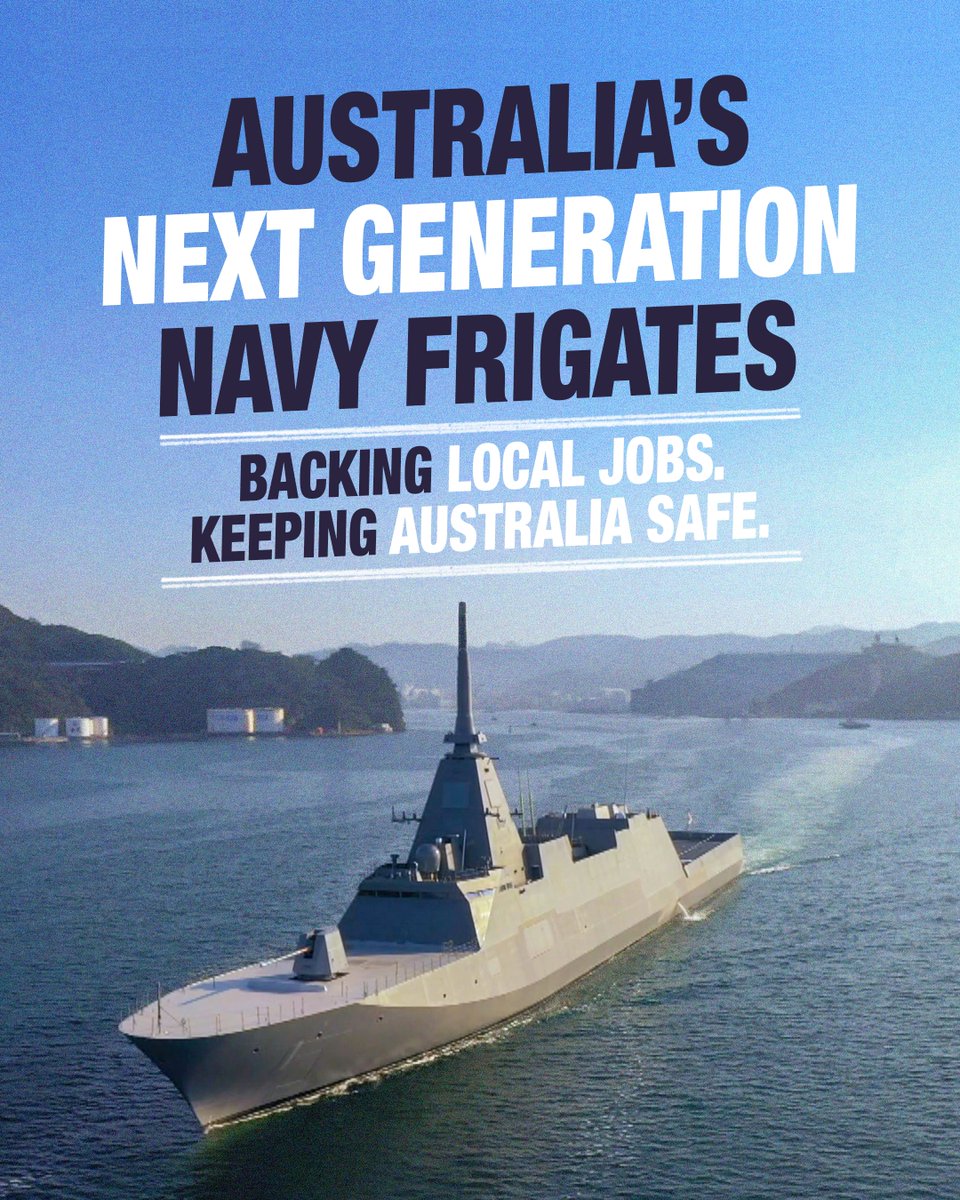
Here in Canberra the race is on for a decision on the SEA 3000 Frigate: A Morgami-class vessel built by Mitsubishi perhaps (as this ad in the Canberra airport intimates) #RAN #SEA3000 #Mogami #Mitsubishi

#SEA3000: Japan’s Mainichi🇯🇵 reports, citing The Australian, that Australia is set to choose a partner for its next-gen general-purpose frigate program within days and MHI’s upgraded Mogami-class is seen as the frontrunner, ahead of Germany’s MEKO A200: https://t.co/pG8mBe8Ylp.
■translation
Australia to Decide on Partner for New Naval Vessel Development Within Days—Japan Considered Frontrunner: Local Media
August 4 (Monday), 13:13
Australia’s leading newspaper The Australian reported on the 4th that the Australian government is expected to decide within a few days on a partner country for the joint development of a new class of general-purpose frigates for the Royal Australian Navy, in a program worth up to 10 billion Australian dollars (approximately 950 billion yen). Japan and Germany have been shortlisted, with some viewing Japan as the frontrunner.
Australia is advancing a plan to introduce 11 new frigates to replace its aging fleet, with China’s maritime expansion in mind. In November last year, the government narrowed the final candidates down to Japan and Germany, announcing that a decision would be made within 2025.
Japan has proposed a joint development based on the JMSDF's latest Mogami-class frigate (designated “FFM”), developed by Mitsubishi Heavy Industries. A key feature is that it requires only about 90 crew members—roughly half the number needed for conventional ships. Its design is also optimised for interoperability with vessels of the United States, which is one of Australia’s allies.
On the other hand, Germany has proposed the MEKO A200 developed by ThyssenKrupp Marine Systems. The German proposal is noted for its cost-effectiveness compared to Japan’s and its high compatibility with existing combat systems.
The Guardian Australia reported, citing multiple defence industry sources, that Japan’s proposal is being favorably considered for its more modern design. The article also noted that, following Japan’s loss to France in the 2016 Australian submarine contract bid, “there is a sentiment within the Australian government not to disappoint Japan—considered a quasi-ally—again.”

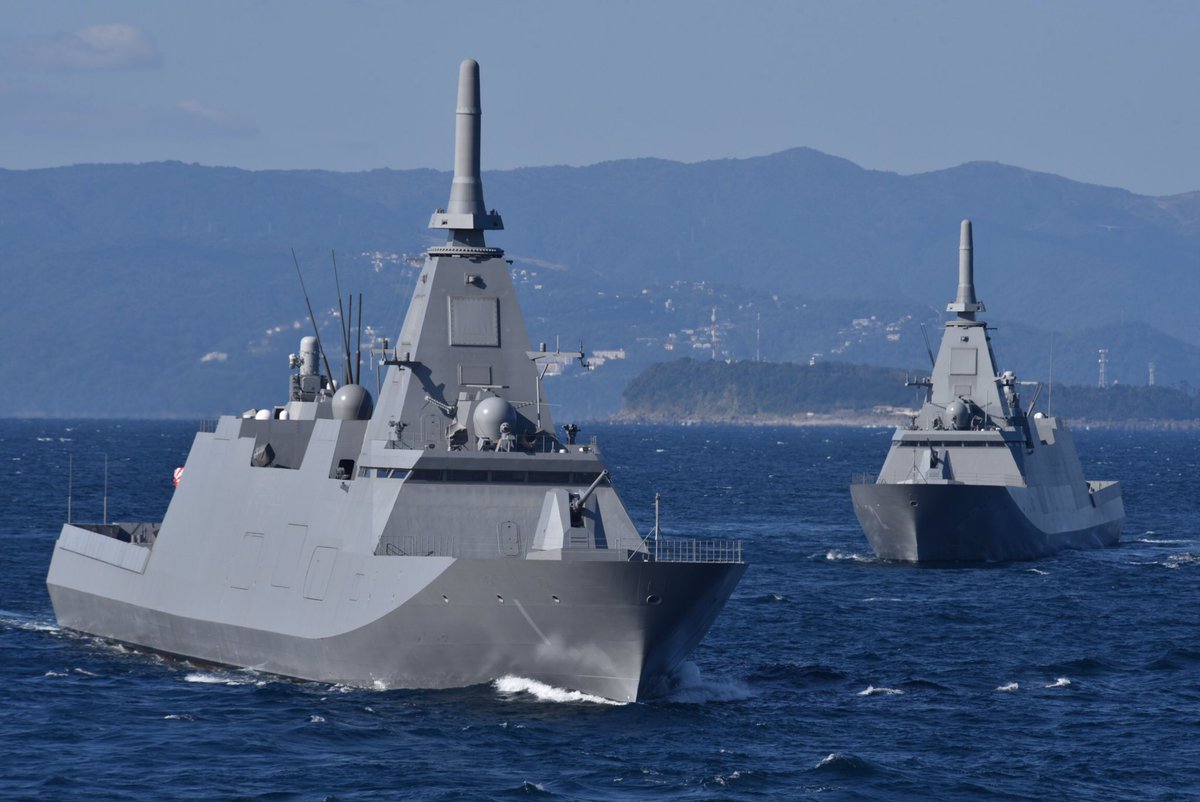
For the Mogami naysayers who claim the VLS equipped version is years away and risky. #SEA3000

Japanese shipbuilder MHI held a delivery ceremony and a “self-defense ship flag raising ceremony” today for the Yubetsu (ゆうべつ). The event means the ship, the eighth Mogami-class FFM, was officially commissioned with the JMSDF 🇯🇵
By @TakahashiKosuke
https://t.co/5kcJQPTGuN
🇯🇵DM Nakatani, speaking after the Shangri-La Dialogue, confirmed talks with 🇦🇺Australian DM Marles on defence tech cooperation, stressing Japan’s pitch for the #SEA3000 frigate/#GCAP was not discussed: https://t.co/WWEGhL897D (translation below)
[Translation]
Reporter: I have a question regarding the Japan–Australia Defence Ministers’ meeting. Japan is aiming to participate in the joint development of the new class of ships that the Australian government plans to introduce. During the meeting, what specific efforts were made to promote the security-related merits or incentives of adopting the Japanese proposal? As Japan and Germany have made it to the final round of selection, and a decision is expected within the year, how does Japan intend to continue appealing to Australia for an early decision, based on today’s meeting?
DM Nakatani: What I explained was that Japan and Australia not only share fundamental values but also strategic security interests, and that we are special strategic partners in the Indo-Pacific region. Regarding Australia’s future general-purpose frigate procurement project, I explained that if Japan’s enhanced version of the Mogami-class escort ship is adopted, it will further improve interoperability between the Self-Defense Forces and the Australian Defence Force, offering significant strategic value for both countries.
I emphasized that if equipment is standardized, operational cooperation would be strengthened, as both sides would possess the same systems and technologies, and could also share maintenance and logistical infrastructure. This would result in substantial operational advantages.
During this meeting, I conveyed that Japan attaches great importance to this matter and is working on it seriously.
Please understand that I cannot go into further detail due to considerations regarding the counterpart. However, Japan, together with relevant companies and ministries, will continue to work with a whole-of-government and industry approach to ensure final selection.
Reporter: Let me ask another question about the Japan–Australia Defence Ministers’ meeting. At the outset, it was stated that the two sides agreed to expand cooperation in defence equipment. There have also been reports that Japan, the UK, and Italy are considering exporting their jointly developed next-generation fighter to Australia. Was this topic raised during today’s meeting, and what is your view on the current state of consultations?
DM Nakatani: There was no discussion regarding GCAP during this meeting.
DM Nakatani held a 🇯🇵🇦🇺 Defense Ministerial Meeting with Richard Marles MP, Deputy Prime Minister and Minister for @DefenceAust @RichardMarlesMP at SLD on June 1. At the meeting, they confirmed further deepening cooperation in various areas.🇯🇵🇦🇺 #Australia

2nd Government-Industry Joint Committee for the Promotion for #Australia ’s Next General Purpose Frigate program was held on Apr 10. Under the #OneTeam approach, we will continue our best effort toward final selection!
#FFM #Mogami #Sea3000
Last Seen Hashtags on Sotwe
climatechange
Seen from United States
momson()***+filter:native_video
Seen from Australia
偷拍
Seen from Korea
立ちション
Seen from Japan
nolimit(()) filter:videos
Seen from Poland
سكس_سوداني
Gaylongtongue
filmphotography
Seen from United States
BinetaSY
Seen from United States
HOTROTATION
Seen from United States
Most Popular Users

Elon Musk 
@elonmusk
241.1M followers

Barack Obama
@barackobama
119.1M followers

Cristiano Ronaldo
@cristiano
112.5M followers

Donald J. Trump
@realdonaldtrump
111.8M followers

Narendra Modi
@narendramodi
107.1M followers

Rihanna
@rihanna
98.2M followers

NASA
@nasa
92.2M followers

Justin Bieber
@justinbieber
91.4M followers

KATY PERRY
@katyperry
88.8M followers

Taylor Swift
@taylorswift13
82.7M followers

Lady Gaga
@ladygaga
74.2M followers

Virat Kohli
@imvkohli
71.6M followers

Kim Kardashian
@kimkardashian
70.3M followers

YouTube
@youtube
68.7M followers

Neymar Jr
@neymarjr
64.5M followers

Bill Gates
@billgates
64.5M followers

The Ellen Show
@theellenshow
62.4M followers

Selena Gomez
@selenagomez
61.9M followers

CNN
@cnn
61.8M followers

X
@x
60.8M followers