

Top Tweets for #TextCriticTuesday

#TextCriticTuesday Francisco Ximenes de Cisneros (1436–1517): As archbishop of Toledo, he organized and funded the publication of the Complutensian Polyglot. The first printed polyglot of the entire Bible, it featured parallel columns of Hebrew, Latin, Greek, and Aramaic text.

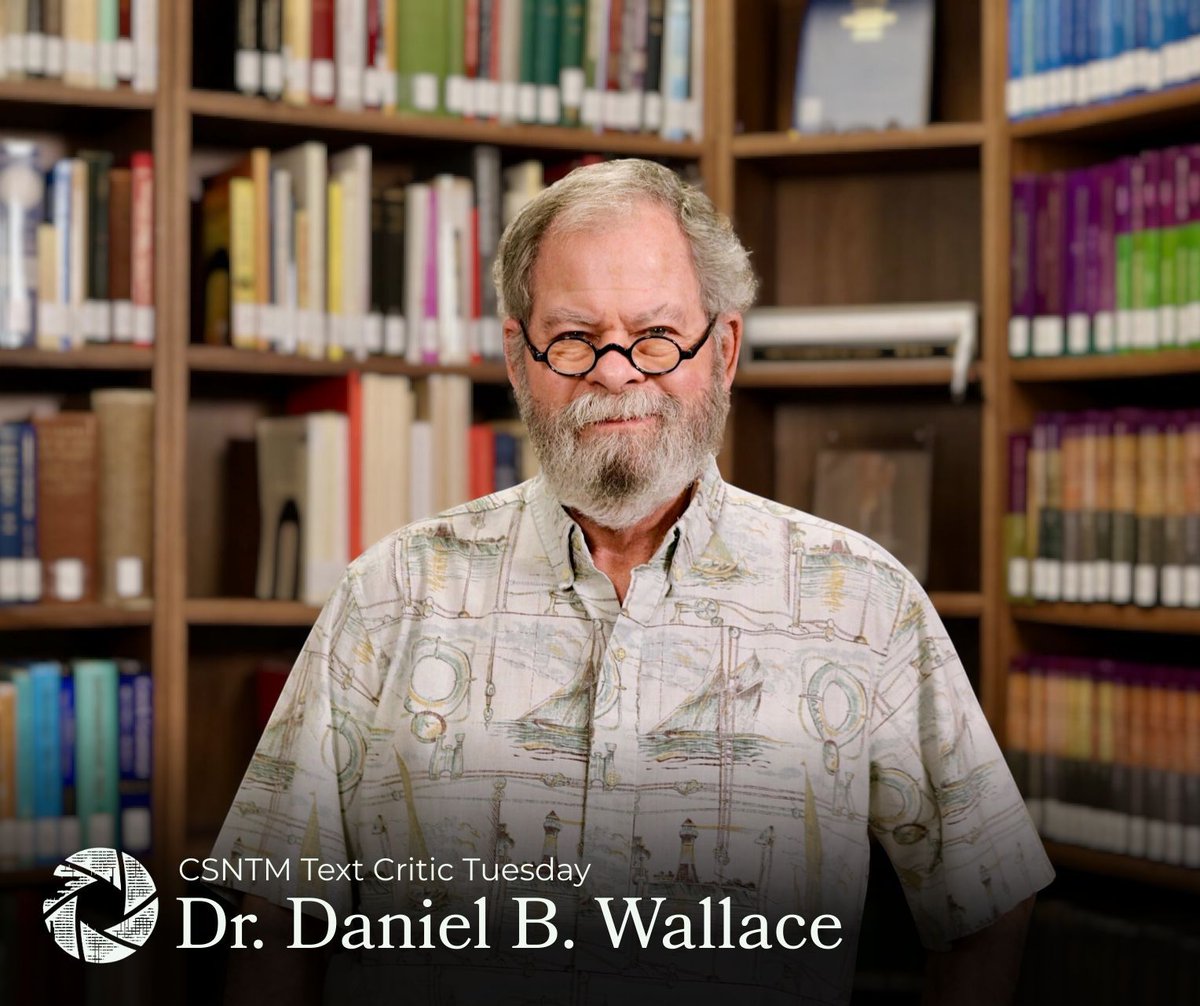
#TextCriticTuesday CSNTM’s very own Dr. Daniel B. Wallace is a leading New Testament scholar and the Founder and Executive Director of The Center for the Study of New Testament Manuscripts (CSNTM). His work has focused on preserving and studying the earliest Greek New Testament manuscripts, with CSNTM digitizing manuscripts across four continents and discovering more manuscripts than any other institute in the 21st century. As Senior Research Professor Emeritus at Dallas Theological Seminary, Dr. Wallace has trained generations of scholars and authored Greek Grammar Beyond the Basics, the standard advanced Greek grammar used in the English-speaking world. Through manuscript discovery, digital preservation, and scholarship, his work continues to shape how the New Testament text is studied today.
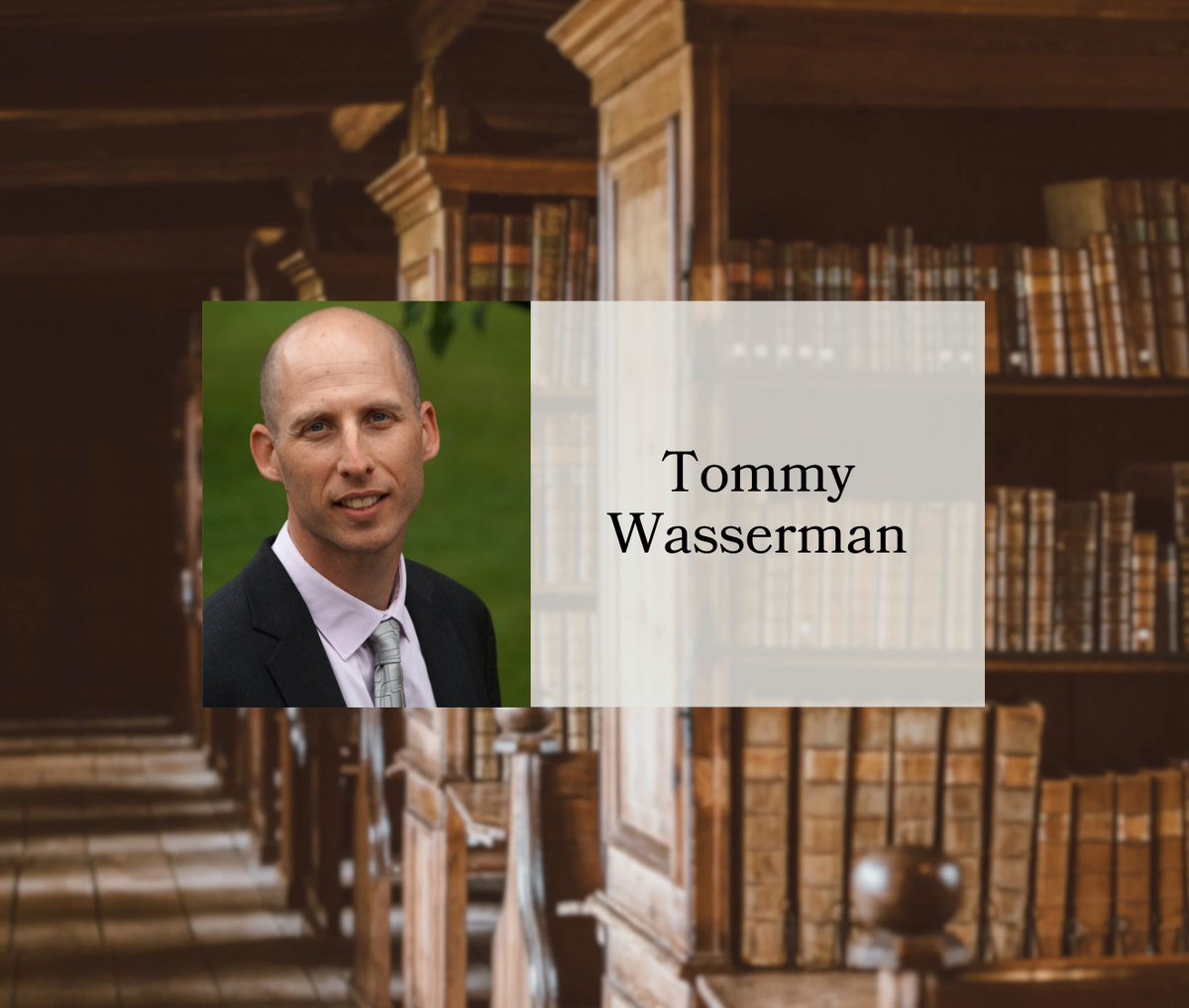
#TextCriticTuesday Dr. Tommy Wasserman serves as Professor of New Testament at ALT School of Theology (Sweden) and Professor of Biblical Studies at Ansgar University College (Norway). As Secretary of the International Greek New Testament Project and a CSNTM board member, he’s a leading voice in New Testament textual criticism, focusing on scribal practices, manuscript transmission, and the history of the text. His works include A New Approach to Textual Criticism (with Peter Gurry) and To Cast the First Stone (with Jennifer Knust).
#TextCriticTuesday Today we’re highlighting Dr. Peter M. Head, a New Testament scholar known for his extensive work on papyri and scribal practices at the University of Oxford.
Dr. Head has published influential studies on early New Testament papyri such as P45, P46, P66, and P75, examining how scribes copied and corrected their texts. His research explores scribal habits, textual variants, and the physical features of manuscripts, and has greatly contributed to our understanding of how the New Testament was transmitted in its earliest centuries.

#TextCriticTuesday Eberhard Nestle (1851–1913): His 1898 edition of the Greek text superseded the Textus Receptus as the primary text used in church and school after nearly 400 years. His work became foundational for many of the important developments in textual criticism throughout the 20th century.
#CSNTM #NewTestament #TextualCriticism #NTTC #Bible #Manuscripts #Digitization #PreservingHistory

#TextCriticTuesday Hermann von Soden (1852–1914) was a German New Testament scholar who developed a thorough — and famously complex — system for classifying Greek manuscripts, especially those within the Byzantine tradition. While his system has largely been replaced by the Gregory-Aland numbering used today, his work laid important groundwork for modern textual criticism.
#CSNTM #NewTestament #TextualCriticism #NTTC #Bible #Manuscripts #Digitization #PreservingHistory

#TextCriticTuesday Caspar René Gregory (1846–1917), who started the manuscript cataloguing system used today (the GA system), enlisted in the German army for WWI at 67 & died in a field hospital. Among his many valuable works is the 3 vol. "Textkritik des Neuen Testamentes."


#TextCriticTuesday Johann Jakob Griesbach (1745-1812) articulated and defined many of the foundational principles of modern textual criticism. Among his many contributions to the field, he also studied various versions of the New Testament and quotations from the Fathers.
#CSNTM #NewTestament #TextualCriticism #NTTC #Bible #Manuscripts #Digitization #PreservingHistory

#TextCriticTuesday The classics scholar of Trinity College at Cambridge, Richard Bentley (1662–1742) ambitiously aimed to compile an edition of the Greek New Testament to be the "Magna Carta to the whole Christian church” by comparing the oldest Greek manuscripts to the Vulgate. Though he never finished, Bentley compiled data from many important manuscripts.
#CSNTM #NewTestament #TextualCriticism #NTTC #Bible #Manuscripts #Digitization #PreservingHistory

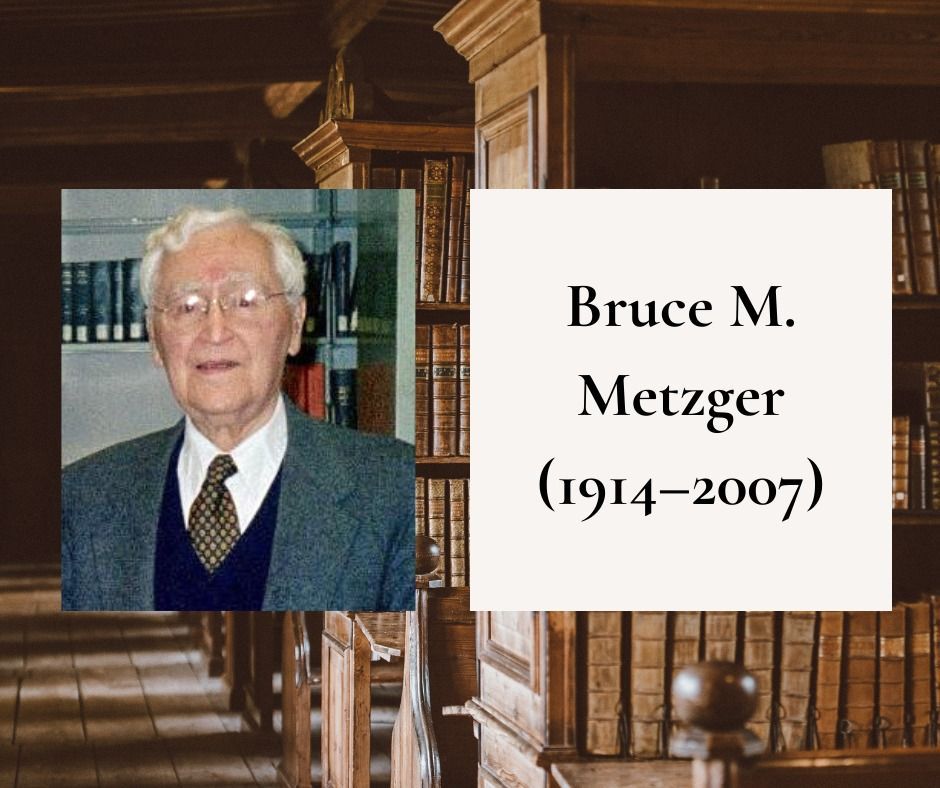
#TextCriticTuesday Arguably one of the greatest textual critics of the New Testament in the 20th century, Dr. Bruce M. Metzger made numerous major contributions to the field, including serving as an editor of the United Bible Society’s Greek New Testament.
#CSNTM #NewTestament #TextualCriticism #NTTC #Bible #Manuscripts #Digitization #PreservingHistory
#TextCriticTuesday With the support of the King of Denmark, Andreas Birch (1758–1829) examined over 100 New Testament manuscripts across Italy and Germany (1781–1783). This massive undertaking laid the groundwork for his important 1788 critical edition of the Gospels.

#TextCriticTuesday In 1808, German Roman Catholic scholar Johann Leonhard Hug (1765–1846) published his—since discredited—theory about the “Western” text type. He argued that it formed in the mid-3rd century as a result of the gradual corruption of existing New Testament types.

#TextCriticTuesday Johann Jakob Wettstein (1693–1754): In his two-volume edition, he more than doubled the number of manuscripts ever before cited. He is also responsible for developing some helpful TC tools, including the precursor to the modern system of naming manuscripts.

#textcritictuesday Francisco Ximenes de Cisneros (1436–1517): As archbishop of Toledo, he organized and funded the publication of the Complutensian Polyglot. The first printed polyglot of the entire Bible, it featured parallel columns of Hebrew, Latin, Greek, and Aramaic text.

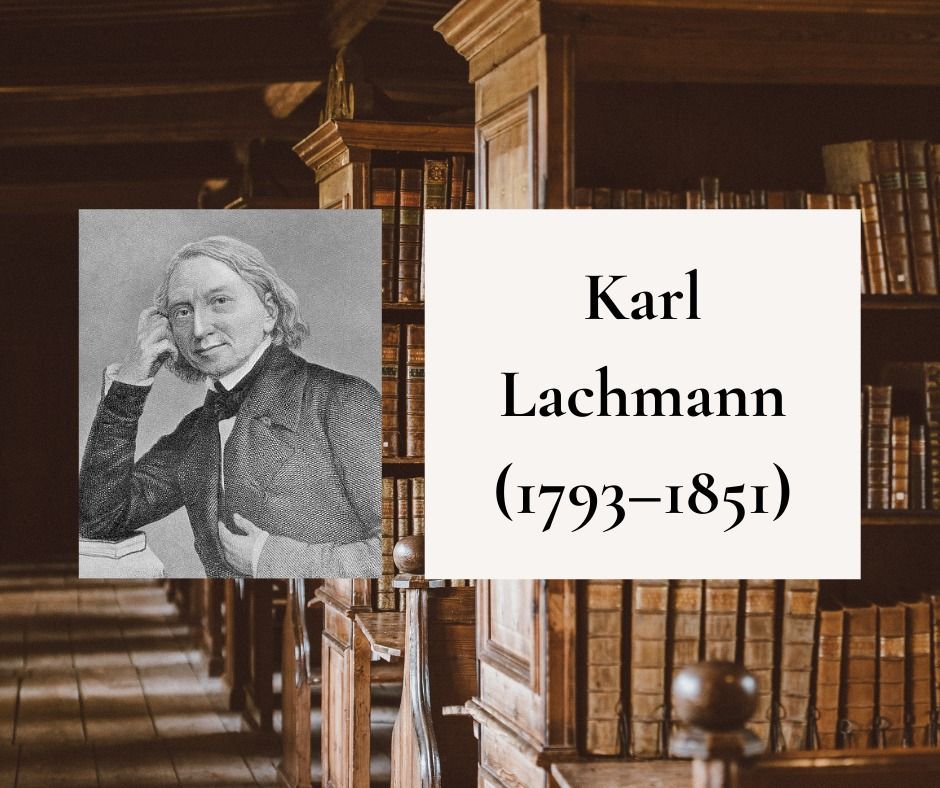
#textcritictuesday Karl Lachmann (1793-1851), famous for his work in classical philology, edited an edition of the New Testament that deviated from the dominant Textus Receptus, a first for its time.
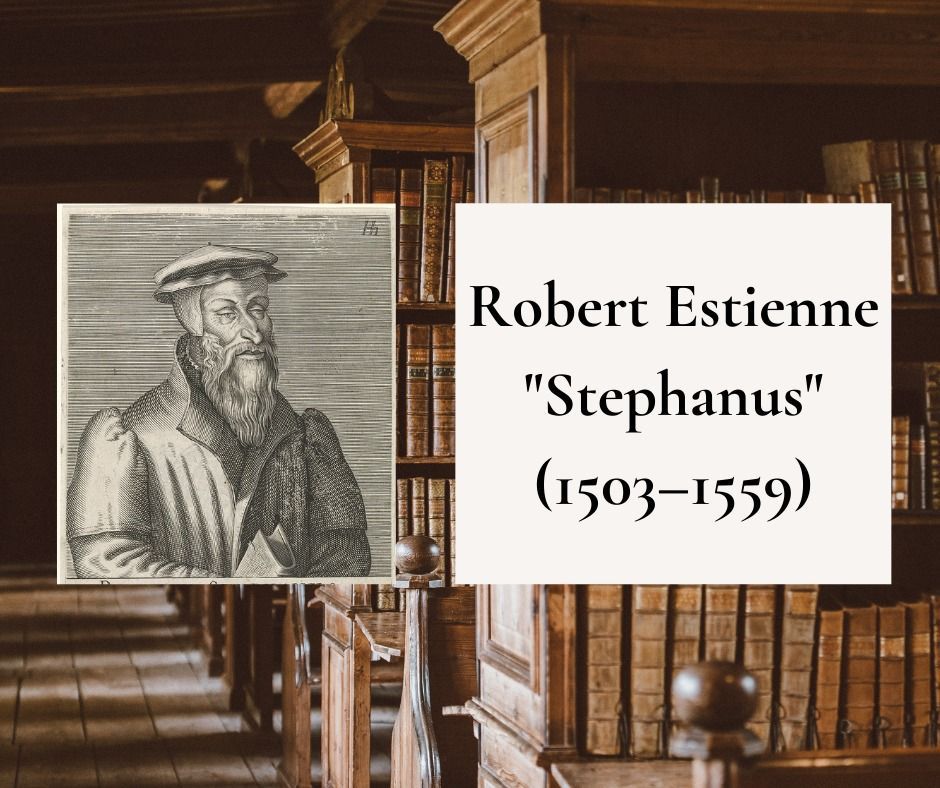
#textcritictuesday Robert Estienne (1503-59), best known by his Latin name Stephanus, published four Greek editions of the New Testament. His third edition, published in 1551, is best known as the first edition to include verse numbers.
#textcritictuesday Eusebius of Caesarea (ca. 265-339 CE) invented an ingenious system for helping one find parallel passages in the gospels.

#TextCriticTuesday We return to the highly influential text critic Constantin von Tischendorf (1815–74). Infused with passion from Winer who influenced him at Leipzig, a young Tischendorf analyzed the palimpsest Codex Ephraemi and other MSS at the Bibliothèque Nationale in Paris.

#TextCriticTuesday Bernhard Weiss was a New Testament exegete and professor who edited his own edition of the Greek New Testament on the basis of appropriate meaning in context (what text critics today call intrinsic probability).

#TextCriticTuesday Text Critic Tuesday: John Mill (1645–1707) spent 30 years completing his critical edition, consulting some 100 manuscripts. The resulting apparatus notes 30,000 textual variants. Sadly, Mill died less than 2 weeks after publication.

Last Seen Hashtags on Sotwe
Trends for you
Most Popular Users

Elon Musk 
@elonmusk
240.2M followers

Barack Obama
@barackobama
119.3M followers

Donald J. Trump
@realdonaldtrump
111.6M followers

Cristiano Ronaldo
@cristiano
109.5M followers

Narendra Modi
@narendramodi
106.9M followers

Rihanna
@rihanna
97.4M followers

NASA
@nasa
92.1M followers

Justin Bieber
@justinbieber
90.7M followers

KATY PERRY
@katyperry
87.1M followers

Taylor Swift
@taylorswift13
80.9M followers

Lady Gaga
@ladygaga
72.5M followers

Kim Kardashian
@kimkardashian
69.5M followers

Virat Kohli
@imvkohli
69M followers

YouTube
@youtube
68.6M followers

Bill Gates
@billgates
63.5M followers

The Ellen Show
@theellenshow
62.5M followers

CNN
@cnn
61.9M followers

Neymar Jr
@neymarjr
61.6M followers

X
@x
60.9M followers

Selena Gomez
@selenagomez
60.2M followers