

Top Tweets for #Urticae

Efficacy of Predators Against Spider Mite Tetranychus urticae https://t.co/wGfDfkuyKZ #ije #ESI #india #indianentomology #entosocindia #entomologicalsocietyofindia #Society #Researcharticle #insect #Spider #Mite #Tetranychus #urticae #tomato #pumpkin #Phytoseiulus

The #psyllid #Trioza #urticae is tied to a specific group of #hostplants. They are sometimes perceived by other #insects in shades of #gray and can harbor #plantpathogenic #bacteria. Enemies are predatory insects, like lady beetles.
Depending on the predator taxon, the prey is #perceived differently in terms of its #color. The #wavelengths that insects can perceive begin with the UV spectrum and extend below the color red. Therefore, as a small #artistic project, I have presented a specimen in the color that our vertebrate eyes can perceive, a further specimen in which the #reddish parts that are not visible to insects are highlighted, and a third specimen in shades of gray, as it is at least partially seen by various insect predator species.
Trioza urticae (#Sternorrhyncha, #Hemiptera) is #hostspecific for stinging nettles (#Urticaceae). The adults overwinter (at least in Central Europe). The nymphs that hatched after mating in the following year induce #galls to their host plant, in which they develop and which cause the leaves to curl and bend, thereby interfering with the growth of the nettle shoots.
#Jumpingplantlice can harbor and spread plant pathogenic #microorganisms. Psyllid species spread the bacterium #Candidatus #Liberibacter #solanacearum as an important plant pathogen native to North America that there infects apiaceous and solanaceous #crops. However, the bacterium could already be found in Finland in the form of the so-called #haplotype U on Trioza urticae and U. dioica. The authors M. J. Sjölund et al. (2018) provided the first evidence for the bacterium CLso in Trioza urticae in #Germany. It was found with an unknown haplotype on a T. urticae specimen from a population near the city Quedlinburg (Saxony-Anhalt, Germany).
Now I would like to return to the #colorimpression that predators and other insects in general get from T. urticae. This is difficult to define in detail and across insects, as the preferred #colorspectrum can vary from species to species, depending on the ecology, morphology and physiology. The authors Bo-Mi Song & Chi-Hon Lee (2018) dealt with the general “Mechanistic Understanding of #ColorVision in Insects”. Their studies showed at least one commonality in insects, namely that insects have an #oppositionbased processing for “#truecolorvision”. Thus this affects insects as well as vertebrates. Ecology, physiology and eye morphology initially play no role on that general level.
© StefanFWirth Berlin
Sources :
M. J. Sjölund et al. (2018):
https://t.co/8aREDmEjYx
Bo-Mi Song & Chi-Hon Lee (2018):
https://t.co/9qWYBh2vN6


#Sternorrhyncha (#Hemiptera) is a clade that includes (hopping) #plantlice, white flies, scale insects and aphids. Most species are phloem sucking #plant #parasites. Shown here is the plant louse #Trioza #urticae using #stinging #nettles as plant host.
Plant #pests are not freaks of nature or plagues created by supernatural beings to punish humanity for its sins. Plant parasites are the result of #evolution and under favorable circumstances can have a positive #regulating effect on the #population density of their #hosts. In addition, plant parasites can themselves be hosts to various #parasitoids. Their existence is therefore closely linked to #interactions with other #species. In this way they contribute to the preservation of #biodiversity.
Plant lice form the clade #Psylloidea. The group is characterized by jumps that can usually be performed with the hind legs and e.g. by their nymphs having a specific order of pore openings for #waxglands. Some species can produce plant #galls.
Trioza urticae is found on stinging nettles. My macro photo shows an adult individual on #Urtica #dioica in an #urban #park in #Berlin. The species can produce up to four generations per year in Central Europe, but is otherwise also distributed in Asia and North Africa.
Trioza urticae is #hostspecific for stinging nettles (#Urticaceae). The adults overwinter (at least in Central Europe). The nymphs that hatched after mating in the following year induce galls to their #hostplant, in which they develop and which cause the leaves to curl and bend, thereby interfering with the growth of the nettle shoots.
Possible parasitoids for Psylloidea are gall midges (#Cecidomyiidae), parasitoid #Hymenoptera and e.g. the entomopathogenic #fungus Entomophthora sphaerosperma (#Entomophthoromycota). Not to forget the natural #predators of the Psylloidea such as ladyeetles, heteropteran bugs or spiders/arachnids. The specific parasitoids of Trioza urticae are not known to me.
© Stefan F. Wirth June 2023 Berlin park Rehberge urbannature parasitism hostspecificy


"A wild SPIDER MITE appeared!" and what to do about it, #Tetranychus #urticae
https://t.co/MdqwCcugYh


¿Habéis visto el nuevo filtro de Instagram @bethesda_ESP? 😍
Las creadores son @jenherranz y #Urticae.

😈 ¡Celebramos el lanzamiento de #GatesofOblivion con este increíble filtro de Instagram que os convertirá temporalmente en daedra! 😈
Probadlo a través de nuestro perfil utilizando el móvil 📲 https://t.co/ns71PeIXa1
Creadoras: @jenherranz y #Urticae.
😈 ¡Celebramos el lanzamiento de #GatesofOblivion con este increíble filtro de Instagram que os convertirá temporalmente en daedra! 😈
Probadlo a través de nuestro perfil utilizando el móvil 📲 https://t.co/ns71PeIXa1
Creadoras: @jenherranz y #Urticae.

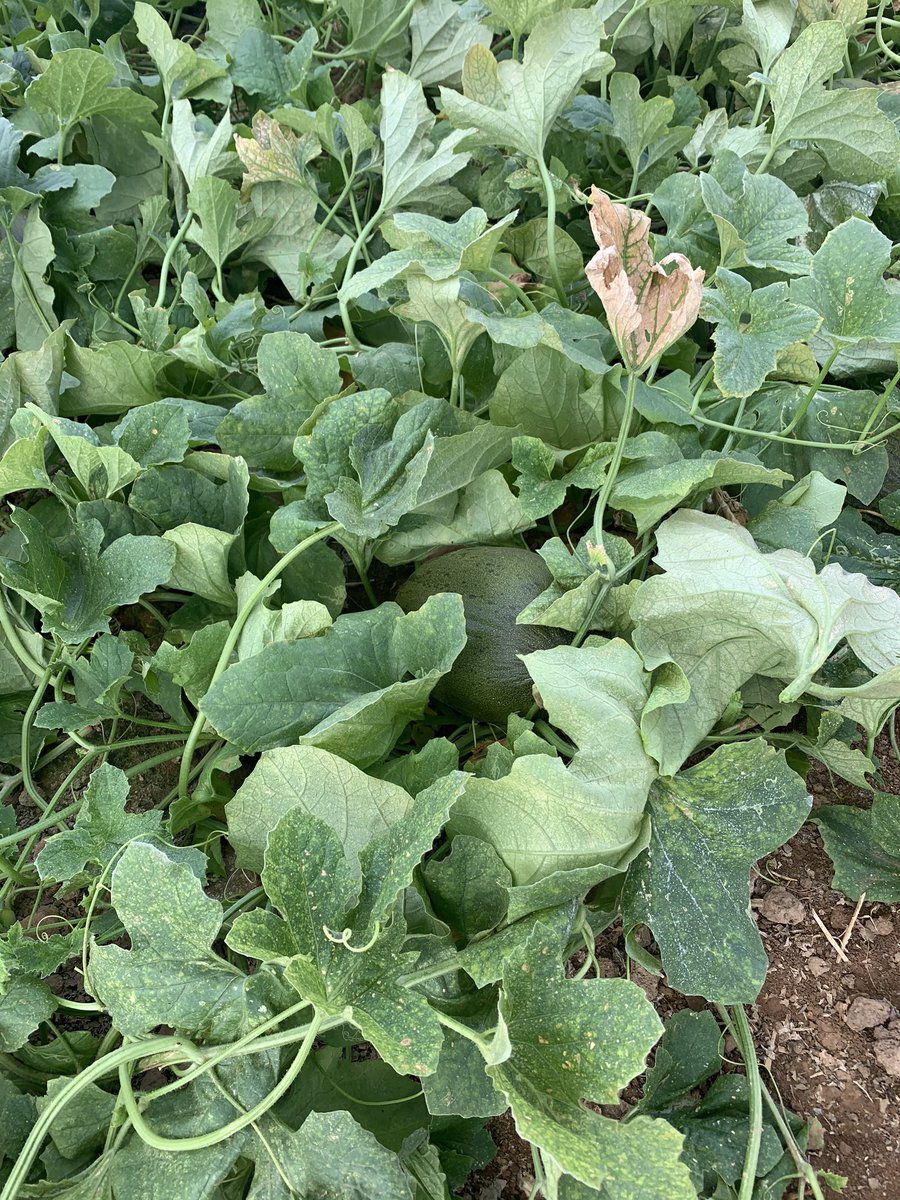
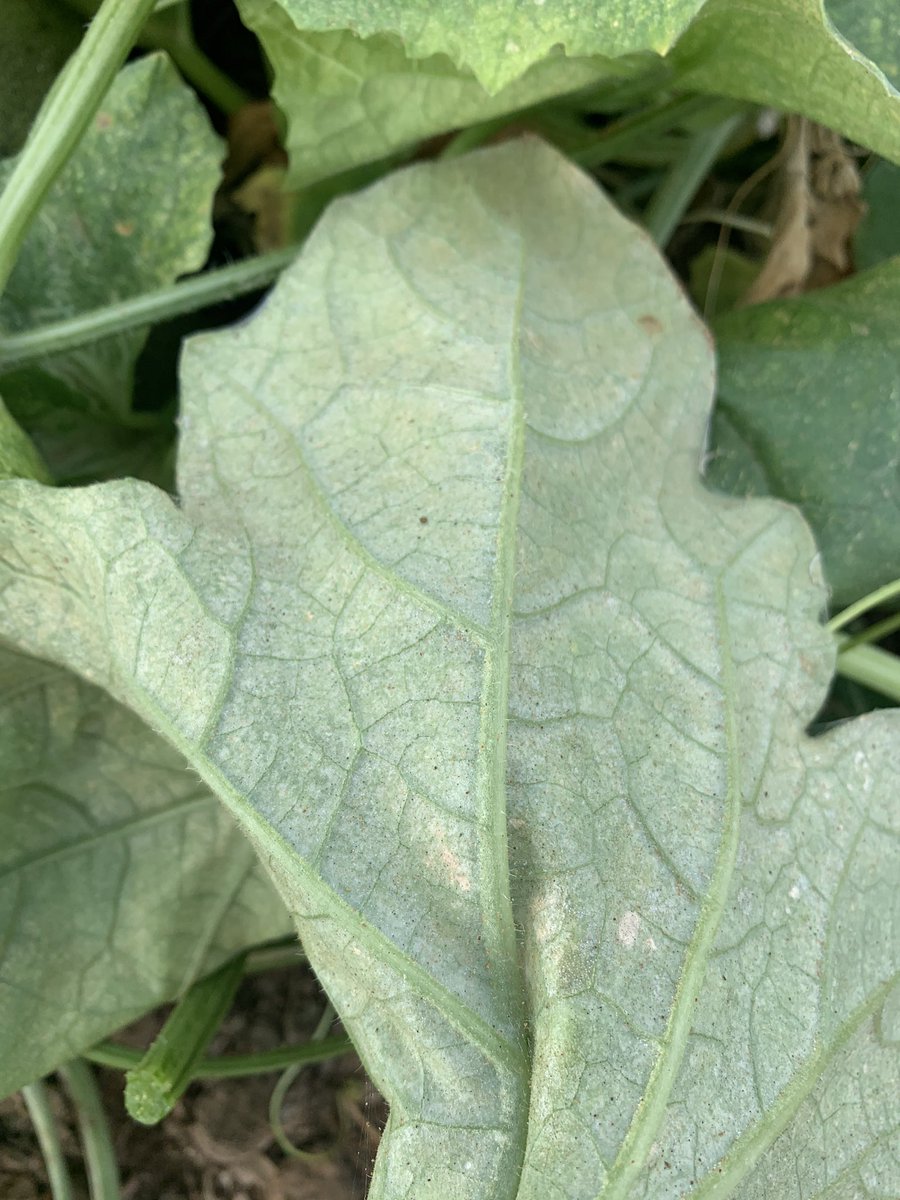
Con la subida de temperaturas ya se están viendo grandes daños de #tetranychus #urticae en #melon de #invernadero
Una plaga bastante problemática si no se toman las medidas necesarias...
#melon #plaga #plagas #agriculture #agricultura #agricultura_covid19 #AgriculturaFamiliar


Y en #ciencias utilizamos muchísimos nombres #científicos en #latín como #viridis=verde, #megacephala=cabeza grande,#bipunctata=2puntos,#cyanea=azul,#urticae=urticante...El #latin es #LenguaViva!#latinismos #4ºESO @proyectocartama @RaquelCartima @CarmenBalleste @auro_carretero

Mucha gente cree que el latín ya es una lengua muerta, pero no es así, hoy en día segumos usando el latín en nuestro día a día, ¿y cómo es eso?
Con los latinismos, es decir, palabras de origen latino y que se siguen diciendo igual o muy parecido.

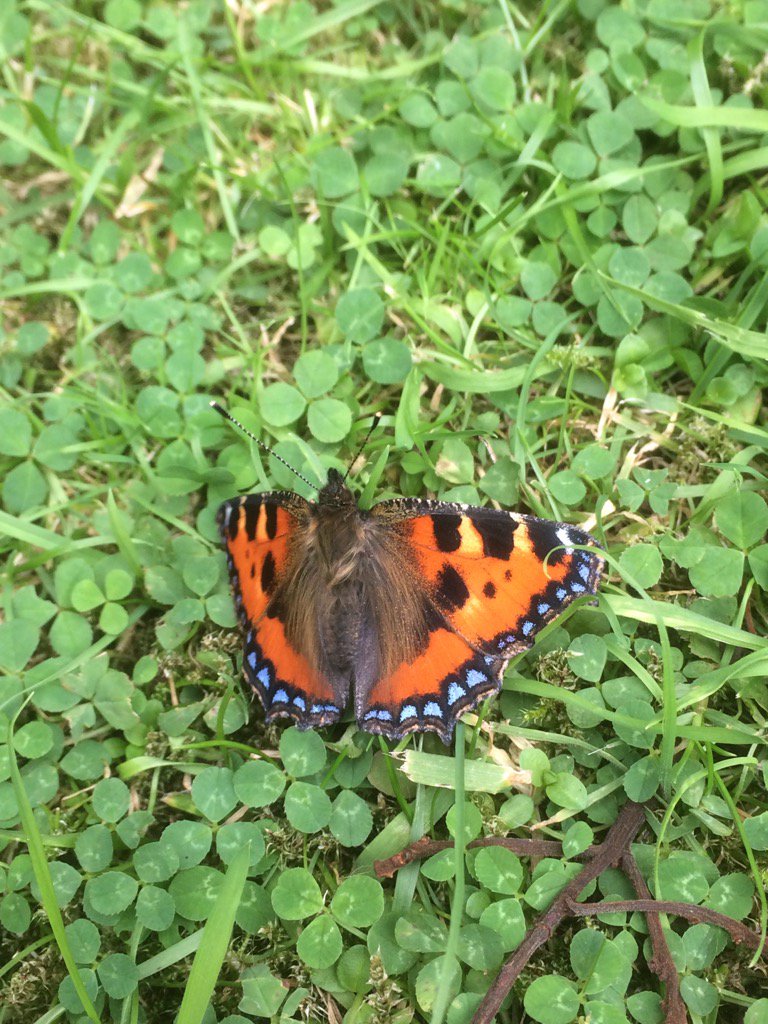

Small Tortoiseshell butterfly at Bluebell Community Garden! #nature #photography #macro #Nymphalidae #Aglais #Urticae


"@AnndeLauren: #Aglais #Urticae on #Potentilla #Fruticosa #Princess in the Garden http://t.co/pQn055sV1Q"
Last Seen Hashtags on Sotwe
ass()
Seen from Norway
gaywerewolves
Seen from Poland
bubblebutt
Seen from Bahrain
mom() daughter
Seen from Spain
นครสวรรค์นัดเย็ด
Seen from Thailand
ProuD_NGH
Seen from United States
minichat filter:videos
Seen from Turkey
latinagoddess
Seen from Turkey
ipicam()********************************************* +filter:videos
รับงานสงขลา
Seen from Thailand
Trends for you
Most Popular Users

Elon Musk 
@elonmusk
241.7M followers

Barack Obama
@barackobama
119M followers

Cristiano Ronaldo
@cristiano
114.4M followers

Donald J. Trump
@realdonaldtrump
111.9M followers

Narendra Modi
@narendramodi
107.2M followers

Rihanna
@rihanna
98.7M followers

NASA
@nasa
92.4M followers

Justin Bieber
@justinbieber
91.8M followers

KATY PERRY
@katyperry
90M followers

Taylor Swift
@taylorswift13
83.9M followers

Lady Gaga
@ladygaga
75.4M followers

Virat Kohli
@imvkohli
73.3M followers

Kim Kardashian
@kimkardashian
70.9M followers

YouTube
@youtube
68.8M followers

Neymar Jr
@neymarjr
66.4M followers

Bill Gates
@billgates
65.2M followers

Selena Gomez
@selenagomez
63M followers

The Ellen Show
@theellenshow
62.3M followers

CNN
@cnn
61.8M followers

X
@x
60.7M followers