

Top Tweets for #WriteNotes

SELL BOOKS? OR SELL BOOKS TO READERS? | #WriteNotes
I was in a sales strategy meeting for my books when a suggestion came up: target corporates to buy in bulk for gifting or internal distribution. Nothing innovative about this. I do move significant numbers through institutional sales, as do some other authors.
I sell books. How is it different from selling books to readers?
When books are sold in bulk, they are usually given away to people without checking on their reading preferences. Do they have any interest in books at all? And if yes, what kind?
There is thus a likelihood that hundreds or thousands of my books are owned by those who have scant interest in reading them. They just lie around. Look around; you might have some books at home that were handed over to you, ones you don’t care about. What’s the joy to the author in such cases?
I WANT MY BOOKS TO GO TO READERS
While bulk sales are good for my finances, they may not do much for my author branding. One builds a reputation as a writer when their books sell in high quantities, but largely to those who intend reading them. Which means you need to find one buyer at a time, and many of them cumulatively. Not just a few bulk buyers who then give away your books to many.
Only when the market is abuzz with individual sales of your books will word-of-mouth kick in – and there will be a cascading effect as more customers seek you out. Of course, the product has to have merit to it.
THUS FIND ME ONE CUSTOMER AT A TIME
This is what I told my team: keep the corporate sales going to pay the bills, but build a strategy to find individual customers. The reception I get from them will be the true barometer of the success of my books, and my ability and reputation as an author.
This is a tougher approach, but then I have to decide: Do I want to sell my books? Or do I want to sell my books to readers?
P.S. Many a publisher and their authors get books out knowing they will be able to make bulk sales through their networks. On paper, they are bestsellers with thousands of books sold. But the same titles might gather dust in bookstores – because readers are not talking about them. If it is only about making money, the authors and their publishers will not be concerned where the books land up. But if the intent is to be recognized for one’s literary credentials, then you need genuine readers to be the judge of it.

SELF PUBLISHING VS TRADITIONAL PUBLISHING PART 8 | #WriteNotes
You don’t want to self publish. Even if you do, you cannot store a thousand books. And you are not getting a deal with a big publisher. What do you do?
CANNOT GET A PENGUIN OR HARPERCOLLINS TO PUBLISH? THERE ARE OTHERS TOO.
Don’t be besotted by the big names. There are other international and local publishers of repute, even if they are smaller in size. Beyond the top, say, 15 there is a long tail of lesser publishers you may not have heard of.
This is what I would suggest: if you cannot get the big ones, go for a small or independent one. It is still better than self publishing. You will have professionals handling your manuscript, and do what you otherwise have done yourself. They will make the investment too. Once the book is out, you take over the marketing. Let them handle distribution while you focus on acquiring customers.
PRINT ON DEMAND AND A LA CARTE PUBLISHING
There is a new category of publisher in town, and their number is going up by the day. They will offer you a gamut of services, and you pay for what you need. Their model also provisions for any number of books to be printed at a time: from one to thousands (the cost per unit varying accordingly).
You do not have to invest in inventory. Keep a few copies handy, and print when there are willing customers. It is called print on demand.
A warning though: most of these operators provide low quality of service, and are out there just to cash into the current trend in people aspiring to be authors.
BIG PUBLISHERS WILL ACCEPT YOUR BOOK – IF YOU ASSURE A BUYBACK.
This is the best kept secret in town. Most publishers – including the big ones – will agree to publish any book provided the author agrees to buy a certain number of copies. It can be a win-win.
The publisher recovers their investment upfront.
Your book sports a reputed imprint. Because the publisher’s reputation matters too, they will ensure high quality editing, design and printing. They will also send the book out across all their distribution channels. And pay you royalty on all sales beyond the ones you bought upfront. The best part? Almost no one, including trade professionals, know the difference between books published through conventional contracts and via this program. If it is a big publisher, you can be assured of getting a fair deal.
SELF PUBLISH – AND THEN SELL TO A PUBLISHER
There are instances of a self published author popularising their book, and then finding a traditional publisher to take up rights. Even if the book has not sold big, it may be a case of delayed discovery of your work. And this has worked for very popular names out there – like Amish Tripathi.

SELF PUBLISHING VS TRADITIONAL PUBLISHING PART 5 | #WriteNotes
No matter who has published your book, you have to be willing to don the hat of a marketeer. Sorry, but that’s the reality of the times we live in, whether you like it or not. In earlier times, getting a book published was a challenge. While this process has eased, selling in a cluttered, distracted market is the mountain to climb.
The problem is most of us have little idea what this entails. If you go with a publisher who have a marketing department, they may not do much for you but they can provide you guidance at least, and point you to resources and vendors who may assist you. If you are the publisher yourself, you are likely to enter a dark room, fumbling and falling looking for the light switches. You will learn, but it may come at both an actual cost and an opportunity cost.
WHAT CAN YOU DO FOR MARKETING?
While it is a vast subject in itself, here is a list of things that you can consider – you need to dive deeper to develop further understanding:
1. Social media presence – work on it from before the book comes out.
2. Public relations – get covered by newspapers, magazines, web portals, and influencers. Not easy, as media has been cutting back on book review sections and they have their own criteria for who to feature.
3. Build a mailing list – it still works!
4. Build a WhatsApp broadcast list.
5. Events – seek out every opportunity to speak at events, relevant groupings, book clubs etc. Nothing beats face-to-face interactions, even if they are hard work.
6. Ads – online work best. Including boosting your social media posts if organic is not delivering results.
DON’T DO EVERYTHING – BE SELECTIVE
The above and more are hard work, consume time, and cost money. You cannot do everything – pick and choose platforms, and craft a strategy based on the theme of your book and where the target audience is likely to be.
HIRING MARKETING CONSULTANTS
There are professionals out there who can take care of your marketing for a fee. You can take some on but keep in mind:
1. Can you justify their fee? Do you hope to recover from sales of books, or you are ok subsidising it from your savings and other sources of income?
2. Get the right one. There are scamsters galore, who will promise you the moon, not deliver as promised, and then read out the fine print that sales and media coverage can never be guaranteed.
3. They might ask you to shell out money to place your books in stores, for events that might usually be free, to influencers who charge their subjects, and so on. Be watchful lest it does not go to the intended recipient. And do question if it is really necessary to pay.

SELF PUBLISHING VS TRADITIONAL PUBLISHING PART 3 | #WriteNotes
If you are publishing books yourself, the next challenge is handling the stocks: where will you store them, and how will you move them out fast enough?
BOOKS TAKE UP A LOT OF SPACE. AND THEY ARE HEAVY.
For books to be printed at a relatively reasonable cost, you need to order in multiples of a thousand. No matter the size, a thousand books take up a lot of space. And cartons are heavy to move around. You need to plan for this before you take delivery.
THE DISTRIBUTION
Your books need to be accessible to customers – that’s where distribution is key. When I started publishing, Amazon was not an option – not for the first seven years. Things have changed now but this is what you can do:
1. Find a distributor: They supply books to various bookstores, and some even list online. They may need some convincing though – opening an account for just one book is a lot of paperwork, and not worth their while considering the anticipated revenues. Even if you get one to take you on, it does not mean books will reach stores. Distributors do not pitch for you – they will keep stocks in their warehouse, and supply when someone asks. You thus have to generate interest for the market to seek your books.
2. Bookstores: You can approach them directly to keep your books, but they will be reluctant to – it is a time consuming process taking even one book in. How many can you approach anyway? They are all over the country. If any are willing to keep yours, they prefer you come through a distributor – it makes for easier accounting. Also remember: if you supply direct to a store, the effort and cost of getting your payments from them may actually not be profitable.
It is best to find a distributor, and direct your efforts to getting bookstores interested in stocking your books and sending customers their way.
3. Amazon and other online marketplaces: Fortunately, you can now open an account directly on platforms like Amazon, list your book, and start selling. They will take care of shipping, collecting payments, and reimbursing you.
4. Direct: Social media and WhatsApp now enable you to promote your products and take orders. You can sign up with a service provider to accept payments by cards, or even via UPI. You have to be willing to engage proactively, taking up time and effort, and tying up with a courier to fulfil orders.

SELF PUBLISHING VS TRADITIONAL PUBLISHING PART 2 | #WriteNotes
I self published my first 11 books, but what qualified me to do so? And where did I fall short (in hindsight)? At this point, let’s talk about just the book – not the marketing and distribution.
IF YOU WANT TO SELF PUBLISH, YOU SHOULD MEET THESE CRITERIA…
My background in journalism gave me the confidence to be the final judge of my own books before they went into print. The criteria we all have to meet:
1. Write well – that’s a pre-requisite no matter where the book is being published.
2. A good sense of storytelling – my editors at newspapers taught me how to present information as stories that draw people in.
3. An editor’s eye – even the best of writers need editors for their books. While I did the first two rounds of edits myself, I handed over to professionals before sending to design. Editing happens at two levels – developmental (focused more on the flow and structure) and copy (checking for grammar, spelling, punctuations etc.).
4. Design – You need professionals, not Canva or equivalent. But you should look at other books and suggest the size and layouts you might prefer. The visualisation can be yours, but you can trust a good designer’s vision too.
5. Printer – There are many out there, but you need to be sure of their quality, costs and of course experience in printing books. The last point is crucial – if they are not used to it, they will get the pagination, alignments and bindings wrong. Every printer is not the same.
6. Budgets: You have to be ready to invest in editors, designers and printers. How much? All estimates are based on the quality you seek.
7. ISBN: Have you seen barcodes at the back of every book? It is called the ISBN code – and you need one before you go to print. There is a Government agency that issues these.
WHERE DID I GOOF UP?
On multiple fronts. The design of some of the initial titles were not to my liking, looking even worse when I look back now. The fonts, the way the photographs were processed and laid out, the overall look and feel did not appeal to me even if many readers likes the books. The printers did not get it right either – for reasons mentioned above. Fortunately, the actual content was almost error-free and got good reviews from readers.
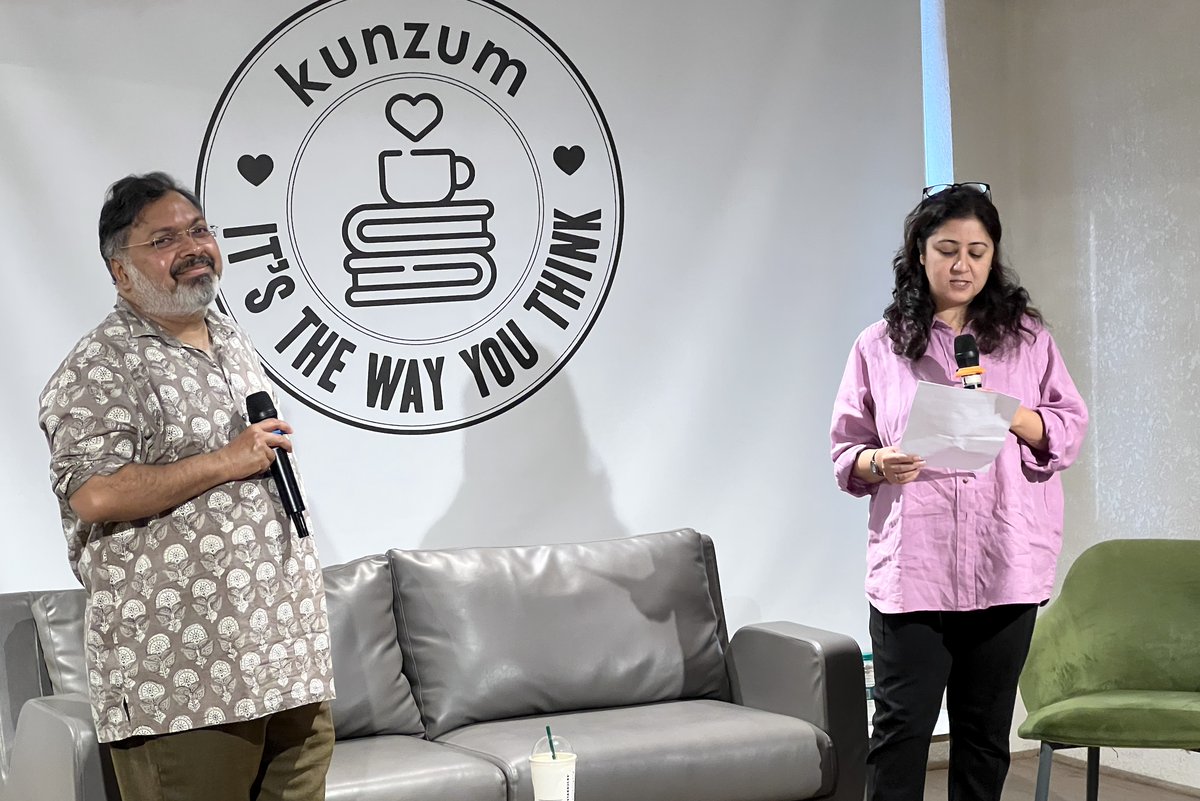
SELF PUBLISHING VS TRADITIONAL PUBLISHING PART 1 | #WriteNotes
I have written 16 books. Of these, 14 are self published. Two of the recent ones were with HarperCollins. I have thus been on both sides of the divide, and still am. Going forward, what would I advise myself? And what would I say if you, an aspiring author, were to seek my opinion?
The answer is neither a short one, nor an unequivocal one. I will spread it over a series of posts without claiming it to be the final or the only word on the matter. Research further, and then take decisions that you feel work best for you. Even though there is no best or right approach to take. Let’s get started.
WHY DID I SELF PUBLISH?
My first book came out in 2007. Why did I publish it by myself?
- I did not know anyone in publishing to pitch my book to.
- I could have tapped into my network and found contacts – but I did not.
- There was that underlying fear of being judged and being rejected.
- Something held me back from making a pitch to commissioning editors.
- I was too impatient and did not want to wait months or longer for the book to be out.
When the second book came out, I did not seek publishers for reasons above. And an additional one: if I was managing one book’s sales and marketing, it might make sense to do so for others too. More titles would give me the volumes to spread my costs and efforts across multiple products, and get overall higher dividends.
As I came out with more books, I applied the same reasoning and continued writing and publishing myself. Till I had 11 books to my name, all published myself. This cannot continue, I told myself, if I have to make a stronger claims to be a credible author. We will get to this discussion soon.

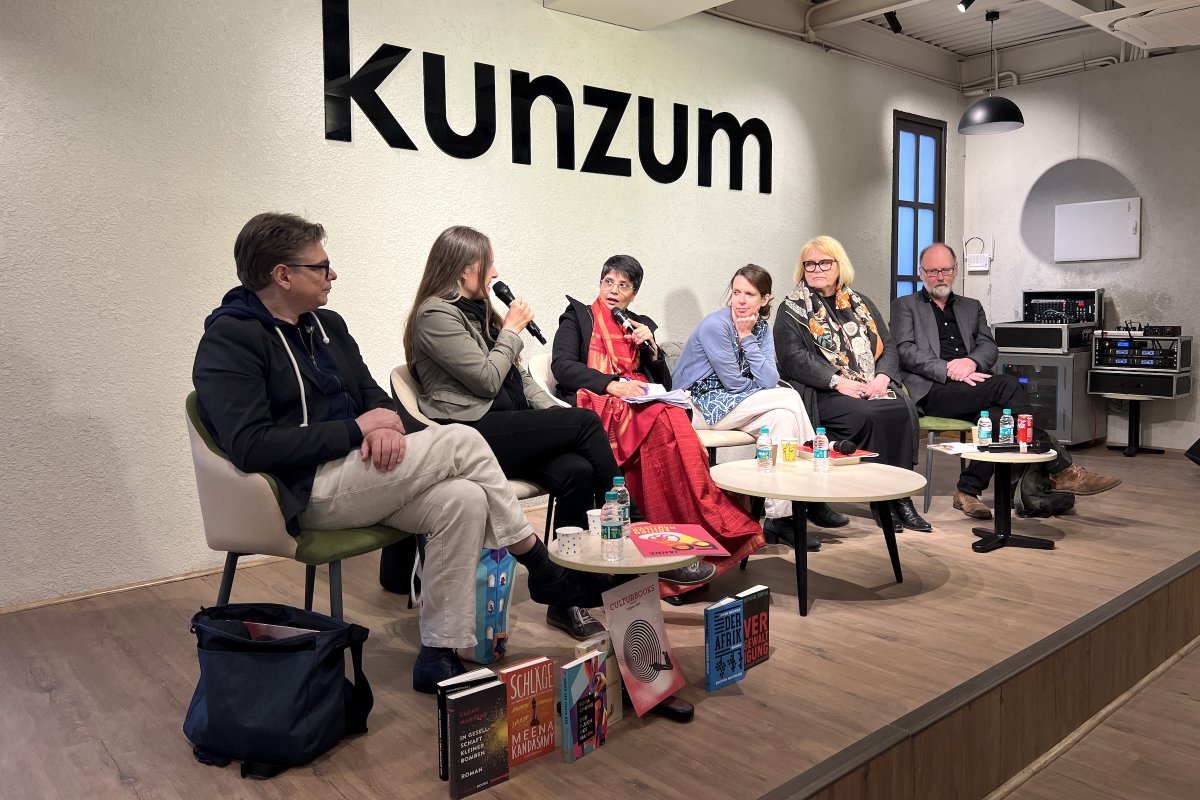
CAN WE STOP BLAMING PRICE OF BOOKS AS CAUSE OF LOW READERSHIP? | #WriteNotes
Those who follow my writings and talks know my views on discounting of books – I believe it is a regressive practice. Yes, the customer may seem to benefit on the face of it but they also lose out on good literature – read my other posts justifying this view.
However, what I don’t understand is when people make issue with affordability – they point out to the ‘high’ cost of books as a matter of ‘national concern’ and an impediment to those who seek access to books. Corollary: If prices are lower, more books will be read. If not, we will suffer from low readership.
Really? By that logic, go to Amazon. You get books at deep discounts. Problem solved, we should be a nation of readers.
But when I insist on regulation and voluntary action by publishers to ensure books sell at full price across all channels, I face resistance. Please understand: discounts will not improve reading habits; selling at full price will not lead to a fall either.
Because books in India are priced quite reasonably if you go by economic indicators and cost of other goods and services. Any further drop will eat into the margins needed to produce quality literature packaged as attractive books. Those who can afford to buy books at a certain price will also pay the full price.
Those who cannot afford to buy new books, have other options like we did when growing up. All of us above a certain age lived in times of 'less' - when an ice cream lolly was a once-in-a-while treat. But we still managed access to books - we bought, borrowed and exchanged. And read all the time.
So let us stop blaming pricing for low readership. The cause is something else, and I will share my opinions on those too.

GOOD REASONS WHY (ALMOST) EVERYONE SHOULD (AND CAN) WRITE A BOOK | #WRITENOTES
Everyone has a book in them may sound like a cliché but it is not a misplaced one. You too can, and should, write a book without being daunted by the prospect of it. In separate posts I will share the ‘how-to’ of it, but let’s delve into the ‘why’ of it first.
Just the promise of putting words to paper shows you seek more from your own life. You expand the space you occupy to make it more than just about earning a living and discharging your personal responsibilities. That itself is enrichment.
Writing builds character.
Any writing is a reflective process. You are continually having conversations with the self. Your writing will always have bits of your life, your thoughts, your opinions in it. And since we want the world to see the good side of us, the act of writing will give us reasons to pause so we may work on a better version of ourselves.
We enforce discipline upon ourselves. The books will not write by themselves.
You will be surprised at how much more knowledgeable you become – if you are honest with your research and interviews.
The process itself is therapeutic. You slow down. You have something to look forward to daily. Boredom will be a thing of the past, as will doomscrolling and any addiction to technology.
You will unlock the creative in you, the additional dimension an esteem booster.
And you will become a deep reader. Because if you don’t read, you cannot write.
Once you get into cruise mode, you will identify with the caterpillar who undergoes a metamorphosis to become a butterfly. You will change. When any of us do (for the better), we contribute towards improving the society we exist within and the planet we inhabit.
So write that book. Even if you are the only reader. Don’t let notions of vanity, fame and income distract you. Even the ‘why’ of it should not matter. You do some things for their own sake.


@ajayjain Am absolutely smitten by this new series #WriteNotes but is it reaching the people who read , write & BUY books ? It's all about the #Algo , Ajay !! cc to @Manisha_Ahlawat @subirendra @kunzum
YOU ARE AN AUTHOR. WHAT DO YOU ACTUALLY DO? | #WRITENOTES
I was having morning coffee in the restaurant of a resort and got chatting with a senior gentleman up early too with his grandchildren. As is expected in India, we had to ask what the other does.
Actually, he volunteered to tell me that he heads the Emami group of companies, famous for its personal care products. I told him I am an author.
What do you actually do? Yes, that’s what he asked me. What does my father do? What are our family business interests? You cannot be making money just from what you claim as your profession, he stated clearly.
Despite my insistence that I write books full time, he was not satisfied. There had to be more than meets the eye. He would not understand that I brought an entrepreneurial outlook to publishing, with multiple income streams. We had this conversation about six years before I set up Kunzum as a bookstore.
We exchanged cards, but neither kept in touch. We live in two very different worlds, neither a fit in the others.
P.S. I prefer Nivea cream to Emami.

WHEN DESPONDENCY CAUSES WRITER’S BLOCKS | #WRITENOTES
Let me say one thing first: there is no such thing as writer’s block. It is just a creative excuse for laziness, procrastination, and resistance to getting the job done. However, when I do not write, I do admit to these vices as being the reason than blame any blocks.
But there are times when I cannot write due to a sense of despondency. Why does that happen?
One: The reading culture is significantly down globally, but it is far worse in India. An emergency of sorts. When I talk about my books, most people start fumbling to excuse themselves from the conversation. Everyone does not have to like my books, but don’t make me look like I am selling combs to the bald!
Two: Authors are expected to be their own marketeers. It takes significant effort, and is highly distracting bringing the creative quotient down. Despite the best efforts, results can often be dim due to the point above about readership. Aren’t publishers supposed to do this job anyway? That’s how it was before social media ‘democratized marketing’!
I thus find myself wanting to throw in the towel, questioning my choice of being a writer. Is it really worth it? Shouldn’t I put my talents to better use?
But I chose this profession because I love writing – so how do I overcome such negative feelings? I experiment with different solutions, but each time arrive at the only one that seems to work.
Keep writing.

DISCOUNTING HURTS CREATION, AND SALES OF BOOKS | #WRITENOTES
It may sound counterintuitive but the highly prevalent practice of discounting books hurts both the writing of memorable literature, and sale of books in general. Even if in the short term it appears to benefit readers who can buy more for the same money.
When you discount books, there is money going out of the publishing eco-system. A book costing, say, Rs. 500 is sold for Rs. 350 on Amazon. The buyer saves Rs. 150 individually. What has publishing lost? If 10 million books sell like this, that is Rs. 1500 million / Rs. 150 crores gone!
Buyers seek or expect a discount because it is being offered. Else they will pay marked prices like is the case for many other product categories. So if there was no discounting in general, customers would get used to paying full price. The Rs. 1500 million would then be available for use in publishing: more bookstores will come up because they are viable, more money will be spent on marketing to promote titles and reading in general, and writers will earn more incentivising greater talent to take up the profession as they are likely to be able to make living wages. Each feeds the other, and we will have a cultural evolution in society.
Let’s not forget: literature thrives when bookstores do, and when quality books are published regularly. It just needs a simple act of publishers plugging the hole being created by discounting, led largely by online retailers.
Time to turn the page on a regressive practice?
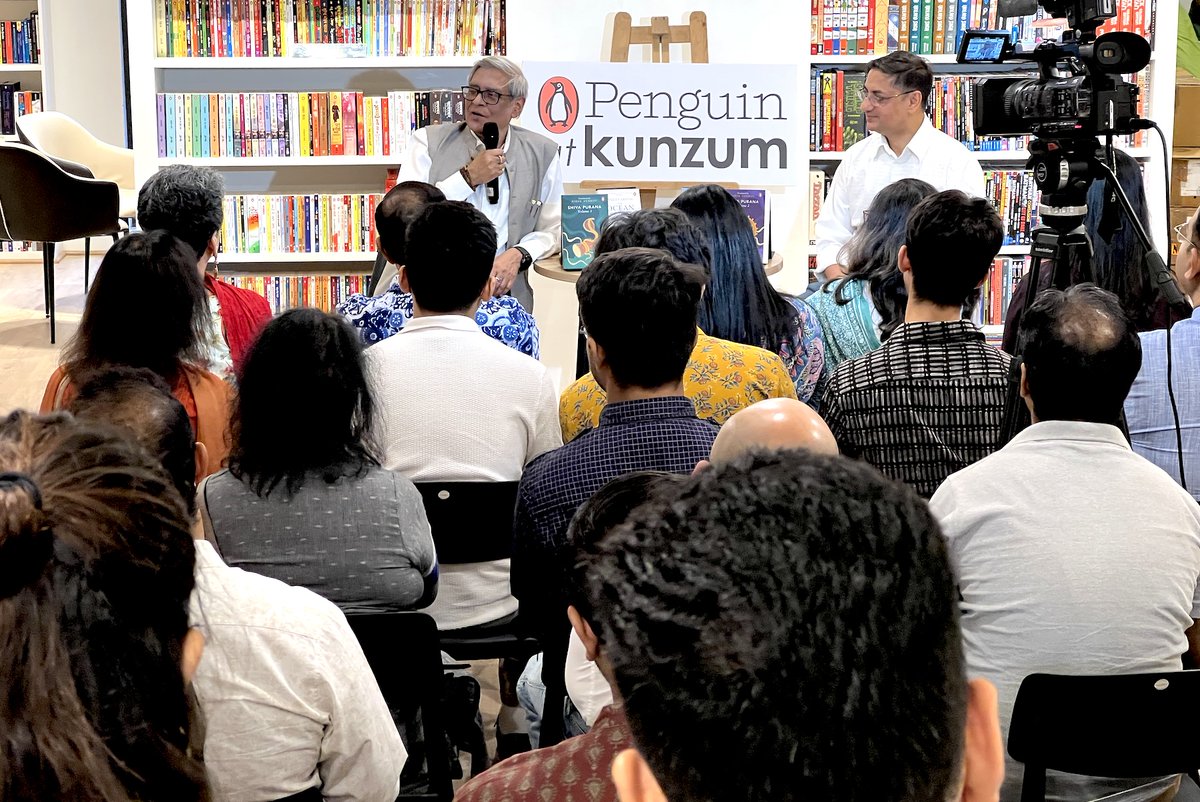
WHERE DO I GET IDEAS FOR MY BOOKS? | #WRITENOTES
Aspiring writers often ask where I get ideas for books I write, more so since they span different genres.
I do not have an answer. My challenge is I have too many ideas buzzing in my head. More than I can write. And that creates its own problems. I start penning a book, then get drawn towards another leaving the earlier unfinished, to further move on. My study is piled with books in different stages of completion, from 10 to 80 percent. If I apply myself to the task of finishing all of them, I might not be able to step out for years!
Back to where I get my ideas from. If I really try to analyse that, it might be attributed to the many experiences I have lived. And being sensitive and empathetic to various issues including environmental, cultural, and social. The curiosity to do more leads me to try different things, even if unmanageable with the constraints of time and energy, and thus gain insights across a broad spectrum of subjects.
I can spend hours daily in imaginative worlds which can seem like procrastination. But these conjure up even more ideas for books. If only all of these were backed by focus and diligence, imperatives to get the books written.
And then there is that magic place where one needs to regularly visit to be a storyteller: between the covers of books. Reading is the exercise you need to develop your ideas muscles!
Have you figured what you will be writing about next?

If you aspire to write a book, then join us at the @Kunzum #WriteNotes conference. We promise to guide you, and to inspire you, to get that book out!
You cannot wait to write it - we cannot wait to read it!
https://t.co/kixjBW3wSP

BLOCK YOUR DATES #2
* Meet us at the World Book Fair from Feb 25 - March 5. @Kunzum will be managing the Penguin (mega) stall!
* Kunzum Book Bees festival is happening in Gurgaon on Feb 11.
* #WriteNotes - Get Published conference for aspiring writers is on March 11 in GK2.

BLOCK YOUR DATES #2
* Meet us at the World Book Fair from Feb 25 - March 5. Kunzum will be managing the Penguin (mega) stall!
* Kunzum Book Bees festival is happening in Gurgaon on Feb 11.
* #WriteNotes - Get Published conference for aspiring writers is on March 11 in GK2.


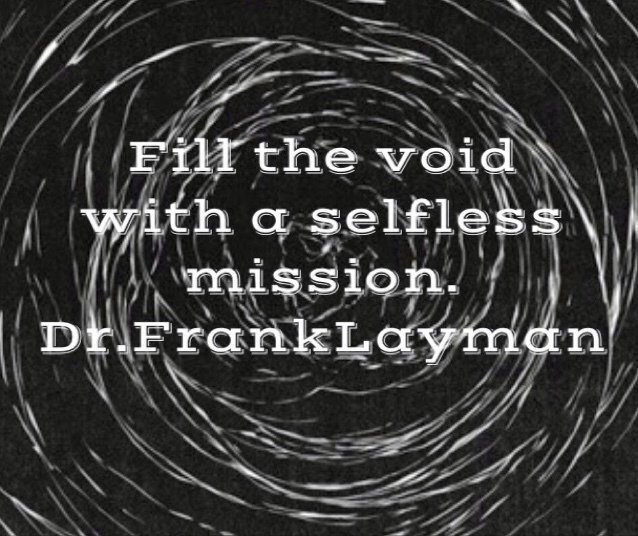
Fill The Void..#DrFrankLayman
https://t.co/IY9krUkjp4
#success #inspiration #author #Writers #book #selfhelp #positivemindset #growthmindset #Mindfulness #writenotes #positivity
Everyday, I AM going to take a Positive step..@DrSTLT
#Read Ch.1 Excerpt
https://t.co/detejsDACR



Sharing for Laurie Murray on Etsy
Really love this, from the Etsy shop 2curlycues. https://t.co/1MHw7V8a9m #etsy #papergoods #handmadecard #smokefreehome #snailmail #writenotes #paper #anyoccasion #blanknotecards #greetingcards

Last Seen Hashtags on Sotwe
brookemonke
Seen from Netherlands
hijab #leak
Seen from Netherlands
konyabayan
Seen from Turkey
ometv() +filter:native_video since:2026-09-06
Seen from United States
髪責め
Seen from Japan
mekaguda
Seen from United States
mardintraveſti
Seen from Turkey
lizbethrodríguez
Seen from Mexico
SAMSUN
Seen from Turkey
tattoohunk
Seen from Turkey
Trends for you
Most Popular Users

Elon Musk 
@elonmusk
241.7M followers

Barack Obama
@barackobama
119M followers

Cristiano Ronaldo
@cristiano
114.4M followers

Donald J. Trump
@realdonaldtrump
111.8M followers

Narendra Modi
@narendramodi
107.2M followers

Rihanna
@rihanna
98.7M followers

NASA
@nasa
92.4M followers

Justin Bieber
@justinbieber
91.8M followers

KATY PERRY
@katyperry
90M followers

Taylor Swift
@taylorswift13
83.9M followers

Lady Gaga
@ladygaga
75.4M followers

Virat Kohli
@imvkohli
73.3M followers

Kim Kardashian
@kimkardashian
70.9M followers

YouTube
@youtube
68.8M followers

Neymar Jr
@neymarjr
66.3M followers

Bill Gates
@billgates
65.1M followers

Selena Gomez
@selenagomez
63M followers

The Ellen Show
@theellenshow
62.3M followers

CNN
@cnn
61.8M followers

X
@x
60.7M followers