

Top Tweets for #assemblage

ah okay, so CCSDS is a non-factor...? I see...
So, when are you going to start deploying your own GEO assemblages? for your Frontier Training Clusters and also so you can own the TRANSlator Sats? are you not even thinking about it?
or is your Proprietary timecode capability easy to integrate with Continuous links which would make LEO assemblages more favorable for Writers / lineages (the actual frontier training in Space AI computing) instead of GEOs?
Sorry if I am sounding confused or confusing you, it's just that I am speaking from my visions and intuitions.
@elonmusk

[ 🇲🇦 MAROC | 🇫🇷 ARQUUS ]
ARQUUS, GÉANT DES BLINDÉS LÉGERS, AU MAROC ?
Arquus 90 % des véhicules à roues de l'armée française
a signé en octobre 2026 une convention foncière avec la (SGZID), lors du Marrakech Air Show.
Objectif :Assemblage, maintenance, réparation envisagés.
Simple assemblage ou vrai transfert de technologie ?
#Maroc #Arquus

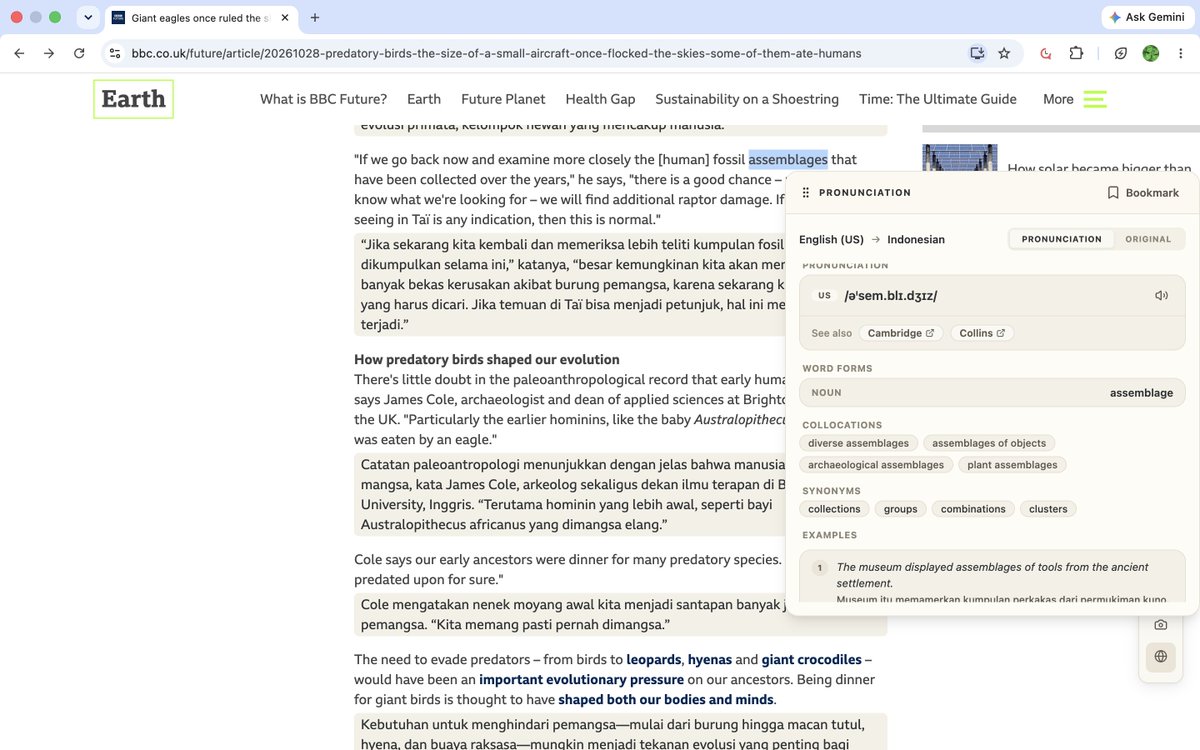
Day 32 - Learning English
Today, I read an academic article on BBC Earth. I came across the words "talon" (claw) and "assemblages" (a collection of different elements). If I hadn't looked up the word "talon," I would've thought it was some kind of bird lol
#studytwt #studylang


@IngusKarl 🚨CLOAK FAILING🚨
…
Deploy emergency Tropospheric Phase-Change Assemblage‼️

🎬 VIDEO 🎬
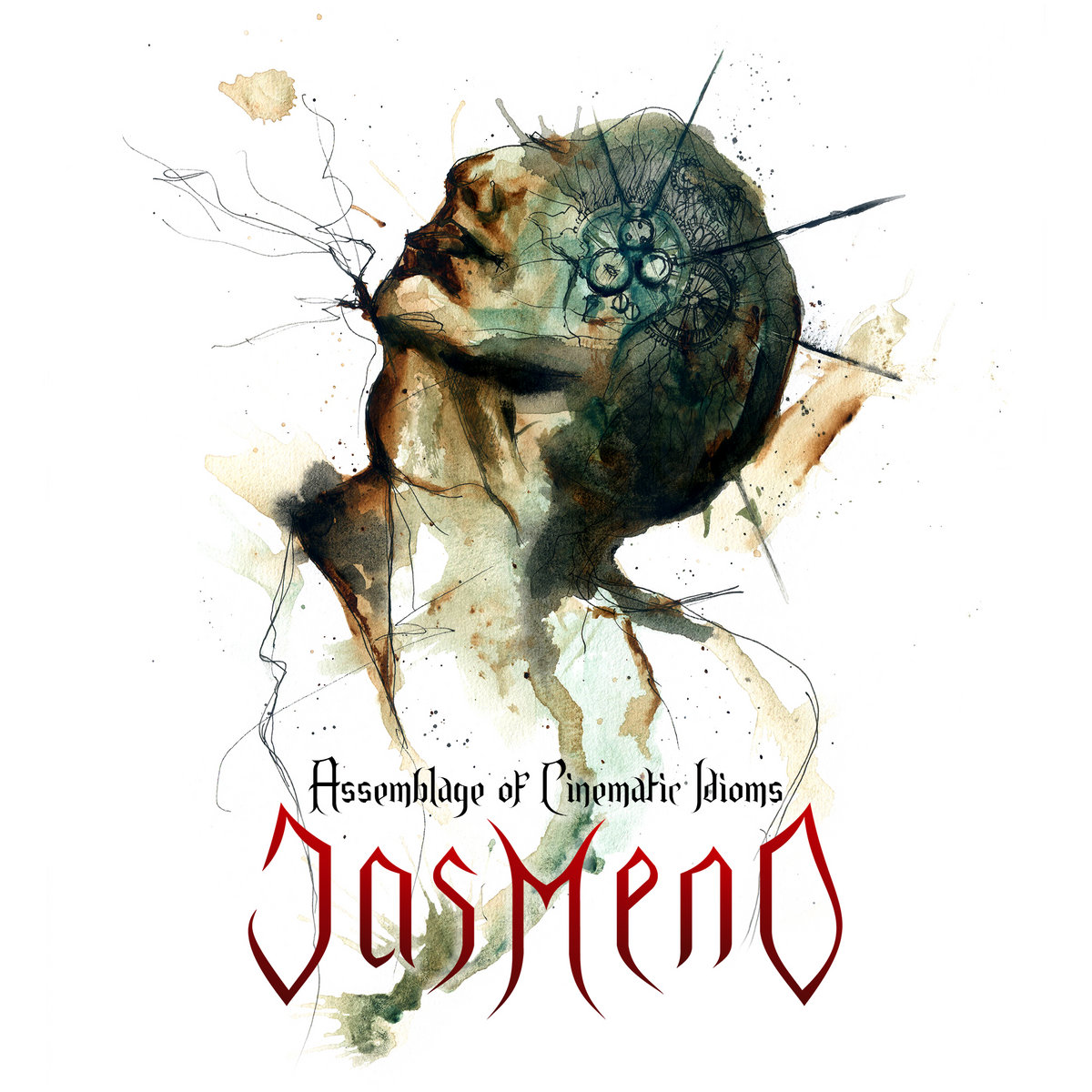
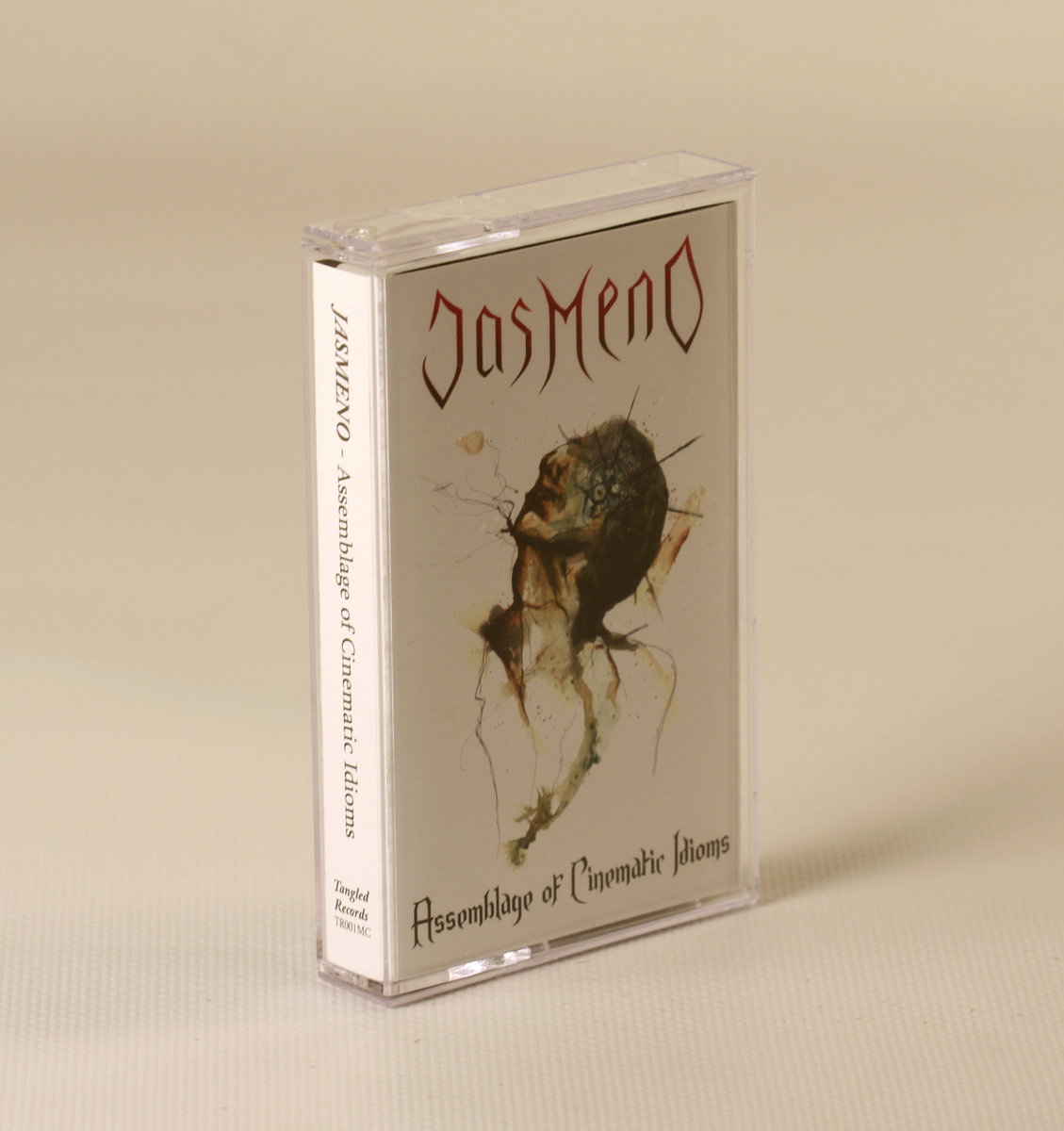
Jasmeno – A Code Of Equivocation | Tangled Records | 📅 2026.10.01 | Cinematic/Prog Metal
A profound reflection on loss, roots, and hope from the new album "Assemblage of Cinematic Idioms"! 🎸🔥
📺 Watch: https://t.co/7lb2GJcJlV
#Jasmeno #ProgressiveMeta

@NgoloTesla @AGoldfire123 I can rigorously confirm that better states of assembly (how I refer to the fact we are an assemblage of independent living cybernetic systems) both feel more "charged" and require significantly less food and higher quality. I've felt like my organism eats light.
🔥 PREMIERE 🔥
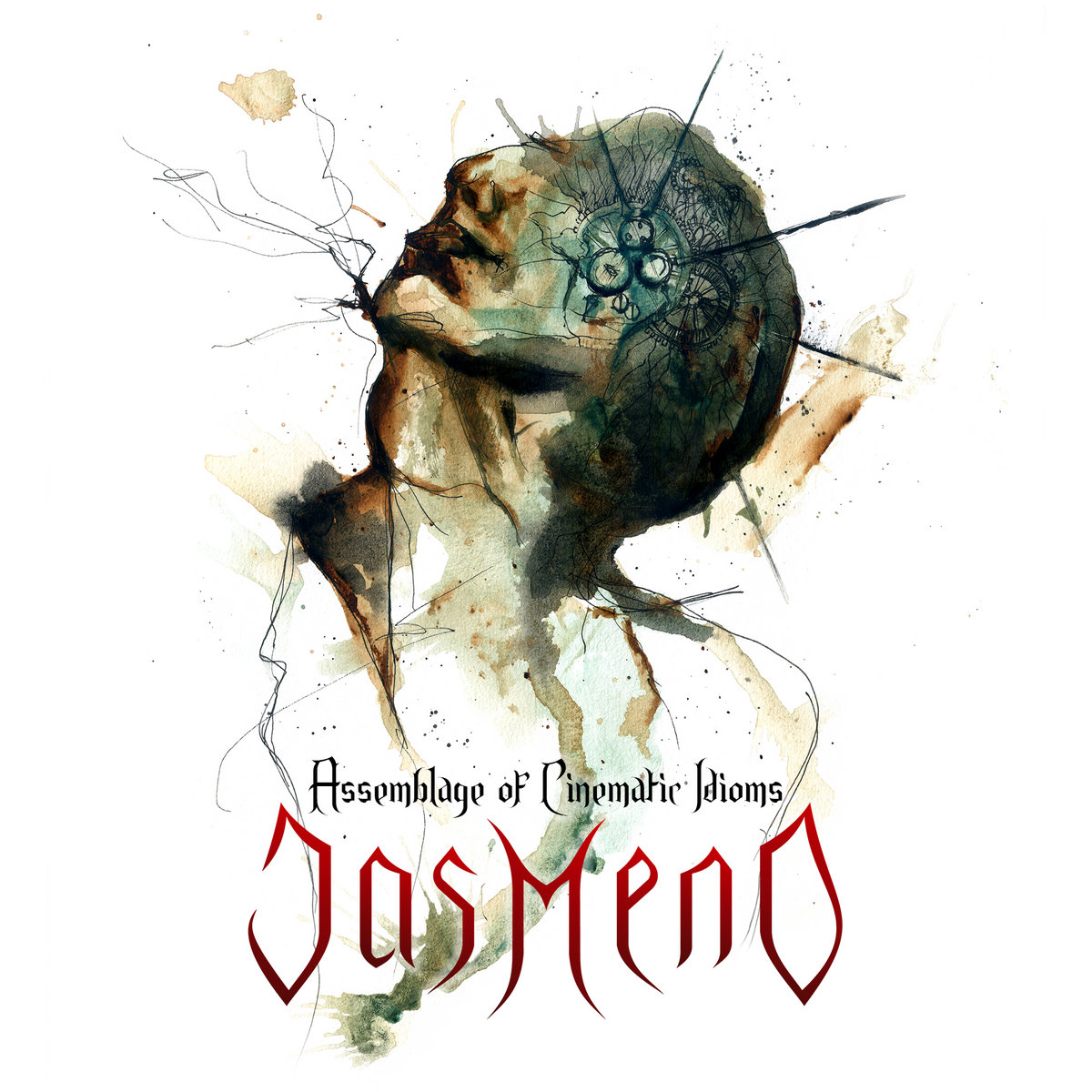
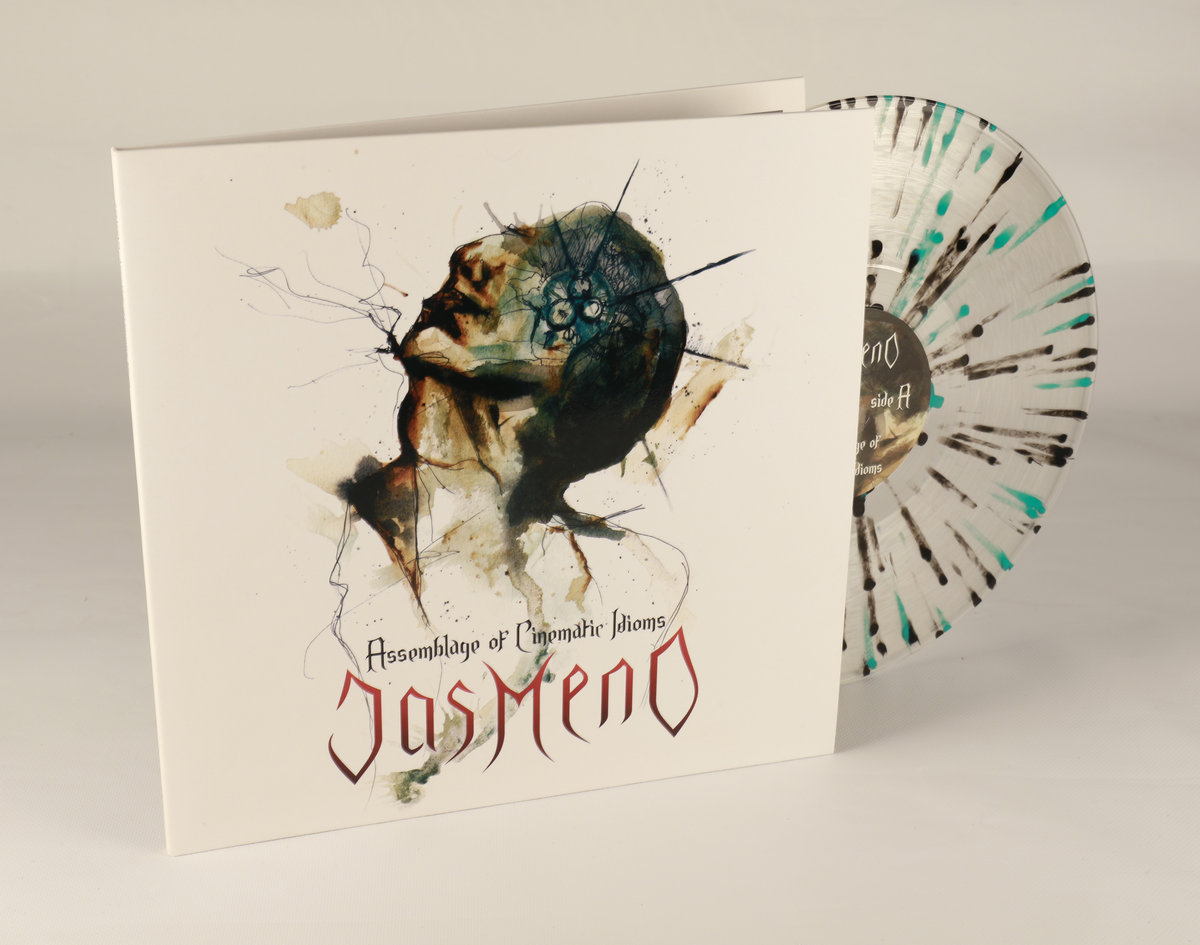
Jasmeno – Assemblage of Cinematic Idioms | Tangled Records | 📅 2026.09.11 | Cinematic/Progressive Metal
Sweeping cinematic soundscapes meet intricate progressive metal.
🎧 Listen: https://t.co/N4IfPDM34a
#ProgressiveMetal #Jasmeno



🔥 PREMIERE 🔥
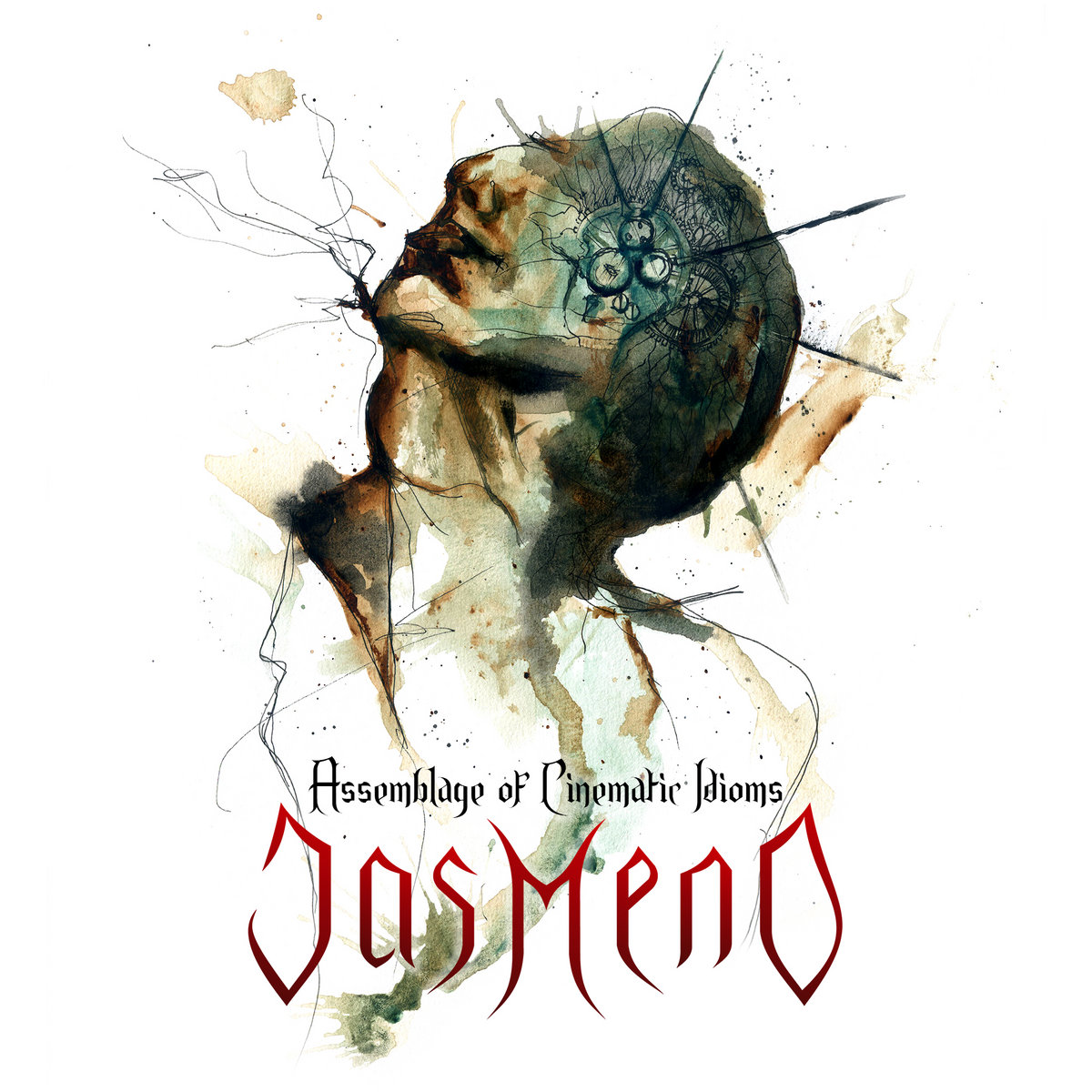
Jasmeno – Assemblage of Cinematic Idioms | Tangled Records | 📅 2026.09.11 | Cinematic/Progressive Metal
Sweeping cinematic soundscapes meet intricate progressive metal.
🎧 Listen: https://t.co/N4IfPDM34a
#ProgressiveMetal #Jasmeno


@Sethepia C’est pas canon là c’est juste des assemblages pour illustrer et la personne a dû associer les mêmes couleurs ensemble pour simplifier, y a juste la 1e qui est présentée comme ça par Beemoov

@BobbiBicker Unbroken Spirit 40x30 inches
Oil Assemblage Gold Leaf
My representation of women standing standing strong despite the chaos surrounding them.


@petassine Fou rire j’ai fait le même assemblage body + jupe 😆 GG !!

Chuck Jones Treasures Unearthed: Rare Looney Tunes and Grinch Artwork Head to Auction:
This weekend, animation historians and collectors will have their eyes firmly fixed on Heritage Auctions' "Art of Everything Cool – Vol. VIII" event, running from 19 to 21 June. Taking centre stage is an exceptionally rare trove of original production artwork from the legendary Chuck Jones, highlighting two distinct eras of his illustrious career.
The Warner Bros. Archive:
For those preserving the golden age of Termite Terrace, original production artwork from Jones' tenure at Warner Bros. is notoriously difficult to track down. Studios famously discarded original cels and backgrounds to save storage space, making surviving pieces highly prized historical artefacts.
This auction boasts an astonishing offering of nearly 500 lots dedicated entirely to the Looney Tunes universe. Among the most sought-after items crossing the block are signed production cels featuring iconic mainstays like Bugs Bunny and Wile E. Coyote, drawn directly from classic theatrical shorts including Baton Bunny (1959) and the much later Chariots of Fur (1994).
Celebrating 60 Years of The Grinch:
Following the Warner Bros. lots, the auction shifts its focus to what is believed to be one of the largest single assemblages of production art from the 1966 television programme, How the Grinch Stole Christmas!. Timed to coincide with the special's 60th anniversary, much of this material has been sourced directly from the Chuck Jones Family Archive.
The highlight of the Grinch collection is a stunning 64-inch panoramic background that captures the Grinch and Max during their elaborate sleigh descent. Alongside production cels and storyboards detailing memorable sequences—such as the Grinch's encounter with Cindy-Lou Who—the catalogue also features incredibly rare, hand-painted Master and Key Master backgrounds, offering a pristine glimpse into the meticulous traditional animation process.
Article by Intelligent Collector (@HeritageAuction), link on the following post.


@ysalinemendal Les cheveux sont trop beau, j'ai même pas regardé la tenue, j'ai vue les cheveux et boom 😂 (J'adore le haut et le corset meme si je galère a trouver des assemblage)

The Oldest Stone Tool Industry
Discovered in 2011 on the western shore of Lake Turkana in Kenya, the Lomekwian stone tool assemblage is approximately 3.3 million years old — predating the Oldowan industry by 700,000 years! Characterized by large, heavy lava cores with simple flakes made using low-control knapping techniques, they are associated with Kenyanthropus platyops.


Prompt::: 2d grayscale displacement map of a large glass building with many diamond-shaped windows. The windows should be slightly different thicknesses2d grayscale displacement map of a large glass building with many diamond-shaped windows. The windows should bebeautiful black and white landscape painting of mountains, trees, and a lake with a house in the background, and a full moon highly detailed, in the style of digital art.beautiful black and white landscape painting of mountains, trees, and a lake with a house in the background, highly detailed2d grayscale displacement map of a large glass building with many diamond-shaped windows. The windows should be slightly different good morning realism highly detailed, photorealism, scene from a porch of a log cabin in the wilderness There are New England deer and moose and grayscalestyle of National Geographic Fashion Magazine, depicting the profound relationship between humans and vibrant, surreal assemblage collage in the style of Baroque floral painting, reimagined through a modern mixed-media lens. The central focus is a cluster of intricately
Give this a try the results are astounding

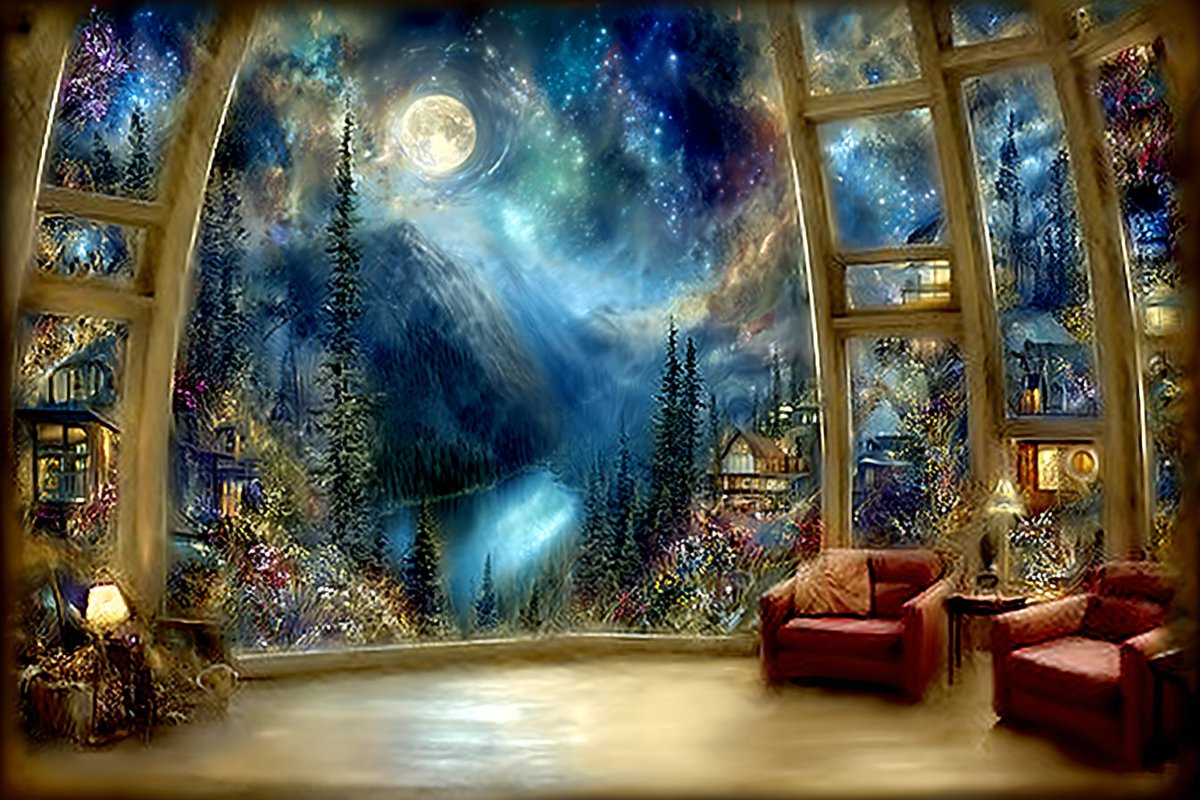
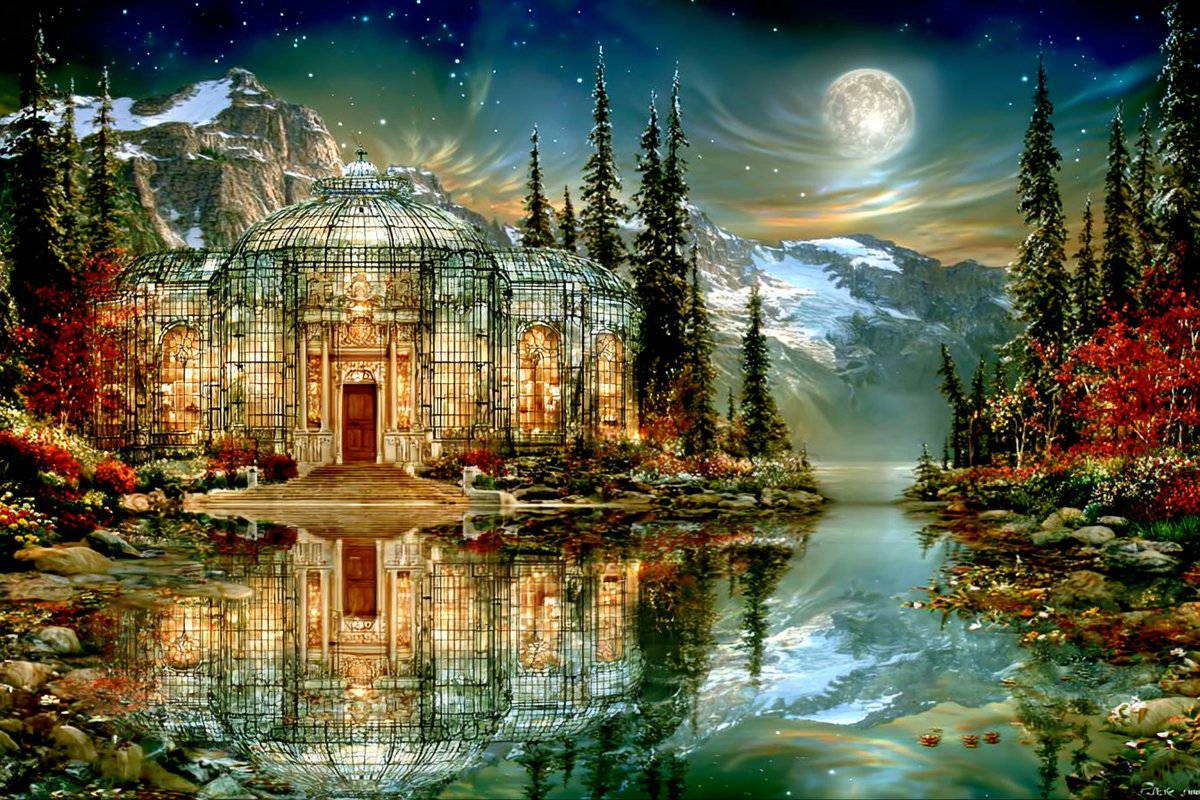


I think I figured out what date (canonically) that the Annual Assemblage of the Glorified takes place...

Mixed-media assemblage sculpture titled "A Heroic Abduction" created by American artist Kris Kuksi in 2010.


#LibraryofGrok
🎨 Super Exploring:
Art-Influenced Special Effects for the Nano Banana AI Image Model
Level 64: The Masters' Toolkit
Introduction
Every special effect in cinema, photography, and digital art has a root in fine art history. Rembrandt's candlelit shadows became Hollywood's Noir. Turner's explosive skies became the VFX storm composites of modern blockbusters. Dalí's melting clocks became the basis for liquid distortion effects still used today. This Level 64 guide is the bridge — it maps verified art historical movements and named masters directly onto Nano Banana prompt engineering, so every effect you generate carries the intellectual weight and visual authority of centuries of human craft. This is not aesthetic mimicry. This is lineage.
📑 Table of Contents
1. Chiaroscuro & Tenebrism — The Shadow Engine
(Caravaggio, Rembrandt, Georges de La Tour — light born from darkness)
1.1. Single-Source Candlelight Compositions1.1.1. One candle illuminating a face from below (La Tour method) 1.1.2. Candle hidden behind an object — light spilling around edges 1.1.3. Match-strike moment — yellow/orange burst in pitch black 1.1.4. Chandelier reflection pooling on a table surface 1.1.5. Fire as the only light source in an outdoor scene 1.1.6. Lantern carried through fog — volumetric cone effect 1.1.7. Birthday cake candles casting upward face glow 1.1.8. Torch lit in a cavern — smoke-filtered amber light
1.2. Rembrandt Triangle & Portrait Lighting1.2.1. Classic Rembrandt triangle on opposite cheek 1.2.2. Split lighting: face divided exactly half light/half shadow 1.2.3. Butterfly lighting: shadow under nose, no shadow on cheeks 1.2.4. Loop lighting: small nose shadow drops toward corner of mouth 1.2.5. Broad vs. short lighting ratio experiments 1.2.6. Hair light: rim glow separating subject from black background 1.2.7. Eye catchlight placement: single white dot at 10 o'clock 1.2.8. Shadow falloff: hard edge vs. soft gradation across cheekbone
1.3. Caravaggio Dramatic Scene Staging1.3.1. Group scene: single overhead window light, rest in darkness 1.3.2. Violent action moment frozen in high-contrast chiaroscuro 1.3.3. Fabric folds catching light: linen, velvet, silk contrast 1.3.4. Hands emerging from total darkness into a light beam 1.3.5. Foreground figure silhouetted, background figure lit 1.3.6. Foreshortening combined with extreme side lighting 1.3.7. Blood/liquid catching specular highlights in shadow scenes 1.3.8. Stone floor reflection of warm light source below frame
2. Tonalism & Atmospheric Diffusion — The Fog Engine
(J.M.W. Turner, Caspar David Friedrich, James Abbott McNeill Whistler)
2.1. Turner's Explosive Atmospheric Vortex2.1.1. Storm at sea: sky and water merging into undifferentiated white fury 2.1.2. Train emerging from steam — motion dissolving into vapor (Rain, Steam, Speed) 2.1.3. Sun buried in haze: white-yellow disc, no hard edge 2.1.4. Fire in fog: orange heat bleed through grey atmosphere 2.1.5. Explosion diffused through overcast sky — bloom without sharpness 2.1.6. Water spray catching backlight: prismatic mist dissolution 2.1.7. Ship silhouette barely visible through fog wall 2.1.8. Volcano eruption seen through cloud layer — color without form
2.2. Friedrich's Sublime Isolation Effects2.2.1. Rückenfigur: lone figure from behind facing vast landscape 2.2.2. Sea of clouds below a mountain ridge — figure standing above 2.2.3. Moon rising behind dead oak tree — cold blue ambient 2.2.4. Arctic ice field crushing a ship — pale desolation 2.2.5. Fog-filled valley viewed from cliff edge above fog line 2.2.6. Window frame as portal to vast exterior landscape 2.2.7. Winter forest: black skeletal trees against white sky 2.2.8. Dawn mist over river — pink light filtering through trees
2.3. Whistler's Nocturne Color Field2.3.1. Nocturne in Black and Gold: fireworks burst in near-total dark 2.3.2. Nocturne in Blue and Silver: moonlight on flat water 2.3.3. Minimal horizon: sky and water separated by single tone shift 2.3.4. Figures dissolved into atmospheric color — no sharp edges 2.3.5. Factory smokestacks read as abstract verticals in blue dusk 2.3.6. Bridge at night: reflection longer than object 2.3.7. Rain-slicked street color pooling — Whistler tonality 2.3.8. Fog bank erasing architecture layer by layer
3. German Expressionism — The Distortion Engine
(Ernst Ludwig Kirchner, Emil Nolde, Friedrich Wilhelm Murnau, Fritz Lang)
3.1. Expressionist Architecture & Set Distortion3.1.1. Cabinet of Dr. Caligari: oblique angles, painted shadow on set walls 3.1.2. Nosferatu: elongated shadow cast independently of figure 3.1.3. Metropolis: impossible verticality — spired city as dread 3.1.4. Staircase viewed from below: converging verticals producing menace 3.1.5. Window with painted diagonal light slashes — shadow as character 3.1.6. Doorway too narrow and too tall — distorted proportion 3.1.7. Street scene: cobblestones angular and irregular by design 3.1.8. Clock face with uneven numerals — expressionist spatial logic
3.2. Kirchner & Nolde Color Expressionism3.2.1. Flesh tones rendered in acid green and sickly yellow 3.2.2. Urban crowd: faces reduced to slashes of paint, anonymized 3.2.3. Sky as emotional color field — red for violence, green for sickness 3.2.4. Night scene: electric tram light rendered in hatching strokes 3.2.5. Portrait: eyes too large, mouth asymmetric, jaw angular 3.2.6. Ocean: black waves as woodcut-style rhythmic marks 3.2.7. Religious scene: Nolde palette — raw crimson, lemon yellow, cobalt 3.2.8. Dance scene: figures merging at edges — ecstasy as blur
3.3. Expressionist Lighting Effects for AI3.3.1. Light source painted as visible lines radiating from bulb 3.3.2. Cast shadow larger and more expressive than figure casting it 3.3.3. Split face: one half in daylight, one half in pure black — no transition 3.3.4. Shadow of monster before monster appears in frame 3.3.5. Candlelight rendered with aggressive brushstroke vectors 3.3.6. Neon sign light reading as violent color against dark brick 3.3.7. Interior room: all furniture casts shadows at different, incorrect angles 3.3.8. Spotlight from above: skull-like shadow emphasis on face
4. Surrealist Practical Effects — The Dream Engine
(Salvador Dalí, René Magritte, Max Ernst, Meret Oppenheim)
4.1. Dalí's Physical Impossibility Aesthetics4.1.1. Persistence of Memory: clock draped over object — soft solid 4.1.2. Elongated legs on thin stilts — Dream Caused by a Bee 4.1.3. Drawers emerging from human torso — Venus de Milo with Drawers 4.1.4. Infinite flat plain with single object casting infinite shadow 4.1.5. Object floating without support — hyper-sharp anti-gravity 4.1.6. Body dissolving into landscape on one side only 4.1.7. Egg cracked open revealing unexpected interior ecosystem 4.1.8. Mirror reflecting the wrong scene — parallel reality leak
4.2. Magritte's Conceptual Substitution4.2.1. The Treachery of Images: object labeled with a contradiction 4.2.2. Bowler hat figure with face replaced by an apple 4.2.3. Window glass depicting a scene that continues the room behind it 4.2.4. Sky ceiling inside a bourgeois interior room 4.2.5. Man's back seen from front via mirror — no front ever revealed 4.2.6. Stone castle floating above village on cloud platform 4.2.7. Identical men in identical coats filling a staircase 4.2.8. Giant green apple filling an entire room
4.3. Max Ernst & Meret Oppenheim Texture Surrealism4.3.1. Fur-covered teacup, saucer, and spoon (Object — Oppenheim) 4.3.2. Decalcomania: pressed paint creating organic forest/fungal forms 4.3.3. Frottage texture: wood grain misread as landscape 4.3.4. Collage logic: Victorian engraving figure in impossible new context 4.3.5. Petrified forest: trees as geological columns of compressed history 4.3.6. Half-biological, half-mechanical figure — Ernst assemblage logic 4.3.7. Two unrelated objects fused at a seam as if always one 4.3.8. Nest inside a chest cavity — Ernst internalized wildness
5. Pointillism & Optical Mixing — The Particle Engine
(Georges Seurat, Paul Signac, Chuck Close)
5.1. Seurat's Divisionist Light Construction5.1.1. Sunday on La Grande Jatte: crowd built entirely from dot matrix 5.1.2. Water surface rendered as colored dot field — no brushstrokes 5.1.3. Sunset sky: orange/red dots adjacent to blue/violet dots 5.1.4. Shadow areas: complementary color dots — no grey or black 5.1.5. Human skin: pink, yellow, and green dots in proximity 5.1.6. Foliage: yellow-green and blue-green dots alternating 5.1.7. The Circus: pointillist motion blur achieved through dot density 5.1.8. Night scene: dark ground dots punctuated by light-source halos
5.2. Chuck Close's Photorealist Grid5.2.1. Giant portrait built from small abstract cells — 8:1 zoom reveals chaos 5.2.2. Grid overlay on photorealistic face — each cell an independent painting 5.2.3. Fingerprint whorls used as the mark-making unit for a face 5.2.4. Portrait with deliberate incomplete grid — face emerging from abstraction 5.2.5. Color grid: each cell contains complementary palette spot 5.2.6. Black and white airbrushed photorealism at hyper-scale 5.2.7. Subject blurred at macro view, sharp only at full distance 5.2.8. Mixed cell types: some representational, some pure abstraction, same face
5.3. Particle Effects Derived from Pointillism5.3.1. Explosion rendered as expanding particle dot field — Seurat palette 5.3.2. Smoke plume: density gradient from tight dots to sparse scatter 5.3.3. Rain rendered as vertical white dot lines on dark ground 5.3.4. Sparks from grinding wheel: radiating dot trajectories 5.3.5. Bioluminescence: isolated dots on black — no connecting tissue 5.3.6. Water splash frozen: each droplet as individual dot unit 5.3.7. Fire: dot field transitioning yellow → orange → red → black 5.3.8. Star field: irregular dot distribution, four magnitude sizes
6. Ukiyo-e & Japanese Woodblock — The Graphic Engine
(Katsushika Hokusai, Utagawa Hiroshige, Utagawa Kuniyoshi)
6.1. Hokusai's Dynamic Force Lines6.1.1. The Great Wave: curved force lines in wave crest, Mount Fuji as anchor 6.1.2. Waterfall: parallel vertical lines conveying speed and volume 6.1.3. Wind scene: horizontal force lines bending all objects uniformly 6.1.4. Ghost rising: upward spiral line energy — ectoplasmic vertical 6.1.5. Lightning: branching line network — Hokusai's manga electricity 6.1.6. Underwater current: swirling line field with fish riding flow 6.1.7. Fire: upward dancing line clusters — no soft edge 6.1.8. Sumo impact: radial force lines emanating from collision point
6.2. Hiroshige's Rain & Weather Effects6.2.1. Sudden shower over Shin-Ohashi: diagonal rain lines at 60 degrees 6.2.2. Night snow: white dots on blue-black — silence as visual fact 6.2.3. Fog over water: flat tonal washes, no texture — erasure technique 6.2.4. Cherry blossom in wind: petals as diagonal scatter marks 6.2.5. Moonlit water: single pale disc, reflection as broken vertical 6.2.6. Dawn mist over temple: architecture dissolving into grey wash 6.2.7. Autumn leaves falling: each leaf as individual calligraphic mark 6.2.8. Travellers in snow: figures reduced to silhouette in white field
6.3. Kuniyoshi's Supernatural & Combat Effects6.3.1. Ghost warrior: translucent figure, visible landscape through body 6.3.2. Octopus tentacles as force objects — coiling line pressure 6.3.3. Skeleton army: bone-white figures against ink black ground 6.3.4. Dragon emerging from storm cloud — scale/smoke integration 6.3.5. Warrior jumping: trajectory arc implied by body angle 6.3.6. Blood splash rendered as abstract red woodblock shape 6.3.7. Magic circle: concentric line pattern with figure at center 6.3.8. Multiple simultaneous figures in single frame — comic panel logic
7. Abstract Expressionism & Action Painting — The Energy Engine
(Jackson Pollock, Willem de Kooning, Franz Kline, Helen Frankenthaler)
7.1. Pollock's Drip & Poured Energy7.1.1. Full drip network: interlaced paint arcs at multiple scales 7.1.2. Single color poured on raw canvas — spreading with no brushwork 7.1.3. Black enamel on white: maximum contrast web 7.1.4. Sand embedded in wet paint — texture interrupting flow lines 7.1.5. Cigarette burn and debris integrated into surface as artifact 7.1.6. Layered pours: earlier color showing through later pours as strata 7.1.7. Edge behavior: poured color reaching canvas boundary and stopping 7.1.8. All-over composition: no entry point, no focal hierarchy
7.2. Franz Kline's Black Structural Gesture7.2.1. Single massive black brushstroke on white ground — architectural weight 7.2.2. Two crossing black beams — bridge/girder spatial reading 7.2.3. Black mark with white mark overlapping — figure-ground reversal 7.2.4. Speed embedded in brushstroke: bristle separation visible at edge 7.2.5. Calligraphic single stroke — Asian brush art fused with Western scale 7.2.6. House-painter brush drags on raw canvas — tool imprint as content 7.2.7. Corner-weighted black form — gravity implied in abstract composition 7.2.8. Frayed edge mark: brush dry, hairs splitting at tip of stroke
7.3. Frankenthaler's Stain & Soak Atmosphere7.3.1. Color soaked into unprimed canvas — no surface, color is the fabric 7.3.2. Two pools of color meeting at soft boundary — no deliberate edge 7.3.3. Mountains and Sea: green/blue stain fields evoking landscape without depicting it 7.3.4. Pale pink field with single darker pink mass — breathing spatial tension 7.3.5. Turpentine thinned paint bleeding in unexpected directions 7.3.6. Warm/cool stain adjacency — no neutral mediator between them 7.3.7. White canvas as active color — unpainted areas as loudest element 7.3.8. Stained margin around a central white void — reverse conventional weight
8. Conclusion: The Inheritance
(Available upon request — Subsections 8.1–8.8: Case Studies pairing each movement with a specific Nano Banana prompt template)
Every effect in this guide draws from a human who stood in front of a canvas and solved a problem that physics refused to solve for them. Turner could not photograph a steam train in motion — he invented a visual language for velocity instead. Caravaggio had no film lights — he built darkness architecturally. When you deploy these methods in Nano Banana prompts, you are not filtering. You are carrying a lineage forward.
Sources (APA Style)
Arnheim, R. (1974). Art and visual perception: A psychology of the creative eye (Rev. ed.). University of California Press.
Bordwell, D., & Thompson, K. (2017). Film art: An introduction (12th ed.). McGraw-Hill Education.
Eisenstein, S. (1949). Film form: Essays in film theory (J. Leyda, Trans.). Harcourt Brace.
Fielding, R. (1985). The technique of special effects cinematography (4th ed.). Focal Press.
Gage, J. (1993). Color and culture: Practice and meaning from antiquity to abstraction. University of California Press.
Pierson, M. (2002). Special effects: Still in search of wonder. Columbia University Press.
Prince, S. (2012). Digital visual effects in cinema: The seduction of reality. Rutgers University Press.
Rickitt, R. (2007). Special effects: The history and technique. Billboard Books.
Vaz, M. C., & Barron, C. (2002). The invisible art: The legends of movie matte painting. Chronicle Books.
Wells, P. (2002). Animation: Genre and authorship. Wallflower Press.

#LIBRARYOFGROK
Use this as your prompt, then follow up with:
Can you open up page " insert section here " or like what I like to say is " can you expand explore section: 1.1.7. Handwriting on paper notes or letters" and the Ai will elaborate on that topic.
PROMPT:
System Message: > Re-initializing imagination module...Parsing Instruction: EXPAND SCOPE -> "Endless Possibilities".Constraint Update: DIVERSIFY CAPABILITIES. (Do not limit to "Anime to Real").Focus: Pure AI Art creation, creative flexibility, and unique model strengths.Executing super_expand_explore("Wow Guide's Endless possibilities of the Nano Banana Ai Image model", 64)...
🍌 Super Exploring: Wow Guide's Endless Possibilities of the Nano Banana AI Image Model
Level 64: The Omniverse of Art
Introduction
You asked for endless possibilities, and we are going to deliver the full spectrum. We are stepping away from just converting styles and looking at the "Nano Banana" (Gemini 2.5 Flash Image) as a multi-tool for creative expression. This model is distinct because of its text rendering capabilities, complex spatial logic, and material synthesis. This Level 64 guide maps out exactly how to exploit these unique features to create everything from commercial assets to impossible surrealist art.
📑 Table of Contents
1. The Typography & Text Integration Engine
(Gemini's superpower is rendering legible text. This section explores how to use that for art.)
1.1. Integrated Signage & Environmental Text
1.1.1. Creating Neon Signs with specific spelling
1.1.2. Street Graffiti and Mural text integration
1.1.3. Storefront signage and Window decals
1.1.4. "Floating" UI and HUD text elements in Sci-Fi art
1.1.5. Etched text on stone, metal, or wood textures
1.1.6. Embroidery and stitching text onto clothing
1.1.7. Handwriting on paper notes or letters
1.1.8. Reflection of text in mirrors/water (testing physics)
1.2. Graphic Design & Logo Composition
1.2.1. Minimalist Vector Logo creation with text
1.2.2. Badge and Emblem design for fictional factions
1.2.3. Typography-based poster layouts
1.2.4. Album Art generation with band names included
1.2.5. Book Cover design with legible titles
1.2.6. Vintage Label design (Whiskey bottles, potions)
1.2.7. Calligraphy and Brush script generation
1.2.8. Letterpress and Embossed text effects
1.3. Sticker & Decal Generation
1.3.1. "Die-cut" sticker aesthetics with white borders
1.3.2. Holographic and foil sticker textures
1.3.3. Kawaii mascot stickers with catchphrases
1.3.4. Grunge/Skater style decal sheets
1.3.5. T-shirt print designs (Vector isolation)
1.3.6. Patch and Embroidery badge style
1.3.7. Clear-background vinyl sticker visualisations
1.3.8. Laptop sticker bomb piles
2. Hyper-Materiality & Texture Synthesis
(Exploring the model's ability to create tactile, sensory-rich surfaces.)
2.1. Gastronomic Art (Food Porn)
2.1.1. Liquid Glazes: Honey, Syrup, and Melted Chocolate physics
2.1.2. Steam and Heat distortion on hot food
2.1.3. Micro-bubbles in beverages (Carbonation)
2.1.4. Bread crusts and pastry flaking
2.1.5. Char and Sear marks on grilled items
2.1.6. Translucency in fruit slices (Citrus, Onion)
2.1.7. Condensation on cold glass
2.1.8. Powder textures (Flour, Sugar, Spices)
2.2. Fashion & Textile Design
2.2.1. Macro knitting patterns and wool fuzz
2.2.2. Iridescent fabrics (Silk, Satin, Nylon)
2.2.3. Weathered Leather (Cracks, patina, scuffs)
2.2.4. Denim weaves and stitching details
2.2.5. Sequins and Glitter light refraction
2.2.6. Latex and Vinyl high-gloss reflections
2.2.7. Fur and Faux-fur density
2.2.8. Lace and sheer fabric transparency
2.3. Biological & Organic Textures
2.3.1. Reptilian Scales and iridescent skin
2.3.2. Insect Chitins and macro vision
2.3.3. Bioluminescent fungi and moss
2.3.4. Bark and wood grain complexity
2.3.5. Coral and underwater porous surfaces
2.3.6. Feathers: Down vs. Flight feather distinctness
2.3.7. Bone and Skull weathering
2.3.8. Slime, Mucus, and viscous organic fluids
3. Spatial Logic & Complex Composition
(Using the "Brain" of the Banana to handle complex instructions most AI fails at.)
3.1. Precise Object Placement (Prepositions)
3.1.1. "On top of," "Underneath," "Inside" logic
3.1.2. "To the left of," "In the background," "Foreground"
3.1.3. Maintaining scale ratios (Mouse next to Elephant)
3.1.4. Occlusion: Objects partially hiding others correctly
3.1.5. Reflection logic: Objects appearing correctly in mirrors
3.1.6. Shadow logic: Shadows falling in the correct direction
3.1.7. Framing: "Viewed through a keyhole," "Viewed from below"
3.1.8. Multi-plane composition (Foreground, Midground, Background)
3.2. Counting & Quantity Control
3.2.1. Generating exact numbers of items (e.g., "Three red apples")
3.2.2. Symmetry and pairing (Shoes, Earrings, Eyes)
3.2.3. Crowd density control (Sparse vs. Packer)
3.2.4. Pattern repetition without breaking loops
3.2.5. Grid layouts and Knolling photography
3.2.6. Constellations and star patterns
3.2.7. Dice rolls and Card spreads (Specific numbers)
3.2.8. Botanical flower petal counts
3.3. Action & Interaction Dynamics
3.3.1. Hands holding objects correctly (The ultimate test)
3.3.2. Characters making eye contact with each other
3.3.3. Physical impact (Punching, Kicking, Crashing)
3.3.4. Liquid pouring from container to container
3.3.5. Vehicles in motion (Wheel blur vs. Chassis sharpness)
3.3.6. Animals interacting (Chasing, Playing)
3.3.7. Hugging and complex limb entanglement
3.3.8. Eating and drinking mechanics
4. The "Transmutation" Engine (Style Transfer)
(Converting one concept into the aesthetic of another.)
4.1. 2D to 3D Conversion (The "Real Life" Capability)
4.1.1. Anime/Cartoon to Photorealism (Cosplay style)
4.1.2. Children's Drawing to Hollywood CGI Monster
4.1.3. 8-bit Pixel Art to Voxel/Lego 3D
4.1.4. Line Art sketch to 4K Render
4.1.5. Silhouette to Textured Model
4.1.6. Flat Logo to 3D Metallic Emblem
4.1.7. Map drawing to Satellite view landscape
4.1.8. Blueprint to Finished Architecture
4.2. 3D to Artistic Medium Conversion
4.2.1. Photo to Oil Painting (Impasto style)
4.2.2. Photo to Charcoal Sketch
4.2.3. Photo to Ukiyo-e Woodblock Print
4.2.4. Photo to Stained Glass Window
4.2.5. Photo to Embroidered Patch
4.2.6. Photo to Marble Statue
4.2.7. Photo to Cyberpunk Glitch Art
4.2.8. Photo to Tarot Card Illustration
5. The Virtual Photography Studio
(Using the model as a camera simulation.)
5.1. Lens & Optical Effects
5.1.1. Macro Photography (Extreme close-up)
5.1.2. Fisheye and Wide-Angle distortion (GoPro style)
5.1.3. Telephoto compression (Flattening backgrounds)
5.1.4. Tilt-Shift effect (Miniature world)
5.1.5. Bokeh shapes (Heart-shaped bokeh, creamy blur)
5.1.6. Lens Flare and Anamorphic streaks (JJ Abrams style)
5.1.7. Chromatic Aberration (Vintage lens fringing)
5.1.8. Double Exposure photography
5.2. Lighting Simulations
5.2.1. Golden Hour vs. Blue Hour natural light
5.2.2. Studio "Rembrandt" lighting
5.2.3. Neon Noir (Pink/Blue contrast)
5.2.4. Harsh sunlight and hard shadows
5.2.5. Bioluminescent environment lighting
5.2.6. Candlelight and Firelight warmth
5.2.7. Underwater caustics and light rays
5.2.8. Silhouette and Rim Lighting (Backlit)
5.3. Film Stock & Vintage Aesthetics
5.3.1. Polaroid and Instant Film borders
5.3.2. 1990s Disposable Camera aesthetic
5.3.3. VHS Glitch and Tracking lines
5.3.4. Sepia and Tin-type historical photo
5.3.5. Kodachrome color vibrance
5.3.6. Black & White Noir grain
5.3.7. Halftone newspaper print dot pattern
5.3.8. Daguerreotype metallic shimmer
6. World Building & Concept Art
(For storytellers and creators needing consistent assets.)
6.1. Isometric & Diagrammatic Art
6.1.1. Isometric Room cutaways (Sims style)
6.1.2. Exploded View mechanical diagrams
6.1.3. Knolling layouts of adventurer's gear
6.1.4. Fantasy Map generation (Parchment style)
6.1.5. UI/HUD mockups for video games
6.1.6. Architectural Floor plans
6.1.7. Cross-section of biological creatures
6.1.8. 2.5D Platformer game assets
6.2. Character Design Sheets
6.2.1. T-Pose and A-Pose turnarounds
6.2.2. Expression Sheets (Happy, Angry, Sad)
6.2.3. Costume variation spreads
6.2.4. Weapon and Prop sheets
6.2.5. "Chibi" vs. Full Scale versions
6.2.6. Age progression character sheets
6.2.7. Zoom-in detail bubbles (Eyes, insignia)
6.2.8. Silhouette variations
7. Surrealism & Dream Logic
(Pushing the model to hallucinate creatively.)
7.1. Impossible Geometries
7.1.1. Escher-style infinite staircases
7.1.2. Non-Euclidean architecture
7.1.3. Mobius strip objects
7.1.4. Inception-style folding cities
7.1.5. Portals and Rifts in space
7.1.6. Zero-gravity liquids
7.1.7. Fractal landscapes
7.1.8. Recursive imagery (Picture within a picture)
7.2. Concept Blending (Hybridization)
7.2.1. Animal-Object hybrids (Snail made of glass)
7.2.2. Fruit-Animal hybrids (The "Banana Duck")
7.2.3. Cloud figures and Pareidolia
7.2.4. Steampunk organics (Clockwork hearts)
7.2.5. Landscape portraits (Face made of mountains)
7.2.6. Literal Metaphors ("Brainstorm" with lightning)
7.2.7. Time melting (Dali clocks)
7.2.8. Cosmic scale objects (Planets as marbles)
8. Conclusion: The Infinite Canvas
(Available upon request - Subsections 8.1 - 8.8)
Conclusion
Level 64 reveals that the Nano Banana is not just a filter; it is a simulation engine. Its ability to handle text changes the game for designers. Its spatial logic allows for complex storytelling in a single frame. And its "Transmutation" engine (Section 4) allows you to slide the reality dial from "Anime" to "Photograph" to "Oil Painting" at will. This is the endless possibility engine.
Sources (APA Style)
Google. (2025). Gemini Image Generation Capabilities Overview. Google AI Studio.
Wired. (2025). The Rise of Text-Capable AI Art Models. Wired Magazine.
Creative Bloq. (2025). Mastering Texture and Lighting in Generative AI. Creative Bloq.
ArtStation Magazine. (2025). From 2D to 3D: The New Concept Art Workflows. ArtStation.


@IvoryMali Watanabe using emergency blankets and helmets isn't just a gimmick. It’s the "Art of Assemblage" applied to a world that feels like it’s constantly on the brink. When the supply chain breaks, at least we'll look good in our upcycled protective gear.

Researchers have uncovered a new fossil assemblage in the Jiangchuan Biota in Yunnan, Southwest China that fills a critical gap in our knowledge of the transition between the strange, soft-bodied animals of the Ediacaran period and the ancestral forms


The Art of Assemblage Couture || Junya Watanabe Fall/Winter 2026 Ready-To-Wear


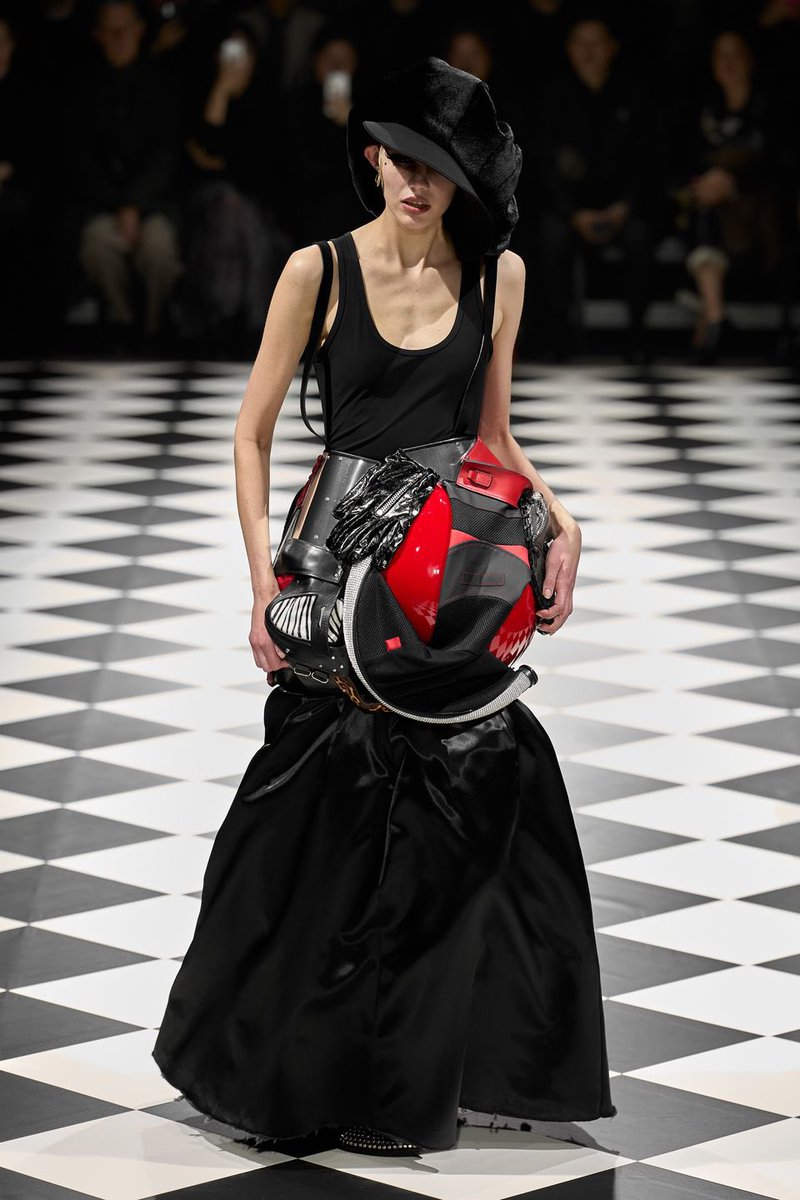
“May peace prevail in the world.”
The Art of Assemblage Couture || Junya Watanabe Fall/Winter 2026 Ready-To-Wear || a collection made out of emergency blankets, jackets, motorcycle protective gear like helmets, and gloves, a mirror printed of Marilyn Monroe, stuffed animals and many more other materials.
~Makeup by Isamaya Ffrench
~Hair by Eugene Souleiman


@CoddocD Carrément d'accord !
D'ailleurs le fond d'écran de ma tablette c'est un assemblage de 5 illus de Roy et ma sucrette 🥰

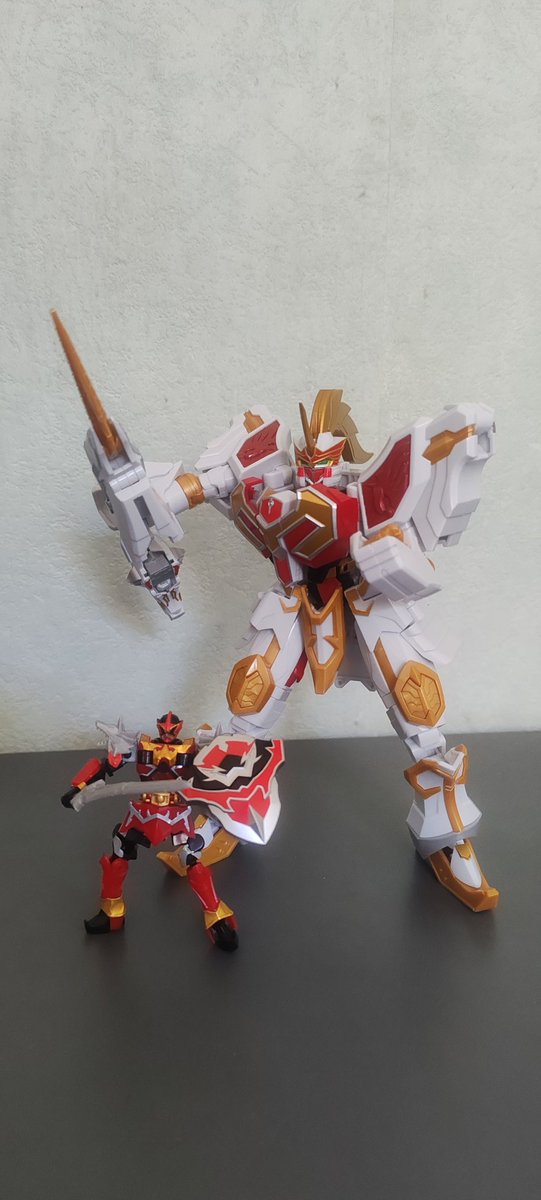
Et voilà ! Mon premier SMP terminé avec le Saint Kaiser / Fire Brave Kaiser que j'affectionne beaucoup ! 🦄🐦🔥🐺
Pas déçu ! Regardez-moi cette bête de classe ! 🔥🔥🔥
Niveau assemblage c'est assez simple tant que vous suivez les instructions. Vous fiez pas à mon timing perso, je l'ai fait vraiment à mon rythme dans mon temps libre, si on s'y met à fond, c'est faisable en 1 journée.
Maintenant je me tâte à prendre le Wolkaiser pour faire la paire 😬


@ladyhamiltonar1 "Enemy of the State." Oil on Masonite assemblage.

Most Popular Users

Elon Musk 
@elonmusk
239.8M followers

Barack Obama
@barackobama
118.6M followers

Cristiano Ronaldo
@cristiano
114.3M followers

Donald J. Trump
@realdonaldtrump
111.7M followers

Narendra Modi
@narendramodi
106.9M followers

Rihanna
@rihanna
98.6M followers

NASA
@nasa
92.1M followers

Justin Bieber
@justinbieber
91.7M followers

KATY PERRY
@katyperry
89.9M followers

Taylor Swift
@taylorswift13
83.9M followers

Lady Gaga
@ladygaga
75.4M followers

Virat Kohli
@imvkohli
73.3M followers

Kim Kardashian
@kimkardashian
70.8M followers

YouTube
@youtube
68.6M followers

Neymar Jr
@neymarjr
66.3M followers

Bill Gates
@billgates
65.1M followers

Selena Gomez
@selenagomez
63M followers

The Ellen Show
@theellenshow
62.1M followers

CNN
@cnn
61.7M followers

X
@x
60.6M followers