

Top Tweets for #charaa

Le président al-Charaa participe à une réunion organisée par le président américain
#Syrie
#Etats_Unis
#charaa
#Trump
🖇Plus de détails https://t.co/bhbqyCeR6T


#Syrie
Donald #Trump annonce la levée des sanctions américaines.
Le président américain a fait cette annonce depuis l’ #arabiesaoudite , dans le cadre de sa tournée au Proche-Orient.
Il doit « saluer » le président syrien Ahmed Al #Charaa, mercredi, à #Ryad


Du temps de Bachar el-#Assad, chef laïc qui protégeait les #Chretiens, et qui combattait les #islamistes, il eut été scandaleux d'échanger ne serait-ce que du renseignement. Mais avec l'islamiste Al-#Charaa, tout est différent au prétexte fallacieux du réel en politique.
Mais pourquoi appliquer la "real politik" avec ce terroriste et non pas avec Bachar el-Assad?
Rien d'étonnant en fait, le chef d'Al-Nosra n'est-il pas celui qui "fait du bon boulot"? (Fabius)
Les forces occidentales n'ont-elles pas toujours soutenu les djihadistes contre les chefs d'Etat laïcs, en s'en servant?
#Kadafi en #Libye, #Assad en #Syrie, #Hussein en #Irak ont tous été liquidés par l'#Occident, alors que personne ne répugne à aller serrer la main sanguinolente du dirigeant syrien autoproclamé d'al-#Qaïda!
Jusque-là les dirigeants avaient tous défilés à #Damas pour lui serrer la main. #Macron s'est distingué en #dhimmitude, il a voulu être le 1er à pousser le déshonneur plus haut encore, il a lui obtenu un sauf-conduit international pour serrer la main du terroriste à Paris !


Un Syrien à Paris https://t.co/gZ3MQxRCgj via @YouTube
#Alcharaa #Charaa #Syrie #France #Paris #Macron #politique #lejournaldepersonne
Une conversation entre deux mondes!


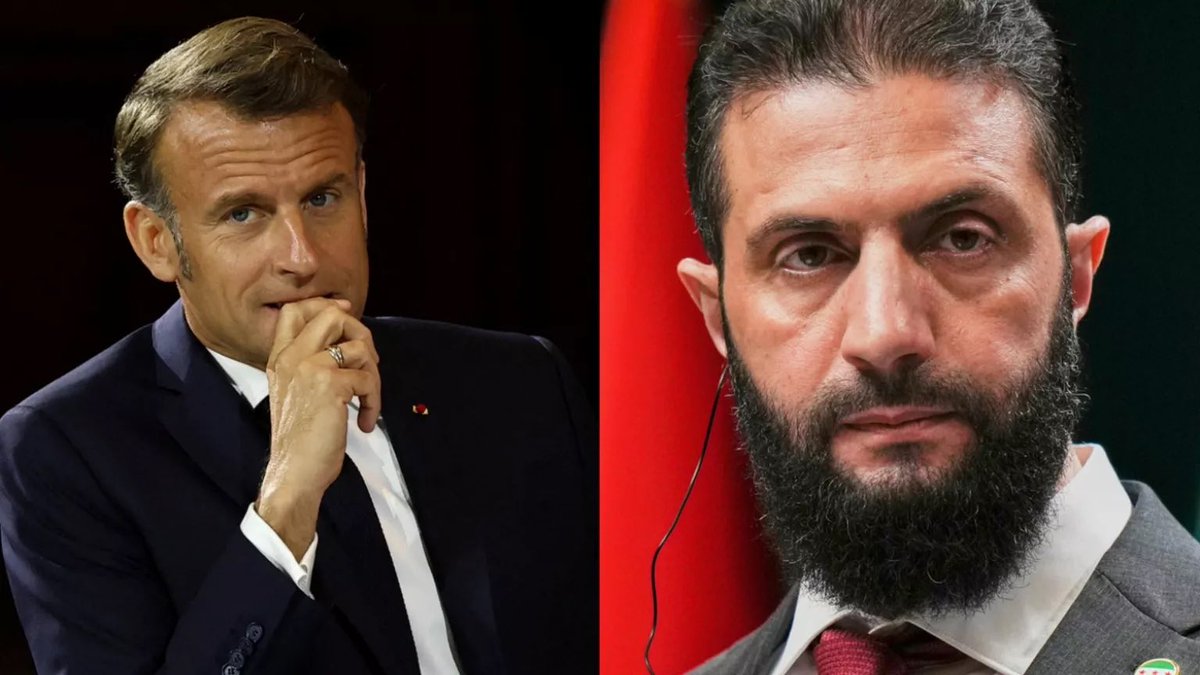
🇸🇾Le président syrien ex djihadiste Ahmed al-#Charaa (anciennement appelé #Joulani) choisit la France pour son premier déplacement dans l'#UE. La France et l'UE font montre d'une naïveté déconcertante en niant la menace du régime islamiste autoproclamé syrien qui n'a ni la légitimité ni le contrôle de son territoire et qui laisse ses ´egorgeurs modérés' massacrer #Druzes et #Syriens. Le monde occidental légitime « tout ce qui est anti- Bachar al-#Assad» et donc hostile aux alliés ou protégés de #Moscou ou # Téhéran, mais il oublie que les fanatiques sunnites ne sont pas plus nos alliés que l'axe irano-chiite. Ce sont d'ailleurs les amis de #Joulani qui ont perpétré les attentats jihadistes en #France. La désinformation des médias mainstream continue au sujet d’#AlCharaa, dépeint comme un musulman ouvert aux droits de l’homme. En réalité, il n’en est rien. Non seulement le renseignement américain a confirmé que l’actuel chef du pouvoir syrien n’avait jamais renié son passé de #djihadiste, mais il serait actuellement en train de naturaliser pléthore de djihadistes étrangers en #Syrie, afin de renforcer la mainmise de son pouvoir sur toutes les sphères de la société, et accentuer la pression sur les minorités #alaouites (qui soutenaient #Bachar), et #druzes qui ont subi ces mois derniers de terribles persécutions.

![OeilHorusNMW's tweet photo. 🇫🇷🇸🇾🏴 [#France | #Syrie]
🚨 Al-#Jolani & #Macron "Entretien trilatéral"
❗️Emmanuel Macron aura un "entretien trilatéral" "à distance", avec le président syrien Ahmad al-#Charaa (ex Al-#Joulani de #HTS #ISIS #AlQaeda #AlNosra) et Joseph #Aoun (#Liban) a annoncé jeudi l'#Élysée. https://t.co/q1lNuuFa34](https://pbs.twimg.com/media/GnIS0bqWoAM-V3I.jpg)

Le président syrien, Ahmed Al-#Charaa, a officiellement demandé au président de la Russie, Vladimir #Poutine, de remettre Bachar al-Assad afin qu’il soit jugé en #Syrie annonce @AlArabiya @G_CSyria @KremlinRussia #globalimpact
![OeilHorusNMW's tweet photo. 🇫🇷🤡 [#France | #Collabo #Gestapo]
❗️Comme @osint_random, tu choisis de soutenir « Al-#Charaa » (ex Al-#Jolani de #AlQaeda, #AlNosra, puis #HTS, et président de la #Syrie)
❕… au lieu de se concentrer sur une #FAKENEWS de l'#UnionEuropéenne, c’est gênant pour un Factchecker 🫣 https://t.co/Y0A1lEm0N2](https://pbs.twimg.com/media/Gl2ffgMXoAAqxUY.jpg)
![OeilHorusNMW's tweet photo. 🇫🇷🤡 [#France | #Collabo #Gestapo]
❗️Comme @osint_random, tu choisis de soutenir « Al-#Charaa » (ex Al-#Jolani de #AlQaeda, #AlNosra, puis #HTS, et président de la #Syrie)
❕… au lieu de se concentrer sur une #FAKENEWS de l'#UnionEuropéenne, c’est gênant pour un Factchecker 🫣 https://t.co/Y0A1lEm0N2](https://pbs.twimg.com/media/Gl2ffgKWAAAMriG.jpg)


Le président syrien Ahmed al-#Charaa a quitté #Damas, la capitale, pour une tournée dans d'autres villes de #Syrie.
Une première, et un itinéraire qui n'a pas été choisi au hasard. Les précisions de @SimNasr dans #AutourDuMondeF24 ⤵️

https://t.co/FfhdV6xWQ9
Les "islamistes" peuvent ils être des "révolutionnaires" ?
#Syrie #HTS #Charaa #Jihadistes
أ) إذا أردنا التعبير بصورة واحدة عن أصل انعدام ثقة التيارات اليسارية "المناهضة للإمبريالية" في "الثوار الإسلاميين" الذين سطع نجمهم مع الربيع العربي، فلن نجد أفضل من صورة الفرنسي برنار هنري ليفي، الفيلسوف (إلى حد ما) والناشط الصهيوني الراديكالي (إلى حد بعيد)، وهو يتصدر المشهد رفقة الثوار الليبيين في بنغازي.
هذا التعاون غير المتوقع بين الطرفين هو ما يغذي اليوم توجس التيارات "المناهضة للإمبريالية" بمختلف أطيافها من الفاعلين المحليين في الثورة السورية والاتهامات التي توجه إليهم بالحفاظ على علاقات متينة مع التيار الصهيوني الدولي. كما أن لدينا سابقةً رسّخت هذا الاختزال البيّن في التحليل تتصل بالتطابق العابر للأجندة الأمريكية في أفغانستان مع أجندة الجهاديين العرب ضد الاتحاد السوفياتي.
ومن جملة ما تطرحه هذه الرؤية من مشاكل، تجريد الفاعلين المحليين في سوريا، وهم الأبطال الحقيقيون لهذه الثورة، من كل استقلالية أو فاعلية، وتقديمهم على أنهم مجرد كراكيز بيد قوى خارجية غربية أو عربية.
الخطيئة الأصلية –غير المقصودة طبعا – لهؤلاء الثوار السوريين هي إطلاقهم ربيعهم في لحظة (مارس 2011) كانت فيها الدبلوماسيات الأوروبية قد تنبّهت، باستياء، إلى أنها ساهمت، سواء في تونس أو في مصر، في تسهيل صعود الإسلاميين وخروجهم منتصرين من صناديق اقتراع الربيع العربي.
في ليبيا أولا (وفقط في ليبيا)، قررت تلك الدبلوماسيات استباق الثوار عسكريا، و"مواكبتهم" حتى الإطاحة بمعمر القذافي والقضاء عليه فعليا. في سوريا، اتفق صناع السياسة الخارجية الأوربية أيضا على مبدأ دعم المعارضين، قبل أن يتخلوا عنهم بشكل كلّي ويركزوا حصرا على سحق "داعش" عسكريا.
وقد ظهر سريعا القصور الفادح لهذا الدعم في صد التدخلات الواسعة النطاق لإيران ثم روسيا. وحتى وإن كان عابرا، فقد كان هذا الدعم من حيث المبدأ كافيا لترسيخ فكرة التواطئ بين الإسلاميين السوريين والفاعلين على الساحة الغربية.

Le #Qatar s’engage pleinement à soutenir l’administration Al-#Charaa
https://t.co/Zhk4hS0QLX via @FrImArabic

Le dit et le non dit dans le discours du dirigeant de la #Syrie : portée et limites du "parler musulman" d'Ahmed #Charaa
The spoken and unspoken in Ahmad al-Sharaa’s Discourse
By @hanafi1962 Sari Hanafi
American University of Beirut
Although I follow the developments in post-Assad Syria daily—almost hour by hour—particularly concerning the performance of the civil, political and military leadership, I find that certain aspects of this leadership’s statements and actions are clear, while others remain ambiguous and convoluted. Yesterday's BBC interview with Ahmad al-Sharaa, the leader of Hay’at Tahrir al-Sham, clarified some points while leaving others obscure—some hinted at between the lines, and others entirely unaddressed (the unspoken). In this article, I intend to analyze what is articulated and what remains unsaid, noting at the outset that the pleasant surprises far outweigh the unpleasant ones, or at least those that need improvement.
Ahmad al-Sharaa spoke about his comprehensive vision for Syria’s civil transition, emphasizing his intention to call for a Syrian National Conference representing all components of Syrian society—ideological, religious, and ethnic. This conference would result in the establishment of a constitutional committee, followed by elections to form a parliament and elect a president. He described the "New Syria" as a nation that would pose no threat to its neighbors and affirmed that any disputes with neighbors or major powers would be resolved through diplomatic pressure and engagement with the international community. As an example, he cited recent protest letters sent to the United Nations regarding Israeli violations of the 1974 ceasefire line.
When asked about the use of force in Idlib to consolidate Hay’at Tahrir al-Sham’s control, al-Sharaa resorted to legal language, stating that the violence was legitimate because it targeted those who infringed upon public institutions. When questioned about the differences between what the Taliban did in Afghanistan and what Hay’at Tahrir al-Sham has done in Idlib or intends to do in the new Syria, he argued that there are sociological and cultural differences between the two countries. Afghanistan, he explained, is a tribal society, whereas Syria is predominantly urban.
What caught my attention during the interview was al-Sharaa’s humility. On several occasions, he admitted he could not issue definitive judgments on certain matters, saying his personal opinion was irrelevant and that decisions should be left to legal experts, the people, and the constitution. At the same time, he showed nationalist pride, stating twice that his primary concern is to gain the trust and belief of the Syrian people, regardless of whether those outside Syria believe him.
Here, I wish to comment on the glimpses of a future social agenda for Syria revealed in his statements. In his discourse, al-Sharaa never used terms like "Sharia" or "Islamic state." Instead, he addressed the journalist using a language closer to what the American philosopher John Rawls calls "public reason," a shared moral and argumentative language that all Syrians—and even a British journalist—could understand. When asked whether the new Syria would respect women's rights, he evaded the question and expressed disdain for it, reminding the journalist that the priority today is rebuilding Syria for all its components—men and women alike—and restoring citizenship to those who lost it for security reasons, including many Syrian families living abroad.
Nevertheless, his reconciliatory tone toward the West stood out. He refrained from directly criticizing the journalist over double standards, such as the West’s provision of weapons to Genocidal Israel to kill women and children in Gaza. Instead, he opted for Syrian-Syrian comparisons.
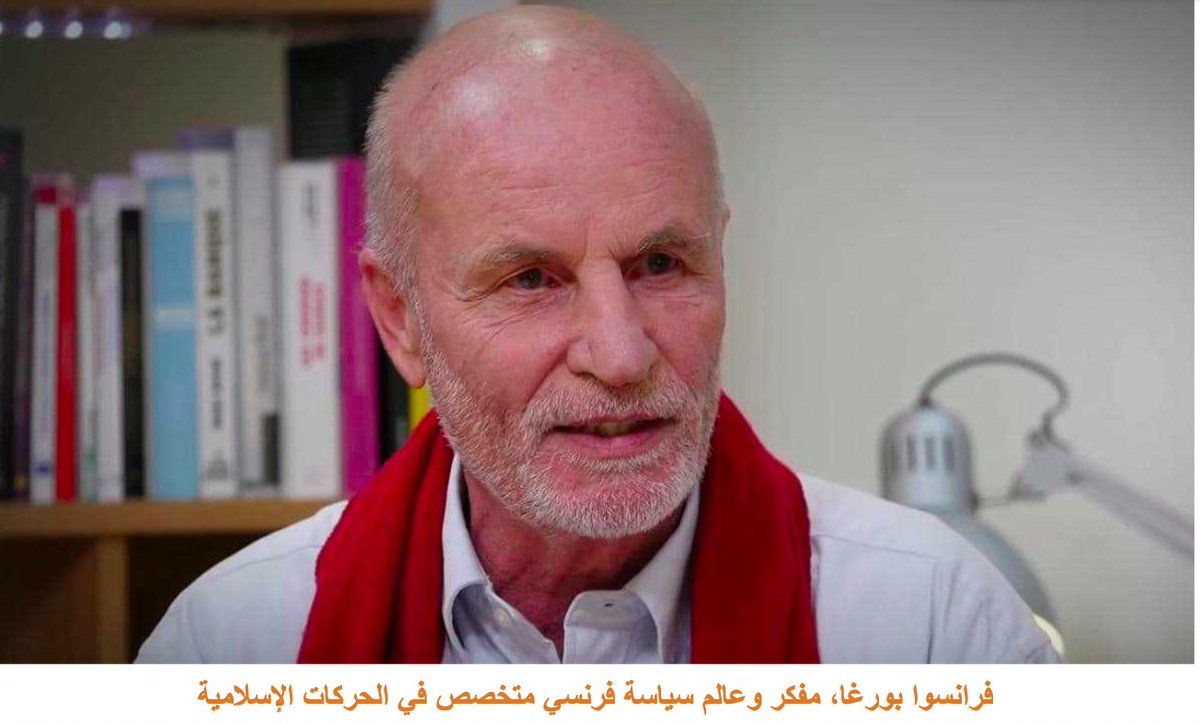
When al-Sharaa was asked about social issues and his political vision, he used terms like "constitution," "law," "return to the people," and "the people decide." These expressions belong to the repertoire of liberal democracy, yet he avoided explicitly using the term "democracy." It seems clear that al-Sharaa adheres to an Islamic intellectual framework that seeks not to revert to universal commonalities but to employ expressions closer to the Arab-Islamic communicative field—or, as François Burgat puts it, to speak in Islamic lexicon (parler musulman). I agree with Burgat that one should not object to the use of a local lexicon over a universal one. What matters here is the substance, not the terminology.
When asked whether al-Sharaa supports a democratic Syrian state, he rejected the term "democracy," substituting it with the concept of a "state of law, constitution, and equality among Syrians." When probed on issues like allowing the sale of alcohol or women’s dress codes, he evaded or sidestepped the questions, insisting that such decisions should be left to legal experts. He should have said that public freedoms are guaranteed, that the state has no right to interfere in people's religiosity, and that the rest is determined by the law.
The positive takeaway is that al-Sharaa seems to believe in some form of differentiation between the religious and the political. He uses the concept of a civil state, where politics is governed by law, and religious matters are left to preachers. Notably, he avoided employing liberal universal terms such as democracy, citizenship, freedom of expression, freedom of political organization, individual freedoms, or secularism. Perhaps this avoidance stems from his view that (new) liberals often have double standards when employing terms like "democracy" or that other terms like "secularism" have been misused by authoritarian states.
While al-Sharaa's discourse presents a promising vision of a legal-political system that represents all Syrians, it leaves issues of public morality ambiguous. He seems unaware of how crucial this issue is for large groups of Syrians who historically distrust Islamists due to their ambivalent stance on public morality, in a chilling context of polarization. This distrust is legitimate, given the rhetoric of some radical Islamists who conflate the roles of preacher and politician. There is a significant difference between a preacher advocating for the prohibition of alcohol or the imposition of the hijab and a politician who must account for the diverse conceptions of the good among citizens. What one chooses to eat, drink, wear, or enjoy is part of their personal conception of the good.
Thus, I believe that al-Sharaa’s discourse in this regard was unwise, as it left significant ambiguities. The distinction between the concept of justice, which should unite all Syrians, and the diverse conceptions of the good is of paramount importance. It would have been better for al-Sharaa to clarify his vision for Syria’s future in this context, rather than merely stating that the constitution and law will resolve these matters. This ambiguity has led some skeptics to perceive the military leadership’s recent statement—pledging not to harm any civilian in the public sphere over their attire or behavior (an allusion to not harassing unveiled women)—as a tactical move that does not reflect the new leadership’s genuine vision for Syria.
Despite my critiques of certain aspects of al-Sharaa’s discourse, I believe that, given his humility and rich experience in Idlib, he appears to be a reflective individual capable of adapting his ideas to the context. Reflexivity indeed is a critical and important trait. This trait is also evident in many new Islamic movements that have positively evolved upon being part of the governing body.
What pleased me most was the news that a delegation from Turkey’s ruling Justice and Development Party visited the Syrian government and political leadership. Some of its members remained in Damascus to assist the new regime in benefiting from Turkey’s experience in distinguishing between the religious and the political and ensuring the state’s minimal neutrality regarding the pluralistic and conflicting conceptions of the good in society.
The problem with exclusively using local or Islamic lexicon is that it fails to create a shared intellectual and political space with the global community. Al-Sharaa knows that Syria, rising from its ashes like a phoenix, desperately needs international support for reconstruction. While he employs the concept of solidarity in a global sense, he avoids using other terms from the global vocabulary tied to the Universal Declaration of Human Rights and how humanity has developed some concepts, such as dignity, democracy, human rights, women’s rights, freedom of expression, and freedom of association. This is unfortunate.

In our #country only 2 people are highly #intellectual one is @ReallySwara second one is @kunalkamra88
Baaki sb aise hi #ghaas #Charaa rhe hai...!!!
#Baaki sb baklool hai....#😀😀😚😚

@laluprasadrjd Masoom janwaro ka jab #charaa khaa gya RHA chori karke tab nahee socha E masoom "janwar kya khanege #Laloo_charaa_chor


Last Seen Hashtags on Sotwe
groomabletwt
Seen from United Kingdom
minichat(***)******************+filter:videos
Seen from United States
gizliçekim
Seen from United States
asian #pmv
massageyoni
Seen from Vietnam
syphabelnades
Seen from Mexico
impregnate
Seen from Ukraine
jackpower
Seen from Italy
spermsample
Seen from United States
theloudhouse
Seen from United States
Most Popular Users

Elon Musk 
@elonmusk
241.7M followers

Barack Obama
@barackobama
119M followers

Cristiano Ronaldo
@cristiano
114.4M followers

Donald J. Trump
@realdonaldtrump
111.9M followers

Narendra Modi
@narendramodi
107.2M followers

Rihanna
@rihanna
98.7M followers

NASA
@nasa
92.4M followers

Justin Bieber
@justinbieber
91.8M followers

KATY PERRY
@katyperry
90M followers

Taylor Swift
@taylorswift13
83.9M followers

Lady Gaga
@ladygaga
75.4M followers

Virat Kohli
@imvkohli
73.4M followers

Kim Kardashian
@kimkardashian
70.9M followers

YouTube
@youtube
68.8M followers

Neymar Jr
@neymarjr
66.4M followers

Bill Gates
@billgates
65.2M followers

Selena Gomez
@selenagomez
63.1M followers

The Ellen Show
@theellenshow
62.3M followers

CNN
@cnn
61.8M followers

X
@x
60.7M followers