

Top Tweets for #climatescience

Water scarcity may quietly turn deep soils into a bigger carbon source.
💧 Explore how microbes respond, and how their water exchange could help protect soil carbon. Read the full article: https://t.co/tmxgQCV9eI
#AcadeMax #ZJUP #SoilCarbon #ClimateScience #Microbiology @ZJUPRESS @ZJU_China @PKU1898


🌊 Heat and cold stress can disrupt coral carbon metabolism in different ways. Our latest research highlights how coral-associated microorganisms respond to temperature extremes.
🔬 Discover the study: https://t.co/5sQUXq5bDB
#SciOpen #TUP #CoralReefs #ClimateScience


Air models keep underestimating sulfate pollution. Why? Missing dust and haze chemistry. Adding them to GEOS-Chem cut the bias from 63% to under 1% in a dust event.
https://t.co/Le42eQXUoP
#AAS #AirQuality #ClimateScience #Climatecrisis

Why is summer ozone worsening in North China? Atmospheric ridges trap heat and fuel ozone formation. New research shows what drives them has shifted over the decades.
https://t.co/OmyyF13s8S
#AAS #AirQuality #ClimateScience #Ozone

New issue alert. @aasjournal Vol 43, Issue 11 is live! The first 4 papers form a special topic honoring 10 years of Fudan University’s atmospheric sciences discipline, alongside 12 more papers on climate, air quality and AI forecasting.
#AAS #AtmosphericScience #ClimateScience
Ever wondered why cloud droplets come in two sizes? Mixing in drier air can create a second mode and boost droplet spread. The new model cuts error by up to 33%.
https://t.co/TfzER83F6e
#AAS #ClimateScience #nature

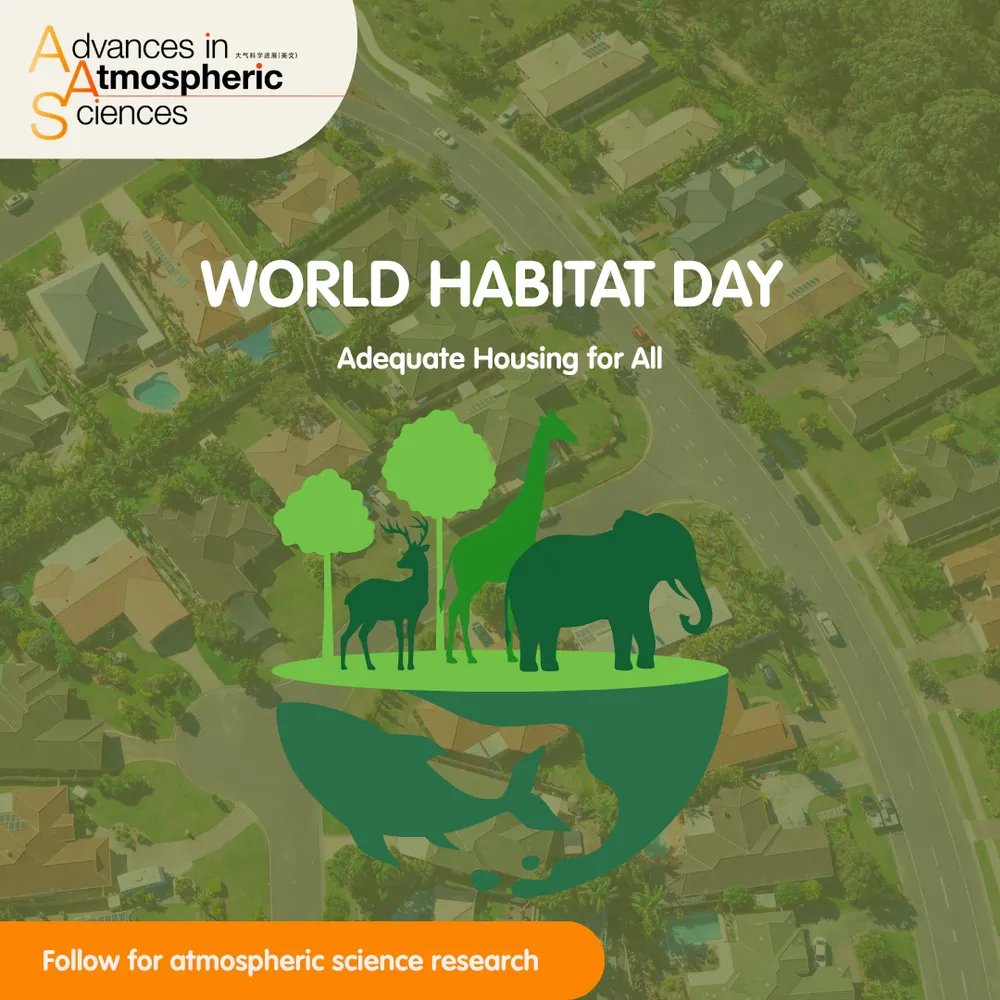
Cities, coasts, and villages all share one sky! This #WorldHabitatDay, atmospheric science insights help us to balance our population growth with protecting wildlife!
https://t.co/O6w8V46E7D
#ClimateScience #ClimateChange
The scientific parallel is striking. A recent
@aasjournal study on North China's 2025 extreme rainfall finds these events are becoming less frequent but far more intense under warming, a pattern researchers are tracking worldwide.
https://t.co/C17WLtVXQi
#ClimateScience

How well does a weather prediction model capture climate over decades? A 36-year KIM simulation is assessed against CMIP6 AMIP models, examining its mean climate and variability, including ENSO and the Arctic Oscillation.
https://t.co/ZdwBHZhVno
#AAS #ClimateScience

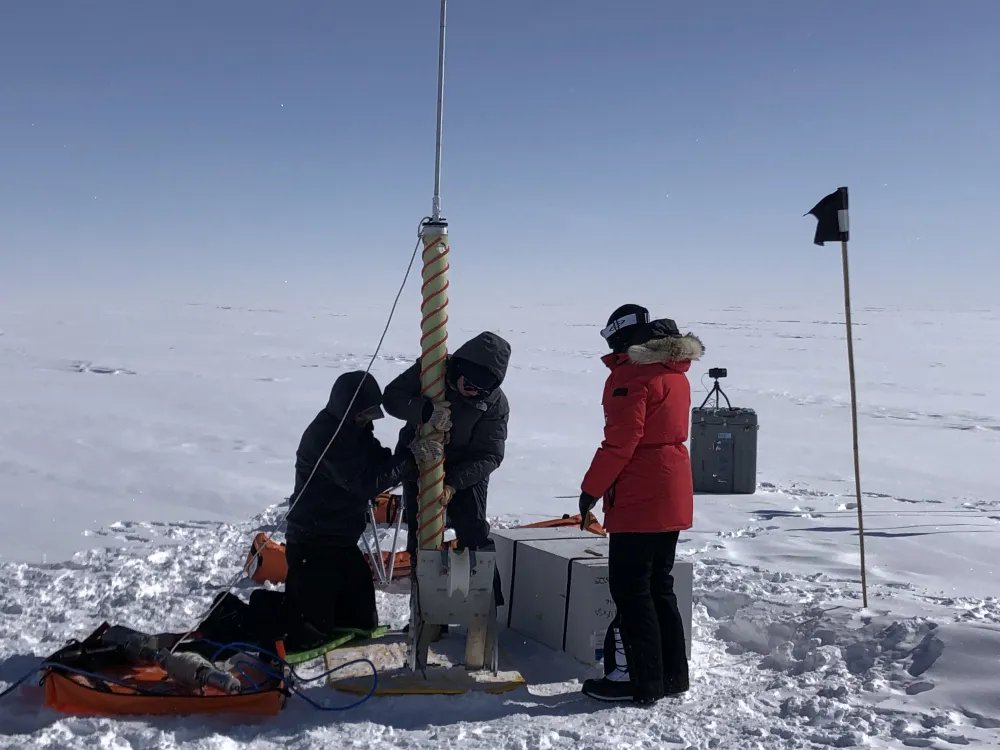
Greenland ice holds 235 years of pollution history. Sulfate, nitrate and chloride shifted with North American emissions since the 1780s. Photo by Jihong Cole-Dai at Summit, Greenland.
https://t.co/hwsEFz8QxE
#AAS #Climatescience #Nature

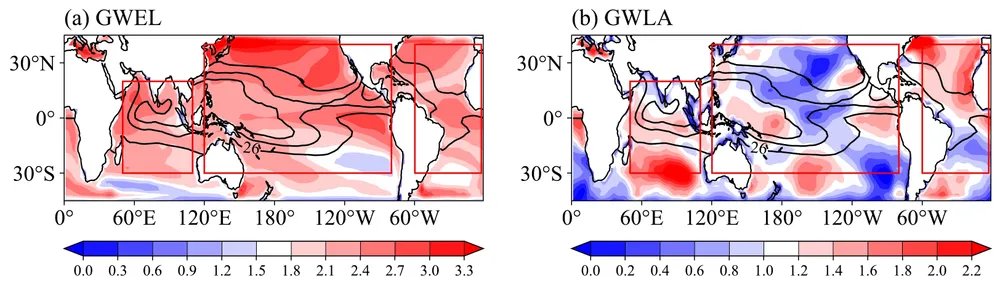
Why is Arctic sea ice disappearing faster near the Bering Sea? The answer may trace back to the tropical Indian Ocean. Since the mid-1990s, its warming has reshaped atmospheric circulation, speeding up ice loss.
https://t.co/LLq92euxkt
#AAS #ArcticScience #Climatescience

The 2019 Indian Ocean Dipole increased tropical Indian Ocean heat content by an amount comparable to a strong El Niño, driven mainly by wind rather than ocean currents.https://t.co/fqnXC3InUD
#AAS #Climatescience

Could ocean warming patterns reshape tropical cyclone risk? Research shows that #ElNiño and #LaNiña conditions influence the tropical easterly jet differently, altering tropical cyclone potential over the Indian Ocean and western Pacific.
https://t.co/Cqx8r2I7cq
#ClimateScience
Can multi frequency radar and deep learning solve a long standing data gap in cloud physics? A new study introduces MiRA-Net, achieving near perfect correlation in ice water content retrieval.
https://t.co/sQr1wao7fx
#AAS #Nature #RemoteSensing #Climatescience

Heat accumulates before a heatwave hits, but cooling can slow that process down. This research on 68 Yangtze River basin events shows how atmospheric shifts delay extreme heat onset.
https://t.co/TvQ0vxIrK8
#AAS #ClimateScience #ExtremeHeat

How far ahead can weather forecasts ever go? A new study puts the hard limit at 129 ± 7 days, based on the atmosphere's total energy and incoming solar radiation.
https://t.co/IygwXr2Ib3
#AAS #ClimateScience #EarthSciences

Turns out Antarctic sea ice volume actually peaks in September, not August. A new 14 year dataset built with machine learning reveals more accurate sea ice thickness than older methods.
https://t.co/TbPw3CTm2q
#AAS #Antarctica #ClimateScience #AcademicSky

Your city's biggest methane problem may be the landfill, not its traffic. Our March research from Hangzhou maps CO2 and CH4 hotspots across an entire city with interesting findings:
https://t.co/zRdM3f2k8U
#AAS #UrbanEmissions #ClimateScience
@yale

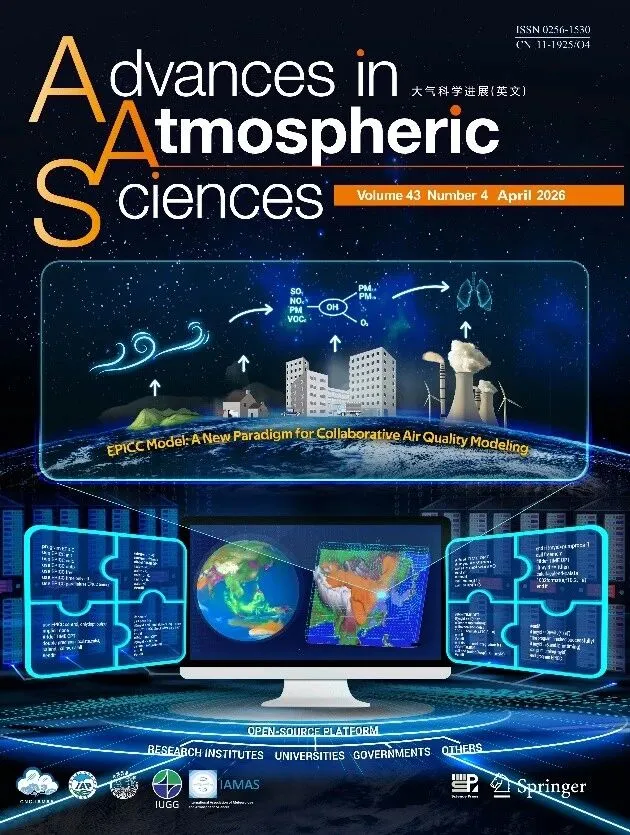
Cleaner fuels need cleaner measurements. This #WorldBiofuelDay, research using the EPICC model improves how O3 and PM2.5 are simulated, helping evaluate the real impact of emission pathways and sustainable energy transitions.
https://t.co/3KdJVzyIsR
#ClimateScience
@springer
Tropical cyclone forecasts just got sharper! AI-powered CycloneBCNet cuts 96-hour track errors from 162 km to 86 km.
https://t.co/4zAoV7h1WL
#AAS #TropicalCyclones #AIWeather #ClimateScience

Stronger intraseasonal oscillations reshape Rossby wave pathways and moisture buildup over South China.
https://t.co/AHy2JbDtRI
#AAS #Waves #sea #Climatescience #nature #AcademicSky

Not all heavy rainfall behaves the same
This research shows how distinct atmospheric drivers shape prolonged rainfall across South China and the Yangtze River Basin.
https://t.co/6g2SfLuwub
#AAS #SynopticMeteorology #RainfallExtremes #Climatescience

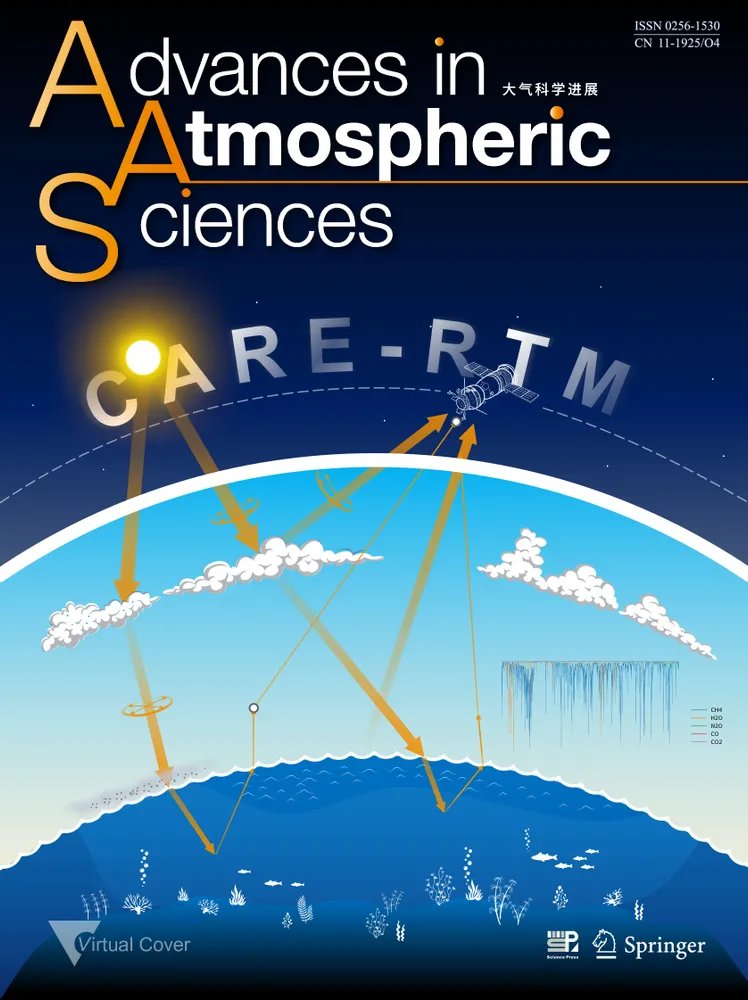
How well can we model light bouncing between sky and sea? A new CARE RTM model uses GPU power and smart scattering simulations to sharpen ocean and atmosphere data from satellites. https://t.co/fVGm3uatky
#AAS #RemoteSensing #ClimateScience
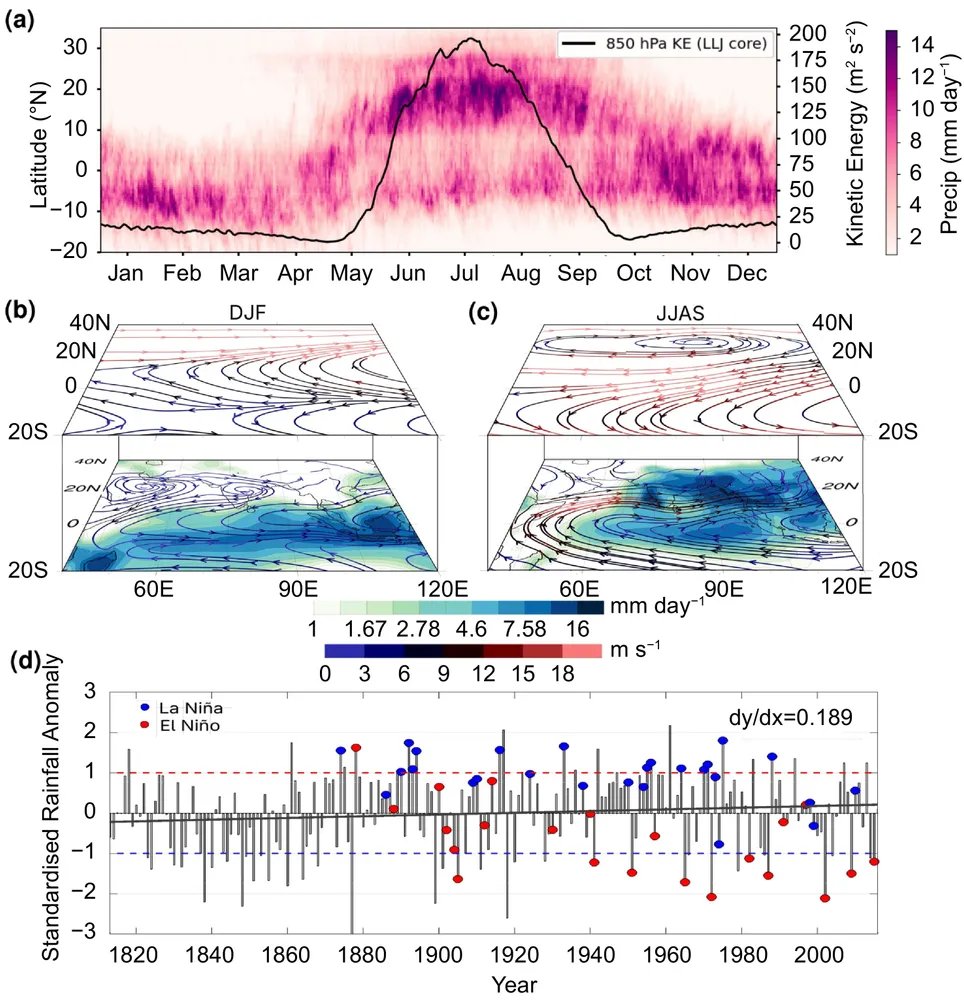
What happens when extreme rain and deadly heat hit during the same monsoon season? Our research has the answer and it changes how South Asia must plan for the future. Read: https://t.co/97ZJ4Khzxw
#AAS #SouthAsianMonsoon #Climatescience #HeatStress

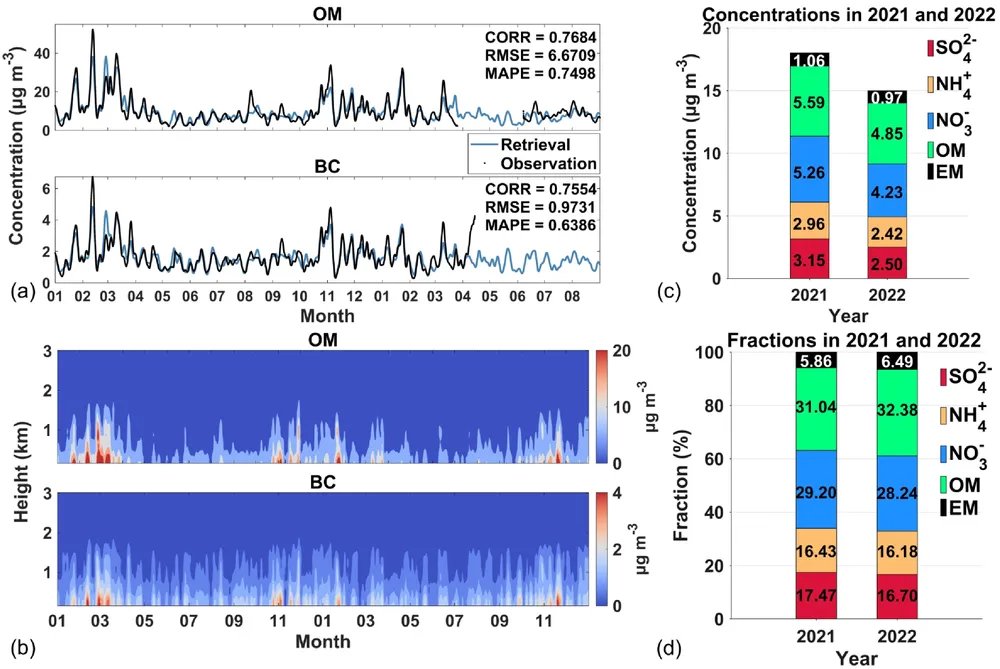
Beijing's air pollution behaves differently at every altitude. 2 years of LiDAR data just revealed why.
Read the full findings:https://t.co/MPVukkVJ9R
#AirQuality #AtmosphericScience #ClimateScience
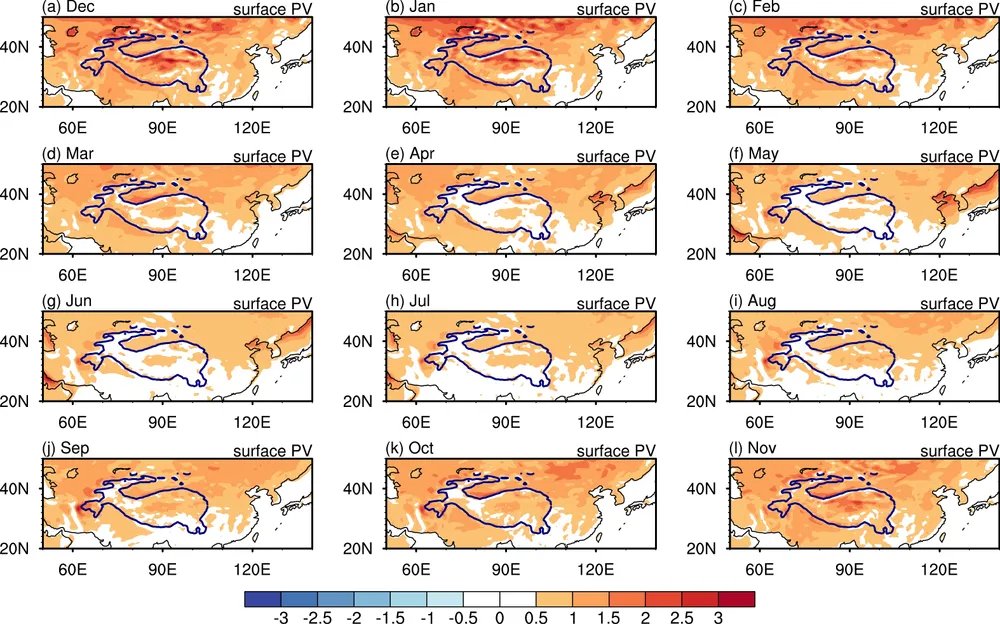
What controls winter weather patterns over eastern China? Snowpack thousands of kilometers away on the Tibetan Plateau plays a bigger role than thought.
Here's how:https://t.co/I2vYR8Lvwi
#AAS #Science #ClimateScience #TibetanPlateau
In a new #AAS Perspective, 23 scientists from 14 nations identify 3 urgent research priorities and call for coordinated polar winter observations.
https://t.co/fXFRPHQQEN
@BAS_News @NCState @IASC_Arctic #PolarScience #ClimateScience

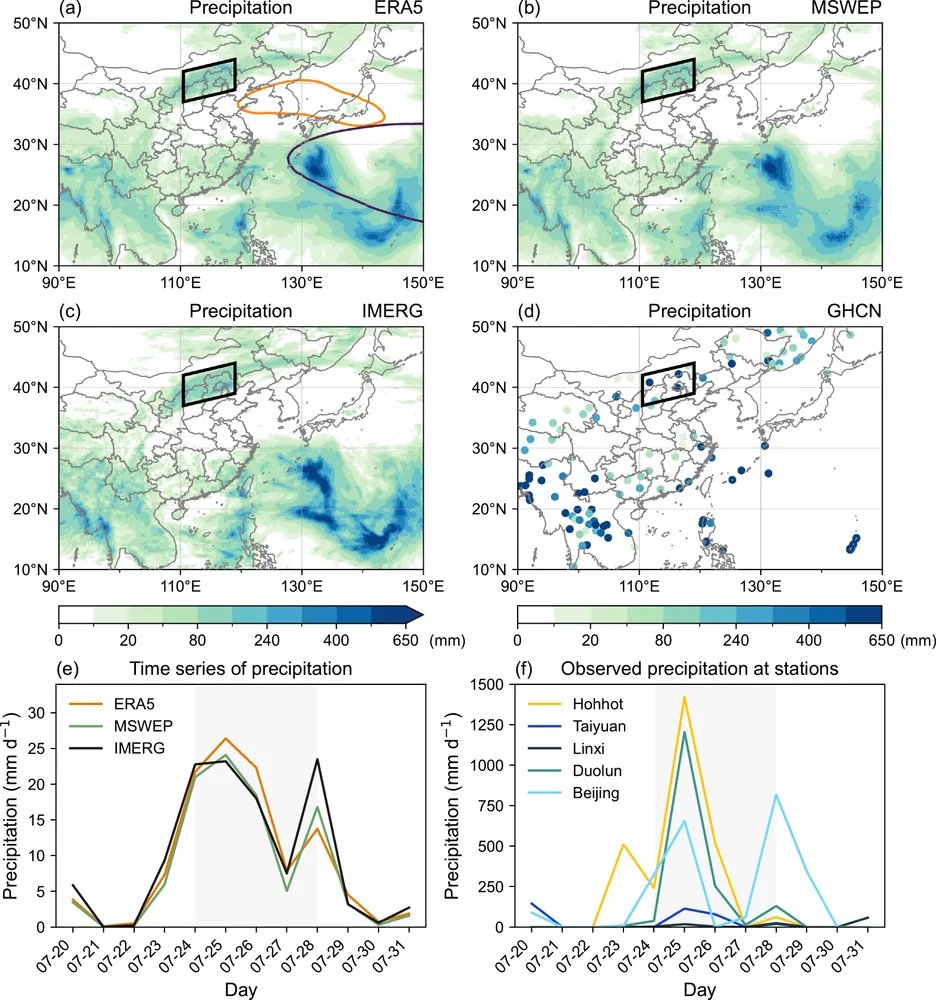
July 2025's North China rainfall broke records: 1.5x normal rainfall, with an affected area 4x larger than usual. Research in AAS traces it to the combined influence of Typhoon Co-may and a northward-shifted subtropical high.
https://t.co/C17WLtVq0K
#AAS #ClimateScience #Weather


🌴What can tree rings reveal about drought history?
JFR research reconstructed 180 years of relative humidity and identified 1997–2023 as an unprecedented drought period in the southeastern Chinese Loess Plateau.
🔗https://t.co/ZcDUjlPyOx
#JFR #ClimateScience #ForestResearch

Trends for you
Most Popular Users

Elon Musk 
@elonmusk
240.1M followers

Barack Obama
@barackobama
118.6M followers

Cristiano Ronaldo
@cristiano
114.4M followers

Donald J. Trump
@realdonaldtrump
111.7M followers

Narendra Modi
@narendramodi
106.9M followers

Rihanna
@rihanna
98.6M followers

NASA
@nasa
92.1M followers

Justin Bieber
@justinbieber
91.7M followers

KATY PERRY
@katyperry
89.9M followers

Taylor Swift
@taylorswift13
83.9M followers

Lady Gaga
@ladygaga
75.4M followers

Virat Kohli
@imvkohli
73.3M followers

Kim Kardashian
@kimkardashian
70.8M followers

YouTube
@youtube
68.6M followers

Neymar Jr
@neymarjr
66.3M followers

Bill Gates
@billgates
65.2M followers

Selena Gomez
@selenagomez
63M followers

The Ellen Show
@theellenshow
62.1M followers

CNN
@cnn
61.7M followers

X
@x
60.6M followers