

Top Tweets for #explainitlikeimfive

Welcome to another engaging episode of #ExplainItLikeImFive
Time to put your space-cowboy hat on and strap in, today we’re diving deeper into the Metaverse.
What it is, how it will look like and more down below 👇
Imagine a Universe where you're not just a spectator but a key player, making waves through virtual worlds that stretch across the space-time continuum, all just a click away — welcome to the Metaverse!
Ever fancied a physics lesson with Einstein or a stroll through ancient Rome guided by Caesar himself? What about starting your day battling dragons in outer space, stopping for lunch atop the Elon Musk Monument on Mars, and ending it by attending a digital mega concert of your favorite alien band with your friends, all without leaving your living room? Well, the Metaverse makes the impossible feel like child’s play.
Think beyond gaming; this digital expanse is revolutionizing entertainment, education, social interactions, business, and just about everything else you can think of.
Imagine earning more in a virtual world than in your day job. Users being able to sell any services from community management to space tour guides, and buy, sell, and trade everything from virtual real estate to currencies, artefacts, and the good ol’ monkey jpegs. All powered by blockchain technology. A place where every transaction is secure, and every item owned is yours alone.
But it’s not all solo quests and virtual commerce; the Metaverse is a hotspot for community growth and social interaction. It's a space where barriers dissolve, and connections are made. Whether you're networking in a business hub, throwing a virtual block party, or raiding a villain saloon in the Wild West with your digital posse, the Metaverse is the ultimate social glue — forging new bonds by offering unforgettable experiences.
No matter your background or skills, the Metaverse is the place for you. It’s a melting pot of cultures, ideas, and opportunities. Here, diversity isn’t just accepted; it’s celebrated. From artists and educators to explorers, entrepreneurs and dreamers, the Metaverse is a white canvas, and everyone gets a brush.
It may sound a lot like science fiction but it’s not; the Metaverse is the next frontier of human interaction, creativity and economic development. And it’s up to all of us to shape it in a way that serves us best. It may not be here yet, but it sure is coming fast.
What role will you play in it?


GM curious minds and welcome to another fun episode of #ExplainItLikeImFive.
Today we’re diving deeper into the journey of the internet, from its humble beginnings to its promising future.
Buckle up and enjoy the ride 🧵
The early internet, also called Web1 (or the Read era) felt a lot like having a library card for the world's biggest library, and access to it without ever having to leave your comfy bean bag.
You could read and explore anything you wanted, from the mysteries of the Egyptian pyramids to the latest pop band. Other than that, there wasn’t much else to do, really. It was just you, your dial-up connection 🐌 and a whole lot of reading to do!
Fast-forward two decades and here comes Web2 (the Write era). Gone were the days of silently reading in your corner. Web2 turned up the volume, handed everyone a microphone, and said, “Hey, it’s your turn to rock the stage!”. This was the dawn of social media, blogs, and YouTube—where anyone could become a creator, an influencer, or even a sensation overnight.
Want to share food pics? Go for it! A video of your cat singing? Yes, please! Feel like pouring your heart out in a blog? The stage was all yours. Web2 didn’t just let you read the book, it let you write your own and share it with the entire world.
But with great power comes great... well, centralization. As more people joined the party, big tech companies began to control what was seen and shared, turning the open playground into more of a walled garden. They made the rules, and they enforced them. Your awesome content? It could get taken down, or get lost in a sea of algorithms favoring dancing dogs over singing cats.
Enter Web3 — the Own era. If Web2 made everyone a creator, Web3, because of the blockchain underlying it, gives everyone ownership over their content. If in Web2 tech giants made the rules, changing them as they pleased and making creators feel like building on quicksand, in Web3, thanks to clearly laid out rules written in computer code, and community involvement in decision-making (through governance), creators can start to truly feel like it’s time to build.
The internet becomes more than just something you use — it turns into something you own. And you, in turn, evolve from a simple user, into a creator, into a stakeholder.
You can own the content you create, you can own a piece of the projects you like and support. You can tokenize, and own, virtually anything.
It’s all about DEcentralization, which means breaking down the digital walls put up by tech giants. It’s a return to the internet’s roots: a free, open space where innovation isn’t stifled, it’s fostered. It's about building a fairer, more inclusive digital world. And the best part? We’re all here to enjoy the ride and push towards this future every day.


Can someone explain to me why Hamas doesn’t surrender? Why is it that the army who started the war and now have no hope of winning cannot be expected to surrender for the good of their people?
#ExplainItLikeImFive
GM curious minds and welcome to another fun episode of #ExplainItLikeImFive.
Today we’re diving deeper into the journey of the internet, from its humble beginnings to its promising future.
Buckle up and enjoy the ride 🧵
The early internet, also called Web1 (or the Read era) felt a lot like having a library card for the world's biggest library, and access to it without ever having to leave your comfy bean bag.
You could read and explore anything you wanted, from the mysteries of the Egyptian pyramids to the latest pop band. Other than that, there wasn’t much else to do, really. It was just you, your dial-up connection 🐌 and a whole lot of reading to do!
Fast-forward two decades and here comes Web2 (the Write era). Gone were the days of silently reading in your corner. Web2 turned up the volume, handed everyone a microphone, and said, “Hey, it’s your turn to rock the stage!”. This was the dawn of social media, blogs, and YouTube—where anyone could become a creator, an influencer, or even a sensation overnight.
Want to share food pics? Go for it! A video of your cat singing? Yes, please! Feel like pouring your heart out in a blog? The stage was all yours. Web2 didn’t just let you read the book, it let you write your own and share it with the entire world.
But with great power comes great... well, centralization. As more people joined the party, big tech companies began to control what was seen and shared, turning the open playground into more of a walled garden. They made the rules, and they enforced them. Your awesome content? It could get taken down, or get lost in a sea of algorithms favoring dancing dogs over singing cats.
Enter Web3 — the Own era. If Web2 made everyone a creator, Web3, because of the blockchain underlying it, gives everyone ownership over their content. If in Web2 tech giants made the rules, changing them as they pleased and making creators feel like building on quicksand, in Web3, thanks to clearly laid out rules written in computer code, and community involvement in decision-making (through governance), creators can start to truly feel like it’s time to build.
The internet becomes more than just something you use — it turns into something you own. And you, in turn, evolve from a simple user, into a creator, into a stakeholder.
You can own the content you create, you can own a piece of the projects you like and support. You can tokenize, and own, virtually anything.
It’s all about DEcentralization, which means breaking down the digital walls put up by tech giants. It’s a return to the internet’s roots: a free, open space where innovation isn’t stifled, it’s fostered. It's about building a fairer, more inclusive digital world. And the best part? We’re all here to enjoy the ride and push towards this future every day.
The evolution of art or just overpriced jpegs? The jury is still out.
If you’re not sure what we’re talking about, hop along, we’re diving deeper into NFTs.
#ExplainItLikeImFive
Let’s start with the basics. NFTs stand for Non-Fungile Tokens (which is essentially just a fancy way of saying that each token is unique), unlike $BTC tokens for example which are fungible. What this means is that any $BTC token is identical to all the other ones. There are no differences between my $BTC token and yours, assuming we both have a $BTC.
Or, to hit closer to home, think Pokémon cards. But instead of physical Pokémon cards where you can swap one Pikachu for another and they're basically the same, NFTs are like having one-of-a-kind digital Pokémon cards with their own set of powers and abilities.
Why are NFTs cool? Well, first because they provide digital ownership of an asset. In other words, because they exist on a blockchain, it’s easy to see who owns what. Together with other details like the price paid for it (if anything), and who the previous owners were. Full traceability.
Then there are royalties. Whenever artists or creators mint (fancy way of saying create) an NFT or a collection, they can add specific properties like royalties - fees that apply to every subsequent sale of an NFT, going to the creator.
And then there are other aspects. Anything can be turned into an NFT, from a picture of a monkey, a doodle your 5-year-old made or a song you played on the banjo, to concert tickets or property deeds.
NFTs can offer specific perks like access to exclusive events, inclusion to exclusive communities, rewards in tokens, and many others.
There’s an entire market that emerged around NFTs, with thousands of collections minted on various blockchains, and numerous marketplaces where users can buy or sell them, making (or losing) fortunes while doing so.
Some NFTs are more collectible than others. Entire cultures and communities were built around some collections, with real-life superstars like Eminem or Justin Bieber “aping in” and paying some crazy figures to own a jpeg (or become part of an exclusive club, depending on who you ask and how they look at it).
It’s hard to say what gives an NFT its value. It could be the artist, the artwork itself, the community built around it, its utility, or a mix of these factors—or sometimes, seemingly none at all. Some become full-fledged phenomena without any apparent rational basis.
Now, to circle back to the initial question, overpriced jpegs or digital renaissance, the answer is probably somewhere in the middle. But that matters less. What matters more is that regardless of how we choose to look at them NFTs are here to stay, and they will be playing a significant role in the new internet economy.
What do you think? Do you agree?
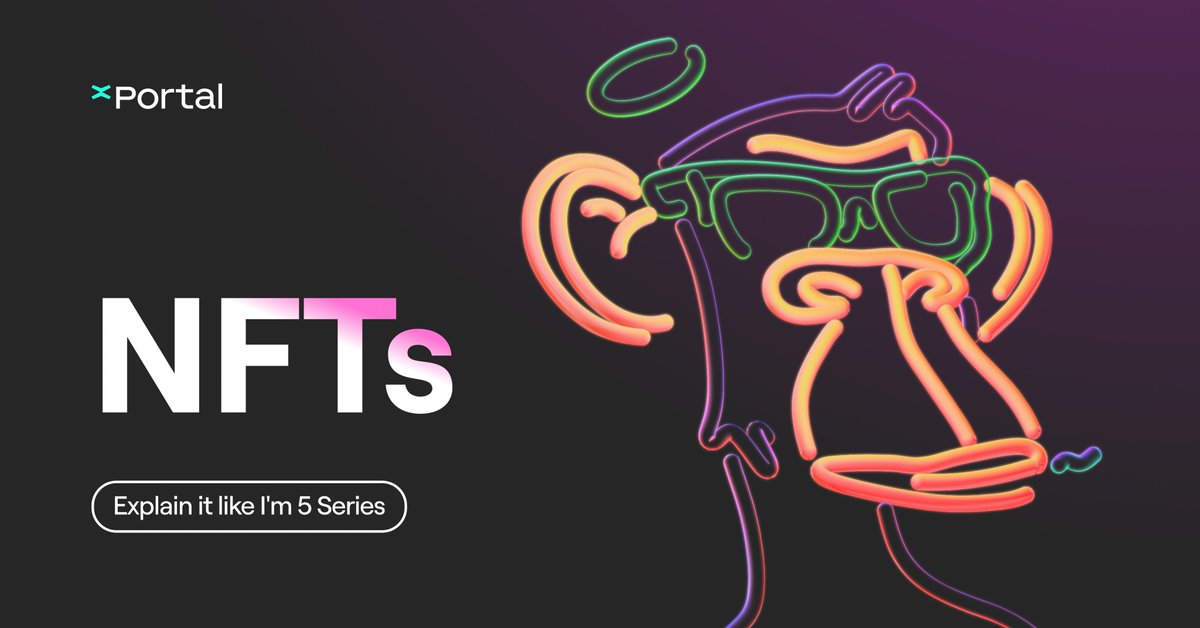

Learn more about blockchain and crypto with our dedicated team from @xPortalApp #ExplainItLikeImFive
Good day to you all, crypto newbies and OGs 👋
Today, we’re about to dive deeper into another crypto hot topic - DeFi.
If you’re itching to know more, grab a seat; we’re about to #ExplainItLikeImFive.
To understand what DeFi brings to the table, let’s first take a look at traditional finance.
Traditional finance, or CeFi (short for Centralized Finance), is all about middlemen. Banks, exchanges, and other big companies that help you handle your money.
Their trademarks? Well, let’s just say that to set up an account, you need to go to a branch, wait in a nice, long queue, ID in hand, proof of address and all, and fill out a form with all your details (father’s middle initial and star sign included) and then patiently wait to see if you make the cut. All this during business hours, of course. Want to borrow some money? You guessed it - More queues, more paperwork, more approvals required, more headaches.
Of course, it’s not the same everywhere, some banks really try to embrace digitalization and are doing everything they can to adapt, but the truth is most of them don’t.
At the opposite pole, there’s DeFi (Decentralized Finance). Here, anyone can create an online account in a few clicks and manage their own money by themselves. It doesn’t matter who you are or where you’re from; if you have an internet connection, you’re in the club. No queues, no approvals, no bank holidays or business hours here. Want to exchange some money at 3 AM on Christmas Eve? No biggie - DeFi doesn’t sleep.
But it doesn’t stop at swaps. Users can also get actively involved and become part of the system by providing liquidity and/or farming on decentralized exchanges, and accessing other financial instruments like lending and borrowing.
Moreover, because DeFi is built on top of blockchains, the rules are clearly written into lines of code, and everything is fully transparent. Anyone has full access to the transaction history, unlike traditional finance where the system is completely opaque. Think of it like a city made of see-through plexiglass, as opposed to concrete.
TL;DR: DeFi sets you free of middlemen and puts you in control of your finances.
What is perhaps worth mentioning is that, just like in the case of non-custodial wallets, this freedom and control comes with added responsibility. It's essential to conduct thorough research, invest only what you can afford to lose, and maintain a level head, not allowing emotions to dictate your decisions.
Now, which one is right for you it’s for you to decide, all we know is that here at #xPortal we like our freedom.
What about you?


Good day to you all, crypto newbies and OGs 👋
Today, we’re about to dive deeper into another crypto hot topic - DeFi.
If you’re itching to know more, grab a seat; we’re about to #ExplainItLikeImFive.
To understand what DeFi brings to the table, let’s first take a look at traditional finance.
Traditional finance, or CeFi (short for Centralized Finance), is all about middlemen. Banks, exchanges, and other big companies that help you handle your money.
Their trademarks? Well, let’s just say that to set up an account, you need to go to a branch, wait in a nice, long queue, ID in hand, proof of address and all, and fill out a form with all your details (father’s middle initial and star sign included) and then patiently wait to see if you make the cut. All this during business hours, of course. Want to borrow some money? You guessed it - More queues, more paperwork, more approvals required, more headaches.
Of course, it’s not the same everywhere, some banks really try to embrace digitalization and are doing everything they can to adapt, but the truth is most of them don’t.
At the opposite pole, there’s DeFi (Decentralized Finance). Here, anyone can create an online account in a few clicks and manage their own money by themselves. It doesn’t matter who you are or where you’re from; if you have an internet connection, you’re in the club. No queues, no approvals, no bank holidays or business hours here. Want to exchange some money at 3 AM on Christmas Eve? No biggie - DeFi doesn’t sleep.
But it doesn’t stop at swaps. Users can also get actively involved and become part of the system by providing liquidity and/or farming on decentralized exchanges, and accessing other financial instruments like lending and borrowing.
Moreover, because DeFi is built on top of blockchains, the rules are clearly written into lines of code, and everything is fully transparent. Anyone has full access to the transaction history, unlike traditional finance where the system is completely opaque. Think of it like a city made of see-through plexiglass, as opposed to concrete.
TL;DR: DeFi sets you free of middlemen and puts you in control of your finances.
What is perhaps worth mentioning is that, just like in the case of non-custodial wallets, this freedom and control comes with added responsibility. It's essential to conduct thorough research, invest only what you can afford to lose, and maintain a level head, not allowing emotions to dictate your decisions.
Now, which one is right for you it’s for you to decide, all we know is that here at #xPortal we like our freedom.
What about you?
Good day to you all, crypto newbies and OGs 👋
Today, we’re about to dive deeper into another crypto hot topic - DeFi.
If you’re itching to know more, grab a seat; we’re about to #ExplainItLikeImFive.
To understand what DeFi brings to the table, let’s first take a look at traditional finance.
Traditional finance, or CeFi (short for Centralized Finance), is all about middlemen. Banks, exchanges, and other big companies that help you handle your money.
Their trademarks? Well, let’s just say that to set up an account, you need to go to a branch, wait in a nice, long queue, ID in hand, proof of address and all, and fill out a form with all your details (father’s middle initial and star sign included) and then patiently wait to see if you make the cut. All this during business hours, of course. Want to borrow some money? You guessed it - More queues, more paperwork, more approvals required, more headaches.
Of course, it’s not the same everywhere, some banks really try to embrace digitalization and are doing everything they can to adapt, but the truth is most of them don’t.
At the opposite pole, there’s DeFi (Decentralized Finance). Here, anyone can create an online account in a few clicks and manage their own money by themselves. It doesn’t matter who you are or where you’re from; if you have an internet connection, you’re in the club. No queues, no approvals, no bank holidays or business hours here. Want to exchange some money at 3 AM on Christmas Eve? No biggie - DeFi doesn’t sleep.
But it doesn’t stop at swaps. Users can also get actively involved and become part of the system by providing liquidity and/or farming on decentralized exchanges, and accessing other financial instruments like lending and borrowing.
Moreover, because DeFi is built on top of blockchains, the rules are clearly written into lines of code, and everything is fully transparent. Anyone has full access to the transaction history, unlike traditional finance where the system is completely opaque. Think of it like a city made of see-through plexiglass, as opposed to concrete.
TL;DR: DeFi sets you free of middlemen and puts you in control of your finances.
What is perhaps worth mentioning is that, just like in the case of non-custodial wallets, this freedom and control comes with added responsibility. It's essential to conduct thorough research, invest only what you can afford to lose, and maintain a level head, not allowing emotions to dictate your decisions.
Now, which one is right for you it’s for you to decide, all we know is that here at #xPortal we like our freedom.
What about you?
Hello crypto newbies far and wide 👋
Our #ExplainItLikeImFive Series is back with another bite-sized nugget of blockchain-based knowledge.
Today we’re all about custodial vs non-custodial wallets. Let’s dive right in.
Let’s take custodial wallets. They’re called like this because they have full custody over your funds. Think about it just like giving some money to your mom for safekeeping.
She’s in charge of taking care of your money, and whenever you need to buy something she gives you the necessary amount. Sounds good in theory, but what if you need to buy something and your mom is not around? What if her purse gets stolen? What if she leaves it in a taxi? What if she spends it? 🙀
This is what having an account on a crypto exchange (custodial wallet) looks like. They control your funds and give you some when you need it. But sometimes withdrawals are disabled, sometimes the exchange gets hacked, and sometimes the CEO decides to ride into the sunset with everybody’s cash. All isolated scenarios of course, but very much possible nevertheless.
Now let’s take a look at non-custodial wallets (like #xPortal). You can think about these wallets like having your very own digital piggy bank. You have full control to add and remove money freely and don’t need to ask mommy whenever you want to spend some. With full control though, comes full responsibility. Responsibility to never lose the key to your piggy bank, and to never give it to anyone, regardless of what they promise to give you back.
Both custodial and non-custodial wallets come with unique advantages. If you don’t want to deal with the intricacies of creating a crypto wallet and managing your funds, then a custodial wallet would be a great choice for you.
On the other hand, if you like to be in control and have full ownership of your funds, a wallet like #xPortal is just what you need.
In our view, no company or person should really hold your money. Because your money shouldn't be... 🥁 in custody. That's why, at #xPortal, money meets freedom. 😉
Choose with care!
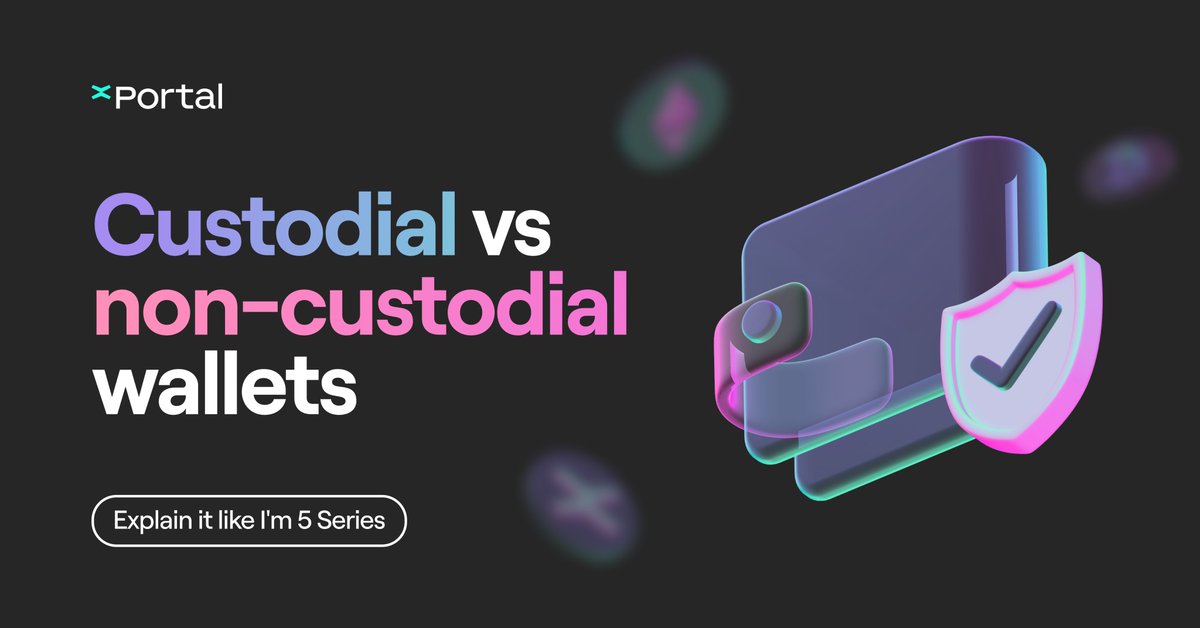

🇯🇵 #ブロックチェーン、#SSI、#暗号通貨 のメカニズムに興味がある皆さんへ!🔥
私たちの教育シリーズ「#ELI5Blockchain」に日本語版が登場しました❤️
#MoreToCome #ExplainItLikeImFive 🌱
👉 https://t.co/N3HrlC4oUd


Why are RDDs in #Spark like loyal friends? They never change their data! This superpower lets you analyze faster, avoid crashes, and work in parallel ✨ #dataanalytics #bigdata #ExplainItLikeImFive

@bitcoinarchive @mattkratter
Hi Matthew, I’m sure you covered this more than once… is it time for a recap?? Why is BTC spot delayed? Will it dampen BTC price when it’s introduced? #explainItLikeImFive

@USAA why after being a loyal customer for 15 years do you deny my auto loan request for "Insufficient credit history"? Can someone please explain it like I'm five?
#explainitlikeimfive


@PatMadej @NCLeague and @LesleysAReder @ConcordNCgov talk about budget education for any audience, even five-year-olds! #ExplainItLikeImFive #NCLGBA22


Tips so simple, even a 5 year old gets it! Watch our new series, #ExplainItLikeImFIVE where we got experts across fashion, home & beauty to simplify it all for you, minus the jargons! Our first episode features @drishtyvaswani, co-founder & interior designer at S A N D.

Looking forward to ⭐️THIS⭐️ and learning about new-to-me projects!
Who are you most excited about hearing from? (I’m having a hard time choosing!)
#ExplainItLikeImFive
#investing #defi

Brilliant writers are able to explain complex topics with relatable metaphors and interesting stories, while not being reductive or simplistic. #ExplainItLIkeImFive

Had to trim this clip for Twitter, but check out the latest in the #explainitlikeimfive series, covering #collaboration in @getpostman. Please note that some roles and features mentioned here are only available on paid plans 🙃
#Developer

He's been explaining #bookgames and #NFTs to my mom (boomer) for over an hour. She's pretty intrigued....bless his heart ❤
#ExplainItLikeImFive #boomer #NFT #NFTCommunity #NFTwives

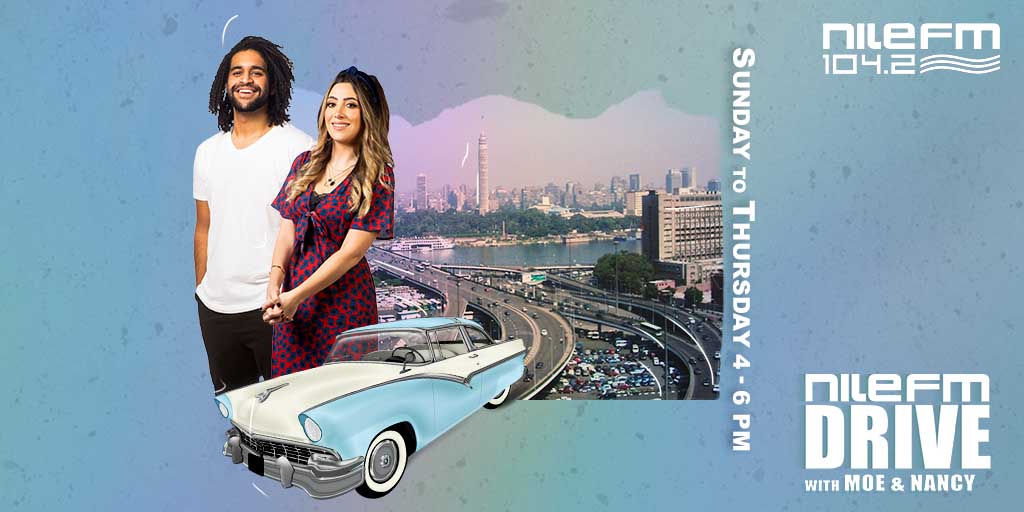
Weekend catch up at the petting zoo, steaks and veganism, ice cream made of plastic and a game of #ExplainItLikeImFive to come on the #NileFMDrive with Moe & Nancy! Tune in now 😎
📞 0238555055 - WhatsApp: 01559551042
Last Seen Hashtags on Sotwe
Trends for you
Most Popular Users

Elon Musk 
@elonmusk
240.6M followers

Barack Obama
@barackobama
119.2M followers

Donald J. Trump
@realdonaldtrump
111.7M followers

Cristiano Ronaldo
@cristiano
110.5M followers

Narendra Modi
@narendramodi
107M followers

Rihanna
@rihanna
97.6M followers

NASA
@nasa
92.2M followers

Justin Bieber
@justinbieber
90.9M followers

KATY PERRY
@katyperry
87.6M followers

Taylor Swift
@taylorswift13
81.5M followers

Lady Gaga
@ladygaga
73M followers

Virat Kohli
@imvkohli
69.8M followers

Kim Kardashian
@kimkardashian
69.8M followers

YouTube
@youtube
68.7M followers

Bill Gates
@billgates
63.9M followers

Neymar Jr
@neymarjr
62.5M followers

The Ellen Show
@theellenshow
62.4M followers

CNN
@cnn
61.9M followers

X
@x
60.8M followers

Selena Gomez
@selenagomez
60.7M followers