

Top Tweets for #exploresc

Homescreen. Explorescreen



https://t.co/iH6X92h3eR
Is a good company for astro gear. BUT they have the most annoying fucking website in the world. Any accidental mouseover makes the top menus pop up shit to block what you're trying to read.
They should remove that but I'm sure some marketing weenie who charged them an arm and a leg told them "It keeps you modern and competitive."
Grok wrote me one line to add into the filter menu of uBlock Origin to block that. Menus at top still show up and work, but will no longer spooge popups all over whatever you're trying to read all the time, trying to sell you things you'll never buy while you're trying to buy something else. @internetofshit
@ExploreSci
@Shitty_Future
Here you go, this is the filter:
https://t.co/iH6X92h3eR
##.megamenu, .mega-menu, .submenu

Tonight 6pm - Dr Robert Shiepe & Eddie Abbott Joined Me For UAP Discussion | A Dragon Capture During Our Recording & HUGE News Regarding An Underground Entrance In The USA!
UndercoverETuk - YT Channel
@WixysWorld @UAPWatchers @JonStewartIL @JasonTSands @UAPWixy @ExploreSCU @Caspersight
#ufotwitter #ufoX #uapX #uaptwitter


Day 174/365: Seaside Charm at Port of Leith, Edinburgh, Scotland 🌊⛵
Yesterday, I soaked in the vibrant Port of Leith, where the lighthouse stood guard over the marina’s boats and red-roofed charm. The salty breeze and warm sunlight danced off the seawall—a hidden gem of Edinburgh’s maritime soul.
🌟 Fun Fact: Leith became part of Edinburgh in 1920 and was once a major global port!
💡 Tip: Stroll the waterfront at sunset for the best views!
🗳️ Engage: Drop your photos of ports or coastal towns below—I’ll feature my faves next time! 🌅 What’s your top seaside spot?
Where next in Scotland? Share your must-see spots! 🗺️
#CaperTravels #TravelDiary #Day174of365 #PortOfLeith #EdinburghAdventures #ScotlandMagic #TravelGoals #Wanderlust #ExploreScotland #SeaLovers #TravelInspo

Day 173/365: Majesty at Edinburgh Castle, Scotland 🏰🌄
I marveled at Edinburgh Castle, its ancient walls towering over the city under a dramatic sky. The air carried a hint of stone and history, with the castle’s cannons echoing tales of Scotland’s past—a regal sight.
🌟 Fun Fact: This fortress, over 900 years old, has housed royalty and survived sieges!
💡 Tip: Climb the battlements for the best city views!
🗳️ Engage: Drop your photos of castles or historic forts below—I’ll feature my faves next time! 🏯 What’s your top historic site?
Where next in Scotland? Share your must-see spots! 🗺️
#CaperTravels #TravelDiary #Day173of365 #EdinburghCastle #ScotlandAdventures #ScotlandMagic #TravelGoals #Wanderlust #ExploreScotland #HeritageLovers #TravelInspo

Day 171/365: A Heartwarming Stop at Greyfriars Bobby, Edinburgh, Scotland 🐶🏰
Recalled a touching moment by Greyfriars Bobby’s statue in Edinburgh, his loyal gaze standing proud in the rain. The cobblestone streets glistened, the air filled with a hint of damp stone and history—a true tale of devotion.
🌟 Fun Fact: Bobby guarded his owner’s grave for 14 years, earning this 1873 statue!
💡 Tip: Rub his nose for luck, but snap a photo first!
🗳️ Engage: Drop your photos of pet statues or rainy city moments below—I’ll feature my faves next time! 📸 What’s your favorite animal story?
Where next in Scotland? Share your must-see spots! 🗺️
#CaperTravels #TravelDiary #Day171of365 #GreyfriarsBobby #EdinburghAdventures #ScotlandMagic #TravelGoals #Wanderlust #ExploreScotland #HeritageLovers #TravelInspo

Day 170/365: Timeless Charm at the Duke of Buccleuch Statue, Edinburgh, Scotland 🗿🏰
Recalled a quiet stroll past the Duke of Buccleuch statue in Edinburgh, where the cobblestone square echoed with history. The air carried a hint of old stone and bustling shops, with the city’s spires peeking above—a perfect slice of Scotland.
🌟 Fun Fact: This 1885 statue honors the 5th Duke of Buccleuch, a key figure in Scottish nobility!
💡 Tip: Snap a photo with the statue for a classic Edinburgh keepsake!
🗳️ Engage: Drop your photos of statues or historic squares below—I’ll feature my faves next time! 📸 What’s your favorite city landmark?
Where next in Scotland? Share your must-see spots! 🗺️
#CaperTravels #TravelDiary #Day170of365 #DukeOfBuccleuch #EdinburghAdventures #ScotlandMagic #TravelGoals #Wanderlust #ExploreScotland #HeritageLovers #TravelInspo

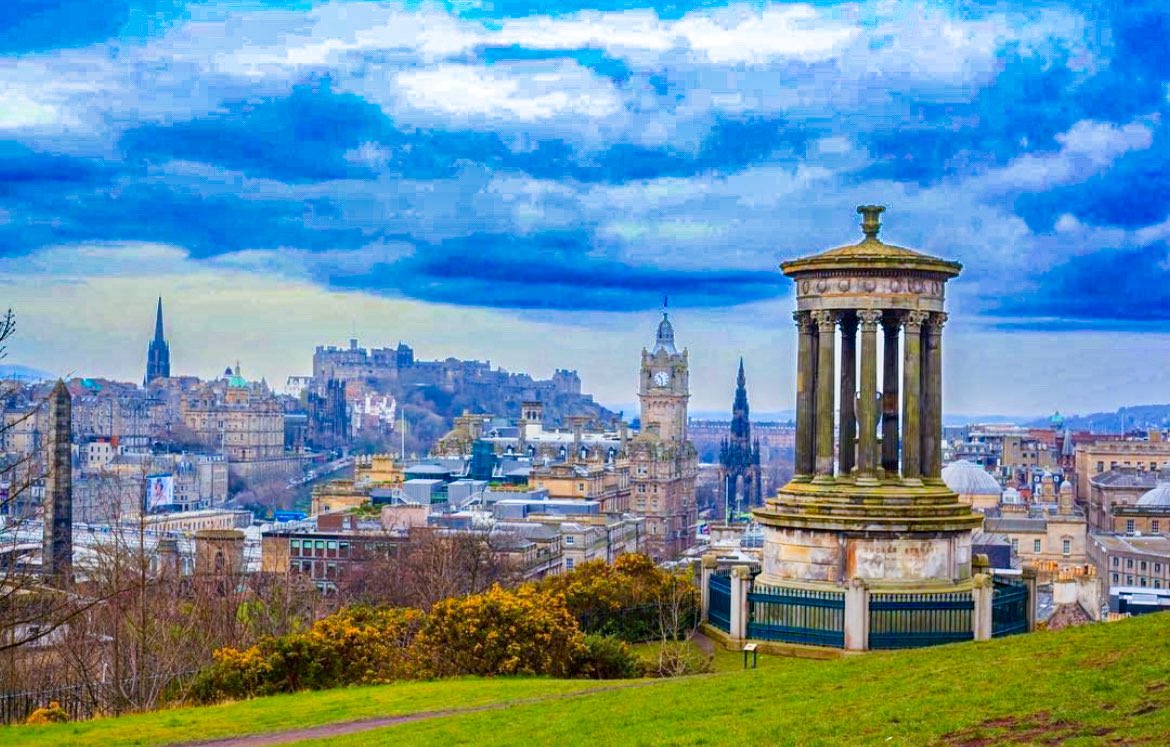
Day 167/365: Epic Views from Calton Hill, Edinburgh, Scotland 🌄🏰
Recalled a breathtaking moment atop Calton Hill, gazing at Edinburgh’s skyline with the Dugald Stewart Monument framing the scene. The air was crisp, the city sprawled below with castles and spires under a vibrant sky—a view to remember!
🌟 Fun Fact: Calton Hill is nicknamed “Athens of the North” for its neoclassical architecture!
💡 Tip: Visit at sunset for a magical glow over the city!
🗳️ Engage: Drop your photos of cityscapes or hilltop views below—I’ll feature my faves next time! 🌇 What’s your top skyline spot?
Where next in Scotland? Share your must-see spots! 🗺️
#CaperTravels #TravelDiary #Day167of365 #CaltonHill #EdinburghAdventures #ScotlandMagic #TravelGoals #Wanderlust #ExploreScotland #CityViews #TravelInspo

Congress: Do Not Be Distracted by Pentagon’s Disinformation, Investigate the Air Force’s Role in the UFO/UAP Cover-Up
The New Paradigm Institute (NPI) calls on Congress to reject the distractions and half-truths presented in the @WSJ's June 6, 2025, article, “The Pentagon Disinformation That Fueled America’s UFO Mythology,” and to focus on the urgent need for a comprehensive investigation into the U.S. Air Force’s decades-long campaign of disinformation and suppression regarding UFOs, now commonly referred to as Unidentified Anomalous Phenomena (UAP).
The Journal’s article, while admitting to Pentagon-orchestrated disinformation, misleads by framing credible UAP incidents as mere pranks or misidentifications, citing absurd claims of hazing rituals like “Yankee Blue” and fake Special Access Programs (SAPs) involving fabricated non-disclosure agreements (NDAs).
These distractions must not divert Congress from the real issue: the Air Force’s central role in a deliberate cover-up of UAP evidence, dating back to Project Sign in 1947 and continuing through modern efforts to obstruct transparency, as repeatedly articulated by former Deputy Assistant Secretary of Defense for Intelligence Christopher Mellon.
The WSJ article alleges the Air Force seeded false UFO/UAP stories to conceal classified programs, such as the F-117 Nighthawk, a fact long suspected by UFO/UAP researchers. However, it goes further, suggesting that significant UFO/UAP incidents, including those involving nuclear weapons facilities and whistleblower testimonies, are products of hazing, misunderstandings, or deliberate myths. The claim that “Yankee Blue,” a supposed hazing ritual involving fake briefings on an alien investigation unit, persisted until 2023 is implausible and lacks substantiation. Similarly, the notion of Air Force personnel signing fake NDAs for nonexistent SAPs strains credulity, serving to trivialize credible reports from whistleblowers like David Grusch and Robert Salas (@keptycho). These narratives appear designed to muddy the waters and discredit serious inquiry into UFO/UAP, particularly by Congress.
Congress must not be swayed by such tactics. The WSJ, wittingly or unwittingly, appears to have been manipulated to propagate a narrative that aligns with the Air Force’s agenda, echoing the tactics of Operation Mockingbird, a Cold War-era CIA program that infiltrated media to shape public opinion, as documented in NPI’s white paper, “Disinformation: The U.S. Government’s Suppression of Unidentified Anomalous Phenomena and Advanced Science.”
The WSJ’s selective reporting, amplifying distractions while ignoring evidence like the @ExploreSCU for UAP Studies’ (SCU) 2023 UAP Pattern Recognition Study, and the near-simultaneous publication of a New York Post article on June 8, 2025, similar to the WSJ piece, suggests a coordinated effort to control the UFO/UAP narrative, a modern continuation of Mockingbird’s legacy.
As NPI’s June 7, 2025 rebuttal argued, the WSJ’s framing is a form of gaslighting, admitting past deception while dismissing current evidence to maintain Air Force control, perpetuating a stigma that has stifled scientific progress and public trust for nearly eight decades.
Indeed, the Air Force’s involvement in UFO/UAP disinformation began with Project Sign (1947–1949), the first official U.S. investigation into “flying discs.” Despite early findings suggesting possible extraterrestrial origins, the Air Force suppressed these conclusions, as seen in the rejection of Sign’s “Estimate of the Situation” report. This set the stage for Project Grudge (1949–1952), which prioritized debunking over inquiry, and Project Blue Book (1952–1969), which attempted to explain away thousands of sightings, many with ridiculous false explanations and concealed inexplicable cases in a still-classified section. The 1953 Robertson Panel, convened under Air Force oversight, explicitly recommended stigmatizing UAP reports to reduce public interest, a strategy that shaped media coverage and scientific discourse for decades.
The Air Force’s disinformation campaign continues today, as evidenced by its alleged obstruction of the All-domain Anomaly Resolution Office (@DoD_AARO) and congressional oversight of UFO/UAP issues.
It should be noted, ironically, that the sources for the WSJ article were primarily AARO, AARO’s former director, Dr. Sean Kirkpatrick, and Susan Gough, the Strategic Planner and Spokesperson for the Department of Defense and AARO who has been assigned the UFO/UAP portfolio and is well-versed in military Psychological Operations (PSYOPS).
In other words, AARO and the Pentagon are also engaging in disinformation in coordination with the Air Force. This fact is entirely relevant to the allegations in the article that the Air Force and AARO conspired to omit critical details from its 2024 Historical Record Report, alleging it was to protect classified programs and “avoid embarrassment,” revelations that corroborate accusations in recent years by @ChrisKMellon.
Mellon, a leading advocate for UFO/UAP transparency, has repeatedly criticized the Air Force for withholding data, perpetuating stigma, and undermining national security. In his February 2022 Debrief article, he noted the Air Force’s failure to contribute to the Director of National Intelligence’s 2021 UAP report (which, for the first time, acknowledged UAP are real) despite tracking thousands of incidents from 2004 to 2021. In another article in The Hill in May 2022, Mellon highlighted the Air Force’s silence on cases like UAP interference with nuclear missiles, and in February 2025, he cited the Air Force’s refusal to share data on the 2023 Langley Air Force Base drone incursions, warning that such secrecy risks misidentifying genuine threats.
Mellon’s accusations align with our findings here at the New Paradigm Institute.
The 2024 AARO report’s minimization of whistleblower testimonies, such as Grusch’s claims of ET/NHI and recovered materials, reflects the Air Force’s influence on the downplaying of evidence. The UAP Task Force’s 2020 UAP Security Classification Guide, which over-classifies UAP data, prohibits the release of any and all photos and videos of UAP. Again, the SCU’s 2023 UAP Pattern Recognition Study, which found statistically significant UAP activity near U.S. nuclear weapons sites from 1945 to 1975, contradicts the Air Force’s narrative yet was ignored by the WSJ, further suggesting its manipulation.
Congress must approach any investigation of the Air Force with eyes wide open, recognizing its role as a primary architect of UFO/UAP disinformation since 1947.
The WSJ article, while exposing some truths, appears to be itself a symptom of this campaign, diverting attention from credible evidence and potentially serving as a modern vehicle for Mockingbird-like tactics. Congress cannot afford to be distracted by tales of hazing or fake NDAs when the Air Force’s actions have eroded public trust, stalled scientific inquiry, and potentially compromised national security.
We urge Congress to take the following actions to end this 80-year secrecy regime:
Pass the UAP Disclosure Act: Enact the UAP Disclosure Act in the current legislative session to mandate the declassification and public release of UAP-related records, ensuring transparency and accountability for the American people.
Conduct a Comprehensive Congressional Investigation: Investigate the Air Force’s historical and ongoing disinformation, including its role in Project Sign, Project Grudge, the Robertson Panel, the Condon Committee, Project Blue Book, and media manipulation, as well as overclassification abuse.
Demand Full Disclosure: Require the Air Force to release all UAP data, including sensor records from incidents like the 2023 Langley incursions and historical cases like Malmstrom, to Congress.
Protect Whistleblowers: Strengthen protections for individuals whose testimonies expose Air Force suppression.
Engage the Public in the Pursuit of Truth: Convene open hearings to examine Air Force disinformation, inviting experts like Chris Mellon and affected military personnel to testify, and encourage public participation.
The Air Force’s disinformation, amplified by the WSJ’s manipulated narrative, is not a relic of the Cold War but an active barrier to truth in 2025.
Congress has a moral and constitutional duty to uncover the reality of UFO/UAP, which may involve advanced technology or NHI with profound implications for humanity.
The American public, galvanized by disclosures from Mellon, Grusch, and others, demands accountability. We call on every citizen to contact their elected representatives and support NPI’s mission for transparency by visiting our website and taking action:
https://t.co/wawdubyvxr
Also, we invite you to join our grassroots mobilization, Citizens for Disclosure:
https://t.co/dpwV8NB8Wx

Day 165/365: Reflecting with David Hume in Edinburgh, Scotland 🗿🏰
Recalled a thoughtful moment by David Hume’s statue in Edinburgh’s Old Town, where the cobblestone square hummed with history. The air carried a hint of stone and bustling shops, with the philosopher’s gaze under a bright sky sparking inspiration.
🌟 Fun Fact: Hume’s 1893 statue honors his Enlightenment ideas on skepticism and human nature!
💡 Tip: Pause here for a perfect photo op with Edinburgh’s charm!
🗳️ Engage: Drop your photos of statues or historic sites below—I’ll feature my faves next time! 🗿 What’s your favorite city landmark?
Where next in Scotland? Share your must-see spots! 🗺️
#CaperTravels #TravelDiary #Day165of365 #DavidHume #EdinburghAdventures #ScotlandMagic #TravelGoals #Wanderlust #ExploreScotland #HeritageLovers #TravelInspo

Day 164/365: Coastal Drive on the Isle of Eriskay, Scotland 🌊🚗
Cruised the winding roads of the Isle of Eriskay, where the sea sparkled under a brilliant blue sky! The “Passing Place” sign guided me along this rugged coastline, with the salty breeze and crashing waves filling the air. The wild hills and open water were pure magic.
🌟 Fun Fact: Eriskay is famous for the shipwreck of the SS Politician in 1941, inspiring the movie Whisky Galore!
💡 Tip: Watch for passing places—perfect for soaking in the views!
🗳️ Engage: Drop your photos of coastal drives or island adventures below—I’ll feature my faves next time! 🌊 What’s your top scenic route?
Where next in Scotland? Share your must-see spots! 🗺️
#CaperTravels #TravelDiary #Day164of365 #IsleOfEriskay #ScotlandAdventures #CoastalViews #TravelGoals #Wanderlust #ExploreScotland #NatureLovers #TravelInspo

Day 151/365: Tomintoul – A Highland Farewell to Mìos nan Gàidheal
On this final Saturday of Mìos nan Gàidheal, I’m sharing a serene moment from Tomintoul, a quaint village in the Scottish Highlands, known as the highest village in the region. The Richmond Hotel, captured here under a dramatic sky with a dusting of snow, stands as a warm beacon of Highland hospitality in the heart of Tomintoul. Nestled within the Cairngorms National Park, this area is steeped in Gaelic traditions, from its history of whisky smuggling along the nearby Glenlivet trails to the songs and stories that have echoed through its glens for centuries. The hotel’s stone facade and the quiet, snowy street evoke the timeless charm of the Highlands, a fitting end to a month celebrating Gaelic culture.
In Nova Scotia, the Highland spirit of Tomintoul finds a deep resonance as we close out Mìos nan Gàidheal. The village’s legacy of community and storytelling mirrors the gatherings in Cape Breton, where places like Mabou host final ceilidhs of the month, filled with fiddle music and Gaelic song. On the mainland, the town of New Glasgow wraps up the Festival of the Tartans, a celebration that echoes the same clan pride and heritage found in Tomintoul’s history. As we bid farewell to this special month, I hope that more people will continue to learn about the rich Scottish Gaelic culture—its language, music, and traditions—and the profound cultural ties between Alba and Alba Nuadh. May this shared heritage inspire future generations to keep the Gaelic spirit alive, fostering a deeper connection across the Atlantic. As I reflect on this journey through Scotland, from the rugged Hebrides to the historic streets of Edinburgh, I’m grateful for the shared Gaelic heritage that binds Scotland and Nova Scotia—a legacy of language, music, and resilience that continues to thrive.
#CaperTravels #MiosnanGaidheal #AlbaNuadh #GaelicNS #GaelicCulture #ScotlandAdventures #NovaScotiaRoots #TravelWithHistory #CapeBretonIsland #VisitScotland #GaelicHeritage #ScottishHighlands #Tomintoul #Cairngorms #ExploreScotland #HeritageTravel #TravelInspo #ScenicViews #HighlandMagic

Day 150/365: Lochboisdale – Gateway to South Uist’s Gaelic Heart
On this crisp Friday morning during Mìos nan Gàidheal, I’m sharing a moment of pulling into Lochboisdale, the main ferry port on South Uist in Scotland’s Outer Hebrides. As the ferry glides into the harbor, the village unfolds with its rugged coastline, scattered boats, and the timeless beauty of the Hebrides. Lochboisdale, or Loch Baghasdail in Gaelic, is a gateway to South Uist’s rich Gaelic culture, where the language thrives in daily life, and the island’s history is woven with tales of crofting, fishing, and the resilient spirit of its people. The dramatic skies overhead mirror the wild, untamed essence of this remote island, a place where tradition and nature are inseparable.
In Nova Scotia, the Hebridean spirit of Lochboisdale lives on through the descendants of South Uist settlers who brought their Gaelic traditions across the ocean. In Cape Breton, communities like Boisdale—named after Lochboisdale—keep the language and music alive with ceilidhs and gatherings, while on the mainland, the town of Pictou hosts events that echo the same coastal resilience found in the Outer Hebrides. As I step off the ferry into this windswept village, I’m reminded of the deep connection between Scotland and Nova Scotia—a shared Gaelic heritage of language, song, and the sea that continues to unite us across the Atlantic.
#CaperTravels #MiosnanGaidheal #AlbaNuadh #GaelicNS #GaelicCulture #ScotlandAdventures #NovaScotiaRoots #TravelWithHistory #CapeBretonIsland #VisitScotland #GaelicHeritage #OuterHebrides #Lochboisdale #HebrideanBeauty #ExploreScotland #HeritageTravel #TravelInspo #ScenicViews #IslandMagic

Day 148/365: Glenfinnan – The Towering Monument of Highland History
On this overcast Wednesday, May 28, 2025, at 10:34 AM ADT during Mìos nan Gàidheal, I’m sharing a striking view of the Glenfinnan Monument in the Scottish Highlands. Standing tall at the head of Loch Shiel, this 18-meter stone tower, topped with a statue of a lone Highlander, commemorates the 1745 Jacobite Rising, when Bonnie Prince Charlie raised his standard here to rally the clans. Surrounded by the dramatic peaks of Glenfinnan and the serene waters of the loch, the monument is a powerful reminder of the Highland spirit and the region’s deep Gaelic roots, where clan traditions and the Gaelic language once flourished. The muddy path and misty air capture the rugged beauty of this historic site, a place of both natural wonder and profound history.
In Nova Scotia, the echoes of Glenfinnan’s Jacobite legacy resonate deeply, as many Highlanders who fought or fled after the 1745 Rising eventually settled in the region, bringing their stories of resistance and pride. The Glenfinnan Gathering, a historic event tied to the monument, finds a parallel inNova Scotia’s own gatherings, like the annual Festival of the Tartans in New Glasgow, where clans gather to celebrate their shared history with pipe bands and Highland games, much like the clan rallies of Glenfinnan. In Cape Breton, the Gaelic College in St. Ann’s teaches the songs and traditions that might have been sung by those who stood at Loch Shiel, preserving the same spirit of unity and defiance that defined the Jacobite cause. As I stand here, taking in the monument’s towering presence, I’m reminded of the unbreakable connection between Scotland and Nova Scotia—a shared Gaelic heritage of resilience, music, and clan loyalty that continues to bridge the Atlantic.
#CaperTravels #MiosnanGaidheal #AlbaNuadh #GaelicNS #GaelicCulture #ScotlandAdventures #NovaScotiaRoots #TravelWithHistory #CapeBretonIsland #VisitScotland #GaelicHeritage #ScottishHighlands #GlenfinnanMonument #JacobiteHistory #ExploreScotland #HeritageTravel #TravelInspo #ScenicViews #HighlandMagic

Day 146/365: Gretna Green – A Historic Haven of Romance
On this rainy Monday during Mìos nan Gàidheal, I’m sharing a moment from Gretna Green, a historic village just over the Scottish border in Dumfries and Galloway. Famous since 1754 for its role as a romantic escape for eloping couples, Gretna Green’s Blacksmiths Shop—seen here with its iconic sign—became a symbol of love where couples could marry under Scottish law, often against the wishes of their families. The anvil, a centerpiece of the blacksmith ceremonies, still stands as a testament to the village’s legacy, marked by the striking hand sculpture in the foreground. The wet cobblestones and overcast sky add a moody charm to this timeless place, reflecting Scotland’s unpredictable beauty.
In Nova Scotia, the romantic spirit of Gretna Green finds echoes in the stories of Scottish settlers who brought their traditions of love and community across the Atlantic. In Cape Breton, places like St. Peter’s celebrate their Scottish roots with gatherings that mirror the communal warmth of Gretna Green, while on the mainland, the town of Bridgewater hosts events that honor this shared heritage. As I stand here, with the legacy of countless love stories around me, I’m reminded of the deep connection between Scotland and Nova Scotia—a shared history of passion, tradition, and the enduring spirit that unites us across borders and oceans.
#CaperTravels #MiosnanGaidheal #AlbaNuadh #GaelicNS #GaelicCulture #ScotlandAdventures #NovaScotiaRoots #TravelWithHistory #CapeBretonIsland #VisitScotland #GaelicHeritage #ScottishBorders #GretnaGreen #RomanticScotland #ExploreScotland #HeritageTravel #TravelInspo #HistoricViews #LoveStories

Day 145/365: Eriskay – Prince’s Beach at Coilleag a’ Phrionnsa
On this serene Sunday during Mìos nan Gàidheal, I’m sharing a breathtaking view from Eriskay, a small island in Scotland’s Outer Hebrides, near the ferry to Barra. This image captures the serene Prince’s Beach, known in Gaelic as Coilleag a’ Phrionnsa, located on the western side of Eriskay near the Sound of Barra. The beach, with its white sands and rocky outcrops, faces the Sound of Barra—a strait separating Eriskay from Barra—where the ferry from Ardmhor on Barra arrives after a 40-minute journey. Legend has it that Bonnie Prince Charlie first set foot on Scottish soil here in 1745, giving the beach its name. Eriskay, or Èirisgeigh in Gaelic, is a place where the beauty of the Hebrides shines through, steeped in Gaelic culture and history, from the 1941 shipwreck of the SS Politician that inspired Whisky Galore! to the hauntingly beautiful “Eriskay Love Lilt.” The small green boat on the shore reflects the island’s deep connection to the sea, a lifeline for its fishing community.
In Nova Scotia, the spirit of the Hebrides lives on through the descendants of Gaelic settlers who brought their traditions across the ocean. In Cape Breton, communities like Christmas Island celebrate their Hebridean roots with music and storytelling, while on the mainland, the town of Antigonish hosts events that reflect the same coastal charm of places like Eriskay. As I stand on Prince’s Beach, with the Sound of Barra stretching before me, I’m reminded of the deep ties between Scotland and Nova Scotia—a shared Gaelic heritage of resilience, song, and the sea that continues to unite us across the Atlantic.
#CaperTravels #MiosnanGaidheal #AlbaNuadh #GaelicNS #GaelicCulture #ScotlandAdventures #NovaScotiaRoots #TravelWithHistory #CapeBretonIsland #VisitScotland #GaelicHeritage #OuterHebrides #EriskayBeach #HebrideanBeauty #ExploreScotland #HeritageTravel #TravelInspo #ScenicViews #IslandMagic

Day 144/365: Glenspean Lodge – A Highland Retreat of Serenity
On this peaceful Saturday during Mìos nan Gàidheal, I’m sharing a glimpse of Glenspean Lodge, a charming retreat nestled in the heart of the Scottish Highlands near Fort William. Surrounded by lush greenery and dramatic skies, this historic lodge, originally a 19th-century hunting lodge, exudes the warmth and charm of Highland hospitality. Known for its stunning views of the Nevis Range and proximity to Loch Lochy, Glenspean Lodge offers a perfect escape into Scotland’s rugged beauty, where Gaelic traditions of storytelling and community have long thrived in this region. The lodge’s cozy interiors and blooming gardens make it a haven for those seeking to connect with nature and history.
In Nova Scotia, the Highland spirit of places like Glenspean Lodge lives on through the descendants of Scottish settlers. In Cape Breton, communities like Baddeck host ceilidhs that echo the music and gatherings of the Highlands, while on the mainland, the town of Amherst celebrates its Scottish roots with festivals reminiscent of this area’s vibrant culture. As I soak in the tranquility of Glenspean Lodge, I’m reminded of the deep connection between Scotland and Nova Scotia—a shared love for the land, heritage, and the welcoming spirit that bridges these two worlds.
#CaperTravels #MiosnanGaidheal #AlbaNuadh #GaelicNS #GaelicCulture #ScotlandAdventures #NovaScotiaRoots #TravelWithHistory #CapeBretonIsland #VisitScotland #GaelicHeritage #ScottishHighlands #GlenspeanLodge #HighlandRetreat #ExploreScotland #HeritageTravel #TravelInspo #ScenicViews #HighlandMagic

Day 143/365: Edinburgh Castle – Honoring the Scottish National War Memorial
On this meaningful Friday during Mìos nan Gàidheal, I’m sharing a solemn moment from Edinburgh Castle in Scotland’s capital, Dùn Èideann. Pictured here is the Scottish National War Memorial, a poignant tribute to the Scots who lost their lives in the World Wars and later conflicts. Housed within the castle’s ancient walls, this memorial, opened in 1927, stands as a symbol of remembrance, its stunning architecture reflecting Scotland’s deep pride and resilience. The memorial’s location within Edinburgh Castle, a historic fortress tied to centuries of Scottish history, underscores the nation’s enduring spirit.
In Nova Scotia, the legacy of Scottish soldiers resonates deeply, as many descendants of Highland settlers served in these wars, carrying forward their ancestors’ courage. In Cape Breton, communities like Inverness honor this shared history with Remembrance Day ceremonies, while on the mainland, Halifax’s Citadel Hill echoes the military heritage of places like Edinburgh Castle. Standing here, I’m moved by the connection between Scotland and Nova Scotia—a shared respect for sacrifice, honor, and the traditions that unite us across generations and oceans.
#CaperTravels #MiosnanGaidheal #AlbaNuadh #GaelicNS #GaelicCulture #ScotlandAdventures #NovaScotiaRoots #TravelWithHistory #CapeBretonIsland #VisitScotland #GaelicHeritage #ScottishHighlands #EdinburghCastle #ScottishWarMemorial #ExploreScotland #HeritageTravel #TravelInspo #Remembrance #CastleHill

Day 142/365: Edinburgh Castle – A Historic Bridge to Nova Scotia
On this reflective Thursday during Mìos nan Gàidheal, I’m standing at Edinburgh Castle in Scotland’s capital, Dùn Èideann, where a plaque marks a pivotal moment in history. In 1625, Sir William Alexander, Earl of Stirling, received sasine, or legal possession, of the Royal Province of Nova Scotia through a symbolic Scottish feudal ceremony involving the delivery of earth and stone on Castle Hill. Between 1625 and 1637, the Scottish Baronets of Nova Scotia also received their titles here, creating a lasting connection between Scotland and Nova Scotia. Edinburgh Castle, a towering symbol of Scottish heritage, became the stage for this unique chapter in history, linking two lands across the Atlantic.
In Nova Scotia, this bond grew stronger over time as Gaelic-speaking Highlanders settled the region, bringing their language and traditions. In Cape Breton, communities like Judique keep Gaelic culture alive through music and storytelling, while on the mainland, the town of Truro hosts events that echo Scotland’s historic spirit. Standing at this spot, I’m struck by the deep ties between Scotland and Nova Scotia—a shared legacy of resilience, culture, and community that continues to thrive, connecting us across centuries and oceans.
#CaperTravels #MiosnanGaidheal #AlbaNuadh #GaelicNS #GaelicCulture #ScotlandAdventures #NovaScotiaRoots #TravelWithHistory #CapeBretonIsland #VisitScotland #GaelicHeritage #ScottishHighlands #EdinburghCastle #HistoricScotland #ExploreScotland #HeritageTravel #TravelInspo #HistoryMatters #CastleHill

Day 141/365: Edinburgh – A Living Tapestry of Gaelic History
On this vibrant Wednesday during Mìos nan Gàidheal, I’m sharing a stunning view of Edinburgh, Scotland’s capital, captured at the heart of its historic core. Towering above the city on Castle Rock, Edinburgh Castle stands as a symbol of resilience and heritage, known in Gaelic as “Dùn Èideann.” This iconic fortress, surrounded by the city’s classic architecture and lush greenery, is a testament to Edinburgh’s deep Gaelic roots. Once a thriving center of Gaelic culture, the city’s traditions live on in its music, literature, and festivals, like the world-famous Edinburgh Fringe, which often features Gaelic performances.
In Nova Scotia, Edinburgh’s legacy endures through the descendants of Scottish settlers who carried their traditions across the Atlantic. In Cape Breton, places like Mabou celebrate Gaelic culture with lively ceilidhs, while on the mainland, events in Pictou honor the Highland spirit that Edinburgh embodies. Standing here at the foot of the castle, I’m struck by the profound connection between Scotland and Nova Scotia—a shared Gaelic heritage of storytelling, community, and pride that continues to thrive on both sides of the ocean.
#CaperTravels #MiosnanGaidheal #AlbaNuadh #GaelicNS #GaelicCulture #ScotlandAdventures #NovaScotiaRoots #TravelWithHistory #CapeBretonIsland #VisitScotland #GaelicHeritage #ScottishHighlands #EdinburghViews #HistoricScotland #ExploreScotland #HeritageTravel #TravelInspo #ScenicViews #CityMagic
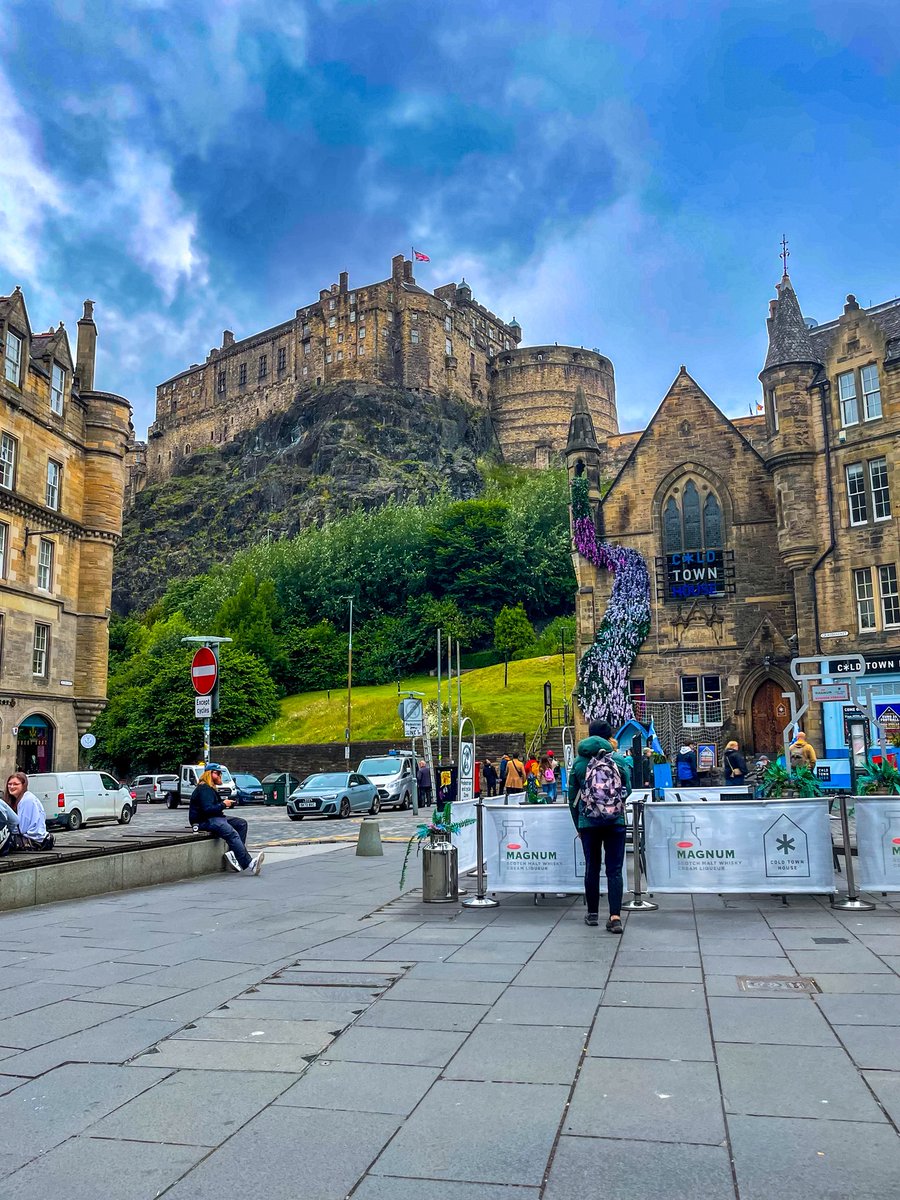
Day 140/365: Edinburgh – A Timeless Gaelic Stronghold
On this beautiful Tuesday during Mìos nan Gàidheal, I’m sharing a breathtaking view of Edinburgh, Scotland’s historic capital, where Gaelic heritage and stunning landscapes converge. Known in Gaelic as “Dùn Èideann,” Edinburgh is renowned for its iconic Edinburgh Castle perched atop Castle Rock, overlooking a city that blends ancient history with vibrant modernity. The hill in the background, Arthur’s Seat, adds a touch of rugged natural beauty to this cultural hub. Edinburgh has deep Gaelic roots, with the language and traditions shaping its early history, and its legacy lives on in the city’s festivals, music, and storytelling.
In Nova Scotia, Edinburgh’s influence resonates through the descendants of Scottish settlers who brought their Gaelic traditions across the Atlantic. In Cape Breton, communities like Iona keep the Gaelic language alive through song and dance, while on the mainland, places like Antigonish host Highland Games that echo Edinburgh’s spirited celebrations, such as the famous Edinburgh Festival. As I take in this stunning view, I’m reminded of the enduring Gaelic connection between Scotland and Nova Scotia—a shared heritage of resilience, creativity, and pride that continues to unite these lands across the ocean.
#CaperTravels #MiosnanGaidheal #AlbaNuadh #GaelicNS #GaelicCulture #ScotlandAdventures #NovaScotiaRoots #TravelWithHistory #CapeBretonIsland #VisitScotland #GaelicHeritage #ScottishHighlands #EdinburghViews #HistoricScotland #ExploreScotland #HeritageTravel #TravelInspo #ScenicViews #CityMagic

Day 139/365: A Gaelic Odyssey Through Scotland’s Coastal Gems
On this beautiful Monday during Mìos nan Gàidheal, I’m taking a moment to reflect on the incredible coastal journey through Scotland’s Gaelic heartlands. From the unique beach runway of Barra Airport to the windswept shores of Eriskay and the historic charm of Inveraray, each stop has deepened my connection to the Gaelic culture that defines these lands. The language, music, and traditions—like the haunting melodies of the Hebrides and the resilience of Highland communities—have painted a vivid picture of Scotland’s soul, one that resonates far beyond its shores.
In Nova Scotia, this Gaelic spirit thrives in coastal communities like Halifax, where the port city’s maritime history mirrors Scotland’s seafaring traditions, and in Cape Breton’s Cheticamp, where Gaelic-speaking Acadians keep the music alive through lively ceilidhs. The Gaelic College in St. Ann’s also plays a vital role, preserving the language and songs that echo Scotland’s coastal towns. As I reflect on this journey, I’m filled with gratitude for the shared Gaelic legacy that binds Scotland and Nova Scotia—a connection of culture, history, and the sea that continues to inspire across the Atlantic.
#CaperTravels #MiosnanGaidheal #AlbaNuadh #GaelicNS #GaelicCulture #ScotlandAdventures #NovaScotiaRoots #TravelWithHistory #CapeBretonIsland #VisitScotland #GaelicHeritage #ScottishHighlands #HebrideanJourney #ExploreScotland #HeritageTravel #TravelInspo #CulturalReflections #CoastalCharm

Day 138/365: Reflecting on a Gaelic Journey Through Scotland’s Heart
On this serene Sunday morning during Mìos nan Gàidheal, I’m taking a moment to reflect on the incredible journey through Scotland’s Gaelic heartlands. From the sandy runway of Barra Airport to the ancient stones of South Uist, the windswept shores of Eriskay, and the historic charm of Inveraray, each stop has revealed the deep Gaelic culture that defines these lands. The language, music, and traditions—like the songs of the Hebrides and the stories of Highland clans—have brought me closer to the roots of Gaelic heritage that stretch across the Atlantic.
In Nova Scotia, this same Gaelic spirit thrives in communities like Lunenburg, where the coastal lifestyle echoes Scotland’s seafaring traditions, and in Cape Breton’s Ingonish, where ceilidhs keep the music alive. Places like New Glasgow and Arisaig also celebrate this heritage through festivals and storytelling, a testament to the Highland emigrants who carried their culture to Canada. As I pause to reflect, I’m filled with gratitude for the shared Gaelic legacy that binds Scotland and Nova Scotia—a connection that continues to inspire and unite us through history, language, and love for the land.
#CaperTravels #MiosnanGaidheal #AlbaNuadh #GaelicNS #GaelicCulture #ScotlandAdventures #NovaScotiaRoots #TravelWithHistory #CapeBretonIsland #VisitScotland #GaelicHeritage #ScottishHighlands #HebrideanJourney #ExploreScotland #HeritageTravel #TravelInspo #CulturalReflections #HighlandSpirit

Most Popular Users

Elon Musk 
@elonmusk
239.7M followers

Barack Obama
@barackobama
118.6M followers

Cristiano Ronaldo
@cristiano
114.3M followers

Donald J. Trump
@realdonaldtrump
111.7M followers

Narendra Modi
@narendramodi
106.9M followers

Rihanna
@rihanna
98.6M followers

NASA
@nasa
92.1M followers

Justin Bieber
@justinbieber
91.7M followers

KATY PERRY
@katyperry
89.9M followers

Taylor Swift
@taylorswift13
83.9M followers

Lady Gaga
@ladygaga
75.4M followers

Virat Kohli
@imvkohli
73.3M followers

Kim Kardashian
@kimkardashian
70.8M followers

YouTube
@youtube
68.6M followers

Neymar Jr
@neymarjr
66.3M followers

Bill Gates
@billgates
65.1M followers

Selena Gomez
@selenagomez
63M followers

The Ellen Show
@theellenshow
62.1M followers

CNN
@cnn
61.7M followers

X
@x
60.6M followers