

Top Tweets for #fastwalker

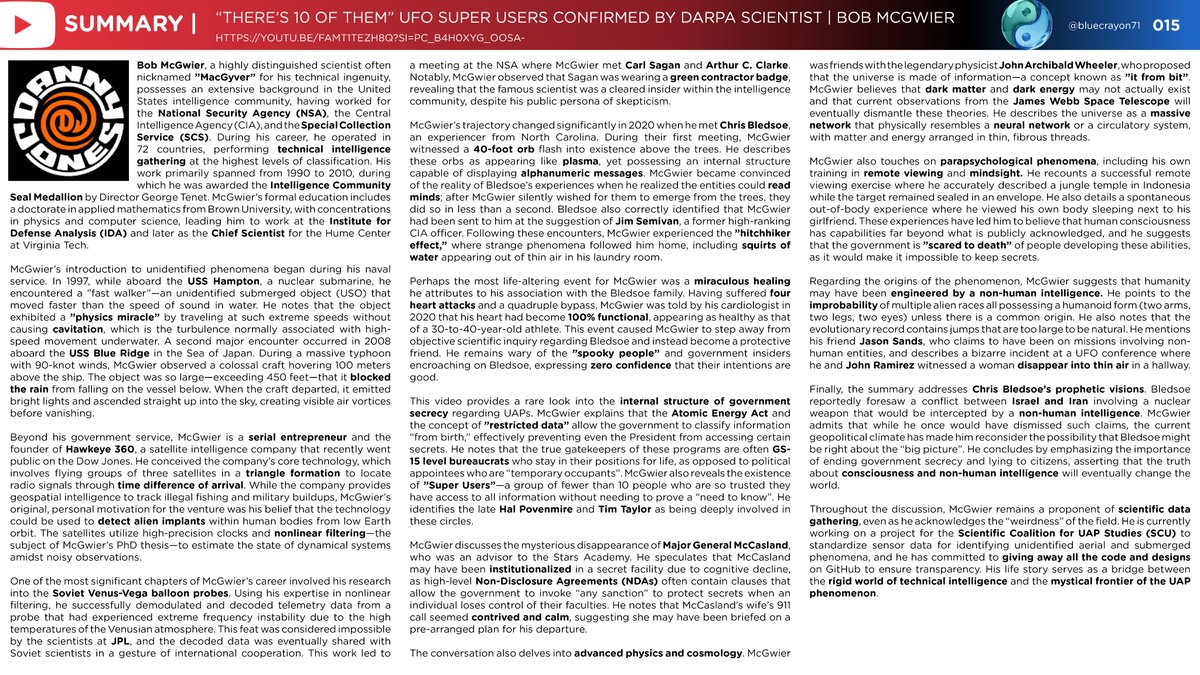
📺 There’s 10 of Them-UFO Super Users Confirmed by DARPA Scientist | Bob McGwier @BobMcGwier_N4HY @JonesDanny
🔗https://t.co/qchx4JuzE7
#BobMcGwier #FastWalker #ChrisBledsoe #RemoteViewing #OutofBodyExperience #MiraculousHealing #HitchhikerEffect #AlienImplant #PropheticVisions

this man tried to out-fast walk me and failed lol ✌️✌️✌️✌️ im a REAL #fastwalker

What if, for a split second, the sky over Dubai looked less like celebration and more like the start of something catastrophic?
Either way, the phenomenon appeared to check it out.
#fastwalker #Dubai


Found this sick dude on IG who just cuts up as a pedestrian

read the latest and recent posts of mine in and on my facebook at: https://t.co/9jpbQFWxKu , add me / follow me, added a footage preview, yeah absolutely recommended and worth it (consciousness/awakening and awareness)
The Flood Myth: A Comparative Analysis and Multi-Faceted Interpretation
The flood myth, a narrative permeating numerous cultures worldwide, recounts a tale of destruction, survival, and renewal. Two prominent examples are the stories of Uta-napishtim in the Epic of Gilgamesh and Noah in the Bible. These narratives share striking similarities: divine warnings of an impending flood, instructions to build an ark, the flood's devastation of humanity, and the survival and repopulation by a chosen few.
However, key distinctions exist. In Gilgamesh, the gods' motivation for the flood stems from humanity's noise and overpopulation, while the Bible attributes it to wickedness. Additionally, the Gilgamesh epic features numerous complex deities, whereas the Biblical narrative centers on a single God. Each story is deeply embedded in its unique cultural and religious context, influencing its interpretation.
While not directly related to the flood myth, the characters Enkidu and Humbaba from the Epic of Gilgamesh offer intriguing parallels and contrasts. Enkidu embodies the natural world, while Humbaba symbolizes the dangers beyond civilization. Enkidu's transformation from a wild man to a hero mirrors human potential for growth, and his demise in the conflict with Humbaba underscores the sacrifices inherent in confronting the unknown.
Beyond the literal interpretation, the flood myth holds profound symbolic significance. The flood often represents a cleansing or renewal, wiping away the old to make way for the new. It explores universal themes of survival, loss, and the relationship between humanity and the divine. The myth's enduring popularity highlights its ability to resonate with human experiences across generations and cultures.
Additionally, the flood myth may have a basis in historical reality. Geological evidence suggests that catastrophic floods have occurred throughout history, possibly inspiring these narratives. One such event is the flooding of the Black Sea basin around 5600 BC, which could have deeply impacted the cultures in the region and led to the development of the flood myth as a way to process the trauma.
The ark, a central element in both the Gilgamesh epic and the Bible, carries potent symbolism. It represents refuge, preservation, renewal, and rebirth. The ark's collection of animals reflects a microcosm of the natural world, emphasizing the interconnectedness of all living beings.
The strange and extraordinary details found in many flood myths can be interpreted in various ways. They may serve as literary devices to emphasize the flood's devastating impact and the miraculous nature of survival. Alternatively, these details could be symbolic language representing deeper truths or abstract concepts. The specific details and symbolism within each myth are shaped by the unique worldview and beliefs of the culture it originates.
The flood myth continues to captivate and inspire, resonating with people across cultures and time periods. It speaks to our deepest fears and hopes, our struggles with mortality, and our search for meaning in a seemingly unpredictable world. Whether viewed through religious, psychological, or scientific lenses, the flood myth offers a rich tapestry of human experience, reminding us of our vulnerability and resilience in the face of overwhelming challenges. It also serves as a cautionary tale about the potential consequences of human actions and the importance of respecting the delicate balance of nature.
Further research could explore:
The specific geological evidence supporting the theory of a historical basis for the flood myth, particularly focusing on the Black Sea deluge hypothesis and other potential flood events in the ancient world.
The psychological interpretations of the flood myth, delving deeper into the Jungian archetypes and their relevance to understanding the human psyche.
A broader comparison of flood myths across different cultures, highlighting their unique characteristics and shared themes.
The relevance of the flood myth in the context of modern environmental concerns and climate change, exploring its potential to inform our understanding of ecological crises and inspire action towards sustainability.
By delving deeper into these areas, we can gain a more comprehensive understanding of the flood myth's origins, meanings, and enduring significance in both historical and contemporary contexts.
Cross-Cultural Comparisons: Conducting a broader comparison of flood myths across different cultures, highlighting their unique characteristics and shared themes. Flood myths are prevalent in cultures across the globe, each with its unique narrative yet strikingly similar elements, suggesting a shared human experience with large-scale flooding events. These myths often serve as cultural narratives that have been passed down through generations, reflecting the human fascination with water, the power of nature, and the desire to explain the origins and meaning of existence. The Epic of Gilgamesh and the story of Noah's Ark, for instance, both describe divine warnings, the construction of a large vessel, and the eventual repopulation of the earth. However, the reasons for the flood, the nature of the deities involved, and the protagonist's relationship with the divine show marked differences. In the Gilgamesh epic, the gods' motivation for the flood stems from humanity's noise and overpopulation, while the Bible attributes it to wickedness. Similarly, the Chinese myth of the Great Flood, found in ancient texts like the Classic of Mountains and Seas, tells the story of a catastrophic flood that covered the Earth and was only stopped when the hero Yu, with the help of divine intervention, constructed massive flood-control projects to save the people and the land. African flood mythologies often reflect moral teachings or explain the origins of the world and its peoples, underscoring the role of water as a source of renewal and divine intervention. Ancient Egypt's tale of the destruction and subsequent rebirth of the world features prominently, paralleling the cycle of the Nile flooding and fertilizing the land. The shared themes across these myths include a divine warning or instruction, the building of a vessel to survive the flood, the saving of a chosen few or a righteous individual, and the regeneration of life after the flood. They often convey moral, religious, or cosmological messages, such as the consequences of human actions, the renewal of the world, or the power and mercy of the divine. These narratives are scattered across continents, from the tales of Noah in the Hebrew Bible to the stories of Manu in ancient India, encapsulating both the fear and fascination that these cataclysmic events have inspired throughout human history. By examining the nuances of Chinese and Western flood legends, it becomes apparent that these stories can be used as tools for cross-cultural dialogue, aiding us in understanding both the diversity and the universality of the human condition. In conclusion, flood myths permeate cultures around the world, each with its unique narrative yet strikingly similar elements. These myths reflect enduring truths about human nature and the societies we live in, serving as a medium for intercultural communication and requiring careful respect and attribution in their comparative study.


Why It's Hodag, Not Hoedag: A Deep Dive into Linguistic and Folklore Origins
The Hodag, a monstrous marvel from Wisconsin folklore, has intrigued and perplexed for over a century. However, a curious linguistic question lingers: why is it "Hodag" and not "Hoedag," as its creator, Eugene Shepard, initially proclaimed? This expanded exploration delves into the etymology of the term, its evolution, and its place among a fascinating array of fearsome critters and cryptids.
The Hodag Hoax: A Prankster's Legacy
In 1893, a renowned Wisconsin prankster, Eugene Shepard, masterminded a hoax that would etch the Hodag into the annals of folklore. He fabricated a tale of a ferocious creature lurking in the woods near Rhinelander, complete with a "captured" specimen fashioned from animal parts. The media frenzy that ensued catapulted the Hodag into the national spotlight.
Shepard initially claimed the creature's name stemmed from the sounds it emitted, a cacophony of "hoe" and "dag." Yet, the spelling "Hodag" ultimately triumphed over "Hoedag." This linguistic shift begs further investigation.
Unraveling the Etymological Mystery
Several plausible explanations account for the discrepancy between Shepard's intended spelling and the widely accepted "Hodag":
Simplified Spelling: The streamlined "Hodag" boasts greater visual appeal and rolls off the tongue more effortlessly than "Hoedag." This organic simplification could have arisen as the legend proliferated through oral tradition and media coverage.
Mispronunciation: The initial pronunciation might have approximated "Hodag," with a silent "e," thus influencing the standardized spelling.
Typographical Error: An errant keystroke in an early newspaper report or printed material could have inadvertently cemented the "Hodag" spelling, perpetuating it through subsequent publications.
Regardless of the precise cause, "Hodag" has firmly established itself as the definitive spelling, ensuring the creature's enduring presence in both folklore and popular culture.
Hodag's Kin: A Bestiary of Fearsome Critters and Cryptids
The Hodag shares its folkloric lineage with a captivating cast of fantastical creatures, both terrifying and elusive:
Jackalope: A mythical rabbit adorned with antelope horns, a quintessential figure in American folklore.
Fur-Bearing Trout: A legendary fish draped in fur instead of scales, often featured in tall tales spun in lumberjack camps.
Snallygaster: A dragon-like monstrosity from Maryland folklore, terrorizing the skies with its metallic beak and razor-sharp teeth.
Sidehill Gouger: A creature uniquely adapted to traverse hillsides due to its mismatched leg lengths, a recurring motif in various American folklore traditions.
Wolpertinger: A chimeric animal hailing from Bavarian folklore, frequently depicted as a horned rabbit or a winged squirrel with antlers.
Champ: The enigmatic lake monster of Lake Champlain, the subject of numerous reported sightings and enduring speculation.
Mothman: A winged humanoid creature associated with Point Pleasant, West Virginia, often linked to disaster premonitions and paranormal phenomena.
Loveland Frogman: A humanoid figure with frog-like features, sighted in Loveland, Ohio, igniting local legends and cryptozoological intrigue.
Jersey Devil: A winged cryptid said to inhabit the Pine Barrens of New Jersey, with a long history of reported encounters and cultural significance.
Dover Demon: A small, hairless humanoid with large, glowing eyes, reportedly seen in Dover, Massachusetts, in the 1970s.
These enigmatic beings, akin to the Hodag, evoke curiosity and wonder, underscoring the enduring power of human imagination and the persistent allure of the unknown.
Conclusion
The Hodag's name, though initially misconstrued, has become inseparable from its identity. Its evolution from "Hoedag" to "Hodag" mirrors the creature's own metamorphosis from a playful hoax into a cherished emblem of Wisconsin folklore. The Hodag, alongside its brethren of fearsome critters and cryptids, continues to captivate and inspire, reminding us of the boundless creativity of the human mind and the enduring power of storytelling.
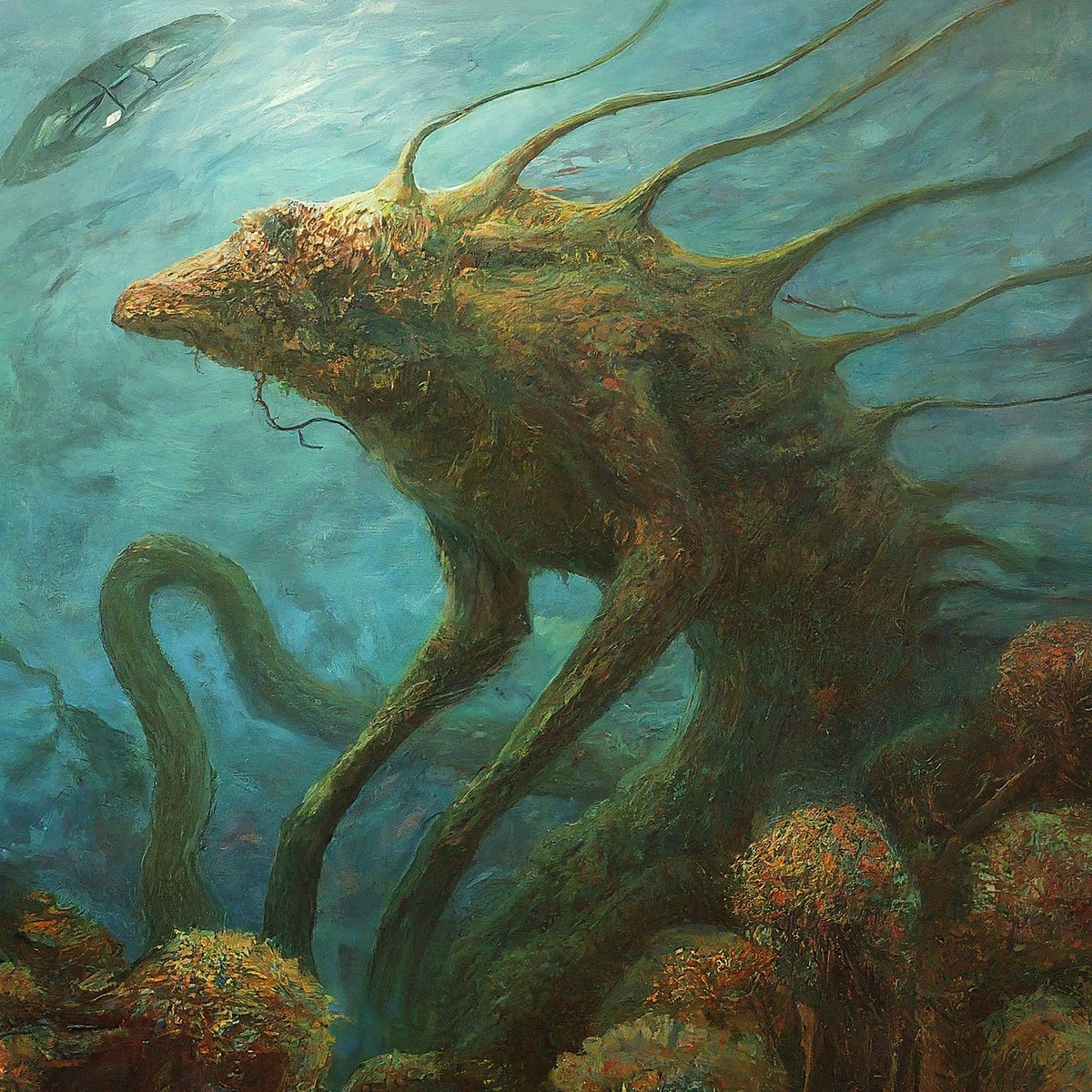


watched baghead and blood and snow when the females containers and general containers are a פומבדיתא (Pumbeditha) and an Latin Alphabet: Hexenbesen
Runic Alphabet (Elder Futhark): ᚺᛖᚲᛋᛖᚾᛒᛖᛋᛖᚾ
Pronunciation: HEK-sen-BAY-zen and the balayage Agrat bat Mahlat אַגְרַת בַּת מַחֲלַת Latin Alphabet (Modern): hagazussa, hagzussa, hagzissa
Runic Alphabet (Elder Futhark): ᚺᚨᚷᚨᛉᚢᛋᛋᚨ, ᚺᚨᚷᛉᚢᛋᛋᚨ
Phonetic Transcriptions (IPA): /ˈhaɡaˌzusːa/, /ˈhaɡ.tsu.sa/ is it of the planet earth or an exogenous of the unknown and mysterious and translucent and hidden and cloaked and concealed and invisible and transparent and diaphanous etcetera and more just as the bigfoot, sasquatch and yeti and ufo's and uap's and extraterrestrials aliens etcetera and more entities and beings ?!.. when you talk and call and discuss the planet earth does it talk, call and discuss back with replies and answers and echo's and transparency and truth and honesty with sincerity and consciousness logic and knowledge and clarity and awareness etcetera and more ?! or.. just silence and quiet and mute and deaf.. etcetera and more or.. ?


#bigfoot #sasquatch #yeti #skinwalker #fastwalker #skinwalkers #fastwalkers #ancient #books #audiobooks #audible #library #movie #film #doc #documentary
https://t.co/vpKbrPRwOo
watching reptilians a 2024 documentary/exploration etcetera and more it's: "Reptilians" explores the captivating world of the theory of Reptilians, delving into the beliefs that ancient extraterrestrial beings with reptilian attributes secretly control human affairs globally. This documentary navigates the origins, cultural impact, and the psychology behind this intriguing conspiracy, challenging viewers to question the line between fact and fiction in our quest to understand the mysteries of the cosmos and our place within.
now my own writings, thoughts, thinkings, contemplations, reflectings, coruscatings and opinions etcetera and more it's:
Myrmidons, Shapeshifting, and the Enigma of Transformation in Myth and Cryptozoology
Abstract:
This article delves into the fascinating concept of transformation in mythology and cryptozoology, with a particular focus on the Myrmidons of Greek legend and their potential connection to shapeshifting creatures like reptilians, bigfoot, and other cryptids. It examines the symbolic significance of ants in the Myrmidon origin story, exploring how it might offer insights into shapeshifting phenomena. The article also analyzes the nature of shapeshifting itself, drawing upon folklore, scientific hypotheses, and modern interpretations of ancient myths.
Introduction:
Transformation narratives have long captivated humanity, weaving their way through mythology and folklore across cultures. Tales of humans morphing into animals, deities assuming different guises, and creatures with shapeshifting abilities have enthralled us for centuries. This article turns its attention to the Myrmidons, a fabled warrior tribe in Greek mythology, and their association with ants, creatures often linked to transformation and adaptability. By exploring the possibility that the Myrmidon myth could be a veiled reference to shapeshifting entities, we draw parallels with modern cryptozoological phenomena like reptilians, bigfoot, and other beings purported to possess the ability to alter their appearance.
The Myrmidons and Their Ant Connection:
Renowned for their fierce loyalty, discipline, and martial prowess, the Myrmidons' origins are shrouded in myth. Their ancestor, Myrmidon, was born from the union of Zeus, the king of the gods, and Eurymedousa, a mortal woman. The myth recounts Zeus seducing Eurymedousa in the form of an ant, a detail that has puzzled scholars for generations.
Ants, with their remarkable adaptability, collective intelligence, and capacity to transform their surroundings through coordinated effort, may offer symbolic clues to the Myrmidons' extraordinary abilities and unwavering loyalty. Some scholars propose that the ant connection could be a metaphorical representation of shapeshifting, suggesting that the Myrmidons themselves might have possessed the power to change their form. For instance, the ant's ability to seamlessly integrate into its environment could mirror the Myrmidons' reported capacity for stealth and disguise. Additionally, the collective intelligence of ant colonies might parallel the Myrmidons' coordinated battle tactics and unwavering loyalty to their leader.
Shapeshifting in Myth and Folklore:
Shapeshifting is a pervasive motif in mythology and folklore across the globe. In numerous traditions, it is associated with supernatural beings, deities, and magical creatures. Shapeshifting can be seen as a symbol of power, transformation, the blurring of boundaries between human and animal, and the transgression of the natural and supernatural realms.
Notable examples of shapeshifting creatures in mythology include:
Werewolves: Humans who transform into wolves under the full moon.
Skinwalkers: Malevolent witches in Navajo tradition who can take on animal forms.
Selkies: Mythical creatures that shed their seal skin to become human on land.
Modern Interpretations and Cryptozoology:
The concept of shapeshifting has found its way into modern cryptozoology, the study of creatures whose existence remains unverified by science. Many cryptids, including reptilians, bigfoot, and the yeti, are said to possess the ability to alter their form or appearance, making them elusive and challenging to document.
Some researchers have proposed that these creatures might be interdimensional beings capable of shifting between different realities or dimensions. Others suggest that shapeshifting could be a form of advanced camouflage or even a psychological phenomenon resulting from misinterpretation or hoax. However, scientific evidence for shapeshifting remains elusive, and many reported sightings can be attributed to misidentification, folklore, or outright fabrication.
Connecting the Dots: Myrmidons, Reptilians, and Beyond:
The Myrmidon myth, with its ant symbolism and potential connection to shapeshifting, raises intriguing questions about the nature of reality and the possibilities of transformation. Could the Myrmidons have been a metaphor for shapeshifting entities, their ant-like qualities reflecting their adaptability and ability to blend in seamlessly with their surroundings? Could the reptilians and other cryptids reported in modern times be distant descendants or variations of these ancient shapeshifters?
While definitive answers remain elusive, the Myrmidon myth serves as a poignant reminder of the enduring human fascination with transformation and the mysteries that lie beyond our current understanding. Further research into the connections between mythology, cryptozoology, and shapeshifting phenomena may shed light on these enigmatic creatures and their place in the natural world.
Conclusion:
The concept of shapeshifting is deeply ingrained in human mythology and continues to spark our curiosity today. The Myrmidon myth, with its ant symbolism and potential connection to shapeshifting creatures like reptilians, offers a tantalizing glimpse into the enduring power of transformation narratives. Whether or not shapeshifting is a real phenomenon, its symbolic significance and cultural resonance continue to inspire awe and wonder. As we continue to explore the boundaries of our knowledge, the enigmatic allure of shapeshifting beckons us to question the nature of reality and the limits of our understanding.
The Evolution of Flight and Terrestrial Locomotion: A Comparative Analysis of Adaptations in Reptiles and Dinosaurs
Abstract:
This research article delves into the evolutionary drivers behind the development of flight in various animal groups, with a particular focus on reptiles (including their descendants, the birds) and non-avian dinosaurs. It examines the hypothesis that the pressure to escape predation played a significant role in the evolution of wings and aerial capabilities. Additionally, the article investigates the transition of certain reptilian lineages, such as turtles and crocodilians, from aquatic to terrestrial environments, highlighting the development of limbs and adaptations for life on land. By comparing the evolutionary pathways of different groups, this study aims to illuminate the complex interplay between environmental pressures, adaptation, and the emergence of novel traits such as flight and terrestrial locomotion.
Introduction:
The abilities to fly and walk on land are two of the most remarkable adaptations in the animal kingdom. These traits have evolved independently in several lineages, each driven by unique environmental pressures and selective forces. This article focuses on the evolution of flight in reptiles (including their descendants, the birds) and non-avian dinosaurs, as well as the transition from aquatic to terrestrial locomotion in certain reptilian lineages. By analyzing the fossil record, comparative anatomy, and evolutionary theories, we aim to understand the underlying reasons behind these adaptations and their implications for the diversification of life on Earth.
The Evolution of Flight in Reptiles and Dinosaurs:
Flight has evolved multiple times in the history of life, with the most notable examples being insects, birds, pterosaurs, and bats. Among reptiles, the pterosaurs were the first vertebrates to achieve powered flight, soaring through the skies during the Mesozoic Era. The evolution of flight in pterosaurs is thought to have been driven by several factors:
Predator evasion: Fossil evidence, such as the presence of long legs and sharp claws in early pterosaurs like Dimorphodon, suggests that they coexisted with predatory dinosaurs. The ability to fly would have provided a significant advantage in escaping these threats.
Access to new food sources: Flight opened up new ecological niches, allowing pterosaurs like Pteranodon, with its long beak adapted for catching fish, to exploit aerial food sources unavailable to their terrestrial counterparts.
Improved dispersal: Flying enabled pterosaurs to colonize new habitats and expand their geographic range more efficiently than their non-flying relatives.
The evolution of flight in dinosaurs followed a different path, leading to the emergence of birds. While the exact reasons for the development of feathers and wings in dinosaurs are still debated, several hypotheses have been proposed:
Thermoregulation: Feathers may have initially evolved for insulation, helping dinosaurs like Sinosauropteryx regulate their body temperature in changing environments.
Display: Colorful feathers could have been used for attracting mates or intimidating rivals, playing a role in sexual selection, as seen in the elaborate plumage of Confuciusornis.
Gliding and parachuting: Some feathered dinosaurs, like Microraptor, had adaptations suggesting they used their feathers for gliding or parachuting, which could have been a stepping stone towards powered flight. An alternative hypothesis, the "ground-up" theory, suggests that wing flapping may have aided running or climbing.
The Transition from Water to Land in Reptiles:
The evolution of limbs and terrestrial locomotion in reptiles represents a major evolutionary transition. Tiktaalik, a fish-like creature with limb-like fins that lived during the Devonian Period, is a prime example of this transition. Tiktaalik is considered a transitional fossil, exhibiting features of both fish and tetrapods (four-limbed vertebrates).
The development of limbs and the ability to walk on land allowed reptiles to exploit new habitats and resources, leading to a phenomenon known as adaptive radiation, where a single ancestral species diversifies into many new species to fill different ecological niches. This transition was likely driven by:
Dwindling aquatic resources: As competition for resources increased in aquatic environments, some reptiles ventured onto land in search of food and shelter.
Escape from predators: Land offered a refuge from aquatic predators, increasing the survival chances of reptiles that could navigate terrestrial environments. This is exemplified by early tetrapods like Acanthostega and Ichthyostega, which had limbs adapted for both swimming and crawling.
New ecological opportunities: The land presented a vast array of untapped resources and ecological niches, providing ample opportunities for adaptive radiation. This is evident in the diverse range of terrestrial reptiles that evolved, including lizards, snakes, turtles, and crocodilians.
The Interplay of Adaptation and Environmental Pressure:
The evolution of flight and terrestrial locomotion in reptiles and dinosaurs highlights the dynamic interplay between adaptation and environmental pressure. In both cases, the development of new traits was likely driven by the need to survive and thrive in changing environments.
The pressure to escape predation appears to be a common thread in the evolution of flight, as both pterosaurs and birds developed aerial capabilities that allowed them to evade ground-dwelling predators. Similarly, the transition from water to land in reptiles was likely fueled by the need to escape aquatic predators and exploit new resources on land.
Conclusion:
The evolution of flight and terrestrial locomotion in reptiles and dinosaurs represents a remarkable example of convergent evolution, where similar traits arise independently in different lineages due to similar selective pressures. While the exact reasons behind these adaptations remain a subject of ongoing research, the evidence suggests that the pressure to escape predation and exploit new ecological niches played a crucial role in shaping the course of evolution for these fascinating creatures. Further research into these evolutionary pathways may provide valuable insights into the mechanisms of adaptation and the emergence of novel traits in the natural world.
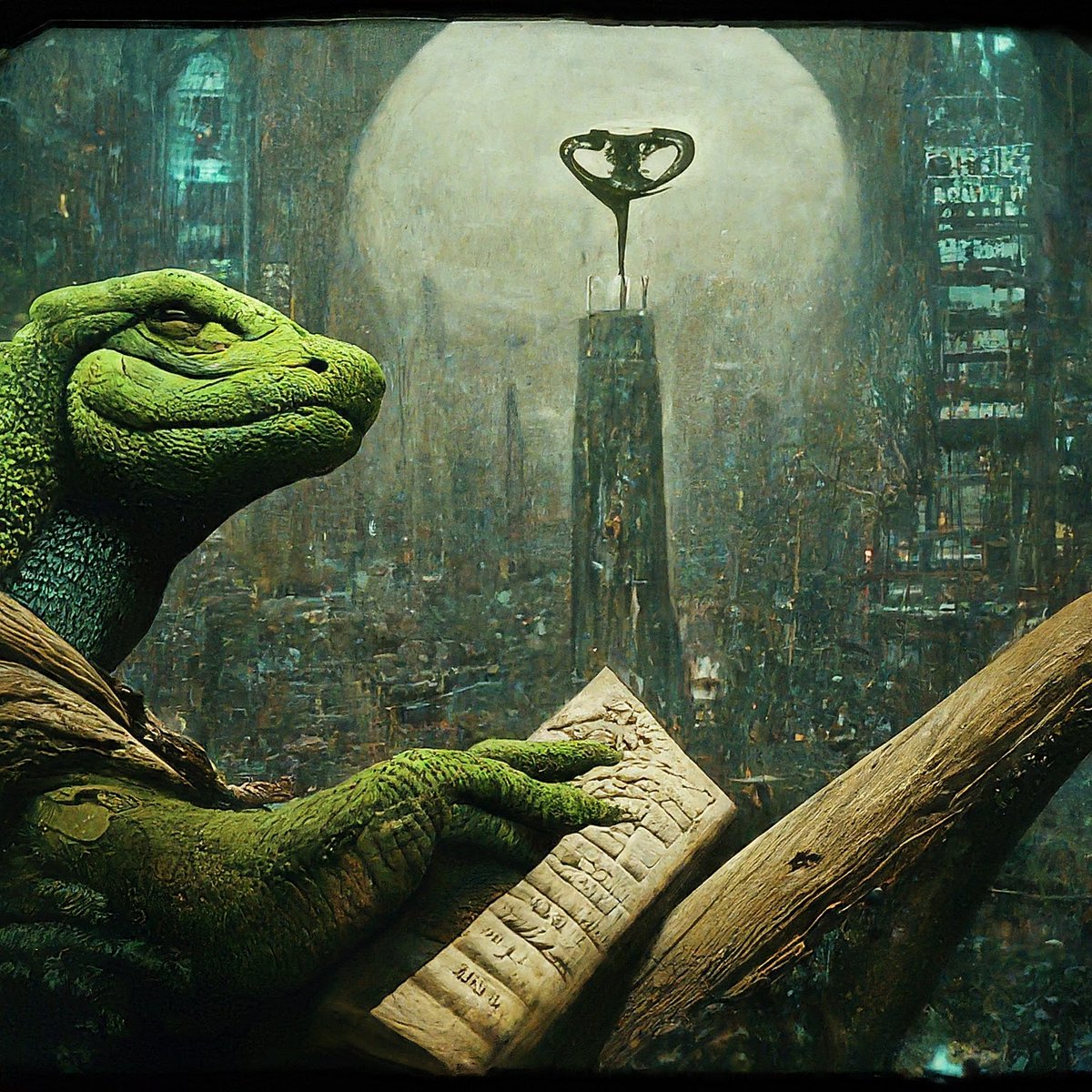


#bigfoot #sasquatch #yeti #skinwalker #fastwalker #skinwalkers #fastwalkers #ancient #books #audiobooks #audible #library #movie #film #doc #documentary
https://t.co/vpKbrPRwOo
watching reptilians a 2024 documentary/exploration etcetera and more it's: "Reptilians" explores the captivating world of the theory of Reptilians, delving into the beliefs that ancient extraterrestrial beings with reptilian attributes secretly control human affairs globally. This documentary navigates the origins, cultural impact, and the psychology behind this intriguing conspiracy, challenging viewers to question the line between fact and fiction in our quest to understand the mysteries of the cosmos and our place within.
now my own writings, thoughts, thinkings, contemplations, reflectings, coruscatings and opinions etcetera and more it's:
Myrmidons, Shapeshifting, and the Enigma of Transformation in Myth and Cryptozoology
Abstract:
This article delves into the fascinating concept of transformation in mythology and cryptozoology, with a particular focus on the Myrmidons of Greek legend and their potential connection to shapeshifting creatures like reptilians, bigfoot, and other cryptids. It examines the symbolic significance of ants in the Myrmidon origin story, exploring how it might offer insights into shapeshifting phenomena. The article also analyzes the nature of shapeshifting itself, drawing upon folklore, scientific hypotheses, and modern interpretations of ancient myths.
Introduction:
Transformation narratives have long captivated humanity, weaving their way through mythology and folklore across cultures. Tales of humans morphing into animals, deities assuming different guises, and creatures with shapeshifting abilities have enthralled us for centuries. This article turns its attention to the Myrmidons, a fabled warrior tribe in Greek mythology, and their association with ants, creatures often linked to transformation and adaptability. By exploring the possibility that the Myrmidon myth could be a veiled reference to shapeshifting entities, we draw parallels with modern cryptozoological phenomena like reptilians, bigfoot, and other beings purported to possess the ability to alter their appearance.
The Myrmidons and Their Ant Connection:
Renowned for their fierce loyalty, discipline, and martial prowess, the Myrmidons' origins are shrouded in myth. Their ancestor, Myrmidon, was born from the union of Zeus, the king of the gods, and Eurymedousa, a mortal woman. The myth recounts Zeus seducing Eurymedousa in the form of an ant, a detail that has puzzled scholars for generations.
Ants, with their remarkable adaptability, collective intelligence, and capacity to transform their surroundings through coordinated effort, may offer symbolic clues to the Myrmidons' extraordinary abilities and unwavering loyalty. Some scholars propose that the ant connection could be a metaphorical representation of shapeshifting, suggesting that the Myrmidons themselves might have possessed the power to change their form. For instance, the ant's ability to seamlessly integrate into its environment could mirror the Myrmidons' reported capacity for stealth and disguise. Additionally, the collective intelligence of ant colonies might parallel the Myrmidons' coordinated battle tactics and unwavering loyalty to their leader.
Shapeshifting in Myth and Folklore:
Shapeshifting is a pervasive motif in mythology and folklore across the globe. In numerous traditions, it is associated with supernatural beings, deities, and magical creatures. Shapeshifting can be seen as a symbol of power, transformation, the blurring of boundaries between human and animal, and the transgression of the natural and supernatural realms.
Notable examples of shapeshifting creatures in mythology include:
Werewolves: Humans who transform into wolves under the full moon.
Skinwalkers: Malevolent witches in Navajo tradition who can take on animal forms.
Selkies: Mythical creatures that shed their seal skin to become human on land.
Modern Interpretations and Cryptozoology:
The concept of shapeshifting has found its way into modern cryptozoology, the study of creatures whose existence remains unverified by science. Many cryptids, including reptilians, bigfoot, and the yeti, are said to possess the ability to alter their form or appearance, making them elusive and challenging to document.
Some researchers have proposed that these creatures might be interdimensional beings capable of shifting between different realities or dimensions. Others suggest that shapeshifting could be a form of advanced camouflage or even a psychological phenomenon resulting from misinterpretation or hoax. However, scientific evidence for shapeshifting remains elusive, and many reported sightings can be attributed to misidentification, folklore, or outright fabrication.
Connecting the Dots: Myrmidons, Reptilians, and Beyond:
The Myrmidon myth, with its ant symbolism and potential connection to shapeshifting, raises intriguing questions about the nature of reality and the possibilities of transformation. Could the Myrmidons have been a metaphor for shapeshifting entities, their ant-like qualities reflecting their adaptability and ability to blend in seamlessly with their surroundings? Could the reptilians and other cryptids reported in modern times be distant descendants or variations of these ancient shapeshifters?
While definitive answers remain elusive, the Myrmidon myth serves as a poignant reminder of the enduring human fascination with transformation and the mysteries that lie beyond our current understanding. Further research into the connections between mythology, cryptozoology, and shapeshifting phenomena may shed light on these enigmatic creatures and their place in the natural world.
Conclusion:
The concept of shapeshifting is deeply ingrained in human mythology and continues to spark our curiosity today. The Myrmidon myth, with its ant symbolism and potential connection to shapeshifting creatures like reptilians, offers a tantalizing glimpse into the enduring power of transformation narratives. Whether or not shapeshifting is a real phenomenon, its symbolic significance and cultural resonance continue to inspire awe and wonder. As we continue to explore the boundaries of our knowledge, the enigmatic allure of shapeshifting beckons us to question the nature of reality and the limits of our understanding.
The Evolution of Flight and Terrestrial Locomotion: A Comparative Analysis of Adaptations in Reptiles and Dinosaurs
Abstract:
This research article delves into the evolutionary drivers behind the development of flight in various animal groups, with a particular focus on reptiles (including their descendants, the birds) and non-avian dinosaurs. It examines the hypothesis that the pressure to escape predation played a significant role in the evolution of wings and aerial capabilities. Additionally, the article investigates the transition of certain reptilian lineages, such as turtles and crocodilians, from aquatic to terrestrial environments, highlighting the development of limbs and adaptations for life on land. By comparing the evolutionary pathways of different groups, this study aims to illuminate the complex interplay between environmental pressures, adaptation, and the emergence of novel traits such as flight and terrestrial locomotion.
Introduction:
The abilities to fly and walk on land are two of the most remarkable adaptations in the animal kingdom. These traits have evolved independently in several lineages, each driven by unique environmental pressures and selective forces. This article focuses on the evolution of flight in reptiles (including their descendants, the birds) and non-avian dinosaurs, as well as the transition from aquatic to terrestrial locomotion in certain reptilian lineages. By analyzing the fossil record, comparative anatomy, and evolutionary theories, we aim to understand the underlying reasons behind these adaptations and their implications for the diversification of life on Earth.
The Evolution of Flight in Reptiles and Dinosaurs:
Flight has evolved multiple times in the history of life, with the most notable examples being insects, birds, pterosaurs, and bats. Among reptiles, the pterosaurs were the first vertebrates to achieve powered flight, soaring through the skies during the Mesozoic Era. The evolution of flight in pterosaurs is thought to have been driven by several factors:
Predator evasion: Fossil evidence, such as the presence of long legs and sharp claws in early pterosaurs like Dimorphodon, suggests that they coexisted with predatory dinosaurs. The ability to fly would have provided a significant advantage in escaping these threats.
Access to new food sources: Flight opened up new ecological niches, allowing pterosaurs like Pteranodon, with its long beak adapted for catching fish, to exploit aerial food sources unavailable to their terrestrial counterparts.
Improved dispersal: Flying enabled pterosaurs to colonize new habitats and expand their geographic range more efficiently than their non-flying relatives.
The evolution of flight in dinosaurs followed a different path, leading to the emergence of birds. While the exact reasons for the development of feathers and wings in dinosaurs are still debated, several hypotheses have been proposed:
Thermoregulation: Feathers may have initially evolved for insulation, helping dinosaurs like Sinosauropteryx regulate their body temperature in changing environments.
Display: Colorful feathers could have been used for attracting mates or intimidating rivals, playing a role in sexual selection, as seen in the elaborate plumage of Confuciusornis.
Gliding and parachuting: Some feathered dinosaurs, like Microraptor, had adaptations suggesting they used their feathers for gliding or parachuting, which could have been a stepping stone towards powered flight. An alternative hypothesis, the "ground-up" theory, suggests that wing flapping may have aided running or climbing.
The Transition from Water to Land in Reptiles:
The evolution of limbs and terrestrial locomotion in reptiles represents a major evolutionary transition. Tiktaalik, a fish-like creature with limb-like fins that lived during the Devonian Period, is a prime example of this transition. Tiktaalik is considered a transitional fossil, exhibiting features of both fish and tetrapods (four-limbed vertebrates).
The development of limbs and the ability to walk on land allowed reptiles to exploit new habitats and resources, leading to a phenomenon known as adaptive radiation, where a single ancestral species diversifies into many new species to fill different ecological niches. This transition was likely driven by:
Dwindling aquatic resources: As competition for resources increased in aquatic environments, some reptiles ventured onto land in search of food and shelter.
Escape from predators: Land offered a refuge from aquatic predators, increasing the survival chances of reptiles that could navigate terrestrial environments. This is exemplified by early tetrapods like Acanthostega and Ichthyostega, which had limbs adapted for both swimming and crawling.
New ecological opportunities: The land presented a vast array of untapped resources and ecological niches, providing ample opportunities for adaptive radiation. This is evident in the diverse range of terrestrial reptiles that evolved, including lizards, snakes, turtles, and crocodilians.
The Interplay of Adaptation and Environmental Pressure:
The evolution of flight and terrestrial locomotion in reptiles and dinosaurs highlights the dynamic interplay between adaptation and environmental pressure. In both cases, the development of new traits was likely driven by the need to survive and thrive in changing environments.
The pressure to escape predation appears to be a common thread in the evolution of flight, as both pterosaurs and birds developed aerial capabilities that allowed them to evade ground-dwelling predators. Similarly, the transition from water to land in reptiles was likely fueled by the need to escape aquatic predators and exploit new resources on land.
Conclusion:
The evolution of flight and terrestrial locomotion in reptiles and dinosaurs represents a remarkable example of convergent evolution, where similar traits arise independently in different lineages due to similar selective pressures. While the exact reasons behind these adaptations remain a subject of ongoing research, the evidence suggests that the pressure to escape predation and exploit new ecological niches played a crucial role in shaping the course of evolution for these fascinating creatures. Further research into these evolutionary pathways may provide valuable insights into the mechanisms of adaptation and the emergence of novel traits in the natural world.

வேகமாக நடப்பவரா நீங்கள்? அப்போ நீங்க ‘இந்த’ குணம் கொண்டவரா இருப்பீங்க..
#Fastwalker | #Personalitytrait | #Lifestylenews | #Zeetamilnews
https://t.co/SyaHyeZo7B

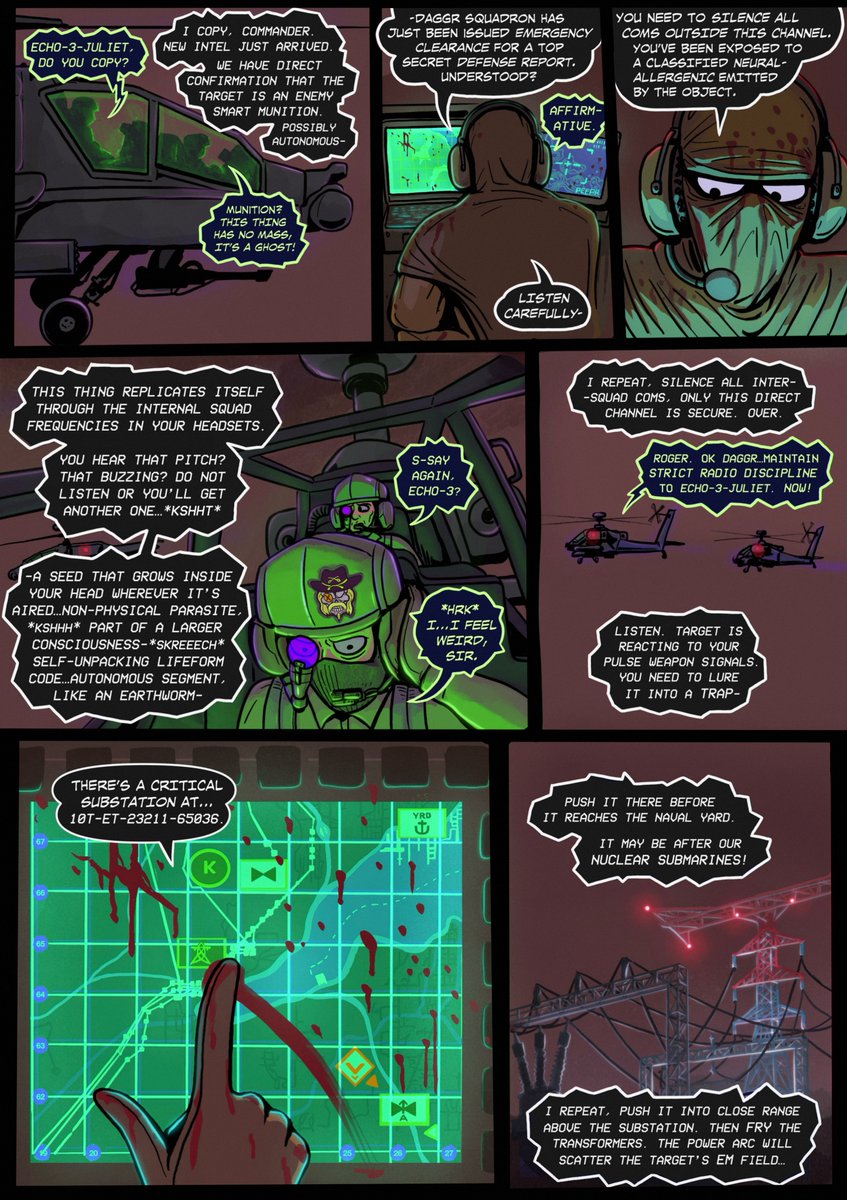
Mindwar - FLAP #3, page 3X #webcomics #comics #disclosure #psyops #UAP #JTAC #fastwalker #havanasyndrome #mindwar #characterart #OC
Offer me alternatives, offer me solutions and I, Decline
FLAP #3, page 26…. #webcomics #comics #disclosure #UFOx #apache #DEWs #fastwalker #IllegalAliens #vril #torus #pilotlife


#skyKING #CCW23 #THEGAME23 #CICADA23 #CICADA #COSMIC #WARRIOR #OTP23 #SATAN666 #NATAS999 #INTELLIGENCEAGENCY #HIGHERINTELLIGENCEAGENCY #FASTWALKER #INTRUDER23 #OPpsiON #ACIO #CAIO #CICADA3301 #AERITH570 3301=EEOI=eeoi=ioee=1033-IOEEE-1033
TEMPORAL TIMELINE NOW !
GO!GO!GO!GO! ☠️😬


@SunBw8 There are two fastwalkers in this clip from June during a search and rescue. They both fly past the drone's camera, one from 10 o clock position and one from straight ahead. This is how quick they usually are but we usually see them higher up.
#ufo #fastwalker #uap #ufotwitter
#hellotheclouds #ufo
#fastwalker
Captured at 960fps, this one is even blinking a couple times. Awesome! Thank you, strangers. :)

GreWi-Forum #Münsterland: das 9. Treffen
KOSTENLOS
20. 9. 23, 19 Uhr: Vortrag und Diskussionsführung: Kranz, Andreas und Moormann, Stephan: Diskussion über #UFOs, Usos, #Fastwalker & mehr.
Anmeldeschluss: 14. 9. / Link: https://t.co/mff9G8Pqyf
Infos auf: https://t.co/gRCvtWQA3n


Putting the screws to the test. Boston marathon here I come #fastwalker


FASTWALKERS: Space-Based UAP 👩🚀 https://t.co/ec3eFO8kP9
Richard Dolan & @Occultjourneys Darcy Weir discuss his latest documentary Secret Space UFOs: Fastwalkers.
#UAP #UFO #fastwalker

I heard joyous singing coming from churches, saw people walking their dogs, and got waves from neighbors who probably aren’t used to seeing a middle-aged white woman walking down their streets.
(And I averaged 11 min mile) #thisismacon #halfmarathontraining #fastwalker
Last Seen Hashtags on Sotwe
Most Popular Users

Elon Musk 
@elonmusk
240.3M followers

Barack Obama
@barackobama
119.3M followers

Donald J. Trump
@realdonaldtrump
111.6M followers

Cristiano Ronaldo
@cristiano
109.7M followers

Narendra Modi
@narendramodi
106.9M followers

Rihanna
@rihanna
97.5M followers

NASA
@nasa
92.1M followers

Justin Bieber
@justinbieber
90.7M followers

KATY PERRY
@katyperry
87.2M followers

Taylor Swift
@taylorswift13
81M followers

Lady Gaga
@ladygaga
72.6M followers

Kim Kardashian
@kimkardashian
69.6M followers

Virat Kohli
@imvkohli
69.2M followers

YouTube
@youtube
68.6M followers

Bill Gates
@billgates
63.6M followers

The Ellen Show
@theellenshow
62.5M followers

Neymar Jr
@neymarjr
61.9M followers

CNN
@cnn
61.9M followers

X
@x
60.9M followers

Selena Gomez
@selenagomez
60.3M followers