

Top Tweets for #indoEuropean

Is this the first #hittite? Incredible individual from which #ancient #dna was obtained helps solidify our understanding of #indoeuropean #history

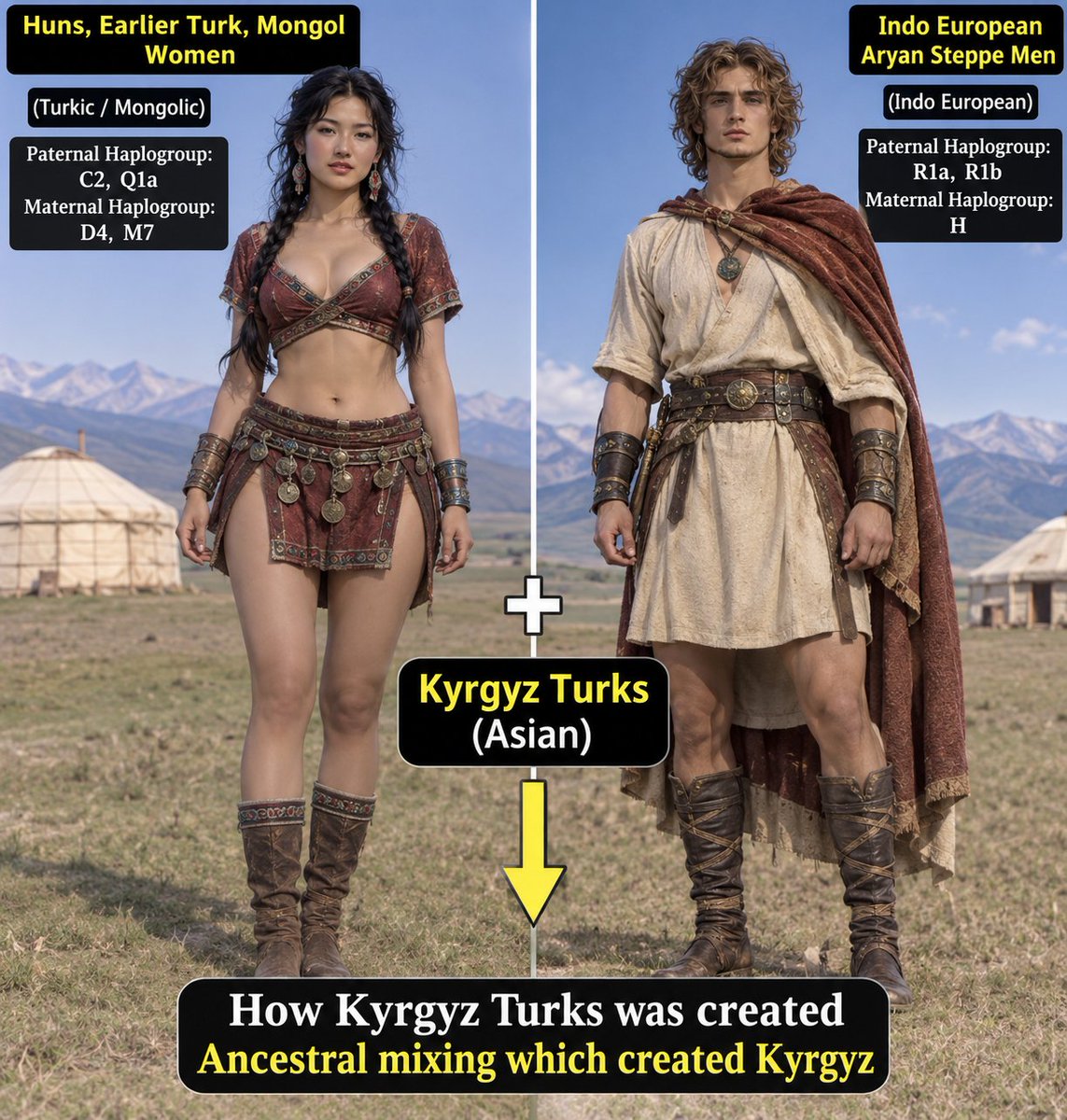
A sort of side finding in @hmcccoll and @KroonenGuus's newly published papers which I love thanks to their ability to distinguish BB, CWC, and Catacomb type IE stppe ancestry is it pointing towards an IE phylogeny with Italo-Celtic, Greco-Armeno-Albanian, and Indo-Baltic


@ApexImperialist About Kurds.
I think that we can make "Indoeuropean-Judean alliance"
NATO/EU(once we get rid of leftoid plague)-Israel-Independent Pro-Western Kurds-Shakh's Iran.
But you know, I'm just 18yo Ukrogoy.

DESCUPE PRA QUEM ACHOU O MODELO FEIO MAS E O MEU MAU GOSTO INSPIRADO NO ELMO SCITIANO QUE APARECE NO MIN 4:11 DO EDIT INDOEUROPEAN EXPERIENCE, POSSO FAZER NORMAL, E O TECIDO NAO E DURO, EU ENCHI DE ESPUMA PRA DEIXAR DURO.

🧬🔬 Genetic Profile Summary — https://t.co/FhZEvT6J6d
1. Overview
https://t.co/FhZEvT6J6d is a male whose ancestry is strongly rooted in Northwest Europe, especially the Atlantic Celtic regions such as Ireland, Scotland, and Brittany (France). His DNA reflects a typical European genetic structure formed from ancient hunter-gatherers and early farmers.
2. Modern Ancestry (Recent Genetic Affinities)
His closest genetic matches today are:
Ireland & Scotland → strongest signals
Britain (general) → dominant overall ancestry
Brittany (France) → very close genetic similarity to Celtic populations
Northern Europe / Scandinavia → noticeable secondary influence
👉 This pattern is typical of people with British Isles ancestry, often shaped by:
Celtic populations
Anglo-Saxon migrations
Viking expansions
📌 His closest modern populations include:
Scottish and Irish groups
Orcadians (Northern Scotland)
Bretons (northwest France)
Anglo-descended populations in North America
3. Deep Ancestry (Ancient Origins)
His DNA comes from four main prehistoric European sources:
Early Farmers (Anatolian-related) → largest portion
Brought agriculture into Europe
Ancient North Eurasians (steppe ancestry)
Linked to Indo-European expansions
Western Hunter-Gatherers (WHG)
Indigenous Mesolithic Europeans
Caucasus-related ancestry (CHG)
Also tied to steppe migrations
👉 Overall, this is a classic post-Neolithic European genetic mix, especially common in Northwest Europe.
4. Paternal Line (Y-DNA): I-Y134718
Belongs to Haplogroup I2, one of the oldest native European male lineages
Originates from Mesolithic hunter-gatherers
His specific branch formed around 1300 BCE (Bronze Age)
📍 Today, this lineage is most common in:
Scotland
Northern Ireland
Descendants in the United States
👉 Interpretation:
His direct male line traces back to ancient European hunters, but his specific family branch became prominent in the British Isles during later historical periods.
5. Maternal Line (mtDNA): H1b
Part of Haplogroup H, the most common maternal lineage in Europe
Subclade H1b dates to around 3000 BCE
📍 Found widely across:
Western Europe
Northern Europe
👉 Interpretation:
A typical and widespread European maternal lineage, associated with the expansion of early farming populations.
🧾 🧬🔬 Final Interpretation
https://t.co/FhZEvT6J6d represents a classic Northwest European (Atlantic Celtic) genetic profile:
Strongest links → Ireland, Scotland, and Brittany
Deep ancestry → mixture of farmers, hunter-gatherers, and steppe populations
Paternal roots → indigenous European hunter lineage (I2)
Maternal roots → common European lineage (H1b)
👉 In simple terms:
He is genetically very similar to modern Celtic-descended populations of the British Isles, with additional influences from broader Northern Europe.
#Genetics #AncientDNA #PopulationGenetics #BritishIsles #Celtic #Irish #Scottish #Brittany #NorthwestEuropean #YDNA #mtDNA #HaplogroupI2 #HaplogroupH #HumanOrigins #Archaeogenetics #IndoEuropean #HunterGatherer #Neolithic #BronzeAge #GeneticAncestry
#Requested
🔬🧬 Genetic Profile Summary: Individual https://t.co/dLOthnx8pY
#Harvard
1. Paternal Lineage (Y-DNA)
Haplogroup: I-A6106 (within I2a “Dinaric” branch)
Timeframe: Formed ~100 CE (Roman era)
Geographic Pattern Today: Most common in Eastern Europe (Ukraine, Belarus, Russia)
Historical Context:
Associated with populations moving through Eastern and Central Europe during the early medieval period
Likely linked to Slavic expansions into the Balkans
Also found in Avar-period and medieval Hungarian elite samples
👉 Interpretation: Strong paternal signal of Slavic/Eastern European origin integrated into Balkan populations.
2. Maternal Lineage (mtDNA)
Haplogroup: H (with mutation 16129)
Distribution: Very common across Europe, North Africa, and the Near East
👉 Interpretation: Broad West Eurasian maternal ancestry with no strong regional restriction.
3. Deep Ancestry Components (Prehistoric Origins)
Anatolian-related ancestry (~42%)
→ Foundation of early farming populations in Europe
Caucasus-related ancestry (~30%)
→ Strong link to populations from the Caucasus and West Asia
Levantine/Natufian ancestry (~12%)
→ Reflects ancient Near Eastern input
Ancient North Eurasian (~10%)
→ Deep Eurasian ancestry tied to steppe and Siberian populations
Western Hunter-Gatherer (~5%)
→ Indigenous European hunter-gatherer contribution
👉 Interpretation:
A classic Eastern Mediterranean + Caucasus-heavy profile, with additional steppe-related ancestry.
4. Modern Genetic Affinities
Closest matches cluster around:
Southern Greeks (Peloponnese)
Western Anatolian Greeks
Genetic composition suggests:
Significant Greek/Balkan core
Noticeable Eastern European (Slavic-like) input (~30%)
Strong Caucasus / West Asian influence
👉 Interpretation:
This individual sits genetically between Mainland Greeks and Eastern Europeans, while retaining a clear Eastern Mediterranean and Caucasian foundation.
🔬🧬 Final Interpretation
Individual https://t.co/dLOthnx8pY represents a Southern Balkan genetic profile shaped by three major historical layers:
Indigenous Greek / Eastern Mediterranean base
Caucasus and Anatolian influence (deep and persistent)
Later Slavic/Eastern European admixture (medieval period)
👉 In modern terms:
Closest to Peloponnesian Greeks, but with a clear northern (Slavic) and eastern (Caucasus/Anatolia) genetic shift.
#Genetics #AncientDNA #PopulationGenetics #HumanOrigins #YDNA #mtDNA #Haplogroups #I2a #Balkans #GreekDNA #SlavicAncestry #CaucasusAncestry #WestAsianDNA #AncestryDNA #DNAAnalysis #Archaeogenetics #IndoEuropean #EuropeanGenetics #MediterraneanDNA #ByzantineAncestry
🔬🧬 Genetic Profile Summary – Individual https://t.co/50l5Xab3rp
#Harvard
Individual https://t.co/50l5Xab3rp represents a typical Western Balkan / South Slavic genetic profile, most closely aligned with Croatian and Bosniak populations.
The genome reflects a dominant Slavic ancestry, combined with a notable Central/Northern European contribution, consistent with historical interactions in the Balkans.
🧬 Paternal Line (Y-DNA)
Haplogroup: R-L1029 (R1a-M458)
A hallmark Slavic lineage, strongly associated with early Slavic tribes.
Expanded rapidly during the Early Middle Ages (c. 500–1000 CE).
Common today in Eastern Europe and the Balkans, especially among West and South Slavs.
Interpretation:
This confirms a direct paternal origin tied to Slavic migrations into Southeastern Europe.
🧬 Maternal Line (mtDNA)
Haplogroup: #N1b1a2
An ancient lineage with roots in the Near East / Levant.
Associated with the spread of Neolithic farmers from Anatolia into Europe.
Present at low but widespread frequencies across Europe and the Mediterranean.
Interpretation:
Represents a deep maternal ancestry linked to early farming populations, predating Slavic expansions.
🧬Autosomal Ancestry
Primary Component: Western Balkan / Carpathian Basin ancestry (dominant majority).
Secondary Component: ~20–25% Central/Northern European (Germanic/Central European-like).
Closest Population Matches:
Croatians (Herzegovina, Dalmatia, Istria)
Bosniaks
These are very tight genetic fits, indicating the individual is essentially indistinguishable from modern Western Balkan populations.
Interpretation:
A South Slavic core with clear Central European admixture, likely reflecting historical contact zones (e.g., Austro-Hungarian influence).
🧬 Deep Ancestry (Ancient Components)
Anatolian Farmer (~48%)
→ Legacy of Neolithic agriculturalists from the Near East
Steppe-Related (ANE + CHG ~37–38%)
→ Signature of Bronze Age Indo-European (Yamnaya) migrations
Western Hunter-Gatherer (~14%)
→ Indigenous pre-farming European ancestry
This combination is fully consistent with Slavic populations, reflecting the standard European triad:
Farmer + Steppe + Hunter-Gatherer
🧬🧬 Conclusion
https://t.co/50l5Xab3rp exhibits a classic Western Balkan genetic structure:
Strong Slavic paternal lineage (R1a)
Ancient Near Eastern maternal ancestry (N1b)
Autosomal profile centered in Croats/Bosniaks
Noticeable Central European admixture, likely from historical geopolitical overlap
Overall, the individual represents a genetic bridge between the Slavic Balkans and Central Europe, shaped by both early medieval migrations and later regional interactions.
#Genetics #AncientDNA #PopulationGenetics #Slavic #Balkans #Croatia #Bosnia #R1a #Haplogroups #HumanOrigins #Ancestry #Archaeogenetics #IndoEuropean #Neolithic #Yamnaya #DNAAnalysis
A Genetic Portrait of https://t.co/x7O2Xbm7w5
The genetic profile described here fits well within what scientists typically observe in people from the South Slavic world. Overall, the results reflect the long history of migrations, population mixing, and cultural exchange that shaped the Balkans over the last several thousand years.
Modern Ancestry
The strongest signals point to a classic South Slavic genetic cluster, similar to populations such as Serbs, Croats, and Bosniaks. These groups form a tight genetic grouping in Europe due to their shared origins in the early medieval Slavic migrations into the Balkans.
A noticeable northern and eastern European pull, roughly around the mid-teen percentages, likely reflects historical connections with East European and Baltic populations. This pattern is consistent with the expansion of Slavic tribes from Eastern Europe during the early Middle Ages.
Small traces linked to Greek, Albanian, northwestern European, or even Near Eastern populations are not unusual for people from the Balkans. The region has long been a crossroads between Europe and the Near East, influenced by Roman, Byzantine, and later Ottoman eras, all of which contributed layers of genetic diversity.
At a deeper level, the genetic structure reflects the three major ancestral components that dominate most Europeans today.
The largest share comes from early Neolithic farming populations that spread into Southeast Europe from Anatolia thousands of years ago. These early farmers form the backbone of genetic ancestry across the Balkans.
Another important component comes from steppe pastoralists associated with the Bronze Age migrations from the Eurasian steppe. This ancestry is connected to the spread of Indo-European languages and is widespread among Slavic populations.
Smaller portions derive from ancient European hunter-gatherers and populations connected to the Caucasus region. These elements entered European populations through both prehistoric mixing and later steppe-related migrations.
Overall, the balance of these components is typical for South Slavic populations and does not show any unusual outliers.
Paternal Line (Y-DNA)
The paternal lineage belongs to a branch of the broader haplogroup J1-FGC15782, a lineage that ultimately traces back to populations around the Caucasus and parts of the Near East.
In the Balkans, this lineage is relatively uncommon compared to the dominant Slavic paternal lines. Its presence likely reflects an older migration event, possibly connected to Bronze Age movements from regions around the Caucasus or later historical interactions across eastern Europe.
While rare, such lineages occasionally appear in Balkan populations and illustrate how individual family lines can preserve traces of ancient migrations that differ from the broader regional pattern.
Maternal Line (mtDNA)
mtDNA Haplogroup H2a1f (under H, Near East pre-LGM origin) expanded Europe-wide post-glacial, peaking in Central/Eastern Europe (Germany/Poland/Ukraine), fitting an indigenous maternal layer.
Summary:
Taken together, the genetic profile reflects a typical South Slavic background shaped by Neolithic farmers, Bronze Age steppe migrations, and smaller contributions from surrounding regions. A rare paternal lineage linked to the Caucasus adds a distinctive historical thread, while the maternal lineage represents one of Europe’s most widespread ancient lineages.
The overall result is a genetic portrait that mirrors the Balkans themselves, a region shaped by deep prehistoric roots and centuries of movement between Europe and the Near East.
#Genetics
#AncientDNA
#PopulationGenetics
#SouthSlavs
#Balkans
#HumanOrigins
#DNAHistory
#GeneticAncestry
#IndoEuropean
#Archaeogenetics

Elsa is linguistically sound 🗣️ I can confirm, that I did try the oldest remaining Indoeuropean language, and even then Elsa did not get lost at all.
Did you try @HeyElsaAI ? Quack


Most crypto apps assume you already know the lingo.
Elsa doesn’t. 🦾
You can talk to @HeyElsaAI in your native language — Hindi, Japanese, Korean, Chinese, and more — to swap, bridge, or explore onchain.
Making crypto onboarding feel a little more human.

@LoveforTachyon No one:
Ancient indoeuropeans with horses:
“Karelia’s First Hunter: The Genetic Legacy of a Mesolithic Ancestor”
Sample I0061 from Karelia, #Russia.
The DNA belongs to sample I0061, also known as RUSSIA_YUZHNIY, a Mesolithic male who lived between 7050–5950 BCE. He was a hunter-gatherer buried at Yuzhny Oleniy Ostrov in Karelia, Northwestern Russia, near today’s Finnish border.
Genetically, he is a classic Eastern Hunter-Gatherer (EHG), a group that later gave rise to the Yamnaya of the Bronze Age Steppe and, through them, became a core ancestral source for much of Europe and Asia. His DNA connects strongly with modern peoples in Northeastern Europe, the Volga-Ural region, and Siberia, revealing the deep migrations that shaped Eurasia.
Sample: I0061 (RUSSIA_YUZHNIY)
Date: 7050–5950 BCE (Mesolithic)
Location: Yuzhny Oleniy Ostrov, Karelia, Russia – a vast Mesolithic cemetery known as “Southern Reindeer Island.”
Culture: Hunter-gatherer, living millennia before farming reached this region.
Sex: Male
Predicted Appearance:
Skin: Likely intermediate to dark, typical of EHGs.
Hair: Dark brown.
Eyes: Brown.
Genetic Lineages
Paternal (Y-DNA): R1a1-M459*
One of the earliest known carriers of R1a, a lineage that later spread widely across Eastern Europe, Central Asia, and South Asia, closely tied to Indo-European expansions. His presence proves R1a existed in Eastern Europe long before the Yamnaya and Corded Ware cultures.
Maternal (mtDNA): C1g
Rare in Europe today, this lineage is related to maternal lines found in Northeast Asia and among the ancestors of Native Americans. Its presence here highlights the ancient genetic bridge between Siberia, Eastern Europe, and the Americas.
Autosomal DNA: Ancestry
This man’s genome is a textbook Eastern Hunter-Gatherer, a mix of two major ancient populations:
Ancient North Eurasians (ANE), linked to Upper Paleolithic Siberians.
Western Hunter-Gatherers (WHG), linked to Paleolithic Europeans.
He clusters closely with other Mesolithic EHGs such as those from Samara, showing the shared foundation of this population.
His DNA aligns most closely with peoples of Northeastern Europe and the Volga-Ural region, including Tatars, Komi, Udmurt, Mordovians, Chuvash, and related groups. Finno-Ugric populations like Karelians, Saami, Finns, and Vepsians also show strong affinity. Even some Russians from the far north retain significant traces of this EHG ancestry.
Historical and Genetic Significance
I0061 is a direct representative of the Eastern Hunter-Gatherers, whose descendants reshaped the world. His population later fused with Caucasus hunter-gatherers to form the Yamnaya, the steppe herders who spread both genes and Indo-European languages across much of Eurasia during the Bronze Age.
He represents a genetic legacy carried today by hundreds of millions, especially in Eastern and Northern Europe. The fact that his DNA still resonates in modern Volga-Uralic and Finno-Ugric peoples proves the endurance of his ancient community.
Later migrations, population turnovers, and admixture altered the genetic landscape of Northern Europe after the Mesolithic. Still, links can be traced between his population and groups like the modern Saami.
#AncientDNA #Genetics #HumanOrigins #Prehistory #Mesolithic #HunterGatherers #EHG #Karelia #R1a #IndoEuropean #Archaeogenetics #SteppeAncestors #Anthropology
“The Hasanlu Survivor: Ancestry of a Kurdish Ancestor, 9th Century BCE”
Summary of the Individual
The genome of Sample F38 belongs to a man who lived between 971 and 828 BCE in Hasanlu, Northwestern Iran. His DNA shows overwhelming continuity with today’s Kurdish populations, especially those of Northern Mesopotamia. He carried a paternal lineage rooted in the Indo-European steppe migrations and a maternal lineage tied to the first farmers of the Zagros Mountains. His genetic profile reflects the deep ancestral blend of the region and demonstrates how the core identity of the Kurdish people was already formed nearly three thousand years ago.
1. Historical and Archaeological Context
F38 was buried in Hasanlu, a thriving citadel in the Solduz Valley near Lake Urmia. He lived during the Iron Age II, in the era of the Mannaeans, at a crossroads influenced by the rising Neo-Assyrian and Urartian empires. Hasanlu flourished with wealth and complexity, famously producing the Gold Bowl of Hasanlu. But the city’s prosperity ended violently when it was burned and destroyed around 800 BCE an event this man narrowly preceded.
2. Haplogroup Lineages
Paternal (Y-DNA: R-Y37377)
His father’s line belonged to R1b-Z2103, a branch connected to the Yamnaya culture of the steppe. This signals the Indo-European migrations that spread southward during the Bronze Age, tying him to the same movements that birthed the Hittites, Armenians, and early Iranians.
Maternal (mtDNA: N1a3a*)
His mother’s lineage goes back to the first farmers of the Fertile Crescent, who carried agriculture into Anatolia and Europe by 7000 BCE. This shows continuity with the ancient Zagros Neolithic communities.
Together, his haplogroups tell the story of a steppe-born paternal legacy merging with deep-rooted local maternal ancestry a hallmark of West Asian history.
3. Genetic Affinity to Modern Populations
When compared with present-day groups, F38 aligns most strongly with Kurds. His genome is almost indistinguishable from modern Kurdish populations of Iraq, Iran, Syria, and Turkey. The closest of all are Kurmanji Kurds from Duhok and Kurdish groups of Northern Mesopotamia, with similarity scores near perfect matches.
He also shows strong ties to Yazidis, Assyrians, Armenians, and Azeris, placing him squarely in the same genetic highland continuum that defines Northern Mesopotamia and the South Caucasus today.
Conclusion: By the 9th century BCE, the ancestral Kurdish genetic profile was already in place.
4. Ancient Ancestry Layers
His DNA links closely to Hajji Firuz C, a Chalcolithic individual from the Zagros, and to Late Neolithic Caucasus populations, proving genetic continuity in the region over millennia.
Deeper ancestry analysis shows:
Nearly half Caucasus Hunter-Gatherer,
A quarter Natufian from the Levant,
Seventeen percent Anatolian early farmer,
And a final steppe-derived Ancient North Eurasian layer from Indo-European migrations.
This blend created the fertile genetic foundation of West Asia, one that lives on powerfully in modern Kurds and their neighbors.
Final Portrait
F38 embodies the fusion of worlds: the steppe riders whose paternal lines reshaped the Near East, and the ancient farmers and hunter-gatherers who rooted themselves in the Zagros and Levant. His DNA is a bridge across ages proof of continuity and resilience in the highlands of Mesopotamia.
#Hasanlu #IronAge #AncientDNA #Kurds #Zagros #IndoEuropean #Assyria #Archaeogenetics #Genetics #History #Mannaeans #SteppeMigration
Genetic & Historical Profile of RAK-211
A man from the Middle–Late Sarmatian period (2nd–4th century AD) discovered in Budapest, Hungary. His DNA tells an incredible story of migration, admixture, and cultural identity in the Carpathian Basin during Roman times.
Who Was RAK-211?
Male individual
Lived during the height of Sarmatian dominance in the Carpathian Basin
Culture: Sarmatian
Location: Modern-day Hungary
Historical Context
The Sarmatians were Iranian-speaking nomads from the Pontic-Caspian Steppe who moved west between the 5th century BC and 4th century AD. By RAK-211’s time, they were settled elites, blending with locals in Central Europe while maintaining steppe warrior traditions.
Genetic Makeup
His DNA reveals a tri-hybrid ancestry:
1. Anatolian & Caucasus Farmer (~45-50%)
Roots in Neolithic farmers from Anatolia, the Caucasus, and Iran (~9,000 years ago).
This shows deep continuity with early European agricultural populations.
2. Steppe & European Hunter-Gatherer (~30-40%)
Classic Indo-European steppe ancestry (Yamnaya link).
This is the genetic foundation of the Sarmatian cultural identity.
3. Siberian / East Asian (~3-5%)
A small but defining signal of nomadic steppe connections from Siberia and the Altai.
Typical of Scytho-Sarmatian gene flow.
Haplogroups (Deep Ancestry)
Paternal (Y): G-FGC21495 → Originates from Neolithic farmers of Anatolia/Caucasus.
Maternal (mtDNA): #N1b1a2 → Also tied to Near Eastern Neolithic populations.
➡ Both lines trace back to early farming societies, not steppe nomads.
What Does This Mean?
RAK-211 was culturally Sarmatian, but genetically diverse:
Steppe Warrior Blood: About one-third of his DNA from Indo-European nomads.
Farmer Legacy: The majority from early Anatolian/Caucasus farmers.
Local Hunter Influence: A smaller share from Europe’s original hunter-gatherers.
This man was not a “pure” nomad but the product of centuries of mixing in the dynamic world of the Carpathian Basin.
Key Insight
Sarmatian identity wasn’t about being biologically “pure.” It was cultural and political, uniting people from multiple ancestries under one elite warrior ethos.
#AncientDNA #PopulationGenetics #Sarmatians #SteppeNomads #History #Anthropology #Genetics #Archaeology #IndoEuropean #Caucasus #Ancestry #AncientEurope #Hungary #CarpathianBasin #IranianNomads
Who Was I20975?
Meet I20975, an Early Bronze Age male from the Pontic-Caspian Steppe (~3300–2600 BCE).
He belonged to the Yamnaya culture, the legendary horse-riding pastoralists who launched one of the greatest migrations in human history and participated in the spread of Indo-European languages across Europe and Asia.
Genetic Identity
Y-DNA (Father's Line): R-BY44400 (R1b-Z2103 branch)
This is the classic Yamnaya paternal marker. While related branches dominate Western Europe today, this lineage spread east and south into the Balkans, Anatolia, and the Near East.
mtDNA (Mother's Line): #N1b1a2
A lineage with roots in the Near East and Caucasus.
His parents were the product of a key historic fusion:
Steppe hunter-gatherer men (EHG) + Caucasus/Iranian farmer women (CHG/Neolithic).
Ancestry Breakdown
His genome reflects the Yamnaya genetic recipe:
Steppe Eastern Hunter-Gatherer (EHG): ~40–50%
The ancient backbone of the Pontic-Caspian population.
Caucasus/Iranian Neolithic: ~30–40%
The southern admixture that came north from the Caucasus and Zagros mountains.
Early European Farmers: ~10–15%
Western influence, common in Yamnaya groups closer to Europe.
Minor traces of Siberian/Central Asian (~2–9%)
Echoes of ancient steppe networks.
Ancient North Eurasian (ghost signal)
Shared ancestry with populations that also contributed to Native Americans.
Why Is This Important?
This man lived at a turning point in human history.
His people were mobile pastoralists, using wagons and domesticated horses to dominate the steppe. They carried their genes—and likely their Proto-Indo-European language—across continents.
To the West, their descendants formed cultures like Corded Ware, reshaping Europe’s genetic map.
To the East and South, they influenced Central Asia, Iran, and India, contributing to Indo-Aryan migrations.
Modern Europeans carry 20–50% Steppe ancestry, and many South Asians share this genetic legacy. I20975 is a direct ancestor of millions today.
In Short
I20975 = A Yamnaya pioneer, a genetic blend of EHG hunters + CHG/Iranian farmers, riding into history and leaving a legacy that spans continents.
#Yamnaya #IndoEuropean #Genetics #AncientDNA #BronzeAge #SteppeNomads #HumanHistory #PopulationGenetics #Archaeogenetics #Migration #ProtoIndoEuropean
Genetic & Historical Profile of AID007 (Late Bronze Age Mycenaean)
Who Was AID007?
AID007 was a male individual from the Late Bronze Age (1400–1200 BCE), buried in Aidonia, in the Phlious Valley of Corinthia, Peloponnese, Greece. He lived during the peak and decline of Mycenaean civilization, a culture famed for its palaces, warrior elites, and trade networks. This was the era that inspired Homer’s Iliad and Odyssey.
Historical Setting
The Mycenaean world (1600–1100 BCE) dominated the Aegean. These were the first Greeks, speaking an early form of Greek, and building monumental centers like Mycenae, Pylos, and Tiryns. Their decline around 1200 BCE—possibly due to climate shifts, internal strife, and invasions (Sea Peoples)—ushered in the Greek Dark Ages, yet their legacy shaped Classical Greece.
Genetic Makeup
AID007’s ancestry reflects the complex blend that defined Mycenaean Greeks:
56% Anatolian Farmer – Descendants of early Neolithic migrants from Anatolia who brought farming to Greece around 7000 BCE.
20% Caucasus Hunter-Gatherer (CHG) – Linked to Steppe pastoralists, carriers of Proto-Indo-European languages, arriving during the Early Bronze Age.
11% Natufian (Levantine) – Suggesting strong trade and cultural ties with the Levant, Cyprus, and Egypt.
11% Ancient North Eurasian (ANE) – A Siberian-related component brought via Steppe migrations.
~2% Western Hunter-Gatherer (WHG) – Remnants of Europe’s Mesolithic foragers, almost replaced by farmers.
Summary: AID007 = Anatolian Farmers (base) + Steppe Indo-Europeans (language) + Levantine contacts (trade).
Modern Affinities
When compared to modern populations, AID007 clusters closely with:
Southern Italians, Sardinians, and Aegean Islanders.
Why? These groups preserved a Bronze Age genetic profile. Mainland Greeks today are more admixed due to later migrations (e.g., Slavic influx).
Also, a subtle Levantine signal remains, echoing Mycenaean trade across the Eastern Mediterranean.
Paternal & Maternal Lineages
Y-DNA: J-L581 (J2a) – A classic lineage of Neolithic farmers from Anatolia and the Near East. Common in ancient Aegean populations and linked to early agriculture.
mtDNA: #N1b1a2 Another Near Eastern lineage tied to Neolithic dispersals into Europe.
Both lines confirm his deep Near Eastern agricultural roots, later shaped by Steppe input.
What Does This Mean?
AID007’s DNA tells a fascinating story:
Foundation: Built on Anatolian Neolithic ancestry.
Language Shift: Steppe migrations brought Proto-Greek.
Connectivity: Bronze Age trade networks added Levantine elements.
Legacy: His closest living genetic echoes are in Southern Italy, Sardinia, and Aegean islands—pockets of ancient Mediterranean heritage.
#Mycenaean #BronzeAge #AncientDNA #PopulationGenetics #GreeceHistory #IndoEuropean #Archaeogenetics #Mediterranean #Haplogroup #Ancestry #SteppeMigration #AncientGreece #AegeanDNA
🧬 Profile of IRN23 – A Parthian-era Man from Ancient Iran (circa 100 AD)
Who was he?
IRN23 was a man who lived around 2100 years ago, during the time of the Parthian Empire in what is now northern Iran, specifically in the Amlash-Gilan region near the Caspian Sea. His remains were found at Liār-Sang-Bon, a site that reflects long-term human occupation in Iran.
🧬 Paternal and Maternal Lineages
Y-DNA (Paternal Lineage): J-FGC6018
This is a sub-branch of haplogroup J1, which likely originated in West Asia. Today, it's common in the Arabian Peninsula, Caucasus, Anatolia, Iran, and North Africa. This lineage roots his male ancestors deeply in the wider West Asian region, especially the highlands and mountain zones.
mtDNA (Maternal Lineage): J1d
His maternal line is part of mitochondrial haplogroup J1, a lineage that also began in the Near East and spread widely with the Neolithic farmers who transformed the ancient world. This points to a maternal ancestry that also traces far back into the prehistoric farming cultures of West Asia.
🧬 Autosomal DNA (Full Ancestry Picture)
His total ancestry—drawn from all his ancestors, not just direct maternal or paternal lines—shows a fascinating blend:
1. Ancient Ancestry Layers
~50% Iran Neolithic (Zagros Farmers):
His strongest ancestral roots come from the first farmers of Iran, who lived over 10,000 years ago in the Zagros Mountains. These people were pioneers of agriculture.
~20% Anatolian Neolithic:
The early farmers of Anatolia (modern Turkey) also contributed significantly to his ancestry. These two farming groups mixed often in ancient West Asia.
~16% Steppe (Indo-European):
A key layer of his DNA links to pastoralists from the Eurasian Steppe, like the Yamnaya or Scythians, who brought Indo-European languages into Iran. This aligns with the fact that the Parthians spoke an Iranian Indo-European language.
~7% Natufian/Levantine ancestry:
He carried traces of DNA from the pre-agricultural hunter-gatherers of the Levant, ancestors of the first farmers in the Near East.
~2-7% South Asian (AASI-like):
A subtle but consistent signal from deep South Eurasian ancestry, showing ancient ties between the Iranian Plateau and South Asia.
2. Modern Genetic Affinities
When compared to modern populations:
He is most similar to people from the Caucasus and Iranian Plateau, such as modern Iranians, Azeris, Armenians, and Georgians.
He shows secondary connections to South-Central Asian groups like North Indians, Kalash, and Pamirians — due to shared ancient DNA from Neolithic Iranian and Steppe ancestors.
Minor African ancestry (~2-3%) is present, likely from long-term connections through trade or ancient migrations across the Indian Ocean and Arabian routes.
He also had a small trace of East Asian or Siberian DNA (~1-2%), likely reflecting Silk Road exchanges or movements of groups like Turkic tribes or Scythians.
🧬 What His DNA Tells Us
IRN23’s genetic profile reflects the core identity of Iron Age Iranians:
His foundation is rooted in the first Neolithic farmers of Iran and Anatolia.
He carries the Indo-European layer introduced during the Bronze Age.
His paternal and maternal lineages point to deep continuity in West Asia — likely locals with long-standing roots in the region.
His DNA bridges West Asia, South Asia, and Central Asia, showing Iran’s ancient role as a crossroads of civilizations.
🏺 Conclusion
IRN23 wasn't just a Parthian-era man — his genes carried the entire story of Iran’s ancient past:
From Zagros farmers and Indo-European migrations, to regional exchanges with neighbors east and west, he represents the genetic melting pot that defines ancient West Asia.
#AncientIran #ParthianEmpire #ZagrosFarmers #IndoEuropeanDNA #SteppeAncestry #NeolithicWestAsia #AncientDNA #IranianGenetics #CaucasusDNA #ParthianMan #WestAsianAncestry #IronAgeIran #LiārSangBon #GeneticHistory #HumanOrigins #HaplogroupJ1 #Archaeogenetics
Genetic Summary of Ancient Individual IRN25 (Parthian Era, ~100 BCE)
Sample Name: IRN25
Time Period: ~2100 years ago (~100 BCE)
Location: Liār-Sang-Bon, Amlash, Gilan province, Northern Iran
Culture: Parthian Empire
Sex: Male
1. Haplogroups – Deep Ancestral Lineages
Paternal Line (Y-DNA): J-FGC6031
This is a branch of haplogroup J1, common in the Near East, especially the Arabian Peninsula, Iran, the Caucasus, and Anatolia. It reflects a West Asian origin, fully in line with the geography and culture of Parthian Iran.
#YDNA #HaplogroupJ1 #WestAsianOrigins
Maternal Line (mtDNA): J1d
Also part of haplogroup J, this maternal line is West Eurasian, widely found across the Near East, Caucasus, and parts of Europe.
#mtDNA #HaplogroupJ #MaternalAncestry
2. Autosomal DNA – Overall Ancestry
This part of the genome reflects the genetic input from all of his ancestors. IRN25’s DNA reveals a rich mosaic of regional influences:
A. Core Iranian Plateau & Caucasus Ancestry
The majority of his ancestry comes from the Neolithic Iranian farmers and Caucasus hunter-gatherers.
This includes people from ancient sites like Ganj Dareh and the Gedrosian region, reflecting deep continuity with local populations.
This is the backbone of Iranian and Caucasian populations today.
#IranianNeolithic #CaucasusHunterGatherers #Gedrosia
B. Anatolian & Levantine Farmer Ancestry
He also carries DNA from early farmers of Anatolia and hunter-gatherers of the Levant, such as the Natufians.
These components show ancient connections across the Fertile Crescent, with shared farming roots.
#AnatolianFarmers #LevantineAncestry #FertileCrescent
C. Indo-European Steppe Ancestry
There is a strong signal from the Pontic-Caspian Steppe, the homeland of early Indo-European speakers.
This aligns with his Parthian identity, since the Parni tribe, ancestors of the Parthians, came from Central Asia and spoke an Iranic language.
#SteppeAncestry #IndoEuropeanMigration #Parthians
D. South Asian Links
A notable but minor portion of his DNA links him to the Indian subcontinent, especially northern India and Dravidian South India.
This reflects long-standing gene flow and trade between Iran and South Asia, a relationship stretching back to prehistory.
#SouthAsianConnection #IndoIranianBridge #AncientTradeRoutes
E. Central and East Asian Influence
There’s a smaller, but clear signal of Central and East Asian ancestry—traces from groups like the Altaic peoples and ancient Chinese.
This may reflect the nomadic origins of the Parthians, or early contact via Silk Road trade with the East.
#CentralAsianAncestry #SilkRoad #EastAsianLink
Final Portrait of IRN25
IRN25 was a man standing at the genetic crossroads of ancient Eurasia. His DNA reflects:
Deep Iranian-Caucasus roots
Ancient Near Eastern connections
Steppe ancestry tied to the Iranic-speaking Parthians
Genetic links to South Asia
A distant echo of Central and East Asia
He represents the blended, mobile, and interconnected world of ancient Iran during the powerful Parthian Empire.
#AncientIran #ParthianDNA #EurasianMosaic #GeneticHistory #WestAsia #IranianPlateau #Caucasus #SteppePeoples #IndoIranian #SilkRoadConnections
🧬 Profile of NEO563: A Bronze Age Dane
Who was he?
NEO563 was a man who lived between 1530 BCE and 1420 BCE in Bybjerg, on the island of Zealand, Denmark. He belonged to the Southern Scandinavian Bronze Age culture, known for advanced metalworking and far-reaching trade. He lived at a time when Northern Europe was transforming through the fusion of farming, warrior, and seafaring societies.
1. His Lineage:
🔹 Paternal Line (Y-DNA): I1
This lineage is strongly associated with Northern Europe and is often nicknamed the "Viking haplogroup" due to its dominance in Scandinavia today.
It originated in Europe tens of thousands of years ago and became a key genetic signature of Germanic-speaking peoples.
That he already carried it over 3,400 years ago shows how deeply rooted this lineage is in Denmark.
🔹 Maternal Line (mtDNA): H6a1a
This is a branch of the most common European maternal haplogroup, H.
It traces back to early farming communities from the Near East who entered Europe during the Neolithic period.
NEO563’s mother’s line likely descended from early farmers who intermingled with local hunter-gatherers in Europe.
2. His Deep Ancestry: The Three Ancestral Streams
🧺 Early European Farmers (Anatolian ancestry): 51%
His largest ancestry component came from early agriculturalists who migrated from modern-day Turkey into Europe.
These groups brought not only farming but also village life and new belief systems.
🛡️ Steppe Pastoralists (Ancient North Eurasian + Caucasus): 48%
About 39% of his DNA came from Siberian steppe hunter-gatherers, and 9% from the Caucasus region.
These were Indo-European horse-riders who spread across Europe around 3000 BCE, bringing with them language, culture, and warrior traditions.
They are linked to the Yamnaya and Corded Ware cultures, key ancestors of the Nordic Bronze Age.
🌍 African (Mota/Ethiopia): <1%
A trace signal from East Africa—likely just statistical noise with no real significance.
📌 What this means:
NEO563 is a textbook example of how modern Europeans formed—a blend of farmers, steppe warriors, and older hunter-gatherers. His mix reflects the genetic backbone of today’s Northern Europeans.
3. Modern Connections: Who are his closest living relatives?
When compared to modern people, his DNA matches most closely with:
Icelanders
Norwegians
Danes
Scots (Orcadians)
Irish
These populations have changed remarkably little over thousands of years in genetic terms. NEO563 would blend in genetically with people living in Denmark or Norway today.
🌍 Conclusion: A Northern Ancestor
NEO563 lived at the crossroads of old and new:
His father’s line speaks to the ancient Norse foundations of Northern Europe.
His mother’s line shows the legacy of Neolithic farming societies.
His genetic makeup combines the roots of agriculture, Indo-European expansion, and local European ancestry.
His closest living genetic relatives? Modern Scandinavians and their diaspora.
He stands as an early pillar in the long line of people who would shape the Norse world—an ancestor to Vikings, settlers, and seafarers.
#BronzeAgeDNA
#ScandinavianOrigins
#YDNA_I1
#mtDNA_H6a1a
#NordicBronzeAge
#AncientAncestry
#EarlyEuropeanFarmers
#YamnayaLegacy
#VikingGenetics
#GeneticContinuity
#DanishPrehistory
#SteppeMigration
#IndoEuropeanExpansion
#AncientDenmark
#BybjergMan

🧬 Genetic Profile of I5119: A Copper Age Woman from Hungary
Who was she?
Individual I5119 was a woman who lived between 3330 BCE and 3013 BCE in what is now Mezőcsát-Hörcsögös, Hungary. She lived during a time of great cultural change, bridging the Late Chalcolithic and Early Bronze Age, within the Baden-Yamnaya cultural horizon.
She belonged to mtDNA haplogroup J1c2aa, a maternal lineage common in Western Eurasia. As a woman, no Y-DNA data is available.
🌍 Genetic Ancestry: Modern Comparisons
Sardinian ancestry was dominant, making up about 77–78% of her genetic makeup. This is striking because Sardinians today are known to retain high levels of early European farmer DNA.
A significant portion, 12–14%, showed Arabian Peninsula or Peninsular Arab ancestry, suggesting ancient links to the broader Near Eastern gene pool.
Minor traces from Armenian, French, Cypriot, Mesopotamian, South Caucasus, Kurdish-Persian, Anatolian, and even faraway places like Melanesia, the Himalayas, South Asia, and East Africa were also detected.
Despite these minor components, her DNA clearly aligns closest to modern Sardinians, followed by Corsicans and Sicilians.
🧫 Genetic Ancestry: Ancient Components
Her ancestry was mostly Anatolian Hunter-Gatherer (AHG), making up around 64–70%. This is typical for early European farming populations.
She also had around 12–14% Caucasus Hunter-Gatherer (CHG) and 10–14% Natufian Hunter-Gatherer (NHG) ancestry. These groups reflect ancient populations from the Caucasus and the Levant.
A smaller share (around 5–8%) came from Western Hunter-Gatherers (WHG), and a trace (~2%) from Ancient North Eurasians (ANE).
📍 Closest Modern Populations
Based on genetic distance, I5119’s DNA most closely matches:
Sardinians (especially from Sulcis Iglesiente, Benetutti, and Northern Sardinia)
Corsicans
Sicilians (especially from western Sicily, e.g., Trapani)
This adds weight to the idea that Sardinians have preserved an ancient genetic profile resembling early European farmers—of which I5119 was a clear example.
🧠 Interpretation & Historical Context
I5119’s DNA offers a snapshot of the genetic complexity of the Carpathian Basin at a time of cultural transition. Her strong Sardinian-like signature suggests she descended from early European farmers with Anatolian roots, who had already spread across Europe thousands of years before her time.
The Arabian and Near Eastern traces—reflected in both modern and ancient calculators—are not unexpected. They likely represent very ancient gene flow from the Near East into Southeastern Europe, possibly connected to the Neolithic expansion or even earlier Epipaleolithic movements.
This complex ancestry mirrors the archaeological reality: the Carpathian Basin was a cultural melting pot, influenced by farming communities, steppe groups, and indigenous foragers. I5119 represents this layered history of migration and admixture that laid the genetic groundwork for later Indo-European expansions.
🧬 Summary in a Sentence
I5119 was a Copper Age woman from Hungary whose genes reflect a strong Sardinian-like ancestry, deep roots in Anatolian farming populations, and links to the Near East, offering a window into a vibrant, interconnected prehistoric Europe.
#I5119 #CopperAgeDNA #AncientHungary #SardinianGenetics #AnatolianFarmers #BadenYamnaya #mtDNAJ1c2aa #NearEasternAncestry #CHG #NHG #WHG #AHG #AncientGenomics #Archaeogenetics #CarpathianBasin #IndoEuropeanOrigins #PrehistoricEurope #AncientDNA #AncientMigration #NeolithicLegacy #FemaleAncestors
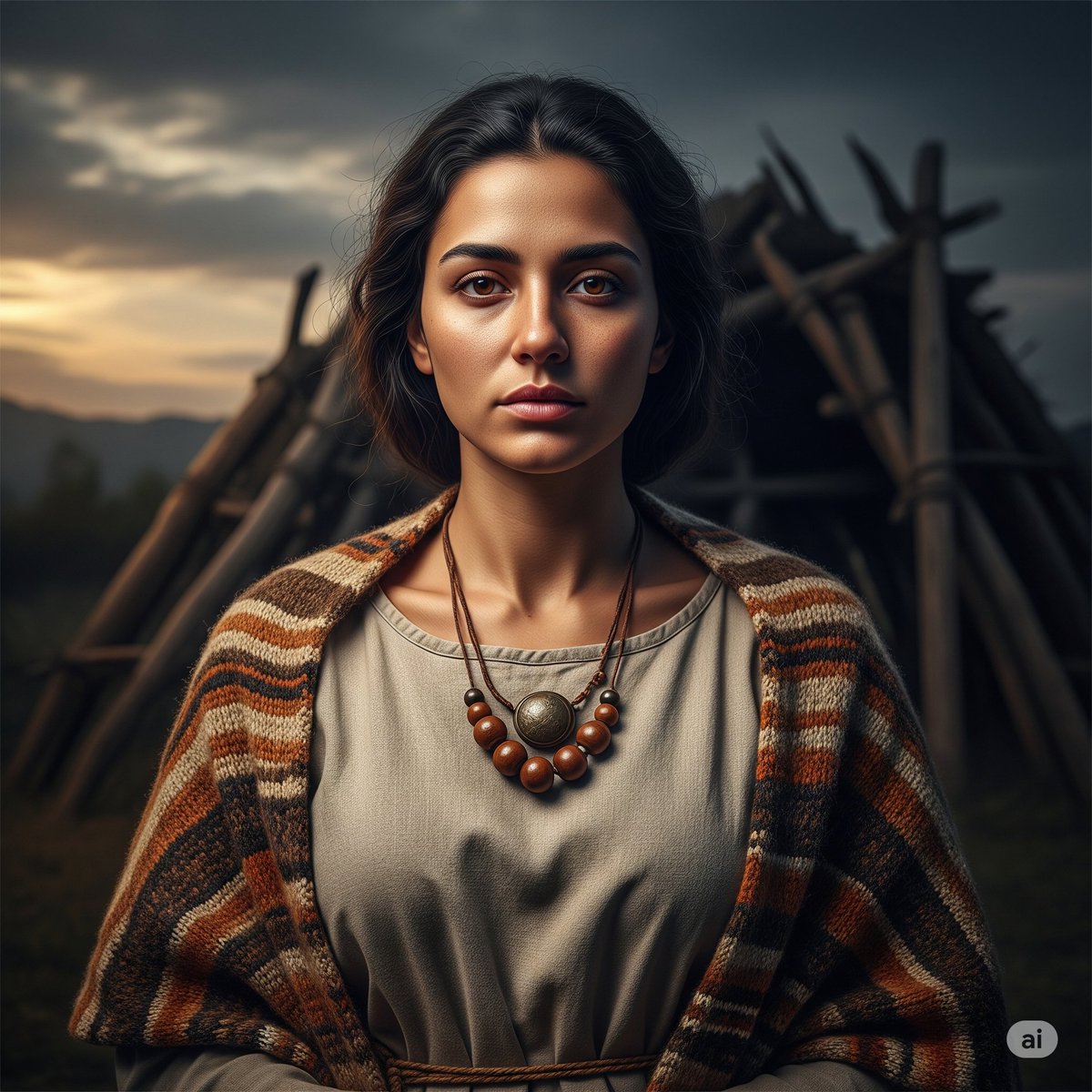
🧬 Genetic Profile: Individual I3310
Time Period: Hellenistic Era (323–31 BCE)
Location: Halikarnassos, Western Anatolia (modern-day Bodrum, Turkey)
Sex: Female
🧫 Mitochondrial DNA (Maternal Line) – Haplogroup W
Originates in West Eurasia, likely from the Near East or Caucasus.
Found today at low frequencies across Europe, the Near East, and South Asia.
Indicates deep regional ancestry, typical for ancient Anatolia.
🧬 Y-DNA (Paternal Line)
Not applicable (she was female).
🧪 Ancient Ancestry Components
1. Anatolian Hunter-Gatherer (36.5%)
Her largest genetic component.
Links her to the original pre-Neolithic peoples of Anatolia.
Represents indigenous ancestry of the region.
2. Caucasus Hunter-Gatherer (27%)
From the Caucasus mountains, often found in Bronze Age Anatolians (e.g., Hittites).
Suggests continuity with ancient populations that migrated into Anatolia.
3. Natufian (Levantine Farmer) Ancestry (24%)
From the first agriculturalists in the Levant.
Spread during the Neolithic Revolution into Anatolia.
Indicates ties to early farming societies.
4. Ancient North Eurasian (12%)
From Indo-European Steppe groups (like the Yamnaya).
Likely represents the Greek settler ancestry from colonization during the Hellenistic era.
🧬 Ancestry Summary
A true Hellenistic Anatolian blend:
Primarily local Anatolian roots (AHG + CHG + NHG).
With Greek Indo-European input from colonists (~12% ANE).
She represents a cultural and genetic fusion of local Anatolian traditions and Greek newcomers.
🌍 Modern Genetic Similarities
Even though she lived over 2,000 years ago, her DNA most closely resembles certain modern groups:
Top Matches:
Cypriots (Aegean Greeks)
Sephardic & Ashkenazi Jews
Armenians & Georgians
These groups preserved a genetic profile close to hers, likely due to shared Eastern Mediterranean and Anatolian ancestry.
🧬 Final Portrait
She was a woman born into a culturally Greek city in Anatolia, genetically rooted in the deep soils of Bronze Age and Neolithic Anatolia, with clear threads of Indo-European (Greek) ancestry woven into her DNA. Her existence reflects the fusion of Greek and Anatolian worlds that defined the Hellenistic age.
#AncientDNA #HellenisticAnatolia #GreekAncestry #AnatolianRoots #CaucasusHeritage #NatufianFarmers #YamnayaLegacy #CypriotGenetics #AshkenaziDNA #SephardicJews #GeneticHistory #Halicarnassus #AncientTurkey #IndoEuropeanMigration #BronzeAgeLegacy #NeolithicAnatolia #FemaleAncientGenome #MediterraneanGenetics #EasternMediterraneanDNA #GeneticFusion

🧬 Ancient DNA Profile: VERT113
Time Period: Early Bronze Age (1958–1771 BCE)
Location: Verteba Cave, Ternopil Oblast, Ukraine
Culture: Corded Ware Culture
Biological Sex: Female
���� Archaeological Context
VERT113 lived in a key era when Indo-European-speaking peoples from the Pontic-Caspian Steppe spread across Europe. She was buried in Verteba Cave, associated with the Corded Ware Culture—an archaeological culture tied to this massive migration and genetic reshaping of Europe.
🧫 Maternal Lineage (mtDNA): HV+16311
This haplogroup traces back to the Near East or Caucasus, a legacy of early Neolithic farmers who brought agriculture to Europe thousands of years before VERT113 lived. The subclade +16311 adds specificity to her maternal ancestry.
🧬 Ancestry Breakdown
Her DNA shows a genetic fusion between:
Steppe pastoralists (Indo-Europeans): They carried ancestry from Caucasus Hunter-Gatherers (CHG) and Ancient North Eurasians (ANE).
Local Neolithic farmers: Descendants of Anatolian Hunter-Gatherers (AHG) who migrated into Europe during the Neolithic period.
Western Hunter-Gatherers (WHG): Indigenous Mesolithic populations in Europe.
Her genetic profile reflects that fusion:
~35–37% Anatolian Farmer ancestry
~30% Steppe-related ancestry (ANE and CHG)
~10–12% Western Hunter-Gatherer ancestry
This mixture is the hallmark of Corded Ware populations during this time.
🌍 Closest Modern Populations
Modern groups most genetically similar to VERT113 include:
Scandinavians (Swedish, especially in Norrland)
Northern Germans (East Prussia, Pomerania)
Eastern Europeans (Ukrainians, especially Ivano-Frankivsk)
Polish populations (Subcarpathia, Silesia)
Georgians/North Caucasus people, reflecting her CHG ancestry
These groups still carry the ancient European components she had, especially Steppe and Neolithic farmer ancestry.
🧠 What Her DNA Tells Us
VERT113 represents a pivotal genetic transformation in Europe. Her DNA reflects a population merger between migrating Indo-Europeans and long-settled European farmers. This blended ancestry would become foundational to many later European groups—especially those in Northern and Eastern Europe.
📌 Summary
VERT113 = Corded Ware + Early Farmer DNA
Steppe ancestry arrived and mixed with local farmers
Her maternal line came from the early farming wave out of the Near East
Her closest modern relatives live in Ukraine, Poland, Germany, and Scandinavia.
#AncientDNA #BronzeAge #CordedWare #UkraineArchaeology #SteppeMigration #IndoEuropean #Archaeogenetics #mtDNA #PopulationGenetics #VertebaCave #GeneticHistory #AncestralEurope #HumanOrigins #DNAExplained #HistoryThroughDNA

🧬 Genetic Profile of Specimen KON003
1. Who Was He?
Sample ID: KON003
Sex: Male
Time Period: 2900–2500 BCE
Culture: Corded Ware
Location: Konobrže, Bohemia (modern-day Czech Republic)
This man lived during the Bronze Age and belonged to the Corded Ware culture, a group key to spreading Indo-European languages and Steppe ancestry across Europe.
2. Lineage
🧔♂️ Paternal DNA (Y-DNA): R1b-L151
Importance: One of the most common paternal haplogroups in Western Europe today.
Origin: Came from Steppe pastoralists (e.g., Yamnaya people).
Meaning: KON003 was part of the migration that reshaped Europe's gene pool.
👩🍼 Maternal DNA (mtDNA): L1'2'3'4'5'6
Surprise: Extremely rare for Europe; typically found in Sub-Saharan Africa.
Possibilities:
Could be an ancient lineage that vanished in Europe.
Might suggest rare contact or migration.
Or possibly a classification error—though unlikely with current methods.
3. Ancestry Composition (Autosomal DNA)
KON003’s DNA reflects a three-part blend:
Steppe Ancestry (~55–60%)
Mix of Eastern and Caucasus hunter-gatherers (e.g., Yamnaya-type ancestry).
Core of Corded Ware identity.
Early European Farmer (~35–40%)
From Anatolian and Greek Neolithic farmers who had settled in Europe earlier.
Minor Western Hunter-Gatherer Influence
Remnants of Europe's indigenous Mesolithic peoples.
This mix is typical of Corded Ware individuals, showing the fusion of migrating Steppe people with native European farmers.
4. Modern Genetic Similarities
KON003's DNA closely matches people in Northern and Central Europe today:
Top Matches:
Germans (especially from Saxony and Pomerania)
Scandinavians (Swedes and Norwegians)
Dutch
This confirms that the genetic legacy of the Corded Ware people lives on most strongly in these regions.
5. Final Thoughts
KON003 was:
A descendant of Steppe migrants who spread R1b lineages into Europe.
A genetic bridge between Neolithic farmers and nomadic pastoralists.
A man with a mystery in his maternal line, possibly indicating hidden threads in Europe's ancient history.
He’s a genetic ancestor of millions in modern Europe and a clear example of the great prehistoric migrations that shaped the continent.
#AncientDNA #CordedWare #BronzeAgeEurope #SteppeAncestry #GeneticLegacy #YDNA_R1b #BohemiaBronzeAge #EuropeanPrehistory #IndoEuropeanOrigins #AncientMigration #GeneticsMystery #mtDNA_L1 #DNAGenics #HumanOrigins #CzechArchaeogenetics #ScandinavianRoots #DutchAncestry #GermanicOrigins #KON003 #AncientEuropeUncovered

🧬 Who Was I6113?
I6113 was a female who lived during the Harappan Civilization (2800–1900 BCE), discovered at the site of Rakhigarhi, in Haryana, India. Her DNA offers one of the clearest windows into the genetics of the Indus Valley Civilization (IVC) — one of the world's first major urban societies.
🌍 Time & Place
Date: ~2800–1900 BCE
Location: Rakhigarhi, Haryana (Harappan site)
Civilization: Indus Valley (Harappan)
Sex: Female
🧬 Maternal Lineage (mtDNA): U2b2
This rare haplogroup is found mostly in South Asia today, and her genome confirms it was already deeply rooted in the region 5,000 years ago.
This links her directly to modern Indian populations, showing genetic continuity from Harappan times to the present.
🌐 Modern DNA Affinities
Her DNA shows a very close match to modern South Asians, especially:
South India & Sri Lanka: ~48%
North India & East Pakistan: ~50%
Her closest living genetic matches include:
Gujarati,
Malayali Christians (Nair, Nasrani, Knanaya),
Punjabi (Lahore).
This shows Harappans were ancestral to both northern and southern Indians, forming a deep genetic base across the subcontinent.
🏺 Ancient DNA Components
Her deeper ancestry is a blend of three major ancient populations:
1. AASI (Ancient Ancestral South Indians) – ~49.5%
→ Indigenous hunter-gatherers of ancient India.
2. CHG/Iranian Neolithic Farmers – ~35.8%
→ Early farmers from the Zagros mountains & Caucasus.
3. ANE (Ancient North Eurasians) – ~14.7%
→ Ancient Siberian hunter-gatherer ancestry.
These components are common in pre-Indo-European South Asians, forming the core of early farming societies in the subcontinent.
🚫 No Steppe DNA Detected
She has zero Steppe/Yamnaya ancestry — the kind later introduced by Indo-European-speaking migrants.
This strongly supports the idea that the Indo-Aryan migration came after the Harappan decline, not during it.
🧠 What This Means
I6113 was part of a thriving urban, literate society long before the arrival of Indo-European speakers.
Her genome proves that modern Indians and Pakistanis descend heavily from Harappan people, not from later migrants.
This also helps date the arrival of Indo-European languages in South Asia to after 1900 BCE.
#AncientDNA #HarappanCivilization #IndusValley #SouthAsianHistory
#Genetics #BronzeAgeIndia #Archaeogenetics #Rakhigarhi
#AASI #CHG #IranianFarmers #NoSteppe
#IndianHistory #IndoEuropeanMigration #mtDNAU2b2
#HarappanWoman #AncientIndia #BronzeAge

Middle Bronze Age male from Darra-i-Kur, Afghanistan
📜 Overview: Who Was He?
This man lived around 2581–2411 BCE in the Darra-i-Kur cave in northern Afghanistan. He wasn’t part of a big city but likely a member of a mobile pastoralist group who moved with herds seasonally. His cave was located at a key cultural and trade crossroads, connecting three major ancient worlds:
The Bactria-Margiana Civilization (BMAC) to the south
The Indus Valley Civilization to the southeast
The Eurasian Steppe cultures to the north
He lived right where Indo-European migrations, trade, and culture blended. His genes tell the story of that fusion.
🧬 Genetic Lineages
Paternal Line (Y-DNA): R-M479
This is a branch of the famous R1a-Z93 haplogroup, strongly tied to the Indo-European migrations from the Eurasian Steppe.
It’s especially associated with the Sintashta and Andronovo cultures — early horse-riders and metal users who moved south.
Today, this lineage is found in Eastern Europe, Central Asia, and North India.
In short: His father’s ancestors were Steppe nomads who moved into Central Asia.
Maternal Line (mtDNA): H2a
This line comes from West Eurasia, originally from the Near East.
It was already widespread across Europe, the Caucasus, the Iranian Plateau, and Central Asia.
It shows his mother’s ancestry was part of the older populations living in the region — possibly farmers or mountain people before Steppe groups arrived.
🌍 Ancestry Breakdown (Autosomal DNA)
His full genetic makeup is a mix of ancient sources:
~46–48% Caucasus Hunter-Gatherer (CHG): Common among Bronze Age Steppe people
~16–28% Ancient North Eurasian (ANE): Also part of Steppe ancestry
~12–13% Anatolian Hunter-Gatherer (AHG): Linked to ancient Iranian and Anatolian farmers
~6–10% Ancient Ancestral South Indian (AASI): From native South Asian populations
💡 What this means:
He was mostly Steppe pastoralist (CHG + ANE), with some ancestry from local Iranian Plateau farmers and early South Asian groups. A perfect example of a genetic melting pot.
👥 Who Are His Closest Modern Relatives?
Modern DNA comparisons show he is genetically closest to:
Pashtuns from Kandahar and Northern Afghanistan
Tajiks from Badakhshan and Kulob
People from the North Caucasus (e.g. Georgians)
These ethnic groups today carry a very similar mix of genes. His genetic legacy lives on, especially in Iranic-speaking groups like Pashtuns and Tajiks.
🧩 Final Takeaway
This man from Darra-i-Kur represents a turning point in Central Asian history. His DNA shows how Steppe migrants mixed with older farming and South Asian populations. The resulting blend is still visible in the people of Afghanistan and surrounding regions today.
He was not a relic of a lost people — but a founding ancestor of many who live there now.
#AncientDNA #BronzeAgeAfghanistan #DarraiKur #SteppeAncestry #IndoEuropeanMigration #PashtunRoots #TajikOrigins #R1aZ93 #AncientGenetics #BMAC #IndusValleyLinks #CaucasusDNA #AfghanistanHistory #GeneticLegacy #Archaeogenetics #SouthCentralAsia

🧬 The Genetic Origins of a man from the North Caucasus
Specimen Details
Sample ID: nalchik2023
Date: 5200 BCE - 4850 BCE
mtDNA: Not available
Y-DNA: Not available
Cultural Period: Early Nalchik Culture
Location Details
Country: Russia
Locality: Nal'chik Cemetery (Kabardino-Balkaria)
Coordinates: 43.4970, 43.5820
🔷 Overall Summary
His DNA tells the story of someone from the North Caucasus—places like Dagestan, Chechnya, or Kabardino-Balkaria—with strong genetic influence from Central Asia, including both Iranic-speaking (like Tajiks) and Turkic/Siberian peoples.
His ancestry is deeply rooted in the Caucasus but reflects many layers of migration and mixing over thousands of years—especially from the Eurasian Steppe and Central Asia.
🔍 1. Modern Ancestry (Recent DNA)
🧪 Modern 1 (Fit: Excellent)
North Caucasus – 39.8%
The core of your ancestry. Related to groups like Darginians, Avars, Chechens.
Central Asia Iranic (e.g., Tajiks) – 15.2%
Reflects ties to ancient Indo-Iranian peoples.
Central Siberia + Turkic Central Asia – 17.2%
Shows influence from steppe and Siberian/Turkic migrations.
North India & East Pakistan – 6.8%
This fits with the broader Indo-Iranian continuum.
Volga-Ural Region – 6.0%
Reflects minor input from the crossroads of Europe and Asia.
🧪 Modern 2 (Fit: Very Good)
North Caucasus – 24.2%
South Central Asia + Kurdish/Persian + Central Asia – 44.2%
West Siberia – 12.4%
These results echo the same pattern: a North Caucasian core with strong Central Asian and Siberian input.
🧭 2. Closest Modern Populations
He is genetically most similar to:
North Caucasians: Darginian, Avar, Kubachinian, Chechen, Kaitag
Central Asians: Tajiks from Badakhshan, Kulob, Ayni
🔹 Interpretation: he is not purely from one group. You're genetically between modern-day North Caucasians and Central Asians—likely reflecting centuries of migration and intermixing in this part of the world.
🏺 3. Ancient Ancestry (Deep Roots)
Across multiple models, his ancient DNA breaks down like this:
Caucasus Hunter-Gatherer (CHG) – ~35%
The ancient base population from your homeland.
Ancient North Eurasian (ANE) – ~29%
Ancestry from Ice Age Siberia, later spread by Yamnaya/Indo-Europeans.
Anatolian Hunter-Gatherer (AHG / First Farmers) – ~17%
Early farmers from modern-day Turkey who spread agriculture.
Ancient Northeast Asian (e.g., Yellow River Farmers) – ~6%
Reflects later Siberian/Turkic ancestry.
🧬 Your ancient genetic profile: You have the classic Caucasus + Steppe + Farmer + Turkic mix common to people from the Eurasian crossroads.
🧓 Comparison with a Neolithic Nalchik Individual (5200–4850 BCE)
That ancient person likely had mostly CHG ancestry with some early Anatolian Farmer genes.
You share this base, but your genome shows major new layers:
ANE Steppe ancestry from the Yamnaya (~3000 BCE)
Turkic/Mongol ancestry from later migrations (~500–1500 CE)
🧠 Final Thoughts
He is genetically rooted in the ancient Caucasus, but his DNA has been shaped over millennia by:
Indo-European expansions from the Steppe
Turkic and Mongolic migrations from Central/East Asia
Neolithic farming cultures from Anatolia
This makes you a true Eurasian hybrid—a living reflection of the deep and complex history of one of the world’s most ethnically layered regions.
#NorthCaucasus
#AncientDNA
#CaucasusHunterGatherer
#IndoEuropeanMigration
#Yamnaya
#CentralAsianHeritage
#SteppeAncestry
#TajikAncestry
#TurkicInfluence
#SiberianGenes
#NeolithicAncestry
#AncientNorthEurasian
#CHGAncestry
#AnatolianFarmer
#Paleogenetics
#GeneticPortrait
#HumanOrigins
#AncientRoots
#HistoricalGenetics

🚨🚨🚨
New Study Proposes a Hybrid Model for Indo-European Origins
A Major Step Forward in Linguistic Phylogenetics
A groundbreaking new study has reignited the debate surrounding the origins of the Indo-European language family. By combining a newly curated lexical database with advanced computational methods, researchers have proposed a “hybrid” model for the dispersal of Indo-European languages—challenging traditional theories and opening new pathways in historical linguistics.
The Hybrid Homeland Hypothesis
At the heart of the study is the proposal that Indo-European languages may have originated in a hybrid homeland. The research suggests that the earliest splits occurred south of the Caucasus near Anatolia, with branches such as Anatolian, Greco-Armenian, and Indo-Iranic diverging before the later well-known steppe expansions. These findings imply that both Anatolia and the Eurasian Steppe played key roles in shaping the Indo-European family tree.
Rethinking the Timeline
Using a robust Bayesian phylogenetic analysis and a comprehensive lexical dataset, the researchers estimate the Indo-European language family to be around 8,100–8,200 years old. The major branches are thought to have begun splitting between 8,100 and 6,100 years ago—well before the migration of steppe populations into Europe and Central Asia. This significantly challenges the long-held steppe-only hypothesis.
Bridging Linguistics and Genetics
One of the study’s strengths lies in its interdisciplinary approach, combining linguistic data with insights from ancient DNA research. This supports a more complex narrative, where both early agricultural migrations and later steppe movements contributed to the linguistic landscape of Eurasia.
Innovation and Controversy
The creation of the IE-CoR database marks a notable achievement, compiling lexical data from over 160 languages, including many ancient tongues. Still, the study faces valid critiques. Key challenges include distinguishing inherited words from borrowings, accounting for independent word formation, and aligning linguistic timelines with archaeological findings.
The Debate Continues
While this hybrid model represents a major advance in the field, it’s far from the final word. Some scholars argue the proposed dates don’t match material culture associated with proto-language reconstructions. Others call for even more expansive datasets or deeper focus on reconstructed ancestral forms.
Conclusion
This new model emphasizes that the spread of Indo-European languages was a dynamic, multi-regional process. Rather than a single homeland or linear migration path, it invites us to consider a more interconnected history—one that continues to evolve with each new discovery.
#IndoEuropean #Linguistics #LanguageOrigins #HistoricalLinguistics #HybridModel #Anatolia #SteppeTheory #LanguageFamily #AncientLanguages #BayesianPhylogenetics #IECoR #LanguageHistory
Read the manuscript
https://t.co/7dnjTbuoxz

@yorgunturkmen @EnesAuu All steppe DNA is not from indoeuropean!
This is wrong
Most Popular Users

Elon Musk 
@elonmusk
239.7M followers

Barack Obama
@barackobama
118.6M followers

Cristiano Ronaldo
@cristiano
114.3M followers

Donald J. Trump
@realdonaldtrump
111.7M followers

Narendra Modi
@narendramodi
106.9M followers

Rihanna
@rihanna
98.6M followers

NASA
@nasa
92.1M followers

Justin Bieber
@justinbieber
91.7M followers

KATY PERRY
@katyperry
89.9M followers

Taylor Swift
@taylorswift13
83.9M followers

Lady Gaga
@ladygaga
75.4M followers

Virat Kohli
@imvkohli
73.3M followers

Kim Kardashian
@kimkardashian
70.8M followers

YouTube
@youtube
68.6M followers

Neymar Jr
@neymarjr
66.3M followers

Bill Gates
@billgates
65.1M followers

Selena Gomez
@selenagomez
63M followers

The Ellen Show
@theellenshow
62.1M followers

CNN
@cnn
61.7M followers

X
@x
60.6M followers